New York is famous for bright lights, tall buildings, busy streets, and food that people remember for years. Many of its best-known dishes did not begin in fancy dining rooms, but in corner shops, family kitchens, neighborhood bars, bakeries, and small restaurants where cooks were trying to feed real people well.
Some were made for factory workers, some for late-night crowds, some for families sharing Sunday meals, and some for anyone who wanted something hot, sweet, cheap, or comforting. These foods matter because they show how New York turns simple ideas into traditions that travel far beyond the block where they started.
1. Garbage Plate
A late-night appetite in Rochester can lead to one of New York’s wildest comfort meals.
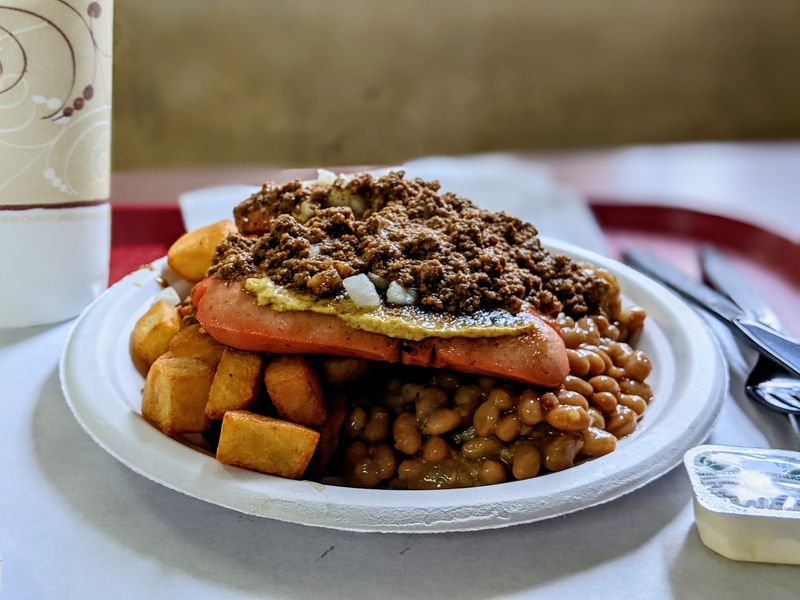
The Garbage Plate looks messy at first glance, but every part has a job, from the creamy macaroni salad to the spicy meat sauce.
This famous plate is closely tied to Nick Tahou Hots, a modest Rochester restaurant that became a food landmark without acting fancy.
The idea was simple: pile filling foods together so workers, students, and hungry night owls could leave full and happy.
A classic version often starts with two sides, such as home fries and macaroni salad.
Then comes meat, usually cheeseburgers, hot dogs, or red hots, followed by mustard, chopped onions, and a beefy hot sauce with a warm spice kick.
The best way to eat it is not to separate everything too carefully.
A little bite of potato, pasta, meat, onion, and sauce together explains why the dish has lasted.
Visitors should know that the Garbage Plate is more than a dare food.
It tells a story about blue-collar New York, college-town hunger, and the kind of meal made for people who do not need white tablecloths.
If you try one, go hungry and consider sharing if your appetite is small.
Locals may have strong opinions about the best version, but the fun is finding your own favorite combination.
Its unpolished look is part of the charm.
In a state known for world-class dining, the Garbage Plate proves that an unforgettable meal can begin on a paper plate in a no-frills room.
2. Buffalo Wings
Few foods shout game day louder than a basket of saucy wings.
Buffalo Wings began in a simple bar setting, yet they grew into one of the most copied foods in America.
The story usually points to Anchor Bar in Buffalo, where chicken wings were turned into something bold instead of being treated as scraps.
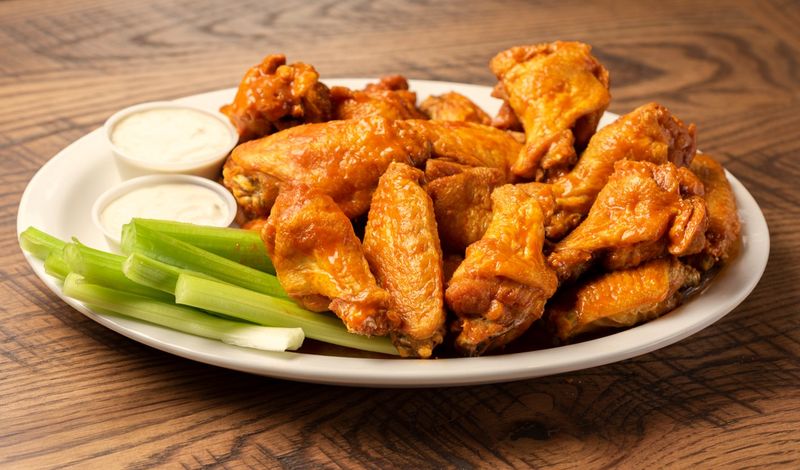
Deep frying made them crisp, and a buttery hot sauce gave them the fiery flavor people now expect.
What makes true Buffalo Wings special is balance.
The sauce should be tangy, hot, and rich, while the skin stays crisp enough to hold up under all that flavor.
Celery and blue cheese dressing are not just extras.
They cool the heat, add crunch, and make each bite feel a little less wild before the next wing pulls you back in.
In Buffalo, wings are tied to neighborhood taverns, snowy weather, sports, and easy conversation.
They are food for groups, best enjoyed with napkins nearby and no fear of sticky fingers.
When ordering, look for wings that are fried fresh and tossed right before serving.
If the menu offers mild, medium, hot, and extra hot, start lower than you think if you are not used to spicy food.
Buffalo Wings show how a small kitchen choice can change restaurant menus everywhere.
A humble bar snack became a New York original that now appears at parties, stadiums, and family tables across the country.
3. Utica Greens
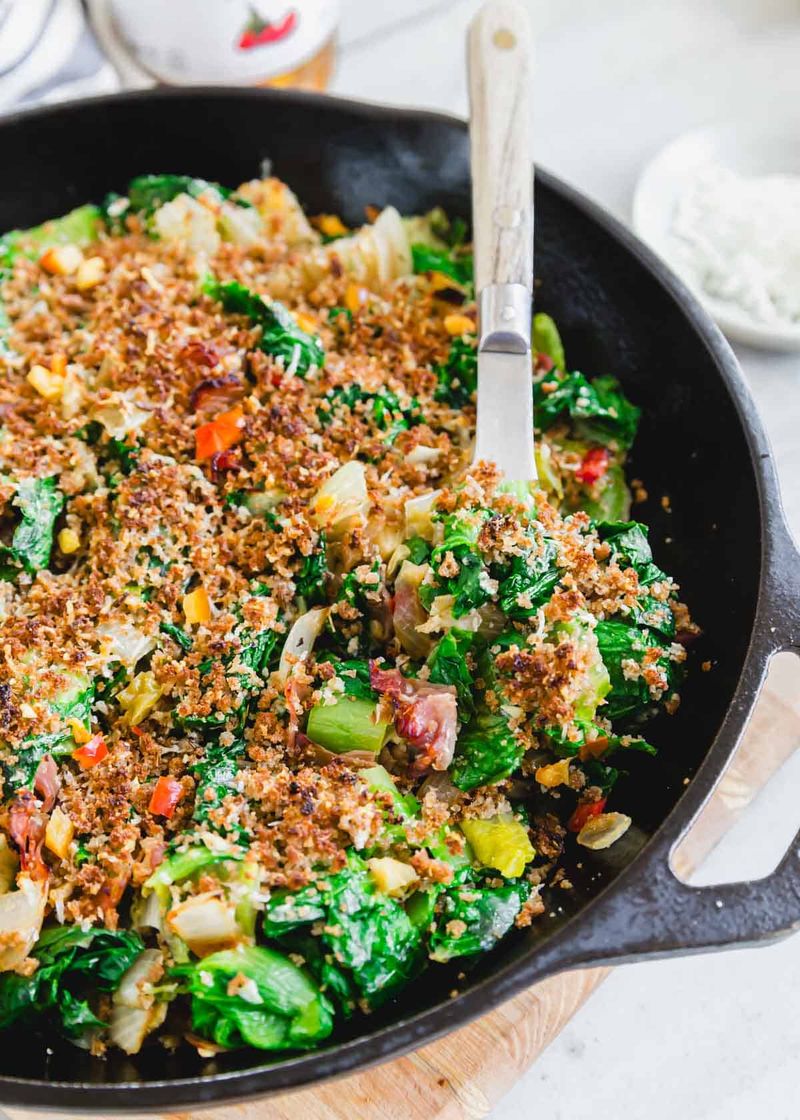
A plate of greens may sound quiet, but Utica found a way to make vegetables loud, spicy, and deeply satisfying.
Utica Greens turn escarole into a dish people talk about with real pride.
The roots sit in Italian American kitchens around Utica, where families made strong flavors from simple ingredients.
Restaurants later helped shape the version many diners know today, often using escarole, garlic, hot peppers, breadcrumbs, cheese, and cured meat.
Escarole has a slight bitterness, which works well with salty cheese and sharp peppers.
The breadcrumbs soak up flavor and give the dish a hearty texture that feels almost like a casserole.
Some versions are mild, while others bring enough heat to make you reach for water.
Cherry peppers are common, and they give the greens their lively New York personality.
Utica Greens are usually served as an appetizer or side dish, but they can steal attention from the main course.
They pair well with pasta, chicken, sausage, or a simple slice of crusty bread.
For travelers, ordering them is a smart way to understand local food beyond pizza and wings.
The dish reflects immigrant cooking, neighborhood restaurants, and the habit of turning affordable ingredients into something memorable.
At home, cooks can make a friendly version by starting with escarole, olive oil, garlic, pepper rings, grated cheese, and toasted breadcrumbs.
The goal is not perfection, but a warm, punchy dish that tastes like it came from a small Central New York kitchen.
4. Chicken Riggies
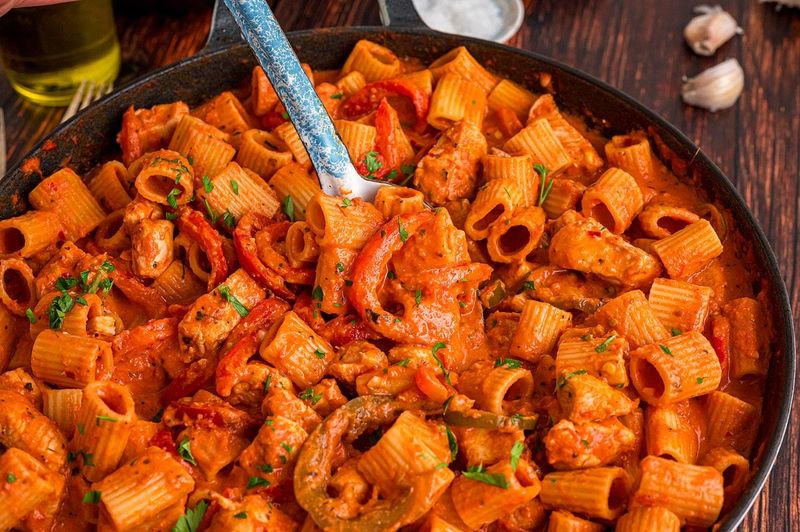
Comfort food gets a Central New York accent with Chicken Riggies.
The name sounds playful, and the dish tastes like something made for a crowded table on a chilly night.
Riggies means rigatoni, the short tube pasta that catches sauce inside its ridges.
In Utica and nearby towns, cooks mixed it with chicken, peppers, onions, garlic, tomatoes, and cream to create a local favorite.
The sauce is the real star.
It can be pink, spicy, creamy, garlicky, or all of those at once, depending on who is cooking.
Some restaurants add hot cherry peppers for a sharp kick.
Others make a smoother, milder version for families who want comfort without too much heat.
Chicken Riggies feel like restaurant food and home food at the same time.
They are filling enough for a full meal, but friendly enough to share from a big bowl in the middle of the table.
When trying them in New York, ask whether the sauce is spicy before ordering.
If you love heat, request the version with hot peppers, but if you want a softer flavor, look for a creamy tomato style.
This dish became iconic because it belongs so clearly to its region.
It is not polished or fussy, and that is the point.
Small Italian American kitchens helped make Chicken Riggies a local badge of honor.
One forkful of pasta, chicken, sauce, and pepper explains why people from Utica speak about it with the confidence usually saved for family recipes.
5. Spiedies
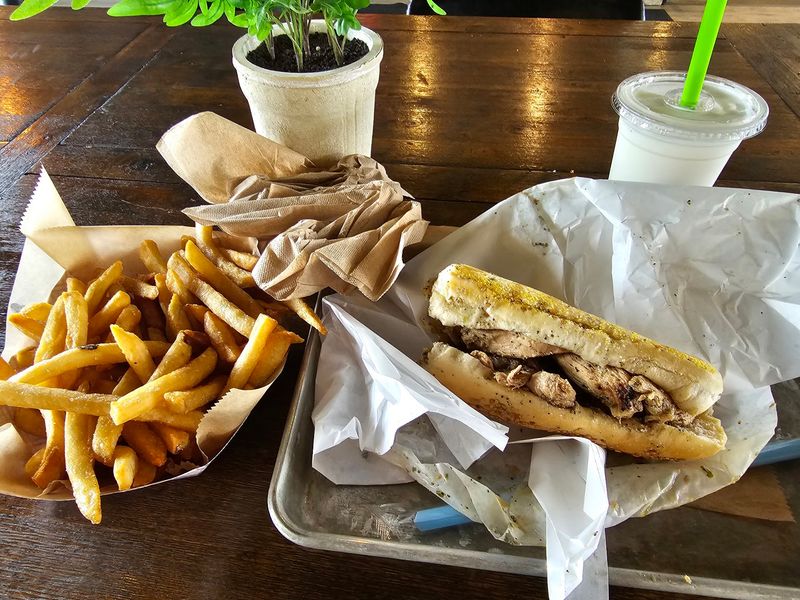
The smell of marinated meat on a grill can stop people in their tracks around Binghamton.
Spiedies are simple, but their flavor comes from patience before the cooking even starts.
This Southern Tier favorite is made with cubes of meat, often chicken, pork, lamb, or beef.
The meat soaks in a tangy marinade with oil, vinegar, herbs, garlic, and spices.
After marinating, the cubes are grilled on skewers until browned and juicy.
Then the meat is usually pulled off the skewer with a slice of soft Italian bread, creating a sandwich without much fuss.
The beauty of spiedies is how casual they are.
You can find them at festivals, backyard cookouts, local restaurants, and roadside spots where the grill does most of the talking.
Binghamton is so proud of this food that the area hosts a Spiedie Fest, showing how a small regional dish became a celebration.
Families often have favorite marinades, and some guard those recipes closely.
If you try making spiedies at home, give the meat several hours to soak, or even overnight.
Rushing the marinade means missing the bright, herby flavor that makes the dish special.
Chicken is a good starting point for beginners because it cooks quickly and takes on flavor well.
Lamb gives a more traditional taste for people who want something richer.
Spiedies remind us that not every iconic New York food needs a big city address.
Some legends begin over charcoal, in a small town yard, with bread in one hand and a skewer in the other.
6. Beef On Weck
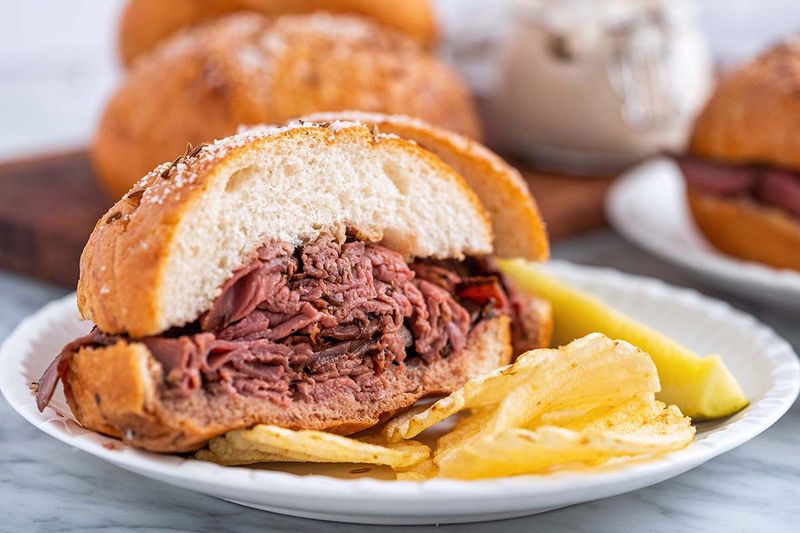
A sandwich can be simple and still feel like a local treasure.
Beef On Weck proves that bread, meat, salt, and horseradish can create a flavor people chase across Western New York.
The sandwich is strongly linked to Buffalo and its old tavern culture.
Its name comes from the kummelweck roll, a crusty roll topped with coarse salt and caraway seeds.
Inside, thin slices of rare roast beef are piled high.
The cut side of the top roll is often dipped in beef juices, giving the sandwich a warm, savory richness.
Horseradish is the classic partner.
It wakes up the beef with a sharp bite, so use a little at first if you are new to it.
The roll matters as much as the meat.
Without the salty, seeded top, the sandwich becomes ordinary roast beef, not the Buffalo classic people love.
Beef On Weck likely grew from small bars that wanted customers to stay thirsty and satisfied.
The salty roll encouraged drink orders, while the beef made the meal feel hearty.
Visitors should look for it in old-school taverns, neighborhood restaurants, and Buffalo-area pubs.
A good version is juicy but not soggy, salty but not harsh, and tender enough to bite cleanly.
Pair it with fries, chips, or a pickle, but give the sandwich the spotlight.
In a state packed with famous foods, Beef On Weck stands out because it keeps its identity close to home, proud, practical, and full of flavor.
7. New York-Style Pizza
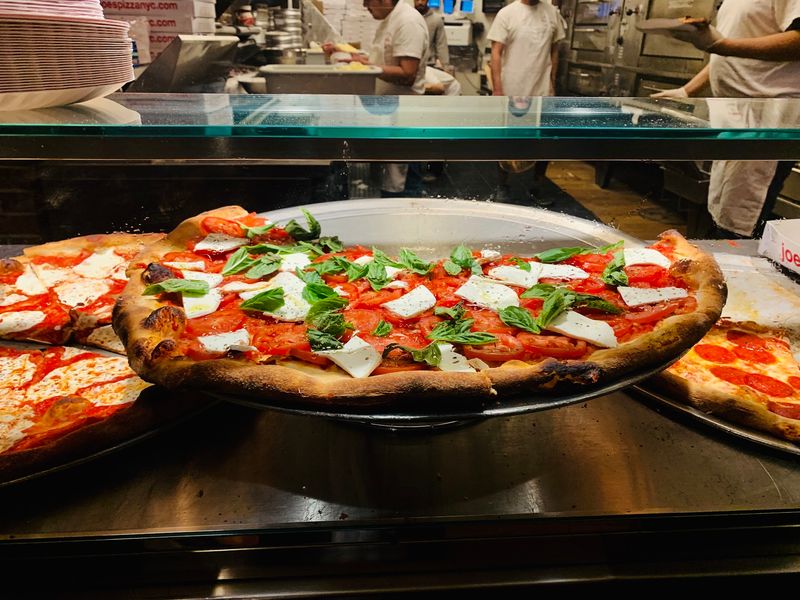
A hot slice folded in half can feel like the official snack of New York City.
New York-Style Pizza grew from small pizzerias and busy streets into one of the world’s most recognized foods.
The style is known for a thin, wide crust that bends without falling apart.
Tomato sauce, mozzarella, and a crisp yet chewy base make it easy to eat while walking.
Many people connect the story to early Italian immigrant bakers in Manhattan.
Lombardi’s is often named as one of the first licensed pizzerias in the city, helping shape a food that fit New York’s fast pace.
A good slice should have balance.
The crust should not taste like cardboard, the cheese should melt evenly, and the sauce should bring brightness without drowning everything.
Folding the slice is not just for style.
It helps control the wide triangle, keeps toppings in place, and lets you eat quickly on a crowded sidewalk.
For visitors, a plain cheese slice is the best test.
Extra toppings can be fun, but cheese pizza shows whether the dough, sauce, and oven work together.
Small slice shops remain a key part of city life.
Office workers, students, tourists, cab drivers, and late-night crowds all meet at the counter for the same quick comfort.
New York-Style Pizza became famous because it matches the city’s rhythm.
It is fast, affordable, flavorful, and democratic, served from tiny storefronts that may be easy to miss until the smell of baking dough pulls you inside.
8. Half-Moon Cookies
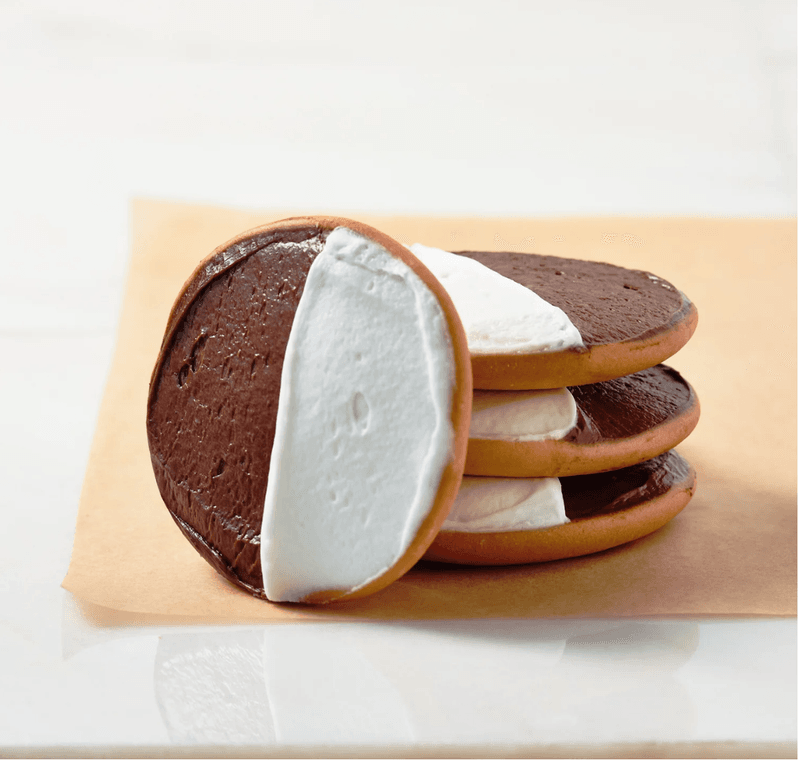
One cookie, two frostings, and a whole lot of local love make Half-Moon Cookies hard to ignore.
They look playful, but their soft, cake-like bite gives them old bakery charm.
Half-Moon Cookies are especially tied to Utica, where Hemstrought’s Bakery helped make them famous.
Unlike the flatter black and white cookie known in New York City, this version is often thicker, softer, and more like a small cake.
The base is usually a round chocolate or vanilla cookie with a tender crumb.
One half gets vanilla icing, while the other half gets chocolate icing, creating the name and the fun look.
Part of the appeal is choice in every bite.
Some people eat the vanilla side first, others start with chocolate, and careful snackers try to get both at once.
These cookies are common at bakeries, grocery stores, family gatherings, and office treat boxes around Central New York.
They carry a sense of childhood for many people who grew up seeing them in bakery cases.
If you buy one, freshness matters.
A good Half-Moon Cookie should be soft, not dry, with icing that is sweet but not gritty.
They also travel well, which makes them a smart edible souvenir from Utica.
Bring a few home, and you can share a piece of New York food history without needing plates or forks.
Half-Moon Cookies show how a small bakery item can become a regional symbol.
The design is simple, the flavors are familiar, and the memory sticks because the treat feels cheerful before you even take a bite.
9. Egg Cream
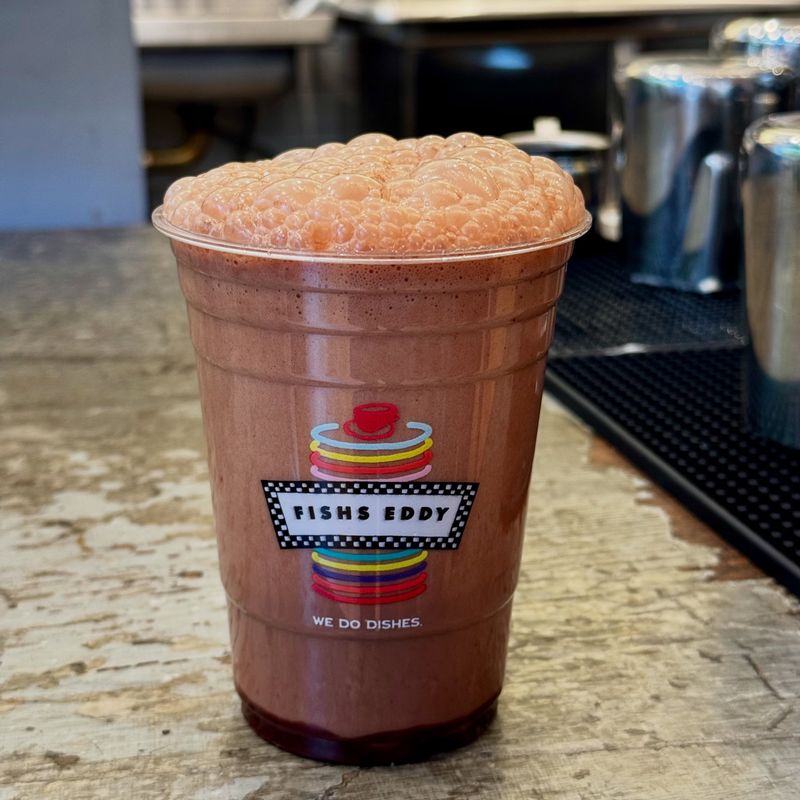
The name tricks almost everyone the first time.
An Egg Cream has no egg and no cream, yet it remains one of New York City’s most beloved soda fountain drinks.
This fizzy treat is usually made with cold milk, chocolate syrup, and seltzer.
When mixed correctly, it forms a foamy top and a light chocolate flavor that feels both sweet and refreshing.
Its roots are often linked to Jewish soda fountains and candy shops in Brooklyn and Manhattan.
These small counters gave neighborhoods a place to gather, talk, cool off, and enjoy an affordable treat.
The drink depends on timing.
Seltzer should be strong and lively, and the ingredients need to be stirred enough to blend but not so much that the foam disappears.
Fox’s U-bet chocolate syrup is a classic choice for many fans.
Some argue it is the only proper syrup, which shows how serious New Yorkers can be about simple foods.
Ordering an Egg Cream today feels a little like stepping into the past.
You can still find it at old delis, diners, and soda shops that care about city food traditions.
If you make one at home, use a tall glass, very cold milk, chocolate syrup, and fresh seltzer.
Pour gently, stir carefully, and drink it right away because the sparkle fades fast.
The Egg Cream’s charm comes from doing a lot with very little.
A few cheap ingredients, mixed at a humble counter, created a drink that still carries the sound, speed, and sweetness of old New York.
10. New York-Style Cheesecake
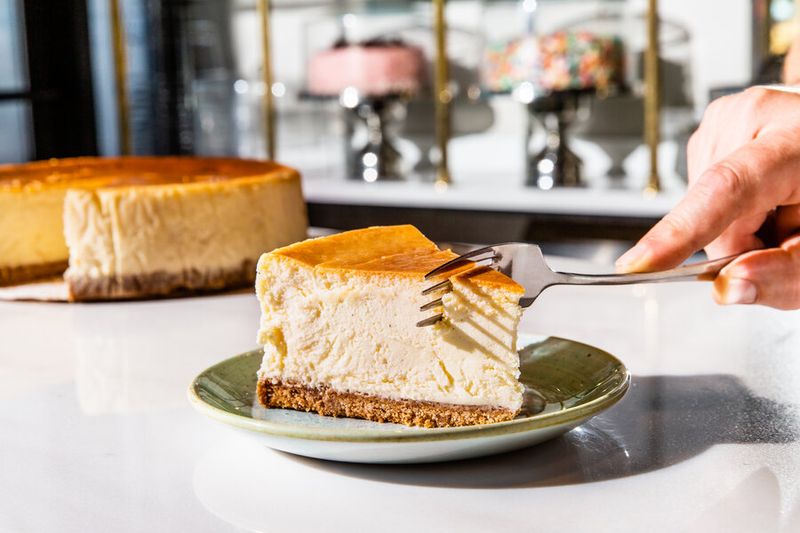
A fork gliding through dense cheesecake can make a noisy room feel quiet for a second.
New York-Style Cheesecake is rich, smooth, and confident without needing many decorations.
The dessert became closely tied to city delis, bakeries, and restaurants where cream cheese took center stage.
Compared with lighter cheesecakes, the New York version is thicker, taller, and more intense.
Its filling usually uses cream cheese, eggs, sugar, and sometimes sour cream or heavy cream.
The result is a firm but creamy texture that holds a clean slice.
Junior’s in Brooklyn is one of the most famous names connected to New York cheesecake, though many smaller bakeries helped build the dessert’s reputation.
Each place may have its own crust, baking method, or topping style.
Plain cheesecake is the best way to judge quality.
Fruit sauces and chocolate are tasty, but the classic version shows whether the filling is smooth, tangy, and balanced.
A good slice should be rich enough that you do not need a huge piece.
Letting it sit for a few minutes before eating can soften the texture and bring out the flavor.
For travelers, cheesecake makes a sweet stop after pizza, deli sandwiches, or a long walk through Manhattan or Brooklyn.
Many shops sell slices to go, which is helpful if your schedule is packed.
New York-Style Cheesecake proves that simple can still feel special.
Born from practical bakery counters and neighborhood dining rooms, it became a dessert people connect with celebration, comfort, and the proud food culture of New York.
11. Grandma Pizza
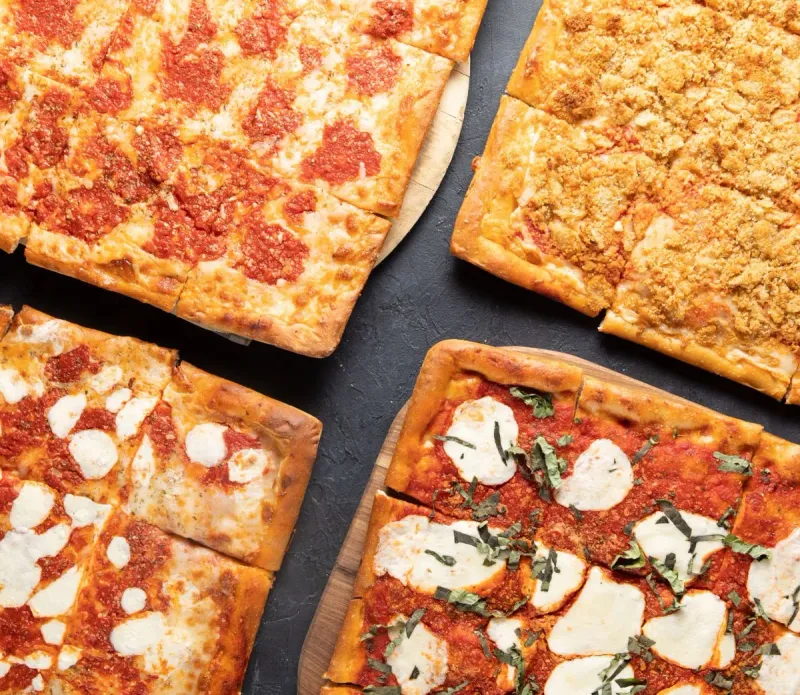
Not every great pizza was born from a coal oven or a famous city counter.
Grandma Pizza feels like something pulled from a family kitchen, which is exactly why people love it.
This square pie is strongly connected to Long Island pizzerias and Italian American home cooking.
The name suggests the kind of pizza a grandmother might make in a simple pan for the family.
The crust is thinner than Sicilian pizza but still sturdy.
It is baked in an oiled sheet pan, giving the bottom a crisp texture while the inside stays tender.
Cheese often goes on before the sauce, though styles vary.
Tomato sauce may be spooned across the top in stripes or patches, creating a rustic look that feels homemade.
Grandma Pizza became popular in small neighborhood shops before gaining wider attention.
It offered something different from the usual round slice, but it did not feel strange or fancy.
When choosing a slice, look for a browned bottom and bright tomato flavor.
Too much cheese can weigh it down, while too little oil can make the crust less exciting.
This pizza is easy to enjoy plain, but toppings like fresh basil, garlic, or pepperoni can work well.
The best versions taste balanced, with crisp edges, sweet sauce, and a little olive oil richness.
Grandma Pizza shows the quiet power of home-style food.
It became iconic because it feels personal, like a recipe passed across a kitchen table before finding its way into New York pizzerias and slice boxes.
Share this story