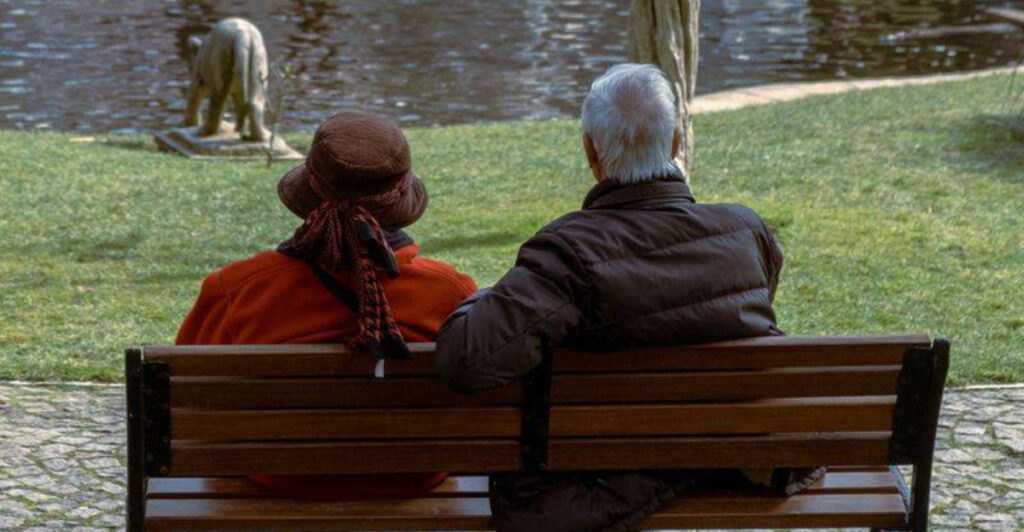
A morning walk beside a quiet lake, an afternoon browsing a historic downtown, and dinner near the ocean might sound like three different retirement plans. In New Jersey, they can all come with addresses that cost far less than the state’s expensive reputation suggests.
The trick is knowing where to look. Beyond the commuter suburbs and polished Shore enclaves are river towns, South Jersey communities, and established retirement hubs where modest homes, condominiums, and age-restricted neighborhoods remain within reach.
Affordability here is always relative—property taxes, insurance, and association fees still deserve careful scrutiny—but these places offer promising starting points for retirees determined to stay in the Garden State. Some provide walkable streets and public transportation; others trade bustle for extra space and a slower daily rhythm.
Together, these 11 communities prove that retiring in New Jersey does not automatically require a princely pension, a winning lottery ticket, or a moving truck pointed south.
1. Pompton Lakes
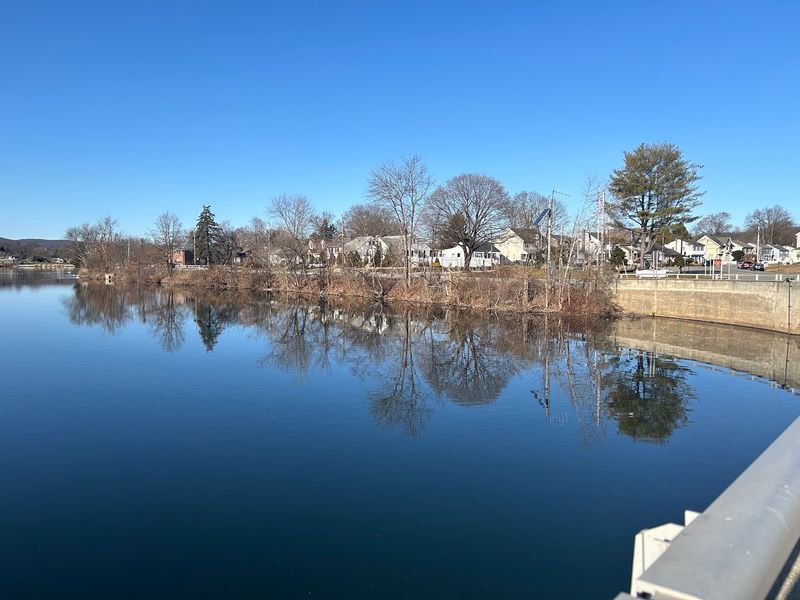
A lake at the center of town gives this Passaic County borough an outdoorsy character that feels surprisingly removed from the busier suburbs nearby. Pompton Lake and the surrounding waterways create opportunities for fishing, paddling, and peaceful morning walks, while wooded hills soften the northern New Jersey landscape.
Retirees who want nature without moving somewhere genuinely remote may find that balance especially appealing. The compact downtown along Wanaque Avenue supplies useful everyday conveniences, including restaurants, small shops, banks, and professional services.
It is the sort of place where running several errands does not necessarily require crossing six lanes of traffic. Older houses, smaller properties, apartments, and condominiums broaden the housing mix, occasionally producing more approachable options than buyers encounter in better-known Bergen and Morris County communities.
The trade-off is that northern New Jersey property taxes can still be substantial, so a seemingly affordable asking price should never be evaluated on its own. Transportation is another advantage for retirees who expect regular visits to New York City or nearby medical providers.
Bus service connects the borough with surrounding communities, and major highways are close enough for practical travel without dominating the town itself.
Add local parks, library programs, community events, and a real neighborhood identity, and Pompton Lakes offers something increasingly difficult to find up north: a manageable small town that remains connected to everything.
2. Pennsauken
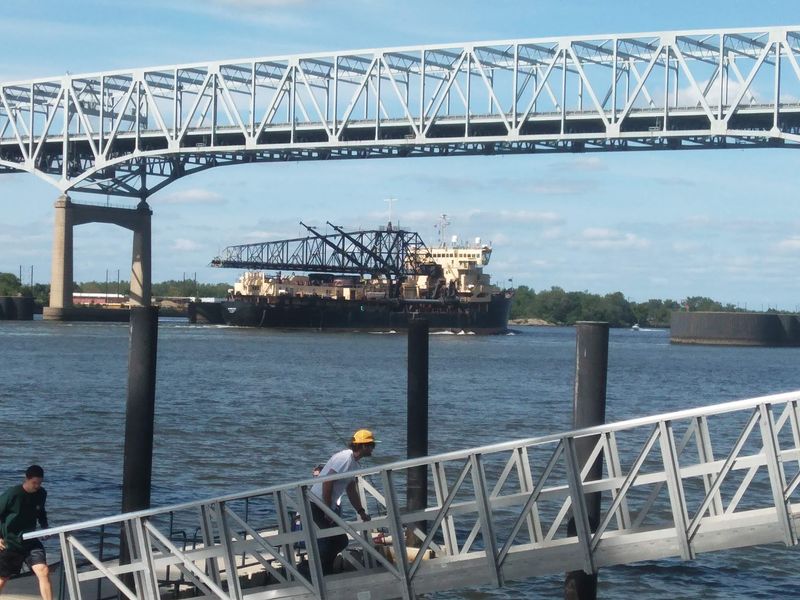
Philadelphia’s skyline sits just across the Delaware River, but housing in this Camden County township can be considerably easier on a retirement budget than in many communities with similar metropolitan access. That location is the main attraction.
Residents can reach major hospitals, museums, restaurants, and performances in Philadelphia without paying to live in its most expensive neighborhoods, while Camden and Cherry Hill add even more services nearby. Pennsauken is not built around one picture-perfect downtown.
Instead, it consists of established residential neighborhoods, busy commercial corridors, and pockets of parkland spread across a large township. That practical layout may not win a beauty contest, but it keeps supermarkets, pharmacies, casual restaurants, and medical offices within convenient reach.
Public transportation is unusually useful for an affordable South Jersey community. The Pennsauken Transit Center links River LINE light rail and NJ Transit rail service, giving residents alternatives to driving for trips around the region.
Housing ranges from modest detached homes to apartments and senior-oriented developments, with older properties often providing the most attainable entry point. Buyers should compare taxes, maintenance needs, and neighborhood conditions block by block because the township varies considerably from one area to another.
For retirees who prioritize healthcare access and everyday convenience over resort-town polish, Pennsauken makes a strong case. It delivers the useful parts of metropolitan living while leaving more room in the budget for actually enjoying retirement.
3. Pitman

Broadway is the kind of main street that encourages unnecessary stops. A quick trip for coffee can turn into an hour spent browsing independent shops, checking the marquee at the Broadway Theatre, or chatting with someone outside a bakery.
That walkable center gives Pitman a social quality that retirees often seek but rarely find in newer, car-dependent developments. The borough began as a Methodist camp-meeting community, and its unusual circular street pattern and collection of small historic cottages still reflect that history.
Housing is varied for such a compact place, encompassing older detached homes, twins, apartments, and properties that are smaller than the sprawling houses common elsewhere in Gloucester County.
Prices are not uniformly low, particularly near the most charming downtown streets, but Pitman can still offer better value than celebrated walkable towns closer to Philadelphia or North Jersey.
Daily life is pleasantly straightforward. Grocery stores and larger shopping centers are a short drive away, while local restaurants, community events, parks, and the public library provide plenty to do close to home.
Rowan University in neighboring Glassboro brings additional cultural programs, dining choices, and youthful energy without turning Pitman into a college town. Parking is generally easier away from major events, when downtown spaces can fill quickly.
Retirees who want a front porch, familiar faces, and a genuine town center may find Pitman more compelling than a large retirement complex—and far less costly than many places offering the same charm.
4. Atlantic City
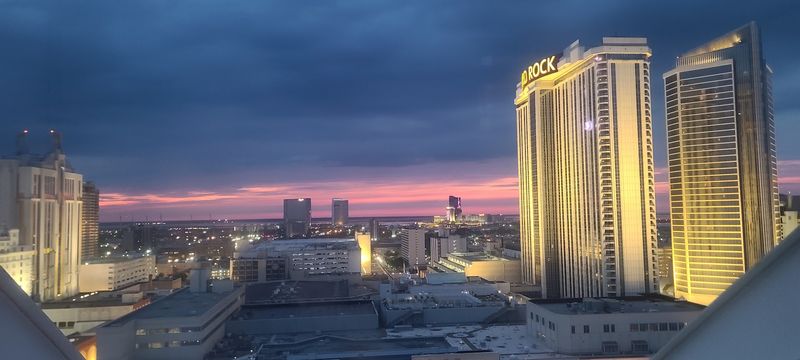
The Boardwalk is one of New Jersey’s finest free fitness trails. It stretches for miles beside the ocean, comes with wide-open sunrise views, and requires no membership card.
That everyday access to the beach helps explain why Atlantic City deserves a look from retirees willing to see beyond the casino towers. Residential real estate can be remarkably inexpensive for an oceanfront city, especially when compared with neighboring Shore communities.
Condominiums, rowhouses, apartments, and senior housing provide several entry points, although the lowest purchase price does not always mean the lowest monthly cost. Condominium fees, flood exposure, insurance premiums, taxes, and building assessments all require careful review.
The city’s appeal extends beyond inexpensive housing. NJ Transit rail and bus services make car-light living possible in some neighborhoods, and jitneys provide another way to move along the main casino corridor.
AtlantiCare Regional Medical Center’s City Campus places substantial healthcare services within the community. Restaurants range from old-school Italian dining rooms to Vietnamese kitchens and casual counter spots, often with better value once you step away from the casino floors.
Atlantic City does have visible economic challenges, and conditions can change noticeably from one block to the next. Prospective residents should visit repeatedly, including after dark and outside the summer season.
For retirees comfortable with an urban environment, the reward is rare: daily ocean access, abundant entertainment, useful transportation, and housing prices that would be almost unthinkable in most Jersey Shore towns.
5. Phillipsburg
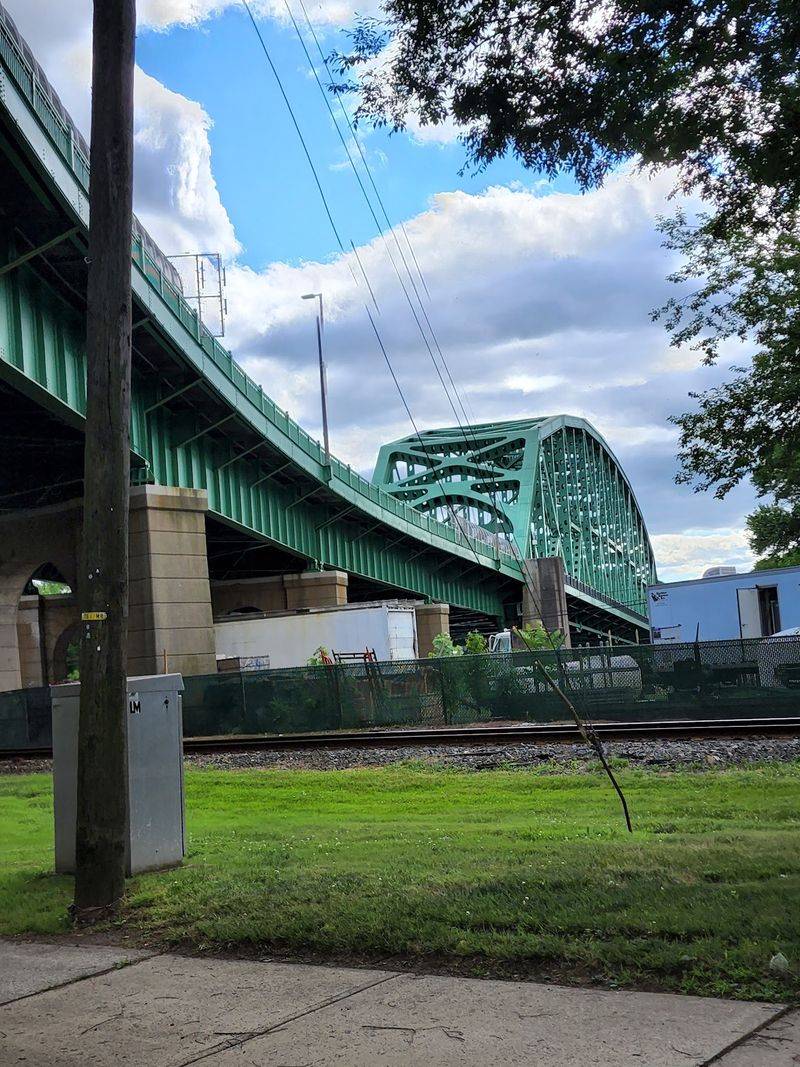
Freight trains, brick storefronts, and the broad Delaware River tell you immediately that this is an old working town, not a polished suburban development. That history has left Phillipsburg with sturdy housing, an established street grid, and prices that often sit below those found farther east in northern New Jersey.
Retirees can find smaller detached houses, twins, apartments, and older homes with more character than their price tags might suggest. The town’s position on the Pennsylvania border effectively doubles the number of nearby choices.
A short trip across the river leads to Easton, with its restaurants, farmers market, cultural attractions, and healthcare services. Back on the New Jersey side, Phillipsburg offers local shops, riverfront recreation, community programs, and convenient access to major routes.
Excursion rides on the local railroad add a touch of nostalgia, while the Delaware River and nearby canal paths provide inexpensive ways to spend time outdoors. Walking is feasible in several older neighborhoods, though a car remains useful for larger shopping trips and medical appointments.
Buyers considering historic properties should budget for inspections and maintenance rather than being dazzled by square footage alone. Hills and steps may also matter for anyone planning to age in place.
Still, Phillipsburg rewards careful shoppers. It offers the scenery and architecture of a Delaware River town without the premium attached to more fashionable destinations downstream, making it a practical base for a retirement built around simple pleasures rather than expensive amenities.
6. Vineland
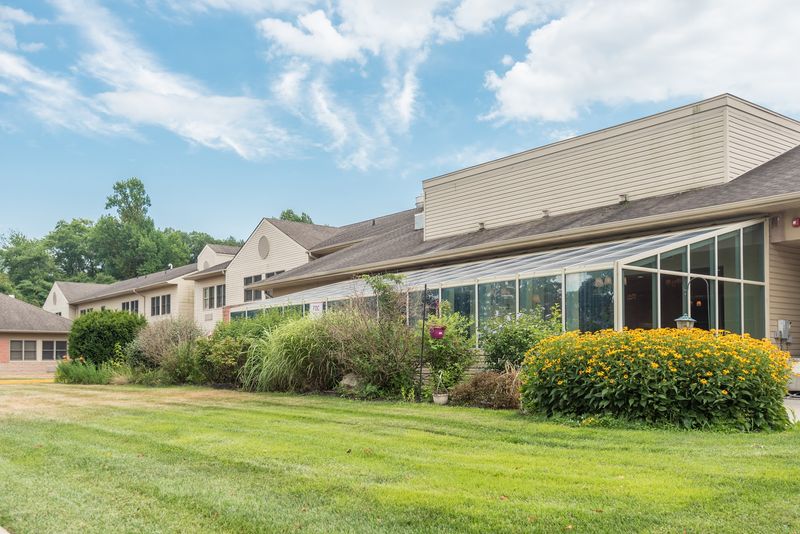
Space is Vineland’s secret weapon. Covering nearly 70 square miles, this Cumberland County city has room for quiet residential streets, farms, commercial corridors, parks, and neighborhoods that feel almost rural.
That broad footprint produces a wider housing selection than retirees might expect, from apartments and modest ranch houses to properties with yards large enough for serious gardening.
Prices frequently compare favorably with those in Central and North Jersey, although distances between neighborhoods mean buyers should evaluate convenience as carefully as cost.
A low-priced home loses some shine if every appointment and grocery run requires a long drive. Fortunately, Vineland functions as a regional center, with supermarkets, restaurants, medical offices, and major retailers distributed around the city.
Inspira Medical Center Vineland is an especially important asset for older residents who want hospital care nearby. The area’s agricultural roots remain visible in roadside stands and seasonal produce, while parks and recreation programs create inexpensive ways to stay active.
Downtown Vineland continues to host businesses and community events, but this is not a place where most residents live entirely on foot. A dependable car will make retirement considerably easier.
The practical atmosphere is part of the appeal: everyday goods and services take precedence over luxury boutiques and tourist traffic. For retirees who prefer a driveway, a patch of lawn, and breathing room between neighbors, Vineland can offer far more house for the money than the state’s pricier suburban belt.
7. Trenton
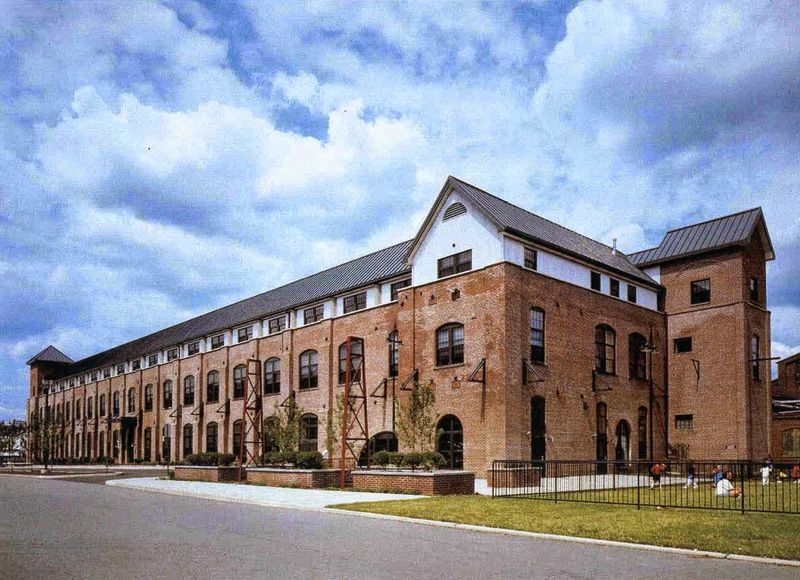
A grand Victorian near Cadwalader Park may cost less than a small condo in some New Jersey suburbs, which captures both the opportunity and the complexity of retiring in the state capital.
renton contains beautiful architecture, deep Revolutionary history, extensive transit connections, and some of Central Jersey’s most attainable housing.
It also varies sharply by neighborhood, making patient research essential. Cadwalader Heights and Hiltonia attract attention for their distinctive homes and proximity to the park, while other sections offer rowhouses, apartments, and smaller detached properties at comparatively modest prices.
Retirees should inspect individual blocks, visit at different times, and speak with residents before committing. The payoff can be excellent access.
Trenton Transit Center provides direct rail connections toward Philadelphia and New York, while buses and the River LINE serve local and regional trips. The city also places residents close to hospitals, government services, libraries, and the broader medical networks of Hamilton and Princeton.
History supplies plenty of low-cost outings, from the State House area to the Old Barracks Museum and the Delaware River waterfront. The Trenton Farmers Market, located just over the city line in Lawrence Township, remains a useful stop for produce, baked goods, and prepared foods.
Taxes and renovation costs must be calculated carefully, particularly for older houses. Still, retirees who value transit, architectural character, and a central location may discover that Trenton offers possibilities unavailable almost anywhere else at the same price.
8. Millville
Molten glass glowing inside a furnace is not the first image most people associate with an affordable retirement town, but it fits Millville perfectly.
WheatonArts and Cultural Center preserves the city’s glassmaking legacy through demonstrations, exhibitions, studios, and events, giving this Cumberland County community a creative streak that distinguishes it from a typical low-cost suburb.
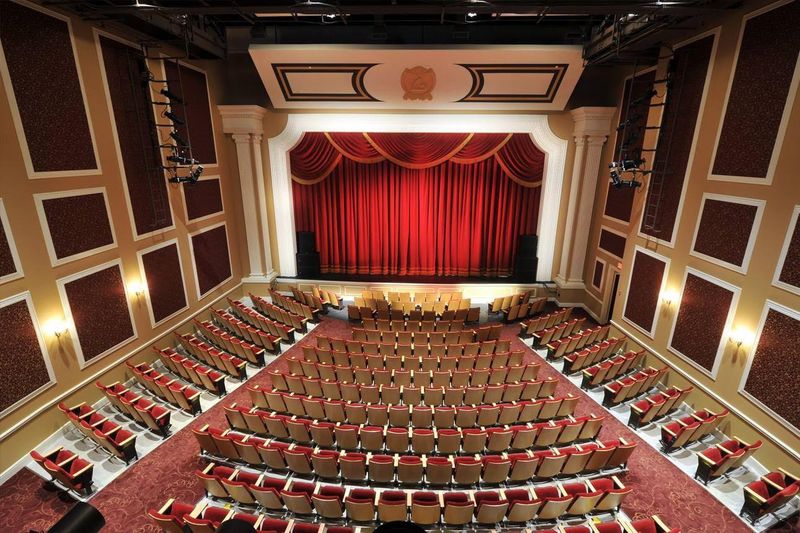
The Glasstown Arts District continues that theme with galleries, murals, small businesses, and the restored Levoy Theatre. Retirees can enjoy a genuine cultural calendar without traveling to Philadelphia every weekend.
Housing is another reason to look closely. Older detached homes, compact ranches, apartments, and properties on generous lots are often priced below the New Jersey norm.
As with any city containing aging housing stock, an inspection matters; roofs, heating systems, accessibility, and deferred maintenance can quickly alter the real cost. Everyday necessities are readily available along Millville’s commercial corridors, and Inspira Medical Center Vineland is a manageable drive away.
Nature is surprisingly prominent, too. The Maurice River and nearby wildlife areas support birdwatching, paddling, and quiet walks, while Union Lake adds fishing and broad water views.
Millville’s downtown has vacant storefronts alongside its cultural anchors, so prospective residents should expect a community still working through revitalization rather than a finished showcase.
For retirees who appreciate art, local history, and outdoor space—and would rather spend savings on experiences than a large mortgage—Millville delivers uncommon personality at an approachable price.
9. Toms River
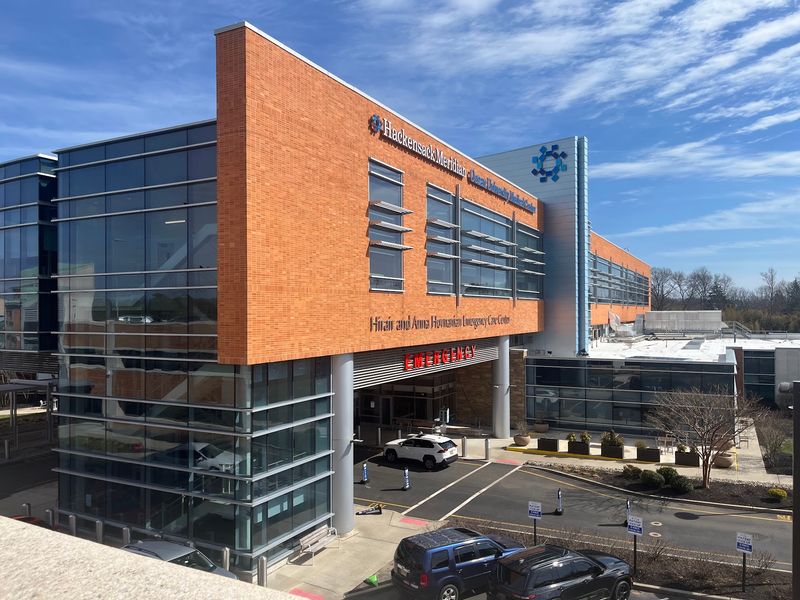
Retirement communities are woven deeply into the fabric of Toms River, and that creates a housing market unlike those in many other New Jersey towns. Age-restricted neighborhoods feature everything from compact attached homes to detached ranches with garages, often paired with clubhouses, pools, social calendars, and exterior maintenance options.
Competition among these communities can produce attainable purchase prices, particularly for older units. The number on the listing is only the beginning, however.
Association fees, property taxes, renovation needs, and community rules should all be compared before deciding which home offers the best long-term value. Outside the 55-plus developments, Toms River supplies nearly every daily necessity within a short drive.
Ocean University Medical Center anchors local healthcare, while supermarkets, pharmacies, restaurants, and shopping centers are plentiful. The township’s location also makes leisure easy.
Downtown Toms River hosts seasonal events along the river, Cattus Island County Park offers miles of trails beside Barnegat Bay, and the beaches of Ortley Beach are close enough for spontaneous morning visits.
Traffic thickens in summer, particularly along routes leading toward the barrier island, so year-round residents quickly learn alternative roads and off-peak routines.
Walkability depends heavily on the neighborhood, and most retirees will want a car. For someone seeking an active adult community near the Shore—but not the cost or congestion of living directly on the Boardwalk—Toms River remains one of New Jersey’s most practical possibilities.
10. Manchester Township
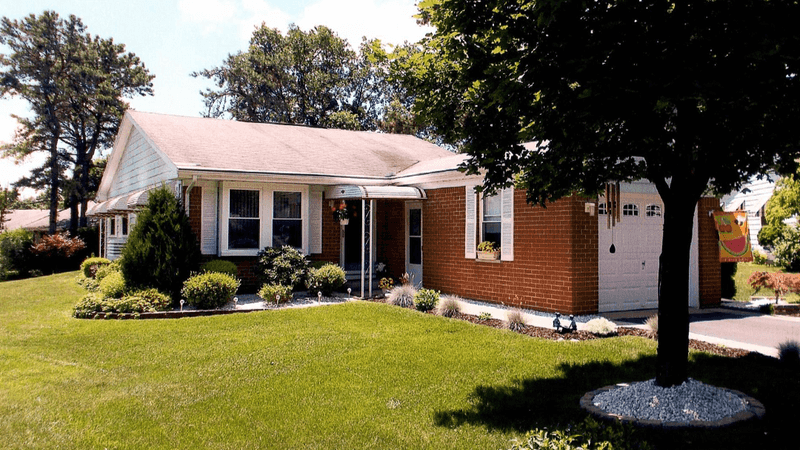
If retirement clubs, low-maintenance homes, and neighbors at the same stage of life sound appealing, Manchester Township offers an unusually deep selection. Large age-restricted communities such as Leisure Village West, Crestwood Village, and Renaissance have made the township one of Ocean County’s best-known retirement centers.
Housing can include attached units, co-ops, manufactured homes, and detached houses, giving buyers several ways to match space and cost with their priorities. Some properties carry strikingly modest asking prices, but the ownership structure matters.
Cooperative fees, homeowners association dues, land arrangements, included services, and resale rules can differ considerably, so reading the documents is as important as touring the kitchen. Much of Manchester feels quiet and wooded, with the Pine Barrens shaping both the scenery and the slower rhythm of daily life.
Community clubhouses often provide fitness classes, card groups, crafts, performances, and organized trips, making it easier to build a social circle after moving. Shopping and healthcare are concentrated outside many residential villages, meaning a car or community transportation service may be necessary.
Toms River and Lakewood provide broader medical and retail options within driving distance, while the Jersey Shore remains close enough for day trips. Manchester is not designed around a lively downtown, and that will be a drawback for some.
For retirees who prefer peaceful streets, organized activities, and housing created specifically for older adults, however, it offers a combination that few New Jersey municipalities can match.
11. Pennsville
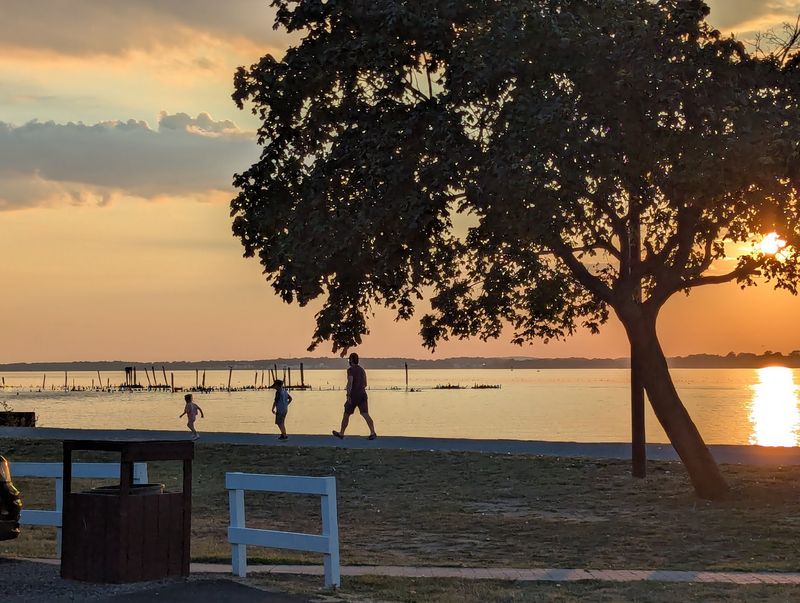
Sunset over the Delaware River gives Pennsville an unexpectedly cinematic finish to the day. From Riverview Beach Park, residents can watch ships move along the water while the Delaware Memorial Bridge rises in the distance—a dramatic view that costs nothing and rarely draws Shore-size crowds.
Located in Salem County, the township belongs to one of New Jersey’s more affordable housing markets. Modest ranches, Cape Cods, manufactured homes, and older detached houses appear at prices that can leave retirees with more financial breathing room than they would have in the state’s northern counties.
Lower purchase costs do not eliminate the need for careful homework. Waterfront proximity makes flood-zone status and insurance especially important, while taxes and maintenance should be checked property by property.
Pennsville’s commercial areas cover the basics, including groceries, pharmacies, casual dining, and household services. For a wider selection, residents can cross the bridge to Wilmington or travel north toward larger South Jersey shopping centers.
That location also opens access to medical systems in Delaware, though routine driving is part of life here and public transportation is limited. Fort Mott State Park, Supawna Meadows National Wildlife Refuge, and the riverfront provide uncrowded places for walking, fishing, birdwatching, and picnics.
Pennsville will suit retirees who value quiet over constant entertainment. It is neighborly, unpretentious, and refreshingly short on traffic—a comfortable final stop on this tour of New Jersey communities where retirement savings can still stretch.