Factory tours might sound like something only engineers would enjoy, but Texas has turned industrial visits into genuinely entertaining experiences. From watching baseball gloves get hand-stitched to seeing money printed right before your eyes, these behind-the-scenes adventures offer way more excitement than you’d expect. Whether you’re into ice cream, crafts, or just curious about how everyday things get made, the Lone Star State has a factory floor with your name on it.
1. Nokona Baseball Glove Factory (Nocona)
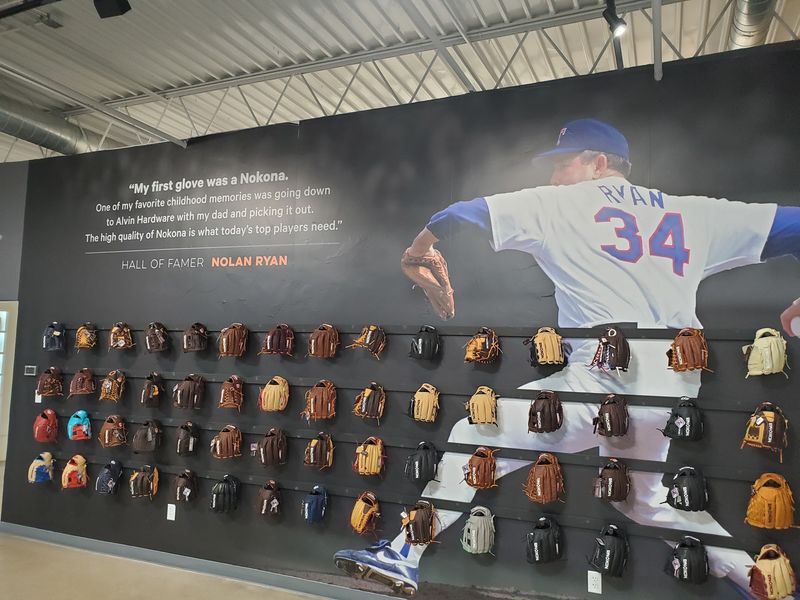
Walking into this place feels like stepping back in time to when everything was made by hand, not by robots. The smell of leather hits you first, rich and earthy, filling every corner of the workshop. Nokona has been crafting baseball gloves since 1926, and they’re one of the last American companies still doing it the old-fashioned way.
You’ll watch skilled workers cut, stitch, and shape each glove with techniques passed down through generations. The precision is mesmerizing as needles pull thick thread through layers of premium leather. Every glove takes hours to complete, and seeing that level of dedication makes you appreciate the final product so much more.
What makes this tour special is how hands-on it can be. Guides don’t just talk at you from a distance. They explain why certain leathers work better for different positions and how the pocket gets formed to perfection.
Kids especially love seeing how their favorite sports equipment comes to life. The tour isn’t overly long, which keeps everyone engaged without getting restless. Plus, the factory store at the end lets you browse gloves that were made right there on-site.
Nocona itself is a small town, so this factory really stands out as a destination. It’s authentic Texas craftsmanship without any corporate polish or flashy gimmicks. You leave with a new respect for the game and the people who make it possible, one stitch at a time.
2. Blue Bell Creameries (Brenham)
If you’ve ever wondered where all that creamy goodness comes from, this is your chance to find out. Blue Bell has been a Texas staple since 1907, and their Brenham headquarters churns out millions of gallons every year. The tour takes you through the entire process, from milk delivery to the final frozen pint.
Watching massive vats of ice cream get mixed is oddly satisfying. The machinery is huge, and the scale of production is impressive for something that tastes so homemade. You’ll see flavors being blended, mix-ins getting added, and containers zooming down conveyor belts faster than you can count.
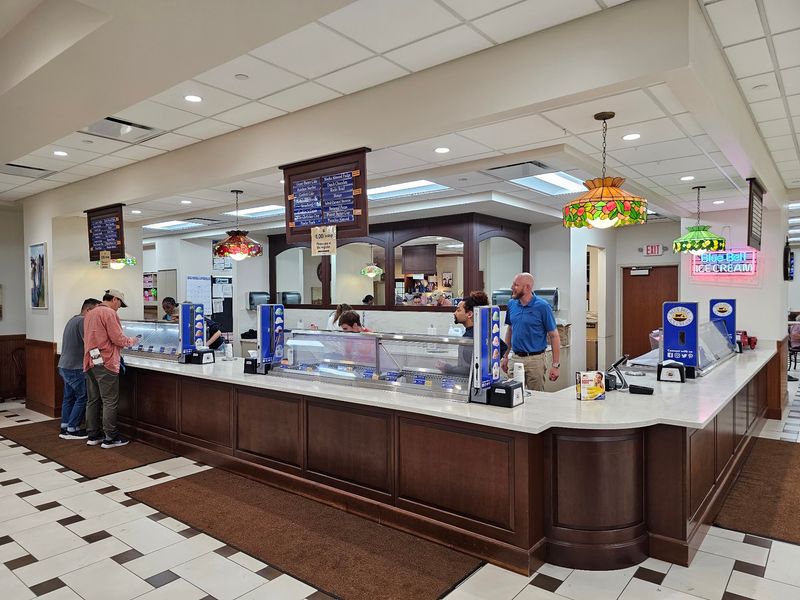
The best part? Free samples at the end, served in their vintage ice cream parlor. You get to taste flavors straight from the source, often including seasonal varieties not available everywhere.
The parlor itself has a nostalgic charm with checkered floors and old-timey stools.
Tours book up fast, especially during summer, so plan ahead. The guides are enthusiastic and share fun facts about the company’s history and quirky flavor experiments. You’ll hear stories about how certain fan favorites came to be and which ones almost didn’t make it.
Brenham is a charming town worth exploring after your tour. Grab lunch downtown or visit the nearby antique shops. But honestly, after tasting that fresh ice cream, everything else feels like an afterthought.
3. Toyota Texas Experience Center (San Antonio)
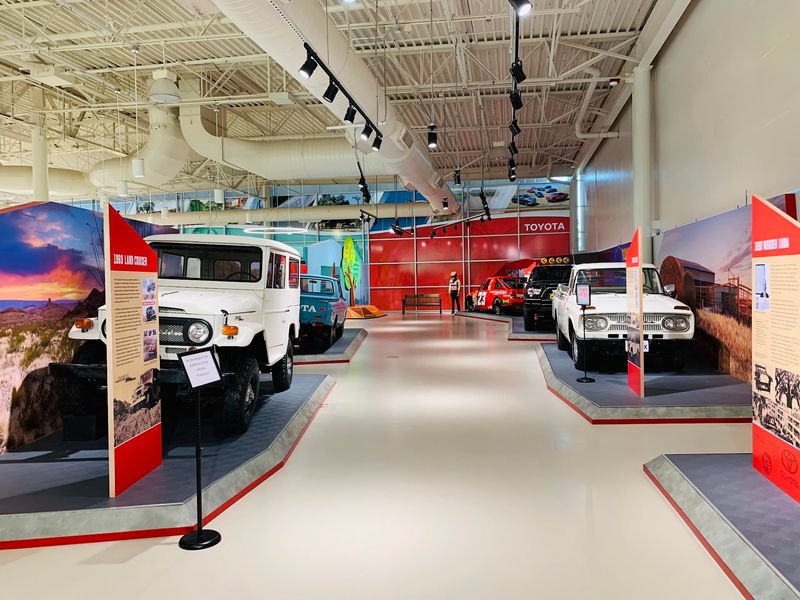
Car enthusiasts and curious minds alike find something to love at this massive manufacturing complex. Toyota’s San Antonio plant produces Tundra and Tacoma trucks, and the tour shows you exactly how they go from metal sheets to finished vehicles. The facility spans over two million square feet, which is almost incomprehensible until you’re actually walking through it.
Robots and humans work side by side in a carefully choreographed dance of productivity. Sparks fly as welders join frame pieces together. Paint booths spray flawless coats in every color imaginable, and the precision is remarkable.
What surprises most visitors is how clean and organized everything is. This isn’t a grimy, oil-stained garage. It’s a modern marvel of efficiency and technology, where every movement has a purpose and every station has a role.
The tour guides explain Toyota’s commitment to quality and sustainability, including how they recycle materials and reduce waste. You’ll learn about the just-in-time manufacturing process that keeps inventory lean and production flexible. It’s business strategy made visible and understandable.
Kids might get restless during the longer explanations, but seeing trucks actually being built keeps their attention. The gift shop sells Toyota gear and model trucks if you want a souvenir. Reservations are required, and the tour is free, which makes it an excellent value for families looking for educational entertainment without breaking the bank.
4. Sweet Shop USA (Mount Pleasant)

Sugar lovers, this is your happy place. Sweet Shop USA makes old-fashioned hard candies and lollipops in flavors that’ll take you straight back to childhood. The tour lets you watch candy makers pour, pull, and shape hot sugar into beautiful, glossy treats that look almost too good to eat.
The process starts with giant copper kettles where sugar syrup bubbles and boils to the perfect temperature. The smell is incredible, sweet and warm, filling the air with hints of cherry, butterscotch, and cinnamon. Once the syrup is ready, workers pour it onto cooling tables where it begins to harden.
This is where the magic happens. Candy pullers stretch and fold the sugar, incorporating air to create that perfect texture. You’ll see them add colors and flavors, twisting ribbons of candy into spirals and stripes.
The skill involved is impressive, especially when they shape lollipops by hand.
The tour is interactive, and sometimes visitors get to try pulling candy themselves under supervision. It’s harder than it looks, and you gain instant respect for the professionals. The finished candies are works of art, each one unique and handcrafted.
Mount Pleasant might not be on everyone’s Texas travel map, but this factory makes it worth the detour. The gift shop is dangerous for anyone with a sweet tooth, stocked with every flavor and color imaginable. You’ll leave with bags of candy and probably a mild sugar rush from all the samples.
5. Texas Cotton Gin Museum (Burton)
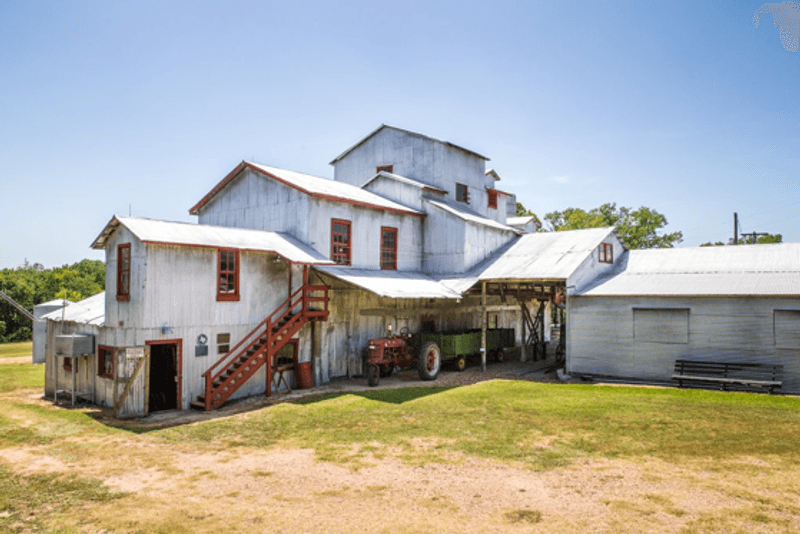
Cotton built Texas, and this museum shows you exactly how it was processed back in the day. The Burton Cotton Gin operated from 1914 until the 1970s, and it’s been preserved as a working museum where you can see the entire ginning process demonstrated. It’s living history that brings the agricultural past to life.
The machinery is massive and intimidating, all gears, belts, and moving parts that once separated cotton fibers from seeds. During demonstrations, the equipment roars to life, and you can almost feel the floor vibrate beneath you. Guides explain each step, from unloading cotton wagons to baling the final product ready for textile mills.
What makes this different from a typical museum is that everything still works. You’re not just looking at static displays behind glass. You’re experiencing the noise, motion, and energy of an actual working gin, which makes the history feel immediate and real.
The tour also covers the social history of cotton farming in Texas, including the hard labor involved and the communities that grew around these facilities. It’s educational without being preachy, presenting facts and letting visitors draw their own conclusions. Kids find the machinery fascinating, especially when it’s running.
Burton is a tiny town, so the museum really stands out. The tour takes about an hour, and admission is very affordable. It’s a unique slice of Texas heritage that you won’t find anywhere else, perfect for history buffs and anyone curious about how things used to be done.
6. Wimberley Glassworks (San Marcos)
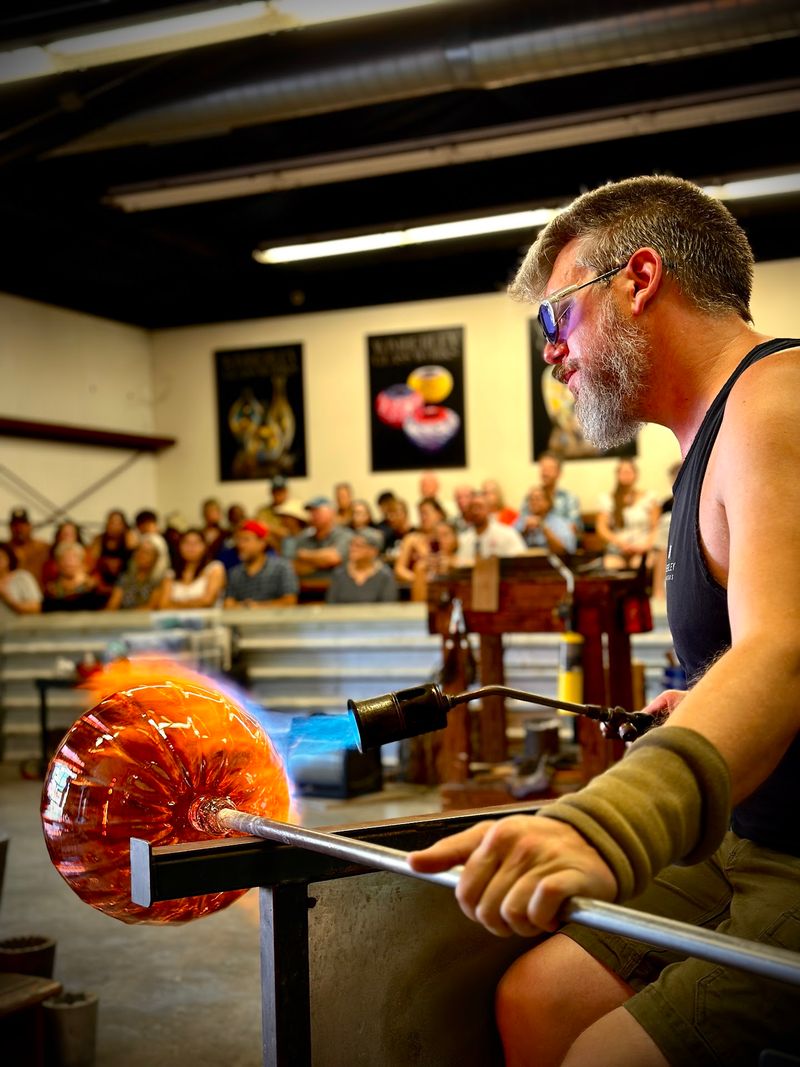
Fire, breath, and molten glass combine to create stunning art right before your eyes. Wimberley Glassworks invites visitors to watch skilled artists shape glowing blobs of liquid glass into vases, bowls, and sculptures. The heat from the furnaces is intense, and the process is equal parts science and artistry.
Artists gather molten glass on the end of long metal pipes, rotating constantly to keep it from dripping. They blow air through the pipe to create bubbles and shapes, then use hand tools to refine the form. Every movement is deliberate and practiced, honed through years of experience.
The color work is particularly mesmerizing. Artists roll the hot glass in colored powder or add colored glass fragments that melt and blend into swirling patterns. No two pieces are exactly alike, which makes each creation special and one-of-a-kind.
Unlike some factory tours where you’re kept at a distance, this one lets you get close to the action. You can feel the heat radiating from the furnaces and hear the crackle of glass cooling. The artists are happy to answer questions between steps, explaining techniques and sharing stories about their craft.
The attached gallery showcases finished works available for purchase, ranging from small ornaments to large statement pieces. Prices vary, but there’s something for most budgets. San Marcos offers plenty of other attractions nearby, including the famous river and outlet malls, making this a great addition to a day trip itinerary.
7. K. Spoetzl Brewery (Shiner)
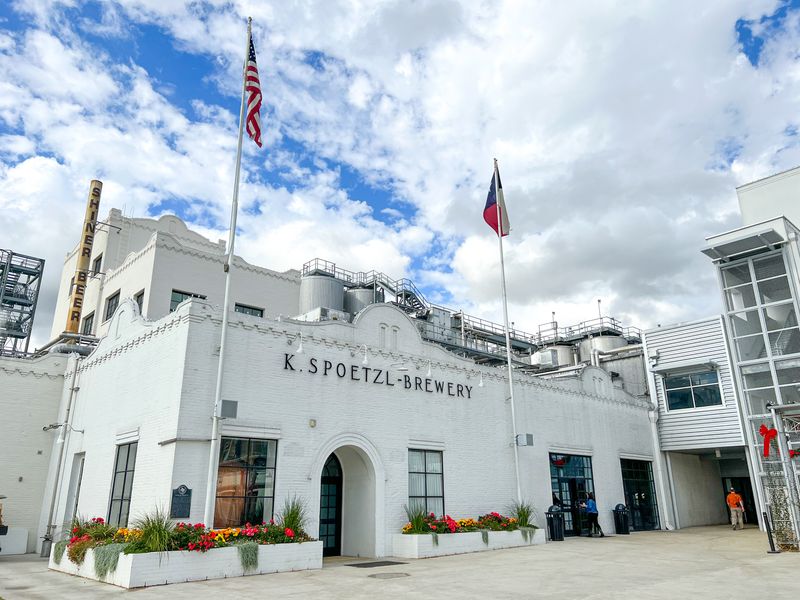
Shiner beer is a Texas institution, and touring the brewery where it’s made is like visiting an old friend. Founded in 1909 by German and Czech immigrants, the brewery has stayed true to its roots while growing into a beloved regional brand. The tour takes you through every step of the brewing process, from grain to glass.
You’ll see massive stainless steel tanks where beer ferments for weeks, developing its signature flavors. The smell of hops and malt fills the air, earthy and slightly sweet. Guides explain how different ingredients create different beer styles and how temperature and timing affect the final product.
The bottling line is hypnotic to watch. Bottles zoom past at incredible speeds, getting filled, capped, and labeled in a continuous stream. The machinery is precise and fast, handling thousands of bottles per hour without missing a beat.
What sets this tour apart is the genuine hospitality. Shiner is a small town, and the brewery feels like a community gathering place rather than a corporate facility. Guides share local stories and brewery legends with warmth and humor.
The tour ends in the tasting room where you can sample various Shiner beers, including limited releases not widely distributed.
The gift shop stocks everything from T-shirts to glassware, perfect for souvenirs or gifts. Shiner itself is worth exploring, with its historic downtown and friendly locals. The brewery tour is free, though donations are appreciated, making it an affordable and enjoyable stop on any Texas road trip.
8. Bureau Of Engraving And Printing, Western Currency Facility (Fort Worth)
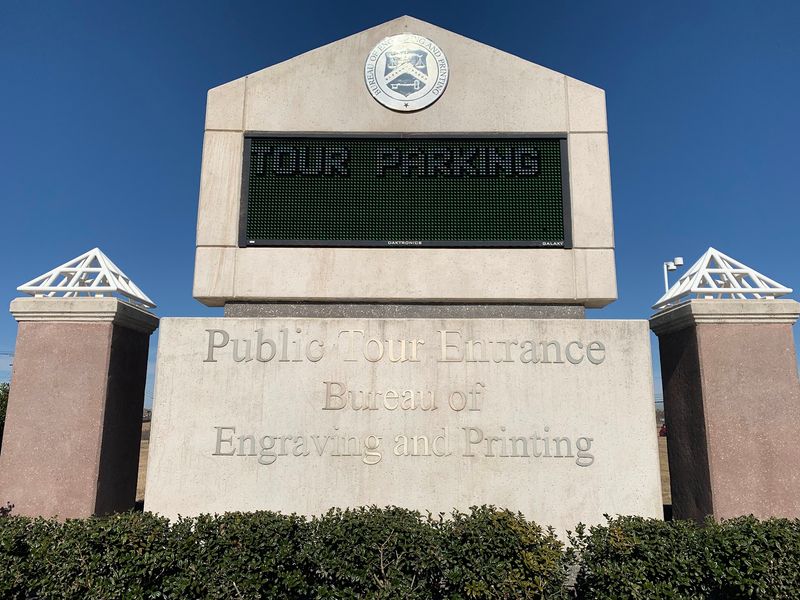
Watching millions of dollars get printed is surreal, even when you know you can’t take any home. The Western Currency Facility produces about half of all U.S. paper money, and the tour gives you a front-row seat to the process. Security is tight, as you’d expect, but the experience is worth the extra screening.
Massive printing presses stamp out sheets of bills in precise detail, each one identical to the last. The machinery is incredibly sophisticated, incorporating security features like watermarks, color-shifting ink, and embedded threads. Guides explain how these features prevent counterfeiting and why they’re constantly being updated.
You’ll see sheets of uncut bills moving through various stages of production, from blank paper to finished currency ready for circulation. The quality control is intense, with workers and machines inspecting every sheet for imperfections. Even tiny flaws mean a sheet gets rejected and destroyed.
The tour includes exhibits on the history of American currency and how designs have evolved over time. You’ll learn about the people featured on bills and the symbols incorporated into the artwork. It’s surprisingly fascinating, even for people who don’t consider themselves history buffs.
Kids find the whole thing exciting, especially when they realize they’re seeing real money being made. The visitor center has interactive displays and a gift shop selling shredded currency souvenirs and other unique items. Tours are free but require advance reservations, often booking weeks ahead during peak season.
Fort Worth has plenty of other attractions nearby, making this an easy addition to a fuller itinerary.
9. Barton Springs Mill (Dripping Springs)
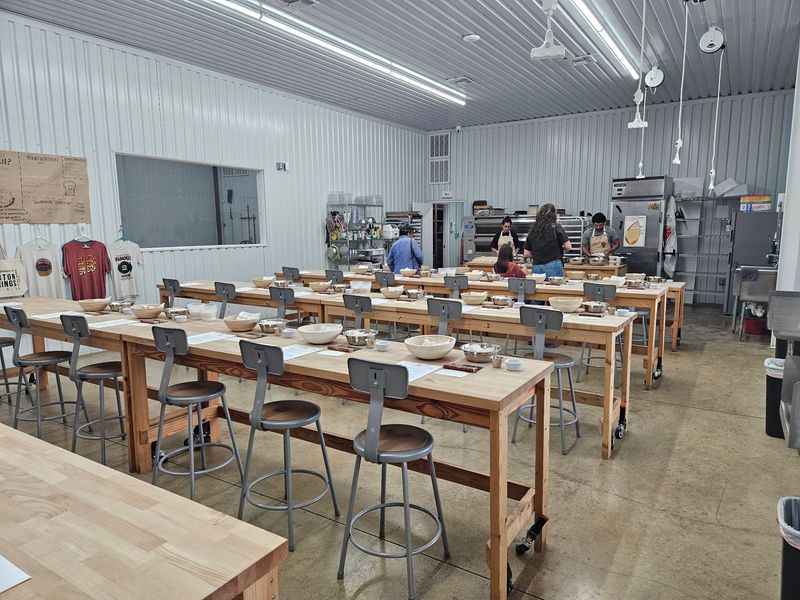
Flour might seem boring until you watch it being stone-ground the way it was done centuries ago. Barton Springs Mill uses traditional methods to mill organic grains into flour that actually tastes like something. The difference between this and supermarket flour is night and day, and the tour explains why.
Giant granite millstones slowly grind wheat, corn, and other grains into fine powder. The process is gentle, preserving nutrients and flavor that get destroyed in industrial milling. You can smell the fresh flour, nutty and sweet, completely different from the sterile scent of commercial products.
The mill sources grains from Texas farmers committed to sustainable, organic practices. Guides talk about the importance of supporting local agriculture and how grain varieties affect flavor and baking performance. It’s agricultural education that feels relevant and interesting rather than dry and academic.
You’ll see different types of grains being milled and learn how each one is used in cooking and baking. The mill produces everything from all-purpose flour to specialty grains like polenta and grits. Watching the process makes you want to go home and bake bread immediately.
The mill store sells their products along with other local goods like honey and preserves. Prices are higher than grocery store flour, but the quality justifies the cost. Dripping Springs is a charming town with breweries, wineries, and restaurants worth exploring.
The mill tour is short but memorable, perfect for foodies and anyone interested in where their ingredients really come from.
10. SAS Shoe Factory And General Store (San Antonio)
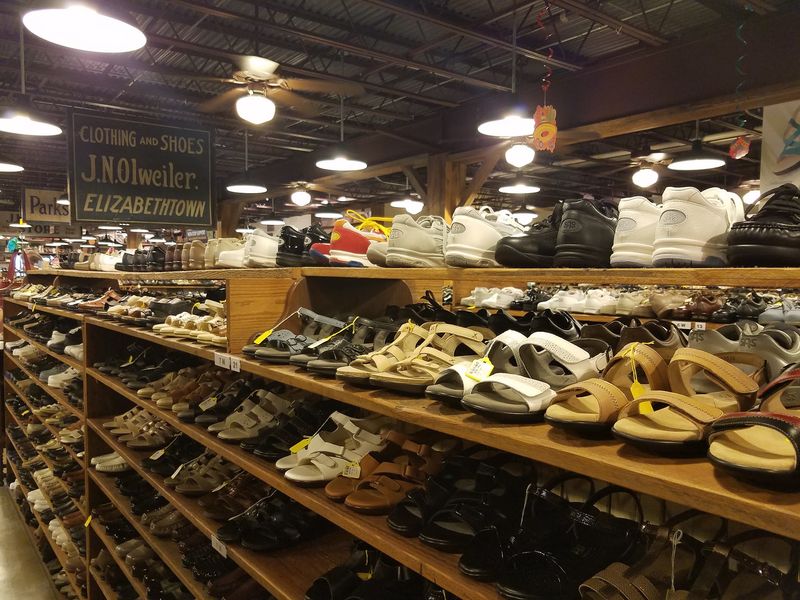
Comfort footwear doesn’t have to be ugly, and SAS proves it by making shoes that prioritize both fit and quality. The factory tour shows you how each pair is handcrafted using techniques that prioritize durability and support. If you’ve ever wondered why some shoes last for years while others fall apart in months, this tour answers that question.
Workers cut leather, stitch uppers, and attach soles using methods that blend traditional craftsmanship with modern efficiency. The attention to detail is impressive, with multiple quality checks throughout the process. Every shoe is inspected before it leaves the factory, ensuring it meets strict standards.
What makes SAS different is their commitment to making shoes in America when most brands have moved production overseas. The tour highlights this choice and explains how it affects both quality and jobs. It’s a refreshing perspective in an industry dominated by mass production and cheap imports.
You’ll learn about foot anatomy and how proper support can prevent pain and injuries. Guides explain the difference between various shoe constructions and why certain features matter for comfort. It’s practical information you can use when shopping for any footwear, not just SAS products.
The general store attached to the factory offers the full range of SAS shoes at factory prices. The staff will measure your feet and help you find the perfect fit, which is a service you rarely get anymore. San Antonio has endless attractions, so adding this tour to your itinerary is easy and worthwhile, especially if you spend a lot of time on your feet.
11. Monolithic Dome Research Park (Italy)
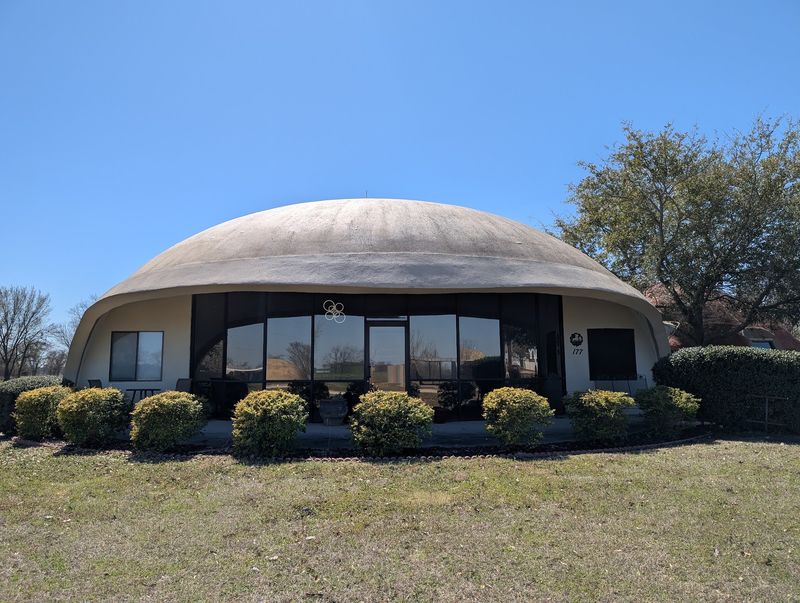
Dome homes sound like something from a sci-fi movie, but they’re real and surprisingly practical. The Monolithic Dome Research Park showcases these unique structures and explains why they’re among the safest, most energy-efficient buildings you can construct. The tour is quirky and educational, perfect for architecture enthusiasts and anyone who loves unusual attractions.
The domes are built by inflating a giant balloon, spraying it with polyurethane foam, and then covering it with concrete. The result is a seamless, incredibly strong structure that can withstand hurricanes, tornadoes, and even fires. Walking inside one feels strange at first, but the open interior space quickly grows on you.
Guides explain the engineering behind the domes and the advantages they offer over traditional construction. They’re more energy-efficient because the shape minimizes surface area, reducing heating and cooling costs. They’re also faster to build and require less maintenance over time.
The park includes several domes in different sizes and configurations, from small homes to large event spaces. You’ll see how interiors can be customized and how the curved walls actually create interesting design opportunities. Some people worry domes feel claustrophobic, but the reality is the opposite with soaring ceilings and natural light.
Italy, Texas, is a tiny town, so this attraction really stands out. The tour is free, though donations support the research and education mission. You’ll leave with a completely different perspective on what a house can be and maybe even inspired to build your own dome someday.
12. Parks Coffee Roastery And Cafe (Carrollton)
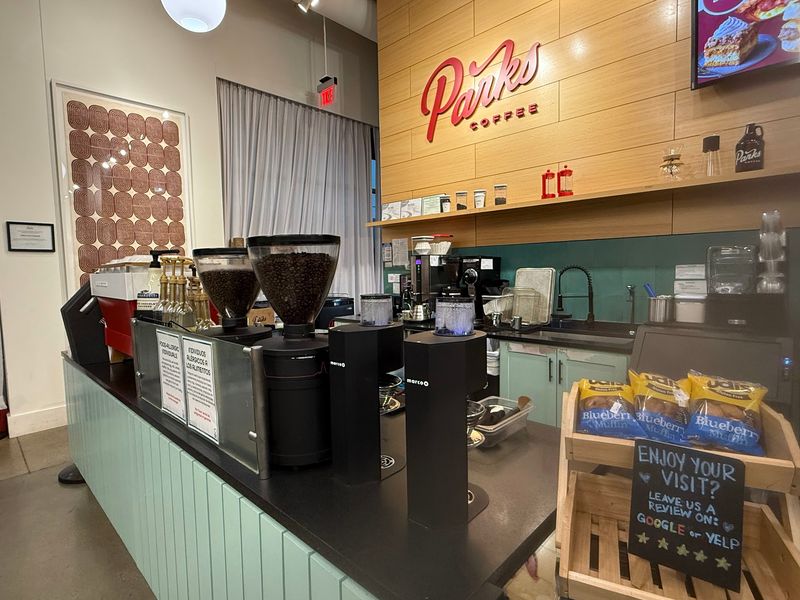
Coffee fanatics will geek out over this behind-the-scenes look at how beans transform from green to perfectly roasted. Parks Coffee invites visitors to watch their roasting process and learn what makes a great cup of coffee. The aroma alone is worth the visit, rich and complex, filling the space with warmth and promise.
Large roasting machines tumble green coffee beans while carefully controlled heat develops flavor. The roaster monitors temperature and time precisely, making split-second decisions that affect the final taste. You’ll see beans change color from pale green to various shades of brown, each shade representing different flavor profiles.
Guides explain the differences between light, medium, and dark roasts and how origin affects flavor. Coffee from Ethiopia tastes completely different from beans grown in Colombia or Guatemala. The tour includes tasting samples so you can experience these differences firsthand and discover what you actually prefer.
What makes this tour special is the passion of the staff. These aren’t just employees going through motions. They’re coffee lovers eager to share their knowledge and enthusiasm.
They’ll answer any question, from brewing techniques to bean storage, with genuine excitement.
The cafe serves drinks made from freshly roasted beans, and the difference is noticeable immediately. The coffee tastes brighter, more flavorful, without the stale or bitter notes common in older beans. You can purchase bags to take home, along with brewing equipment and accessories.
Carrollton is a Dallas suburb with plenty of dining and shopping options nearby. The tour is short, making it an easy addition to other plans, and it’s free with no reservation required for small groups.
13. Collin Street Bakery (Corsicana)
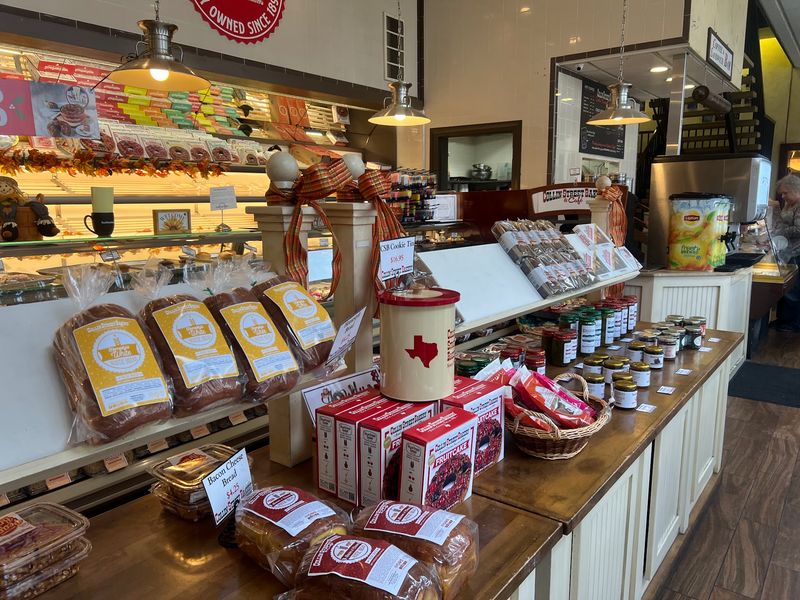
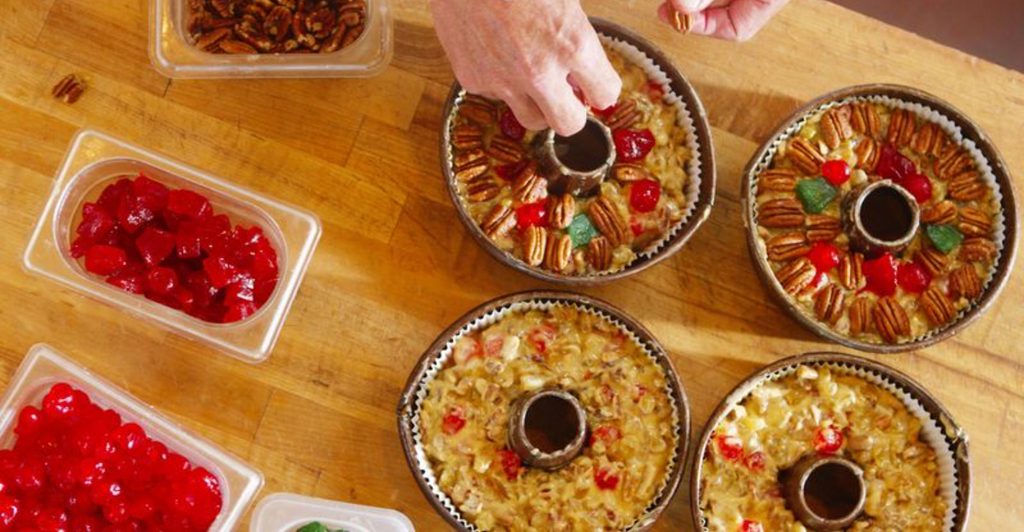
Fruitcake gets a bad rap, but Collin Street Bakery has been proving the haters wrong since 1896. Their famous DeLuxe Fruitcake ships worldwide during the holidays, and the tour shows you exactly how they make these dense, fruit-packed creations. Even fruitcake skeptics leave impressed by the quality and craftsmanship involved.
Bakers mix massive batches of batter loaded with pecans, pineapple, cherries, and other fruits. The fruit-to-cake ratio is surprisingly high, which explains why each loaf feels so substantial. Everything is measured precisely, following recipes perfected over more than a century.
The baking process takes hours in massive ovens that can handle dozens of cakes simultaneously. Once baked, the cakes get soaked in brandy or rum, which preserves them and adds depth of flavor. They’re then wrapped and aged, developing complexity over time like fine wine.
The tour includes the history of the bakery and how it grew from a small local shop to an international business. You’ll hear stories about famous customers and the challenges of shipping perishable goods around the world. The bakery’s commitment to quality over shortcuts is evident in every step.
Naturally, samples are provided, and you’ll taste the difference between fresh and aged fruitcake. The bakery store sells not just fruitcake but cookies, pastries, and other baked goods, all made on-site. Corsicana is a historic town worth exploring, with antique shops and local restaurants that make a full day trip worthwhile.
14. Wolf Valley Homes (Itasca)
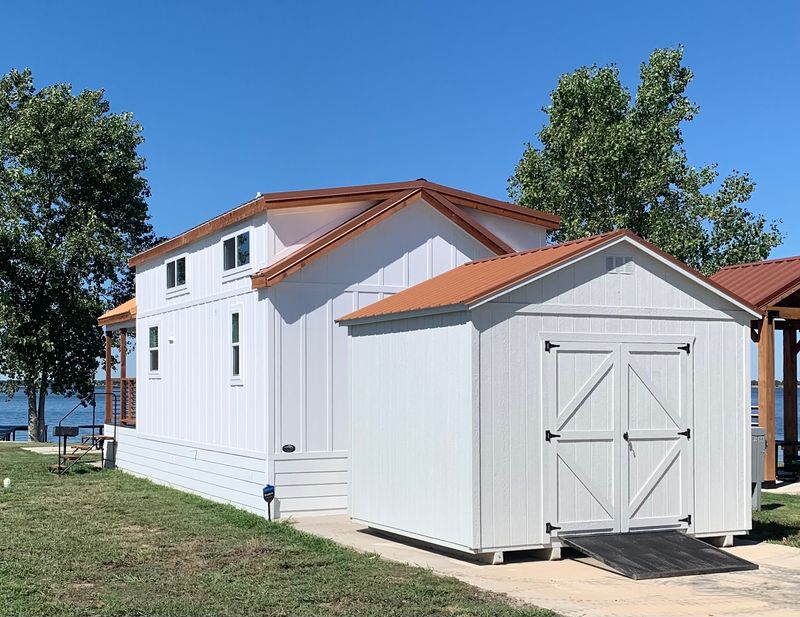
Watching houses get built indoors, on an assembly line, challenges everything you thought you knew about construction. Wolf Valley Homes manufactures modular homes in a controlled factory environment, then ships them to building sites for final assembly. The efficiency and quality control are remarkable compared to traditional stick-built construction.
Different stations handle different tasks, from framing walls to installing plumbing and electrical systems. Workers move systematically through each home, completing their specialized tasks before it moves to the next station. The precision is impressive, with measurements exact and materials consistent throughout.
The factory setting protects materials from weather damage and allows work to continue year-round regardless of conditions outside. This means faster completion times and fewer delays, which translates to cost savings for buyers. You’ll see homes in various stages of completion, from bare frames to nearly finished interiors.
Guides explain the advantages of modular construction and dispel common misconceptions about quality and durability. These aren’t mobile homes or temporary structures. They’re permanent residences built to the same codes as site-built houses, often exceeding those standards because of factory quality control.
The tour appeals to anyone considering building a home or just curious about construction methods. You’ll learn about customization options, from floor plans to finishes, and how the process works from order to installation. Itasca is a small rural community, so this factory is an unexpected find.
Tours are typically offered by appointment, so call ahead to schedule. The experience gives you a completely new perspective on homebuilding and might even inspire you to consider modular construction for your next project.