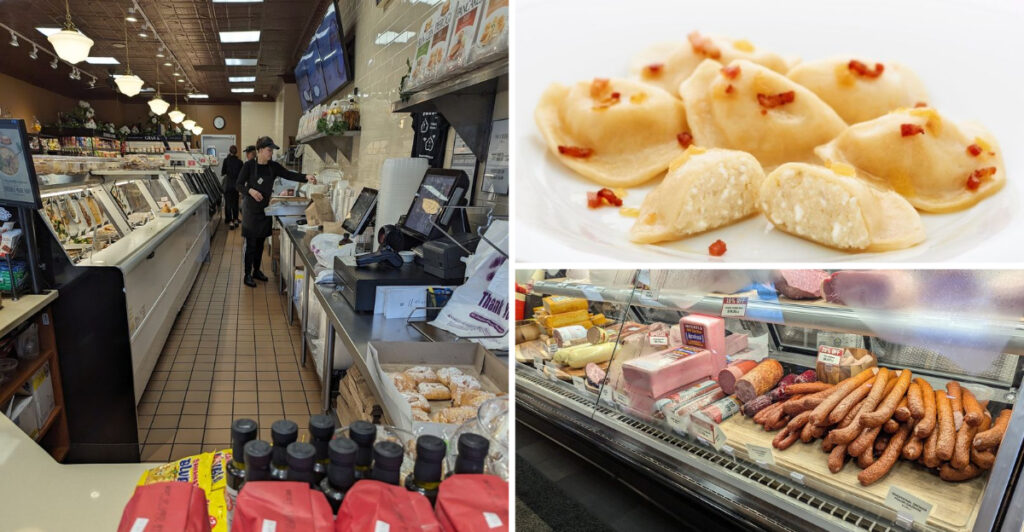
Rows of plump pierogi and smoky kielbasa make it difficult to walk into Kasia’s Deli with only one thing on the shopping list. This longtime Chicago Polish deli keeps neighborhood food traditions alive with handmade dumplings, sausages, soups, sandwiches, and other comforting favorites filling the counter.
The appeal goes beyond grabbing something quick for lunch, because every display offers another taste of the city’s deep Polish culinary heritage. Regulars can stock up on familiar staples, while newcomers have plenty of reasons to explore. At Kasia’s, a simple deli run can become a delicious introduction to generations of Chicago flavor.
A Counter That Looks Like Dinner Already Happened
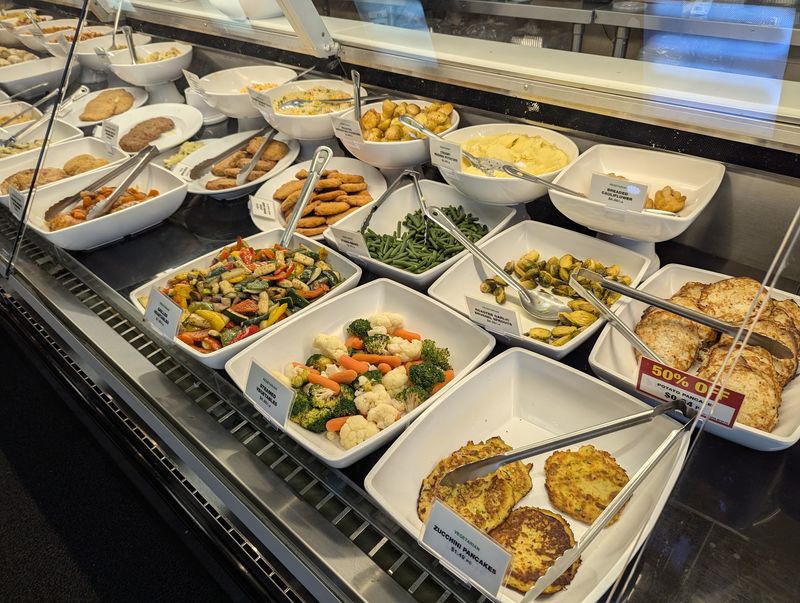
Before a single bite hits the table, the deli counter does most of the talking. Rows of prepared foods, links of sausage, sliced meats, and neatly arranged trays create the kind of display that makes choosing lunch a slow process in the best way.
The setup is practical, but it also tells shoppers exactly what kind of place this is: one built around hearty Polish cooking and take-home comfort.
Smoked kielbasa is one of the strongest visual hooks. Its deep color, curved shape, and firm casing break up the softer look of dumplings, salads, and stews in the case.
Even for someone who came in planning to order a sandwich, the sausage draws attention first because it looks substantial, flavorful, and ready to anchor a meal.
The shop is not large, which adds to the effect. Instead of a wide dining room pulling the eye away, the counter becomes the center of the visit.
That works well here, since KASIA’S DELI, INC. is set up more like a neighborhood food stop than a full sit-down restaurant, with limited seating and a stronger focus on ordering, browsing, and heading out with something satisfying.
Looking over the case also helps first-time visitors understand the menu fast. Polish deli food can be unfamiliar to some people, but seeing stuffed cabbage, soups, sausage, and pierogi side by side makes the choices easier to read.
Nothing has to be explained in fancy language. For a smart visit, pause before ordering and scan the whole counter once.
That quick lap helps with planning, especially if the goal is to leave with both a hot meal and extra items for later. At a place built around visual appetite, the case is part menu, part introduction, and part temptation.
Handmade Pierogi Take Center Stage
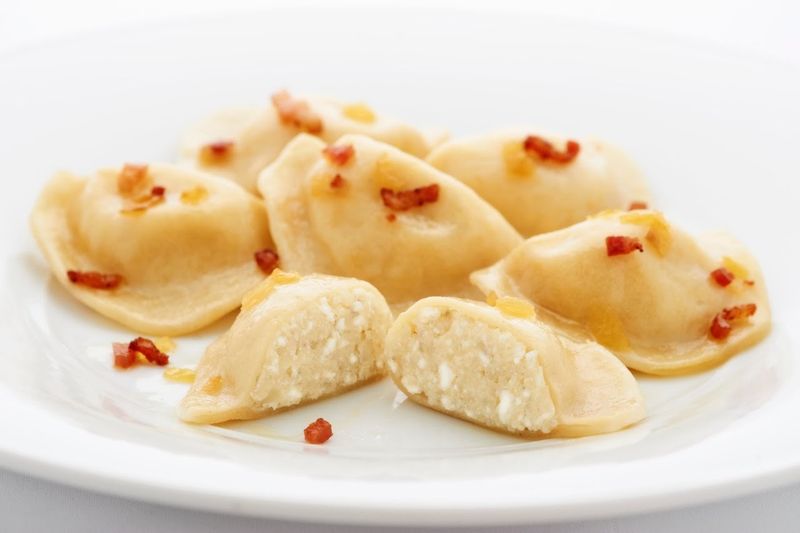
Pierogi are the headline item here, and it is easy to see why. Handmade dumplings carry a kind of appeal that factory-perfect food never quite matches, because tiny differences in shape and edge give them personality.
At KASIA’S DELI, INC., that handmade quality is a major part of the shop’s identity, and it turns a familiar comfort food into the main reason many people stop by.
The broad range of fillings adds to the draw. Potato versions are widely known, but the selection can stretch into mushroom and kraut, fruit-filled options, and other varieties that show how flexible pierogi can be.
That matters for mixed groups because one order can cover savory cravings, vegetarian choices, and even sweeter flavors for anyone curious about the full spread.
Texture is a big part of the experience. Good pierogi balance tender dough with enough structure to hold the filling, and they should still feel substantial rather than flimsy.
Whether taken home cold to reheat or ordered as part of a quick meal, they fit the kind of food people want when they need something filling, affordable, and easy to share.
There is also a practical side to their popularity. Pierogi travel well, reheat well, and make sense for lunch, dinner, or freezer stocking. For shoppers who like planning ahead, that turns one deli visit into more than one meal.
A useful move is to order more than one flavor instead of committing to a single tray right away. That gives a better read on the menu and helps newcomers understand the wider style of the shop.
Among all the soups, sandwiches, and deli staples, the pierogi remain the clearest expression of what makes this address special: old-school comfort, shaped by hand, ready for everyday life.
Smoked Kielbasa Brings the Boldest Flavor
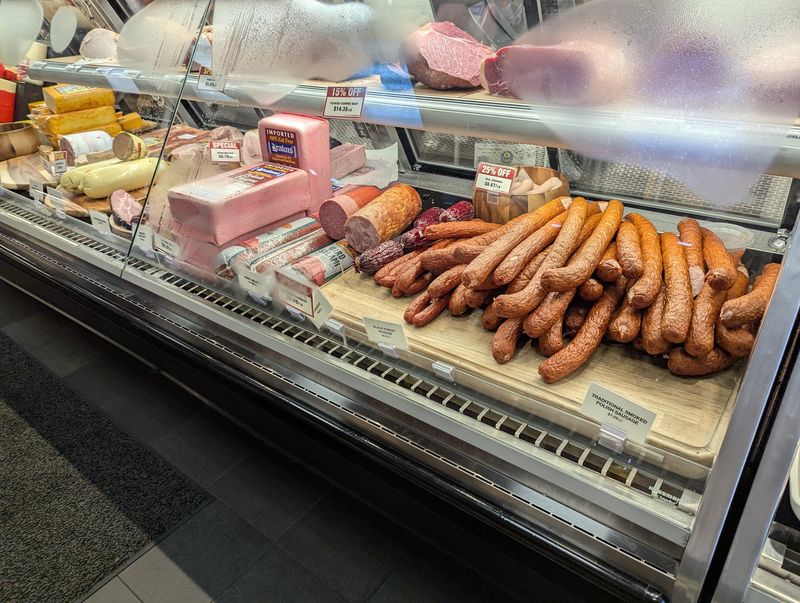
Not every deli item needs a long explanation, and smoked kielbasa proves that fast. One look at those dark, glossy links is enough to understand the appeal.
The sausage brings smoke, salt, and richness in a form that can stand on its own, slide into a sandwich, or round out a fuller Polish meal without much effort.
Part of the power comes from contrast. Pierogi are soft and comforting, while kielbasa is firmer, louder, and more direct.
Put the two in the same order, and the meal starts to show the range of a proper deli counter, moving from dumplings and soups to cured meats and heavier savory notes.
KASIA’S DELI, INC. benefits from treating sausage as both centerpiece and supporting player. It belongs in the display case as a visual signature, but it also fits naturally into the shop’s sandwich side.
That matters because this is not only a place for traditional plates. It also serves people who want lunch in a simpler format, with deli meat sliced fresh and sausage used in ways that make sense for a neighborhood stop.
Smoked kielbasa also tells an important story about Polish food in plain terms. It shows how preservation, flavor, and practicality meet in one ingredient.
A link of sausage can be sold whole, sliced, reheated, packed to go, or worked into a quick meal, which explains why it remains such a staple in deli culture.
For anyone unsure where to start, kielbasa is an easy entry point because the flavor is clear and familiar even if the wider menu is not. It gives the meal weight right away.
When the counter is full and choices start competing for attention, sausage cuts through the noise with the simplest message possible: start here if hunger is serious.
Chicago, Illinois, Still Has Room for an Old-School Polish Stop
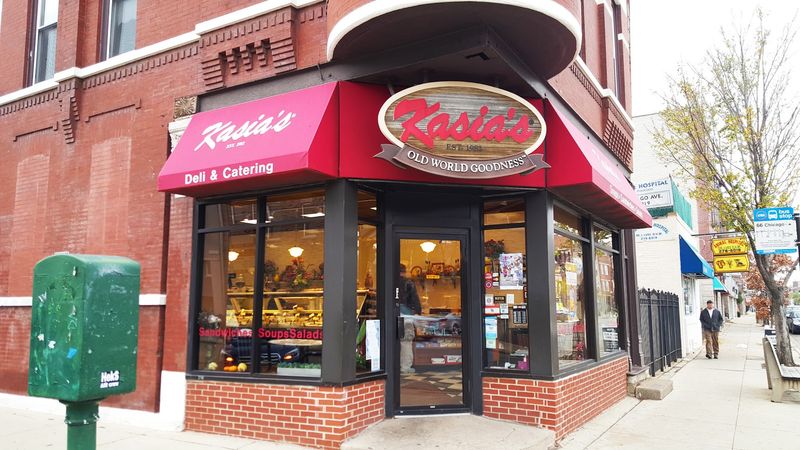
West Chicago Avenue is the kind of street where a food shop can still say a lot about the neighborhood around it. KASIA’S DELI, INC. sits in a part of Chicago where old traditions and changing city life meet each other every day.
That setting gives the deli extra meaning, since it serves not only lunch but also a continuing piece of Polish food culture in a busy urban area.
The storefront is not built like a spectacle. Instead, the place works through routine, regulars, and practical appeal, which suits a deli much better than flashy design would.
Soup, sandwiches, sausage, dumplings, and grocery items all make sense in this compact footprint, and that mix reflects the way neighborhood food stores have long functioned in Chicago.
There is also an Eastern European range here that broadens the story. The menu description includes stews, roulades, blintzes, and other dishes beyond the most famous names.
That matters because a Polish deli often serves as a gateway, helping people move from one well-known item, like pierogi, into a wider set of regional foods they may not know yet.
The location helps explain why takeout is such a strong part of the experience. With limited seating inside and a city street just outside, the rhythm is quick but not rushed.
People can step in, order a meal, pick up extra deli items, and continue the day without turning lunch into a major event.
For readers chasing a polished restaurant scene, this shop offers a different reward. It shows how food traditions survive through ordinary access, not fancy framing.
A neighborhood deli with handmade staples and prepared dishes can teach more about a city than a trend-driven menu ever could. In Chicago, Illinois, that kind of place still matters, especially when the food case looks ready for both lunch and tomorrow’s dinner.
More Than Dumplings, the Sandwiches and Soups Hold Their Ground
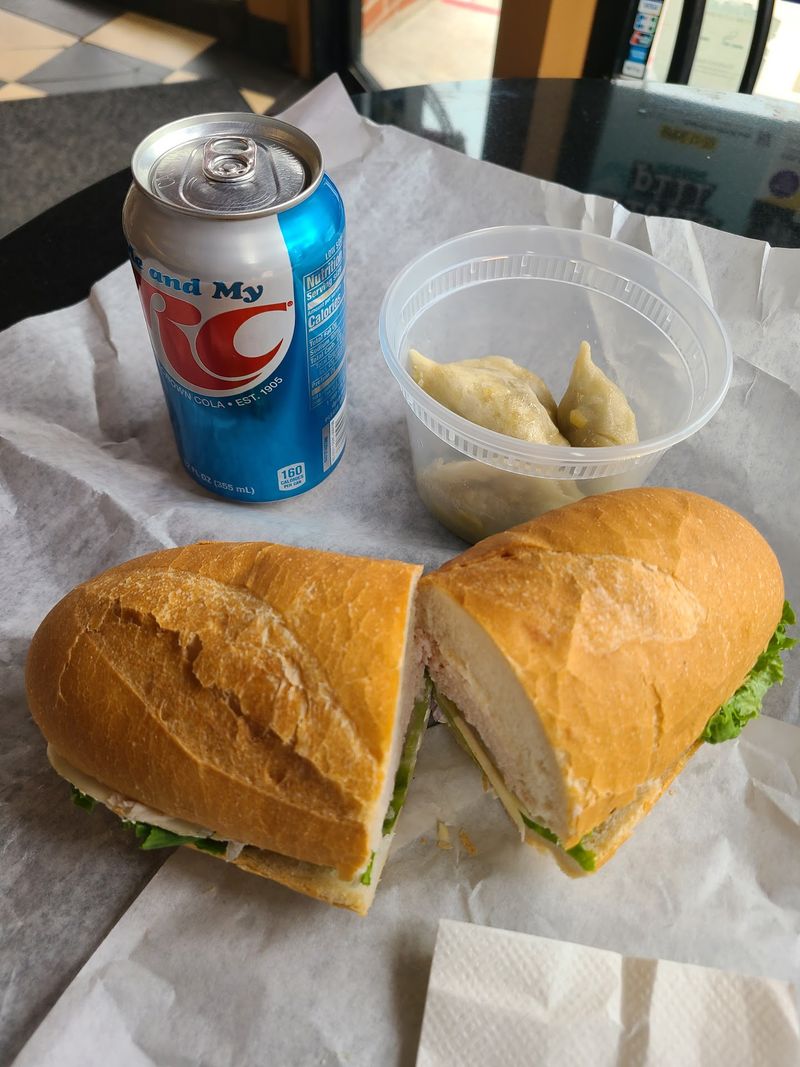
It would be easy for a deli known for pierogi to let everything else fade into the background. KASIA’S DELI, INC. does not work that way.
The menu description points to soups, sandwiches, stews, roulades, and blintzes, and that wider range matters because it turns the shop into an everyday lunch stop, not a one-item destination.
Sandwiches play a smart role in the lineup. They offer a familiar path for anyone who may be curious about the deli but not ready to commit to stuffed cabbage or dumplings on the first visit.
Polish sausage sandwiches, ham, pastrami, and other deli-style builds give the counter a second personality, one that connects old-country flavors to a quick city lunch.
Soup adds a different kind of strength. A deli case full of rich foods can benefit from something warm, brothy, and simple, and chicken noodle soup has been singled out as a standout.
In practical terms, that means the shop serves both heavy comfort meals and gentler options for colder days, light appetites, or anyone stopping in for something restorative.
The broader prepared-food selection also increases flexibility. One person can grab a sandwich, another can choose pierogi, and someone else can leave with stuffed cabbage or stewed dishes for later.
That mix helps families and groups order without forcing everyone into the same idea of lunch. There is a useful lesson in that variety. A strong deli does not only sell signature foods.
It builds trust by making several kinds of meals possible at once, whether the visit is about a hot soup, a sausage sandwich, or a bag of dumplings for the freezer.
At this address, the famous items bring people in, but the depth of the case is what makes the stop practical for real life. That is how a neighborhood deli earns a place in regular routines.
Small Space, Smart Strategy, Better Lunch
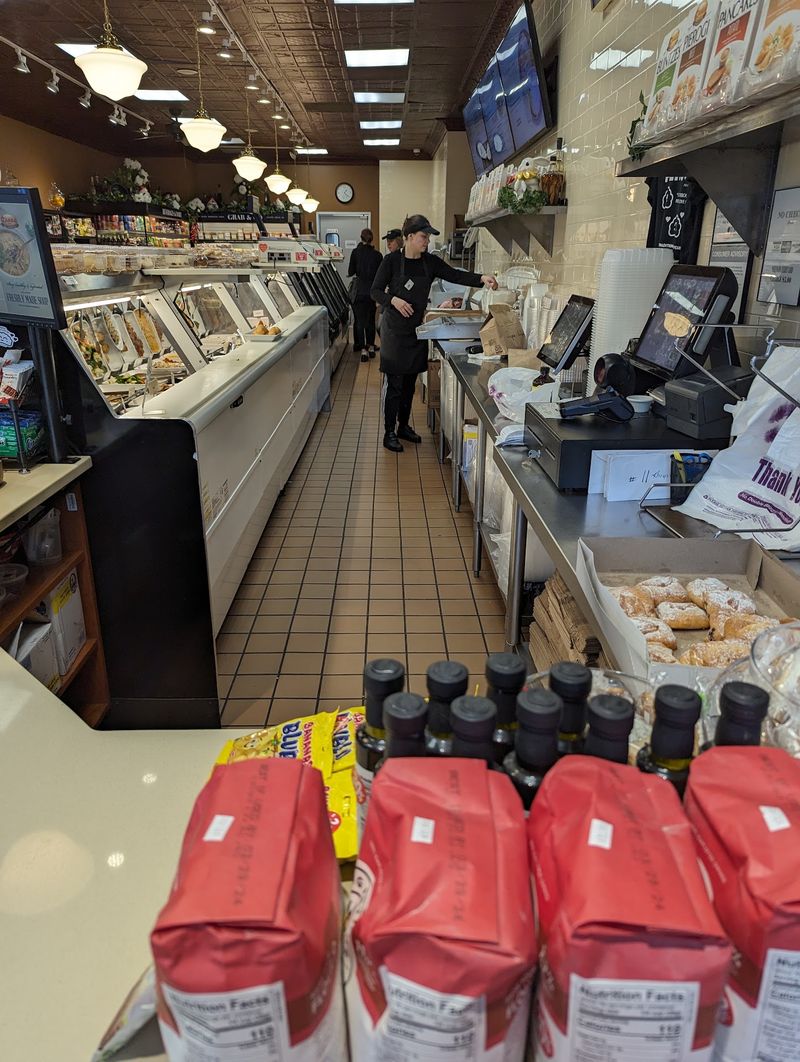
Some places reward careful planning, and this is one of them. KASIA’S DELI, INC. has limited seating, with only a small number of tables, so the best visit often starts by thinking beyond a long sit-down meal.
That does not weaken the experience at all. In fact, it sharpens it, because the shop works best when treated like a neighborhood deli built for pickup, browsing, and quick decisions.
Timing can make a real difference. The posted hours show morning opening through early evening on weekdays, a slightly shorter Saturday, and a closed Sunday.
Going earlier in the day can make ordering easier and leave more room to look over the case without feeling squeezed by the lunch wave or after-work rush.
Parking and space are also worth keeping in mind. Since the shop sits on a busy city stretch, a flexible attitude helps.
It is smart to expect a little street-searching, then move efficiently once inside by deciding whether the goal is a full meal, a sandwich, or extra deli items to take home.
The compact layout actually supports the food. With less room for lingering, the attention stays on what is in the case and what should go into the bag.
That pushes first-time visitors to build a better order, maybe a container of soup, a sausage sandwich, and a few kinds of pierogi instead of one single dish.
For the smoothest experience, think in layers. Choose one ready-to-eat item, one comfort-food extra for later, and one signature deli staple that gives a fuller picture of the shop.
That method suits the size of the place and turns a short stop into a much more satisfying haul. In a city full of grab-and-go habits, this deli succeeds by meeting people where they already are and feeding them better than expected.
Why the Deli Counter Keeps Winning in a Changing City
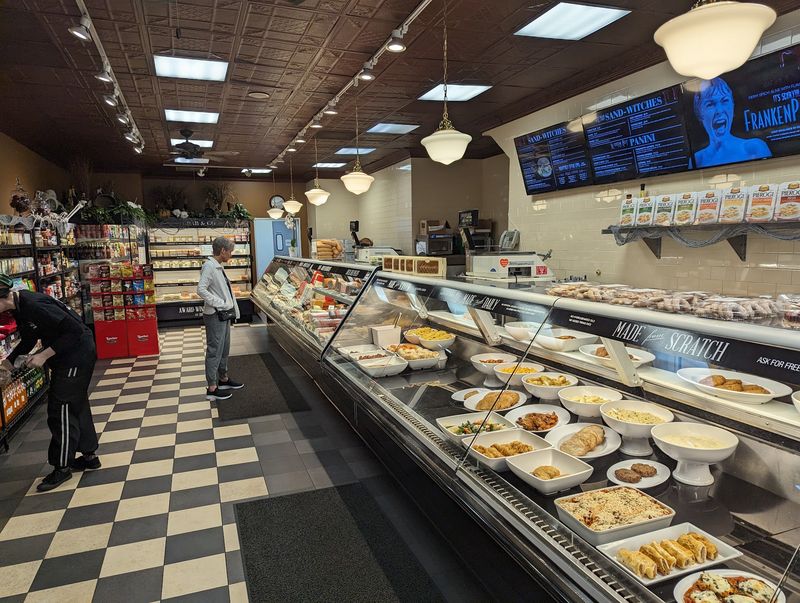
Plenty of food trends burn bright and disappear fast, but a deli like this survives on steadier ground. KASIA’S DELI, INC. offers handmade pierogi, smoked kielbasa, soups, sandwiches, and prepared dishes that fit daily life instead of chasing novelty.
That combination gives the shop staying power, especially in a city where neighborhoods change, tastes shift, and familiar food can become a marker of continuity. The strongest point is not only tradition. It is usefulness.
A person can walk in needing lunch, comfort food for dinner, something easy to reheat tomorrow, or a quick introduction to Polish cooking, and the same counter can answer all of those needs. Few food businesses manage that without feeling scattered.
The deli also bridges different kinds of eaters. Longtime fans of Eastern European food can head straight for stuffed cabbage, blintzes, or sausage, while newer visitors can begin with a sandwich or potato pierogi and work outward from there.
That layered accessibility matters because it keeps the place open to both memory and discovery without forcing either one.
Even the visual rhythm of the shop supports its identity. Compact space, a case full of hearty foods, and a menu built around practical comfort make the visit direct and focused.
There is no need for long explanations when the food already shows its purpose so clearly. In the end, the title says a lot, and the deli backs it up. Handmade pierogi bring craft.
Smoked kielbasa brings boldness. The full counter ties those two ideas together into a complete picture of a Chicago food institution that still serves the basics with confidence.
For anyone trying to understand why neighborhood delis matter, this address makes the lesson easy: good traditions stay relevant when they remain useful, visible, and ready to take home in one paper bag.