Pickett CCC Memorial State Park sits tucked into the northern edge of Tennessee, where thick forests and rugged terrain create one of the best spots in the state to catch a glimpse of black bears in their natural habitat. Far from the crowded tourist trails, this quiet park offers a rare combination of solitude, wild beauty, and genuine wildlife encounters that most visitors never experience.
Whether you’re hoping to spot a bear or simply escape into unspoiled wilderness, Pickett delivers an adventure that feels worlds away from everyday life.
This Quiet Tennessee Park Feels Far Removed From the Usual Crowds
Most Tennessee parks fill up fast with families, tour buses, and weekend warriors looking for Instagram moments. Pickett CCC Memorial State Park operates on an entirely different frequency.
Located in Fentress County near Jamestown, this 19,000-acre sanctuary sits so far off the beaten path that many Tennesseans have never heard of it.
No cell service greets you here. No packed parking lots or loud crowds interrupt the stillness.
Just thick hardwood forests, sandstone bluffs, and the kind of silence that makes you remember what peace actually sounds like.
The park’s isolation isn’t accidental. Perched on the Cumberland Plateau right next to Big South Fork National River and Recreation Area, Pickett occupies one of the most remote corners of the state.
Getting here requires commitment, which naturally filters out casual visitors and leaves the trails, lake, and campsites refreshingly empty even during peak season.
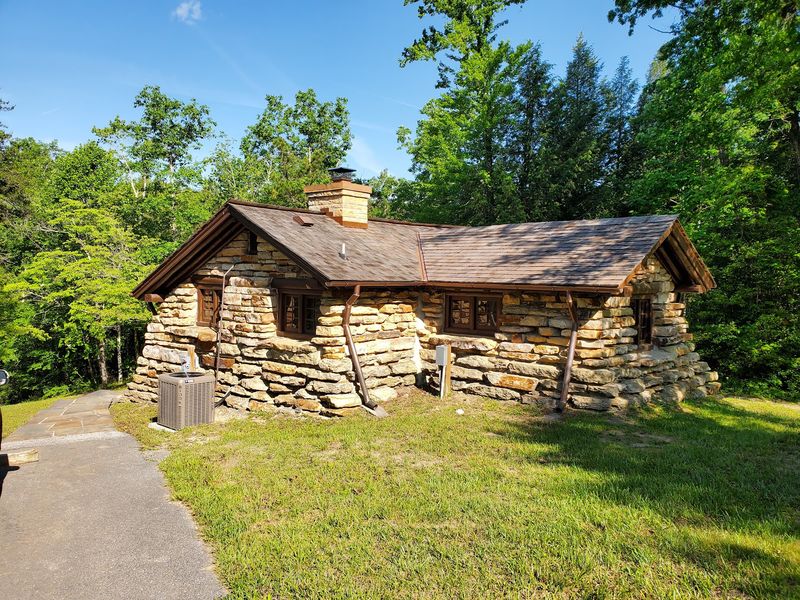
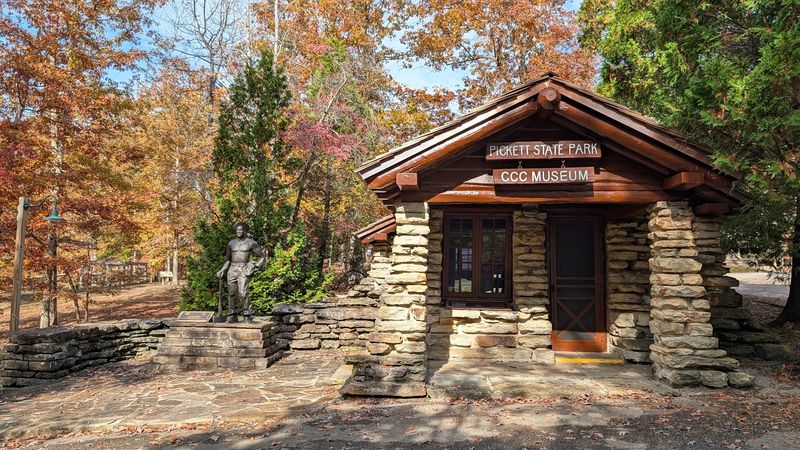
Built by the Civilian Conservation Corps in the 1930s, the park still carries that rustic, handcrafted charm. Stone cabins with thick walls and covered porches dot the property, offering cozy retreats that feel like stepping back in time.
The old CCC craftsmanship shows in every detail, from hand-laid rock walls to sturdy trail steps carved into hillsides.
Visitors consistently mention the park’s tranquil atmosphere in reviews. One guest described it as feeling “alone on earth,” while another called it a “forest fortress” where the outside world completely disappears.
That kind of solitude has become rare in modern travel, making Pickett a genuine treasure for anyone craving a true escape into nature without fighting crowds for the privilege.
Pickett’s Remote Setting Makes It Prime Black Bear Country
Black bears need space, thick cover, and minimal human interference to thrive. Pickett CCC Memorial State Park checks every box.
The park’s massive forested acreage connects directly to even larger wilderness areas, creating an unbroken habitat corridor where bears roam freely without crossing highways or subdivisions.
Tennessee’s black bear population has rebounded dramatically over the past few decades. While the Smokies get most of the attention, the Cumberland Plateau region around Pickett has quietly become excellent bear country.
The dense oak and hickory forests produce abundant acorns and nuts, providing the high-calorie food bears need to fatten up before winter.
Park rangers and regular visitors report bear sightings with surprising frequency. One recent review mentioned hearing bears sniffing around tents at night during a December camping trip.
Another visitor spotted multiple bears during their stay, along with beavers and other wildlife that indicate a healthy, balanced ecosystem.
The park’s remoteness works in favor of both bears and bear watchers. With fewer people tramping through the woods, bears behave more naturally and spend more time visible during daylight hours rather than becoming purely nocturnal to avoid humans.
This creates better viewing opportunities for patient observers willing to wake early or stay alert during evening hikes.
Unlike roadside bear jams in more famous parks, encounters at Pickett feel genuine and unforced. You’re not watching bears conditioned to tourist handouts or garbage raids.
These are wild animals going about their business in their own territory, which makes every sighting feel like a privilege rather than a guaranteed photo op. That authenticity is exactly what serious wildlife enthusiasts travel hours to experience.
Where Visitors Have the Best Chance of Spotting a Bear
Timing and location matter when you’re hoping to see black bears. Early morning and late evening offer the best windows, when bears actively forage before and after the heat of midday.
Dawn patrols along park trails often reward dedicated hikers with sightings that casual afternoon visitors completely miss.
The Lake Trail system provides excellent bear habitat and viewing potential. This moderate loop winds through varied terrain including dense forest, rocky outcrops, and shoreline areas where bears come to drink and search for food.
The trail’s length and relative difficulty keep it less crowded than shorter walks, increasing your chances of spotting wildlife undisturbed.
Areas near the campground and cabin clusters also see regular bear activity, especially during seasons when natural food sources are abundant. Rangers emphasize proper food storage for good reason.
Bears have learned that campgrounds sometimes offer easy calories, though Pickett’s strict policies and remote location mean these bears remain much wilder than their Smoky Mountain cousins.
The Hidden Passage Trail and routes leading to Hazard Cave traverse prime bear country. These paths cut through thick forest with limited sight lines, creating situations where you might round a bend and find yourself sharing the trail with a surprised bear.
Always make noise while hiking, carry bear spray, and know how to react if an encounter occurs.
Rangers recommend hiking during shoulder seasons like spring and fall when bear activity peaks. Spring brings bears out of dens hungry and active, while fall finds them frantically feeding before winter.
Summer heat pushes bears into shadier, higher elevations during midday. Winter sightings are rare since bears enter a dormant state, though warm spells can bring them out briefly to search for food.
The Park’s Trails Lead Through Wild, Rugged Scenery
Pickett’s trail system showcases some of Tennessee’s most dramatic geology without requiring expert climbing skills or technical equipment. Over a dozen marked trails range from easy lakeside strolls to challenging ridge hikes that reward effort with stunning views and unique rock features found nowhere else in the state.
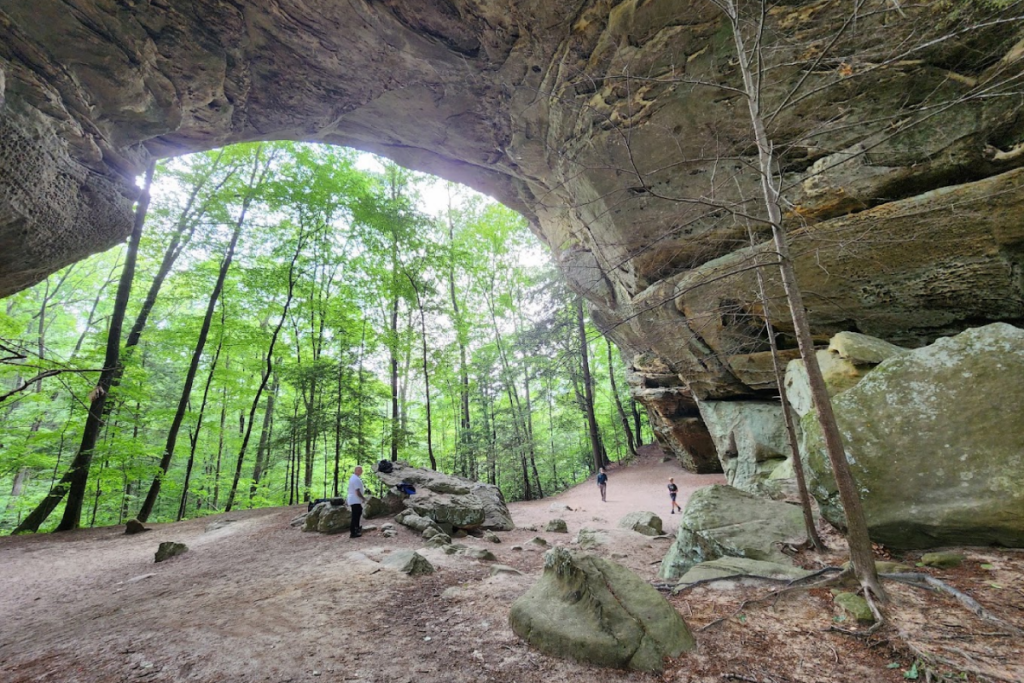
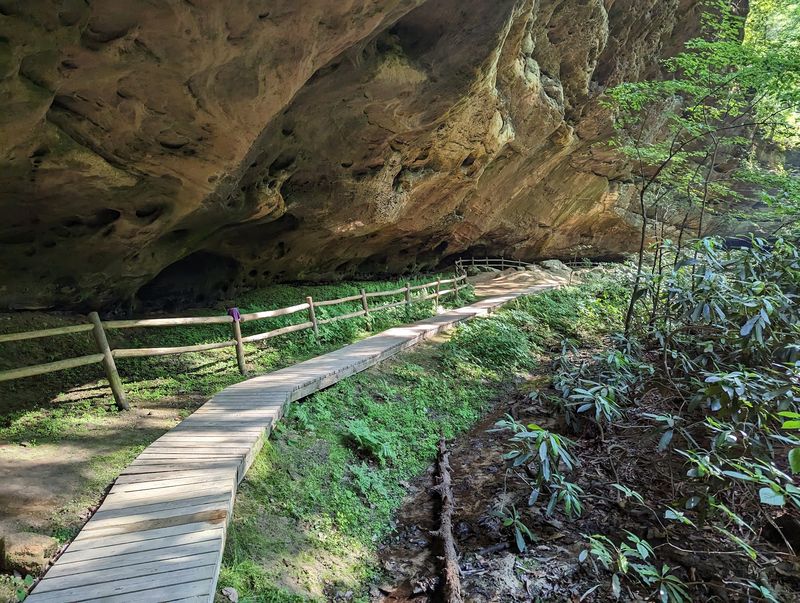
Hazard Cave Trail ranks as a visitor favorite for good reason. This moderate hike leads to a massive rock shelter where light filters through the opening in ways that change throughout the day.
The cave itself stretches deep into the sandstone cliff, creating a natural cathedral that makes you feel tiny against the ancient stone. Late afternoon visits catch the best light, painting the interior in warm golden tones.
The Natural Bridge Trail takes you to one of Tennessee’s most impressive natural arches. Though the trail itself was recently closed for repairs, the bridge remains visible from a roadside pullout.
When the trail reopens, hikers will again be able to walk beneath the massive stone span and appreciate the water and wind erosion that carved this wonder over millions of years.
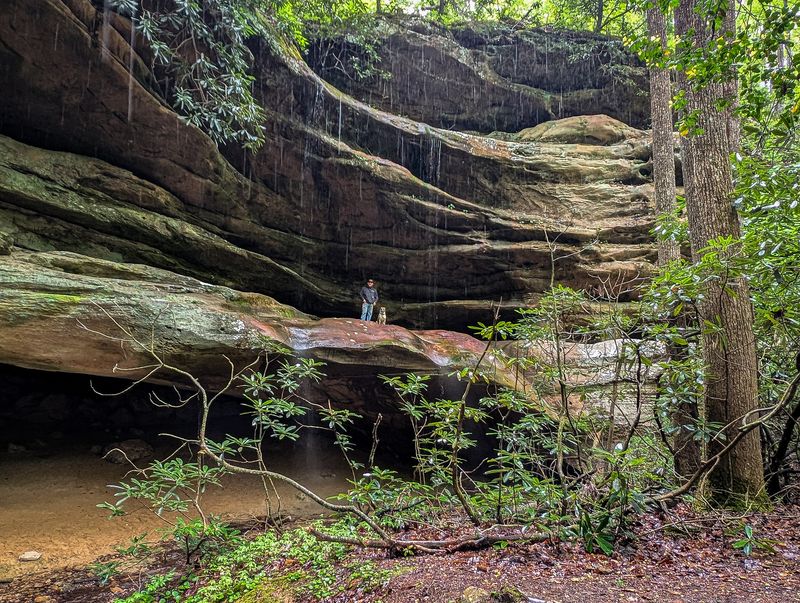
Indian Rockhouse offers another spectacular rock shelter accessible via a relatively easy trail. The overhang is enormous, providing shelter that Native Americans used for thousands of years.
Standing under that protective roof, you can imagine ancient peoples seeking the same refuge from storms that hikers appreciate today.
For serious hikers, the Lake and Island Trails deliver. These routes cover more distance and include some challenging sections, including steep rocky areas near a suspension bridge that crosses to a small island.
One reviewer mentioned having to carry their dogs down particularly slippery rocks after a freeze. The effort pays off with peaceful lake views, diverse forest scenery, and that wonderful sense of accomplishment that comes from completing a genuine hike rather than a casual walk.
Rock Formations, Forests, and a Lake Add Even More to Explore
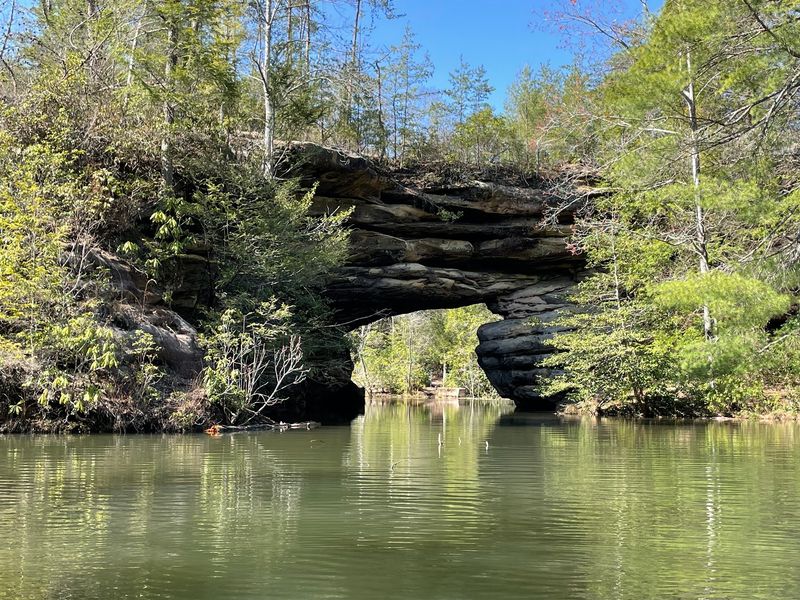
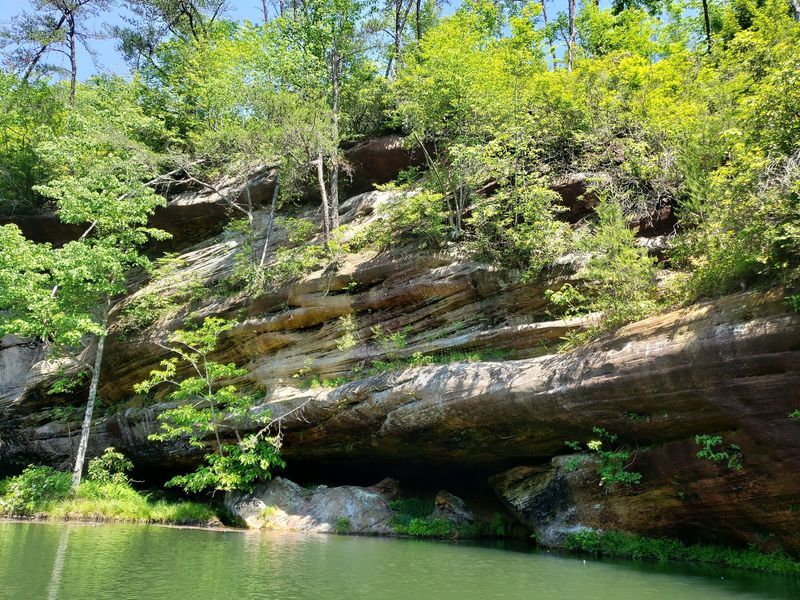
Arch Lake anchors the park’s recreational offerings with 12 acres of calm water perfect for paddling, fishing, and swimming. The designated beach area provides a safe spot for families, though the lake’s real appeal lies in exploring its quieter coves and inlets by kayak or canoe.
Rental options are available right at the park, making it easy to get on the water even if you didn’t bring your own boat.
Paddlers consistently praise the lake’s peaceful atmosphere. One visitor mentioned being completely alone on the water, gliding across glassy surface that perfectly mirrored the surrounding forest.
The lake sits low enough that drought can affect water levels, but even when slightly down, it remains perfectly navigable and beautiful.
Beyond the lake, Pickett’s sandstone geology creates an outdoor museum of natural architecture. Massive bluffs tower over trails, their layered faces recording hundreds of millions of years of geological history.
Rock shelters, arches, and unusual formations appear around nearly every bend, each one shaped by patient erosion that continues its slow work today.
The park’s designation as an International Dark Sky Park adds a completely different dimension to any visit. Once night falls, the lack of light pollution reveals a sky most people have never seen.
The Milky Way stretches overhead in vivid detail, with thousands of stars visible to the naked eye. During meteor showers, the astronomy field becomes the best seat in Tennessee for watching celestial fireworks.
A small but well-curated museum tells the story of the Civilian Conservation Corps workers who built much of the park during the Great Depression. The nature center offers hands-on experiences, especially during warmer months when staff bring out snakes and other creatures for educational encounters.
These additions provide perfect rainy-day activities or educational breaks between hiking adventures.
What to Know About Staying Safe Around Black Bears
Black bears generally avoid humans when given the chance, but careless behavior can create dangerous situations. Proper food storage tops the list of essential precautions.
Never leave food, coolers, or scented items in tents or unattended around campsites. Use the bear-proof storage containers provided at campsites, or secure everything inside a hard-sided vehicle.
Make noise while hiking, especially on trails with limited visibility. Talk, sing, or clap periodically to announce your presence and avoid surprising a bear.
Most encounters happen when bears and humans startle each other at close range. A surprised bear may bluff charge or act aggressively even though it really just wants to escape.
If you do encounter a bear, stay calm and assess the situation. Never run, which can trigger a chase response.
Instead, face the bear, make yourself appear larger by raising your arms, and speak in firm, calm tones. Slowly back away while keeping the bear in view.
Give the animal a clear escape route and plenty of space.
Carry bear spray and know how to use it before you need it. This pepper-based deterrent proves effective in stopping aggressive bears when deployed correctly.
Keep it accessible on your hip or pack strap, not buried in your backpack. Practice removing the safety clip at home so the motion becomes automatic in a stressful situation.
Report all bear sightings to park rangers, especially if the bear seemed habituated to humans or showed unusual behavior. This information helps rangers track bear movements and identify animals that might be becoming problematic.
Rangers at Pickett are knowledgeable and approachable, happy to discuss bear safety and share recent sighting information. Their expertise can help you balance caution with the thrill of potentially seeing these magnificent animals in their natural home.
Why Pickett CCC Memorial State Park Is Worth the Drive to Jamestown
Getting to Pickett requires effort. The park sits roughly two and a half hours from Nashville, three from Knoxville, and even farther from other major cities.
No interstate deposits you at the entrance. Instead, you wind through increasingly rural landscapes, watching civilization fade in the rearview mirror as forests thicken and traffic disappears.
That journey filters out casual visitors and rewards those who make the trip with an experience increasingly rare in modern America. Pickett offers genuine wilderness, not a sanitized nature theme park.
The bears are wild. The trails are rugged. The silence is real.
You can spend days here without cell service, reconnecting with rhythms older than smartphones and social media.
The park’s 4.8-star rating across over 1,000 reviews isn’t accidental. Visitors consistently describe Pickett as a hidden gem, a favorite park, and a place they return to year after year.
Families appreciate the safe but authentic outdoor experiences. Solo travelers find the solitude therapeutic. Photographers and astronomers consider it a paradise. Everyone seems to leave planning their next visit.
Historic stone cabins provide comfortable base camps with modern amenities like Wi-Fi and air conditioning, wrapped in rustic charm that makes you feel like a Depression-era CCC worker might walk through the door any moment. Newer cabins offer more space and modern conveniences for those who prefer creature comforts with their wilderness adventure.
The park staff earns special mention in countless reviews. Rangers like Grant and Owen share deep knowledge and genuine passion for the place they protect.
Their guided hikes, museum tours, and willingness to answer questions add immeasurably to visitor experiences. When staff clearly love where they work, that enthusiasm becomes contagious, transforming a good trip into an unforgettable one that keeps people coming back to this special corner of Tennessee.
Share this story