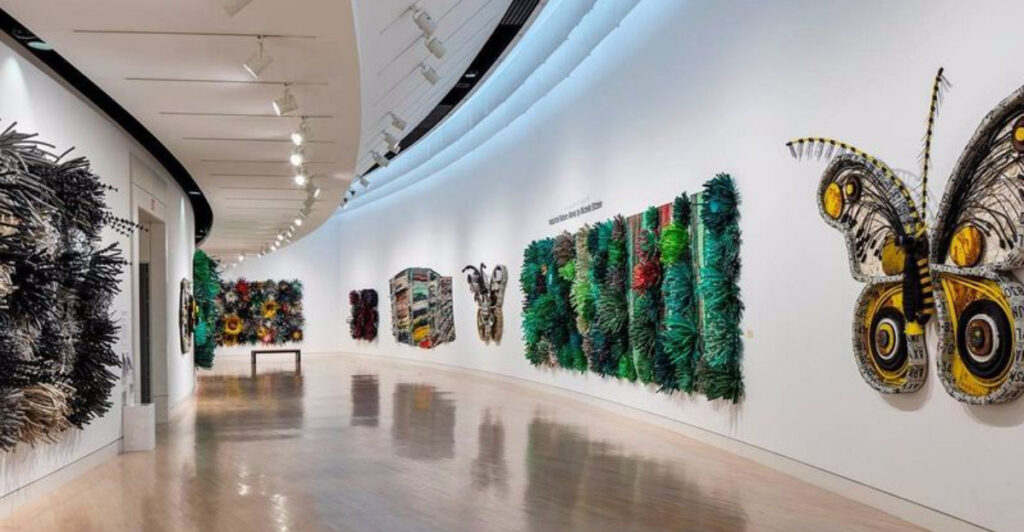
Ohio is a wonderful place to learn by making things with your hands, and that is one reason its craft schools stand out. Across the state, students and hobbyists can shape clay, blow hot glass, carve wood, print artwork, and try many other creative skills in spaces built for real practice.
These schools matter because they help people turn ideas into objects they can hold, share, and feel proud of, while also keeping old art traditions alive for new generations. From big city campuses to welcoming community studios, Ohio offers many places where beginners can start small, curious kids can grow more confident, and serious artists can sharpen their talent, so if you have ever wanted to sit at a pottery wheel, watch glowing glass take shape, or hear tools hum in a woodshop, the schools ahead show how creativity comes to life all across Ohio.
1. Columbus College of Art & Design

Some schools feel electric the moment you walk in, and that kind of creative buzz helps explain why Columbus College of Art & Design draws so much attention in Ohio. Students here can explore fine arts, design, and hands-on studio work in a city that keeps growing its art scene.
That mix gives learners a chance to build skills in class and then see how creativity connects to real jobs and public culture.
Studios matter because practice is where confidence starts, and CCAD gives students room to experiment, make mistakes, and improve. A student interested in craft can study form, color, drawing, and materials while learning how artists solve problems every day.
Even if pottery wheels or wood tools are only part of a broader art path, the school supports the careful making process that strong craft work requires.
Columbus also adds something special. Museums, galleries, art fairs, and local makers give students examples of how creative work lives beyond the classroom.
That can be helpful for young artists who want to understand both personal style and professional direction.
For visitors or future students, the smartest approach is to look at facilities, ask about studio access, and learn how often students can use equipment outside class time. It also helps to study faculty interests, because a teacher who loves material-based work can shape a student’s growth in a big way.
Paying attention to community events, internships, and exhibitions can show whether the program fits your goals.
One of the best parts of a place like this is simple. You are not only learning to make art.
You are learning how patience, observation, and steady effort can turn a rough idea into something clear, useful, and memorable.
2. Cleveland Institute of Art

A lot of young artists want a school that feels serious without crushing their curiosity, and Cleveland Institute of Art offers that balance in Ohio. Known for strong visual arts training, it gives students a place to sharpen technique while still asking bold questions.
The result is an environment where careful craftsmanship and original thinking can grow side by side.
Material-based learning is a big part of why the school matters in a conversation about craft. Students often build solid foundations in drawing, design, sculpture, and process before moving into more advanced work.
That kind of training helps with everything from glass concepts to wood forms, because the hand learns through repetition, observation, and revision.
Cleveland itself strengthens the experience. The city has respected museums, working artists, and industrial history that can inspire makers who care about both tradition and invention.
Seeing excellent artwork nearby reminds students that making objects is not just a class task. It is part of a larger cultural story in Ohio.
If someone is exploring this school, asking practical questions can save time later. Find out how many studio hours students get, whether first-year learners have easy access to equipment, and what safety training is required for shared spaces.
Looking into exhibitions and critique culture can also tell you a lot about how students are pushed to improve.
There is something satisfying about a school that treats making as both discipline and discovery. That spirit can help a beginner become more observant, more skilled, and more willing to stay with a difficult project until it finally works.
For many students, that lesson lasts even longer than the artwork they carry home.
3. The Art Academy of Cincinnati

Creative people often remember the first place that made their ideas feel welcome, and the Art Academy of Cincinnati has that kind of draw. It is a school with deep roots in Ohio art education, yet it still encourages fresh voices and personal exploration.
That blend of history and independence makes it appealing for students who want craft skills with room for self-expression.
Hands-on work grows best when students can connect concept and material, and that is where this school stands out. Classes in foundations, studio art, and design can help learners understand shape, texture, balance, and visual storytelling.
Those lessons carry into many crafts, whether someone is shaping clay, building wooden forms, or planning a piece with layered materials.
Cincinnati adds character to the whole experience. The city has murals, galleries, local art events, and neighborhoods with strong creative energy.
For students, that means inspiration is not trapped inside one building. It is out on the streets, in museums, and in conversations with working artists.
Future students should pay attention to how the academy supports individual growth. Ask how critiques are handled, what studio spaces are available, and whether students can show work publicly during the year.
It is also wise to learn about scholarships, mentorship, and career support, since practical planning matters just as much as talent.
What makes a craft education memorable is not only the finished object. It is the moment a student realizes their hands can communicate something personal and clear.
Schools like the Art Academy of Cincinnati help create that moment by giving structure, encouragement, and enough challenge to make real progress possible. In a state full of makers, that role remains valuable and lasting.
4. Zanesville Pottery Studio & Clay Center
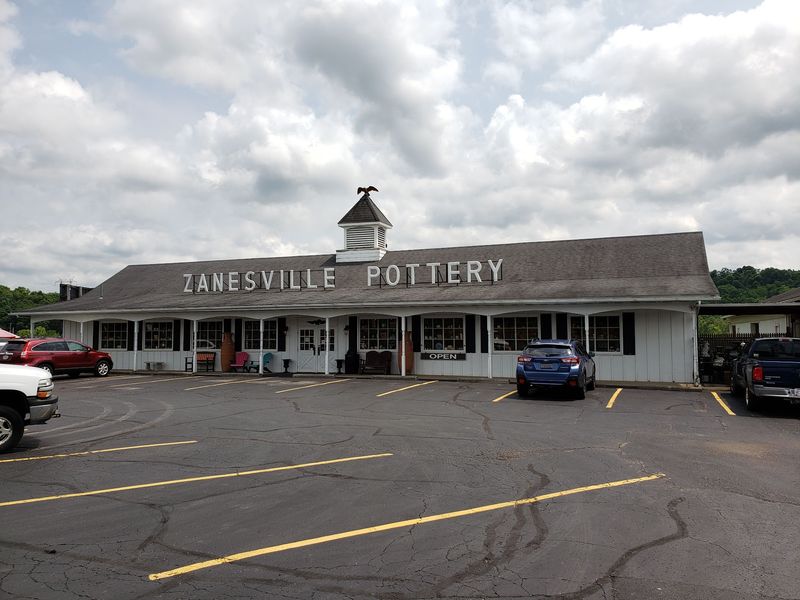
Clay has a way of slowing people down, and that calm, focused feeling is a big reason Zanesville Pottery Studio & Clay Center deserves attention. Located in an Ohio city with a long pottery history, it gives learners a direct link to one of the state’s best-known craft traditions.
The setting alone can make a lesson feel richer, because students are working where generations of makers once did the same.
Pottery is both simple and tricky. A lump of clay can become a cup, bowl, or vase, but only after steady practice, patience, and a willingness to start over.
At a center like this, students can learn wheel throwing, hand building, glazing, and firing while gaining respect for each step in the process.
The practical benefits are easy to understand. Working with clay strengthens hand control, teaches problem solving, and helps people accept that mistakes are part of learning.
A collapsed pot can be frustrating, but it also teaches more than an easy success sometimes does.
If you are interested in visiting or taking a class, wear clothes that can get messy and ask what level each course fits. Beginners should look for classes that cover basic tools, safe kiln use, and simple forms before moving into larger pieces.
It is also smart to ask whether finished work can be glazed on site and how pickup times are handled after firing.
Zanesville’s pottery story gives the studio extra meaning. Learning there is not only about making an object for your shelf.
It is also about stepping into an Ohio tradition that still feels alive when the wheel starts spinning and wet clay begins to rise beneath your hands.
5. Springfield Museum of Art Studio Programs
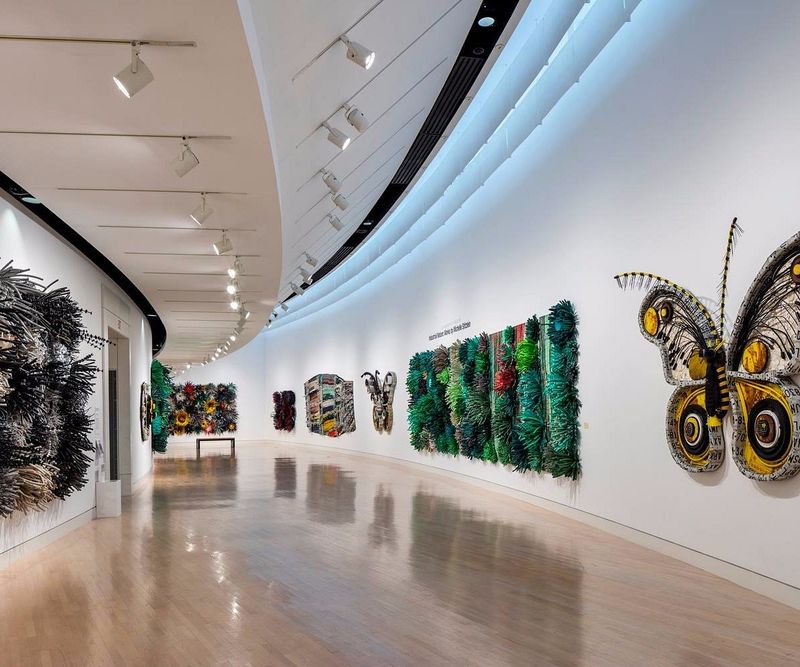
Museums can feel quiet and serious, but studio programs inside them often tell a warmer story, full of trial, play, and discovery. The Springfield Museum of Art Studio Programs show how Ohio learners can move from looking at art to making it themselves.
That step matters because creating something by hand helps people understand artworks in a deeper and more personal way.
A museum setting offers a useful advantage. Students can study color, shape, and texture in galleries, then head into class and test those ideas with their own materials.
That connection between seeing and doing can help beginners grow faster, especially when a project feels linked to real examples instead of abstract instructions.
The programs also work well for different ages and skill levels. Children may enjoy simple projects that build confidence, while older students and adults can focus on stronger technique and creative choices.
Community spaces like this are important because not everyone wants a full art degree. Sometimes people just need a welcoming place to start.
When choosing a class, think about your goal first. Do you want a relaxed hobby, a family activity, or more serious skill building?
Checking supply lists, age ranges, and program schedules can help you find the right fit without stress. Asking whether gallery visits are part of instruction is useful too, since that museum connection is one of the biggest strengths.
There is a nice rhythm to learning in a place that celebrates both finished masterpieces and beginner efforts. It reminds students that every skilled artist started somewhere small.
In Springfield, that message comes through clearly, making the studio programs a valuable stop for Ohio residents who want creativity to feel open, friendly, and possible.
6. Toledo Museum of Art Glass Studio
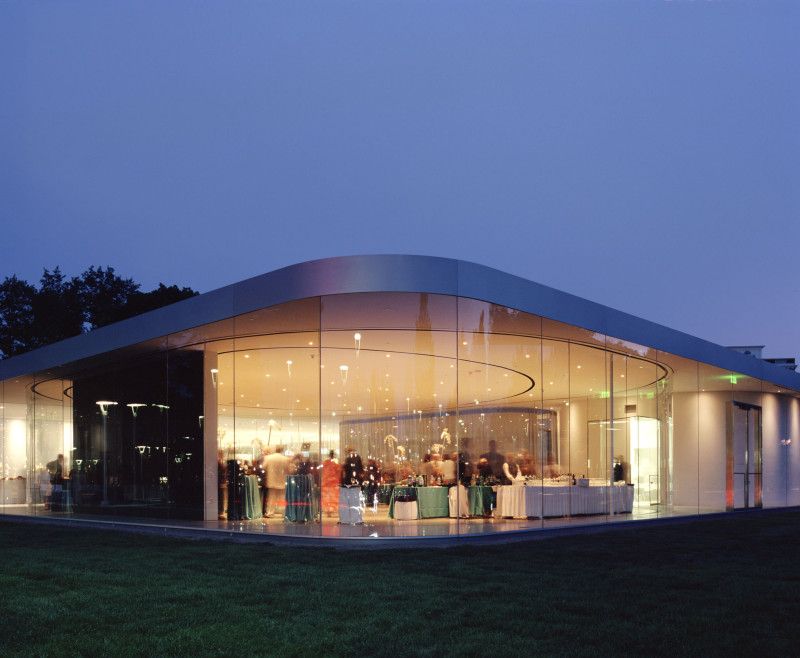
Few art forms look as dramatic as hot glass, and the Toledo Museum of Art Glass Studio proves why people are fascinated by it. Fire, heat, motion, and teamwork all come together in one unforgettable process.
In Ohio, this studio stands out as a place where visitors and students can connect with a craft that feels almost magical while still demanding real discipline.
Glass work teaches an important lesson right away. Beauty depends on timing, control, and preparation.
A piece can change quickly if the temperature drops or a movement goes wrong, so students learn to focus, listen, and respond. That makes the studio exciting, but it also makes safety and instruction absolutely essential.
The museum setting adds depth to the experience. Seeing finished glass art in galleries can help learners understand what is possible before they ever touch a tool.
Then, inside the studio, they can appreciate how much planning and labor each object requires. That jump from admiration to hands-on respect is powerful.
Anyone interested in glass classes should start by checking age limits, safety rules, and whether beginner sessions include demonstrations before hands-on work. Closed-toe shoes, attention to instructions, and patience all matter more here than in many other art settings.
It also helps to ask if classes focus on blowing, fusing, or another technique, because glass programs can vary quite a bit.
There is also something memorable about Toledo’s long connection to glass. The local history gives the studio a stronger sense of place and purpose.
Learning there is not just a fun afternoon activity. It is a chance to experience one of Ohio’s signature craft traditions in a setting where skill, history, and glowing color meet in the same room.
7. Mansfield Art Center

Not every meaningful craft school has to feel huge or formal, and that is part of the charm of Mansfield Art Center. Community-centered places often make creativity feel less intimidating, especially for beginners who are unsure where to start.
In Ohio, that kind of welcoming entry point is valuable because it opens the door to art for many different people.
Classes at an art center can offer a practical mix of learning and fun. Students may try ceramics, drawing, painting, or other studio work while building basic skills at a steady pace.
The environment can feel encouraging rather than competitive, which helps nervous learners take creative risks without worrying too much about getting everything right.
Another strength is the connection to local life. Art centers often bring together families, retirees, teens, and serious hobbyists in the same building.
That creates a lively atmosphere where people share advice, notice each other’s progress, and feel part of something bigger than one class meeting.
If you are thinking about signing up, look for a course that matches both your experience and your schedule. Short workshops can be great for testing a new craft, while longer sessions give you time to improve.
It is smart to ask whether materials are included, how many students are in each class, and if open studio time is offered for extra practice.
Mansfield Art Center shows that creative growth does not always begin with grand plans. Sometimes it starts with one evening class, one new tool, or one project that surprises you.
That modest beginning can lead to lasting confidence, a new hobby, or even a deeper path into the arts. For many Ohio residents, that kind of accessible first step matters a great deal.
8. Artworks Cincinnati
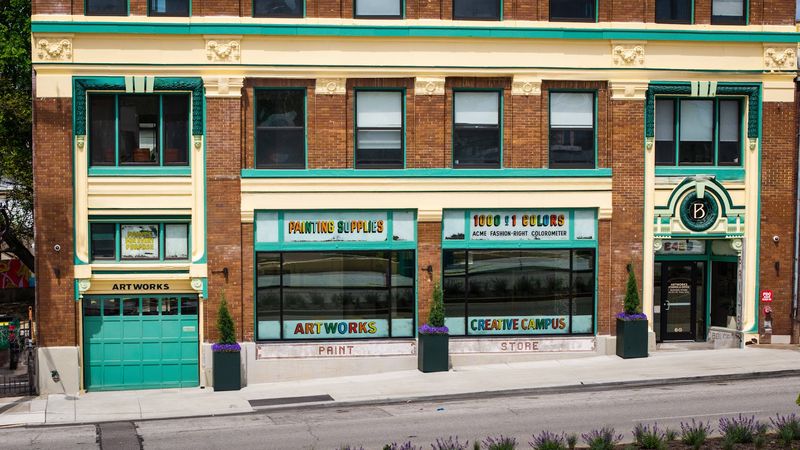
Some art programs shine because they connect creativity with community, and ArtWorks Cincinnati does exactly that in Ohio. Instead of focusing only on traditional classroom study, it is known for helping young people make art that becomes part of public life.
That gives the experience a lively purpose, since students can see their work matter beyond the studio wall.
Murals often get the most attention, but the larger lesson is about learning through making, teamwork, and responsibility. Participants build artistic skills while also practicing planning, communication, and problem solving.
Those habits matter in every craft field, whether someone later works with paint, clay, glass, or wood.
There is also something powerful about creating in a city setting. Cincinnati’s streets, buildings, and neighborhoods become part of the learning process, turning art into a conversation with the community.
Young artists may discover that craft is not only about private expression. It can also brighten shared spaces and tell local stories.
For families or students exploring opportunities here, it helps to ask about age ranges, seasonal programs, and application steps. Since many projects involve collaboration, reliability and a positive attitude can matter just as much as technical skill at the start.
Looking into mentorship and paid opportunities is worthwhile too, because real-world experience can shape a young artist’s future.
ArtWorks Cincinnati brings a fresh angle to the idea of a craft school. The focus is less about one tool or one studio and more about what happens when creativity meets service and visibility.
In that way, it captures an important truth about Ohio arts education. Making something beautiful is exciting, but making something that also strengthens a neighborhood can be even more memorable.
9. Canton Museum of Art Studio Programs

Sometimes the best way to understand art is to stop staring and start making, and the Canton Museum of Art Studio Programs offer that chance in Ohio. Set within a museum environment, the programs help students connect inspiration with action.
That makes them especially useful for people who enjoy art exhibits but have never felt sure they could create something of their own.
A museum class can give structure without feeling stiff. Learners may explore ceramics, drawing, painting, or other craft-based activities while instructors break down each step in clear ways.
Seeing professional artwork nearby can spark ideas, but the classroom keeps the focus on practice, patience, and steady improvement.
One strength of studio programs like these is flexibility. A child trying art for the first time, a teen building a portfolio, and an adult returning to a forgotten hobby can all benefit in different ways.
That broad appeal makes the museum an important creative resource for the surrounding community.
When choosing a program, think about how much guidance you want. Some people enjoy relaxed sessions with room to explore, while others prefer detailed instruction and technique-based projects.
Reviewing class descriptions, supply needs, and age recommendations can make the experience smoother from the start. It also helps to ask whether museum exhibitions are tied into lessons, since that can add a richer layer to the learning.
There is a quiet kind of excitement in bringing home something you made after seeing inspiring work on gallery walls. It reminds students that art is not only for experts or famous names.
In Canton, the studio programs help turn admiration into participation, and that simple shift can build confidence that lasts far beyond a single class.
10. Glass Axis
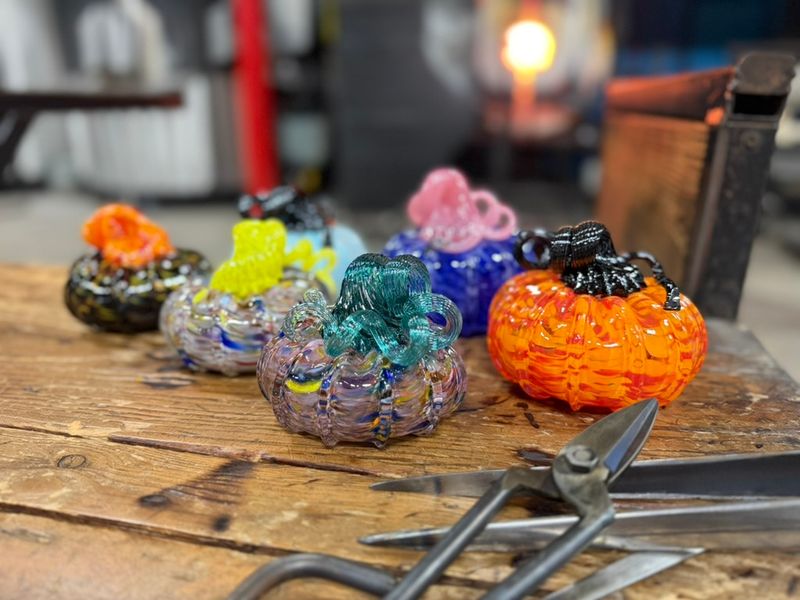
Heat, color, and quick decision making give Glass Axis a personality all its own, which is why it stands out among Ohio craft schools. Glass art can look delicate in the end, yet the process behind it is intense and physical.
That contrast makes learning here memorable for students who enjoy both beauty and challenge.
A place devoted to glass offers more than a cool demonstration. It teaches respect for process.
Students begin to understand how design, timing, temperature, and teamwork shape the final result. Whether someone is trying a beginner workshop or moving toward advanced skills, the craft demands attention in every moment.
One appealing part of Glass Axis is that it can welcome different levels of experience while still honoring serious technique. New learners often need simple introductions, clear safety rules, and patient guidance.
More experienced makers may look for specialized equipment and deeper instruction that helps them push their ideas further.
Before signing up, it is wise to check exactly what kind of class is being offered. Glass blowing, flameworking, and kiln work are not the same, and each asks for different skills and expectations.
Comfortable clothes, closed-toe shoes, and readiness to follow directions matter a lot in a hot studio. Asking about class size can also help, since smaller groups may allow more hands-on time.
There is something unforgettable about watching a glowing gather of glass turn into a finished piece through controlled movement and steady breath. That moment captures why craft education matters in Ohio.
It transforms curiosity into understanding and turns spectators into makers. Glass Axis keeps that transformation alive by giving students a place where fire and creativity can work together in a very real, very human way.