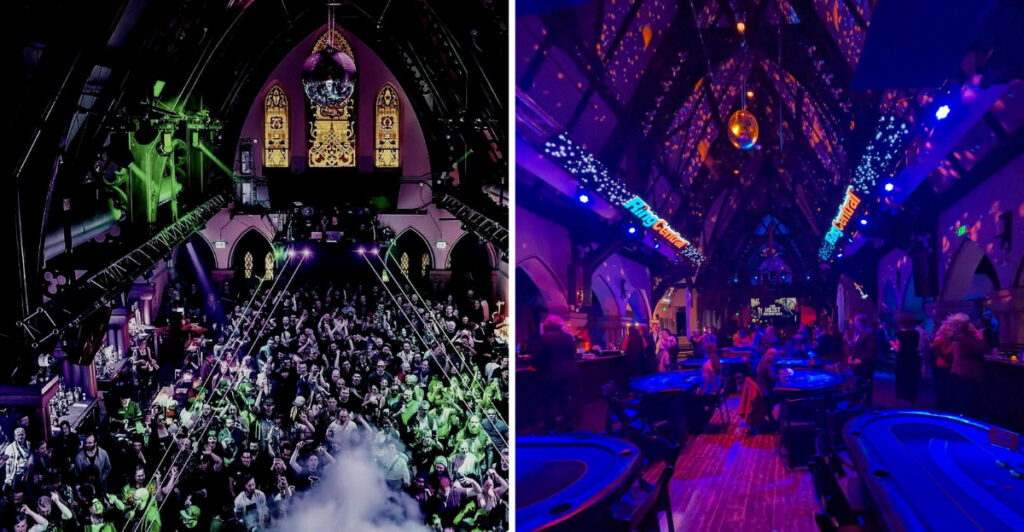
Colored light spilling through stained glass is not what most people expect to see above a packed Denver dance floor. At The Church Nightclub on Lincoln Street, a historic former church surrounds late-night crowds with soaring Gothic arches, dramatic architecture, and details that would feel more at home in a sanctuary than a nightclub.
Music and dancing give the old space an entirely different energy, while the building’s character remains impossible to ignore. That contrast makes the venue memorable before the night even gets going. At The Church, Denver nightlife unfolds beneath a ceiling and windows that demand almost as much attention as the dance floor.
Where Stained Glass Meets Strobe Light
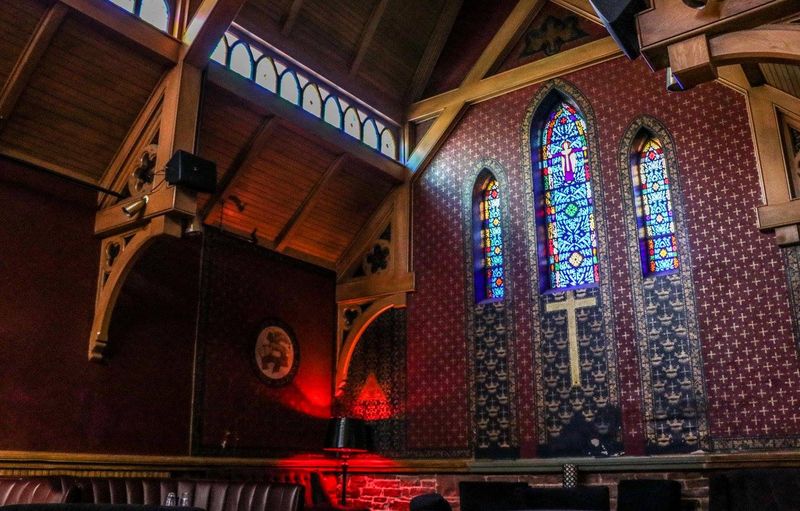
Color hits first. Inside The Church Nightclub, the stained glass does not sit quietly like a museum piece. It shares the room with moving lights, dark corners, and a packed main floor, so the old windows become part of the show instead of a decorative extra.
That visual mix gives the club its strongest identity. In many venues, the room disappears once the music starts, but here the walls keep talking.
Colored glass, stonework, and height all stay visible enough to remind everyone that the building had a life before DJs, subwoofers, and late-night crowds took over.
The effect is especially striking because stained glass usually belongs to stillness. At this address, it hangs over motion.
Dancers, bartenders, and lighting rigs turn the calm image most people connect with church windows into something active, urban, and a little surreal in the best way.
For first-timers, that means the room is worth noticing before the floor gets too crowded. Looking up between songs, or while finding a place to stand, helps catch details that disappear once the night speeds up.
The venue works best when guests treat the architecture like part of the event rather than scenery to ignore. Photos also tend to look stronger here because there is shape and texture in the background.
Even quick snapshots can pick up colored light, old framing, and the contrast between sacred design and club energy. That layered look helps explain why the space draws attention far beyond a typical weekend dance spot.
Instead of flattening the building into a generic nightclub shell, The Church keeps its old visual language visible. The stained glass adds mood without softening the energy, and that tension is exactly why the room catches the eye so quickly. Few dance venues can match that kind of built-in drama.
Gothic Arches Frame the Main Room
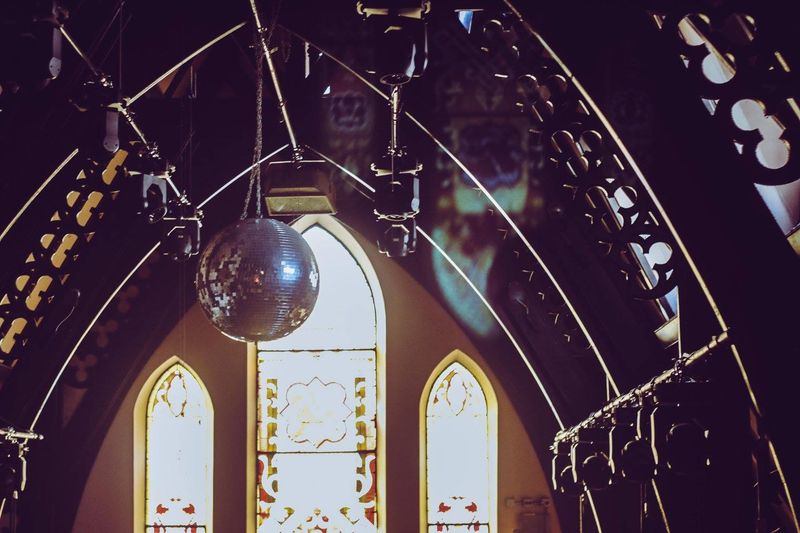
Height changes everything in the main hall. Gothic arches rise above the crowd and give the room a strong outline, so even when the music is loud and the lights are shifting, the space still has a clear shape.
That matters more than it may seem because good club design depends on how a room directs attention. Here, the arches pull the eye upward and inward at the same time.
They frame the dance floor almost like a stage set, making the center of the room feel important before the DJ even starts building momentum. A flat ceiling would never do the same job.
Those curves also soften what could otherwise be a hard, heavy concert environment. Speakers, railings, and lighting equipment bring the modern club side.
The old archways answer with texture and rhythm, helping the room feel dramatic without becoming visually messy.
Standing back for a minute is a smart move. From the edge of the floor or from an upper vantage point, the structure becomes easier to read.
People who rush straight into the crowd may miss how the arches guide movement and make the room feel grander than its footprint suggests.
The layout benefits from that sense of vertical space. A busy night can feel intense, yet the ceiling line keeps the hall from turning claustrophobic.
Instead of pressing down, the architecture opens the room and gives the crowd a little visual breathing room. Denver has plenty of music spaces, but few deliver this kind of frame around the action. The arches are not a gimmick added later for theme.
They are part of the building itself, and the club gains real character from them. That is why the main room reads as memorable even before the bass fully lands.
A Dance Floor Built for Big-Energy Nights
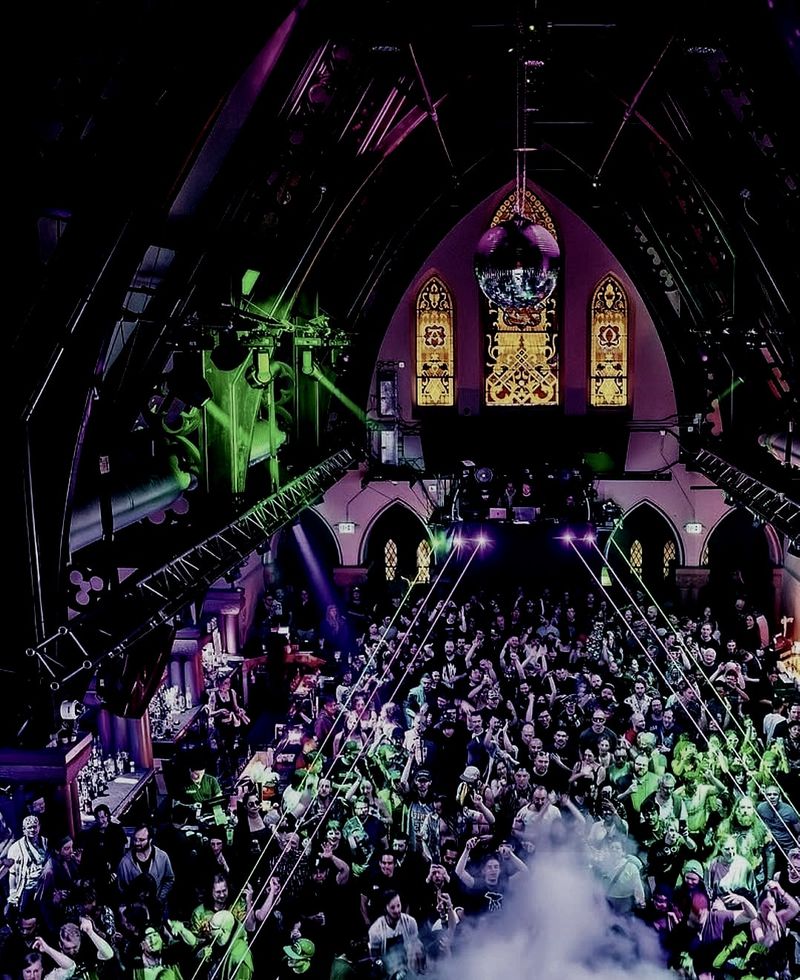
Once the beat settles in, the dance floor becomes the real engine of the building. The Church Nightclub is not memorable only because it looks unusual.
The main floor succeeds because it can hold a strong crowd while still letting the architecture stay part of the experience.
That balance is harder than it sounds. Some historic spaces look great but struggle when filled with speakers, lighting, and people.
Here, the central room is large enough to support major dance energy, and the old chapel shell gives the action a sense of scale that a normal club box cannot copy.
The floor tends to work best for people who like options within the same room. You can move closer to the center for a denser, louder pocket of energy, or stay toward the edges to watch the room breathe.
Not every club gives that choice without making the side areas feel disconnected. Music matters, of course, but the floor also benefits from the visual focus created by the room.
Eyes move toward the DJ area, then back to the crowd, then up to the arches and windows. That loop keeps the space active even between big drops or transitions in the set.
Comfort helps shape the night too. Wear shoes that can handle standing and dancing for hours, and expect the center to get crowded on popular event nights.
If packed floors are not your thing, arriving earlier can make it easier to learn the room before it fills. The practical appeal is simple. A nightclub can have history, style, and cool details, but if the dance floor does not deliver, none of that matters for long.
At The Church, the main floor still does the heavy lifting. It gives the building purpose, turns architecture into atmosphere, and keeps the place grounded in music rather than novelty.
Denver, Colorado Gets a Club Inside a Chapel
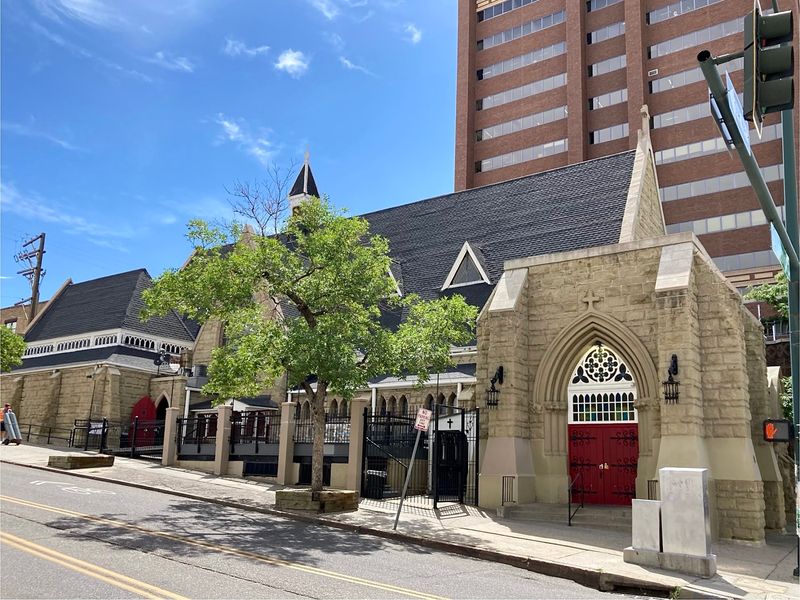
A club inside a former church sounds almost made up, which is part of the appeal. The Church Nightclub uses a renovated chapel as its home, and that conversion gives the venue a local identity that reaches beyond one event flyer or one touring DJ.
Denver gains a nightlife space with a built-in story before the doors even open. The building is described as a renovated church dating back to the 1800s, and the age shows up in the details that remain visible.
Stonework, stained glass, and the overall chapel form still shape the room. Rather than hiding the old structure behind a total remodel, the venue leans into it.
That choice gives the place a stronger sense of setting than many modern clubs have. Instead of walking into a generic room that could be anywhere, guests are in a site that clearly belongs to this part of Denver.
The address on Lincoln Street matters because the venue feels rooted, not copied from a chain-nightlife template.
There is also a wider Colorado angle here. Longtime dance-music fans often connect The Church with Denver’s electronic scene, and that local reputation adds another layer to the building’s unusual shell.
The club is not only architecturally distinct. It has also served as a continuing stage for music culture in the city. For readers planning a visit, it helps to think of the place as both venue and structure. Spend a few minutes noticing what was preserved.
That small pause makes the night richer because the conversion itself is one of the main attractions. Some buildings are simply reused. Others are transformed in a way that creates a second identity.
The Church Nightclub lands in the second group. It still carries traces of its first purpose while working fully as a modern dance destination in central Denver.
More Than One Room, More Than One Mood
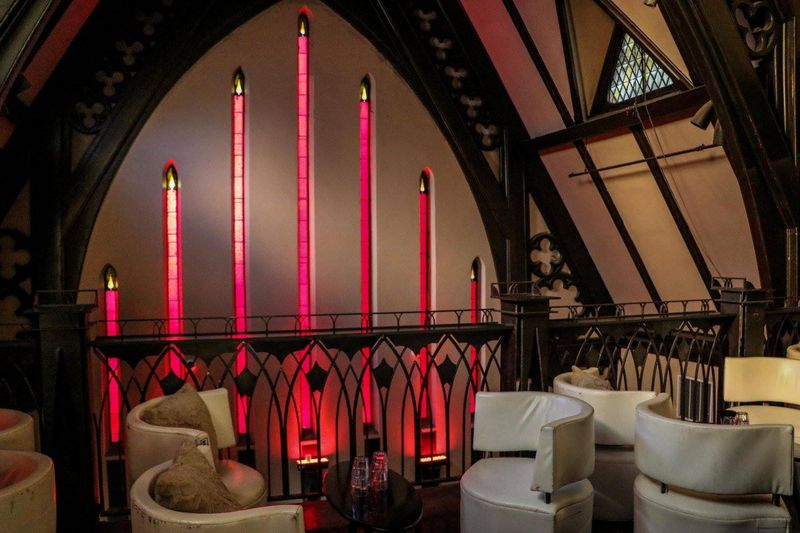
Not every part of the night has to happen in one packed room. The Church Nightclub stands out partly because the venue spreads the experience across multiple areas, giving the building a shifting rhythm instead of a single nonstop blast of sound.
That variety can make a long night easier and more enjoyable. The main hall draws most of the attention, but it is not the whole story. Reports of multiple rooms, basement spaces, upper-level areas, and outdoor deck access point to a venue built for movement.
One corner can be intense and loud while another gives people room to reset, talk, or simply change pace. That matters for mixed groups. Some want to stay near the DJ all night.
Others need breaks from the crowd, fresh air, or a quieter stretch before jumping back in. A club that offers several zones tends to work better for both personalities, especially on busier weekends when the main floor gets dense.
The old church layout helps create that sense of discovery. Moving between levels and rooms breaks up the night in a natural way.
Instead of staring at the same wall for hours, guests can build their own route through the venue and find the pocket that fits their energy.
Good planning makes the most of it. If arriving with friends, set a meeting spot early because different rooms can pull people in separate directions fast.
It also helps to do one quick walk-through near the start, just to understand where bars, stairs, exits, and chill zones are located.
That multi-room setup gives The Church more flexibility than a single-floor nightclub. It can host different sounds, different crowd speeds, and different kinds of social moments under one roof. For many people, that is the difference between lasting an hour and settling in for the full night.
Sound, Light, and the Old Walls Around You
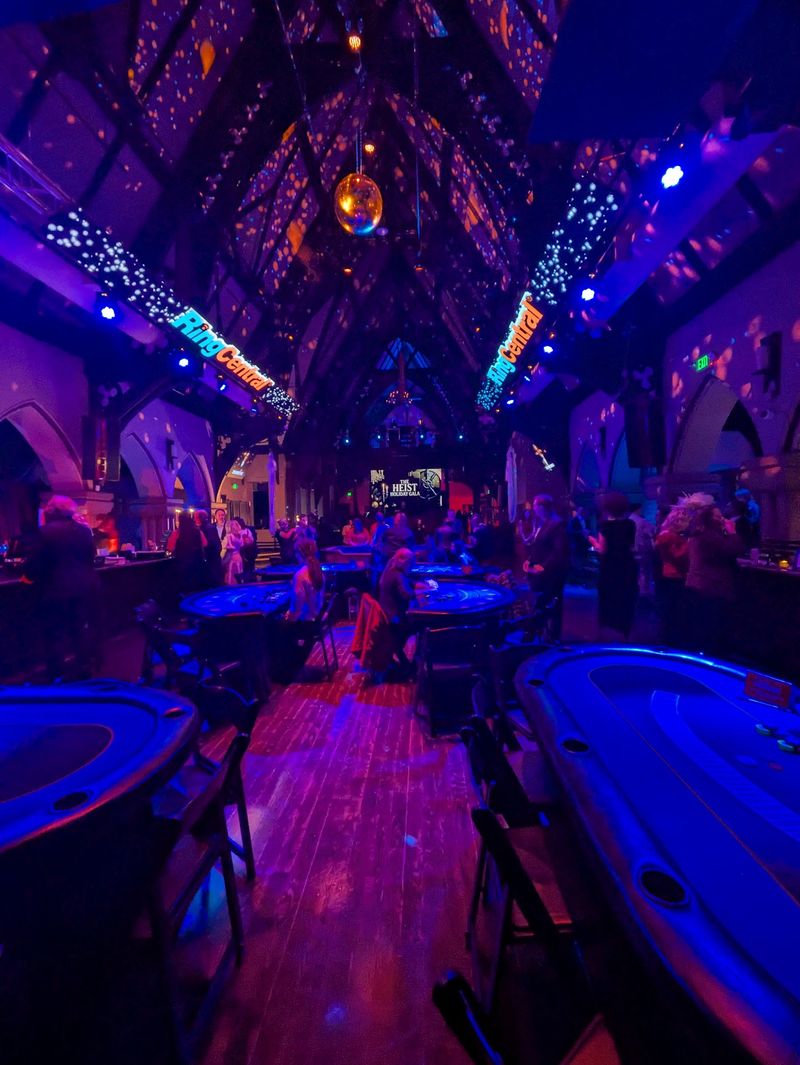
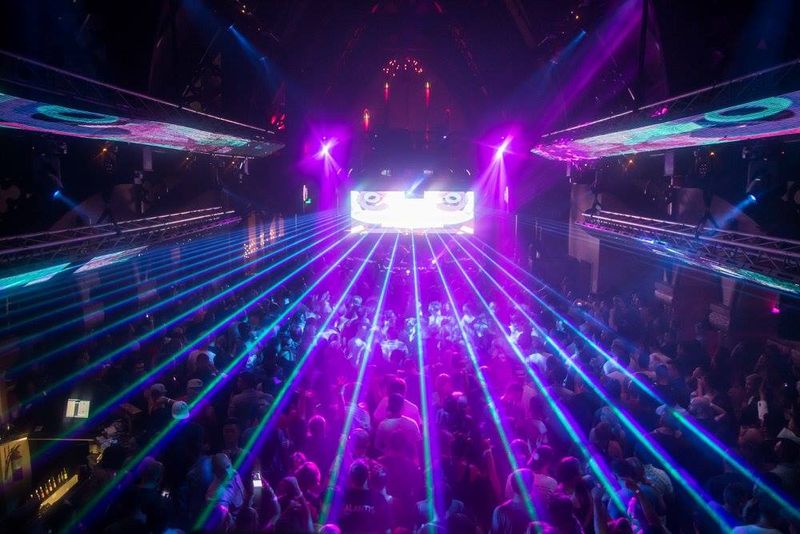
Loud is easy. Controlled loud is harder, and that is where venue design starts to matter. At The Church Nightclub, the sound and lighting are a big part of the draw, but the experience becomes more interesting because those modern production tools are working inside a historic shell.
The room gives light somewhere to travel. Beams cut across arches, color lands on old surfaces, and flashes bounce off details that a plain warehouse wall could never offer.
Instead of a blank backdrop, the building turns the lighting package into something layered and theatrical. Sound matters just as much. The Church is known for dance events and live performances, so the main point is not quiet elegance.
It is impact. Still, the building’s size and structure help create a sense that the music belongs in the room rather than simply being pushed at the crowd.
That can shape how a set feels. A drop hitting beneath stained glass and vaulted lines carries a different kind of drama than the same song in a low, dark box.
The venue adds visual punctuation to the music, which helps high-energy moments land with more force. Anyone planning a visit should prepare for a real nightclub environment.
Ear protection is a smart idea if staying close to speakers for long stretches, and it helps to step into quieter zones once in a while. Taking short breaks can make the whole night more comfortable without cutting the fun.
Production quality often decides whether an unusual venue is merely pretty or actually effective. The Church works because its old bones support the show rather than competing with it.
Light, bass, and architecture push in the same direction, creating an experience that reads as both performance space and landmark room. That combination gives the club a sharper identity than décor alone ever could.
How to Plan a Smooth Night on Lincoln Street
A little planning goes a long way here. The Church Nightclub is only open on select late-night days, so showing up with a loose plan is not the best move. Since the venue typically operates on Friday and Saturday nights, timing becomes part of the experience.
Arriving earlier can help in several ways. Lines are often easier, the main room is simpler to understand before it fills, and there is more space to appreciate the stained glass, arches, and layout.
Late arrivals may walk straight into peak crowd density without ever getting a good sense of the building. Ticket details also deserve attention. Because event policies can vary, read the entry information carefully before leaving home, especially if a ticket has time-related conditions.
A nightclub in a historic building may look romantic in photos, but the practical side still runs on rules, staff checks, and event logistics.
Comfort matters as much as style. Expect to be on your feet, moving up and down levels, and shifting between indoor heat and outdoor deck air.
Secure shoes, light layers, and a simple plan for coats can make the night much smoother, especially in cooler Denver weather.
It also helps to use the venue’s variety wisely. If the main floor gets too packed, step into another room or head outside for a reset. That kind of pacing often leads to a better night than forcing nonstop time in the busiest area.
Finally, remember where you are. Lincoln Street places the club in a central urban setting, so transportation, meeting points, and after-hours plans should be figured out before the music starts.
The fun part is easier to enjoy when the basics are handled first. At a place this visually unusual, a smoother arrival often means more attention left for the room itself.