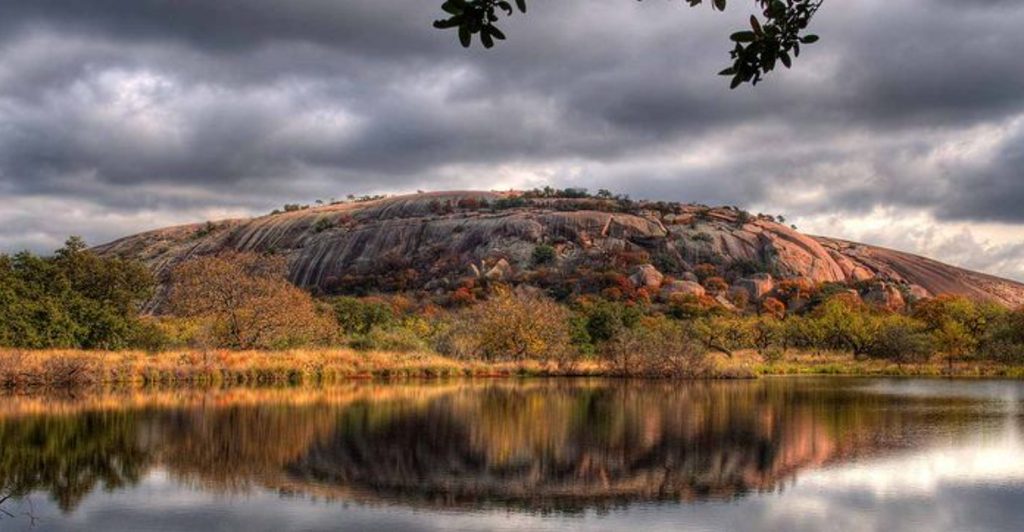
Texas offers some of the most stunning landscapes in the country, but you don’t need to be a hardcore hiker to enjoy them. Whether you’re looking for waterfall views, canyon overlooks, or lakeside strolls, the Lone Star State has trails that pack in the beauty without demanding serious endurance. These 11 paths prove that sometimes the best adventures are the ones that let you save your energy for soaking in the scenery instead of gasping for air.
1. Caddo Lake State Park (Karnack)
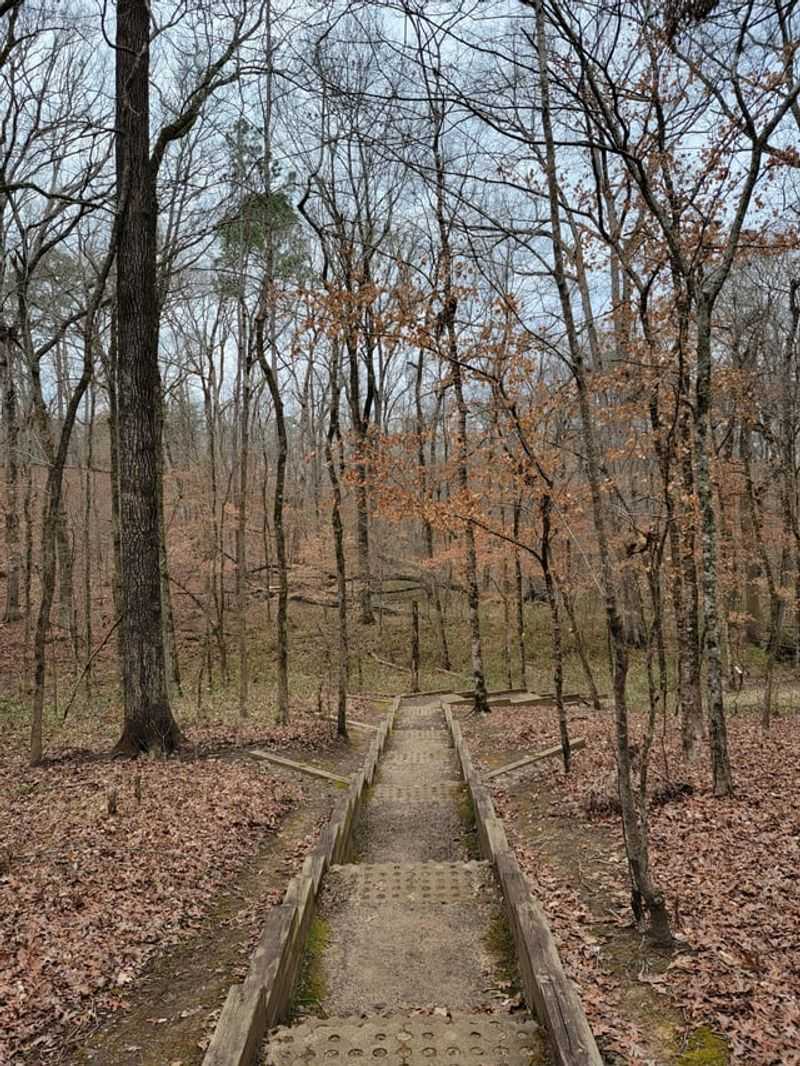
Wandering through a forest that grows straight out of the water feels like stepping into another world. The trails here loop around one of Texas’ most mysterious landscapes, where bald cypress trees create a canopy over dark, tannic waters. You’ll spot Spanish moss swaying overhead and might even catch a glimpse of alligators sunbathing along the shore.
The boardwalk sections make this hike incredibly accessible, keeping your feet dry while you explore the swampy terrain. Bring your camera because the reflections on still mornings are absolutely magical. Bird watchers will have a field day here, with herons, egrets, and woodpeckers making regular appearances.
Spring and fall offer the most comfortable temperatures, though each season brings its own character to the lake. The trails range from less than a mile to about 2.5 miles, all rated easy to moderate. Families with younger kids do great on these paths since the terrain stays relatively flat.
What makes this spot special is how different it feels from typical Texas landscapes. Instead of wide-open spaces, you’re surrounded by an intimate, almost mystical environment. The water level changes throughout the year, which means the scenery shifts too, giving repeat visitors something new to discover.
Pack insect repellent during warmer months because mosquitoes consider this prime real estate. The park also offers canoe and kayak rentals if you want to explore beyond the trails. Early morning visits reward you with wildlife activity and softer light filtering through the trees, perfect for photography or simply enjoying the peaceful atmosphere before other visitors arrive.
2. Enchanted Rock State Natural Area (Fredericksburg)
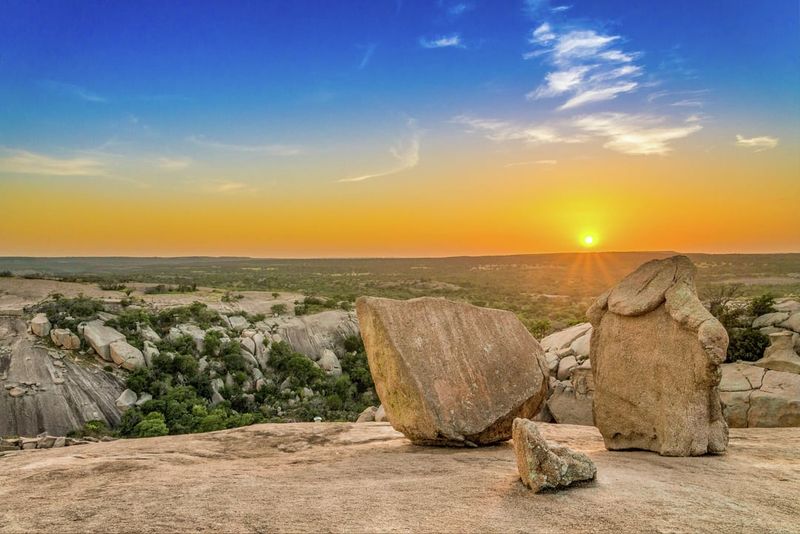
That massive pink granite dome rising 425 feet above the Hill Country isn’t just impressive to look at from below. The Summit Trail takes you right to the top, and while it’s definitely an uphill climb, it’s shorter than you’d think at just 0.6 miles one way. The payoff?
Views that stretch for miles across the Texas countryside.
The rock surface itself is surprisingly grippy, even though it looks smooth from a distance. Weathering has created enough texture that most people feel secure walking up, though wearing proper shoes is still smart. Little kids might need a hand in steeper sections, but plenty of families make it to the top together.
What’s cool is that you’re walking on billion-year-old granite that’s been slowly revealed as softer rock eroded away around it. The dome creaks and groans at night as it cools, which early settlers thought sounded supernatural (hence the “enchanted” name). You won’t hear that during a day hike, but you will notice how the rock changes color depending on the light.
Spring brings wildflowers to the surrounding trails, adding pops of color to the pink and gray landscape. The Loop Trail around the base offers an easier alternative if the summit feels too ambitious, clocking in at 4 miles with gentler grades. Either way, you’re getting classic Texas Hill Country scenery.
Start early because the rock heats up fast in summer, and there’s zero shade once you’re on the dome. Bring more water than you think you need. The park gets crowded on weekends, so weekday visits or arriving right when gates open gives you more breathing room and better photo opportunities without crowds in your shots.
3. Brazos Bend State Park (Needville)
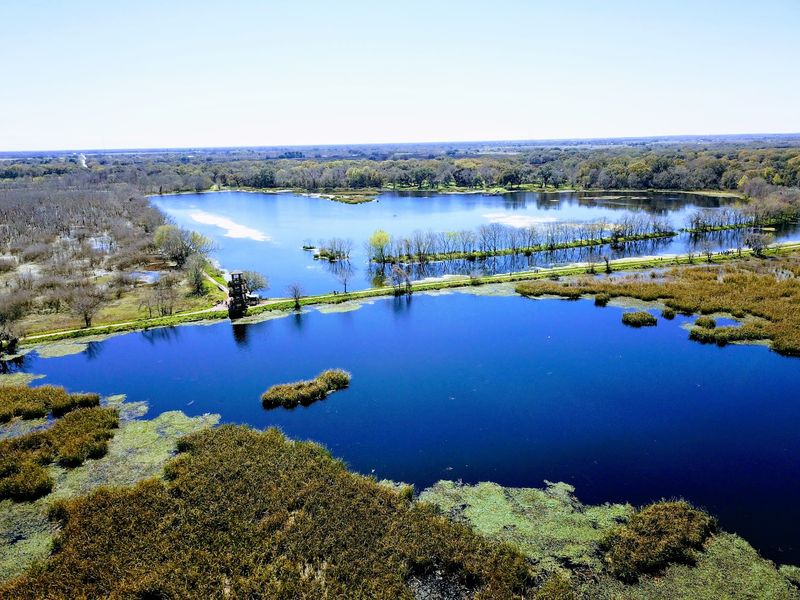
Alligators lounging beside the trail might sound intimidating, but these prehistoric-looking residents are what make this park unforgettable. The 40-Acre Lake Loop is just 1.4 miles of mostly flat, easy walking, and you’ll almost certainly spot gators sunbathing along the banks. They’re surprisingly chill about hikers passing by, though you’ll want to keep that recommended 30-foot distance.
Beyond the reptilian residents, this coastal prairie ecosystem hosts an incredible variety of birds. Over 300 species have been recorded here, making it one of the top birding spots in Texas. The wetlands attract everything from roseate spoonbills to white ibises, creating a constantly changing show of colors and calls.
The park sits less than an hour from Houston, making it perfect for a quick nature escape without a major road trip. Boardwalks and observation platforms let you get close to the wetlands without getting your feet muddy. The flat terrain means this is genuinely accessible for most fitness levels, including families with strollers or folks who haven’t hiked in a while.
Night hikes happen regularly here, and they’re worth checking out if you visit on a weekend. The park has minimal light pollution, so stargazing is phenomenal. You might also hear the distinctive bellow of alligators, which sounds like someone revving a motorcycle underwater.
Summer heat and humidity can be brutal, so spring and fall visits are more comfortable. The mosquitoes are real, so come prepared with repellent. Despite being so close to a major city, the park feels genuinely wild, with that slightly swampy, earthy smell and sounds of nature that drown out any highway noise.
4. Santa Elena Canyon Trail, Big Bend National Park (Terlingua)
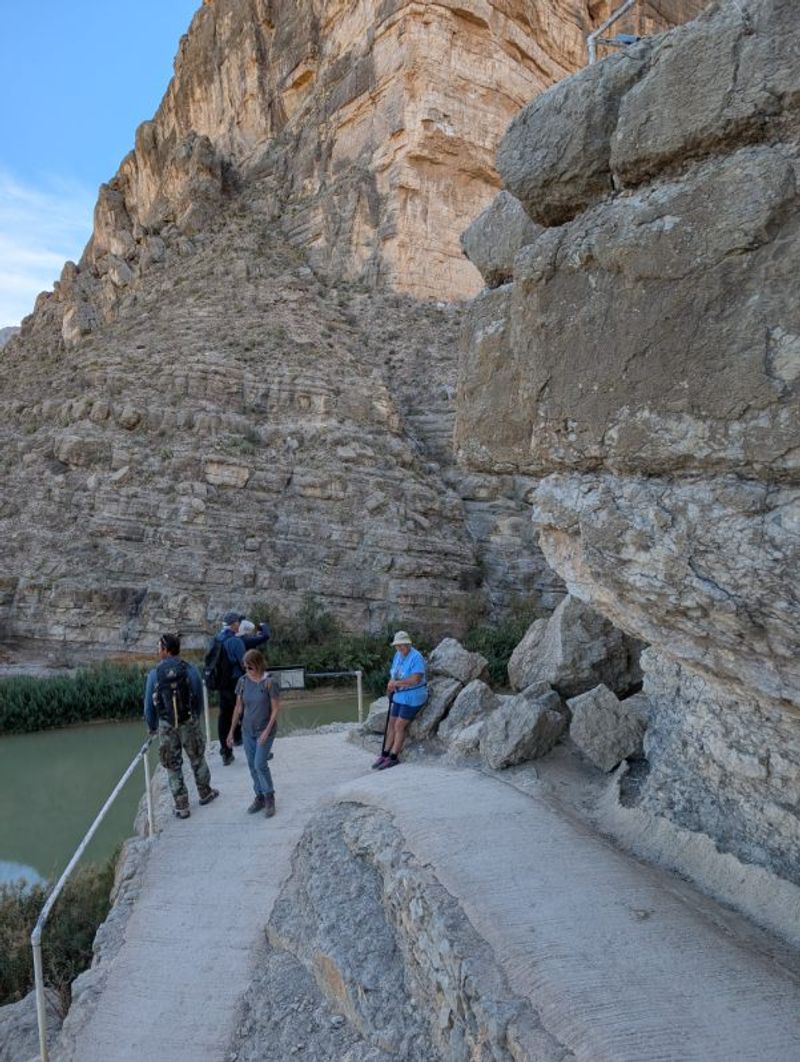
Standing at the base of 1,500-foot canyon walls that seem to touch the sky creates a sense of scale that photos can’t quite capture. This 1.7-mile round-trip trail follows the Rio Grande into one of Big Bend’s most dramatic geological features. The Mexican side of the canyon rises just as impressively across the water, reminding you that you’re literally walking along an international border.
The trail starts with a brief wade across Terlingua Creek (usually ankle-deep, sometimes dry) before climbing a series of concrete steps. Once you’re past that initial climb, the path levels out and hugs the canyon wall. The temperature drops noticeably as you enter the canyon, thanks to the shade and the river’s cooling effect.
Big Bend feels remote because it genuinely is, sitting hours from any major city. That isolation means darker skies, cleaner air, and a sense of wilderness that’s increasingly rare. The canyon amplifies that feeling, with its sheer walls creating an almost cathedral-like atmosphere.
Winter and early spring offer the most pleasant hiking conditions since summer temperatures regularly exceed 100 degrees. The desert landscape might look barren at first glance, but slow down and you’ll notice all sorts of life: lizards darting between rocks, birds nesting in cliff crevices, and hardy plants thriving in seemingly impossible conditions.
Bring plenty of water because there’s nowhere to refill once you leave your car. The trail can get crowded during peak season (March and April), but the canyon is big enough that it never feels overly packed. Check water levels before you go, as flash floods can temporarily close the trail after heavy rains upstream.
5. Arbor Hills Nature Preserve (Plano)
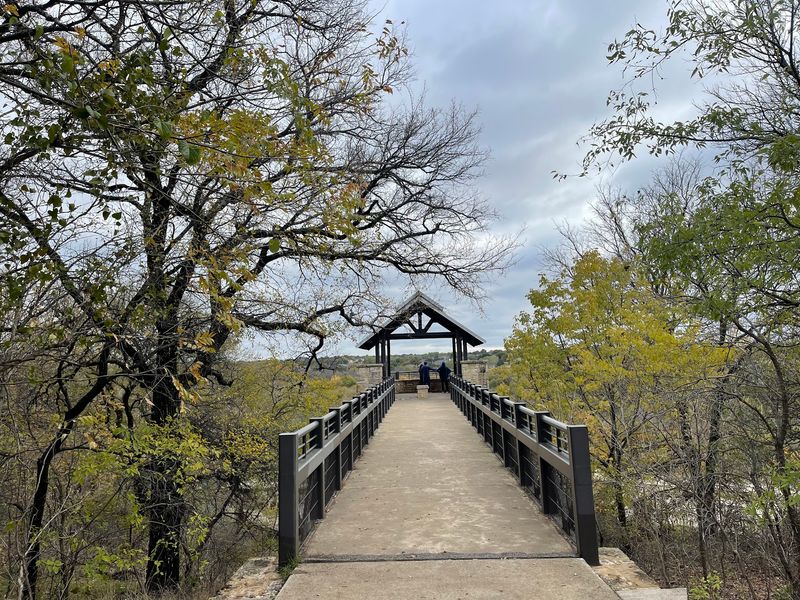
Finding genuine nature trails in the middle of suburban sprawl feels like discovering a secret. This 200-acre preserve sits right in Plano, surrounded by neighborhoods and shopping centers, yet once you’re on the trails, the city fades into background noise. The paved paths make it perfect for an easy stroll, while unpaved options add a bit more adventure if you want it.
The preserve has something for everyone: cyclists, trail runners, dog walkers, and families with kids all share the space pretty harmoniously. The terrain includes some gentle hills (unusual for North Texas), which add visual interest without making the hike challenging. You’ll wind through post oak woodlands and across small streams that flow after rains.
What’s refreshing is how well-maintained everything is without feeling overly manicured. The trails are clearly marked, and there are plenty of benches and rest areas if you need a break. The observation tower gives you a bird’s-eye view of the canopy, which is especially beautiful when fall colors arrive.
Because it’s so accessible and close to dense population centers, this preserve gets busy, especially on weekends and after work hours. Early morning visits offer more solitude and better wildlife viewing. White-tailed deer are common residents, along with various songbirds and the occasional armadillo rooting around in the leaf litter.
The combination of paved and natural trails totals about 5 miles, but you can easily customize your route to be as short or long as you want. Parking can fill up on nice weekend afternoons, so plan accordingly. The preserve stays open until dark, making it a solid option for after-work exercise when daylight allows.
6. Lost Maples State Natural Area (Vanderpool)
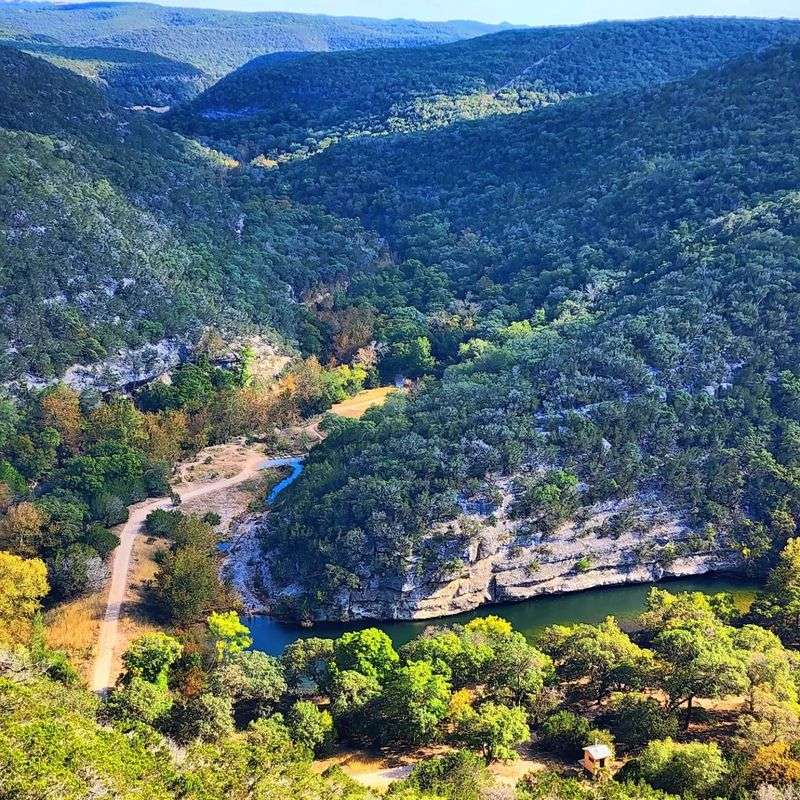
Most of Texas doesn’t do fall color, which makes this spot genuinely special. The bigtooth maples here put on a show each November, turning shades of orange, red, and yellow that would make New England jealous. Even if you visit outside peak color season, the canyon scenery and clear-running creek make it worth the drive into the Hill Country.
The East Trail is the most popular route at 4.8 miles round-trip, but it’s rated moderate and takes you to the best maple groves. If that feels like too much, the shorter nature trail near the parking area still gives you a taste of the landscape. The terrain includes some rocky sections and creek crossings, but nothing too technical.
What makes these maples rare is that they’re a remnant population from a time when Texas was cooler and wetter. They’ve hung on in these protected canyons where microclimates provide the conditions they need. The park protects not just the trees but the entire ecosystem they’re part of, including the spring-fed streams and limestone formations.
Spring brings a different kind of beauty with wildflowers carpeting the hillsides and the creeks running full. Summer can be hot, but the canyon shade and water features keep things more comfortable than you’d expect. Wildlife includes golden-cheeked warblers (an endangered species that nests here) and plenty of white-tailed deer.
The park limits daily visitors to protect the fragile ecosystem, so during peak fall color (usually early to mid-November), you’ll want to arrive early or make reservations. Weekdays are significantly less crowded. The small town of Vanderpool nearby has limited services, so fuel up and grab supplies before you arrive.
7. Dinosaur Valley State Park (Glen Rose)
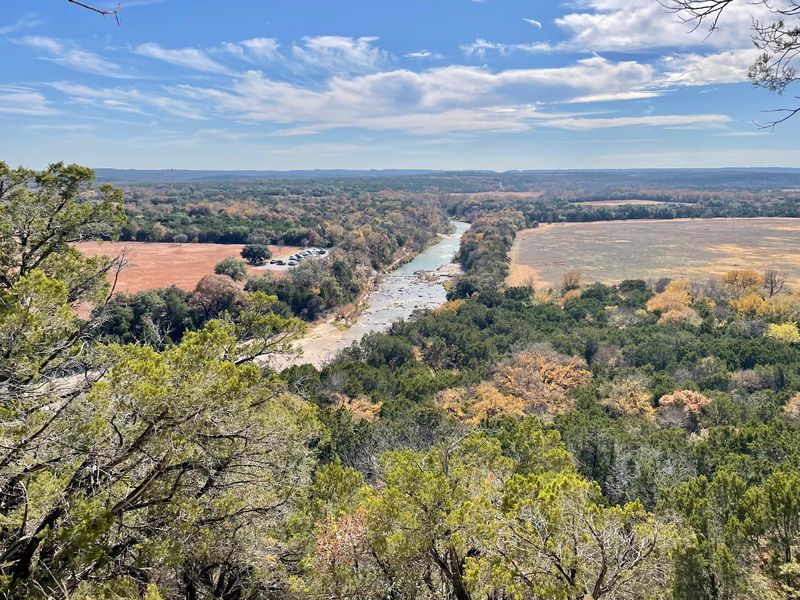
Walking in the actual footprints of creatures that lived 113 million years ago delivers a thrill that no museum exhibit can match. The Paluxy River has exposed dozens of dinosaur tracks in its limestone bed, and when water levels are right, you can wade right out and stand in them. The tracks belong to both carnivorous theropods and massive sauropods, creating a snapshot of prehistoric life.
The trails here are genuinely easy, with the most popular routes following the river to the best track sites. You’re looking at less than 2 miles of walking, most of it flat and straightforward. The park provides a track guide so you can identify what you’re seeing, though honestly, the three-toed prints are pretty unmistakable once you spot them.
Beyond the dinosaur tracks, the park offers pretty Hill Country scenery with the river as the centerpiece. Swimming is allowed in designated areas, making this a great summer destination where you can hike, explore tracks, and cool off all in one visit. The water runs clear most of the time, flowing over limestone shelves and creating small pools.
Kids absolutely love this place because it combines education with hands-on exploration. Instead of looking at fossils behind glass, they’re touching the same rock that dinosaurs walked on. The park also has fiberglass dinosaur models that are delightfully retro and perfect for photos.
Visit after dry periods when the river is low for the best track viewing. After heavy rains, the tracks may be underwater or covered in sediment. The park gets busy on weekends, especially during summer, so weekday visits offer a more relaxed experience.
Bring water shoes if you plan to wade out to the tracks.
8. Pedernales Falls State Park (Johnson City)
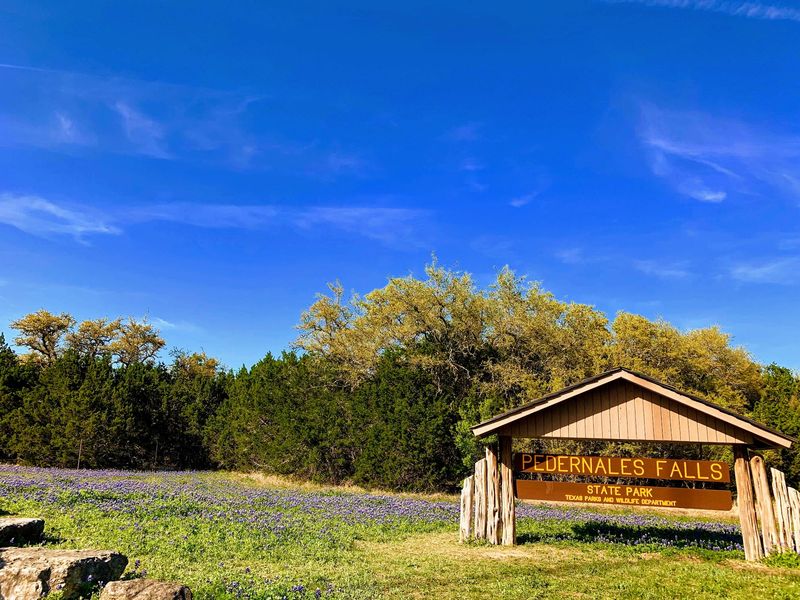
The river here doesn’t drop over a single dramatic cliff but instead cascades across tilted layers of limestone, creating a series of pools and small falls that stretch for hundreds of yards. When water is flowing well (usually spring and after rains), it’s one of the most photogenic spots in the Hill Country. When it’s drier, you can walk across the exposed rock and examine the layers up close.
The main overlook requires just a short walk from the parking area, making the falls accessible even if you’re not up for a longer hike. But if you want to explore more, the trails here range from easy riverside walks to longer loops through the surrounding hills. The Wolf Mountain Trail gives you elevation and views, though it’s more challenging than the riverside options.
This was President Lyndon B. Johnson’s favorite swimming hole when he lived at the nearby ranch, and it’s easy to see why. The combination of flowing water, limestone formations, and Hill Country vegetation creates a landscape that feels both rugged and inviting.
In spring, wildflowers add color to the already scenic setting.
The park sits about an hour from Austin, making it popular with locals looking for a quick escape. That means weekends can get crowded, especially at the falls overlook. Arrive early or visit on weekdays for a more peaceful experience.
The trails away from the main falls area see fewer people even on busy days.
Swimming in the falls themselves is prohibited because the current can be deceptively strong and the rocks slippery. Designated swimming areas exist elsewhere in the park. Check the river level before visiting since the falls are most impressive when water is flowing.
Summer heat is real, so bring plenty of water and sun protection.
9. Government Canyon State Natural Area (San Antonio)
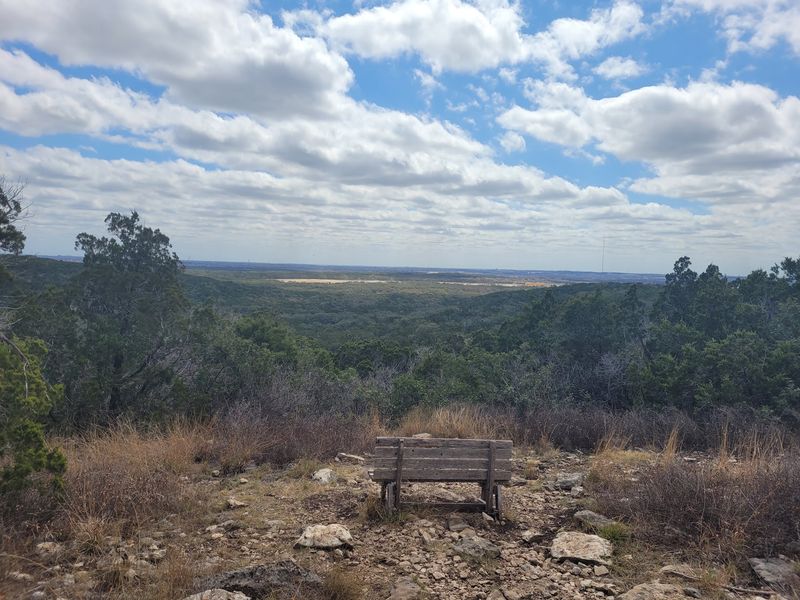
Just northwest of San Antonio’s urban sprawl, this 12,000-acre preserve protects a landscape that most people don’t associate with the area. The trails here wind through oak savannas, along canyon rims, and past natural springs that have sustained life for thousands of years. You’re looking at genuine Hill Country terrain without having to drive hours from the city.
The Lytle’s Loop Trail is a great introduction at just 5.5 miles, though you can easily do shorter out-and-back portions if that’s too much. The terrain is typical Hill Country: some rocky sections, moderate elevation changes, and plenty of shade from juniper and oak trees. The trail system is well-marked, making navigation straightforward even for first-time visitors.
What’s special about this preserve is its ecological diversity. You’ll find habitats ranging from grasslands to woodlands, each supporting different plant and animal communities. The endangered golden-cheeked warbler nests here in spring, and the preserve plays an important role in protecting the Edwards Aquifer recharge zone that supplies San Antonio’s water.
Unlike some state parks that focus primarily on recreation, this natural area emphasizes conservation and education. That means the trails feel a bit wilder and less developed, which is part of the appeal. You’re exploring a working landscape where the primary goal is protecting native ecosystems.
The preserve is only open Friday through Monday to reduce impact on wildlife and habitat. Reservations are required and limited to control visitor numbers. This system means you won’t encounter big crowds, even on nice weekends.
Bring everything you need because there are no concessions or water refill stations once you’re on the trails. The preserve also offers guided hikes and programs worth checking out if you want to learn more about the area’s natural and cultural history.
10. Palo Duro Canyon State Park (Canyon)
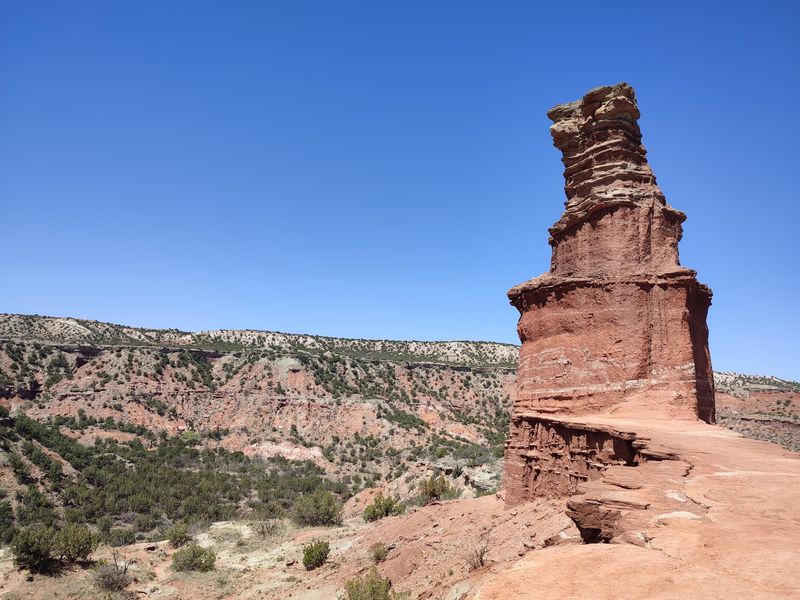
Texas has a Grand Canyon, and most people outside the state have never heard of it. Palo Duro stretches 120 miles long and plunges 800 feet deep, exposing layers of rock that tell 250 million years of geological history. The colors shift throughout the day as the sun moves across the sky, painting the cliffs in shades of red, orange, pink, and purple.
The Lighthouse Trail is the park’s most famous hike at 5.75 miles round-trip, leading to a distinctive rock formation that rises from the canyon floor. It’s rated moderate, with most of the elevation change happening at the beginning as you descend into the canyon. The return climb gets your heart rate up, but it’s manageable for most people with reasonable fitness.
What makes this canyon remarkable is how unexpected it is. You’re driving across flat, seemingly endless Panhandle prairie, and then suddenly the earth opens up beneath you. The contrast between the plains above and the colorful canyon below creates drama that feels almost cinematic.
Beyond the Lighthouse, shorter trails offer easier options for families or anyone wanting less mileage. The canyon floor stays cooler than the rim, though summer temperatures can still be intense. Spring and fall provide the most comfortable hiking weather.
Wildlife includes roadrunners, mule deer, and various raptors riding the thermals above the cliffs.
The park is about 30 minutes from Amarillo, making it accessible for a day trip, though camping in the canyon is an experience worth considering. Start the Lighthouse Trail early in summer because shade is limited and temperatures climb quickly. Bring more water than seems necessary because the dry air is deceiving.
The musical drama “Texas” performs in the canyon’s amphitheater during summer if you want to extend your visit beyond hiking.
11. McKinney Falls State Park (Austin)
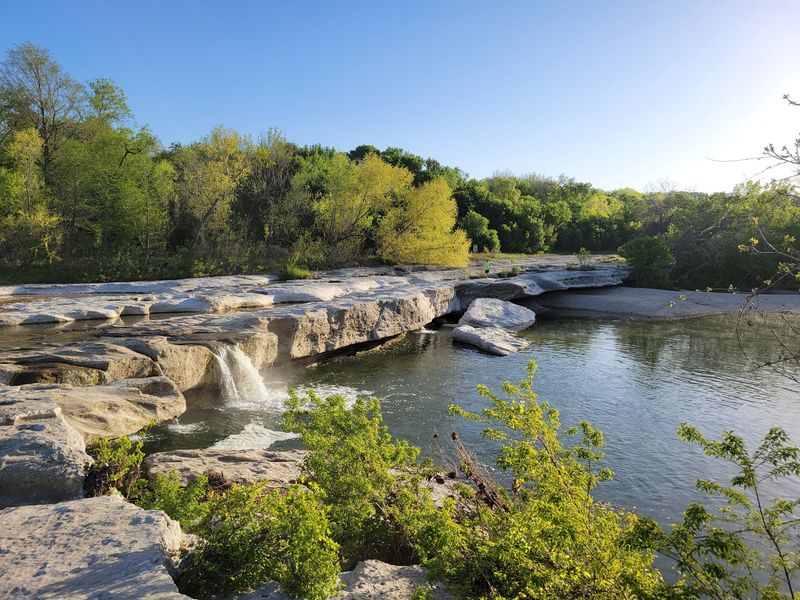
Austin’s city limits actually contain a state park with waterfalls, which surprises people who think of the area as all live music and food trucks. McKinney Falls sits in southeast Austin, offering quick access to swimming holes, waterfalls, and hiking trails without leaving the city. The park preserves both natural beauty and some interesting Texas history in the form of ruins from the original McKinney homestead.
The falls themselves come in two flavors: Upper and Lower McKinney Falls. Lower Falls is more dramatic when water is flowing, with Onion Creek dropping over layered limestone in a wide cascade. Upper Falls is gentler but creates nice pools for wading.
After dry periods, both can reduce to trickles, so timing matters if waterfalls are your main draw.
The trail system connects the falls, ruins, and various creek access points in an easy network totaling about 3.5 miles. The terrain is mostly flat with some rocky sections near the creek. Expect to see lots of local runners and dog walkers mixing with hikers and families.
The park gets heavy use because of its location, which means it’s rarely truly quiet but also has a friendly, community feel.
Swimming is popular here during Austin’s long, hot summers. The pools below the falls offer refreshing relief, though water quality can be iffy after heavy rains. The creek flows over limestone bedrock in many places, creating natural water features and interesting geology to examine.
Because it’s in the city, this park makes a great option when you want nature without a road trip. You can hike in the morning and be back in town for lunch. Parking fills up on nice weekends, so arrive early or visit on weekdays.
The combination of accessibility and genuine natural features makes this a valuable resource for Austin residents and visitors alike.