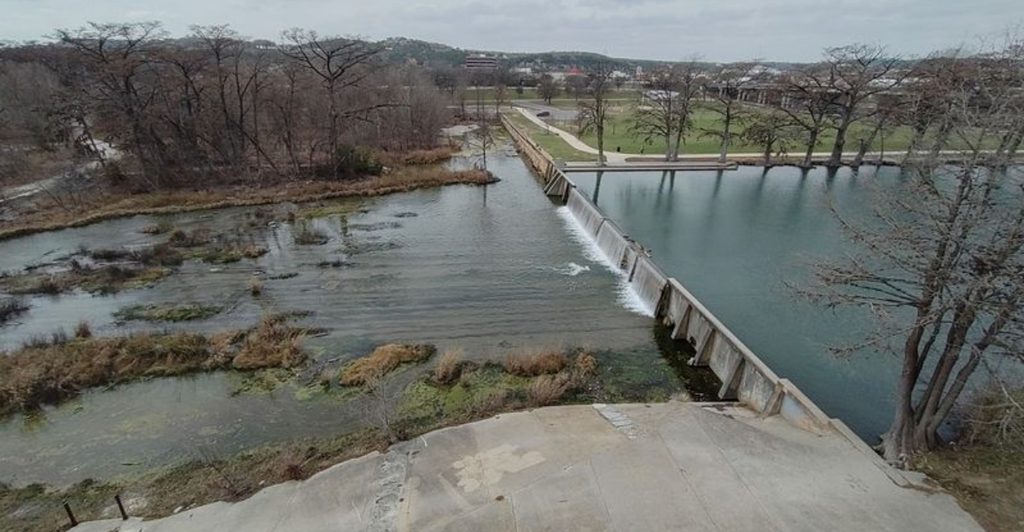
The Texas Hill Country has a special way of making you forget about deadlines, traffic jams, and the constant buzz of city life. Rolling hills covered in live oaks, clear spring-fed rivers, and Main Streets lined with historic buildings create a landscape where rushing just doesn’t make sense. These seven towns have held onto their slower pace, offering visitors a chance to unwind, explore charming downtowns, and remember what it feels like when a weekend actually feels long enough.
1. Bandera
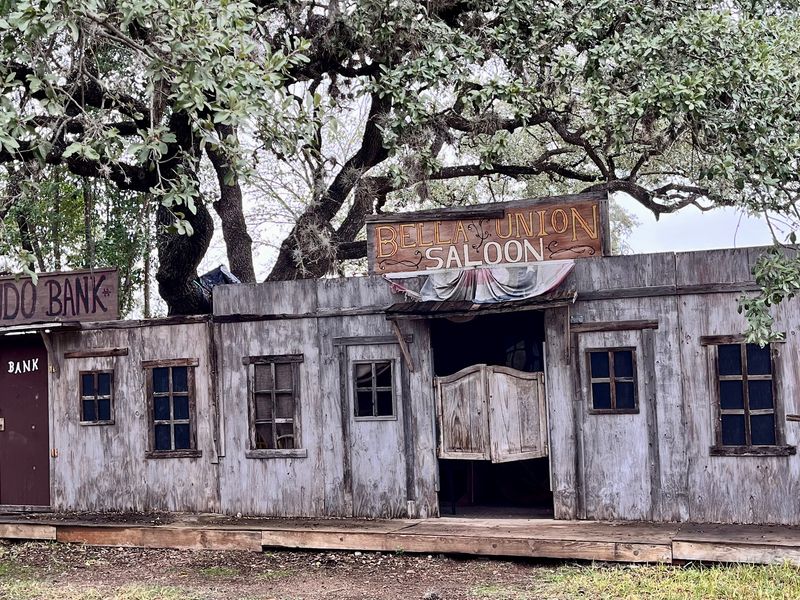
Cowboys still tip their hats on the sidewalks here, and that’s not just for show. This town earned its reputation as the Cowboy Capital of the World through generations of real ranch work, rodeos, and a culture that never traded authenticity for tourist dollars. Walking down Main Street feels like stepping onto a movie set, except the worn saddles in shop windows and the scuffed boots on locals are genuinely used.
Dude ranches surrounding the area offer horseback riding through limestone hills and creek beds, where you can spend mornings herding cattle and afternoons cooling off in the Medina River. The water runs clear and cold year-round, perfect for tubing when summer heat settles in. Live music spills out of honky-tonks most weekends, with two-stepping that goes late into the night.
Antique stores and western wear shops line the streets, packed with everything from vintage spurs to handmade leather goods. You won’t find chain stores interrupting the old-time atmosphere. Small cafes serve up chicken-fried steak and homemade pie, the kind of meals that require a good nap afterward.
The surrounding Hill Country provides endless hiking trails, many leading to scenic overlooks where you can see for miles across the rolling terrain. Wildlife is abundant, with white-tailed deer often spotted near town at dawn and dusk. Local festivals celebrate the cowboy heritage throughout the year, bringing in rodeo competitors and country musicians.
This isn’t a place trying to be quaint. The slower pace comes naturally from a community that values tradition, wide-open spaces, and the kind of neighborliness that’s becoming rare. Visitors leave with dusty boots, sore muscles from riding, and a reminder that some places still move at horse speed.
2. Comfort
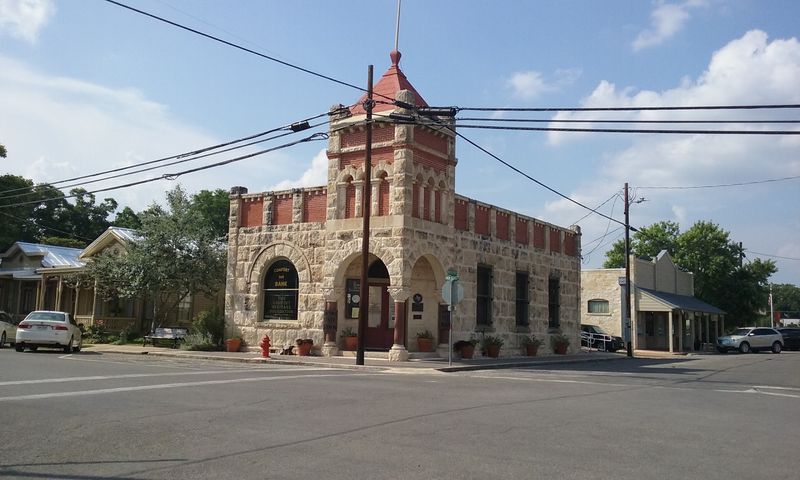
German settlers founded this town in the 1850s, and their influence shows in every limestone building and carefully preserved storefront. The name itself reflects their hope for a peaceful, comfortable life away from political turmoil back home. That same tranquility still defines the place today, where traffic rarely exceeds a few cars and most people know each other by name.
Antique shopping is serious business here, with multiple stores housed in historic buildings offering everything from Victorian furniture to vintage signs and farm equipment. Collectors travel from across the state to hunt for treasures, spending hours browsing through rooms packed floor to ceiling. The owners usually have stories about each piece, turning shopping into impromptu history lessons.
High Street, the main drag, stretches only a few blocks but packs in plenty of character. Old hotels converted into bed-and-breakfasts offer rooms with original wood floors and clawfoot tubs. Local restaurants serve German-inspired dishes alongside Texas barbecue, creating a menu mix you won’t find elsewhere.
The pace is unhurried, with long lunches encouraged.
Outdoor enthusiasts appreciate the nearby Guadalupe River, where cypress trees shade the banks and the current moves gently enough for easy kayaking. Hiking trails wind through the surrounding hills, offering views of the valley below. Birdwatchers often spot golden-cheeked warblers and other Hill Country species.
The town hosts art galleries featuring local painters and sculptors, many inspired by the landscape and light unique to this region. Weekends bring small festivals and markets, but nothing overwhelming or crowded. This is a place where sitting on a porch with a cold drink counts as a full afternoon activity, and nobody judges you for it.
The slower rhythm feels intentional, preserved by residents who chose this lifestyle over faster alternatives.
3. Wimberley
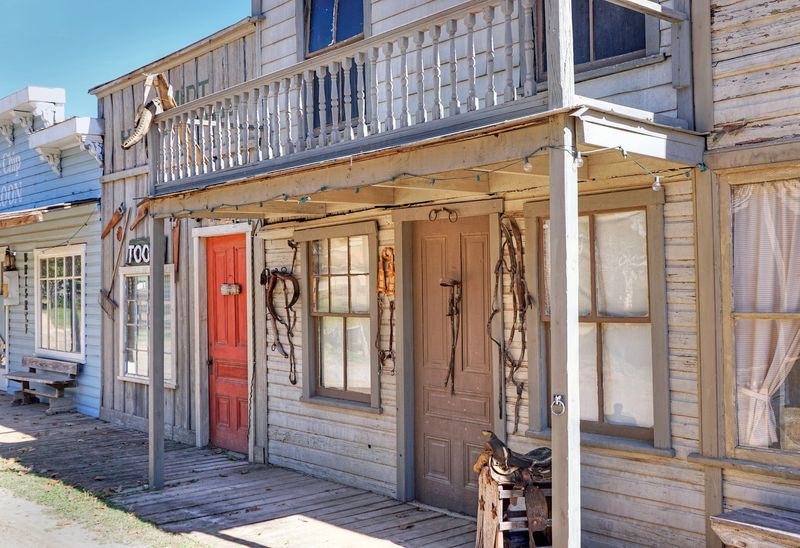
Artists and creatives flocked here decades ago, drawn by the natural beauty and affordable spaces, transforming what was once a quiet farm town into a haven for galleries, studios, and craft shops. The artistic vibe hasn’t turned pretentious though. You’re just as likely to see a sculptor in paint-splattered overalls as you are a rancher in work boots, and both shop at the same local grocery store.
Cypress Creek runs right through town, creating swimming holes that stay refreshing even during the hottest months. Blue Hole is the most famous spot, with rope swings and deep pools surrounded by towering cypress trees. Families spread out on the banks with picnic lunches, and the sound of water rushing over limestone rocks provides a constant soundtrack.
The town square on weekends becomes an open-air market where vendors sell handmade jewelry, pottery, paintings, and woodwork. Live music often accompanies the shopping, with local musicians playing everything from folk to blues. It’s easy to lose track of time wandering between booths, chatting with artists about their process.
Hiking trails around the area lead to scenic overlooks and hidden springs. Jacob’s Well, a natural spring with crystal-clear water, attracts swimmers and divers brave enough to explore its depths. The surrounding Hill Country provides endless opportunities for outdoor exploration, from mountain biking to birdwatching.
Restaurants range from barbecue joints to farm-to-table bistros, many featuring ingredients from nearby ranches and gardens. The food scene punches above its weight for a small town. Wine tasting rooms and small breweries have opened in recent years, adding to the options without overwhelming the laid-back atmosphere.
Despite growth, the town maintains its slower pace through careful planning and a community that values quality of life over rapid development. Traffic jams are nonexistent, and the biggest weekend decision is usually which swimming hole to visit first.
4. Fredericksburg
Peach orchards and vineyards spread across the rolling hills surrounding this German settlement, creating an agricultural landscape that shifts with the seasons. Spring brings wildflowers, including the famous Texas bluebonnets that blanket fields in brilliant color. Summer means ripe peaches sold at roadside stands, and fall ushers in grape harvest season at the numerous wineries dotting the countryside.
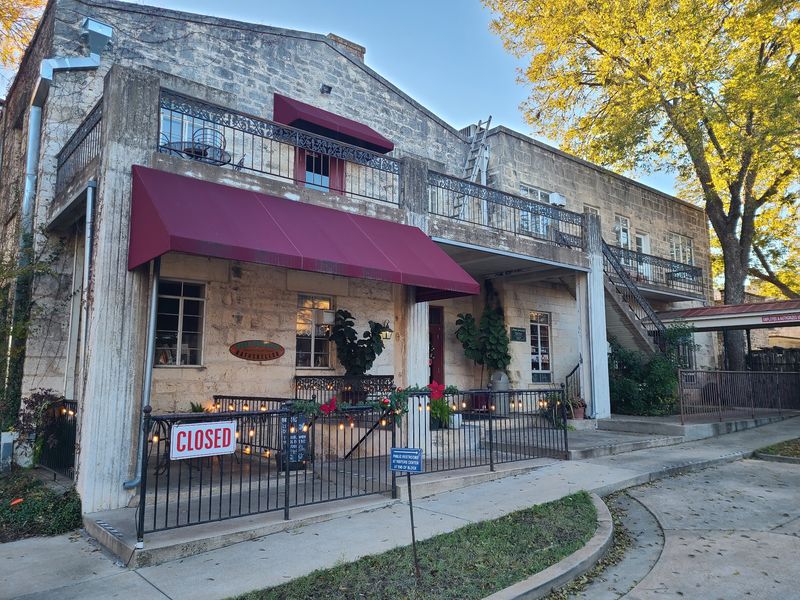
Main Street stretches for blocks, lined with buildings that date back to the 1800s. Many still feature original limestone construction and German architectural details. Inside, you’ll find everything from traditional biergartens to modern boutiques, antique stores overflowing with vintage finds, and restaurants serving schnitzel alongside brisket.
The mix works surprisingly well, creating a downtown that feels both historic and current.
Wine tasting has become a major draw, with tasting rooms offering samples from Hill Country vineyards. The Texas wine industry has grown significantly, and this area sits at its heart. You can easily spend a day hopping between wineries, sampling varietals that thrive in the limestone soil and warm climate.
Many wineries offer live music on weekends and food pairings that showcase local ingredients.
History buffs appreciate the numerous museums, including the National Museum of the Pacific War, which honors Admiral Nimitz, a Fredericksburg native. The exhibits are extensive and well-curated, offering a deep look into World War II history. Other museums focus on pioneer life and German immigration, providing context for the town’s unique culture.
Bed-and-breakfasts occupy old homes and Sunday houses, the small structures German farmers built for weekend trips to town. Staying in one provides an authentic glimpse into the past, complete with original furnishings and modern comforts added thoughtfully. Despite being one of the larger Hill Country towns, the pace remains relaxed, with locals taking time for long conversations and visitors encouraged to linger over meals and tastings.
5. Blanco
The Blanco River curves through town, creating a natural gathering spot where families wade in shallow waters and kids jump from the low-water crossing when the current allows. On hot afternoons, half the town seems to end up riverside, with lawn chairs set up in the shade and coolers keeping drinks cold. It’s the kind of casual community gathering that happens spontaneously, without planning or fanfare.
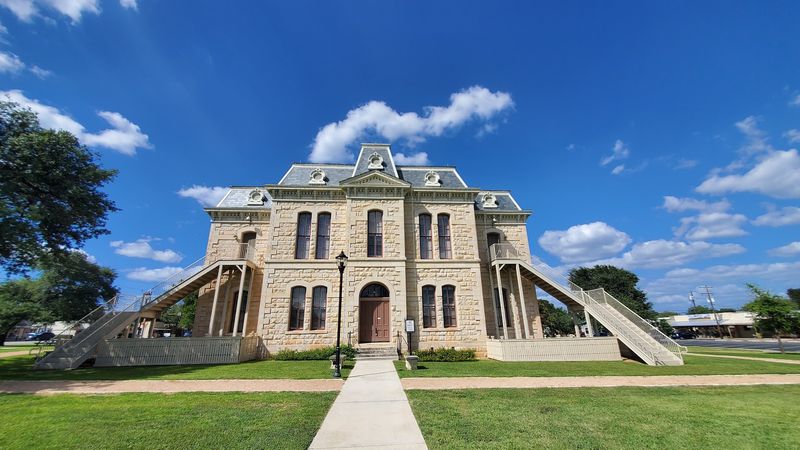
The courthouse square anchors downtown, surrounded by buildings that have housed businesses for generations. Some storefronts have changed hands and purposes over the years, but the bones remain the same. You’ll find a handful of antique shops, a local cafe serving breakfast all day, and businesses run by families who’ve been here for decades.
There’s no pretense or tourism push, just a functional small town going about its business.
Lavender farms in the surrounding area bloom in late spring and early summer, filling fields with purple rows and a scent that carries on the breeze. Several farms open for tours and sell products made from their harvest, including essential oils, soaps, and culinary lavender. The farms make for peaceful afternoon visits, with photo opportunities and a slower pace that matches the town itself.
Fishing in the Blanco River attracts anglers seeking bass and catfish, with public access points making it easy to find a good spot. The river also provides tubing opportunities during warmer months, though the pace is gentler than some of the more popular Hill Country rivers. That suits most visitors just fine, especially those with younger kids or anyone looking for a relaxing float.
Local events stay small and community-focused, like the annual rodeo or farmers market on Saturday mornings. There’s no manufactured charm or tourist traps, which means you experience the town as residents do. Sitting on the courthouse square benches watching the river flow by counts as quality entertainment here, and that unhurried approach to time is exactly what draws people looking to escape faster-paced places.
6. Gruene
Gruene Hall has hosted dancers since 1878, making it Texas’s oldest continuously operating dance hall. The wooden floor shows wear from generations of boots, and the walls are covered with signatures, posters, and memorabilia from decades of performances. Big-name musicians still play here regularly, but the venue hasn’t lost its honky-tonk soul.
On weekend nights, the place packs with people of all ages, two-stepping to live country music under strings of lights.
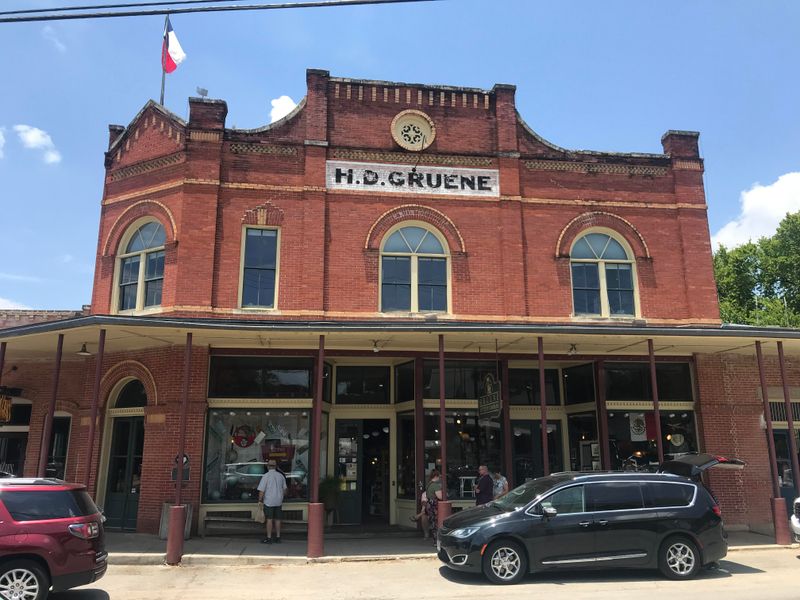
The entire historic district occupies just a few blocks, preserved as it looked in the late 1800s when cotton farming drove the local economy. Old buildings now house shops selling antiques, handmade goods, and Texas souvenirs. The general store maintains its vintage appearance while stocking modern items alongside old-fashioned candies and sodas.
Walking these streets feels like time travel, especially on quieter weekday mornings before crowds arrive.
The Guadalupe River flows right past town, creating one of the most popular tubing destinations in the Hill Country. Outfitters rent tubes and provide shuttle service, making it easy to spend hours floating downstream. The river runs clear and cool, shaded by massive cypress trees that line the banks.
Rapids provide just enough excitement without being dangerous, perfect for families and groups looking for lazy river fun.
Restaurants and bars occupy historic structures, many with outdoor seating offering river views. The Gristmill, built into the ruins of an old cotton gin, serves burgers and cold beer with a backdrop of rushing water. Live music often spills out from multiple venues simultaneously on weekends, creating a festive atmosphere without feeling overwhelming or commercialized.
Despite its popularity, especially during summer tubing season, the town maintains its small-scale charm. There are no chain stores or modern developments disrupting the historic feel. Visiting feels like discovering a secret, even though locals have been enjoying this spot for generations.
The slower pace persists because the focus remains on simple pleasures: good music, cold rivers, and time spent outdoors.
7. Kerrville
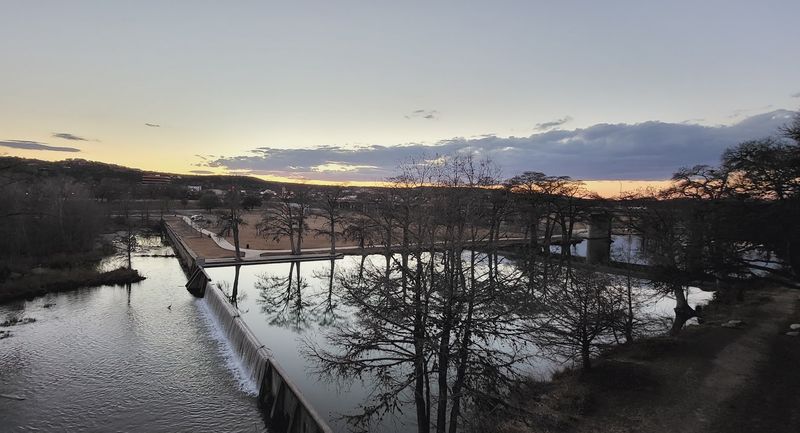
The Guadalupe River winds through town, bordered by parks where families picnic under massive pecan trees and kids feed ducks along the banks. The river provides a natural centerpiece, with walking trails following its course for miles. Early mornings bring joggers and dog walkers, while afternoons see families claiming shady spots for barbecues.
The water stays accessible and inviting, never feeling overdeveloped or crowded despite being right in town.
Art galleries and studios dot the downtown area, showcasing work from Hill Country artists inspired by the landscape and light. The Kerr Arts and Cultural Center hosts rotating exhibitions and performances, bringing surprising cultural depth to this small town. Several outdoor sculpture installations around town add visual interest to parks and public spaces.
The art scene feels organic rather than forced, growing from a genuine community of creatives who chose this place for its natural beauty and slower pace.
The Museum of Western Art houses an impressive collection focused on the American West, with paintings and sculptures depicting cowboys, landscapes, and frontier life. The quality rivals much larger institutions, making it a worthwhile stop for anyone interested in Western art. Nearby, smaller museums cover local history and the area’s ranching heritage, providing context for the region’s development.
Outdoor recreation opportunities abound, from river activities to hiking trails in the surrounding hills. Kerrville-Schreiner Park offers camping, fishing, and swimming in a natural setting just minutes from downtown. The Hill Country State Natural Area provides more rugged terrain for serious hikers and mountain bikers seeking challenging trails and backcountry camping.
Festivals happen throughout the year, including the long-running Kerrville Folk Festival, which attracts musicians and music lovers for weeks of performances and camping. The town handles these events without losing its everyday character, welcoming visitors while maintaining the relaxed atmosphere residents value. Local restaurants serve everything from barbecue to fine dining, with several taking advantage of riverside locations for outdoor seating.
The combination of cultural offerings, natural beauty, and unhurried lifestyle creates a town where time genuinely seems to stretch, allowing for longer conversations and spontaneous afternoon adventures.