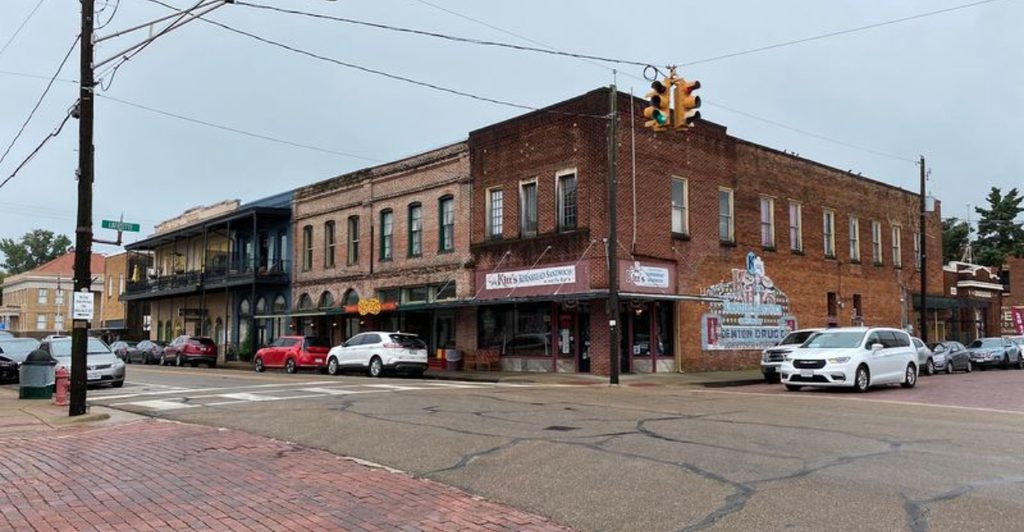
Texas has a way of hiding its best treasures in the smallest packages. Across the Lone Star State, charming main streets invite you to slow down, browse local shops, and soak up history with every step. These nine towns prove that the best experiences aren’t always found in the biggest cities, but on tree-lined streets where every storefront tells a story and every corner reveals something new.
1. Jefferson
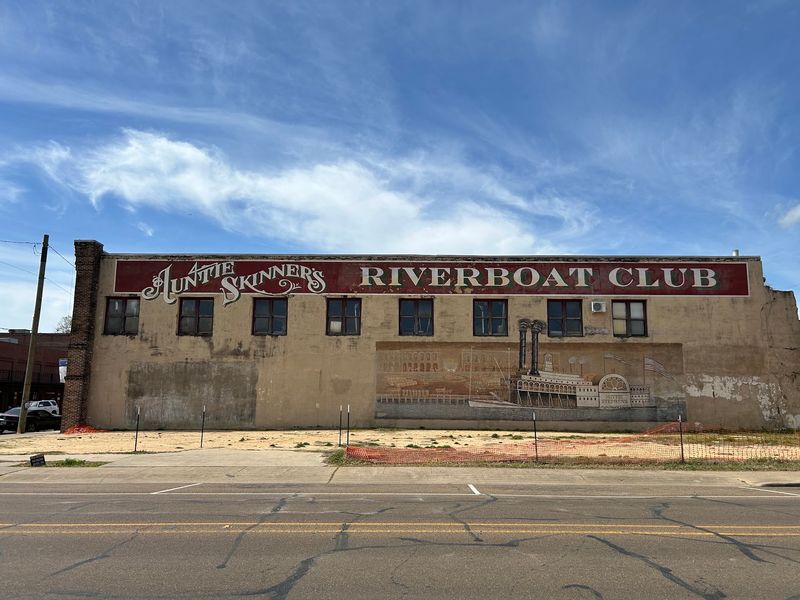
Brick streets and Victorian storefronts create a time capsule effect that makes you feel like you’ve stepped into the 1800s. The entire downtown district earned a spot on the National Register of Historic Places, and once you’re there, you’ll understand why. Gas lamps flicker at dusk, and horse-drawn carriages clip-clop past buildings that have stood for more than a century.
Antique hunting becomes an all-day affair here, with shops tucked into every corner offering everything from vintage jewelry to restored furniture. You’ll find owners who actually know the history behind their pieces, not just price tags. The Jay Gould Railroad Car sits as a permanent reminder of when this town was a major steamboat port, back when the Red River brought commerce and prosperity.
Ghost tours run regularly because, honestly, this many old buildings come with their share of stories. Whether you believe in spirits or not, the tales add another layer to an already fascinating walk. Historic hotels offer rooms where you can extend your visit, and many guests do exactly that after realizing one afternoon isn’t nearly enough.
Local restaurants serve up comfort food in dining rooms that look like they haven’t changed since Reconstruction. The pace here is deliberately slow, which is exactly the point. You’ll catch yourself window shopping at places you’d normally rush past, simply because there’s no reason to hurry.
That second walk down the main street? You’ll notice details you completely missed the first time, and probably discover a shop you somehow overlooked despite walking right past it.
2. Granbury
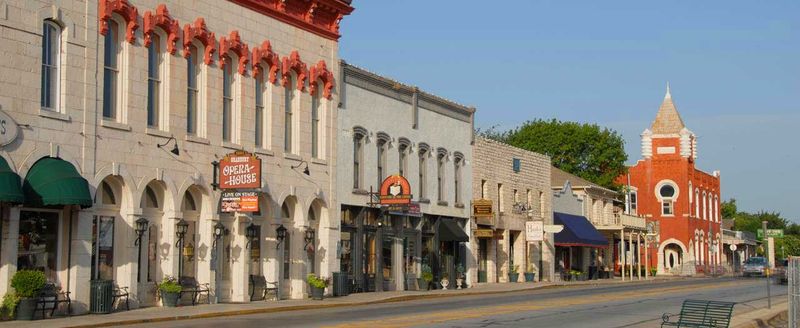
A courthouse square straight out of a Western movie anchors this lakeside gem, complete with vintage storefronts and a theater that’s been entertaining crowds since 1886. The entire plaza feels like it was designed specifically for leisurely strolls, with wide sidewalks and plenty of benches where you can rest between shops. Live oaks provide shade during hot Texas afternoons, making summer visits more pleasant than you’d expect.
Boutiques range from Western wear to home decor, with locally owned shops far outnumbering chains. You’ll find handcrafted items you won’t see anywhere else, made by artisans who often work right here in town. The Granbury Opera House still hosts performances, and catching a show adds a perfect evening cap to your day of exploring.
Restaurants circle the square, offering everything from Texas barbecue to fine dining, with patios that let you people-watch while you eat. The town’s proximity to Lake Granbury means you can combine your main street adventure with water activities, though most visitors find the downtown area engaging enough on its own. Weekends bring live music to the square, with local musicians setting up on corners and filling the air with country, blues, and folk.
Art galleries showcase Texas artists, and several offer pieces that capture the very streets you’re walking. Historical markers dot the sidewalks, telling stories about the buildings and the people who built them. The second time around the square, you’ll start noticing architectural details like original tin ceilings visible through shop windows and hand-painted signs that have survived decades.
Sunset hits the courthouse just right, creating photo opportunities that fill up phone galleries quickly.
3. Wimberley
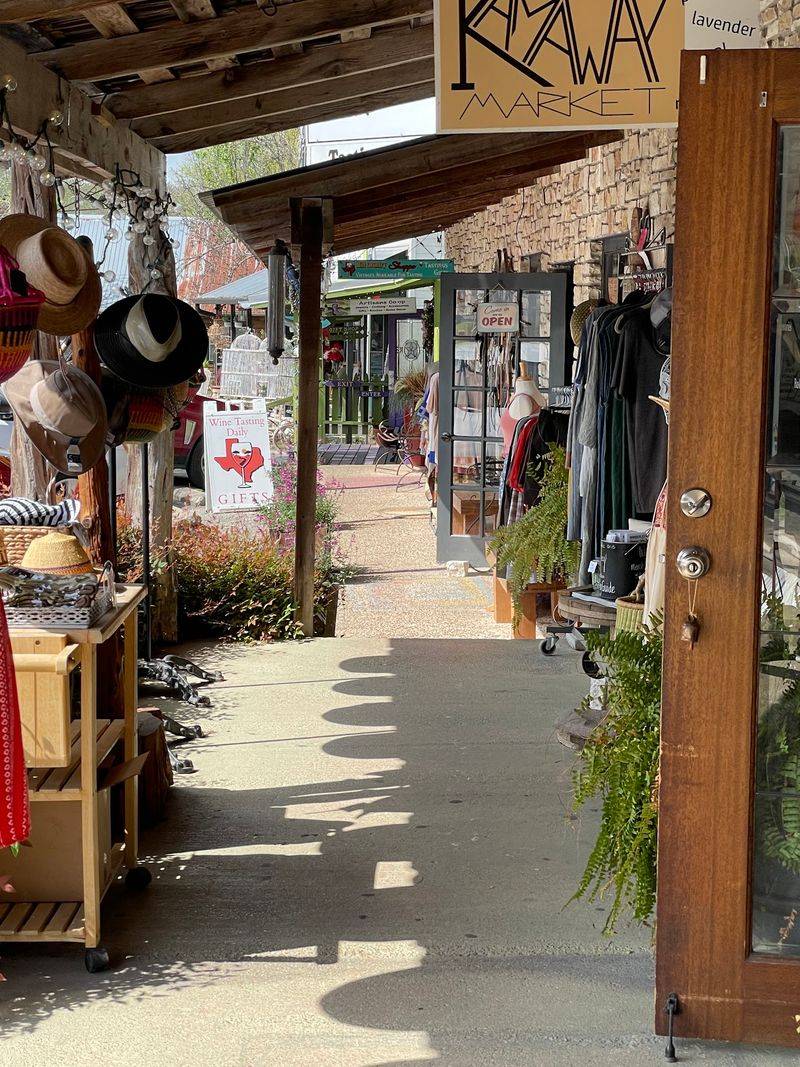
Cypress Creek runs through town, adding a natural soundtrack to your shopping experience that most main streets simply can’t match. Artists and craftspeople have claimed this Hill Country spot as their own, filling galleries and studios with work that reflects the surrounding landscape. You won’t find big-box stores here, just independently owned shops where the person behind the counter probably made half of what you’re looking at.
The town spreads out more than most, which means your walk covers more ground but never feels rushed. Shaded pathways connect different shopping districts, with the creek always nearby when you need a peaceful moment. Wimberley Market Days, held the first Saturday of each month from March through December, transforms the experience entirely, with hundreds of vendors adding to the permanent shops.
Glassblowers, potters, painters, and woodworkers maintain working studios where you can watch creation happen in real time. The laid-back vibe attracts visitors who appreciate authenticity over polish, and the slightly bohemian atmosphere sets it apart from more buttoned-up historic towns. Live music spills out of cafes and restaurants, usually acoustic sets that match the mellow energy.
Swimming holes like Blue Hole provide a cool-down option when Texas heat becomes too much, though many visitors save that for after their second walk through town. Local wine and craft beer have found their way into several tasting rooms, offering liquid refreshments between shops. The combination of art, nature, and small-town charm creates something special that photographs well but experiences even better.
That second stroll reveals hidden courtyards, tucked-away galleries, and details your first pass missed completely.
4. Boerne
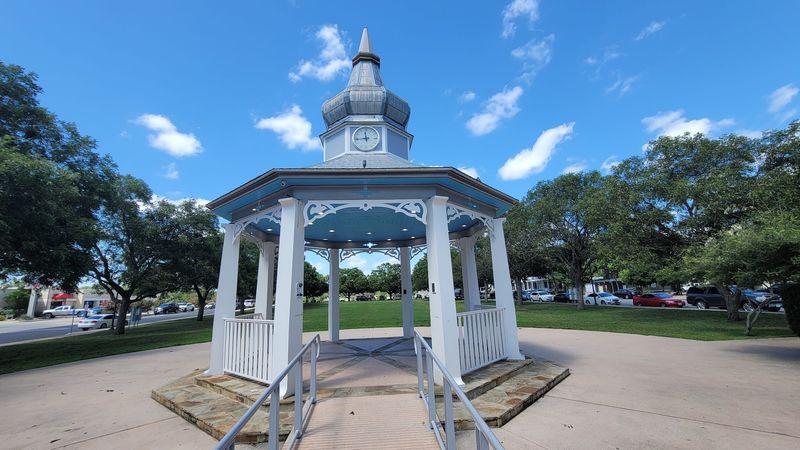
German heritage shows up in the architecture, the food, and even some of the shop names along this Hill Country main street. Limestone buildings from the 1800s house modern businesses, creating a blend of old and new that works surprisingly well. The town sits along Cibolo Creek, and several walking paths let you combine nature with your downtown exploration.
Boutiques here lean upscale without feeling pretentious, offering clothing, jewelry, and home goods that appeal to shoppers with discerning taste. You’ll find Texas-made products sharing shelf space with carefully curated items from around the world. The dining scene punches above its weight class, with restaurants serving everything from authentic German fare to contemporary American cuisine, all using local ingredients when possible.
Antique shops reward patient browsers with genuine finds, not reproduction junk labeled as vintage. Several stores specialize in Hill Country-specific items like handmade furniture from Texas wood and art featuring local landscapes. The town’s proximity to San Antonio means it gets steady traffic, but somehow it never feels overcrowded or touristy.
Festivals throughout the year celebrate everything from Berges Fest (a nod to German roots) to art shows and food events. Even without special events, the main street stays lively with locals and visitors mixing naturally. Coffee shops provide perfect pit stops, many roasting their own beans and taking the craft seriously.
Historic markers tell stories about early German settlers, and the old Kendall County Jail now serves as a museum worth a quick visit.
Your second walk reveals side streets worth exploring, each with its own character and additional shops. The evening atmosphere shifts as restaurants light up and live music starts filtering out of venues. Details like original hardware on old doors and century-old cornerstones become apparent only when you slow down enough to notice.
5. Bastrop
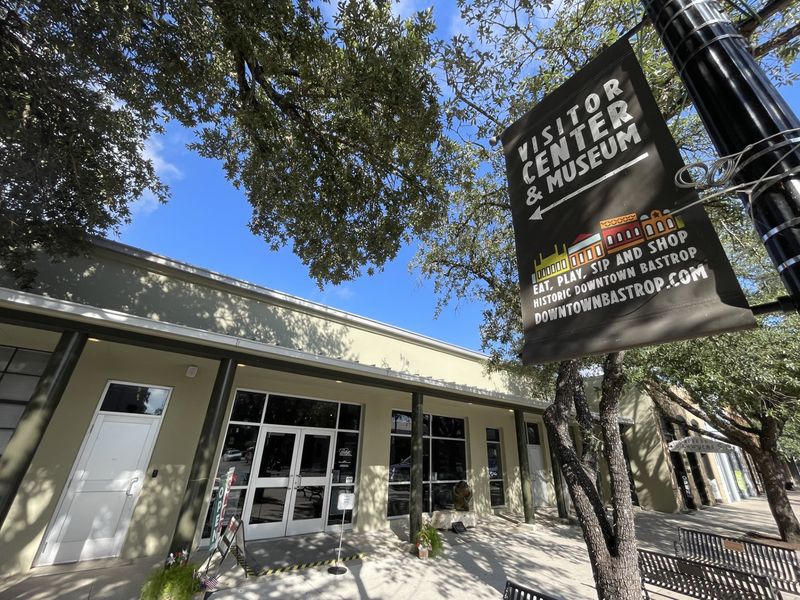
Pine trees tower over this main street, a rarity in Texas that immediately sets Bastrop apart from other small towns. The Colorado River flows nearby, and the combination of water and forest creates an atmosphere that feels more East Texas than Central. Historic buildings line the downtown corridor, many dating back to when this was a key trading post in the 1800s.
Local shops focus on practical goods mixed with tourist-friendly souvenirs, striking a balance that serves both residents and visitors. You’ll find working hardware stores next to art galleries, creating an authentic small-town vibe that hasn’t been manufactured for tourists. The devastating 2011 wildfire that scorched thousands of acres around Bastrop brought the community together, and that resilience shows in the revitalized downtown.
Restaurants serve classic Texas comfort food, with several spots famous for their barbecue and Tex-Mex. The historic opera house still hosts performances, and catching a show adds cultural depth to what might otherwise be just a shopping trip. Coffee shops and bakeries provide morning fuel, with locals gathering to chat over kolaches and strong coffee.
Antique stores offer treasures from Texas history, with reasonable prices that make buying more tempting than in pricier Hill Country towns. The Bastrop County Museum occupies an old post office building and provides context about the area’s past, including its role in early Texas settlement. Live music happens regularly, especially on weekends when local musicians set up in various venues.
Walking the main street twice means you’ll likely strike up conversations with shop owners who have time to chat, unlike rushed retailers in bigger cities. The second pass lets you revisit stores that caught your eye initially, and you’ll probably end up buying something you talked yourself out of the first time. Evening brings cooler temperatures and a different energy, with the pines creating long shadows and the pace slowing even further.
6. Fredericksburg
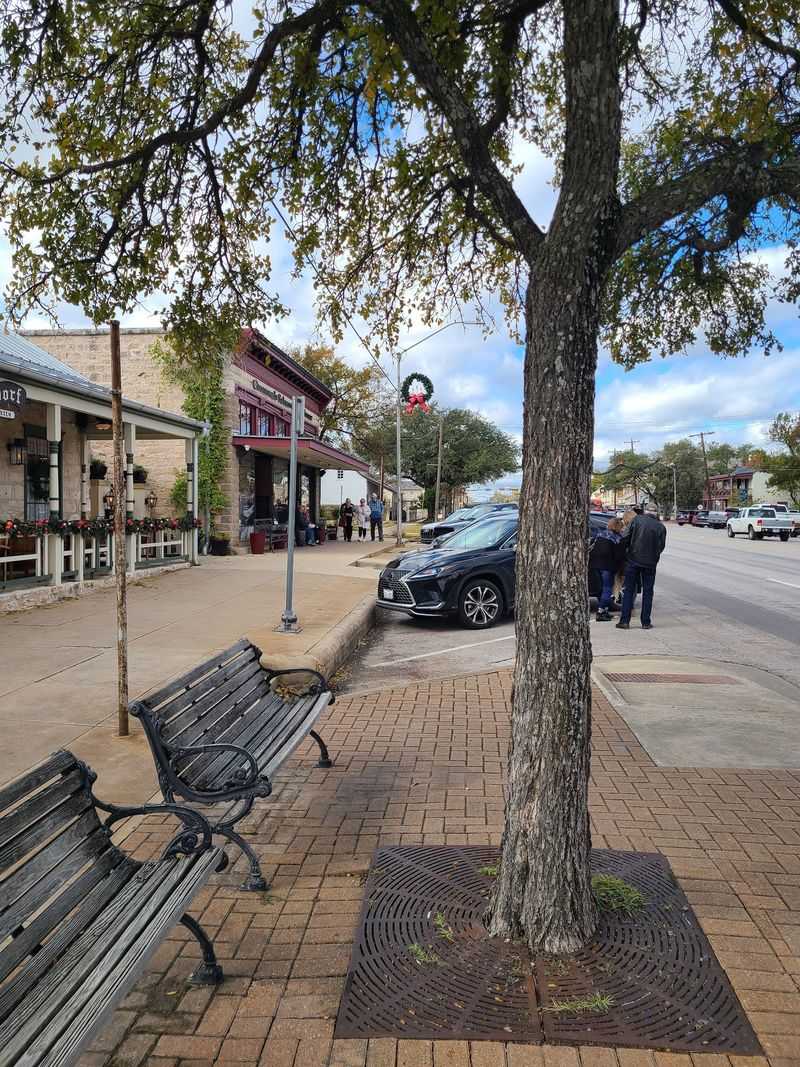
German influence saturates every block of this main street, from bakeries selling authentic strudel to shops stocked with European imports. The town has become synonymous with Texas wine country, and tasting rooms dot the downtown area, offering samples from nearby vineyards. Main Street stretches long enough that a thorough exploration easily fills an entire day, with more than 100 specialty shops competing for your attention.
Boutiques sell everything from Western wear to high-end fashion, while gift shops overflow with Texas-themed items and German imports. The National Museum of the Pacific War anchors one end of downtown, providing historical weight to balance the shopping and dining. Bed and breakfasts occupy historic homes, many decorated in period style that transports guests back to the town’s founding days.
Restaurants range from casual to upscale, with German cuisine sharing menu space with steakhouses and contemporary American fare. The town’s popularity means crowds, especially on weekends, but the wide sidewalks and lengthy main street prevent it from feeling claustrophobic. Live music venues host everything from country to rock, with several spots featuring regular performances.
Art galleries showcase work from local and regional artists, much of it inspired by Hill Country landscapes and Texas culture. Seasonal events like Oktoberfest draw massive crowds, but even regular weekends bring steady streams of visitors. The Christmas season transforms the entire downtown into a light-filled wonderland that rivals much larger cities.
Your second walk down Main Street reveals shops you somehow missed despite their prominent locations, a testament to just how much there is to see. Side streets branch off with additional boutiques and restaurants worth exploring. Evening strolls offer a different perspective, with lit storefronts creating a warm glow and the daytime crowds thinning out.
Details like original stonework and German inscriptions on buildings become more noticeable when you’re not overwhelmed by the initial sensory overload.
7. Salado
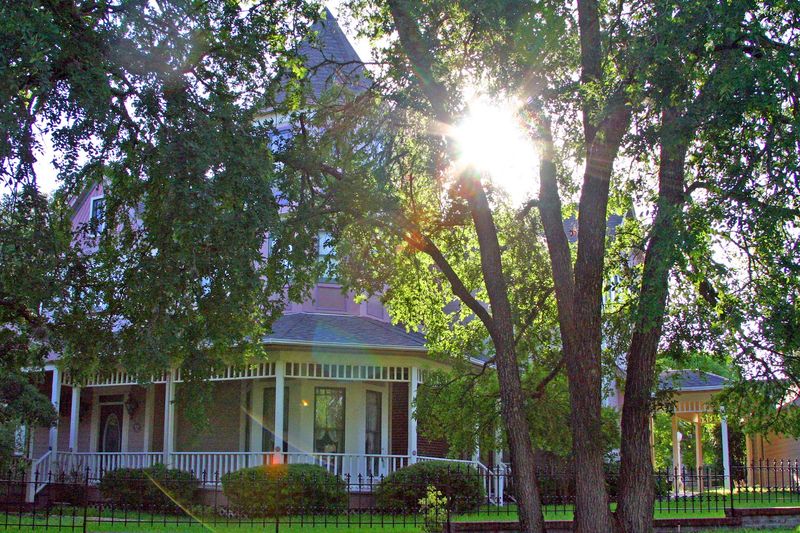
Salado Creek runs right through the heart of town, with several shops and restaurants offering creek-side views that add natural beauty to your shopping experience. Artists have long been drawn to this spot, and galleries fill historic buildings with paintings, sculptures, and handcrafted items. The entire downtown area feels like a well-kept secret, despite being located right off Interstate 35 between Austin and Waco.
Limestone buildings from the mid-1800s house modern businesses, their thick walls keeping interiors cool even during brutal Texas summers. Antique shops reward serious collectors with quality pieces, not the picked-over junk that fills some small-town stores. The Stagecoach Inn, though currently closed, stands as a reminder of when Salado served as an important stop on the Chisholm Trail.
Boutiques specialize in unique items you won’t find in typical retail chains, from handmade jewelry to custom home decor. The town’s compact size means you can cover the main shopping district on foot without exhausting yourself, though you’ll want to take your time browsing. Local restaurants serve comfort food with occasional upscale touches, and several offer outdoor seating that lets you enjoy the creek sounds.
Salado Sculpture Garden provides an outdoor art experience that complements the indoor galleries, with pieces scattered among native plants and trees. The town hosts regular art shows and festivals that bring in artists from across Texas and beyond. Live music happens frequently, usually in intimate settings that let you actually hear the musicians without overwhelming volume.
Walking the main street a second time reveals architectural details like original stonework and hand-carved wooden details that your first pass missed. The creek creates different moods depending on recent rainfall, sometimes rushing energetically and other times flowing gently. Evening brings softer light that photographers love, and the smaller crowds mean more opportunities to chat with shop owners who know the town’s history intimately.
8. Marfa
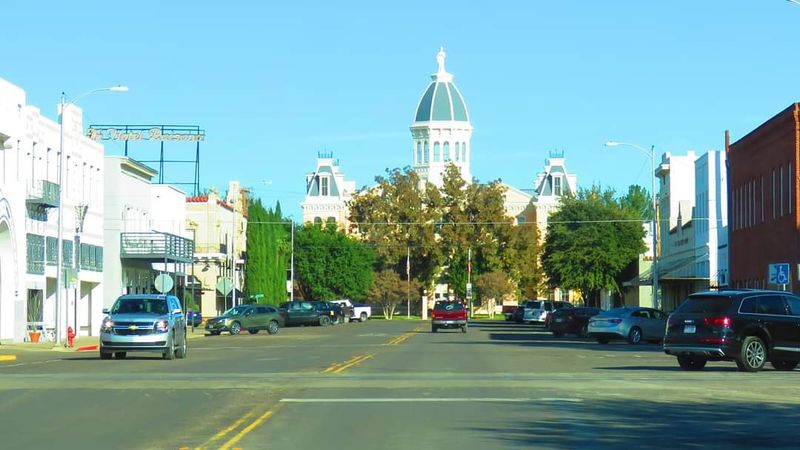
High desert surroundings and an unexpected art scene create a main street experience unlike any other in Texas. What started as a remote railroad town transformed into an international art destination after minimalist artist Donald Judd relocated here in the 1970s. Galleries now occupy former storefronts, displaying contemporary art that draws collectors and enthusiasts from around the world.
The aesthetic here leans minimalist and modern, a stark contrast to the Victorian charm of most Texas small towns. Adobe-style buildings and clean lines define the architecture, while art installations pop up in unexpected places. The famous Marfa lights phenomenon adds mystique, though you’ll need to drive outside town after dark to potentially spot them.
Restaurants and cafes serve surprisingly sophisticated food for such a remote location, with menus that wouldn’t feel out of place in Austin or Houston. Hotel Saint George and other boutique accommodations have elevated the lodging options far beyond what you’d expect in a town of fewer than 2,000 people. Coffee culture thrives here, with serious attention paid to beans, brewing methods, and presentation.
Shopping focuses more on art, books, and design objects than typical tourist souvenirs, attracting visitors with specific tastes. The Chinati Foundation offers tours of Judd’s permanent installations, housed in former military buildings on the outskirts of town. Film fans recognize Marfa as the location where “Giant” was filmed, and the movie’s legacy still draws visitors decades later.
Your second walk down the main street happens at a different time of day, and the desert light transforms everything. Morning brings crisp air and long shadows, while late afternoon bathes buildings in golden light that makes even mundane structures look artistic. The sparse landscape means details stand out more than they would in busier settings, from hand-painted signs to carefully chosen storefront displays.
The town’s remoteness and artistic focus create an atmosphere that feels more like a curated experience than a accidental discovery.
9. Gruene
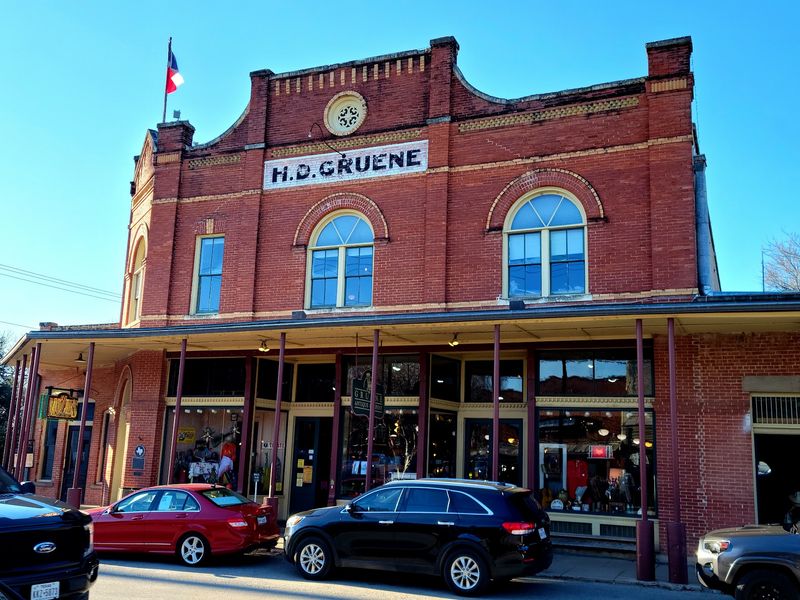
Weathered wooden buildings and a famous dance hall create a main street frozen in time, preserved exactly as it looked in the late 1800s. Gruene Hall, Texas’s oldest continually operating dance hall, anchors the tiny downtown and still hosts live music almost every night. The entire district earned National Register status, ensuring that modern development won’t erase the authentic character that draws visitors from across the state.
Only a handful of streets make up the shopping district, but each building houses something interesting. Antique stores specialize in Texas memorabilia and vintage finds that actually come from the era they claim. The Grist Mill Restaurant occupies an old cotton gin, offering river views and comfort food that keeps lines forming during peak hours.
You can tube or raft the Guadalupe River after exploring the shops, making this a natural combination destination.
Live music spills out of Gruene Hall during performances, with legends like Willie Nelson, George Strait, and Lyle Lovett having graced the stage over the years. The worn wooden floors and tin roof create acoustics that modern venues struggle to replicate. Weekends bring the biggest crowds, but weekday visits offer a quieter experience where you can actually chat with shop owners.
Pottery, jewelry, and handcrafted goods fill boutiques that occupy buildings original to the town’s founding. The compact size means you can see everything in a couple of hours, but most people end up staying longer, drawn in by the relaxed atmosphere. New Braunfels sits just minutes away, offering additional attractions if Gruene leaves you wanting more.
That second walk through town reveals details like old advertisements painted on building sides and original hardware that’s survived more than a century. The Guadalupe River provides a constant backdrop, visible from several vantage points along the main street. Evening transforms Gruene Hall into the heart of the action, with music and dancing that continues the traditions that have defined this place for generations.