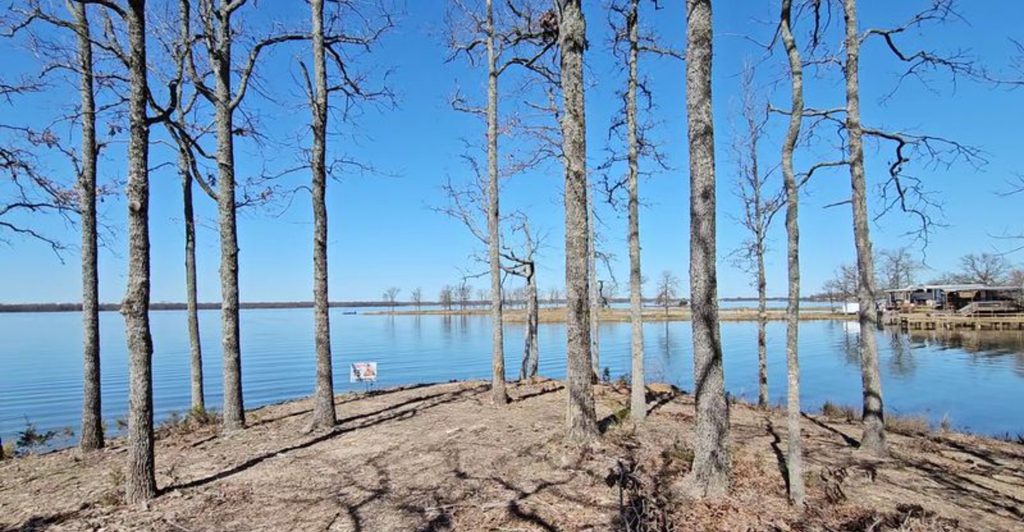
Lake Fork in East Texas has earned its reputation as one of the best bass fishing destinations in the entire country. Serious anglers from across the nation make the pilgrimage to this 27,000-acre reservoir, hoping to land the trophy fish of a lifetime. With over 300 miles of shoreline, submerged timber structures, and a carefully managed fishery, Lake Fork consistently produces monster largemouth bass that tip the scales at double digits.
1. World-Class Trophy Bass Habitat
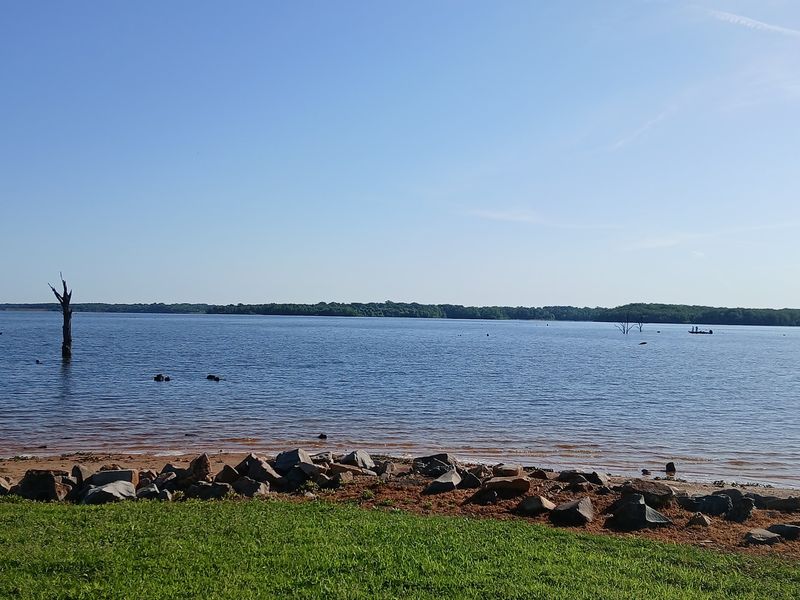
Lake Fork was built specifically with bass fishing in mind back in 1980, and that purpose-driven design shows in every catch. The reservoir sits in Wood and Rains counties, fed by the Sabine River, creating an ecosystem perfectly suited for growing enormous largemouth bass. Engineers intentionally left standing timber throughout the lake when they flooded the area, providing ideal cover and ambush points for bass to thrive.
The Texas Parks and Wildlife Department enforces strict regulations here that protect the fishery’s quality. A special 16 to 24-inch slot limit means anglers must release bass in that size range, ensuring the population stays healthy and fish have time to grow into true giants. Only one bass over 24 inches can be kept per day, which means those double-digit lunkers stay in the water to be caught again or continue breeding.
Water clarity at Lake Fork tends to be slightly stained, which bass love because it gives them a predatory advantage while still allowing enough light penetration for healthy vegetation growth. The lake’s average depth of around 40 feet provides temperature variations that keep bass active year-round. Spring and fall are peak seasons, but even winter months produce quality catches for anglers who know where to look.
The combination of protected genetics, abundant forage, and carefully managed habitat has created a bass factory unlike anywhere else in Texas.
2. Record-Breaking Fish Stories
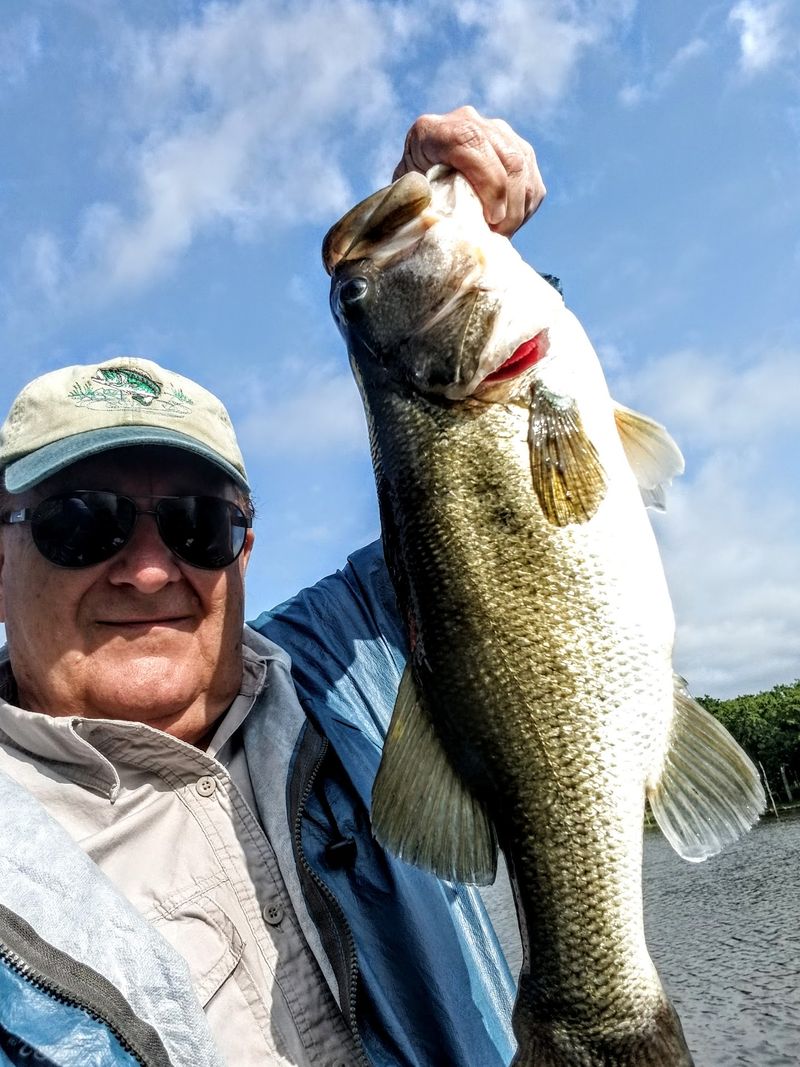
Walking into any bait shop around Lake Fork, you’ll hear tales that sound too wild to be true until you see the photos. This lake has produced more ShareLunker bass (over 13 pounds) than any other water in Texas, with dozens of fish exceeding that magical threshold. The current lake record stands at a jaw-dropping 18.18 pounds, caught back in 1992, though anglers swear even bigger fish are still swimming these waters.
During the annual Toyota ShareLunker season from January through March, Lake Fork becomes ground zero for anglers chasing legacy-class bass. The program loans out proven big-bass genetics to be spawned in hatcheries, then returns the fish to the wild. Multiple 14 and 15-pounders get caught here every single year, keeping the dream alive for every angler who wets a line.
Tournament anglers have pulled off incredible feats here that seem impossible elsewhere. Five-fish tournament limits weighing over 40 pounds happen with surprising regularity during prime conditions. One tournament saw a winning bag exceed 45 pounds, an accomplishment that would be a once-in-a-lifetime event on most lakes but represents the upper end of possibility at Fork.
Even recreational anglers without professional gear or years of experience regularly boat bass in the 6 to 8-pound range, fish that would be considered trophies on most waters. The density of quality fish means your odds of a personal best are genuinely high.
3. Navigating The Timber Maze
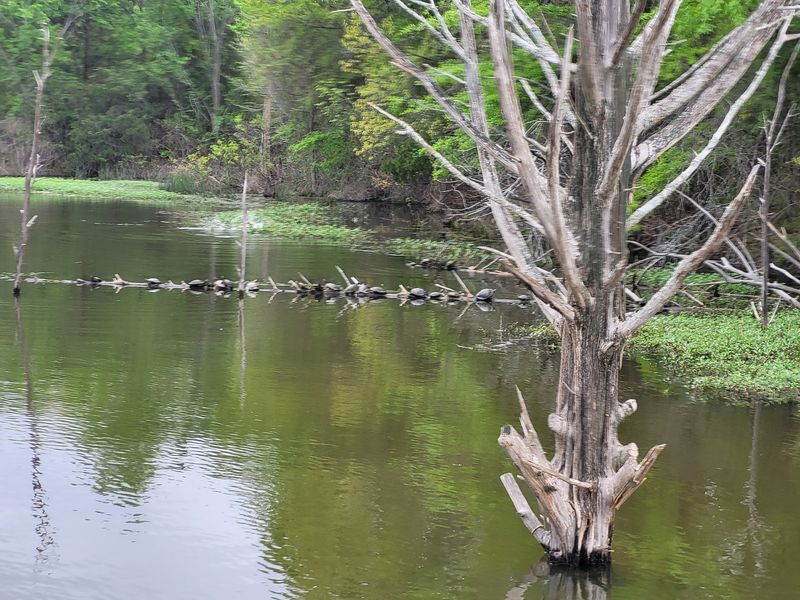
First-timers at Lake Fork quickly discover why locals stress the importance of GPS mapping and careful navigation. The same submerged timber that makes this lake a bass paradise also creates a genuine hazard for boaters unfamiliar with the layout. Stumps lurk just below the surface throughout much of the lake, capable of ruining a lower unit or ending your day in an instant if you’re running fast in unfamiliar water.
Marked boat lanes crisscross the lake, providing safe corridors for travel between fishing spots and back to the ramps. Staying within these lanes when running at speed is critical, especially during periods of lower water levels when stumps come even closer to the surface. Many experienced guides recommend investing in quality mapping software like Navionics or Lowrance charts that show stump fields and safe routes in detail.
The timber isn’t just an obstacle though, it’s the key to finding fish. Bass stack up around these wooden structures, using them as ambush points to attack shad and other baitfish. Learning to fish tight to timber without getting snagged separates successful Fork anglers from frustrated ones.
Techniques like flipping jigs, pitching soft plastics, and working crankbaits along wood edges produce the most consistent results.
Local guides offer invaluable knowledge about navigating safely while maximizing fishing time. Their familiarity with productive timber areas and safe travel routes can turn a potentially dangerous learning curve into an efficient, fish-catching adventure from day one.
4. Year-Round Fishing Action
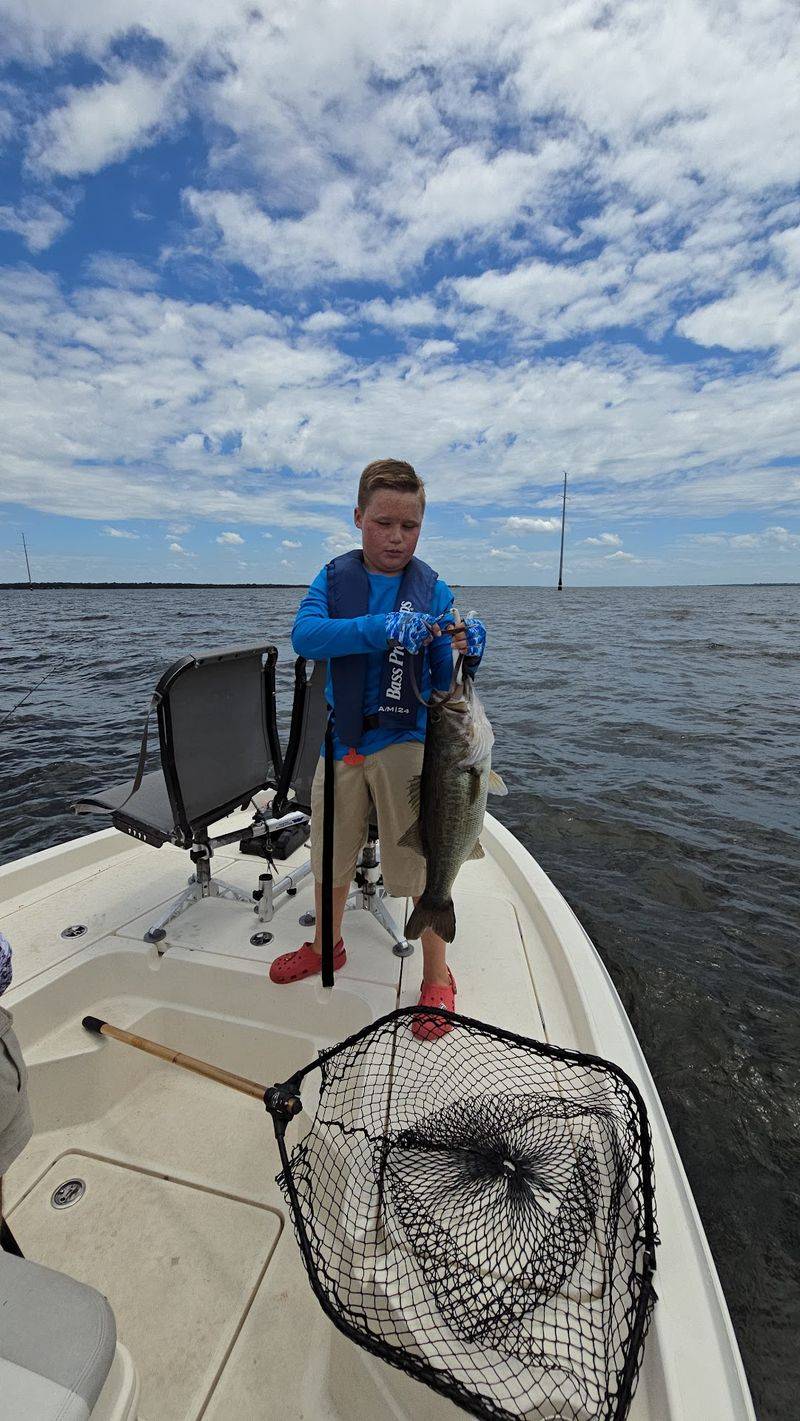
Unlike many fisheries that shut down during certain months, Lake Fork produces quality bass catches every single month of the year. Each season brings different patterns and techniques, keeping things interesting for anglers who visit multiple times annually. Winter months from December through February see bass moving to deeper structure and creek channels, where slow presentations with jigs and Carolina rigs shine.
Spring explodes with activity as bass move shallow to spawn, typically starting in late February and running through April depending on water temperatures. This period brings the lake’s biggest crowds but also the best chance at a true giant, as the largest females move up to lay eggs. Sight-fishing becomes possible in clearer pockets, and reaction baits like spinnerbaits and squarebills produce aggressive strikes.
Summer fishing shifts to early morning and late evening patterns, with bass suspending around timber in 15 to 25 feet of water during midday heat. Topwater action at dawn can be explosive, while deep-diving crankbaits and football jigs work well during the day. Night fishing gains popularity in July and August, offering comfortable temperatures and active fish.
Fall brings another feeding frenzy as bass bulk up before winter, chasing shad schools in open water and around points. Lipless crankbaits, swimbaits, and Alabama rigs excel during this period. Water temperatures in the 60s and 70s trigger some of the year’s most consistent action, making October and November favorites among regular Fork visitors.
5. Guide Services And Local Knowledge
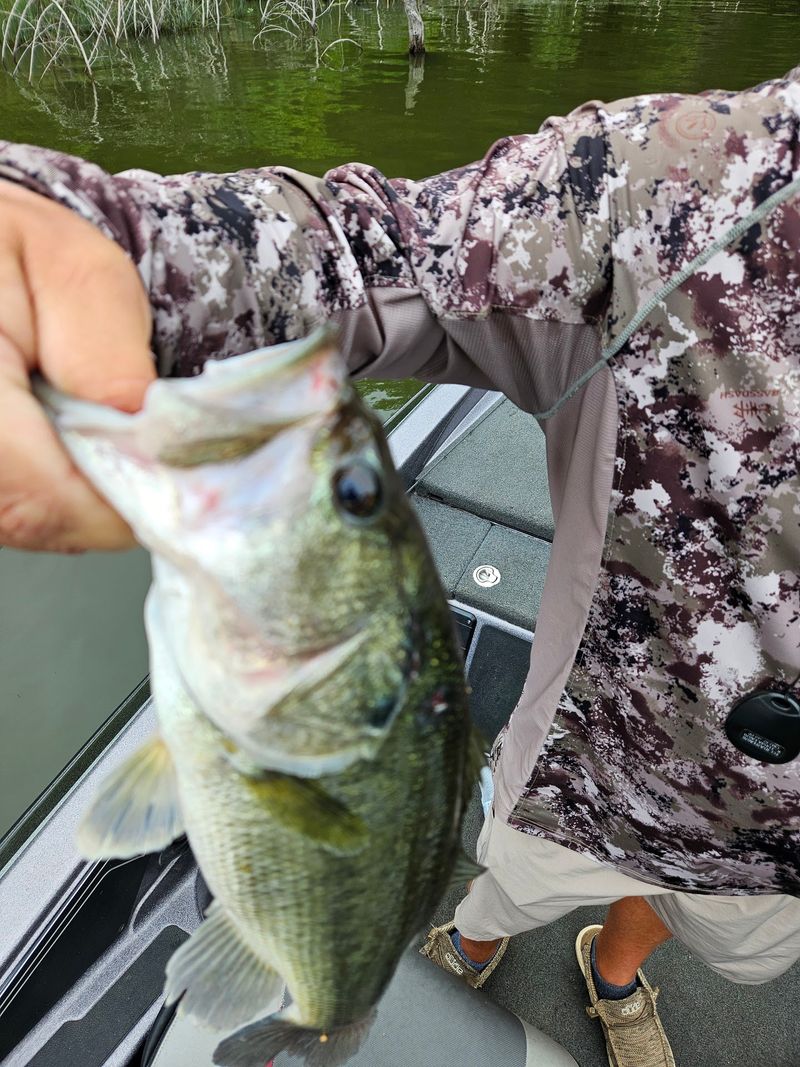
Hiring a guide for your first Lake Fork trip might seem like an unnecessary expense until you realize how much water you’re dealing with and how specific the patterns can be. Professional guides fish this lake nearly every day, tracking seasonal movements, monitoring bait concentrations, and adjusting techniques based on current conditions. What might take you three days to figure out on your own, a guide can put you on in the first hour.
Lake Fork supports dozens of full-time guide services, ranging from tournament pros to specialized crappie guides. Most bass guides provide all tackle, lures, and equipment, so you can show up with just your fishing license and enthusiasm. They’ll have you fishing productive timber lines, creek channels, or shallow flats depending on the season and what’s biting best.
Beyond just catching fish, quality guides teach you the lake’s layout, explain why certain techniques work in specific conditions, and share tips you can apply on future solo trips. Many anglers hire a guide for their first day, then fish on their own for remaining days using the knowledge gained. This approach maximizes both learning and fishing success.
Crappie guides offer a different but equally rewarding experience, targeting the lake’s excellent population of slab crappie around brush piles and standing timber. Spring crappie runs can be phenomenal, with limits of 1.5 to 2-pound fish entirely possible. Several guides specialize in multi-species trips, targeting both bass and crappie to keep action constant throughout the day.
6. Tackle Shops And Marina Support
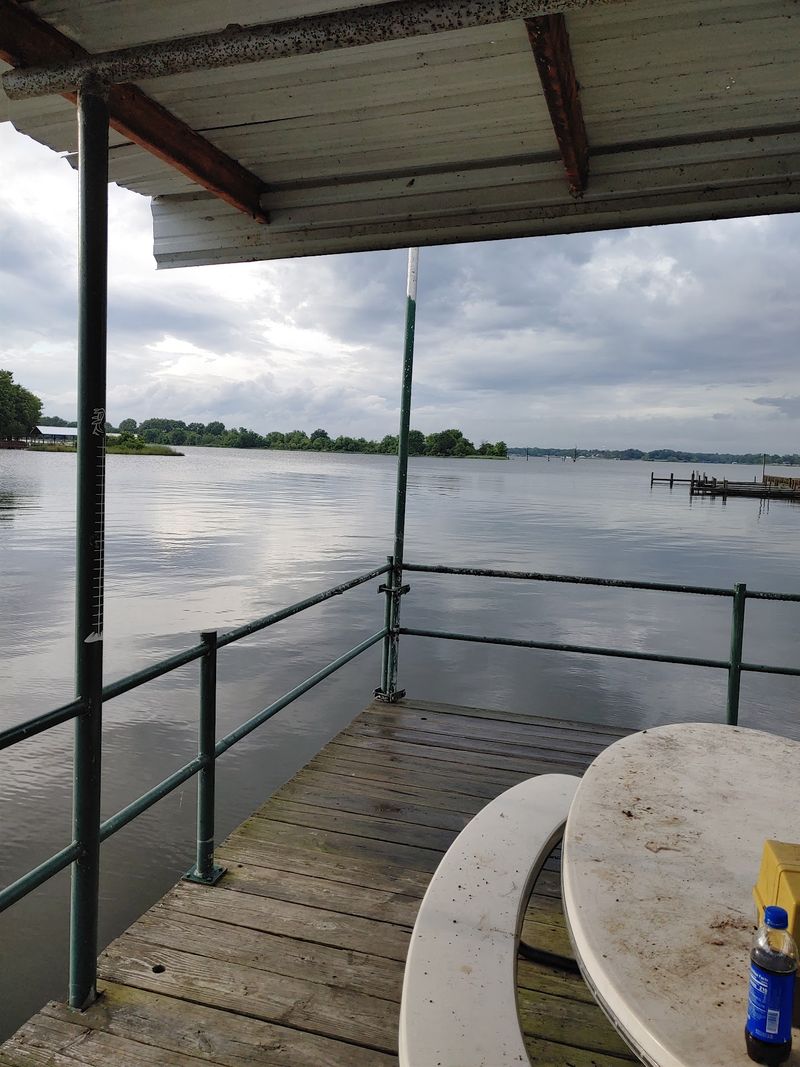
The towns surrounding Lake Fork, particularly Alba, Yantis, and Quitman, have built their economies around serving visiting anglers with everything needed for a successful trip. Tackle shops here stock the specific lures, line weights, and colors that consistently produce on Fork, saving you from guessing what might work. Shop owners and staff are usually anglers themselves who fish the lake regularly and freely share current reports.
Popular shops like Lake Fork Tackle, Minnow Bucket, and others offer daily fishing reports, often posted on social media before sunrise. These reports detail which areas are producing, what techniques are working, and current water conditions. Stopping by a shop first thing in the morning to grab fresh reports and maybe some local-favorite lures can dramatically improve your day’s results.
Many marinas provide full-service facilities including boat ramps, fuel, cleaning stations, and lodging options ranging from basic rooms to full cabins. Some marinas employ guides, offer boat rentals, and sell live bait for anglers without their own setup. The convenience of staying at a marina puts you steps from the water and surrounded by other anglers sharing information.
Don’t overlook the value of striking up conversations with locals and other visiting anglers at these shops and marinas. Fork has a friendly fishing community where most people are happy to share general area information, though specific honey holes remain closely guarded secrets. The camaraderie adds to the overall experience of fishing this legendary water.
7. Tournament Circuit And Competitions
Lake Fork hosts some of the most prestigious and lucrative bass tournaments in the country, drawing professional anglers and serious competitors from across North America. The Toyota ShareLunker program runs its catch-and-release season here annually, offering rewards for anglers who catch and loan bass over 13 pounds for breeding purposes. Legacy-class fish over 13 pounds can earn significant recognition and prizes.
The Big Bass Splash tournament series makes Lake Fork a regular stop, with entry fees ranging from modest to quite substantial depending on the division. These tournaments focus purely on the single largest bass caught during the event period, with payouts sometimes exceeding six figures for the winning fish. The format attracts both recreational anglers hoping for one lucky bite and professionals who know how to target giant fish.
Team tournaments run throughout the year, with formats ranging from weekend club events to major trails like the Bassmaster Opens. Watching a tournament weigh-in provides free entertainment and education, as you see what the best anglers are catching and often hear them discuss techniques during interviews. Many tournaments allow spectators at weigh-ins, creating a festival atmosphere in host marinas.
For anglers interested in testing their skills competitively, numerous entry-level tournaments welcome newcomers. Local clubs run affordable events that provide tournament experience without the pressure of professional competition. Even if you never fish a tournament, watching the results and studying winning patterns helps you understand the lake’s potential and current trends.
8. Wildlife And Scenic Beauty Beyond Bass
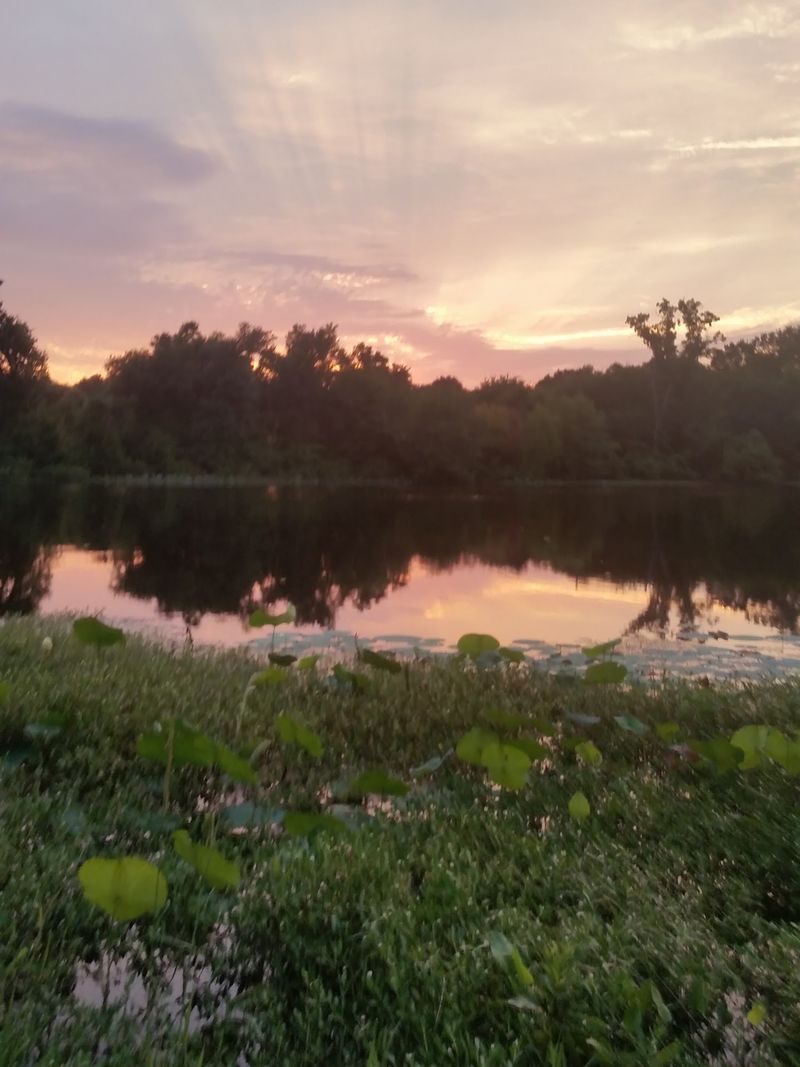
While bass fishing dominates the conversation around Lake Fork, the lake offers surprising natural beauty and wildlife viewing opportunities that enrich any visit. The 300-plus miles of shoreline include quiet coves, scenic points, and pristine areas where nature thrives undisturbed. Early morning trips often reward anglers with stunning sunrises over calm water, creating Instagram-worthy moments before the first cast.
Birdwatchers find plenty to observe, with great blue herons, egrets, osprey, and bald eagles all making regular appearances. The shallow flats and vegetation-rich areas support diverse waterfowl populations, particularly during migration periods. Patient observers might spot white-tailed deer coming to the shoreline to drink during dawn and dusk hours.
Yes, Lake Fork does have alligators, a fact that surprises many first-time visitors to East Texas. These gators are generally small and shy, avoiding human contact, but their presence adds a wild element to the experience. Most anglers go years fishing Fork without seeing one, though they do exist in the quieter, marshy areas.
Common sense precautions like not swimming and keeping fish on stringers away from the boat sides eliminate any real concern.
The lake’s scenery changes dramatically with the seasons, from spring wildflowers along the banks to fall foliage reflecting in the water. Even non-anglers in your group can enjoy kayaking in protected areas, photography, or simply relaxing at one of the public parks. Lake Fork offers a complete outdoor experience that goes well beyond just fishing.