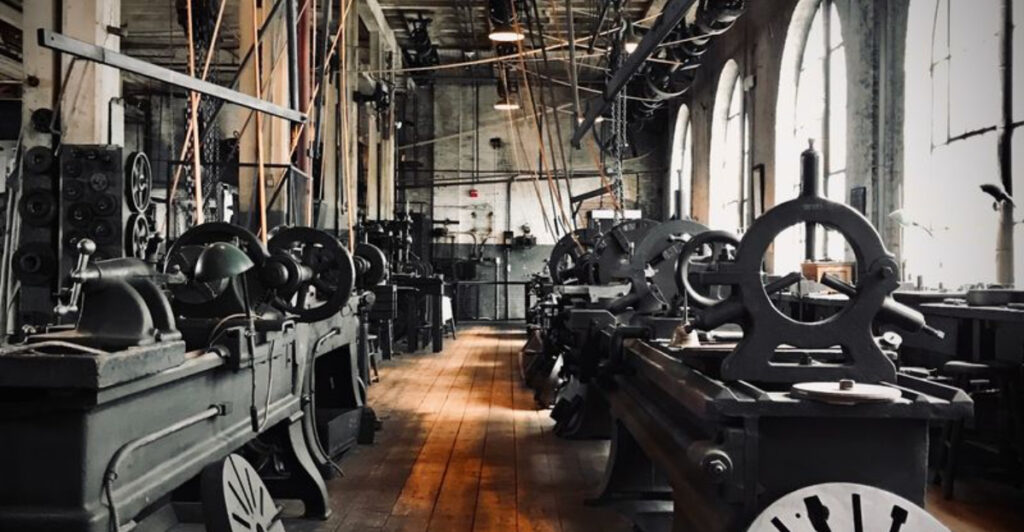
At Paterson’s Great Falls, the water does more than put on a show. It drops 77 feet beside brick mills and engineered raceways built to turn that force into cloth, paper, machinery, and locomotives.
The scenery is impressive, but the real thrill comes from recognizing that an entire industrial city grew around the river’s muscle. That story repeats across New Jersey in wonderfully different forms.
Furnace ruins rise from the woods. A former zinc mine leads visitors underground.
An old woolen mill stands beside a quarry, while a preserved company town reveals how closely work and home once overlapped. These places do not reduce industry to machinery behind glass.
They let you trace canals, enter workshops, inspect mine equipment, and walk among buildings where workers once faced heat, noise, dust, and brutally long days. From the Pine Barrens to Sussex County, here are ten places where New Jersey’s industrial past remains firmly in view.
1. Paterson Great Falls National Historical Park, Paterson
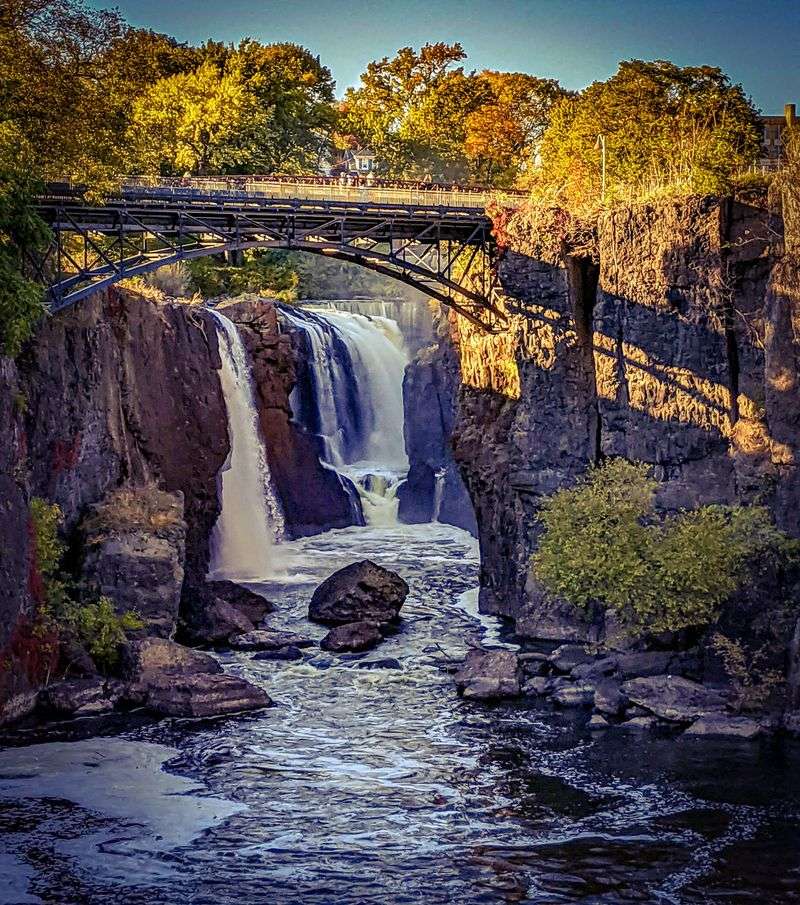
The first roar hits before the view does, and that is why Paterson Great Falls feels so dramatic. Water, stone, and old brick crowd together here, showing how natural power once drove factories and helped shape an ambitious New Jersey city.
Walk the park slowly and you can still read the industrial story in the landscape. Raceways, sturdy mill buildings, and the falls themselves help explain why manufacturers gathered here, while overlook points make it easy to picture workers, wheels, and constant movement.
Bring good walking shoes because the area rewards a little exploring. Nearby streets add extra texture with historic architecture, civic landmarks, and city energy, so your visit feels less like a sealed museum and more like a living place where industry left marks people still use and notice.
Families, history fans, and curious day trippers all get something different here. Some notice engineering, others notice geography, and plenty just love the thunder of the falls, a strong reminder that many industrial stories began with raw power from nature at work here.
2. Long Pond Ironworks State Park, West Milford
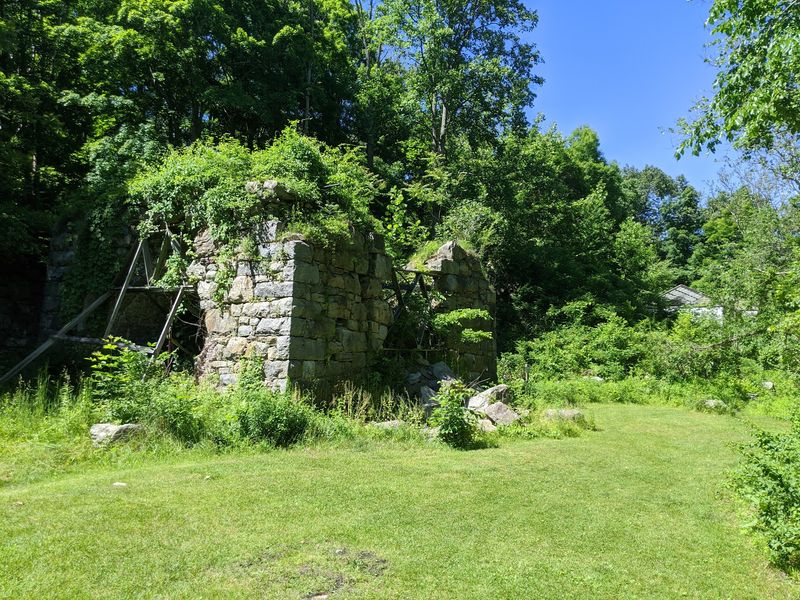
Hidden in the woods, Long Pond Ironworks has the kind of atmosphere that makes you lower your voice without meaning to. Trees, water, and rough stone ruins sit together so naturally that the remains of ironmaking feel both quiet and surprisingly powerful.
A visit here is great for people who like history with a side of fresh air. You can spot foundations, furnace features, and village traces that hint at how work once spread across this landscape, using nearby natural resources and steady effort to keep production moving.
The setting helps younger visitors understand that industry was not always packed into dense cities. In places like this, forests, roads, water, and labor were all part of the same system, and seeing those pieces together makes old economic lessons much easier to grasp.
Plan for a slower pace instead of a rushed stop. Read signs, look at the ground, and imagine wagons, charcoal, tools, and long workdays, because Long Pond Ironworks works best when you let the ruins tell their story one small detail at a time today.
3. Historic Village at Allaire, Farmingdale
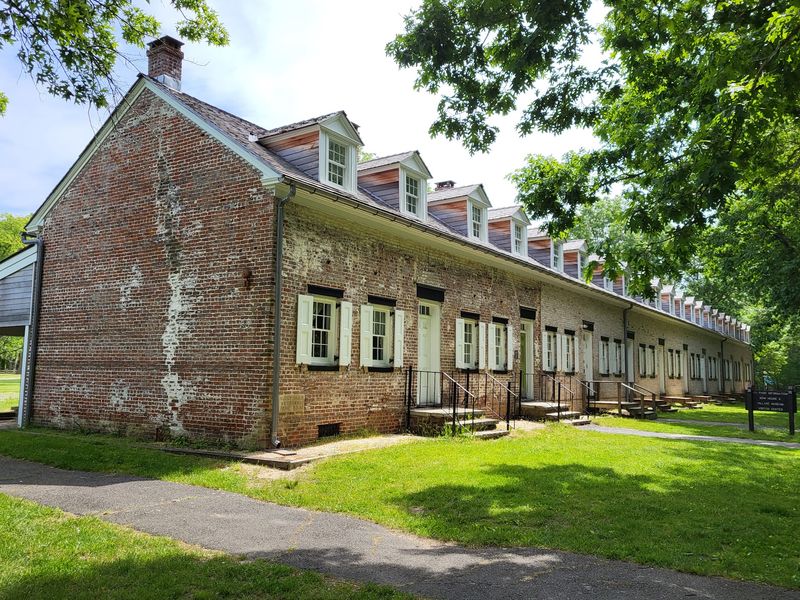
Some historic places feel stiff, but Allaire usually feels lively even when the paths are calm. The village setting makes it easier to picture work, home life, and community all mixed together, which is a big part of understanding industrial history in plain terms.
Instead of focusing on one giant machine or one dramatic ruin, this spot shows how an ironmaking community could function day after day. Shops, homes, and shared spaces help visitors connect industry to ordinary routines, from skilled labor to cooking, trading, and basic chores.
That balance is what makes Allaire especially good for families and casual history readers. Kids can see that industry was not only about smoke and metal, because people also needed schools, supplies, neighbors, and places to gather after work was done.
Go in with curious eyes and notice the simple details. Doorways, tools, fences, workrooms, and road layouts all add up to a fuller picture, and the village format makes the past feel close enough to imagine without turning the visit into a heavy classroom lesson.
4. Batsto Village, Hammonton
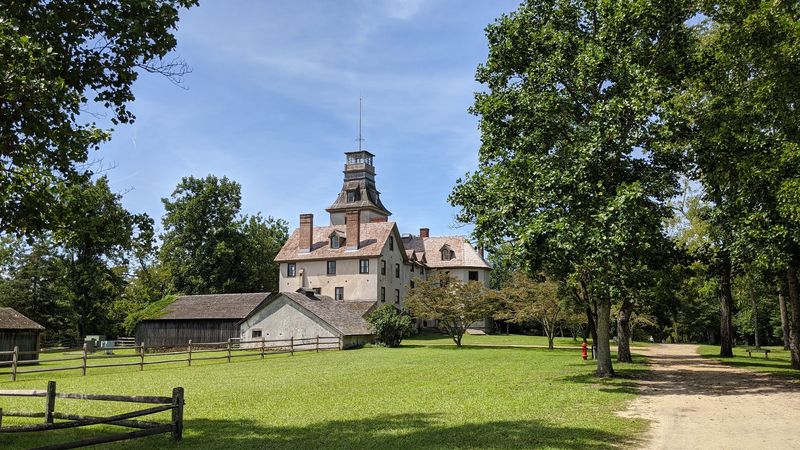
Batsto has a little storybook charm, then you remember it was also a working industrial village. That mix is the fun of visiting, because the pretty setting in the Pines stands beside visible reminders of iron, glass, labor, and the daily push to make a place run.
As you move through the village, the layout helps explain that industry once reached far beyond a single factory floor. Homes, service buildings, and production areas connect into one larger picture, showing how work shaped the whole community rather than one fenced-off corner.
The South Jersey landscape matters here too. Waterways, forests, and open space help visitors understand why this kind of settlement could grow in the first place, and why natural resources were tied closely to jobs, transportation, and long-term planning.
Give yourself time to wander instead of racing from sign to sign. Batsto rewards patient looking, and the contrast between peaceful scenery and hardworking history sticks with you, especially when you realize how much organization once hid behind this calm and attractive village.
5. Sterling Hill Mining Museum, Ogdensburg
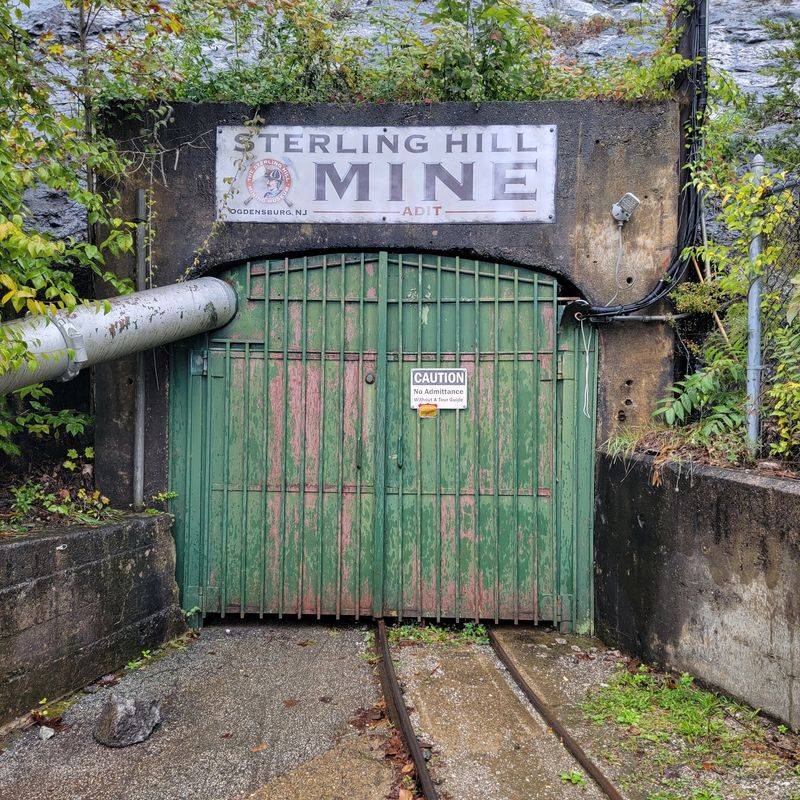
Sterling Hill has a cooler, tougher vibe than many historic sites, and that is part of its appeal. Mining history feels physical right away, with rock, tunnels, equipment, and the sense that people once worked in conditions very different from an office or classroom.
Even before you focus on details, the place tells a clear story about extraction and effort. Industrial history here is not hidden behind polished displays alone, because the site itself helps visitors grasp the scale of underground labor and the systems needed above ground too.
For kids and adults alike, mining can be easier to understand when you see the setting up close. Machinery, geology, and human endurance suddenly connect, which turns a broad topic into something concrete and memorable instead of a few dry facts on a page.
Dress for a practical visit and pay attention to texture, sound, and space. Sterling Hill stands out because it shows industry as gritty problem solving, where materials had to be found, moved, processed, and studied, all through teamwork and a lot of stubborn determination.
6. Roebling Museum and Historic Roebling Village, Roebling
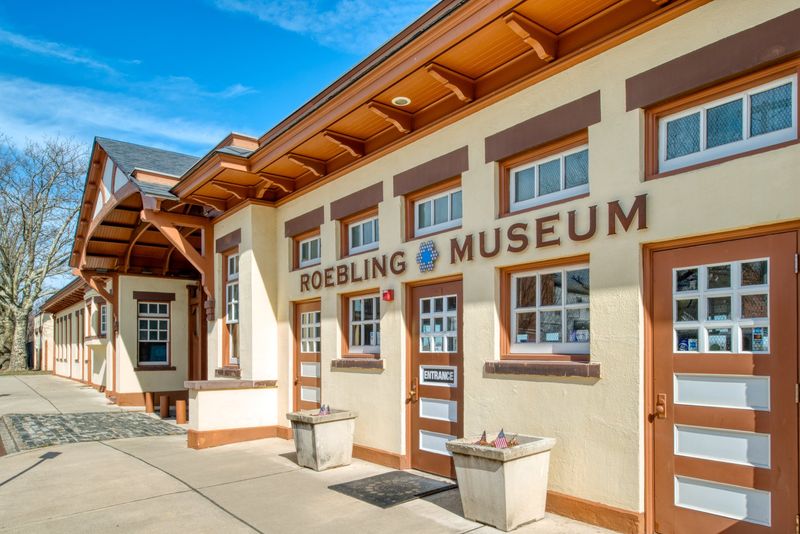
Roebling is the kind of place that makes industrial history feel organized, human, and surprisingly personal. Instead of seeing only a plant or only a museum, you can also notice the village around it, which helps explain how work shaped everyday routines and local identity.
The factory story matters, of course, but so do the streets, houses, and community design. Looking at both together gives visitors a stronger sense of how employers, workers, and families were connected in one place, with industry influencing where people lived and how towns grew.
That wider view is useful if you want more than machine facts. Industrial history often sounds abstract in school, yet a planned village makes the subject easier to picture because jobs, homes, and shared spaces sit close enough to read as one system.
Take time to walk beyond the main exhibits if you can. Roebling becomes most interesting when you notice the relationship between production and neighborhood life, since the village itself acts like evidence that industry was not separate from community life but built directly into it.
7. Thomas Edison National Historical Park, West Orange
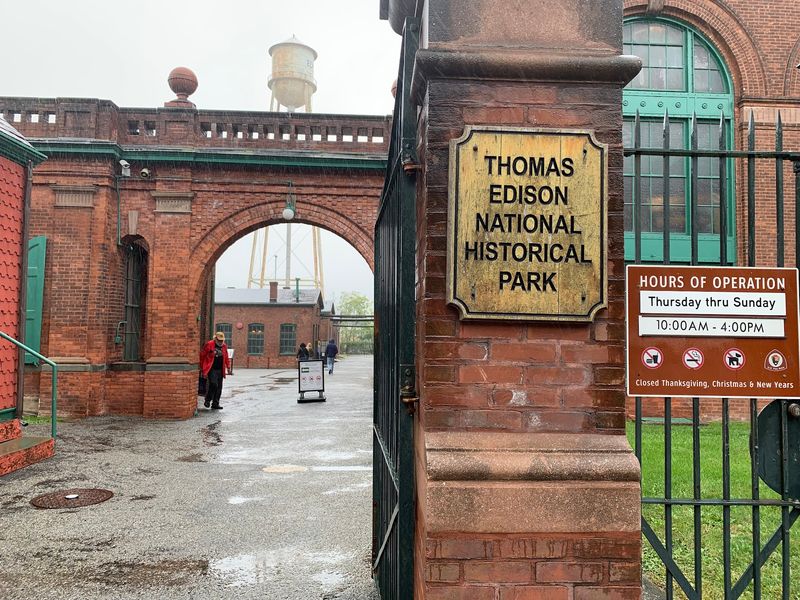
Here, industrial history wears a lab coat, which makes the whole experience feel a little different. West Orange shows that factories and industry were not only about raw materials and heavy labor, but also about research, testing, teamwork, and turning ideas into useful products.
The buildings help tell that story before any guide starts speaking. Workshops, laboratories, and production-related spaces reveal how invention could move from experiment to manufacture, giving visitors a strong sense that modern industry depended on organized creativity as much as muscle.
That angle makes this park especially memorable for students. Plenty of kids learn the name Edison early, but walking through a real work setting helps them understand invention as a process with drafts, tools, staff, repeated trials, and business goals all tied together.
Go slowly and let the rooms do some of the talking. Even small details can spark questions about sound recording, electricity, and mass production, and that curiosity is the real payoff because the site makes innovation feel like hands-on industrial history, not legend.
8. Historic Speedwell, Morristown
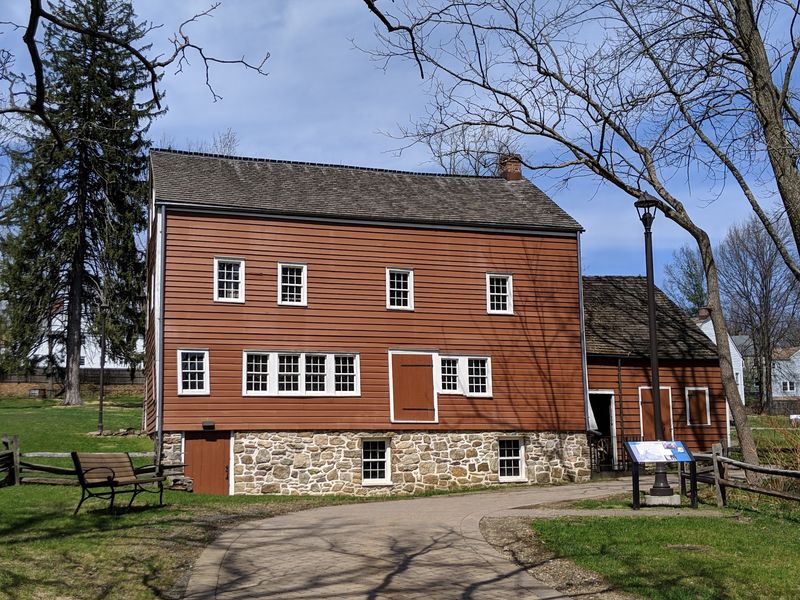
Speedwell has a smart, tinkering spirit that sneaks up on you in the best way. The site blends workshop energy, invention history, and early industrial development, so it feels less like a grand monument and more like a place where practical minds got busy solving problems.
That mood matters because industrial history is often easier to enjoy when it feels inventive instead of distant. Buildings and grounds here help visitors see how production, experimentation, and communication could overlap, creating a setting where new ideas had room to become real tools.
Morristown brings its own contrast too. You are not deep in wilderness or standing beside a giant waterfall, yet the site still shows how local geography, water power, and workshop space could support meaningful industrial activity in a compact, understandable way.
Look closely at how the spaces connect rather than hunting for one dramatic object. Speedwell shines through relationships between buildings, tasks, and ideas, and that makes it a great stop for anyone who likes history that feels hands on, brainy, and refreshingly grounded in place.
9. Red Mill Museum Village, Clinton
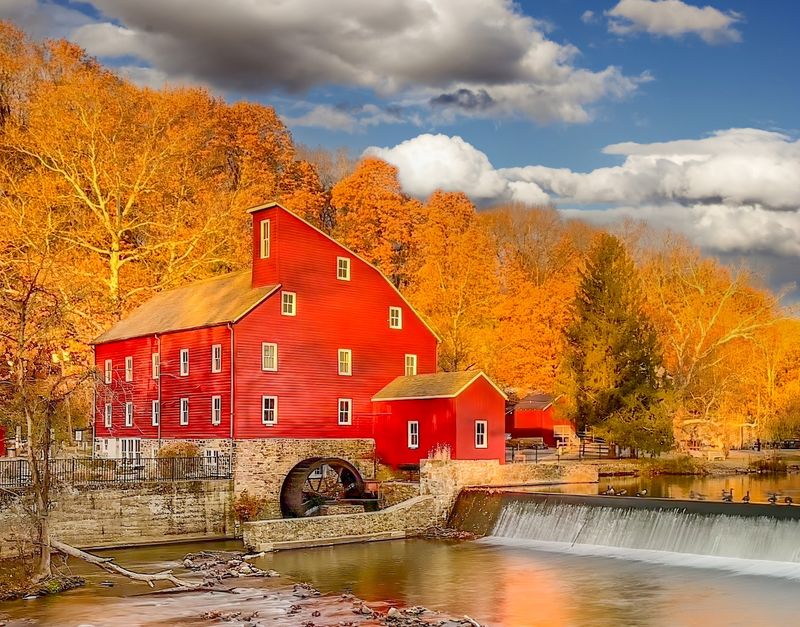
The Red Mill is famous for being photogenic, but the real fun starts when you look past the postcard view. Sitting by the water, the mill instantly shows how location mattered, because moving water was not decoration here; it was part of how work got done.
The surrounding village setting adds even more context. Industrial history at this site feels approachable since the buildings are easy to notice and the connection between the mill, the river, and town life comes across without much effort from the visitor.
That makes it a strong pick for beginners who want a clear example of older technology shaping a community. You can talk about power, transport, storage, and daily labor in simple ways while still enjoying one of the most recognizable historic scenes in New Jersey.
Try visiting with your camera, but keep your attention on function, not just color. Once you start reading the site as a working place instead of a pretty backdrop, the Red Mill becomes a vivid lesson in how industry and landscape once depended on each other closely.
10. Waterloo Village, Stanhope
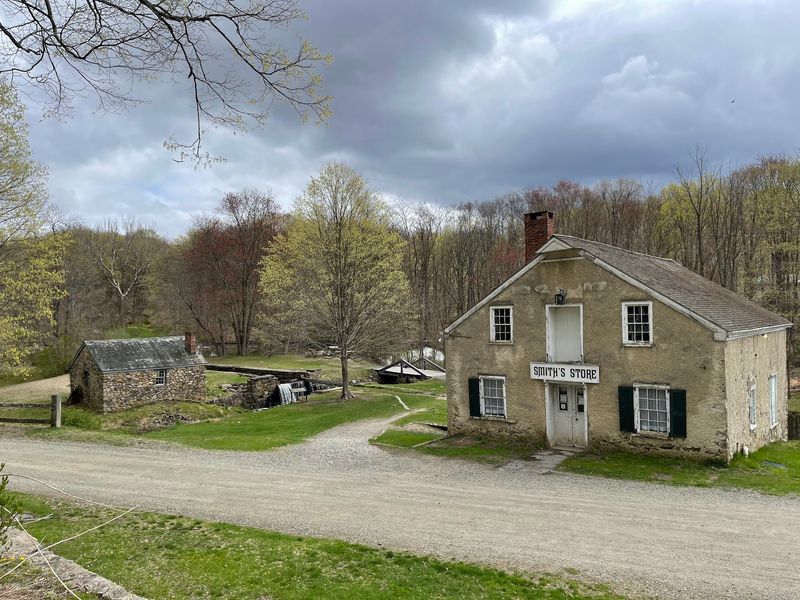
Waterloo feels like a place where transportation steals part of the spotlight, and that makes it especially interesting. Industrial history was never only about making goods, because moving materials and people mattered just as much, and the village setting helps that lesson land clearly.
Canal-related landscapes, service buildings, and preserved structures create a bigger picture than a single workshop could provide. As you walk around, it becomes easier to imagine supplies arriving, workers passing through, and local businesses depending on steady movement beyond the village itself.
That broader network is the key idea to notice here. A place like Waterloo reminds visitors that industry needed routes, timing, storage, and coordination, so the story includes commerce and travel right alongside production and the skills used to keep everything running.
Wear comfortable shoes and keep your eyes open for how water, roads, and buildings line up. Waterloo rewards people who enjoy putting clues together, and by the end, the village can feel like a map of how connected old industrial life really was across New Jersey.