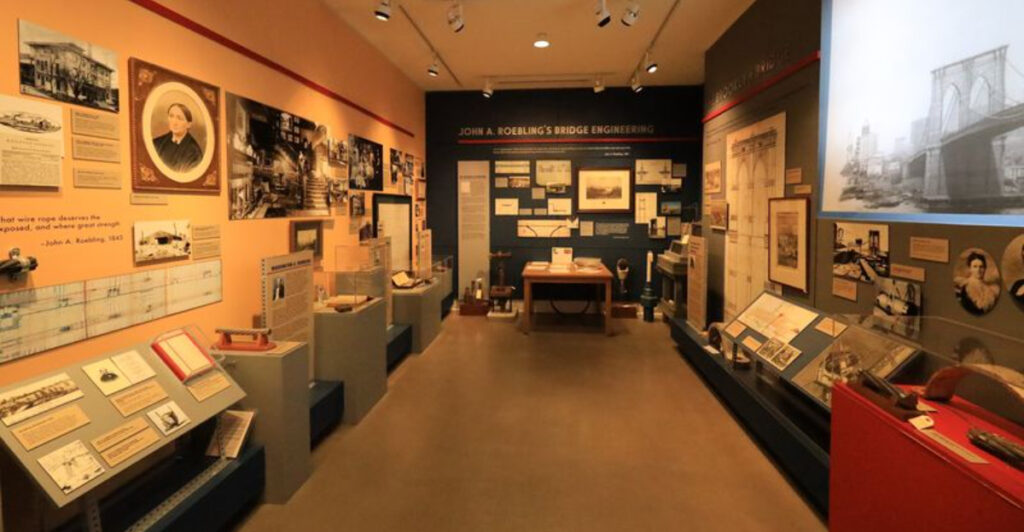
A catcher’s mitt, a 44,000-year-old walrus fossil, a vintage roadster, and several thousand insects walk into an article. That sounds like the setup for a questionable joke, but it is actually a fair preview of New Jersey’s smaller museums.
These places trade echoing galleries and marathon itineraries for tightly focused collections that can be explored without sacrificing an entire day. Some occupy historic mansions, former factories, and handsome old libraries.
Others specialize in baseball, African art, shipwrecks, or bugs large enough to make even committed nature lovers take one respectful step backward. Their compact size is part of the fun: visitors can slow down, read the labels, ask a volunteer a question, and still have time for lunch or a walk around town.
From Bergen County to Cape May, these 12 museums prove that an afternoon is plenty of time to encounter a genuinely good story—and perhaps a giant millipede.
1. African Art Museum of the SMA Fathers – Tenafly
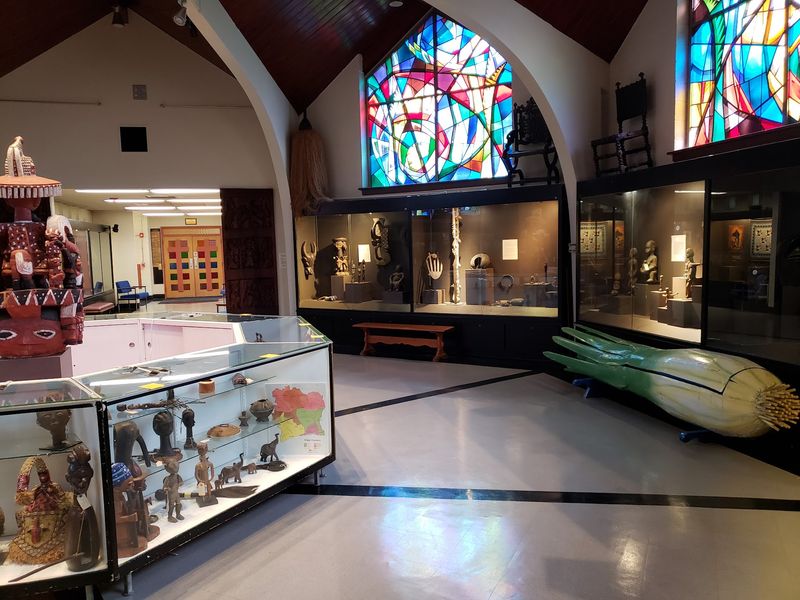
A carved mask can communicate power, humor, spirituality, and social rank before you have finished reading its label. That immediacy gives this quiet Tenafly museum much of its pull.
Established in 1980 by the Society of African Missions, it is one of the relatively few American museums devoted exclusively to African art. Its rotating collection reaches across sub-Saharan Africa, with sculpture, paintings, ceremonial objects, textiles, costumes, decorative pieces, and items connected to religion and folklore.
The presentation is intimate rather than overwhelming, so visitors can actually pause over the craftsmanship of a carved figure or study the patterns worked into a textile. Ornately carved doors and vivid masks are particular attention-grabbers, but the less dramatic household and cultural objects often provide the most revealing glimpse into daily life.
Because the museum shares its setting with the SMA Fathers’ mission, the visit feels unusually peaceful, with stained glass and the nearby chapel adding to the visual experience. This is not a museum that demands speed or a rigid route; wandering slowly and letting individual pieces catch your attention works perfectly well.
Admission has traditionally been free, with donations welcomed, and parking is available on the grounds. The museum is generally accessible throughout the week, though calling before making a special trip is sensible.
Allow an hour or two, then use the rest of the afternoon to explore downtown Tenafly.
2. Belskie Museum of Art & Science – Closter
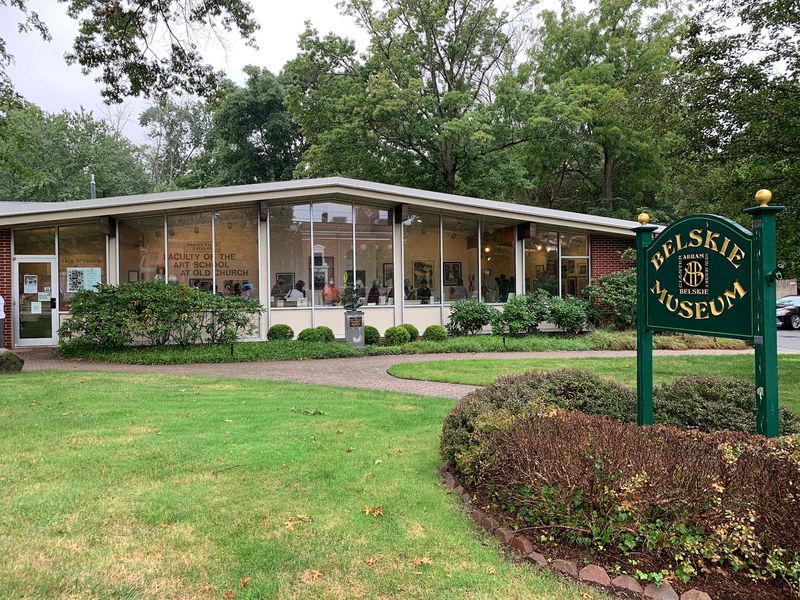
Few artists could claim equal familiarity with heroic public sculpture and the inner workings of the human body, but Abram Belskie was not a typical sculptor. Born in Scotland and later based in Closter, he created monuments, portrait busts, medals, and remarkably precise medical sculptures.
This compact museum preserves that unusual career while also hosting changing exhibitions by regional and national artists. Belskie’s anatomical work is the surprise here.
During his collaboration with physician Robert Latou Dickinson, he helped produce detailed medical models that turned complex biology into something doctors and students could study in three dimensions. Those pieces make the museum’s “Art & Science” name feel fully earned rather than decorative.
Elsewhere, visitors may encounter Belskie’s busts, reliefs, coins, and sculptures alongside juried shows featuring painting, photography, ceramics, or mixed media. The modest gallery space keeps everything approachable; you can circle back to a favorite work without needing a map or remembering which wing you left it in.
Exhibitions change regularly, so two visits may feel entirely different. Located in Closter’s downtown area, the museum is easy to combine with lunch or errands nearby.
Admission is generally free, but its public schedule is limited and may vary between exhibitions. Check the current calendar before heading out, especially if you are traveling any distance. Once inside, an unhurried hour is enough to appreciate the collection without rushing.
3. Aviation Hall of Fame and Museum of New Jersey – Teterboro
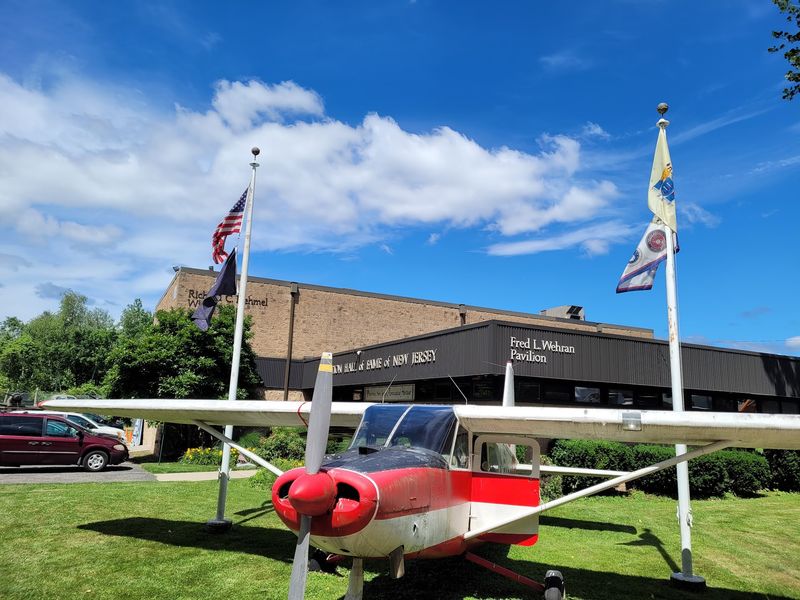
The aircraft parked outside offer the first clue that this unassuming building beside Teterboro Airport contains more than photographs in frames. Helicopters, military planes, and other full-size machines immediately set the mood, while the galleries inside trace New Jersey’s surprisingly substantial role in aviation and space exploration.
The collection mixes technical history with the human kind: pilot equipment, uniforms, engines, models, artwork, photographs, and personal memorabilia help connect famous machines to the people who designed and flew them.
Visitors can inspect vintage aircraft, learn about early Garden State aviators, and explore displays involving commercial flight, military service, and the space program.
Interactive elements, including a flight simulator and hands-on exhibits, give younger visitors something more exciting to do than patiently wait for the adults to finish reading.
Open Cockpit Days are especially popular because selected aircraft normally viewed from the outside become much more tangible once you are permitted to climb aboard.
The museum is small enough to cover in roughly two hours, but aviation devotees may linger over engines and scale models considerably longer. Parking is free, and the location beside an active airport adds occasional real-world sound effects.
Hours and access can change because volunteers help operate the museum, so confirm the schedule before leaving home. For the fullest experience, watch for a special event when more cockpits and vehicles are open.
4. Yogi Berra Museum & Learning Center – Little Falls
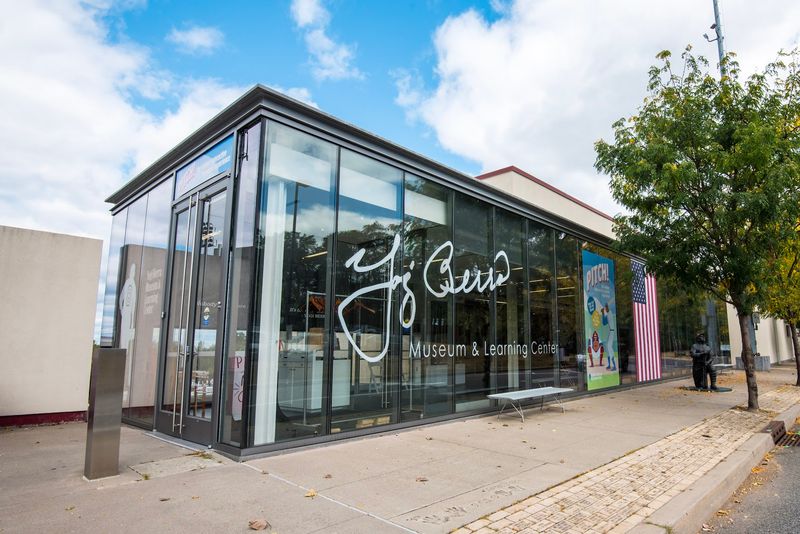
Baseball supplied Yogi Berra with ten World Series championship rings, three American League MVP awards, and enough famously twisted sayings to keep conversationalists busy for generations.
His museum on the Montclair State University campus celebrates all three, but it works because it goes well beyond a standard collection of trophies.
Game-used equipment, photographs, uniforms, championship memorabilia, and personal objects follow Berra from his childhood in St. Louis through his Navy service and extraordinary career with the New York Yankees.
One of the essential stops is the display of World Series rings, which makes his record of winning feel startlingly concrete.
A detailed model of Yankee Stadium and interactive baseball activities add movement to the galleries, while exhibits addressing teamwork, perseverance, immigration, and sportsmanship reveal why the institution calls itself a learning center.
Berra’s wit naturally gets its share of attention, yet the museum treats him as more than a collection of Yogi-isms.
His service during the D-Day invasion and his reputation as a loyal teammate provide some of the strongest material. The building is compact, polished, and manageable in about 90 minutes, even if you stop to watch video clips.
It sits beside Yogi Berra Stadium in Little Falls, and drivers should follow campus signs carefully rather than assuming the first university entrance will lead directly there. Check the schedule before visiting, since public hours are concentrated later in the week.
5. Macculloch Hall Historical Museum – Morristown
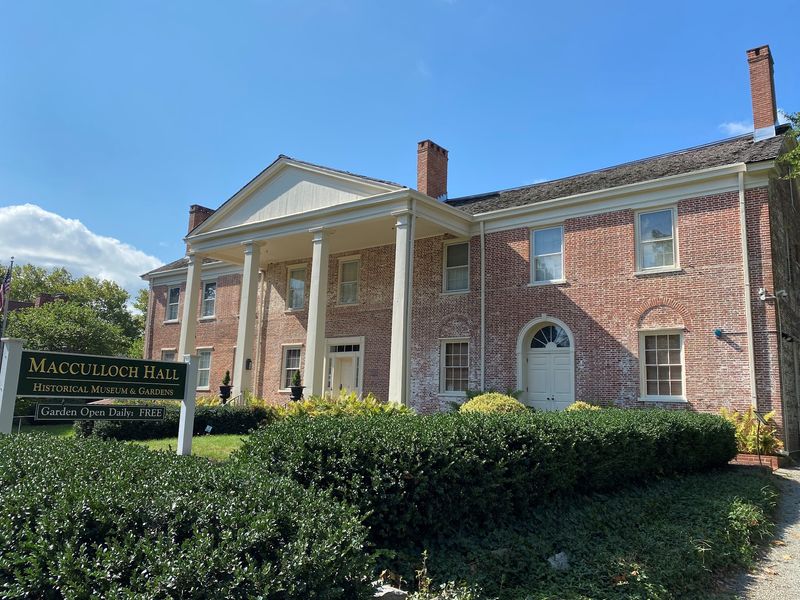
Six furnished rooms can reveal an impressive amount about 19th-century life when the furniture, paintings, carpets, silver, ceramics, and family papers have remained connected to the people who used them.
Built beginning in 1810, this Federal-style Morristown mansion belonged to generations of the Macculloch-Miller-Post family for nearly 150 years.
Its rooms still feel like domestic spaces rather than neutral galleries, which makes details such as patterned rugs, porcelain, and portraits easier to imagine as parts of everyday life.
The museum also holds the country’s largest collection of original work by political cartoonist Thomas Nast, the Morristown resident whose images helped shape enduring popular versions of Uncle Sam, Columbia, and Santa Claus.
Nast’s sharp political work gives the visit an energetic counterpoint to the genteel household setting. George Macculloch, the home’s original owner, was also instrumental in developing the Morris Canal, tying this one address to a much larger chapter of New Jersey commerce.
After touring the house, save time for the gardens. A wisteria given to the family by Commodore Matthew Perry in 1857 still grows here, along with one of the state’s oldest sassafras trees.
The gardens are generally open more often than the house and are free to enter. Museum tours and exhibition hours can be limited, so planning ahead matters.
Two hours comfortably covers the interiors and a relaxed garden walk.
6. Museum of Early Trades & Crafts – Madison
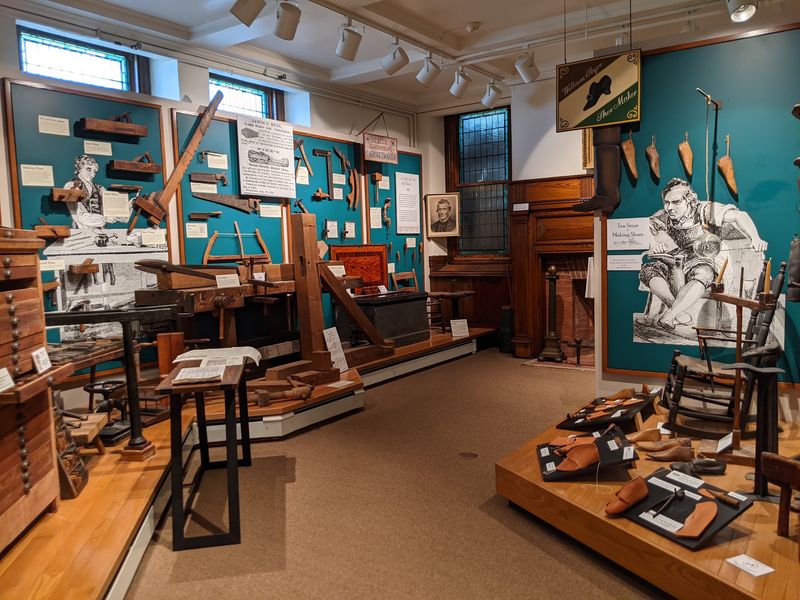
Before power tools and overnight shipping, a cooper, printer, shoemaker, cabinetmaker, or blacksmith could be essential to the daily functioning of a New Jersey town. Madison’s Museum of Early Trades & Crafts brings those jobs back into focus through the hand tools and objects left behind by working people.
Visitors can see how craftspeople shaped wood, metal, leather, and other raw materials during the 18th and 19th centuries, when a well-made object might serve a family for decades.
The permanent displays include tools used in trades ranging from distilling to printing, while the “Working the Land” exhibition examines farm life, ingenuity, and technological change in early-1800s New Jersey.
Even visitors who do not arrive excited about antique tools tend to discover something absorbing in the specialized forms and clever mechanical solutions. The setting deserves equal attention.
The museum occupies the James Library Building, a handsome 1899 Richardsonian Romanesque landmark built from rough-cut stone and topped by a clock tower. Its arches, woodwork, and former library spaces give the displays a visual richness that a plain modern gallery could not match.
Admission is modest, and families benefit from a capped family rate. Public parking can be found behind nearby Main Street businesses, with additional spaces on surrounding streets.
The museum is compact enough for a leisurely 90-minute visit, leaving time to browse Madison’s walkable downtown afterward. Weekend and seasonal hours vary, so confirm them before setting out.
7. Red Mill Museum Village – Clinton
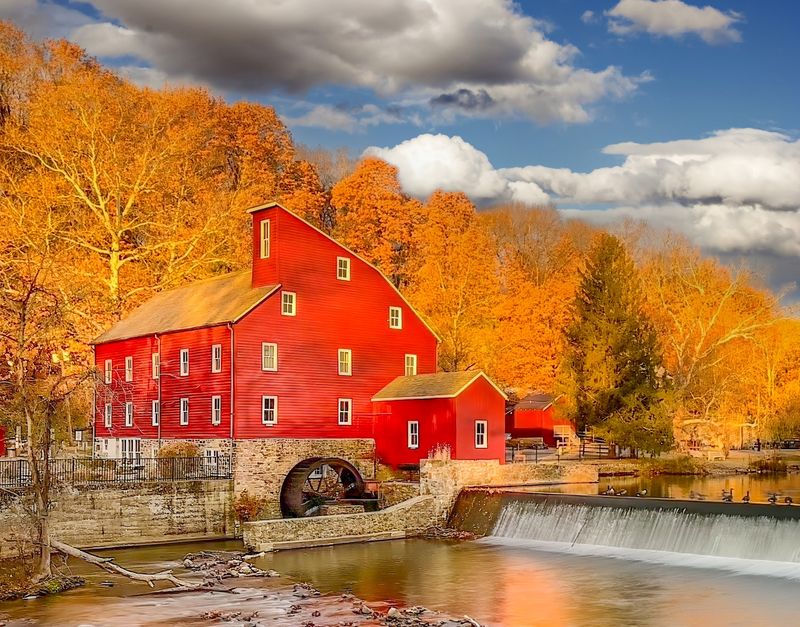
Clinton’s bright red mill looks almost suspiciously photogenic beside the South Branch of the Raritan River, but the machinery and weathered buildings behind that famous façade tell a decidedly hardworking story.
Constructed around 1810, the mill supported several industries over its long operating life, processing materials that included wool, grain, talc, and graphite.
Today, visitors can move through its narrow interior and see equipment that helps explain how waterpower and simple machines once kept local businesses running. The surrounding ten-acre property expands the story without becoming an all-day undertaking.
A quarry complex, stone crusher, schoolhouse, log cabin, limekilns, and working blacksmith shop illustrate the labor, education, and home life of earlier Hunterdon County communities. Demonstration days are particularly rewarding; the clang of a blacksmith’s hammer can make the site feel far less distant than a row of static artifacts ever could.
Uneven surfaces, stairs, and historic construction are part of the experience, though portions of the property are accessible and a video tour helps cover areas that some visitors cannot reach. Limited museum parking is available, with municipal options nearby.
Set aside two to three hours, depending on how many buildings are open. The museum’s schedule changes around seasonal events—especially its popular autumn programming—so check ahead.
Afterward, cross the bridge for a meal or a stroll through compact downtown Clinton.
8. Roebling Museum – Roebling
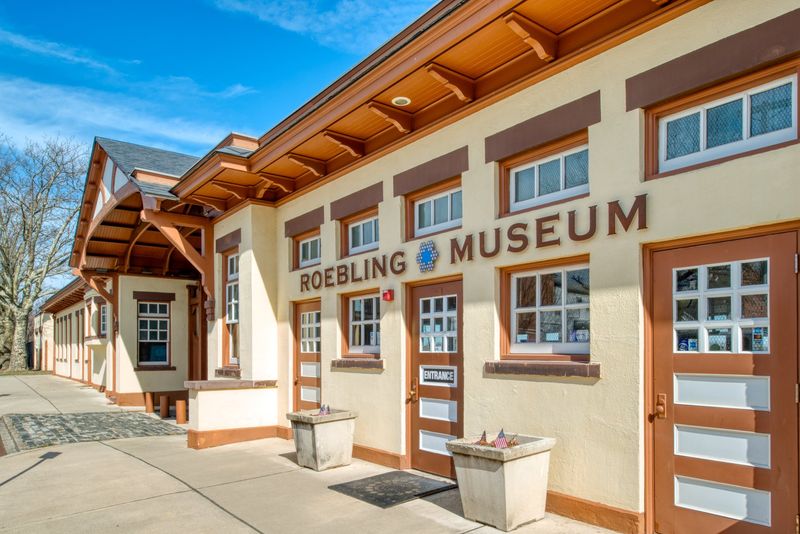
Every suspension bridge begins with an argument against gravity, and the Roebling family became exceptionally good at winning it. This Florence Township museum occupies the former gatehouse of the John A.
Roebling’s Sons Company steel and wire mill, where workers produced cables for major engineering projects around the world. Exhibits explain how John A.
Roebling developed wire-rope technology and how the family’s company became connected to landmarks such as the Brooklyn Bridge, the George Washington Bridge, and the Golden Gate Bridge. Models, tools, photographs, advertisements, wire samples, and industrial equipment turn those enormous achievements into understandable steps.
Just as important, the museum examines the planned company town built around the mill. Immigrant laborers from many countries lived in Roebling, worked demanding jobs, raised families, and developed a community whose layout remains visible today.
That social history keeps the story from becoming a simple celebration of famous engineers. The museum’s scale is ideal: large enough to provide substance, but focused enough that visitors can follow the entire narrative in about two hours.
An audio tour adds context, and occasional walking tours carry the story beyond the gatehouse into the surrounding streets and former industrial grounds. The museum generally operates on a limited weekly schedule, and special tours may require advance registration.
Parking is straightforward, and the building is accessible. Anyone who has crossed a great suspension bridge will leave with a sharper appreciation for the wire—and workers—holding it up.
9. Vintage Automobile Museum of New Jersey – Point Pleasant
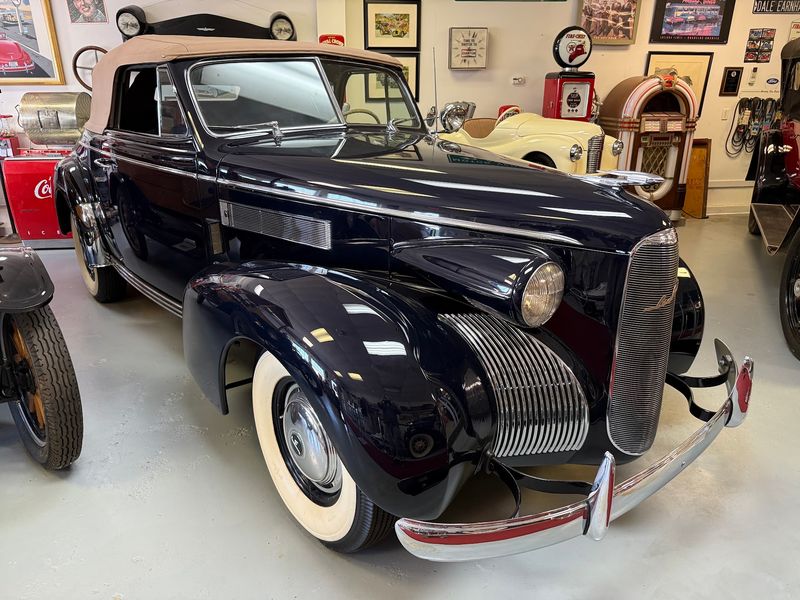
Chrome gleams differently under museum lights, particularly when it wraps around a grille wide enough to look like it has opinions. At this volunteer-run Point Pleasant museum, a rotating lineup of vintage vehicles showcases the eras when hood ornaments, tail fins, running boards, and bold curves gave cars distinct personalities.
The displays can span more than 75 years of automotive design, from early machines to midcentury cruisers and later classics. Because many vehicles are loaned by collectors and change periodically, the museum rewards repeat visits.
One month might spotlight British sports cars; another could lean toward American luxury, muscle, or prewar engineering. Automotive memorabilia, signs, tools, models, and period objects fill in the cultural story around the cars.
The knowledgeable volunteers are a major part of the experience. Ask about an unusual dashboard control or a particular engine, and there is a good chance someone nearby has a detailed answer—possibly accompanied by a personal story about driving one.
The collection occupies a manageable space inside the Johnson Brothers Boat Works complex, making an hour or two feel satisfying rather than abbreviated. Finding the building is the only small adventure: it sits off Bay Avenue, and visitors must turn onto Meadow Avenue to reach Building 13.
Admission is free, though donations help support operations. The museum is generally open weekend afternoons, but calling ahead is wise because weather and volunteer availability can affect the schedule.
10. New Jersey Maritime Museum – Beach Haven
A map marking more than 500 shipwrecks off the New Jersey coast has a way of changing how you look at a calm day on the water.
It is one of the most memorable displays inside this Beach Haven museum, where maritime history is told through objects recovered, preserved, and researched by people who know the state’s coastline intimately.
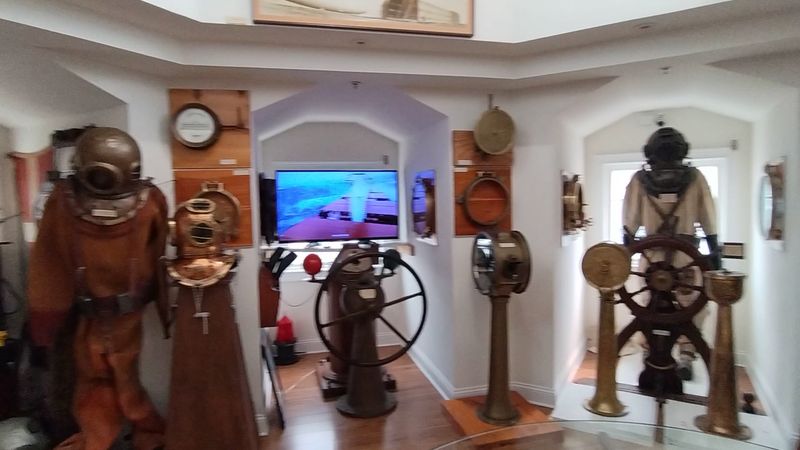
Shipwreck artifacts crowd the galleries alongside navigational instruments, antique diving equipment, lighthouse material, shipbuilding tools, photographs, and records from the U.S. Life-Saving Service.
The extensive exhibit on the 1934 Morro Castle disaster is especially compelling, combining photographs, news footage, survivor material, menus, keys, and rescue accounts to reconstruct the burning passenger liner’s tragic final voyage.
Elsewhere, visitors can examine a Mark V diving suit, fossils recovered from the continental shelf, and china brought up from the 1827 wreck of the Aurora.
There is plenty here for serious maritime buffs, but the displays also work for casual visitors because nearly every object comes attached to danger, ingenuity, or a good mystery. The museum sits near the water at the southern end of Long Beach Island and can be explored comfortably in two hours, though dedicated readers may need longer.
Admission is free, with donations appreciated. It opens daily during the summer and follows a reduced weekend schedule through much of the rest of the year. Pair it with a walk around Beach Haven’s docks for an easy afternoon.
11. Insectropolis – Toms River
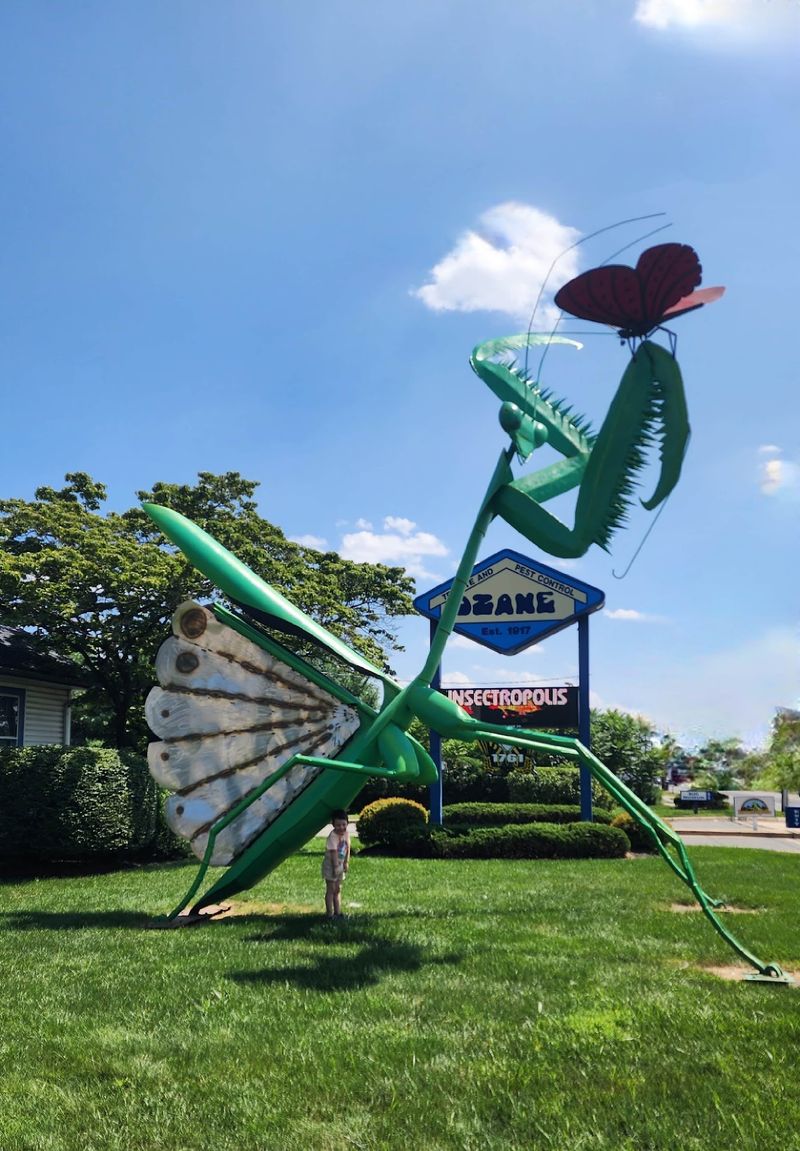
The giant bug looming outside this Route 9 building is not subtle, which is exactly right. Insectropolis calls itself New Jersey’s “Bugseum,” and its colorful rooms turn entomology into something playful, hands-on, and only occasionally squirm-inducing.
Displays introduce beetles, butterflies, ants, bees, termites, spiders, and other arthropods through mounted specimens, enlarged models, live habitats, and interactive exhibits.
Visitors can peer into an observation hive, inspect the elaborate workings of a termite colony, and appreciate the astonishing variety of colors and shapes found among insects from around the world.
The presentation balances cartoonish fun with real science, making it particularly effective for elementary-age children without talking down to curious adults. Live touch presentations are the clear highlight.
Depending on the day and available animals, brave participants may get close to creatures such as a millipede, tarantula, or scorpion while a staff member explains how it moves, eats, and protects itself. No one is required to volunteer a hand, thankfully.
The museum is compact and typically takes 90 minutes to two hours, a near-perfect length for families who want an outing without inviting late-afternoon meltdowns. Admission is charged per visitor, with very young children entering free.
School-year and summer schedules differ, and the museum occasionally closes between seasonal programs, so check the calendar carefully. Try to time the visit around a touch presentation; watching someone reconsider their confidence around a giant millipede is part of the experience.
12. Harriet Tubman Museum of New Jersey – Cape May
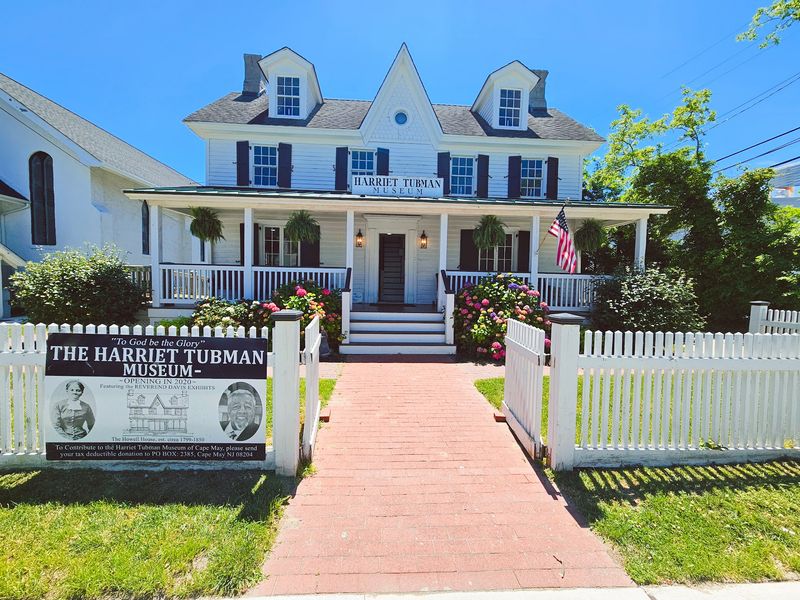
Cape May’s history extends well beyond Victorian porches and seaside vacations. Harriet Tubman lived and worked in the city during the early 1850s, earning money through domestic and cooking jobs that helped fund her dangerous rescue missions along the Underground Railroad.
This small museum places that chapter within the larger story of Tubman’s life, courage, faith, and abolitionist work. It also brings overdue attention to Cape May’s free Black community, abolitionist activity, churches, and individuals who contributed to the long fight against slavery.
Photographs, artwork, documents, timelines, and interpretive displays fill a former parsonage beside Macedonia Baptist Church.
The modest rooms encourage close attention, and a guided tour is worth choosing when available; knowledgeable interpreters connect national events to local names and addresses in ways that make the city outside feel newly significant.
One especially powerful part of the experience is recognizing how Tubman’s ordinary paid labor in Cape May supported extraordinary work elsewhere. This is a focused museum, not an exhaustive biography, and most visits take about an hour.
Timed admission helps prevent the small galleries from becoming crowded, so reservations are strongly recommended and may become essential during summer. Parking at the museum is extremely limited, but street spaces and public parking can be found nearby.
Leave the car once you have a spot. The Lafayette Street location is within walking distance of central Cape May, making the museum an easy and meaningful anchor for an afternoon in town.