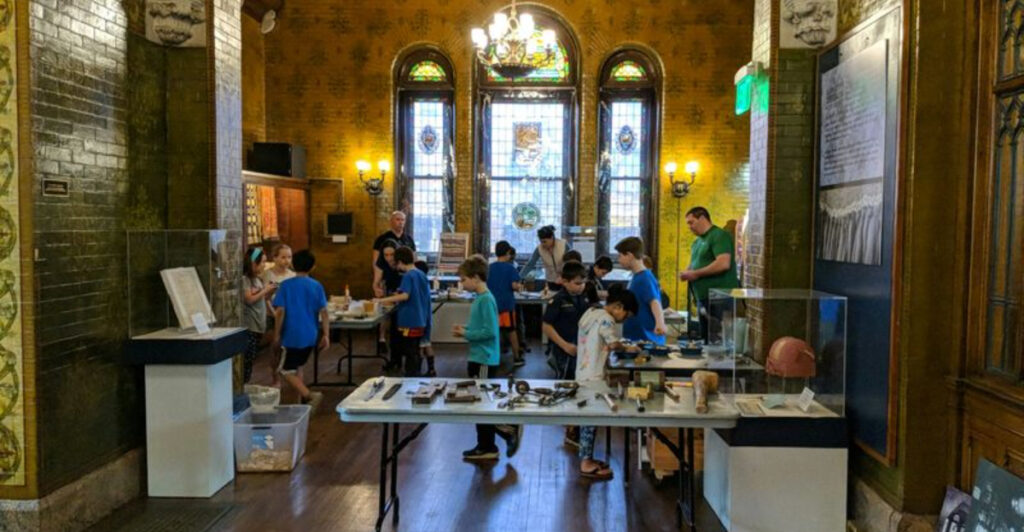
A telegraph key clicks in Morristown. Sparks jump from a blacksmith’s hammer near the Shore.
Deep beneath Sussex County, an ordinary gray rock suddenly glows electric green. New Jersey history is much more interesting when it refuses to stay behind glass.
Across the state, museums, farms, ships, mines, and entire villages invite visitors to do more than read dates from a plaque.
You can churn butter, climb into a military aircraft, explore a battleship’s passageways, watch antique printing presses work, and walk through the same industrial landscapes that helped build modern America.
Some experiences unfold every day, while others depend on seasonal demonstrations, festivals, or guided tours, so a little advance planning pays off. What connects these 13 places is the chance to get close to the real tools, trades, machines, and routines of earlier New Jersey life.
History here does not whisper from a display case. It hands you the tools and puts you to work.
1. Historic Cold Spring Village – Cape May
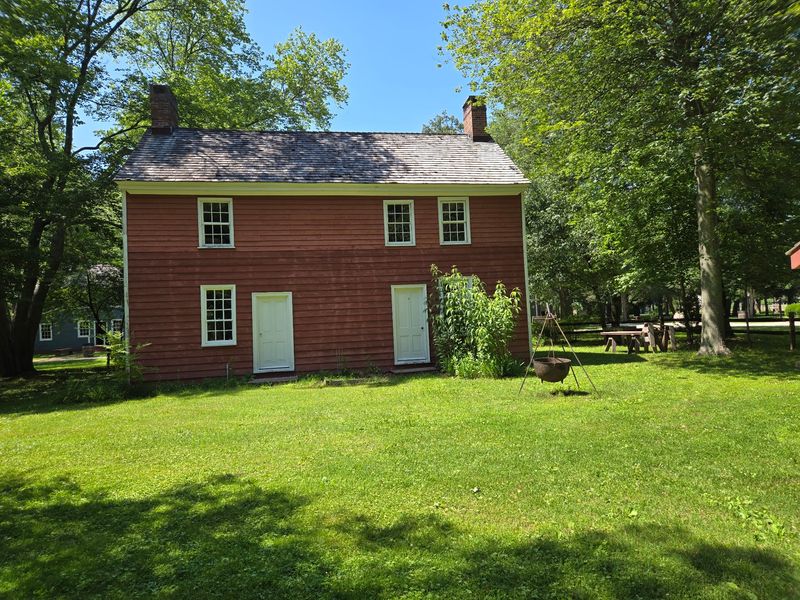
Step through the gates here, and the modern beach mood fades fast. Dirt paths, old houses, and costumed interpreters help Cape May County feel close enough to touch, which is why families, school groups, and curious adults keep coming back for another round.
Hands-on learning matters at a place like this because watching is only half the story. Seeing tools, kitchens, gardens, and workshops arranged in lived-in ways makes it easier to picture how daily chores shaped local life before cars, supermarkets, and glowing phone screens filled every spare minute.
Give yourself time to wander instead of racing from building to building. Kids usually stay more interested when they can stop for demonstrations, ask questions, and compare old jobs with their own routines at home after noticing how much effort simple tasks once required.
A smart visit starts with comfortable shoes, water, and patience for side paths. The reward is a clear sense of South Jersey history told through streets and spaces that feel personal rather than distant, formal, or trapped behind glass cases.
2. The Historic Village at Allaire – Farmingdale
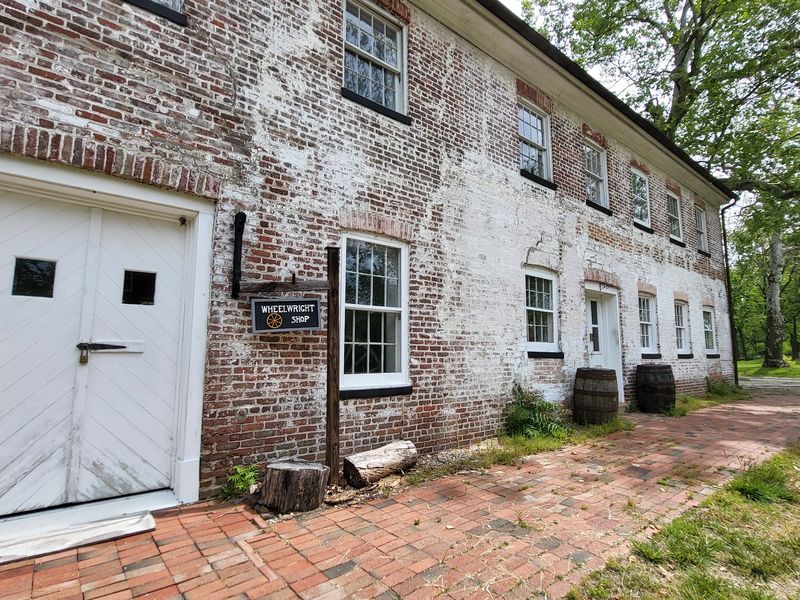
Some history sites whisper, but Allaire has a little extra spark. Its mix of village streets, work spaces, and restored buildings gives the place a storybook feel, while still hinting at the hard labor and community life that once kept everything moving.
What makes a visit stick is the way big ideas become visible in small details. A blacksmith area, simple homes, and everyday objects can help younger visitors understand that history is not only about famous names, but also about workers, families, and routines.
Try visiting with one goal instead of trying to absorb everything at once. Maybe focus on jobs, food, clothing, or how people traveled, then let each stop build that theme, because a simple question can turn a pleasant walk into a memorable learning day.
The village also works well for readers who like imagining scenes as they move along. Farmingdale feels nearby, but the setting can still nudge your brain into another era, making New Jersey industrial history easier to picture, discuss, and remember later.
3. Howell Living History Farm – Hopewell Township
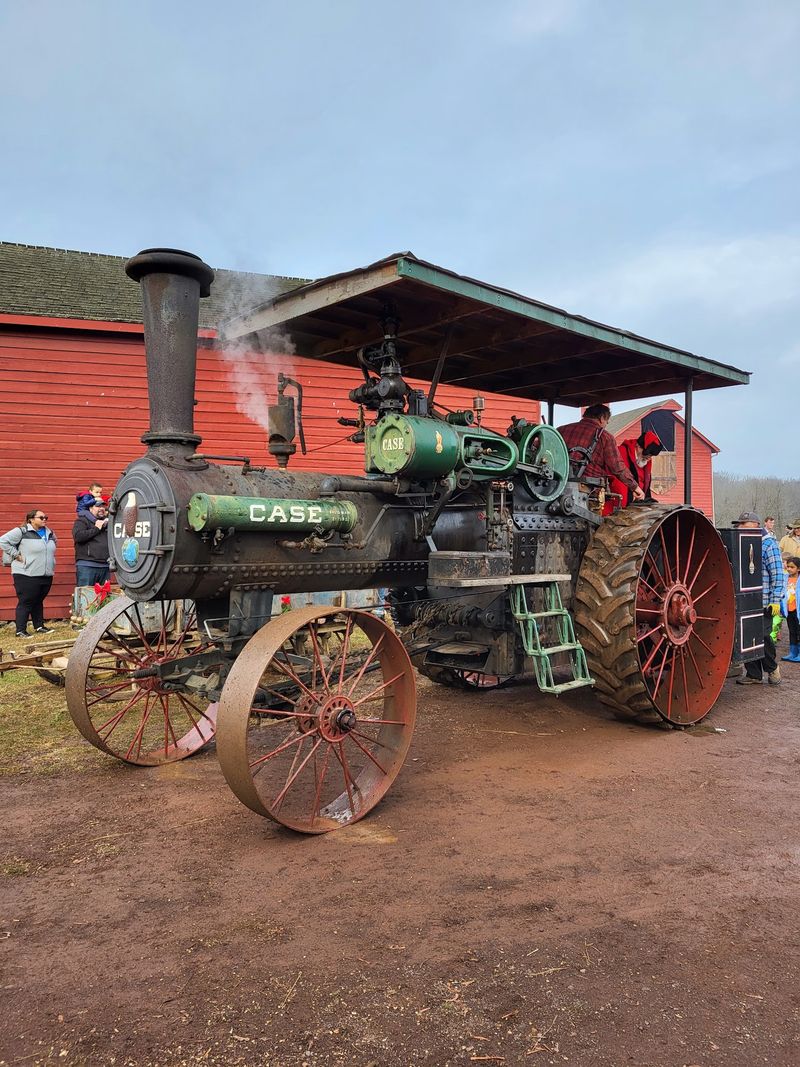
If a kid has ever wondered where food really starts, this farm can answer that fast. Fields, animals, barns, and working spaces make the past feel active, not frozen, and that practical energy is a big reason the place leaves such a strong impression.
Farm history becomes easier to understand when you can connect chores to real needs. Feeding animals, growing crops, fixing equipment, and managing weather were not cute extras.
They shaped family schedules, local business, and the rhythm of life across rural New Jersey.
Come ready for dust, changing weather, and a little unpredictability, because that actually adds to the experience. A visit feels more honest when you notice muddy ground, tool wear, and the plain fact that old farm work demanded patience, strength, and steady habits.
Hopewell Township gives this site room to breathe, and that open landscape matters. Instead of reading about agriculture in a paragraph, visitors can look across the land and understand why farming communities developed the values, skills, and teamwork they did.
4. Fosterfields Living Historical Farm – Morristown
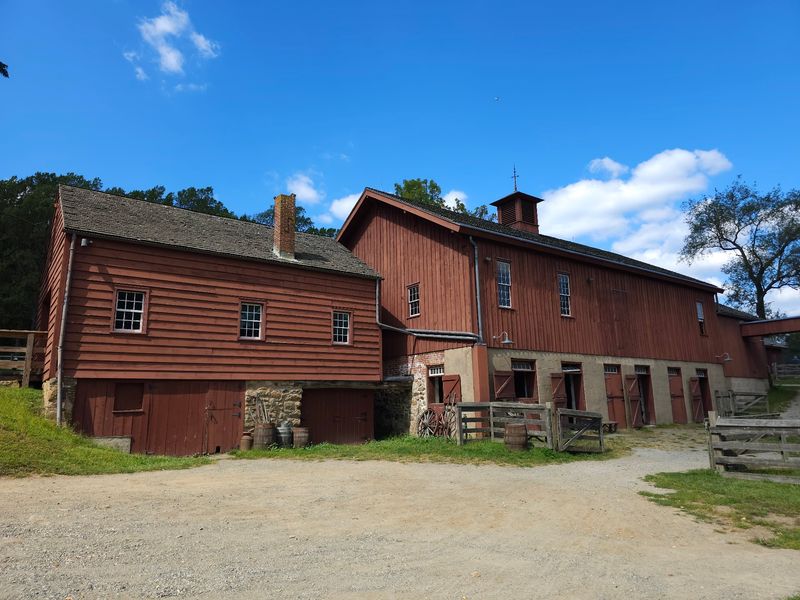
Fosterfields has a grounded, no-nonsense charm that makes history feel useful. Instead of treating the past like a distant performance, it shows how a farm operated through routines, tools, animals, and decisions that shaped each day from morning chores to evening cleanup.
That working-farm atmosphere is the key. Visitors can better understand old New Jersey life when they notice practical details, like how buildings are arranged, why certain tasks had to happen in order, and how weather or season could change nearly everything.
Parents can make the day more fun by turning it into a comparison game. Ask which tools seem hardest to use, which chores would take longest, or which jobs children today would complain about first, and the conversation almost runs itself.
Morristown has several strong history stops, but this one brings everyday labor into sharp focus. It is especially good for people who like seeing how ordinary families managed food, animals, land, and time without the shortcuts most of us barely notice now.
5. East Jersey Old Town Village – Piscataway
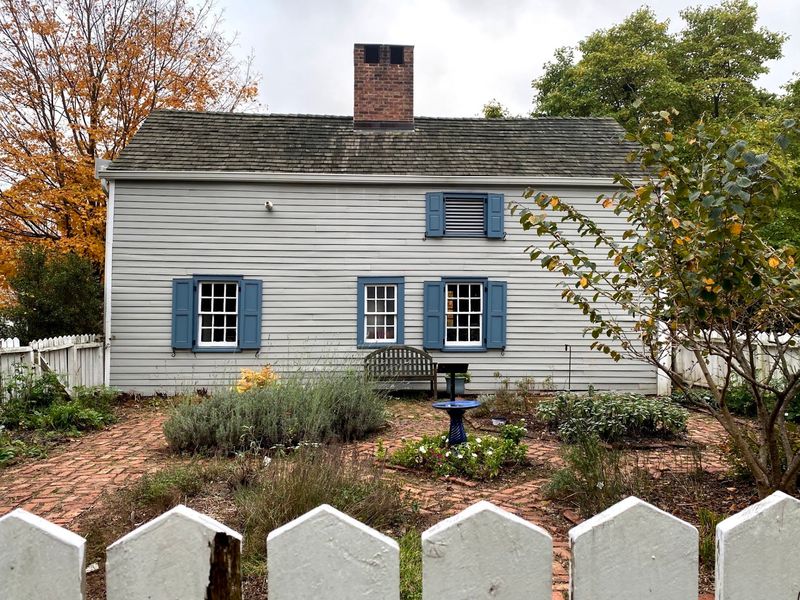
Here is the kind of place that rewards slow walking and curious eyes. A cluster of historic buildings can seem simple at first, yet each doorway, room, and path helps build a stronger picture of how earlier New Jersey communities were organized.
Because the village setting groups different structures together, visitors can compare homes, public spaces, and work areas in one trip. That makes it easier to understand that history happened across whole neighborhoods, not inside one famous house standing alone.
Bring a notebook, even if you are not usually that kind of traveler. Jotting down odd details, like stair shapes, fireplaces, storage spaces, or room sizes, helps younger visitors notice how design connected directly to daily needs and available resources.
Piscataway gives this site a strong local anchor, and that matters for school-age learners. Instead of hearing broad statements about early America, they can focus on a real New Jersey place and leave with examples they can actually describe afterward.
6. Tuckerton Seaport & Baymen’s Museum – Tuckerton
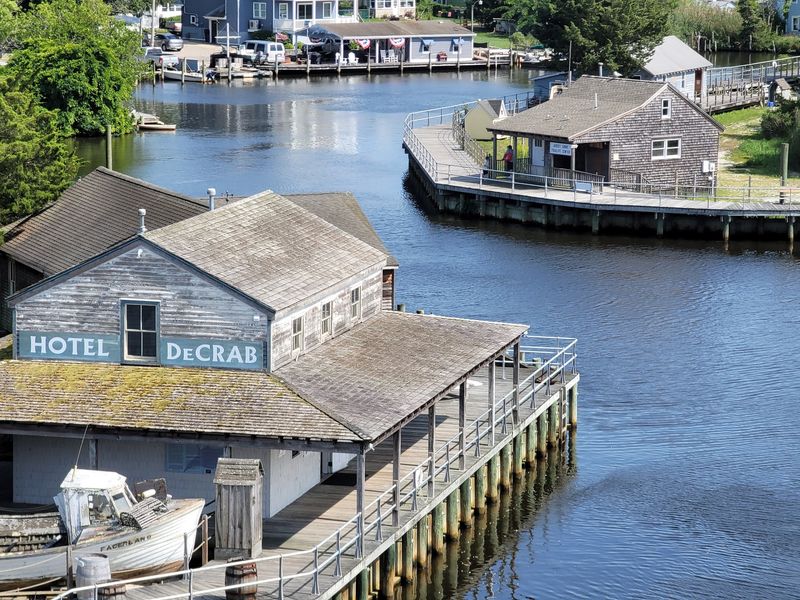
New Jersey history is not only farms and battlefields, and Tuckerton proves it. Near the water, local stories take on a salty edge, shaped by boats, weather, fishing traditions, and the daily skills people needed to make a living by the bay.
The seaport setting helps visitors connect geography to history in a very direct way. Marshes, docks, and working waterfront details show how the environment guided jobs, travel, food, and even the kinds of tools communities depended on from season to season.
Children often respond well here because the subject feels active and visual. Boats, rope, wood, and shoreline views can open better conversations than a textbook page, especially when adults point out how much local knowledge people needed before modern equipment became common.
Plan a little extra time simply to look around outdoors. Tuckerton’s atmosphere is part of the lesson, and soaking in the bay setting makes the museum experience stronger, helping visitors remember that coastal history is built from place as much as people.
7. Sterling Hill Mining Museum – Ogdensburg
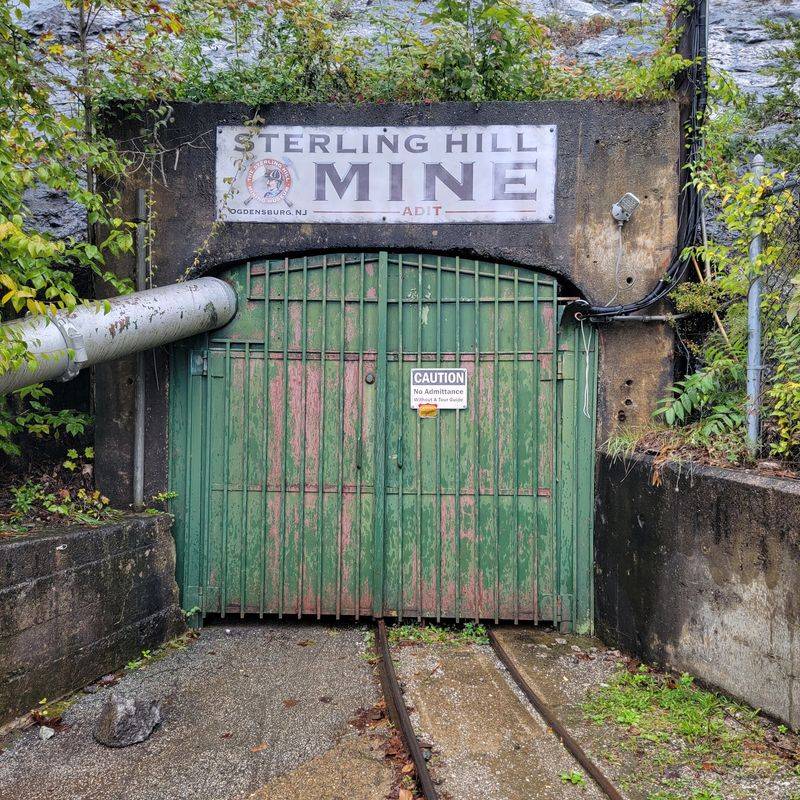
Few places make local industry feel as dramatic as an old mine. Sterling Hill has the kind of setting that instantly grabs attention, because rock, tunnels, machinery, and mineral color turn a history lesson into something that feels bold and surprisingly physical.
Mining history also tells a bigger New Jersey story about labor, resources, and risk. When visitors see equipment and underground spaces, it becomes easier to understand that raw materials did not appear by magic.
People extracted them through tough, skilled, often dangerous work. A visit here works best when you lean into questions. How did workers navigate? What did a long shift feel like? How did a mining town depend on what happened underground?
Those thoughts help the site feel human, not just technical or industrial.
Ogdensburg is not a casual beach stop, and that is part of the appeal. The museum offers a different slice of state history, one built from geology, problem-solving, and grit, with enough visual punch to stick in your memory long afterward.
8. Battleship New Jersey Museum & Memorial – Camden
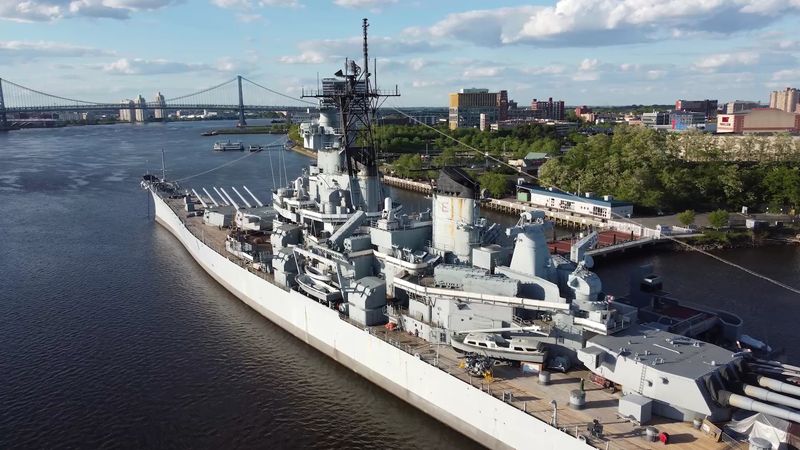
Standing beside this ship, one fact becomes very clear very quickly. History can be huge.
The scale alone changes how people think about naval service, because hallways, ladders, sleeping areas, and deck space show how much organization life aboard required.
It is one thing to hear that a battleship had a crew, and another to move through the spaces where people ate, worked, rested, and handled serious responsibility. That physical experience helps military history feel more personal and less abstract for younger visitors.
Wear shoes with good grip and expect plenty of stairs or narrow passages. Moving carefully through the ship is part of the lesson, since the layout hints at how demanding daily routines could be, especially during long stretches away from ordinary life on land.
Camden gives the museum an urban backdrop that adds another layer of contrast. A giant historic vessel against a modern riverfront scene reminds visitors that local history is not hidden away somewhere else.
It is still right here, towering over the present.
9. Naval Air Station Wildwood Aviation Museum – Cape May Airport
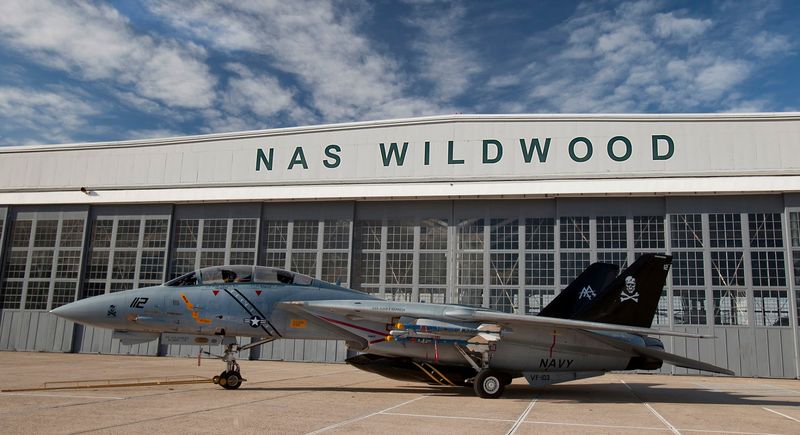
Airplanes have a way of making kids stop talking for a second, and that is useful. At this museum, the aircraft and hangar setting create instant interest, which opens the door to conversations about training, technology, service, and New Jersey’s wartime connections.
The best part is how the space itself helps tell the story. A historic aviation setting feels different from a standard gallery, and that difference can help visitors imagine noise, motion, teamwork, and the constant preparation behind every flight connected to military operations.
Do not rush past the details in favor of only the biggest planes. Signs, equipment, and smaller exhibit features often explain how a base functioned day to day, which can be the bridge that turns a cool outing into a stronger understanding of local history.
Cape May Airport adds a real-world backdrop that keeps the experience grounded. Past and present sit close together here, making it easier to see that aviation history is not just about machines.
It is also about place, training, routine, and people working together.
10. Red Mill Museum Village – Clinton
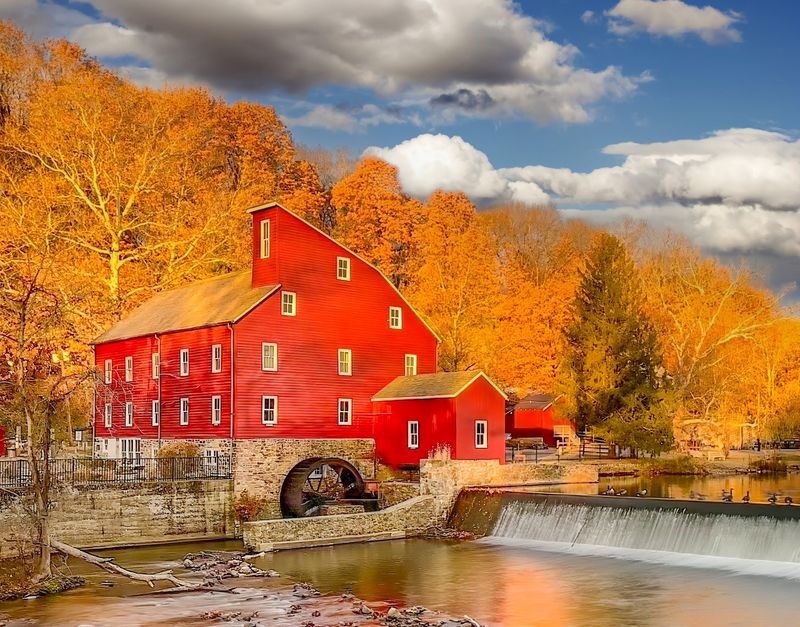
Some places look historic in a way that practically begs for a photo, and Red Mill is one of them. The visual charm helps, but the real strength is how the village setting can pull visitors into questions about work, trade, community, and change.
Seeing several structures together makes history feel layered instead of flat. Buildings, water, and pathways suggest that local life depended on systems, not single moments, and that idea can help younger visitors connect industry, transportation, and everyday needs more clearly.
Clinton is an easy place to pair with a relaxed day trip, so take advantage of that. A slower pace works well here, especially for families who want time to talk through what they notice instead of treating the museum like a quick checklist stop.
One good strategy is to focus on movement. Ask how goods, people, or information might have traveled through a place like this, and the site starts to reveal itself in a more dynamic way, with local history flowing from one building to the next.
11. Historic Speedwell – Morristown
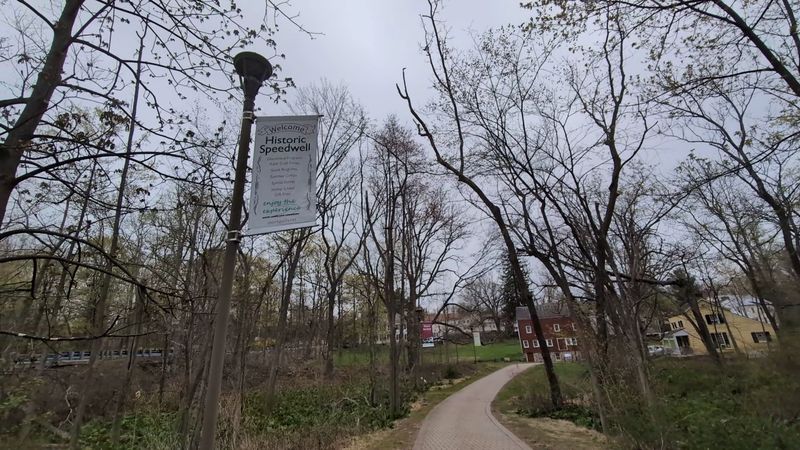
Historic Speedwell feels like the kind of place built for people who enjoy asking how things worked. Instead of serving only pretty rooms and old furniture, it leans into invention, industry, and problem-solving, which gives the whole experience a sharper edge.
That focus can be great for middle school readers who like stories about ideas becoming real tools. Workshops, buildings, and preserved spaces help explain that local history includes experimentation, business, and the messy process of turning plans into useful results.
Try approaching the visit like a detective story. Look for clues about labor, materials, space, and communication, then piece together what kinds of challenges people had to solve.
Suddenly, history stops feeling finished and starts feeling like active decision-making.
Morristown offers a rich backdrop for many eras, yet Speedwell stands out by giving innovation real texture. Visitors leave with more than dates.
They leave with a sense that New Jersey history was shaped by curious minds, practical needs, and persistent effort.
12. Museum of Early Trades & Crafts – Madison
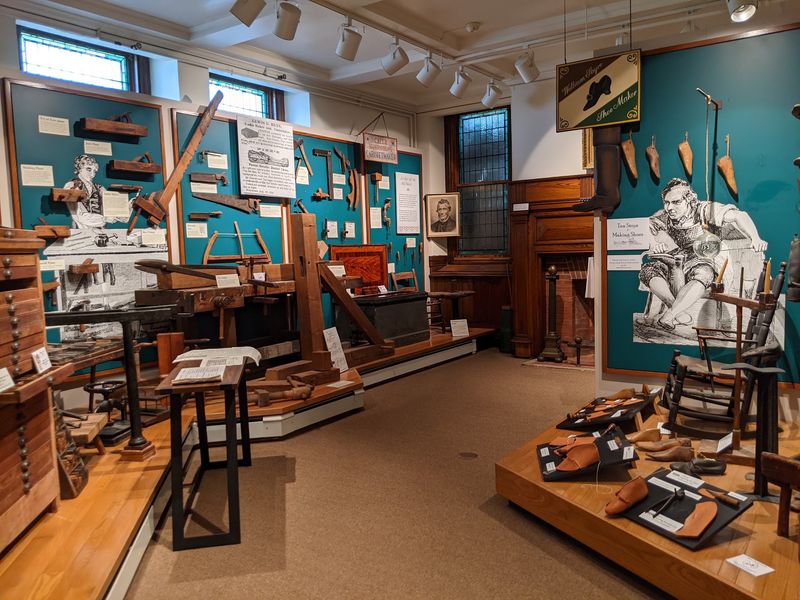
Here is where small objects do some very big storytelling. The Museum of Early Trades and Crafts turns tools and handmade items into clues about daily life, showing how skill, patience, and local know-how once shaped everything from homes to household routines.
For kids especially, trades can be a smart way into history because they are concrete. A tool has a job.
A craft takes steps. Once visitors connect an object to a person using it, the past starts to feel more real and much less distant.
One helpful approach is to pick a single trade and follow it closely. Notice the materials involved, the motions required, and the problems that worker likely solved for neighbors, then compare that process with how the same need gets handled today.
Madison gives the museum a strong community setting that fits the subject well. Rather than focusing on dramatic events, this stop highlights the everyday talents that kept towns running, making local history feel practical, relatable, and surprisingly easy to talk about later.
13. Roebling Museum – Roebling
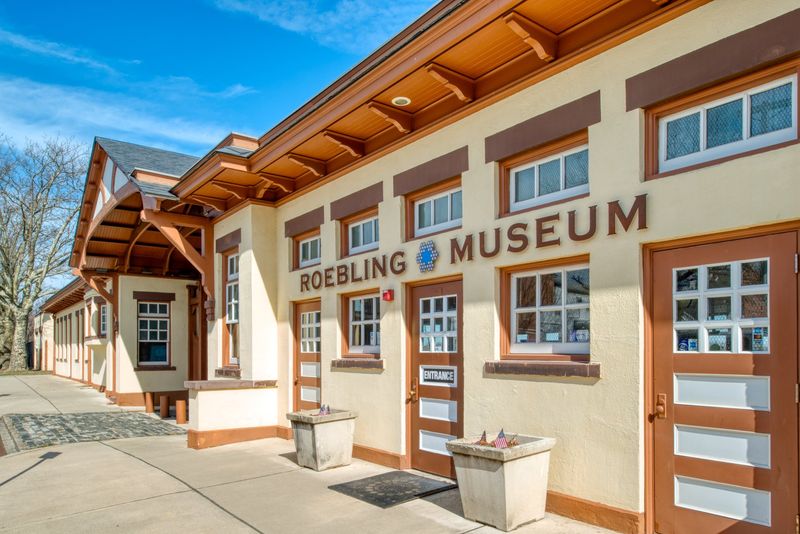
Roebling has a name that already sounds sturdy, and the museum fits that mood. This is a place where industrial history feels close to ordinary lives, connecting factory work, community identity, and the built environment in a way visitors can quickly grasp.
Company town stories can open strong conversations about how people lived near where they worked. Streets, homes, and workplaces were often linked, so local history here is not only about production.
It is also about family routines, neighbors, and shared daily patterns.
Look beyond the machinery and ask what kind of world that industry created around it. Who depended on the work? What sounds filled the day? How might a town’s schedule change when a major factory shaped the rhythm of life for so many people?
Because the museum sits in Roebling itself, the location adds unusual power to the visit. You are not just studying a topic in isolation. You are seeing history in the place it helped define, which makes the lessons feel rooted, specific, and easier to remember.