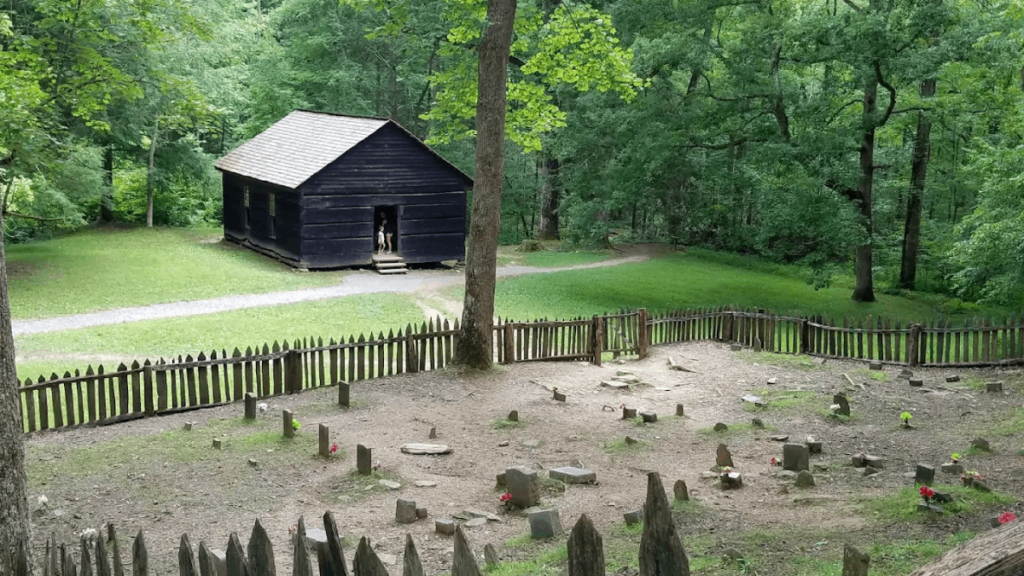
Deep in the heart of the Great Smoky Mountains lies a place where time seems to stand still. Little Greenbrier is a historic Appalachian community that once thrived with families, farms, and schoolchildren before becoming part of the national park. Today, visitors can walk the same trails these mountain families used and peek inside the cabins and schoolhouse they left behind.
It’s like stepping into a living history book where you can almost hear the echoes of the past.
Where Is Little Greenbrier?
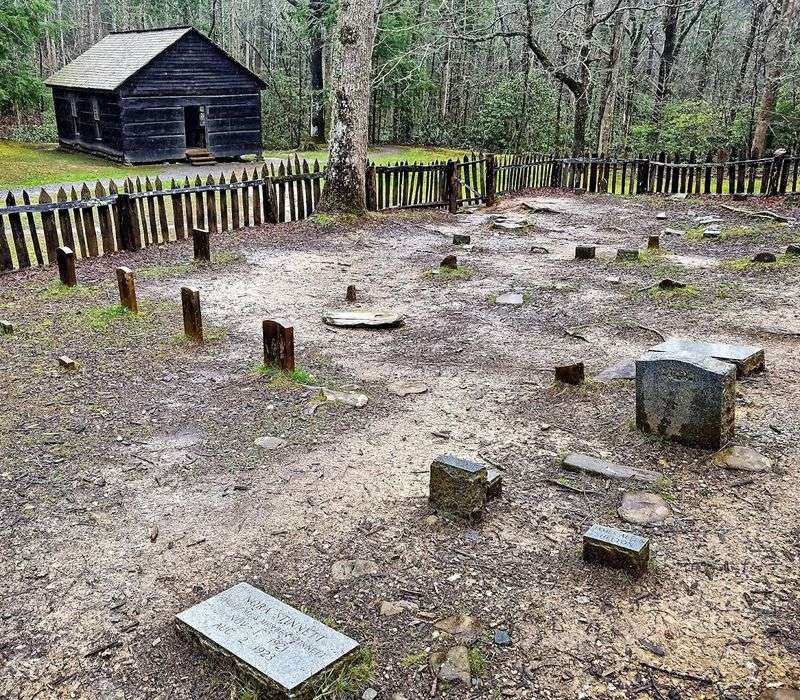
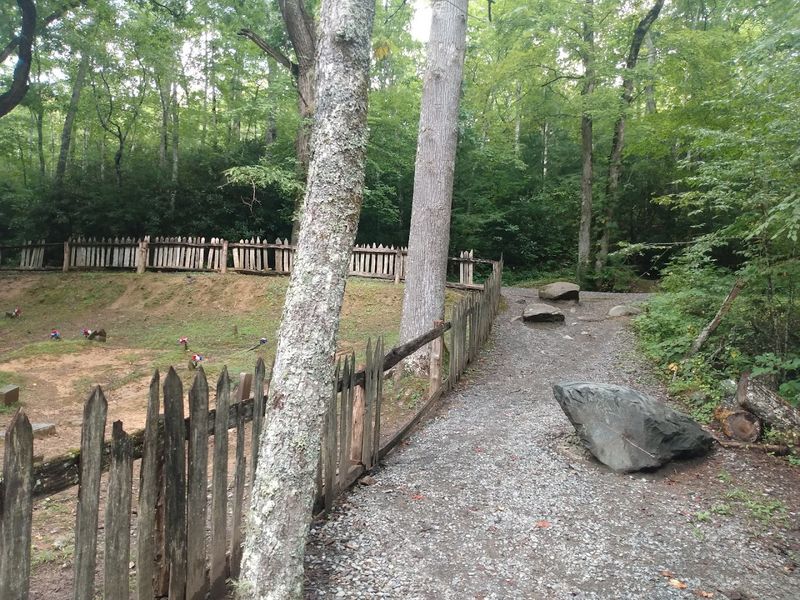
Finding Little Greenbrier takes a bit of adventure, but that’s part of what makes it special. The community sits tucked away in the Great Smoky Mountains of East Tennessee, accessible through trails that wind through thick forests and rolling hills. Most visitors reach it by hiking from the Metcalf Bottoms area, following paths that pioneers once traveled on foot and horseback.
Unlike the crowded tourist spots, this area remains peaceful and relatively undiscovered. You won’t find gift shops or restaurants here, just nature and history blending together beautifully.
Getting there requires some planning since the trails can be several miles long. But the journey through towering trees and alongside babbling creeks makes every step worthwhile for history lovers and nature enthusiasts alike.
A Community Born in the Mid-1800s
Before the national park existed, Little Greenbrier buzzed with the sounds of daily mountain life. Settlers began arriving in the 1830s and 1840s, carving out farms from the dense wilderness. These hardy pioneers built log cabins, cleared fields, and raised crops like corn and wheat to feed their growing families.
Life wasn’t easy in these mountains. Families worked from sunrise to sunset, tending livestock, preserving food for winter, and making almost everything they needed by hand. There were no roads connecting them to towns, so neighbors depended on each other for help, trading goods, and socializing at church gatherings.
By the late 1800s, Little Greenbrier had become a tight-knit community with several families calling it home.
The Families Who Called It Home
Names like Walker, Ogle, and Whaley became synonymous with Little Greenbrier over generations. These families didn’t just live here temporarily—they built legacies that lasted decades. The Walkers, particularly famous for their determination to stay, raised eleven children in their mountain cabin and became symbols of traditional Appalachian life.
Each family contributed something unique to the community’s fabric. Some were skilled blacksmiths, others expert farmers who knew exactly which crops would thrive in the mountain soil. Women preserved vegetables, sewed clothes, and passed down recipes that had traveled from their ancestors across the ocean.
When the government began purchasing land for the national park in the 1930s, most families reluctantly left their ancestral homes. The Walker sisters, however, negotiated a lifetime lease and remained until the 1960s, becoming the last residents of this once-thriving community.
The Little Greenbrier Schoolhouse
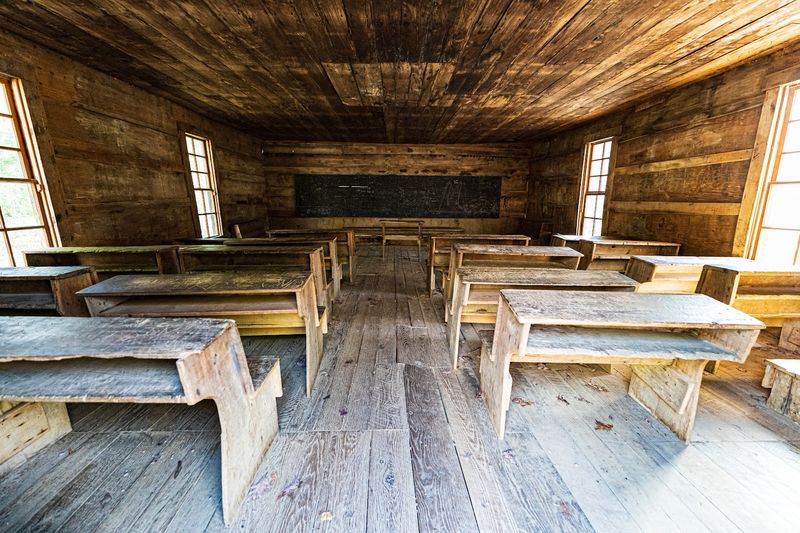
Education mattered deeply to mountain families, even when survival demanded constant work. The Little Greenbrier Schoolhouse, built in the 1880s, served as the community’s educational hub for decades. Children of all ages gathered in this single room, learning reading, writing, and arithmetic from one dedicated teacher who handled multiple grade levels simultaneously.
The building itself tells stories through its weathered wood and simple construction. Wooden desks still sit arranged in rows, and you can imagine slate boards covered with careful handwriting practice. School sessions ran only during months when children weren’t needed for planting or harvesting, typically lasting just a few months each year.
Today, the restored schoolhouse stands as a monument to the value these isolated families placed on learning.
The Walker Sisters’ Cabin
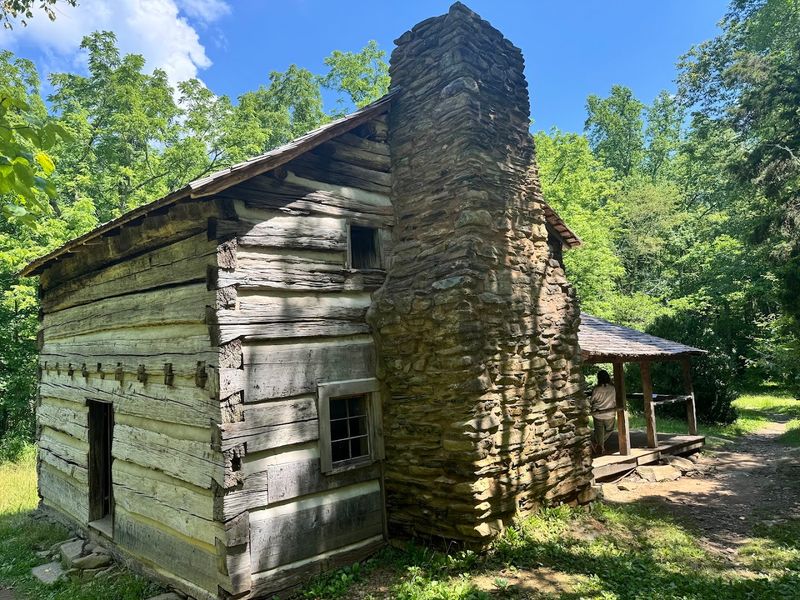
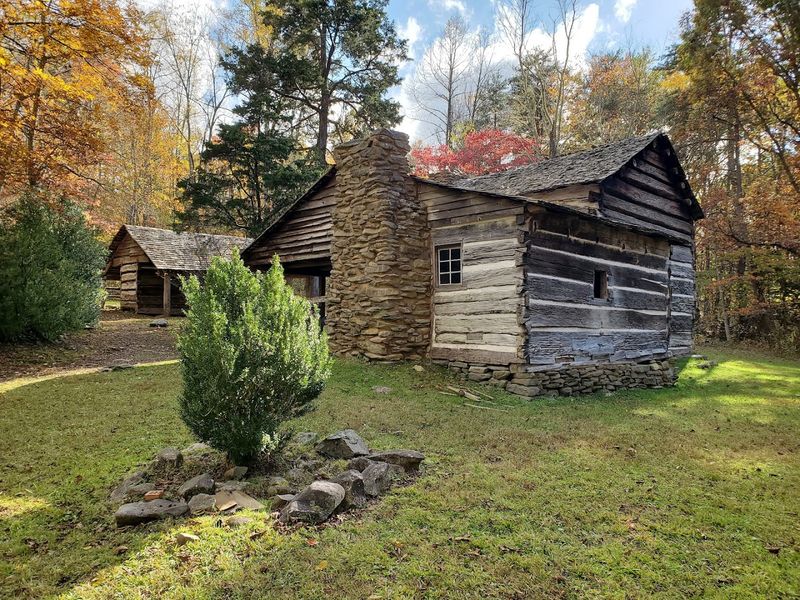
Nothing captures Little Greenbrier’s spirit better than the Walker Sisters’ Cabin. Five unmarried sisters lived here together, maintaining their traditional lifestyle long after neighbors departed. Their two-story log home, built by their father, became famous when journalists discovered these women were still living without electricity or running water in the 1940s.
The cabin showcases remarkable craftsmanship with its hand-hewn logs and sturdy construction that has survived over a century. Inside, you can sense the sisters’ daily routines—cooking on the wood stove, weaving, and tending their garden. They supported themselves by selling handmade items and produce to curious tourists who hiked up to visit.
Their determination to preserve their way of life made them local celebrities and symbols of Appalachian independence and resilience that still inspire visitors today.
What You’ll See When You Visit Today
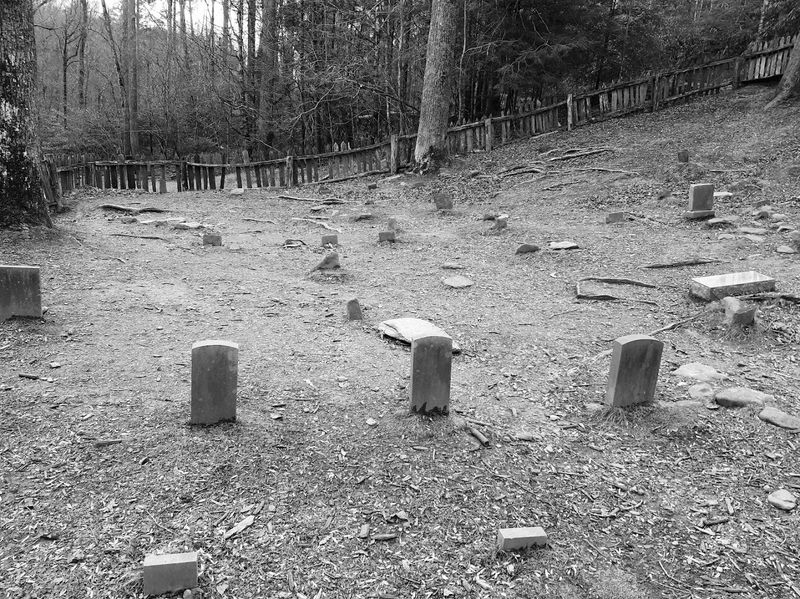
Walking through Little Greenbrier today feels like browsing a three-dimensional history book. The trail system connects various historic structures, including cabins, the schoolhouse, and remnants of old farms. Stone walls and split-rail fences still mark property boundaries that families defended and maintained generations ago.
Rangers and volunteers work hard to preserve these structures, but nature constantly reclaims the landscape. This balance creates a hauntingly beautiful atmosphere where history and wilderness coexist.
Interpretive signs provide context, helping visitors understand what they’re seeing and imagining the vibrant community that once thrived here.
Why It’s One of Tennessee’s Most Peaceful Historic Spots
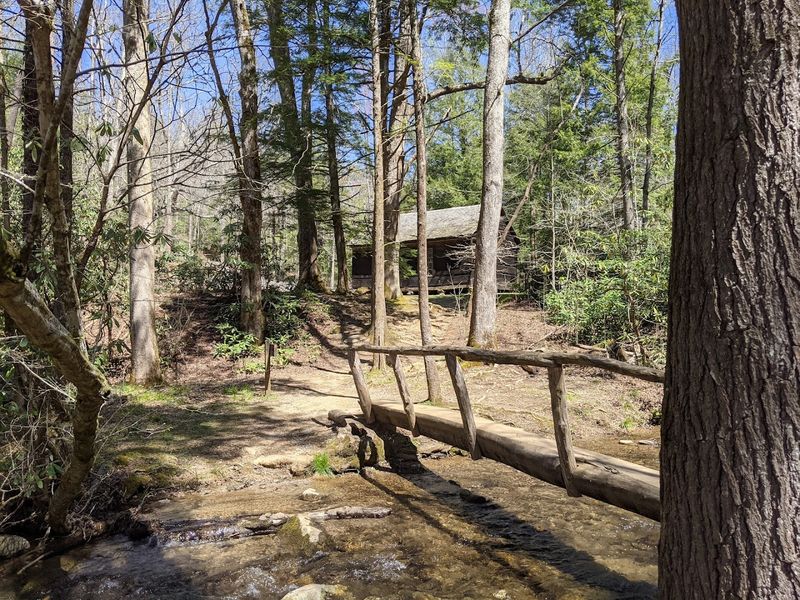
Unlike crowded historical attractions with gift shops and tour buses, Little Greenbrier offers something increasingly rare—genuine solitude combined with authentic history. The hike required to reach it naturally filters out casual visitors, meaning those who arrive truly want to be there. This creates an atmosphere of respect and quiet reflection that’s hard to find elsewhere.
The natural beauty surrounding the historic structures enhances the experience tremendously. Birds sing from trees that witnessed generations of families, and creeks babble the same songs settlers heard while working their fields. There’s no modern intrusion here—no cell phone towers visible, no traffic noise, just wind through leaves and distant mountain views.
It’s a place where history feels personal rather than distant, where you can genuinely connect with the past while surrounded by timeless natural beauty.