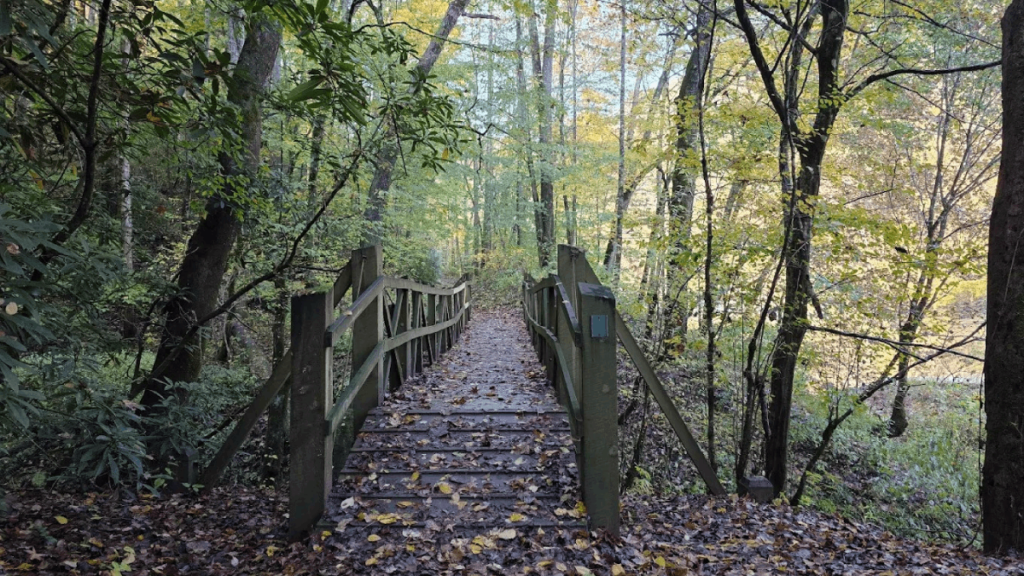
Deep in the forests of Big South Fork National River and Recreation Area lies No Business, a forgotten community frozen in time. This moderate trail leads adventurous hikers through beautiful wilderness to discover the remains of a once-thriving settlement that vanished decades ago.
Walking among old foundations and rusty artifacts feels like stepping back into Tennessee history, making this one of the most fascinating hikes in the entire region.
Welcome to Big South Fork National Recreation Area
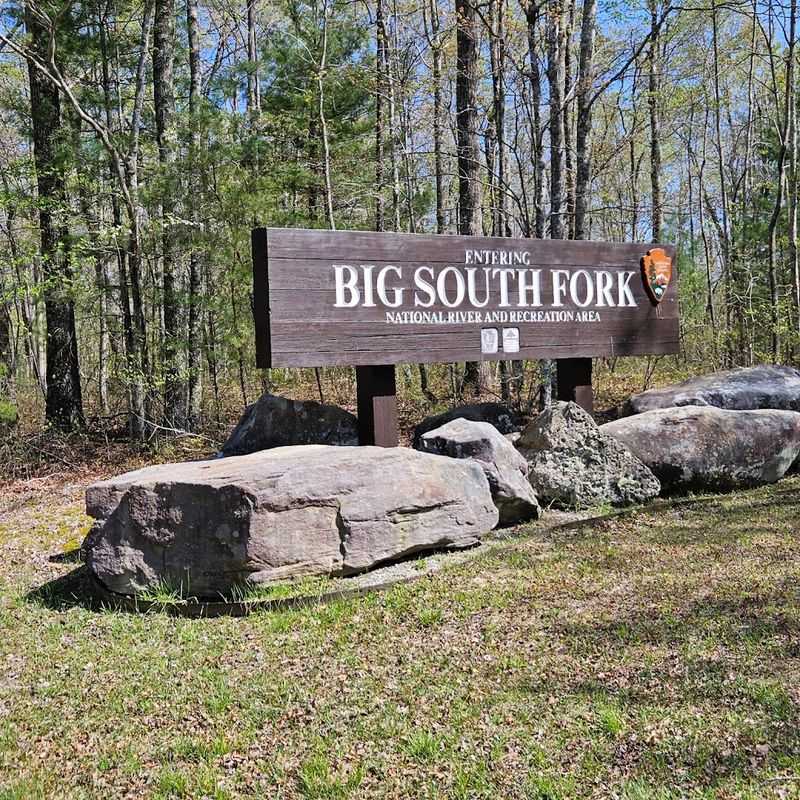
Sprawling across 125,000 acres along the Tennessee-Kentucky border, Big South Fork offers some of the most stunning wilderness in the Southeast. The Cumberland River and its tributaries carved deep gorges through ancient sandstone over millions of years. Today, these dramatic cliffs and winding valleys create a perfect habitat for black bears, wild turkeys, and countless other species.
Visitors can explore hundreds of miles of trails, camp under the stars, or paddle through whitewater rapids. The park remains surprisingly uncrowded despite its incredible beauty. Most people never discover its hidden treasures, including several abandoned settlements scattered throughout the backcountry.
Where the Trail Begins
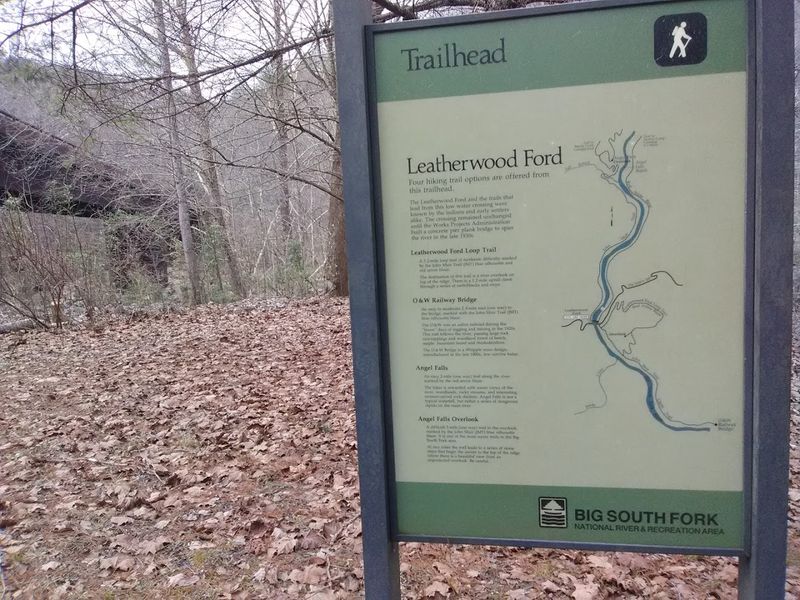
Your journey to No Business starts at the Leatherwood Ford area, accessible via a winding road that plunges from the plateau into the river gorge. Parking is limited, so arriving early on weekends is smart. The trailhead sits near the historic ford crossing where settlers once guided wagons through the shallow river waters.
Before setting out, check the trail conditions at the visitor center since heavy rains can make creek crossings tricky. Pack plenty of water because natural sources along the route aren’t reliable for drinking without treatment. The first mile follows relatively flat terrain through mixed hardwood forest.
Proper hiking boots with good ankle support will make navigating rocky sections much easier and safer.
The Story Behind the No Business Abandoned Community
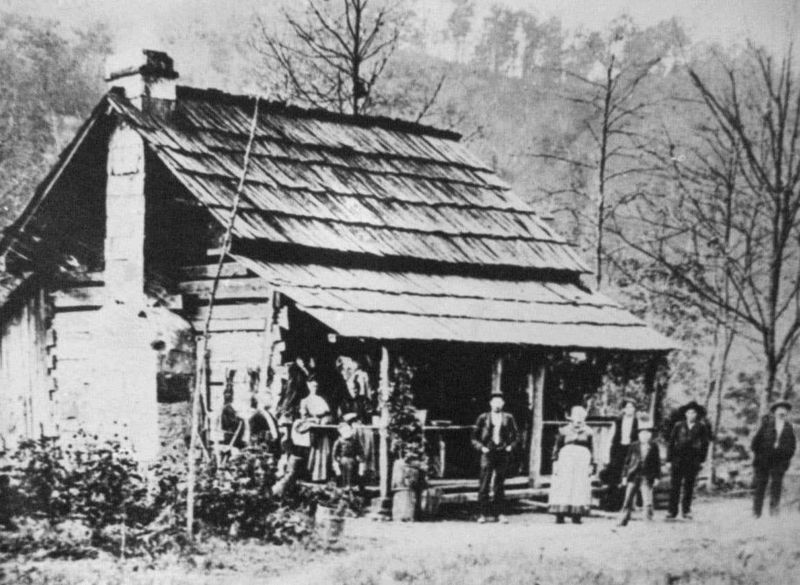
No Business got its unusual name from a colorful piece of local folklore. According to legend, when government surveyors asked what business folks conducted there, residents replied they had “no business” telling outsiders their affairs. Others say the remote location made it “no business” for anyone looking to start a store or trade.
Families settled here in the late 1800s, carving out farms on steep hillsides and raising children far from towns. Life was incredibly hard, with residents hauling supplies on mules and growing most of their own food. By the 1930s, economic struggles and the lure of factory jobs elsewhere emptied the community.
Today, only stone foundations and rusted metal hint at the lives once lived here.
What You’ll See Along the Way
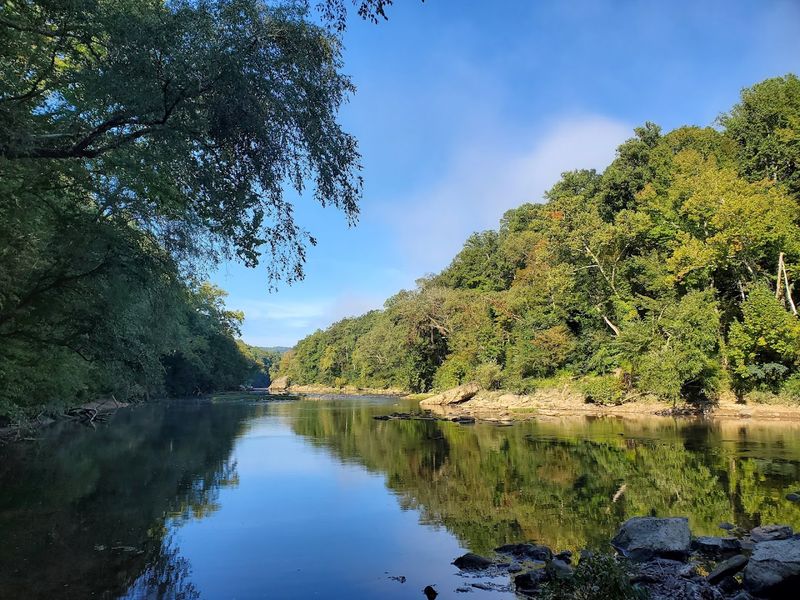
The path to No Business winds through diverse ecosystems that change with the seasons. Spring brings carpets of wildflowers including trillium, bloodroot, and wild geraniums blooming beneath the canopy. Summer offers shade from towering oaks and hemlocks, though humidity can make the climb challenging.
Watch for wildlife like white-tailed deer browsing in clearings or woodpeckers hammering on dead snags. Several creek crossings require careful rock-hopping, especially after storms when water runs high. The trail passes interesting rock formations where sandstone has eroded into unusual shapes over thousands of years.
Exploring the Ghost Town Remains
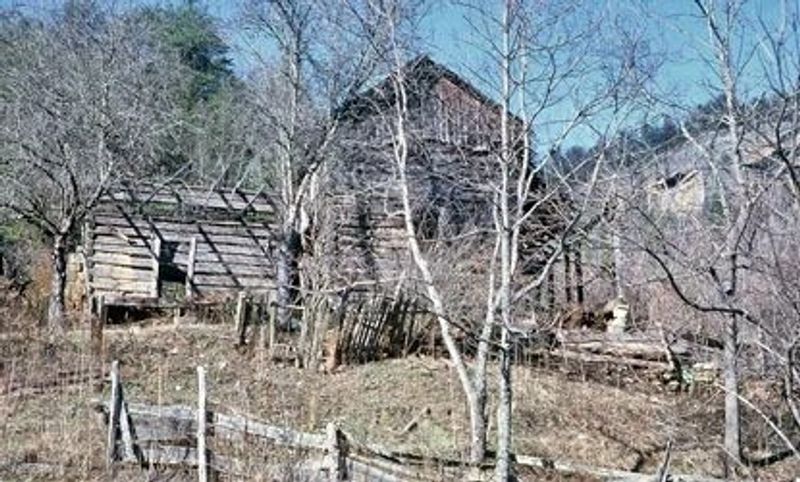
Reaching the No Business site feels like discovering a secret world reclaimed by nature. Moss-covered stone chimneys stand as silent sentinels among the trees, marking where families once gathered around fireplaces. Crumbling foundations outline the footprints of homes, barns, and outbuildings that sheltered mountain folk generations ago.
Rusty farm equipment lies scattered in the undergrowth, slowly returning to earth. Old fruit trees still produce apples each fall, planted by hands long gone. Walking through these ruins sparks imagination about daily life in this isolated hollow.
Please respect the site by leaving artifacts undisturbed so future hikers can experience this haunting connection to Tennessee’s past. Take only photographs and memories with you.
Tips Before You Go
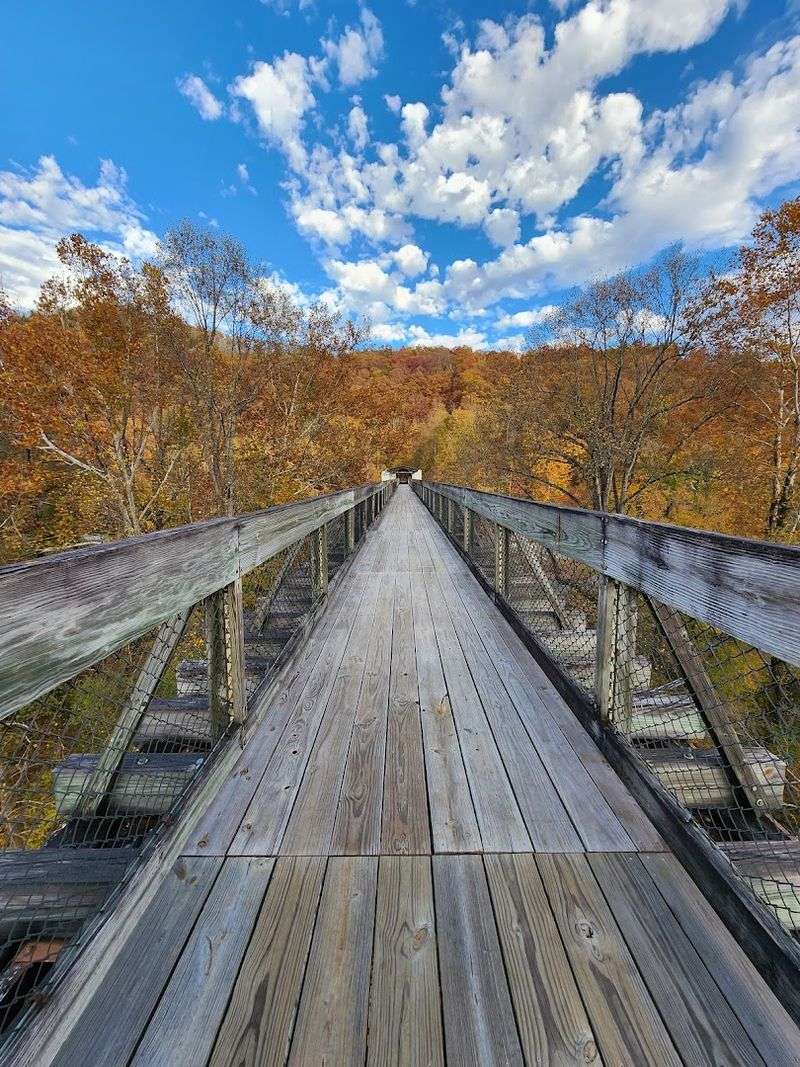
Planning ahead makes your No Business adventure safer and more enjoyable. Download offline maps since cell service is nonexistent throughout most of Big South Fork. Tell someone your hiking plans and expected return time as a basic safety precaution.
Bring more water than you think necessary, plus snacks for energy during the moderate climb. Tick checks are essential after hiking since these pests are common in grassy areas and brushy sections. Bear-proof food storage isn’t required for day hikes, but making noise on the trail helps avoid surprising wildlife.
Spring and fall offer the most comfortable temperatures, while summer heat and winter ice create additional challenges requiring extra preparation and caution.
Why It’s One of Tennessee’s Most Unique Hikes
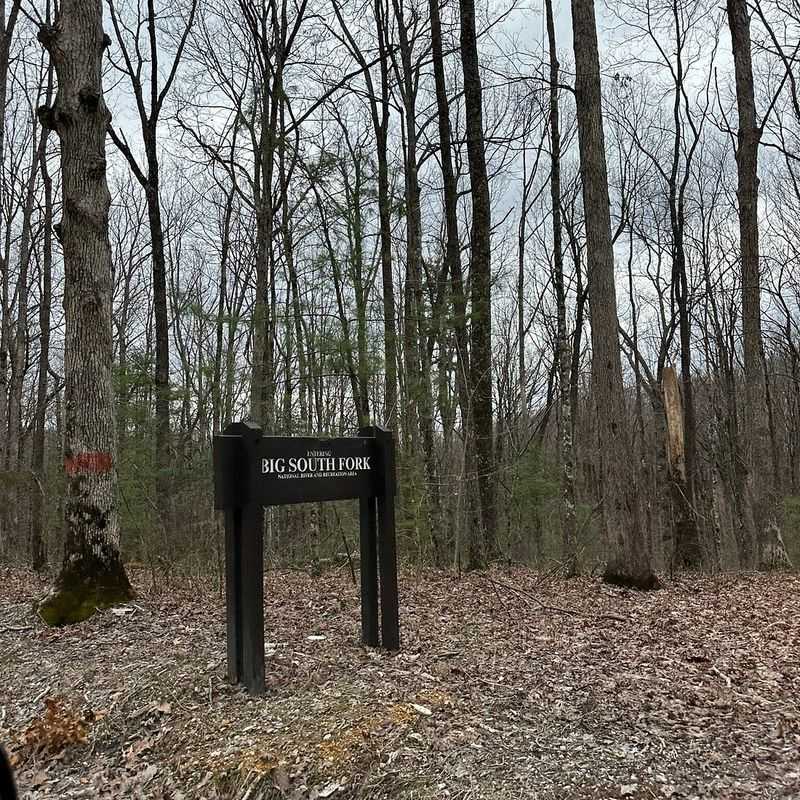
Few Tennessee trails combine natural beauty with genuine historical intrigue quite like the hike to No Business. Unlike tourist-packed destinations, you might have the entire ghost town to yourself for quiet reflection. The moderate difficulty level makes it accessible to reasonably fit hikers without requiring extreme endurance or technical skills.
This journey offers tangible connections to Appalachian heritage that textbooks can’t capture. Standing where families struggled and thrived creates powerful moments of understanding about Tennessee’s rural past. The surrounding wilderness showcases why Big South Fork deserves its protected status.
Every visit reveals something new, whether it’s a foundation you missed before or wildlife appearing along the trail unexpectedly.