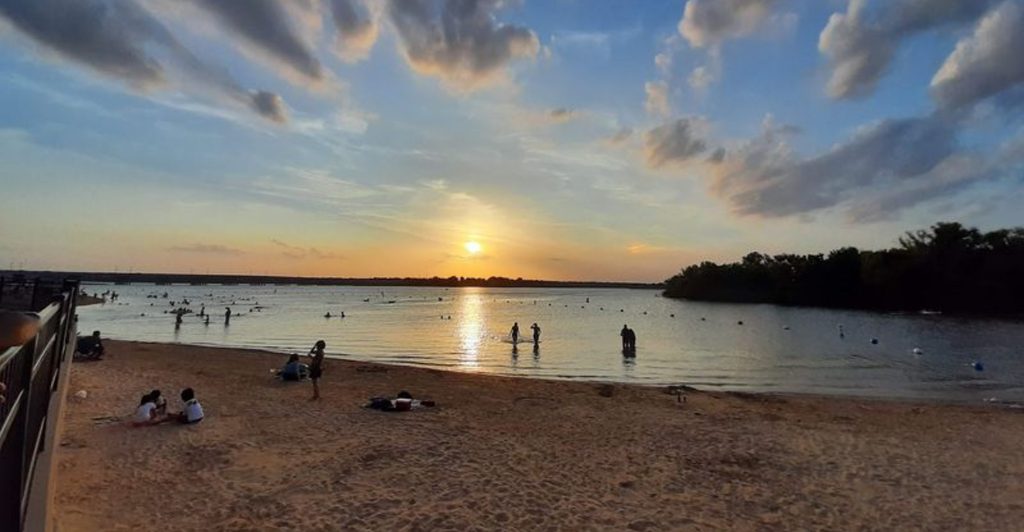
Texas lake beaches promise sunshine, cool water, and summer fun, but looks can be deceiving. Some of these popular swimming spots come with hidden challenges that might surprise first-time visitors. From unexpected water conditions to tricky terrain and seasonal issues, knowing what you’re getting into can save your beach day from turning into a headache.
1. Little Elm Park Beach (Little Elm)
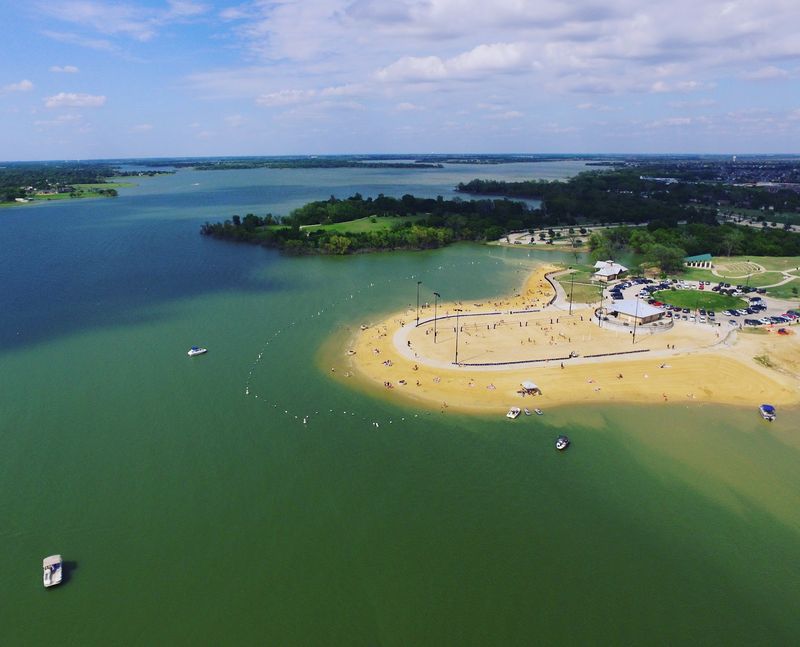
Lewisville Lake’s most popular swimming spot draws crowds every summer weekend, but that popularity comes with some serious downsides. The beach gets absolutely packed during peak season, turning what should be a relaxing lake day into a crowded scramble for parking and space.
Water clarity here isn’t exactly what you’d call crystal clear. Boat traffic stirs up sediment constantly, and after storms, the water can turn murky brown for days. The lake bottom is rocky in spots, which means water shoes are practically mandatory unless you enjoy stepping on sharp rocks and zebra mussel shells.
Algae blooms pop up regularly during hot months, sometimes forcing temporary closures. The health department monitors conditions, but by the time warnings go out, you might have already made the drive. Bacteria levels can spike after heavy rains too, making the water unsafe for swimming even when it looks fine.
Parking fills up fast on weekends, often by 10 AM. Late arrivals end up circling forever or parking way down the road and hauling their gear a quarter mile. The facilities get overwhelmed too, with long bathroom lines and trash overflowing by afternoon.
Geese flock to this beach year-round, leaving their droppings everywhere. Walking barefoot becomes an obstacle course, and the grass areas near the sand are basically landmines. The town tries to manage it, but with hundreds of geese calling this place home, it’s a losing battle.
If you do visit, arrive super early, bring water shoes, and check the lake conditions online before you go. Weekdays are significantly less crowded and usually cleaner too.
2. Lake Abilene (Tuscola)
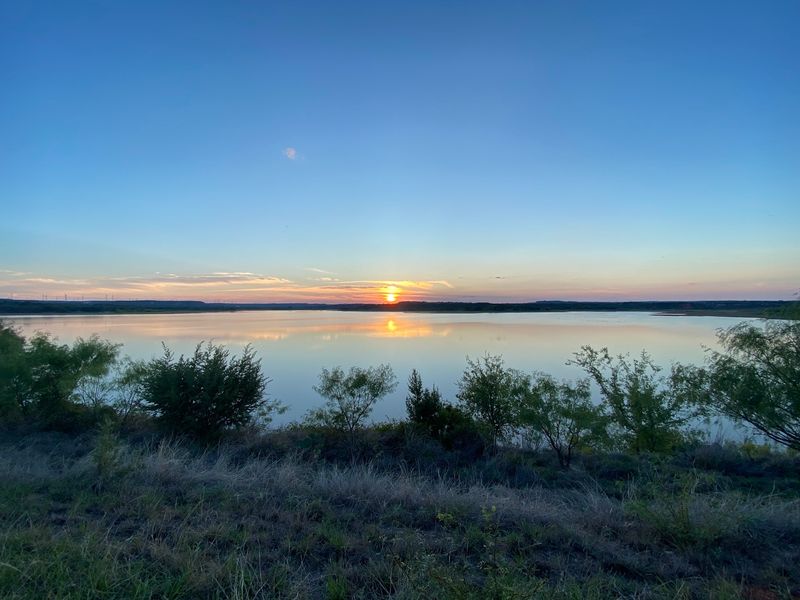
This West Texas lake sits about 15 miles south of Abilene, and while it looks inviting from the shore, swimming here comes with some real complications. The lake level fluctuates wildly depending on rainfall, and drought years can leave the beach area looking more like a mud flat than a swimming hole.
When water levels drop, you’ll walk across cracked earth and exposed lake bottom just to reach water deep enough for swimming. The shoreline recedes so far during dry spells that your beach setup ends up a football field away from actual water. It’s not exactly the quick dip you had in mind.
Even when the lake is full, the water stays pretty murky. Agricultural runoff from surrounding ranch land keeps visibility low, and you can’t see your feet once you’re waist-deep. The bottom is soft mud mixed with sticks and debris, creating an unpleasant squishy feeling underfoot.
Heat is another major factor here. Summer temperatures regularly hit triple digits, and there’s minimal shade around the swimming areas. The sun beats down relentlessly, and the water itself gets surprisingly warm by July and August, offering little relief from the heat.
Wildlife encounters happen more often than you’d expect. Water snakes are common, and while most are harmless, they still startle swimmers. Fire ants build mounds near the waterline too, and stumbling into one of those colonies will end your beach day instantly.
The facilities are pretty basic, with limited restrooms and no concessions nearby. You’ll need to pack everything you need because there’s nowhere to buy forgotten sunscreen or snacks. Cell service is spotty out here too, so don’t count on GPS or streaming music.
3. Eisenhower State Park Swim Beach (Denison)
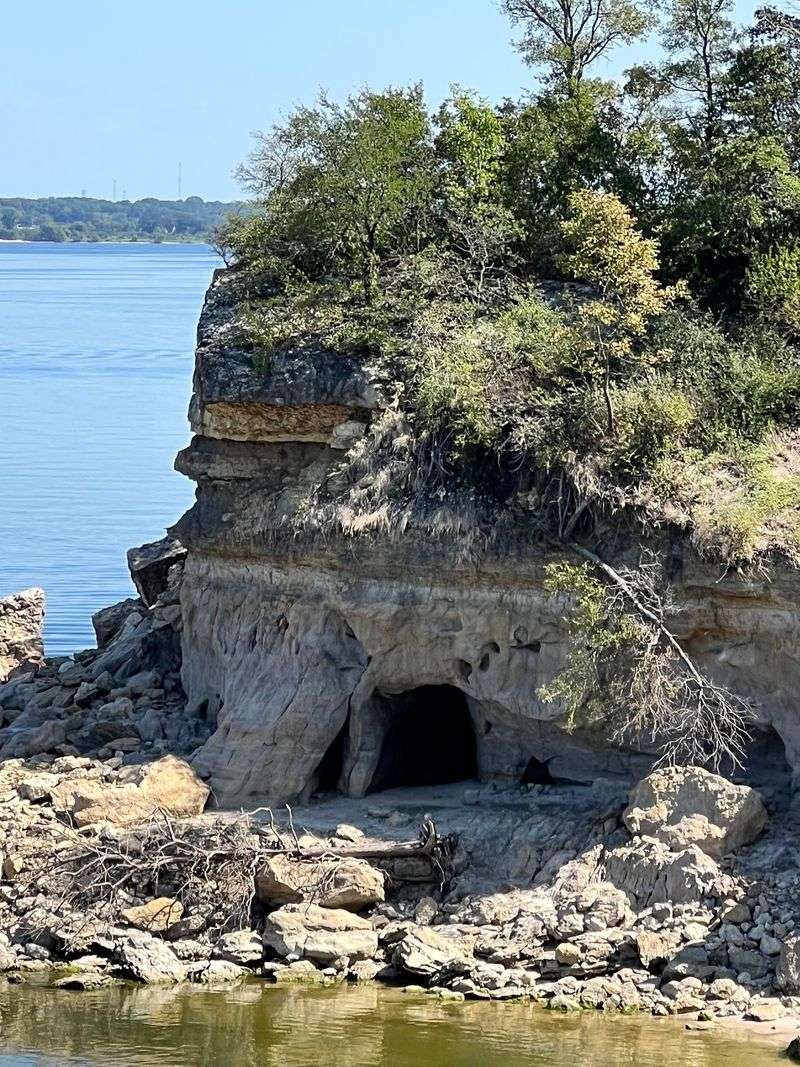
Lake Texoma’s reputation draws visitors from all over, but this particular swimming beach has issues that don’t show up in the pretty promotional photos. The designated swim area is smaller than you’d expect for such a large park, and it gets uncomfortably crowded on summer holidays.
Rocks dominate the lake bottom here, not smooth sand. These aren’t small pebbles either, but ankle-twisting, toe-stubbing chunks of limestone that make wading in treacherous. Kids especially struggle with the uneven footing, and falls are common.
The water depth drops off suddenly in certain spots without clear markers. You might be in knee-deep water one step, then find yourself in over your head the next. This unpredictable bottom terrain makes it stressful for parents watching young children.
Seaweed-like aquatic plants grow thick in the shallows during summer. They wrap around your legs when you walk through, creating an unpleasant slimy sensation that freaks out a lot of swimmers. The park doesn’t clear them regularly, so by mid-summer, the plants form dense underwater forests.
Jellyfish occasionally drift into the swimming area from the main lake. These freshwater jellies don’t sting badly, but they’re still unsettling to encounter. Most people don’t expect jellyfish in a lake, so the surprise factor alone sends folks scrambling for shore.
Wind whips across this exposed beach constantly, turning calm mornings into sandblasting afternoons. Beach umbrellas blow over, towels fly away, and sand gets in everything. The park’s location on a peninsula means there’s no natural windbreak.
Parking requires a day-use fee on top of the park entry, and the lots still fill up early. You might pay twice and still end up parking far from the beach.
4. Possum Kingdom State Park Swim Beach (Caddo)
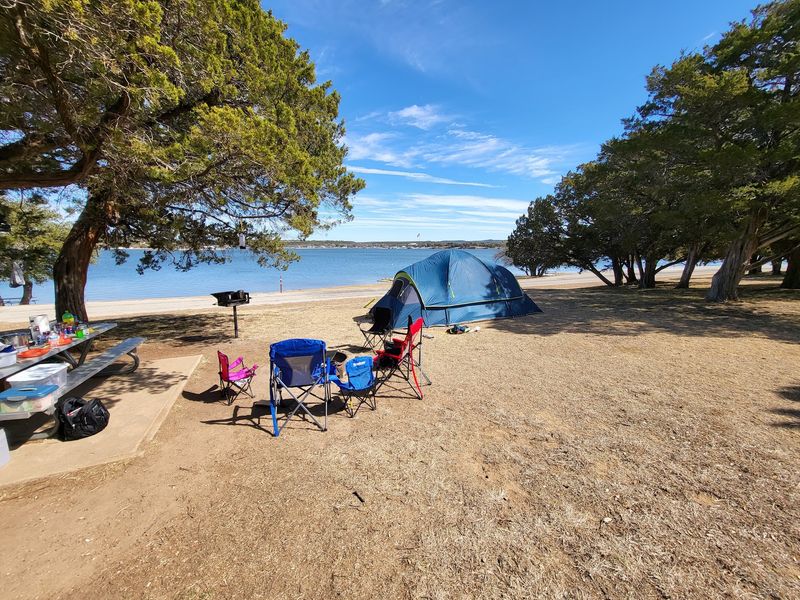
Possum Kingdom Lake’s clear blue water looks stunning in photos, but the swim beach at the state park has quirks that catch people off guard. The water is indeed clearer than most Texas lakes, but that clarity reveals just how rocky and uneven the bottom really is.
Sharp rocks and boulders cover the lake floor, making barefoot entry painful and potentially dangerous. Even with water shoes, navigating the submerged obstacles requires constant attention. The rocks are slippery too, coated with algae that turns them into slip-and-slide hazards.
The designated swim area is surprisingly small and shallow. Adults looking for a proper swim will find themselves quickly running out of space. The roped-off zone stays mostly waist-deep, which is fine for young kids but disappointing for anyone hoping to actually swim laps or dive.
Boat traffic outside the swim zone creates wakes that roll into the swimming area constantly. These waves aren’t huge, but they’re persistent and can knock over small children. The choppy conditions make it harder to relax and enjoy the water.
During peak season, the beach area becomes standing-room-only. The actual sandy beach is narrow, forcing visitors to set up on the rocky hillside behind it. Hauling gear up and down the slope gets old fast, especially with little ones in tow.
The park’s remote location means limited amenities. The nearest grocery store is a 20-minute drive, so forgetting supplies means a significant detour. Cell coverage is weak too, making it hard to check weather updates or contact anyone off-site.
Afternoon thunderstorms pop up regularly during summer, and with limited shelter near the beach, you’ll be scrambling to pack up and get to your car quickly. The rocky terrain makes hurried exits even more treacherous when rain starts falling.
5. Emma Long Metropolitan Park Beach (Austin)
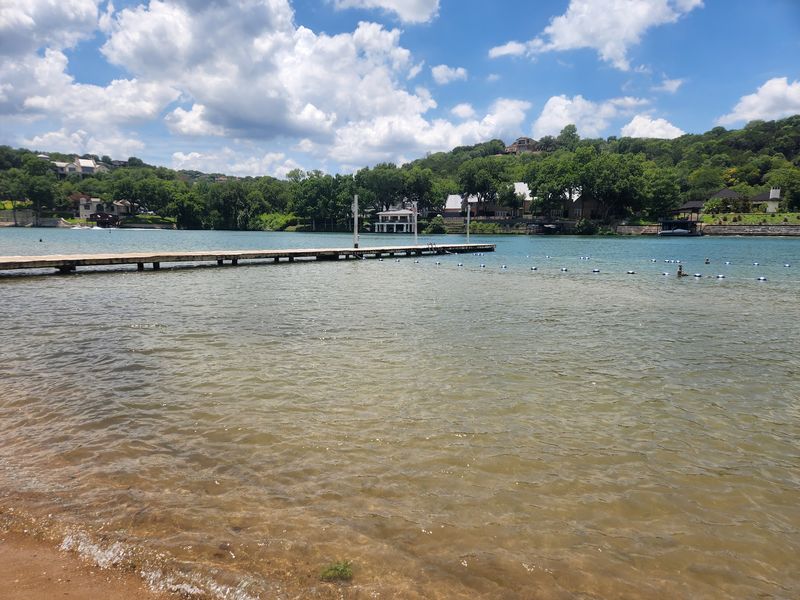
Lake Austin’s city park beach sits on the far west side of town, and while locals know about it, many visitors discover its drawbacks too late. The water here stays cold year-round because the lake is fed by releases from upstream reservoirs, making comfortable swimming possible only during the hottest months.
Even in July, that first plunge takes your breath away. The cold water is a shock to the system, and it takes serious determination to get fully submerged. Kids often refuse to go in past their ankles once they feel how chilly it is.
The swim area has a firm no-alcohol policy that’s strictly enforced, which surprises people expecting a typical laid-back lake day. Park rangers patrol regularly and will ask you to leave if they spot any coolers with beer. Many Austin lake-goers find this rule frustrating.
Zebra mussels coat every underwater surface, creating a field of razor-sharp shells. These invasive mollusks have transformed the lake bottom into a hazard zone. One wrong step on a cluster of mussels can slice your foot open, and the cuts are painful and prone to infection.
The beach itself is more gravel than sand, with larger rocks mixed in. Laying out a towel doesn’t create the soft lounging spot you’d hope for. Most people end up sitting in chairs because the ground is too uncomfortable otherwise.
Parking costs add up since the park charges per vehicle for day use. On busy weekends, the lots fill completely and the park stops allowing entry until spaces open up. You might drive all the way out there only to be turned away at the gate.
The park’s distance from central Austin means it’s not a quick trip. Factor in traffic, and you’re looking at 45 minutes each way, making it a significant time commitment for what might be a disappointing swim.
6. Lake Theo Swimming Area (Quitaque)
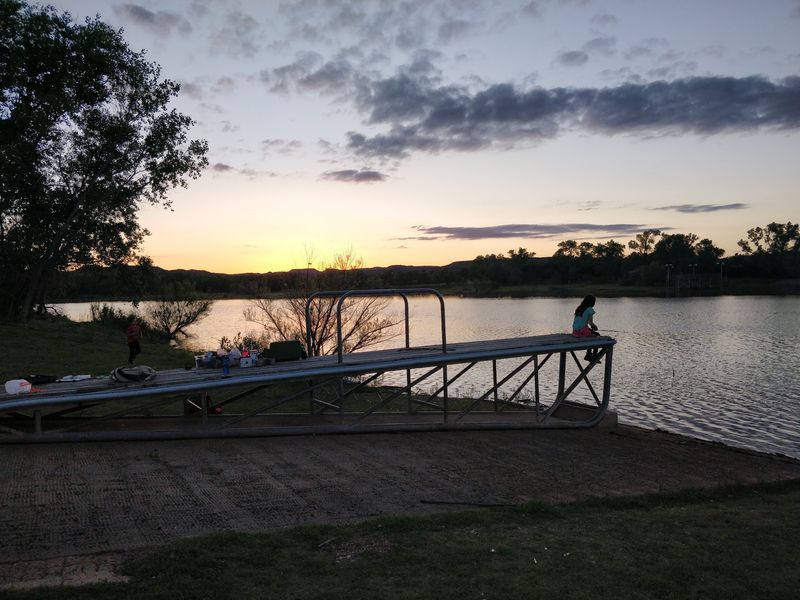
Tucked into the Caprock Canyons, this remote lake seems like a hidden gem until you actually try swimming here. The lake is tiny, more like a large pond, and the swimming area is even smaller. What looks spacious on a map feels cramped when you’re standing there.
Water quality fluctuates dramatically based on recent weather. After rains, runoff turns the lake muddy and brown for weeks. During dry stretches, the water level drops so low that swimming becomes impossible, leaving behind cracked mud and stranded fish.
The lake bottom is pure mud, thick and squishy. Your feet sink in with every step, and the sensation is genuinely gross. Pulling your feet free creates suction sounds and releases bubbles of swamp gas.
It’s not the refreshing experience you’d hope for.
Snakes are abundant around this lake, both in the water and along the shore. You’ll likely spot water snakes swimming near you, and while they’re generally not aggressive, their presence makes many swimmers uncomfortable. Cottonmouths have been reported here too, though they’re less common.
The isolation that makes Lake Theo feel special also means zero amenities. There’s a basic pit toilet and that’s it. No running water, no concessions, no shade structures.
You’re completely on your own out here.
Summer heat in the Texas Panhandle is brutal, and there’s almost no shade near the swimming area. The sun reflects off the canyon walls, intensifying the heat. The water itself gets warm and stagnant by August, offering minimal cooling relief.
Getting here requires driving through remote ranch country on roads that aren’t always well-maintained. Cell service disappears miles before you reach the lake. If you have car trouble or a medical emergency, help is far away and hard to summon.
7. Lynn Creek Park Swim Beach (Grand Prairie)
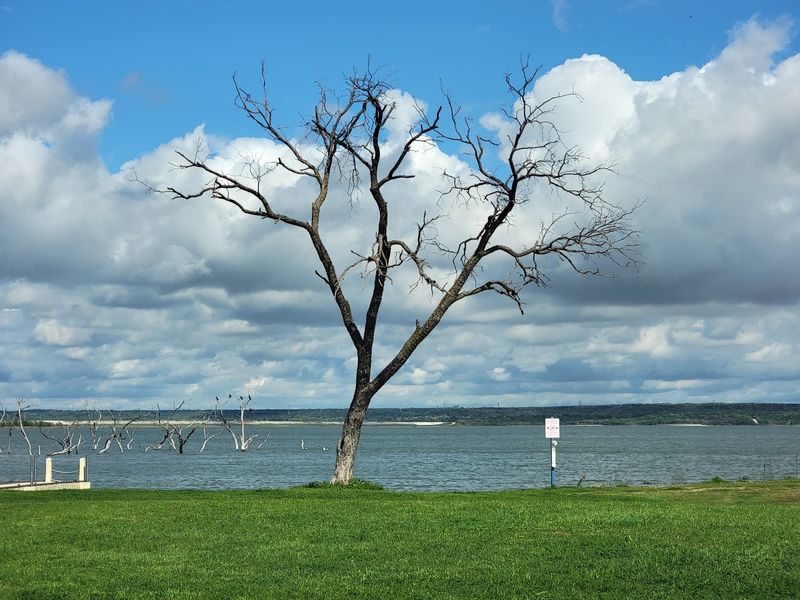
Joe Pool Lake’s busiest swim beach sits right in the Dallas-Fort Worth metro area, and that accessibility is both its biggest draw and its main problem. The beach gets absolutely mobbed on summer weekends, with thousands of people packing into a relatively small space.
Finding parking becomes a competitive sport. Cars start lining up before the park even opens, and by mid-morning, you’re either parking illegally on the shoulder or turning around and going home. The official lots overflow quickly, and park staff close the gates once capacity is reached.
The water here isn’t exactly pristine. With so many swimmers and nearby boat launches, the lake takes a beating. Trash floats around despite regular cleanup efforts, and the water often looks cloudy or slightly green from algae growth.
The beach itself is narrow and gets eroded down to hard-packed dirt in high-traffic areas. What sand remains is coarse and mixed with gravel. It’s not the soft, comfortable beach sand you’d hope for, and it gets scorching hot underfoot by midday.
Goose droppings cover the grass areas surrounding the beach. These birds are everywhere, and they’re not shy about invading your space. Stepping in their mess is almost unavoidable, and the smell gets pretty rank as the day heats up.
The bathrooms and changing facilities get overwhelmed quickly. Long lines form, and by afternoon, the cleanliness level drops significantly. Toilet paper runs out, and the floors get wet and grimy.
It’s not pleasant.
Noise levels can be intense with so many people packed together. Competing music from various groups, screaming kids, and general chaos make it hard to relax. If you’re looking for a peaceful lake day, this isn’t it.
Despite the crowds, lifeguard coverage is limited. You’re mostly responsible for your own safety and watching your kids in the water.