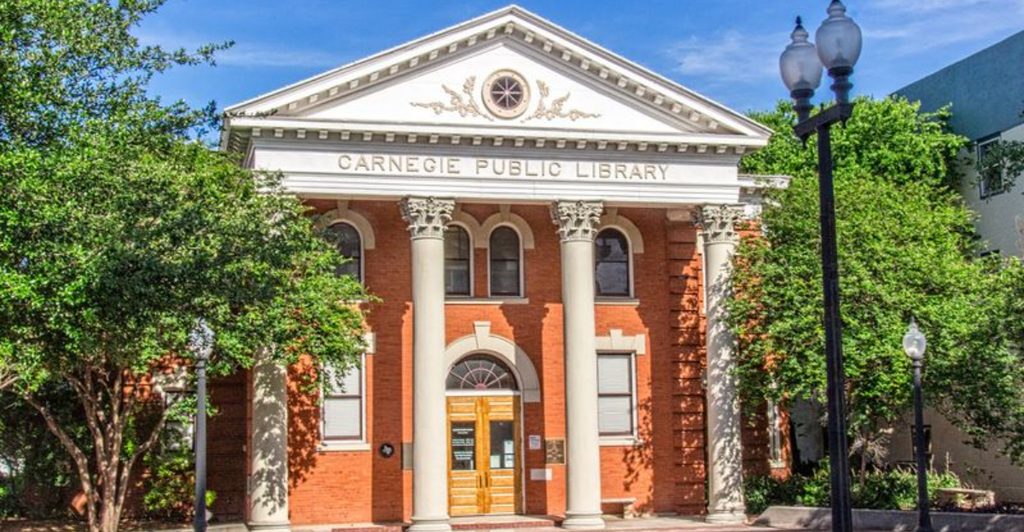
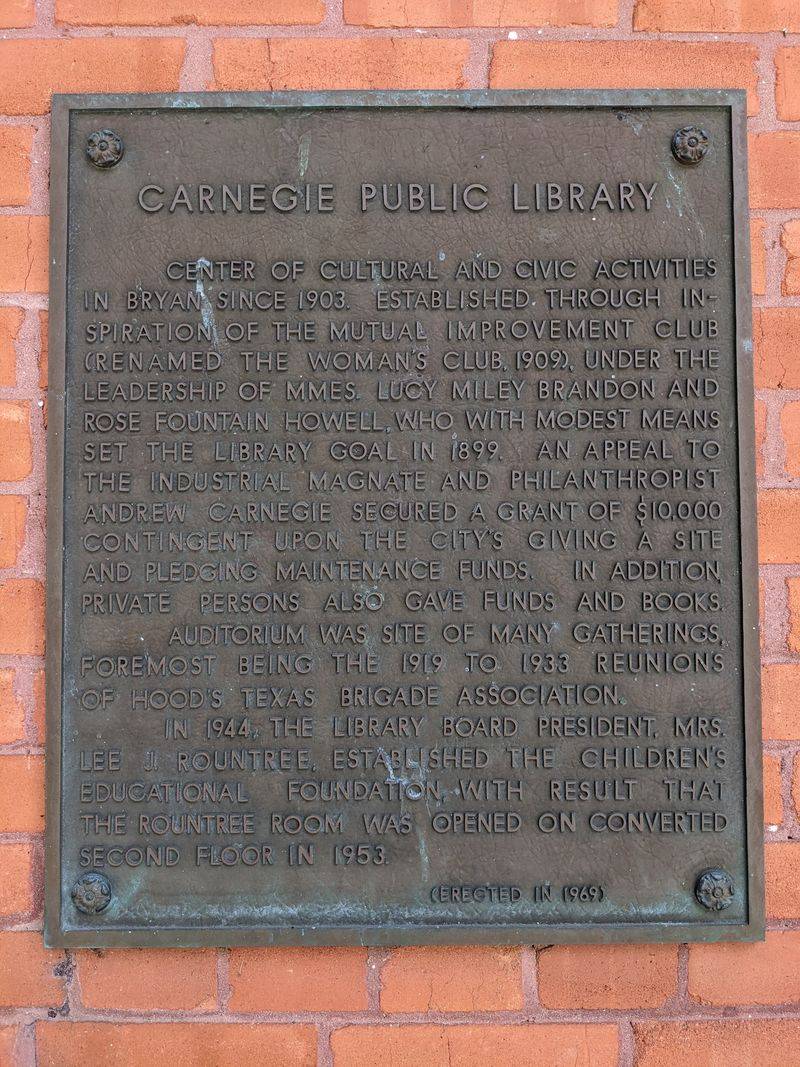
Along Main Street in downtown Bryan, an easy-to-miss landmark quietly preserves an important piece of Texas history. The Carnegie History Center isn’t just any old library building. It’s the oldest Carnegie library still standing in the entire state, built back in 1903 with money from steel magnate Andrew Carnegie himself.
Today, this beautiful structure serves as a treasure chest of local history, genealogy records, and stories from generations past, all preserved by a team of incredibly helpful staff who genuinely love what they do.
1. A Building That Survived Over A Century
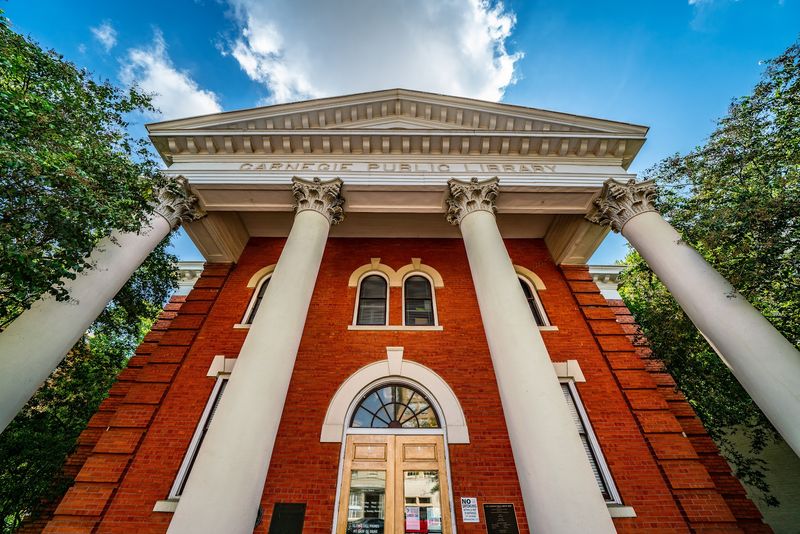
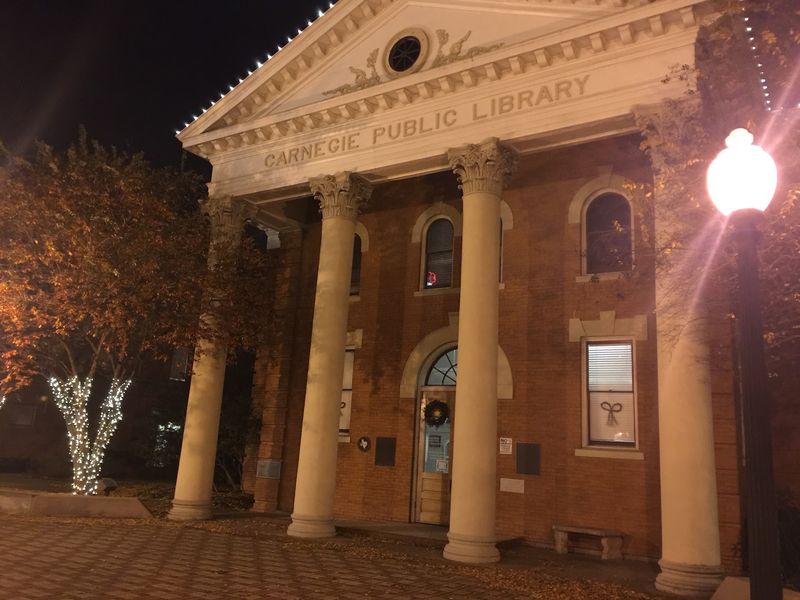
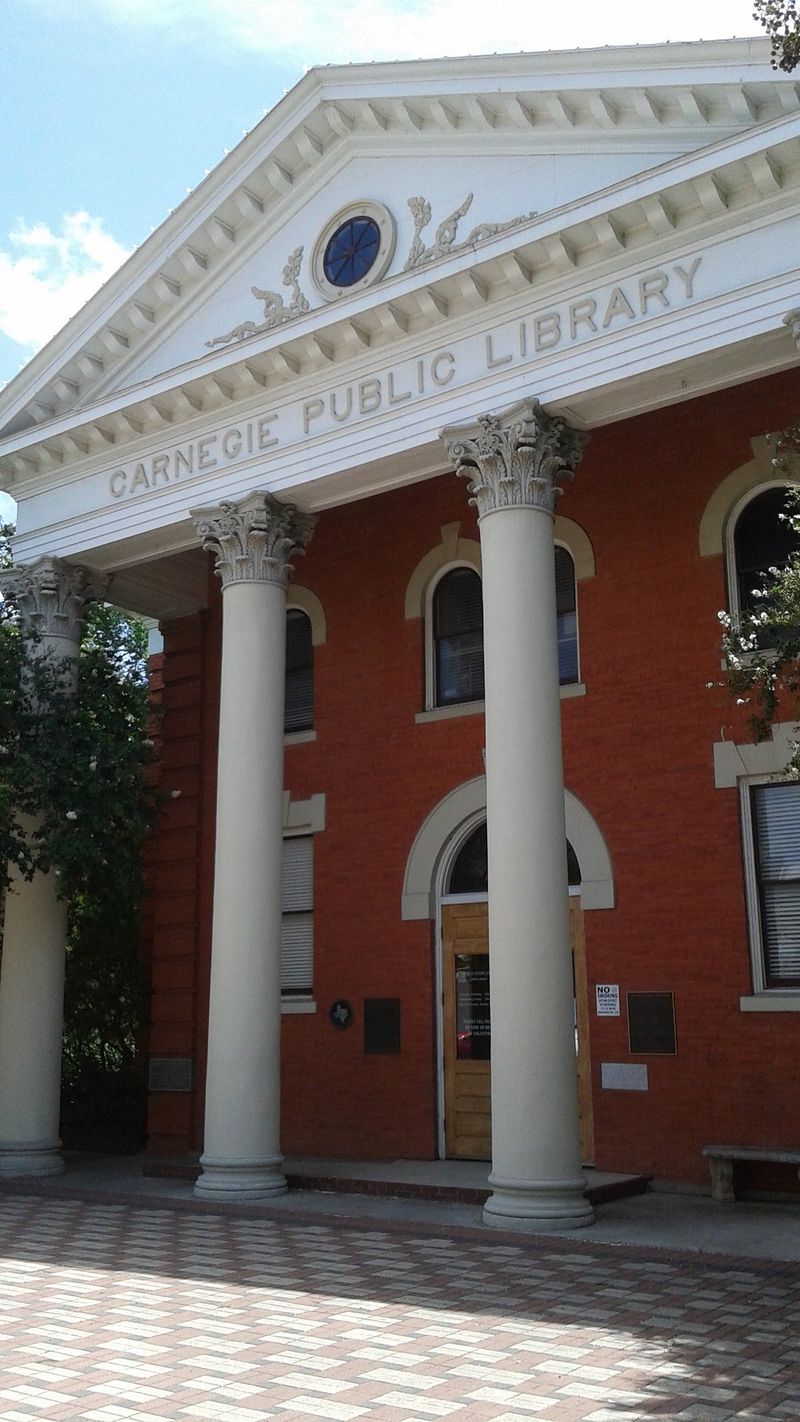
When Andrew Carnegie decided to fund public libraries across America in the early 1900s, Bryan was lucky enough to receive $10,000 for construction. That might not sound like much now, but back then it built an entire library that’s still standing strong today. The building opened its doors in 1903, making it the oldest surviving Carnegie library in Texas, a title it wears with pride.
Walking up to the building feels like stepping back in time. The classic architecture features red brick walls, tall windows that let in natural light, and details you just don’t see in modern construction. The craftsmanship from over 120 years ago is still visible in every corner, from the sturdy foundation to the carefully maintained exterior.
What makes this building truly special isn’t just its age. It’s the fact that it’s still actively serving the community instead of sitting empty or torn down like so many historic structures. The building has been lovingly preserved while being updated with modern amenities like air conditioning and internet access, creating a perfect blend of old and new.
Standing outside and looking at the structure, you can almost imagine horse-drawn carriages pulling up instead of cars. The building represents an era when communities invested heavily in public education and knowledge, and Carnegie’s vision of free library access for everyone continues here daily.
2. Genealogy Research That Connects Families
If you’ve ever wondered about your family’s Texas roots, this is where you need to be. The Carnegie History Center has become the go-to spot for anyone doing genealogy research in the Brazos Valley area. Their collection includes old census records, family histories, directories dating back generations, and resources that help people trace their family trees with impressive accuracy.
The staff here doesn’t just point you toward a shelf and wish you luck. They actually sit down with you, ask questions about what you’re looking for, and guide you through the research process step by step. Many visitors mention staff member Ann by name in reviews, praising her dedication to helping people uncover their family stories.
What really sets this place apart is the access to subscription genealogy websites that normally cost money. The center provides free access to these valuable research tools, saving you hundreds of dollars in subscription fees. You can search through databases, view digitized records, and piece together your family puzzle without spending a fortune.
People have discovered everything from long-lost relatives to property ownership records spanning multiple generations. One visitor even mentioned how the staff went above and beyond by organizing microfiche screenshots of old newspapers for them, turning what could have been hours of tedious work into a manageable research session. The emotional connections people make here while discovering their heritage make this more than just a research facility.
3. Historic Newspapers Preserved On Microfilm
Before the internet, newspapers were how communities kept track of daily life, major events, and everything in between. The Carnegie History Center has preserved decades worth of The Bryan Eagle and other local newspapers on microfilm, creating an incredible time capsule of the area’s history. You can literally scroll through news from 20, 50, or even 100 years ago.
Using microfilm might seem old-fashioned in our digital age, but there’s something special about seeing actual newspaper pages from the past. Birth announcements, obituaries, advertisements for businesses long gone, high school sports scores from your grandparents’ era. All of it sits waiting to be rediscovered by anyone curious enough to look.
The staff will teach you how to use the microfilm readers if you’ve never operated one before. It’s simpler than you’d think, just threading the film and turning a handle to scroll through pages. Many people come looking for specific articles, maybe coverage of a wedding or a business opening, and the librarians help narrow down dates and sections to search.
One particularly touching review mentioned how a staff member searched through years of newspapers to find specific articles for a visitor who couldn’t make it during regular hours. That level of dedication to preserving and sharing local history shows how much the people here care about their mission. These aren’t just old newspapers, they’re windows into how our communities used to live, work, and celebrate.
4. Staff Who Actually Care About Your Research
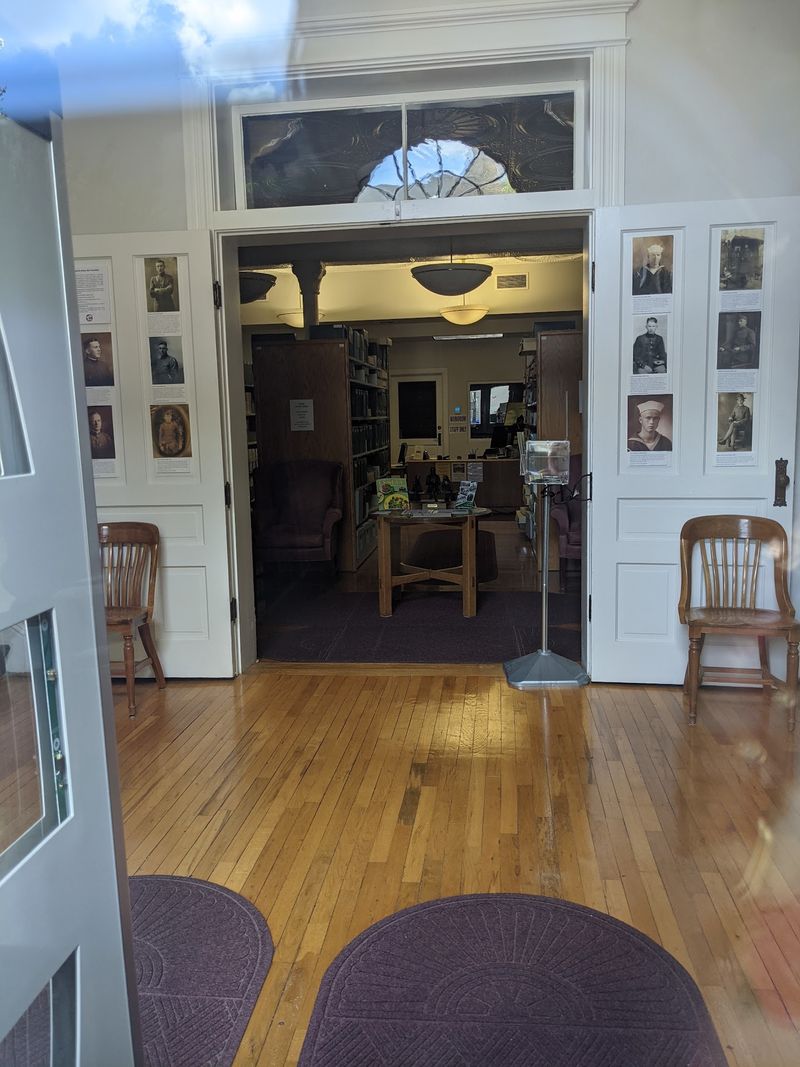
You know how some places have staff who act like helping you is an inconvenience? This isn’t one of those places. Nearly every review mentions how genuinely helpful, kind, and patient the staff members are at the Carnegie History Center.
They don’t just work here, they seem to truly love helping people uncover stories from the past.
The librarians here treat every research question with respect, whether you’re a professional genealogist or someone who just walked in curious about local history. They recognize that your research matters to you personally, and they match that energy with their assistance. People specifically mention how staff members will brainstorm ideas with you, suggest resources you might not have considered, and even continue research after you leave if they find something interesting.
What stands out most is their willingness to go the extra mile. One visitor’s father couldn’t make it during business hours, so a staff member did the research for him and provided all the information anyway. Another person mentioned how the staff helped them navigate land records and property questions with expertise that saved them time and frustration.
This kind of service creates an atmosphere where people feel comfortable asking questions without worrying about looking foolish. The staff understands that historical research can be overwhelming, especially if you’re not sure where to start, and they meet you wherever you are in the process with patience and genuine enthusiasm for helping you succeed.
5. The Charming Calvert Dollhouse Display
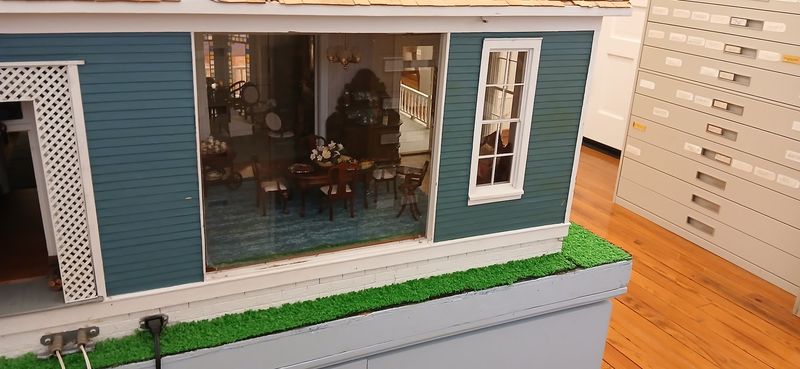
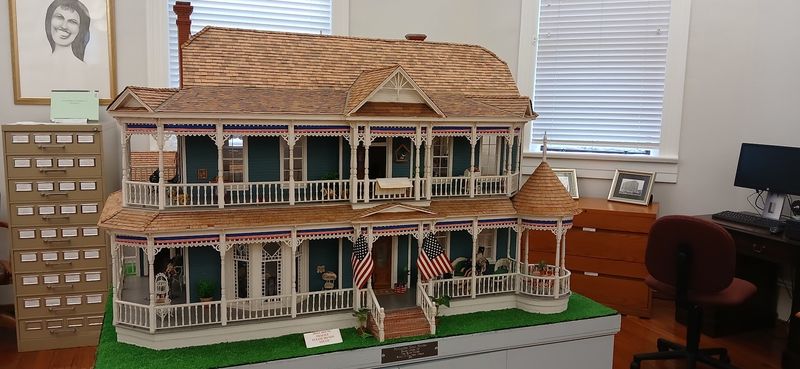
Sitting among all the serious research materials and historical documents is something unexpectedly delightful: a meticulously crafted dollhouse that’s a replica of a historic house in Calvert, Texas. It’s the kind of thing that makes you stop and stare, admiring all the tiny details someone painstakingly created.
The dollhouse isn’t just a random decoration. It represents actual Texas history, recreating a real home that existed in Calvert, a small town about 30 miles from Bryan. Every miniature room captures the style and furnishings of the era, giving visitors a three-dimensional glimpse into how people lived in historic Texas homes.
Kids especially love this display, and it serves as a gateway to getting younger visitors interested in history. While adults research family trees or browse old newspapers, children can examine the tiny furniture, peek into miniature rooms, and imagine what life was like in that house generations ago. It’s education disguised as entertainment.
The level of craftsmanship in the dollhouse shows the same attention to detail that goes into preserving everything else at the Carnegie History Center. Someone cared enough to create this accurate replica, and the center cared enough to display it prominently. It adds a touch of whimsy to a serious research facility, reminding visitors that history isn’t just dates and documents but also the homes people lived in and the daily details of their lives.
6. Free Access To Subscription Research Websites
Here’s something that can save you serious money: the Carnegie History Center provides free access to genealogy and historical research websites that normally require expensive subscriptions. We’re talking about services like Ancestry.com and other specialized databases that can cost hundreds of dollars per year if you subscribe individually.
These subscription services contain digitized records from across the country, including census data, military records, immigration documents, and millions of family trees submitted by other researchers. Having free access means you can search through these massive databases without worrying about subscription fees or time limits on free trials.
The computers at the center are set up specifically for this kind of research, and staff members can show you how to navigate the different websites effectively. If you’ve never used these genealogy platforms before, having someone guide you through the search process makes a huge difference in finding relevant information quickly.
Many people make regular trips to the Carnegie History Center specifically to use these subscription services, treating it like their personal research office. You can save your findings to a flash drive, print important documents, and build your family tree over multiple visits without spending a dime on subscriptions. It’s one of the best-kept secrets in the area for anyone interested in genealogy or historical research.
This free access democratizes historical research, making it available to everyone regardless of their budget. You don’t need to be wealthy or have expensive subscriptions to discover your family history, you just need library card and some time at the Carnegie History Center.
7. The New DigiLab For Modern Research
While the building itself dates back to 1903, the Carnegie History Center hasn’t been stuck in the past when it comes to technology. They’ve recently added a DigiLab, a space dedicated to digitizing old documents, photos, and records using modern equipment. It’s where history meets cutting-edge technology in the most practical way possible.
The DigiLab requires a class and appointment to use, which ensures everyone knows how to operate the equipment properly and gets the most out of their session. The staff offers training classes that teach you how to scan old photographs, convert documents to digital formats, and preserve fragile historical materials without damaging them.
This service is incredibly valuable for families who have boxes of old photos, letters, or documents they want to preserve. Instead of letting these irreplaceable items deteriorate over time, you can create digital copies that will last forever. The equipment in the DigiLab is professional-grade, producing much better results than trying to scan things on a home printer.
Visitors consistently mention what a wonderful experience using the DigiLab is, praising both the quality of the equipment and the training provided. The staff makes sure you feel comfortable using everything, answering questions and offering guidance throughout the process. It’s another example of how this historic building continues evolving to meet modern needs while maintaining its core mission of preserving and sharing history with the community.
8. The Reading Gentleman Statue Outside
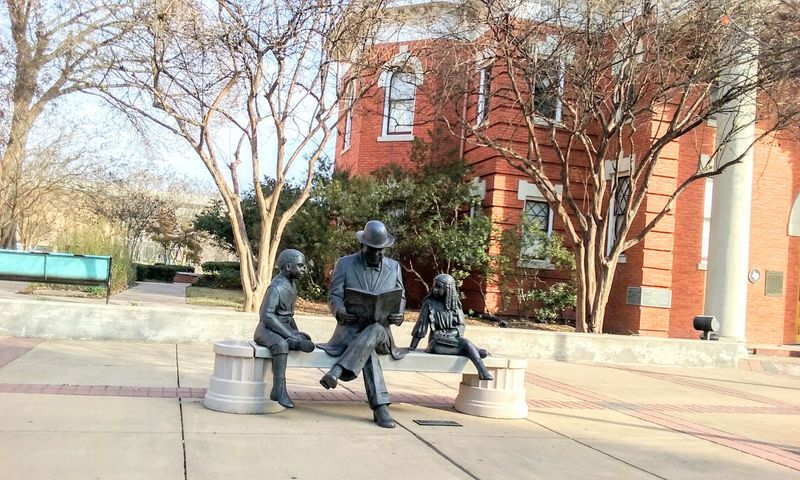
Before you even step inside the Carnegie History Center, there’s a piece of art outside that captures attention and hearts. A statue called “The Reading Gentleman” shows a man surrounded by children, all engaged in the timeless act of reading together. It’s become a beloved landmark in downtown Bryan and a perfect symbol for what the library represents.
The sculpture isn’t just decorative, it tells a story about the importance of literacy, education, and passing knowledge from one generation to the next. Seeing an adult figure sharing books with children captures the essence of what Carnegie envisioned when he funded libraries across America: accessible education for everyone, regardless of age or background.
Many visitors specifically mention this statue in their reviews, calling it beautiful and noting how it enhances the historic atmosphere of the building. It’s a popular spot for photos, especially for families visiting with children. The statue creates an immediate connection between past and present, showing that the simple act of reading together has been valuable for generations.
The artwork serves as a reminder that libraries aren’t just buildings full of books, they’re community spaces where knowledge gets shared, stories come alive, and people of all ages can learn together. Standing in front of the Carnegie History Center with this statue welcoming visitors perfectly sets the tone for what you’ll experience inside: a place dedicated to preserving stories and making them accessible to everyone who walks through the doors.