Layers of flaky pastry glistening with honey make the display case at Hellas Pastry Shop difficult to pass without stopping. At this family-run bakery on West Lawrence Avenue in Chicago, Greek baking traditions live on through handmade baklava, cookies, cakes, savory pies, and other longtime favorites.
The shop keeps things refreshingly simple, allowing careful preparation and rich flavors to do most of the talking. There is also a sense of neighborhood history behind every tray, giving each visit more character than an ordinary dessert run. At Hellas, something sweet from the pastry case comes with generations of tradition folded into every bite.
A Lawrence Avenue Storefront With Old-School Pull
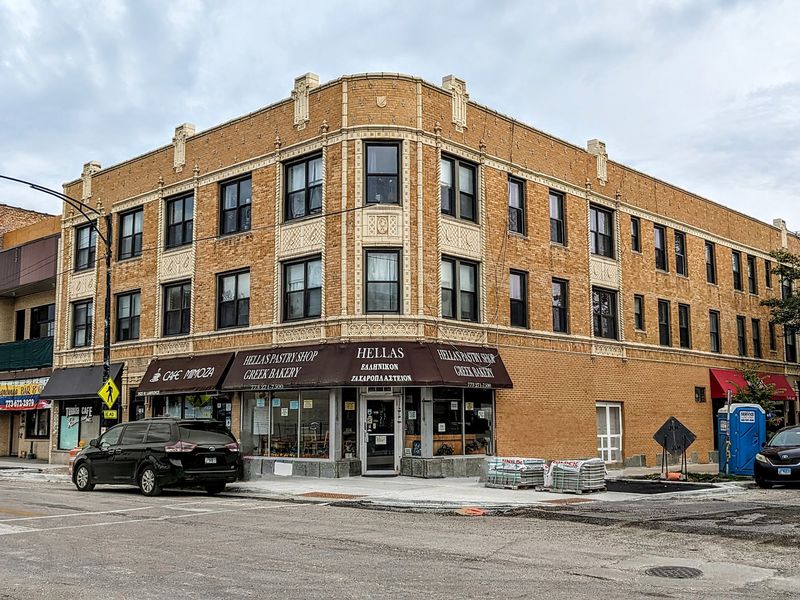
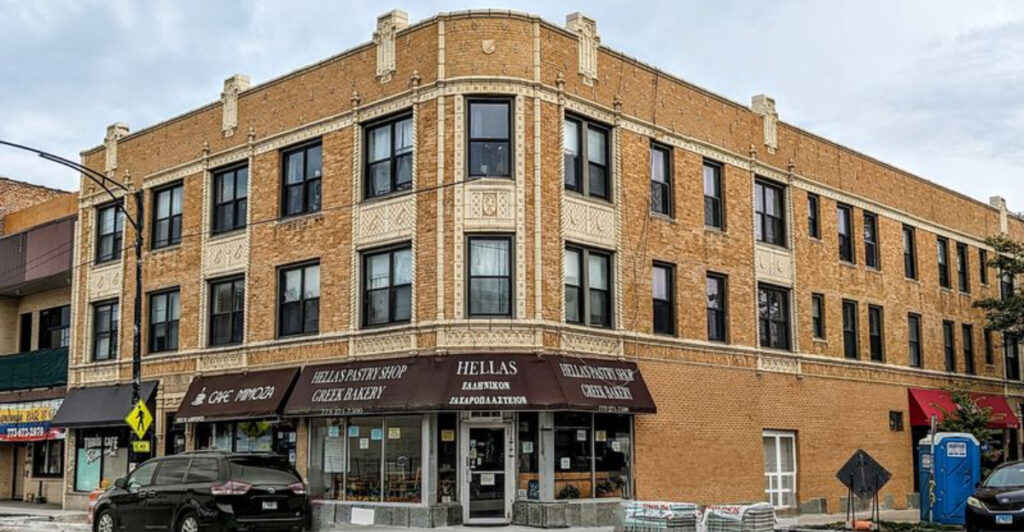
Plenty of great food spots try hard to look polished. Hellas Pastry Shop goes in the opposite direction, and that is part of its appeal.
The storefront at 2627 W Lawrence Ave is modest, direct, and easy to miss if flashy signs are the only thing catching your eye.
Step closer, though, and the bakery starts speaking in a different language. The message comes through the pastry case, the smell of honey and butter, and the sense that this place has spent its energy on baking instead of decoration.
That no-frills setup matters because it prepares visitors for a shop built on routine, skill, and repetition rather than trends.
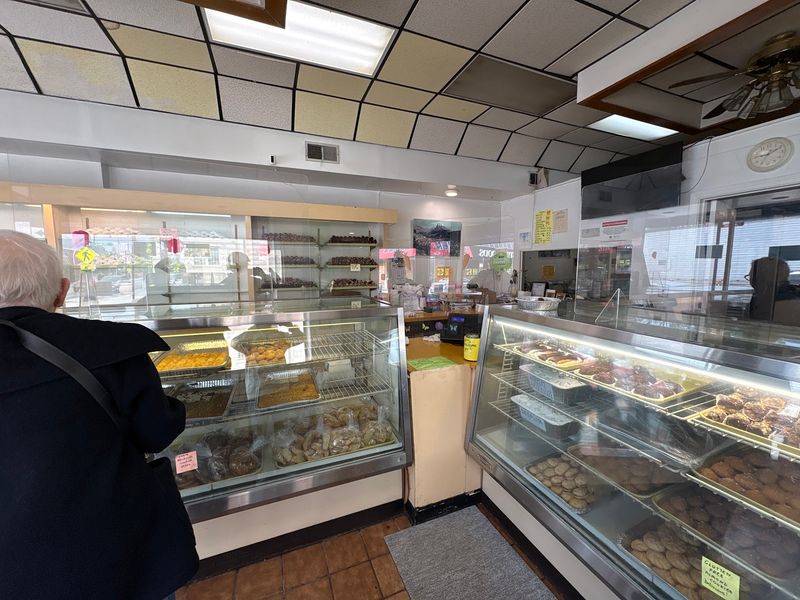
Inside, the space stays compact and practical. Cases are packed with Greek sweets, cookies, cakes, and savory options, giving the room a busy visual rhythm even without elaborate design touches.
A few window seats add a neighborhood touch, making the bakery useful for a quick pause instead of only a grab-and-go stop. That setting fits the bakery’s mom-and-pop identity. Nothing appears arranged for social media first.
Instead, the layout centers attention on the food, especially the trays of pastries that show off crisp layers, glossy syrup, powdered sugar, and deep golden crusts.
In a city full of places chasing a new look every season, Hellas stands out by staying steady. The shop reads like a long-running local business that knows exactly why people come through the door.
For newcomers, that can be a pleasant surprise. For longtime neighborhood regulars, it is likely part of the comfort.
Even before a box is packed, the bakery gives a clear signal. This is a place where appearance takes second place to craftsmanship, and where simple surroundings make the baked goods do the talking.
Baklava That Leans Into Honey, Crunch, and Care
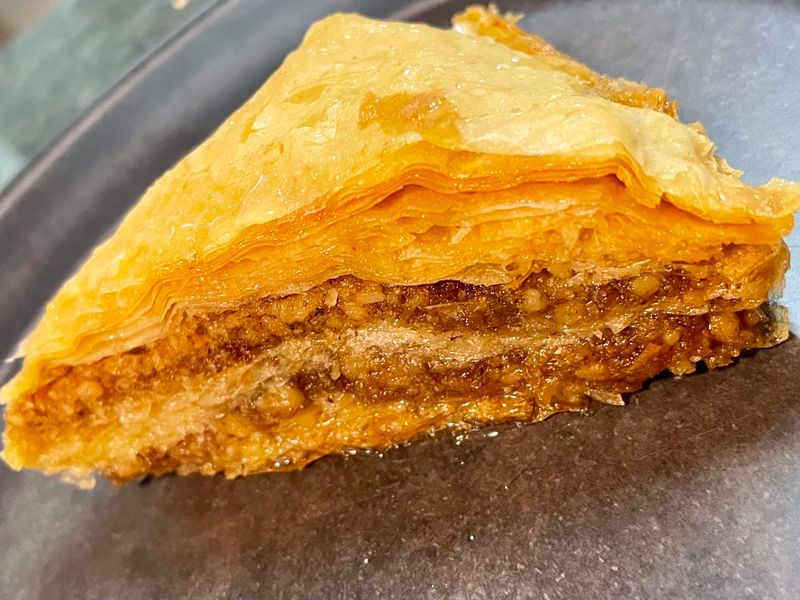
Some pastries are made to look nice in a box. Baklava is different. It demands texture, balance, and patience, and Hellas Pastry Shop has built much of its reputation around getting those details right by hand.
The first thing to notice is the contrast. Good baklava should not collapse into one sticky block. At Hellas, the appeal comes from crisp phyllo layers meeting a syrupy finish, with honey bringing shine and depth instead of turning the whole piece heavy.
That balance is a big reason baklava matters here. A Greek bakery can offer many sweets, but baklava is one of the clearest tests of technique because every layer has to hold its shape while still soaking up flavor.
When it works, each bite gives a little crackle before the nuts and syrup settle in. Hellas also appears to give baklava more than one lane.
Along with standard versions, rolled styles and chocolate-covered options add variety for shoppers who want something familiar or something richer.
That wider range helps the bakery feel lively because the case is not built around a single template repeated over and over.
For first-timers, baklava makes a smart starting point because it introduces the bakery’s style fast. It is sweet, but the goal is not candy-like excess.
The better experience comes from noticing how flaky pastry, nut filling, and honey stay in conversation with each other.
Take it home for dessert, pair it with coffee, or build a mixed pastry box around it. Any of those moves works well because baklava travels easily and still carries a sense of occasion.
Among the many treats at Hellas, this is the item that most clearly turns old-world pastry work into something immediate, rich, and deeply satisfying.
Beyond the Baklava, The Case Stays Busy
Baklava may grab the headline, but the pastry case at Hellas does not stop there. A visit works best when it is treated like a small tour through different textures, shapes, and levels of sweetness rather than a one-item mission.
Almond cookies are one strong example of that range. They bring a different pleasure than syrup-soaked pastries, leaning on soft centers, delicate tops, and a rich nutty flavor that pairs well with coffee or tea.
Honey cookies add another side of Greek baking, offering warmth and spice in a form that can feel homey and festive at the same time.
Then the case shifts again. Custard-based sweets such as galaktoboureko or custard pie bring creamy filling into the picture, giving shoppers an option that is less about crunch and more about silky contrast under flaky pastry.
Cakes, including orange cake, widen the selection further and keep the bakery from reading like a one-note sweets counter.
There are also smaller surprises that give the shop personality. Chocolate eclairs, seasonal favorites such as tsoureki around Pascha, and other classic Greek treats help the bakery serve both everyday cravings and holiday traditions.
That variety matters because it lets a single stop cover dessert for a family meal, a box for a gathering, or a quick personal treat.
The smartest way to order here is to mix categories. Pick one syrupy pastry, one cookie, and one creamy slice, then compare how each handles sweetness, richness, and texture.
A mixed box turns the visit into more than a purchase. It becomes a simple lesson in how broad a neighborhood Greek bakery can be when it keeps many traditions alive at once.
Spinach Pie Brings the Savory Counterpunch
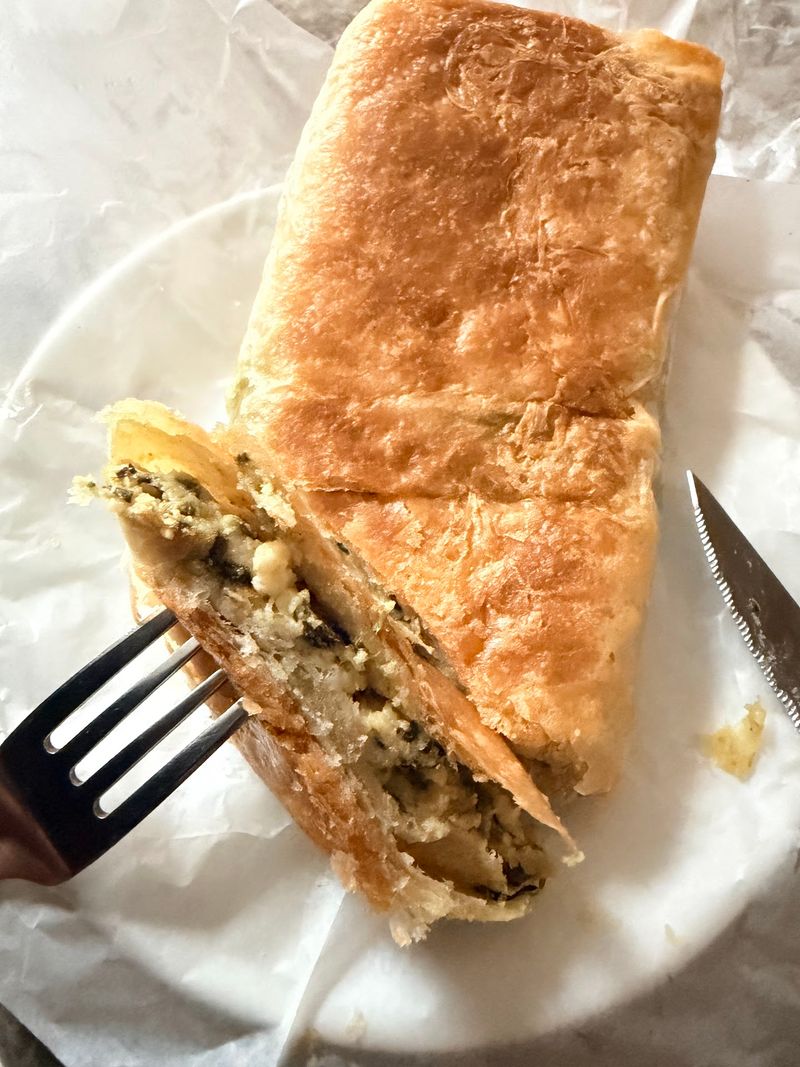
Sweet trays may dominate the room, yet one of the most talked-about items at Hellas is savory. The spinach pie gives the bakery an entirely different rhythm, turning a pastry stop into a place that can also solve breakfast, lunch, or a quick dinner.
That matters because savory baking changes how people use a shop. Instead of waiting for dessert, a customer can leave with something filling and practical, then add cookies or baklava for later.
The spinach pie becomes a bridge between meal and treat, which is one reason it seems to draw so much attention.
The appeal starts with structure. A good spinach pie needs a flaky exterior, enough filling to feel substantial, and seasoning that keeps the greens bright rather than flat.
At Hellas, the item is often singled out for being especially satisfying, and part of that praise likely comes from the simple fact that it does not behave like an afterthought beside the sweets.
It also rewards a little planning. Warming it at home appears to be a smart move, especially if the goal is to bring back crispness in the pastry and soften the filling into a fuller, fresher bite.
That small step can turn a bakery pickup into a comforting meal with almost no effort. For newcomers unsure where to begin, spinach pie is a clever choice because it reveals another side of the shop’s skill. Handling filo well is not only about dessert.
The same care shows up in savory pastry, where balance matters just as much. Order one for the ride home, then add sweets after. That sequence lets Hellas unfold in stages.
First comes the warm, savory pull of spinach wrapped in pastry. After that, the honey, nuts, cream, and sugar make even more sense.
A Long-Running Greek Bakery Thread in Chicago, Illinois
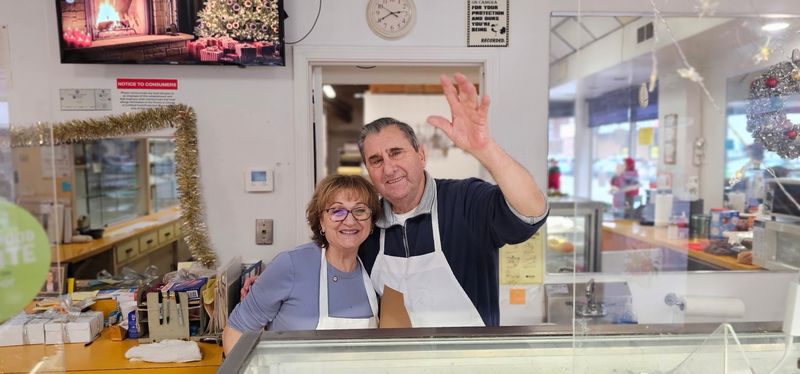
Some bakeries open with a splash and disappear a few years later. Hellas Pastry Shop carries a different kind of story, one tied to decades of neighborhood life and to Chicago’s long Greek presence.
That history gives the bakery extra weight beyond the pastry case. Reports about the shop regularly point to its family-run character and its roots going back many years, with references reaching to the late 1960s or 1970s.
Even without turning the bakery into a museum piece, that timeline matters. It suggests a business shaped by repetition, passed-down methods, and steady local support instead of short-lived novelty.
The Lawrence Avenue location also adds context. This part of the city has seen waves of different communities, and Greek food businesses have long helped mark those layers of Chicago life.
A bakery like Hellas works as a small everyday reminder that neighborhood identity can live in a box of cookies just as much as in a street festival or church event.
That local connection helps explain why certain items carry more than simple hunger appeal. Tsoureki around Pascha, honey cookies, almond cookies, and classic custard pastries are not just products.
They are part of holiday tables, family visits, and routines that stretch across generations. At the same time, the shop remains approachable for anyone with no Greek background at all.
A newcomer does not need cultural expertise to understand flaky pastry, fragrant honey, or the comfort of a warm spinach pie. Hellas succeeds because it can hold tradition without turning it into a closed club.
In Chicago, Illinois, where dining scenes change fast, that kind of continuity stands out. The bakery offers a living thread between older neighborhood patterns and present-day curiosity, all through food that still appears made with care and a very clear sense of purpose.
How to Time the Visit and Build the Best Box
The best bakery visits are not always the longest ones. Hellas Pastry Shop works especially well when the stop is planned with a little strategy, because the shop keeps daytime hours and offers enough variety to reward a thoughtful order.
According to the listed schedule, the bakery opens at 9 AM and closes in the afternoon, with Sunday ending earlier at 3 PM. That makes Hellas more of a morning-to-midday destination than a late dessert run.
Going earlier is a practical choice, especially for shoppers hoping for a fuller selection or picking up pastries for a gathering.
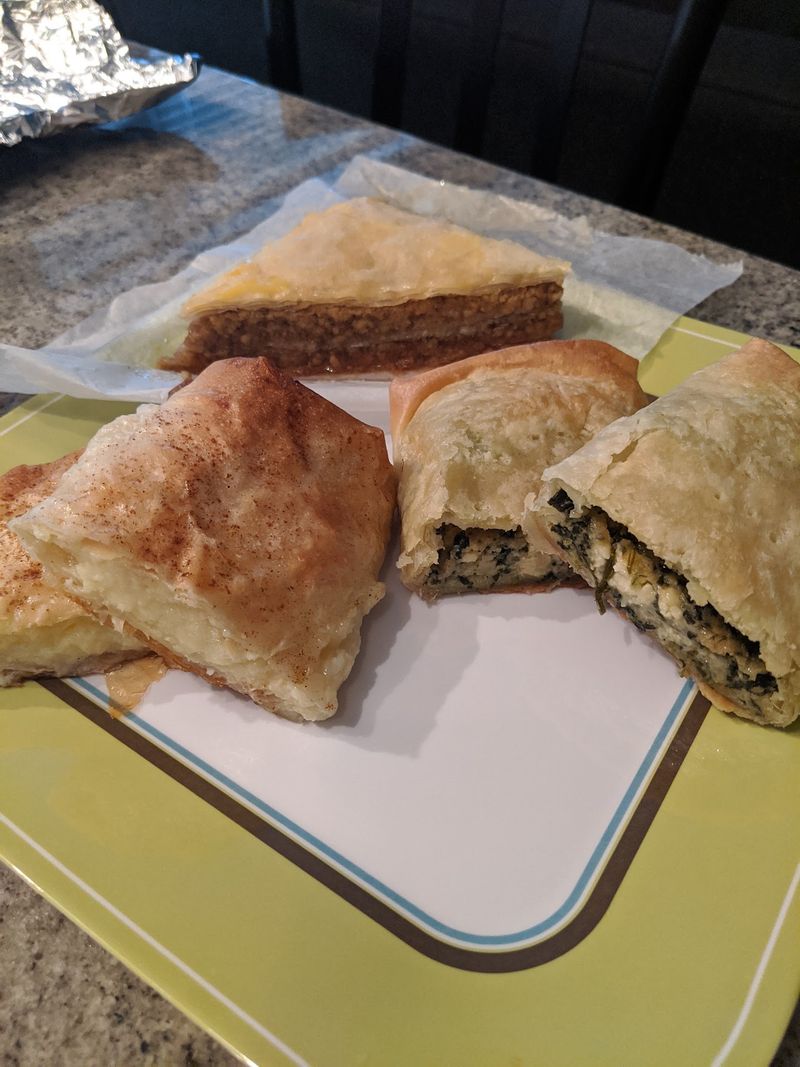
A first visit should aim for contrast. Start with one signature sweet, most likely baklava, then add a cookie such as an almond or honey variety, and include the spinach pie for a savory anchor.
That mix turns a single bakery box into a much broader sample of what the shop does well. If the order is headed home instead of being eaten right away, think about sequence.
The spinach pie can be warmed later for a more satisfying texture, while cookies hold up nicely and make an easy snack with coffee or tea.
Syrup pastries and custard slices can wait for dessert, which stretches the experience across the day instead of ending it in one sitting.
The shop also makes sense for holiday stops or small events. Greek pastries bring visual variety to a table, and a mixed box can cover different tastes without much fuss.
That is useful when one group wants nutty, crunchy sweets and another prefers softer cookies or creamy pastries.
Parking and neighborhood errands can also shape the trip, so combining Hellas with other Lincoln Square or Albany Park stops is a smart move.
Show up earlier, order across categories, and let the box do more than one job. That is the simplest way to get the most from this bakery.
Why Handmade Still Wins Here
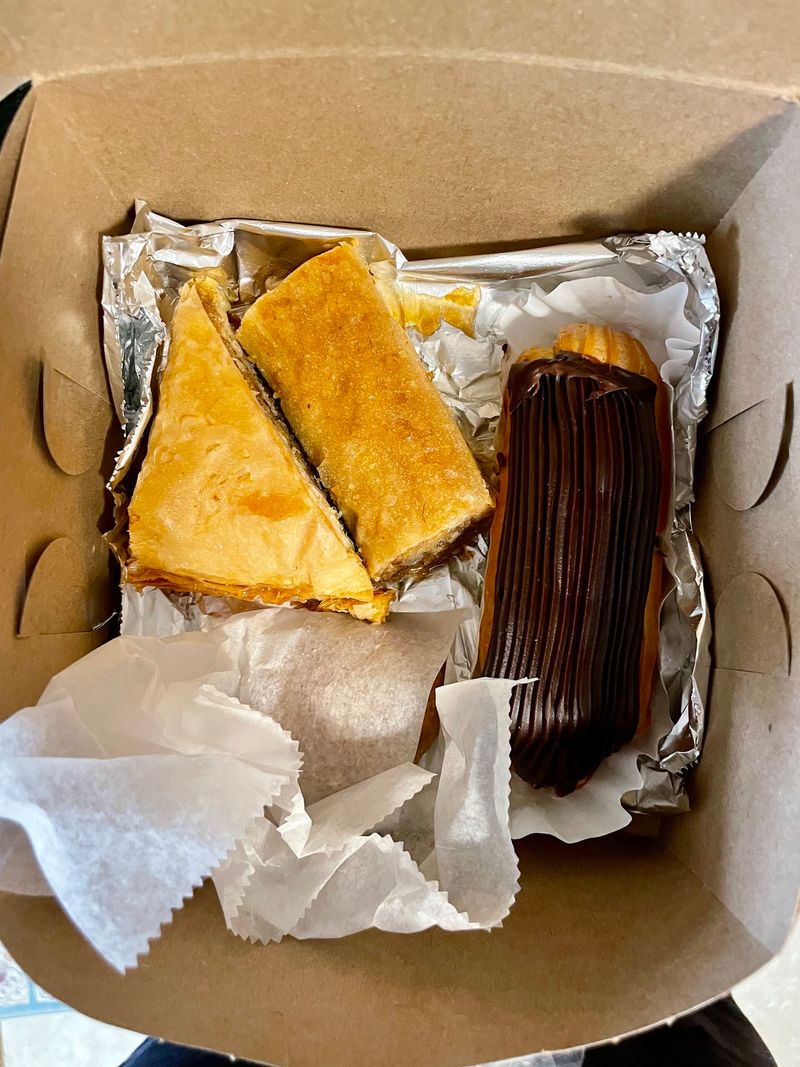
Handmade is one of those food words that gets tossed around too easily. At Hellas Pastry Shop, it carries more meaning because the bakery’s strongest items depend on labor that cannot be rushed without changing the result.
Phyllo layers, syrup balance, filled pies, and shaped cookies all show the value of careful hands. That is the real reason the bakery stands out. Not because it is flashy, and not because it tries to reinvent Greek pastry for modern attention spans.
Its strength comes from staying committed to forms that require patience, consistency, and a feel for texture that machines alone do not supply.
You can notice that difference in the variety of products. Baklava needs crispness without dryness. Honey cookies need enough moisture to stay tender while still carrying spice and sweetness clearly.
Almond cookies depend on structure, not just sugar. A spinach pie has to hold together as a meal, not crumble into a mess.
When one small shop can handle all those demands at once, it says something about discipline. Handmade baking is not only about nostalgia.
It is a practical advantage when the goal is food with character, where one pastry does not taste exactly like the next in a factory-perfect but lifeless way.
That human touch also shapes the pace of the visit. A family-run counter, a compact room, and a display built around prepared trays instead of mass branding all push attention back to the baked goods themselves.
The experience remains simple, but not plain. In the end, Hellas offers a persuasive case for why old methods still matter in a busy city. A box from this bakery gives more than sugar and flour.
It shows how craft survives through repetition, neighborhood loyalty, and recipes sturdy enough to keep earning space on the counter year after year.