A seafood tower lands beside the window just as Manhattan begins switching on its lights. Somewhere else, a server presses a whole roasted duck through an antique silver contraption, while a few counties away, seven meticulous courses unfold against a mountain sunset.
New Jersey knows how to make dinner feel like an event, and these restaurants have the checks to prove it. None belongs in the Tuesday-night, “let’s grab something quick” category.
These are anniversary tables, birthday reservations, promotion celebrations, and carefully planned evenings when ordering dessert is nonnegotiable. Some deliver old-school glamour with white tablecloths and towering steaks.
Others trade formality for intimate dining rooms, unpredictable tasting menus, and chefs working just a few feet from your chair. Whether the money goes toward Japanese wagyu, pristine seafood, serious wine, or a tableside performance, each place offers more than an expensive plate.
It offers a convincing reason to loosen the budget and stay for one more course.
1. Battello – Jersey City
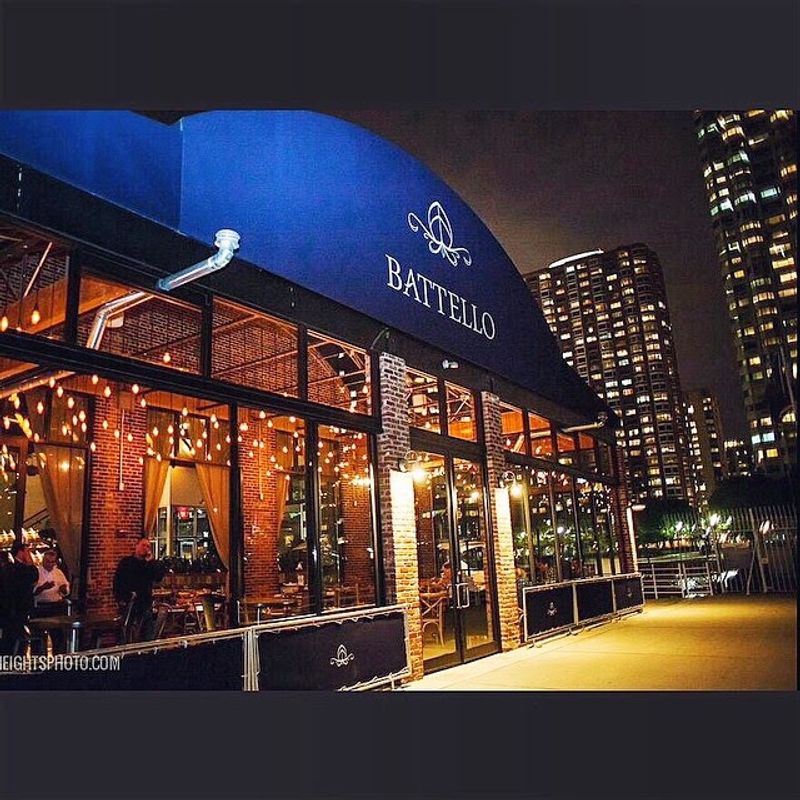
The Manhattan skyline is already impressive from the Jersey City waterfront, but it looks even better with ricotta gnocchi and a chilled glass of wine in front of you. Set on the Newport Marina pier, Battello pairs its postcard-ready outlook with contemporary Italian cooking that leans heavily toward seafood.
Enormous windows keep the Hudson and passing boats in view, while soaring ceilings, exposed structural details, and soft lighting prevent the dining room from feeling like a predictable waterfront banquet hall. The ricotta gnocchi with sweet sausage Bolognese has long been one of the kitchen’s defining dishes.
It is rich enough to feel celebratory without wiping out your appetite before the main course. Raw-bar selections, crudo, grilled octopus, handmade pasta, and market fish offer plenty of ways to build a meal, though a seafood tower is the obvious move when the table wants maximum drama.
Steaks and slow-cooked meat dishes make sure devoted carnivores are not merely tagging along. Prices rise quickly once cocktails, multiple courses, and dessert enter the equation, but the setting does contribute something tangible to the experience.
Ask for a window table when reserving, especially if the occasion matters, and aim for a time near sunset. Parking in Newport is manageable thanks to nearby garages, but leave extra time on busy evenings.
This is not the place to arrive flustered and ten minutes late.
2. Saddle River Inn – Saddle River

Two centuries of weathered wood surround a dining room where caviar, wagyu, and Dover sole feel entirely at home. The building began life as a barn, and its low beams, paneled walls, white linens, and riverside position give dinner the warmth of an old country inn with considerably more ambitious cooking.
There is a dress code, which should tell you that this is an evening to plan rather than improvise. The contemporary French-American menu balances recognizable luxuries with playful turns.
Wagyu beef tataki may arrive with crispy rice and caviar, while a crab cake “rangoon” borrows flavors from a takeout favorite without treating the idea as a joke. The kitchen’s veal tenderloin parmigiana is a clever example of how the restaurant works: familiar enough to crave immediately, polished enough to belong beside truffles and foie gras.
Serious spenders can head for the butcher block, where Australian wagyu and large dry-aged steaks push the bill firmly into special-occasion territory. Dover sole, lamb chops, duck, and Barnegat scallops provide equally tempting detours.
Service is measured and attentive, and the room encourages lingering rather than checking the time between courses. Reservations are essential, particularly for Friday and Saturday nights.
Give the valet the keys, put the phone away, and let the old barn do what it does best: turn dinner into a proper night out.
3. MM by Morimoto – Montclair
Tuna pizza, Japanese A5 wagyu, and an omakase counter rarely share the same address, but that combination is precisely what makes this Montclair dining room interesting. Iron Chef Masaharu Morimoto’s restaurant blends the swagger of an American chophouse with the precision and restraint of Japanese cooking.
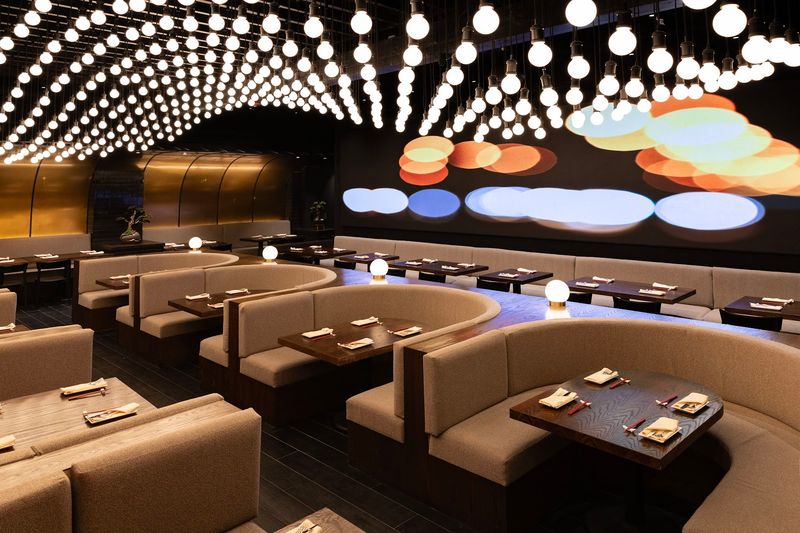
The room follows suit. Moody lighting and changing digital artwork create a sleek backdrop, while music and a steady current of dressed-up diners keep it from becoming hushed or ceremonial.
Sushi is not an afterthought here. Fish sourced for the raw-bar and omakase offerings deserves attention before anyone starts comparing steaks.
Morimoto’s tuna pizza remains a natural first order, layering thin tuna with anchovy aioli and jalapeño for a dish that is delicate, salty, spicy, and instantly recognizable. Toro tartare, sashimi, premium nigiri, and elaborate rolls can fill an entire meal, but the meat program is built to tempt diners toward excess.
Japanese and Australian wagyu appear alongside prime American cuts, creating the dangerous possibility of turning dinner into a side-by-side beef tasting. The bill can climb with remarkable efficiency once wagyu, cocktails, and sushi enter the conversation.
That is part of the fun, provided everyone arrives expecting it. Reserve the omakase counter for the closest view of the action, or choose the main dining room when the celebration calls for more noise, more people, and several dishes passed around the table.
4. Sam’s Table – Montclair
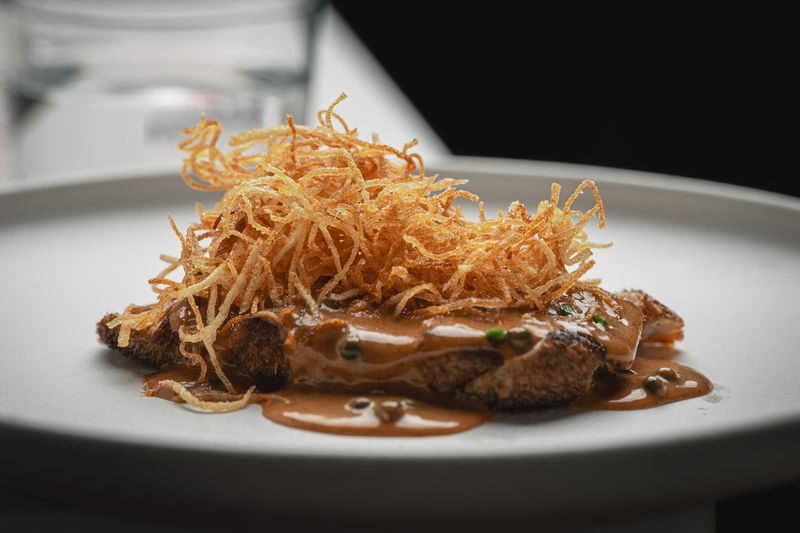
With only 26 seats, this Montclair restaurant feels less like entering a grand dining room and more like being invited to an unusually talented cook’s dinner party party. Green banquettes, exposed brick, colorful art, glowing table lamps, and gold-toned flatware give the small space personality without crowding it.
Chef Sam Stymest shapes the four-course tasting menu around what local farms and purveyors are producing, changing it monthly rather than forcing the same signature plates through every season. That means the reward here is not one famous entrée.
It is the sense that dinner belongs to a particular moment of the year. A cool-weather menu may lean toward earthy roots, rich broths, and slow-cooked meat, while summer can bring crudo, sweet corn, tender vegetables, and brighter sauces.
Guests make choices within the tasting format, so the experience still offers some control. Compare selections with your dining partner and order differently if you want to sample more of the kitchen’s range.
Bread and dessert additions can lengthen both the meal and the final total, but skipping either at a tasting-menu restaurant requires more self-discipline than most celebrations deserve. Wine is available through select local offerings and delivery arrangements, and guests may also bring a bottle.
Reservations matter because the room has almost no spare capacity, and dietary restrictions should be shared well ahead of time. Come ready to slow down; four courses in such an intimate space are meant to unfold, not race.
5. Restaurant Latour – Hamburg
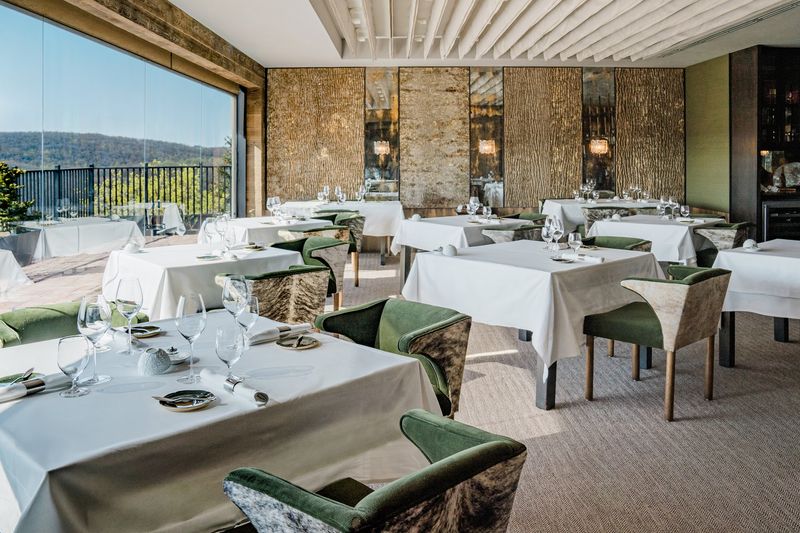
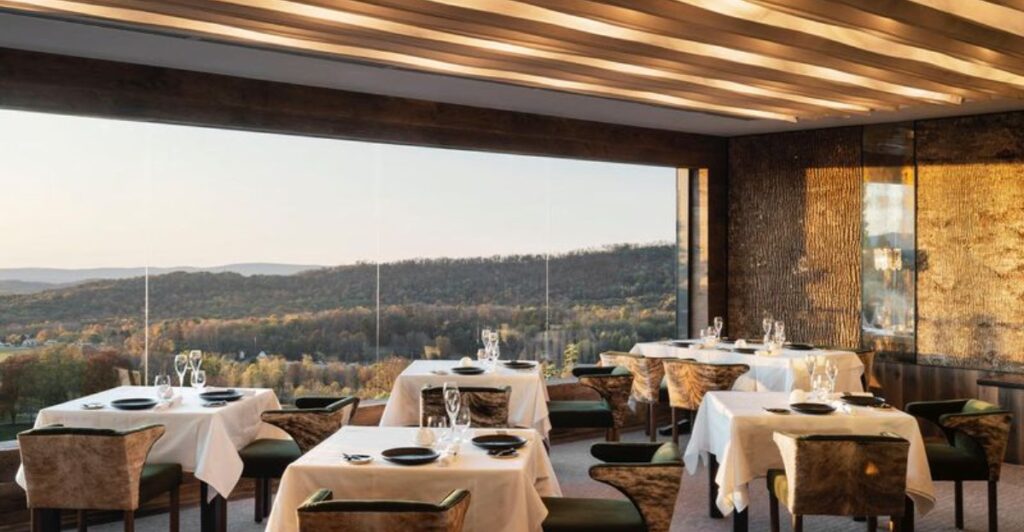
A seven-course dinner tastes different when the last daylight is slipping behind the Kittatinny Mountains. Restaurant Latour uses its perch inside Crystal Springs Resort to full advantage, framing Sussex County’s ridgelines through broad windows while the kitchen sends out an intricate progression of seasonal plates.
The room is polished, quiet, and small enough for the service team to notice details before guests need to ask. This is among the clearest examples of destination dining in New Jersey.
The chef’s tasting menu might move from crudo and langoustine to morels, wagyu, and a delicate final course built around local ricotta and honey. A shorter menu offers choices such as scallops, rabbit, John Dory, squab, or an elaborate Wellington, depending on the season.
Ingredients are treated with serious technique—fermenting, preserving, foraging, and layering sauces—but the cooking still aims for pleasure rather than an intellectual puzzle. Wine is the other major reason to make the drive.
The resort is home to an enormous cellar, and pairings can elevate the tasting menu while substantially elevating the bill along with it. Curious drinkers should give the sommelier a budget and let the cellar do some showing off.
Allow several hours for the full experience, and consider staying at the resort rather than watching the clock between courses. A sunset reservation is ideal, but the meal is the real scenery once darkness settles over the mountains.
6. Ninety Acres – Peapack-Gladstone
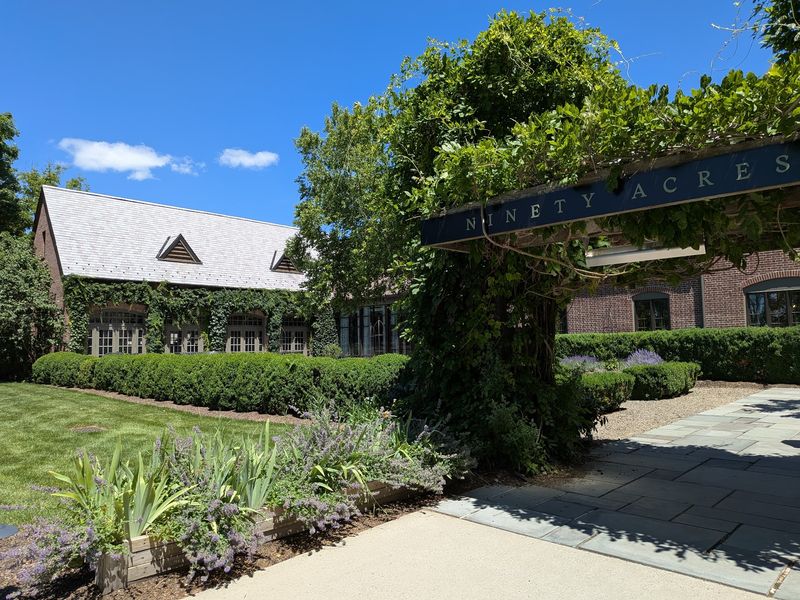
Before a plate reaches the table, some of its ingredients may have traveled only a few hundred yards. Ninety Acres occupies a restored carriage house on the Natirar estate, surrounded by farmland that directly informs the kitchen’s seasonal approach.
That connection is visible from than a fashionable slogan: vegetables, herbs, and other produce shape dishes according to what the grounds and nearby growers can supply.
Floor-to-ceiling windows keep the landscape in the room, and the mix of stone, wood, and warm lighting makes the restaurant feel polished without demanding that everyone sit stiffly.
Start with something that shows off off the farm’s strengths, whether that means a deeply colored beet preparation, a composed salad, or a pasta folded around the season’s best vegetables. Seafood, duck, pork, and prime beef anchor the larger plates, often accompanied by produce treated with as much care as the main protein.
The Parker House rolls deserve room even when common sense says otherwise, particularly when they arrive with flavored butter and a sweet-savory flourish. Dinner can become expensive through accumulation: an appetizer, a premium entrée, vegetables for the table, wine, and dessert turn a pleasant meal into a genuine splurge.
Still, the estate setting makes it feel like more than a restaurant reservation. Arrive before dark to see the grounds, request a table with a view, and avoid packing the evening with another commitment.
Natirar rewards anyone willing to let dinner stretch.
7. Ram & Rooster – Metuchen
One course may taste unmistakably Chinese; the next might borrow the shape and polish of modern American fine dining. Chef Yan Chiu uses that tension to give Ram & Rooster an identity all its own.
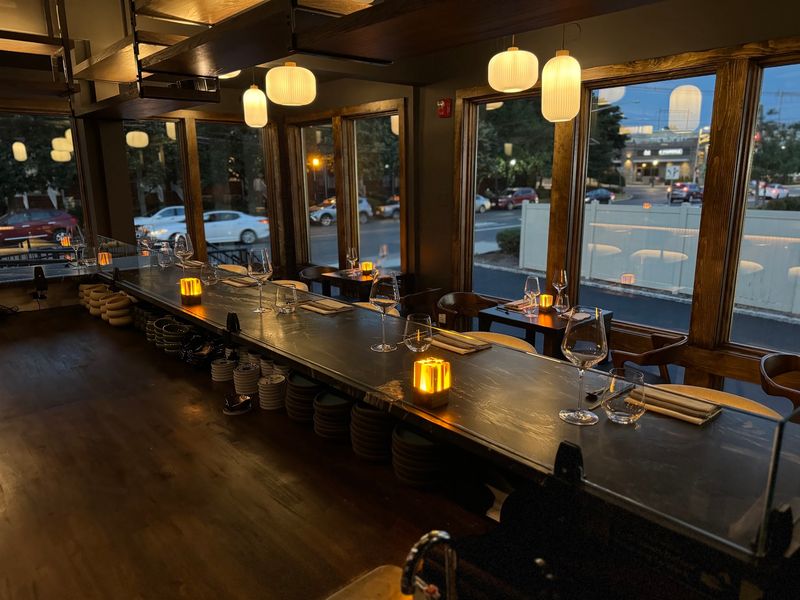
The Metuchen restaurant serves a tasting menu built around Chinese ingredients and techniques, filtered through New Jersey’s seasons and presented with the precision expected at this price. The compact dining room and open kitchen bring guests close enough to watch the final details land on each plate.
A meal might begin with crudo sharpened by pickled plum, move through Hokkaido scallops with chili and ginger, and continue toward barramundi seasoned with mala spice. Iberico pork and A5 wagyu provide the richer fork in the road, while desserts can transform pineapple cake, corn, sesame, or tea into surprisingly elegant finales.
None of it feels like a parade of familiar luxury ingredients added merely to justify the price. The stronger dishes make the case through contrast—crisp against silky, fermented against fresh, restrained against fiery.
Ram & Rooster is BYOB, which lets diners put more of the budget toward the tasting menu or bring a bottle they have been waiting to open. Curated Chinese teas and nonalcoholic options are available for another kind of pairing.
Dietary needs require advance notice, and some allergies cannot be accommodated, so communicate before booking. Seats at the chef’s counter give the splurge its best view.
8. Stage Left Steak – New Brunswick
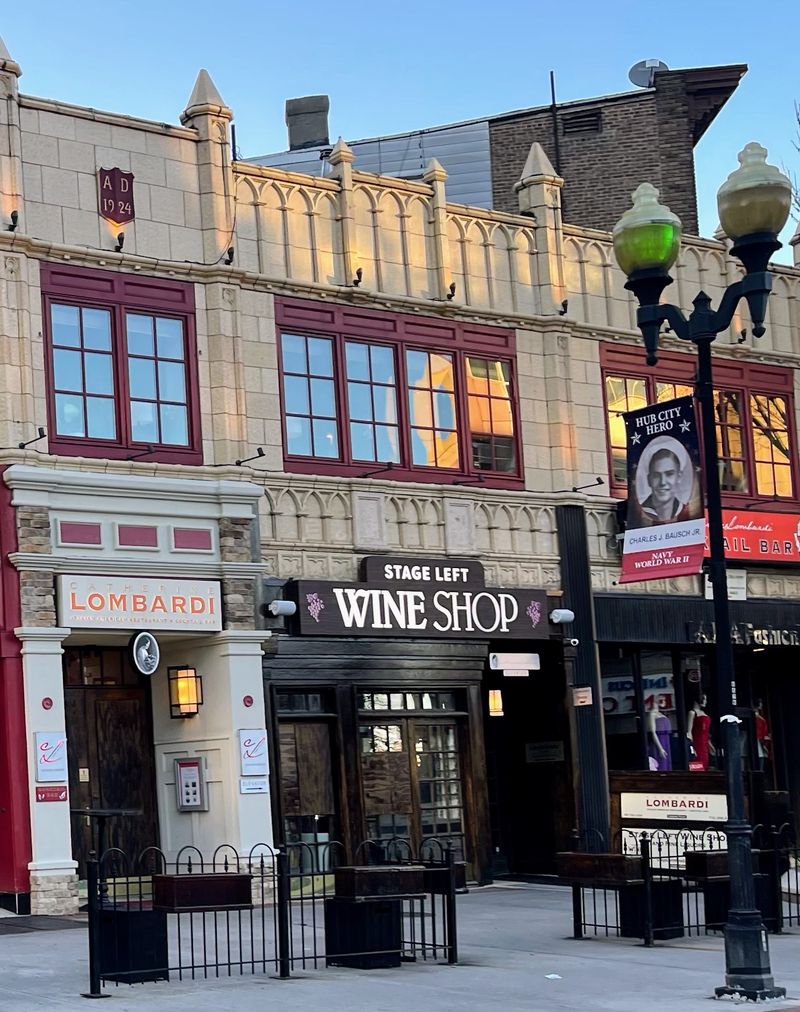
A properly cooked steak and a theater ticket have been natural partners in New Brunswick for decades. Located across from the New Brunswick Performing Arts Center, Stage Left Steak understands the rhythm of an occasion: a strong cocktail, an impressive cut of beef, and enough time to reach the curtain without sprinting down Livingston Avenue.
The restaurant has several distinct spaces rather than one cavernous dining room. Contemporary art, reclaimed wood, bold carpeting, and wine-cellar details give each area a different character, so asking where your table will be is worthwhile.
Beef is the reason most diners come. Prime steaks, dry-aged cuts, large-format chops, and Japanese wagyu are treated seriously, with the wood-burning grill supplying a deep crust and smoky edge.
The menu also makes room for roasted chicken, duck, seafood, and a steakhouse burger with a devoted following. Even so, this is one of those restaurants where ordering modestly takes determination.
Add a few appetizers, potatoes, vegetables, a bottle from the extensive cellar, and molten chocolate cake, and the check begins flexing like the main course. The wine program is a genuine strength rather than a decorative list of famous labels, so ask for help matching a bottle to both the food and your preferred spending limit.
Nearby parking garages make dinner convenient, while reservations are particularly smart on performance nights. Tell the staff your curtain time when seated; they know the drill.
9. Dock’s Oyster House – Atlantic City
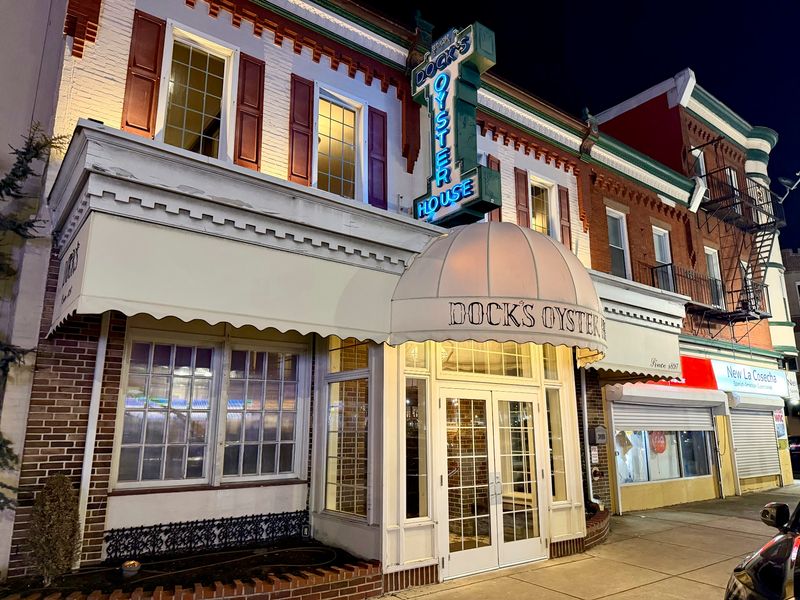
The raw bar has been cracking shells in Atlantic City since 1897, which is an impressive amount of time to perfect an oyster order. Dock’s remains a family-run institution, but age has not turned it into a museum.
The dining room stays busy, the piano adds a cheerful pulse, and platters of shellfish keep moving past white-tablecloth tables. Dark wood, old photographs, and maritime details supply history without smothering the evening in nostalgia.
Begin at the raw bar and compare several oyster varieties rather than defaulting to one dozen of the same kind. A chilled shellfish sampler or seafood tower adds lobster, clams, shrimp, crab, and other icy treasures, making an appropriately excessive opening for a group.
From there, the pan-sautéed jumbo lump crab cakes are difficult to argue against. They rely on sweet crab rather than filler and have earned their place among the restaurant’s enduring classics.
Lobster, fresh fish, steak, and traditional seafood preparations round out a menu that respects the past without becoming trapped in it. This is not the state’s most rarefied tasting-menu experience, but a full evening of oysters, cocktails, entrées, and dessert can still command a serious bill.
What justifies it is the combination of product, history, and confident service. Book ahead on weekends, especially during summer or major Atlantic City events, and arrive early enough to enjoy the bar before dinner.
10. Knife & Fork Inn – Atlantic City
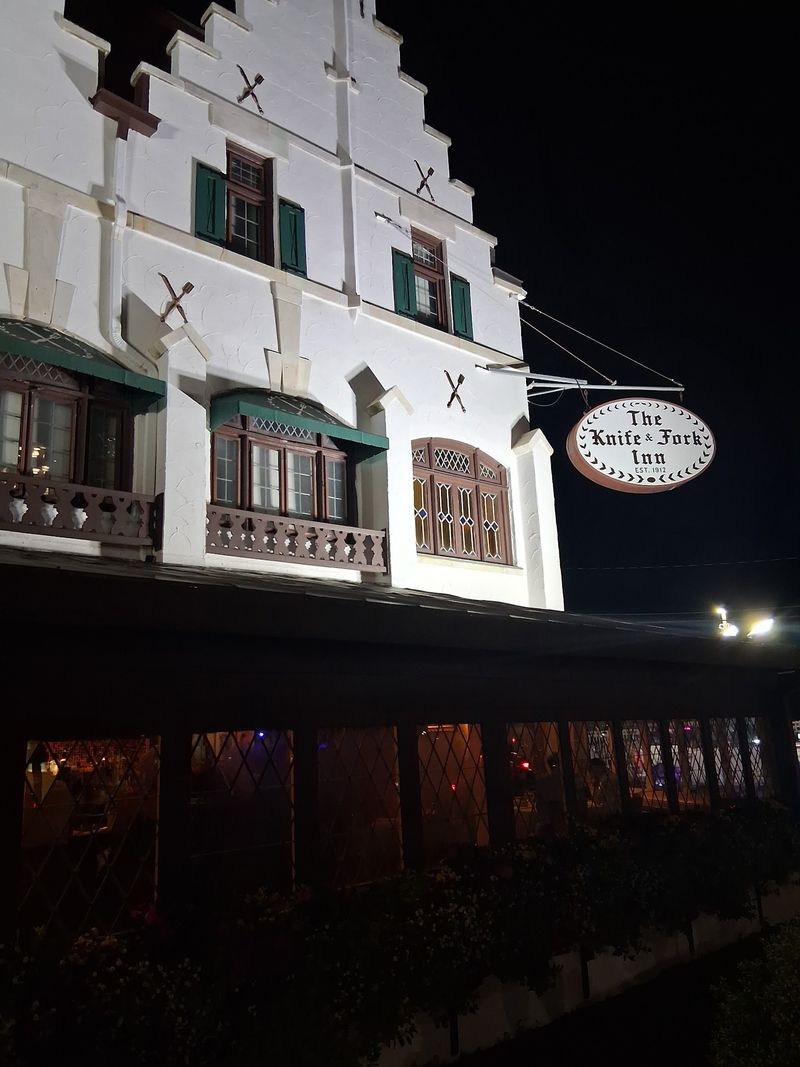
Walk through the doors and Atlantic City’s Prohibition years suddenly feel close enough to overhear. The Knife & Fork Inn opened in 1912 as a private club and still carries the confidence of a place designed for long dinners and powerful guests.
Its restored dining rooms feature mahogany, stained glass, sweeping staircases, vaulted ceilings, murals, fireplaces, and enough period detail to make a pre-dinner look around practically mandatory. The menu matches that old-school glamour with steaks, chops, seafood, and several dishes that know exactly how dramatic they sound.
Lobster spring rolls or cornmeal-crusted calamari make easy starters, while a wedge salad provides the necessary crunch before the heavier plates arrive. From there, consider a prime steak with goat cheese au gratin potatoes, jumbo lump crab cakes, or a surf-and-turf combination that refuses to pretend dinner is an ordinary event.
Lobster Thermidor, when available, fits the surroundings especially well. The food is more classic than experimental, which is precisely the appeal.
You are paying for assured steakhouse cooking in a building that supplies its own entertainment before the first course appears. Ocean views are available from parts of the restaurant, though the historic interiors are arguably the better show.
Request a particular room when reserving if that matters to you. Valet parking removes one Atlantic City complication, and a post-dinner walk toward the Boardwalk helps after those potatoes.
11. June BYOB – Collingswood
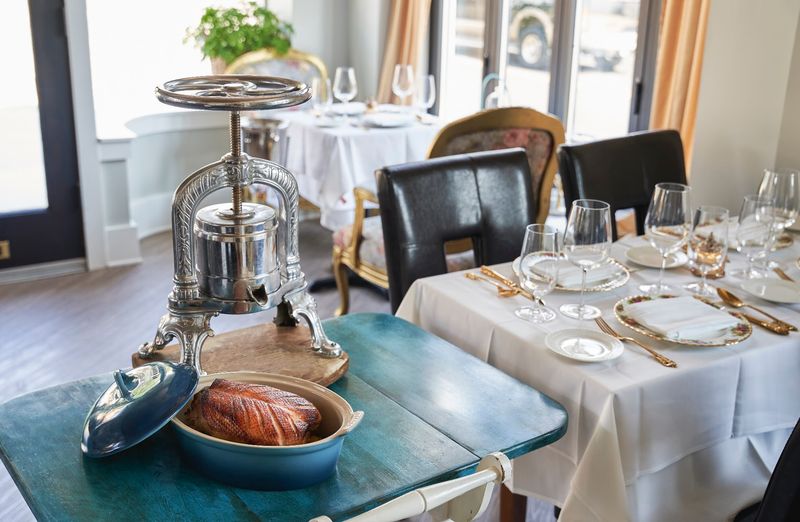
An antique duck press is not subtle, especially when it arrives tableside with a whole Muscovy duck waiting to meet it. The Canard à la Presse Voyage is June BYOB’s grandest production: duck presented and carved for the table, a sauce created from its juices, cognac flambéed with shallots and herbs, and crêpes Suzette to finish.
It must be arranged in advance, costs accordingly, and turns dinner into the kind of story guests repeat afterward. The rest of chef Richard Cusack’s French menu shows equal respect for technique, only with less machinery.
Parisian gnocchi, escargot with mushrooms, Dover sole, lobster pithivier, and Beef Wellington all display classical foundations sharpened by seasonal details. A five-course chef’s tasting menu offers the simplest way to hand over the evening, while the à la carte format suits diners who already know that Wellington is nonnegotiable.
Exposed brick, candlelight, and close-set tables give the Collingswood room a warm neighborhood character rather than palace-level formality. That intimacy makes the elaborate presentations even more enjoyable because the entire dining room tends to notice when the flame appears.
As the name promises, guests bring their own wine, creating an opportunity to open something special without paying restaurant markup. The duck experience is limited and requires confirmation, so do not assume a standard reservation includes it.
For a less extravagant entry point, Sunday’s shorter tasting format delivers the same culinary personality at a gentler price.
12. Elements – Princeton
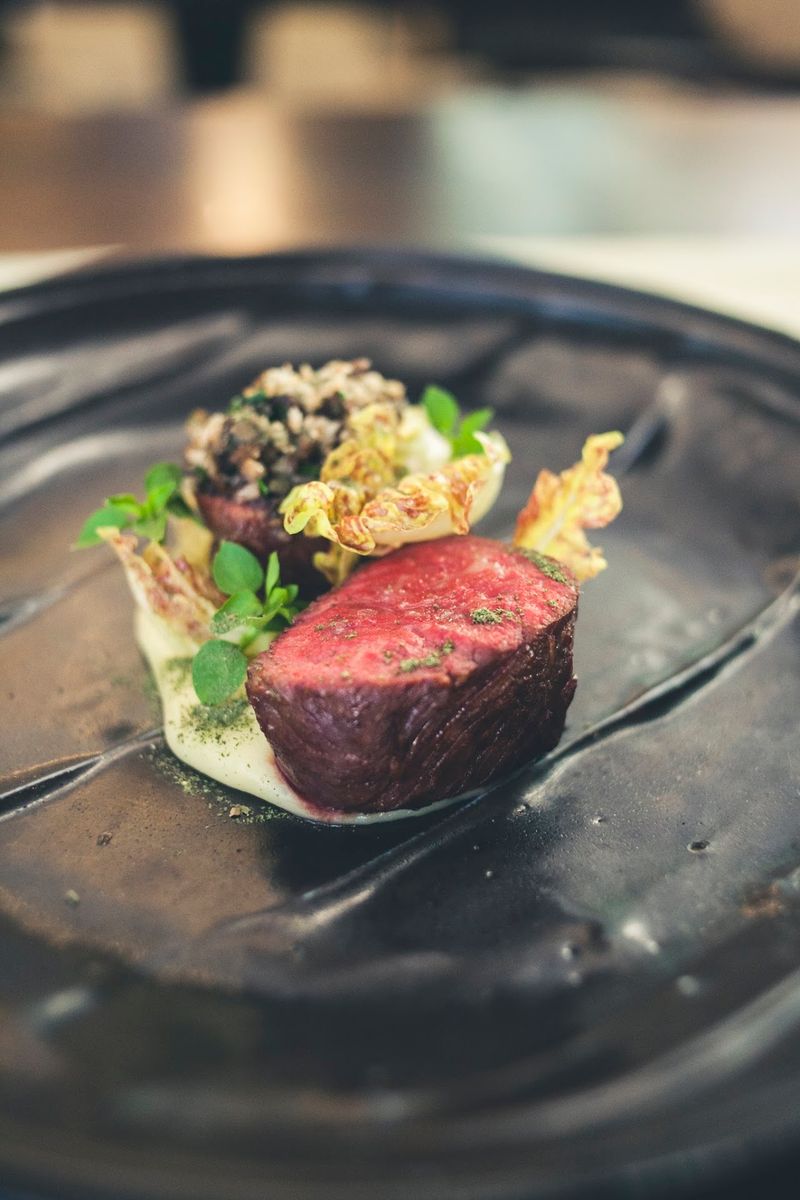
A snapping turtle course followed by Hokkaido scallop, black cod, spring agnolotti, and truffle-scented duck is not a sequence most diners can predict.
That element of surprise drives the experience at this intimate Princeton restaurant, where chef Scott Anderson builds tasting menus from local agriculture, global pantry ingredients, and a notably fearless approach to flavor.
The setting above Mistral is understated and contemporary, allowing the succession of small plates to command the attention. There are no giant steakhouse portions or towers designed for photographs.
The luxury lies in the number of ideas, ingredients, and precise movements packed into one evening. The chef’s tasting menu can run through snacks and seafood before reaching handmade pasta, duck, wagyu, and several sweet conclusions.
A shorter tasting option offers a more compact version of the kitchen’s style, while wine pairings can nearly double the investment but provide some of the night’s most interesting combinations. This is a meal for curious diners who enjoy handing over control, not anyone hoping to order a familiar entrée and be finished in an hour.
Menus evolve with the season, and substitutions may require at least 48 hours’ notice. Reservations are essential because service runs on limited evenings and at specific seating times.
Downtown parking can take a little patience, so use a nearby garage and arrive early. A slow walk through Princeton afterward is an excellent way to process both the dinner and the bill.
13. Heirloom Kitchen – Old Bridge
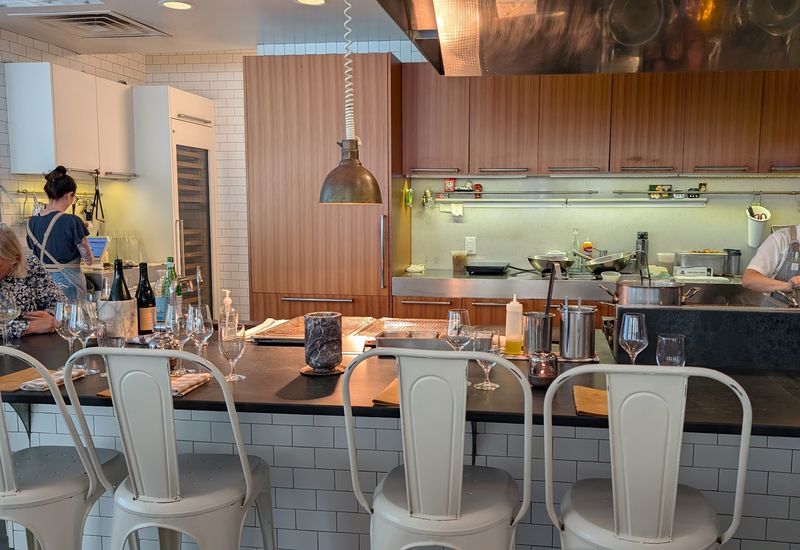
The surprise begins with the location: a strip-mall storefront in Old Bridge that opens into one of New Jersey’s most personal fine-dining experiences. Heirloom Kitchen grew from a cooking school and supper-club concept, and some of that communal spirit remains in the open kitchen, counter seating, and close view of the chefs at work.
The room feels stylish but approachable, making it easier to settle into a four-course prix fixe menu that cheerfully ignores rigid culinary borders. Hamachi crudo might pick up heat from serrano pepper and brightness from watermelon aqua pazza.
Smoked-mussel chawanmushi can share the menu with khao soi rotolo, lamb tacos, branzino in pickle beurre blanc, or duck paired with labneh, lentils, and harissa jus. These combinations sound busy on paper, yet the kitchen’s best plates tie them together through texture, acid, and confident seasoning.
Dessert continues the roaming approach, perhaps with chocolate and sour cherry or warm donuts accompanied by salted caramel. A complete vegetarian tasting menu receives the same attention as the standard version, though dietary requirements should still be discussed before visiting.
Heirloom is BYOB and also offers select New Jersey wines at retail-style pricing, a useful counterweight to the fixed menu cost. Reserve counter seats when possible if watching the kitchen adds to your enjoyment.
By the final course, the unassuming shopping-center exterior feels like part of the charm—a reminder that an expensive dinner does not need a grand entrance to deliver a memorable payoff.