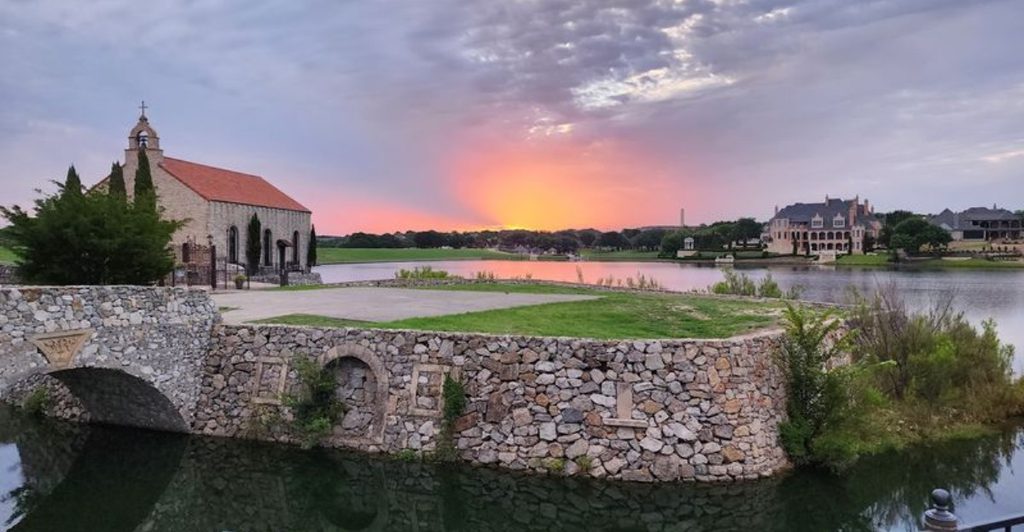
Texas is bigger than most countries, and it turns out you can explore the world without ever leaving the state. From Mediterranean villages to Czech bakeries, alpine towns to ancient Spanish missions, the Lone Star State has tucked away little slices of international culture in the most unexpected corners. Pack your bags for a road trip that will make your passport jealous.
1. Adriatica Village (McKinney)
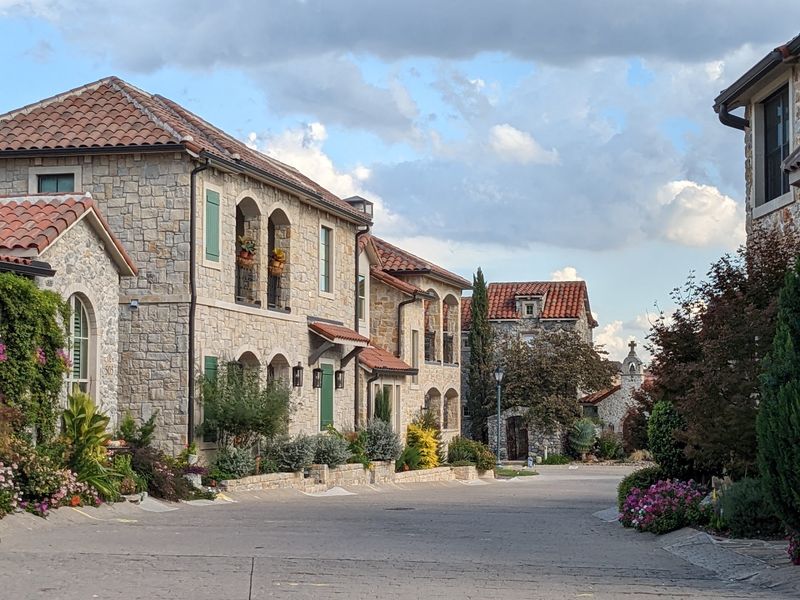
Walk through the gates and you might forget you’re still in North Texas. White stucco buildings with terracotta roofs cluster around a central plaza, complete with a towering bell tower that could have been lifted straight from a Greek island. The architecture mimics the coastal villages of the Mediterranean so convincingly that couples flock here for wedding photos that look like they were taken in Santorini.
Cobblestone pathways wind between cafes and shops, leading to a scenic waterfront where you can watch the sunset over the lake. The attention to detail is impressive, from the wrought-iron balconies to the blue-domed chapel that serves as the village’s centerpiece. It’s a photographer’s dream, especially during golden hour when the light hits those white walls just right.
The village hosts events throughout the year, including outdoor movie nights and seasonal festivals that add to the European atmosphere. You can grab a coffee at one of the cafes and pretend you’re people-watching in a piazza somewhere along the Adriatic coast. The shops offer everything from boutique clothing to home decor, all fitting the Mediterranean theme.
What makes this place special is how committed it is to the illusion. There are no neon signs or chain stores to break the spell. Even the landscaping follows Mediterranean principles, with olive trees and drought-resistant plants that would thrive along the coast of Italy or Greece.
It’s become a popular spot for proposals, anniversaries, and anyone who needs a quick European escape without the jet lag.
The village is small enough to explore in an afternoon, but charming enough that you’ll want to linger. Bring your camera, wear comfortable shoes for those cobblestones, and prepare to rack up likes on social media with photos that will have your friends asking when you flew to Europe.
2. Fredericksburg (Gillespie County)
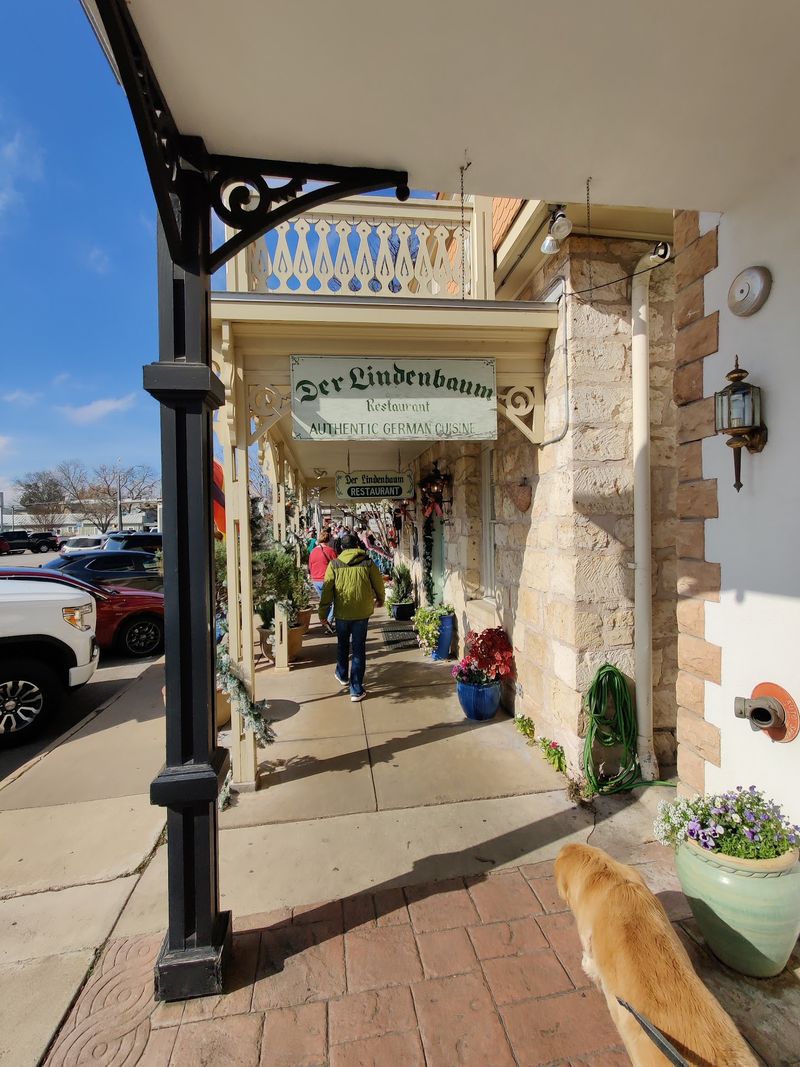
German settlers planted their roots here in the 1840s, and their descendants have kept the Old World traditions alive with impressive dedication. Main Street looks like it was transported from Bavaria, lined with timber-framed buildings, German bakeries pumping out fresh strudel, and biergartens where you can order a proper schnitzel. The German influence isn’t just surface-level tourism, it’s woven into the fabric of daily life.
Oktoberfest here rivals celebrations you’d find in Munich, minus the transatlantic flight. Locals still speak a unique dialect called Texas German, though it’s fading with each generation. The town’s dedication to its heritage shows in the museums, the architecture, and especially the food scene where you’ll find authentic German cuisine that would make a Bavarian grandmother proud.
Beyond the German culture, Fredericksburg has become a wine destination with dozens of vineyards dotting the surrounding hills. You can spend mornings browsing antique shops and afternoons wine tasting, all while enjoying views that look surprisingly alpine when wildflowers blanket the countryside. The town strikes a balance between preserving history and offering modern amenities, so you get authentic German experience without sacrificing comfort.
The National Museum of the Pacific War adds an unexpected dimension to the town, honoring Admiral Nimitz who was born here. It’s one of the most comprehensive WWII museums in the country, and it provides a fascinating contrast to the German heritage that defines the rest of the town.
Visit during spring when the wildflowers bloom, or winter when the town goes all-out with German Christmas markets. Either way, you’ll find yourself pronouncing “Guten Tag” and wondering why you haven’t visited sooner. The bed and breakfasts here are charming, the peach orchards are legendary, and the whole town feels like a little piece of Germany dropped into the Texas Hill Country.
3. Mission San José (San Antonio)
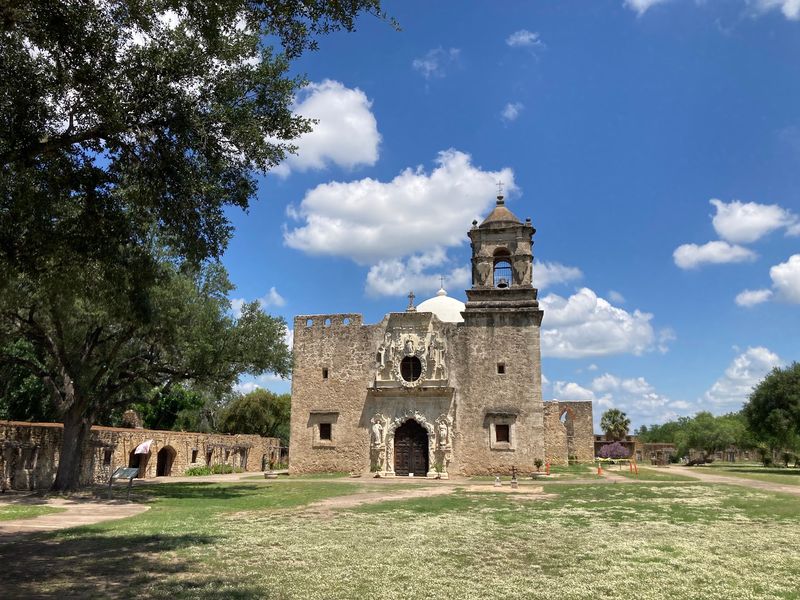
Stone walls two feet thick have stood here since 1720, sheltering what was once a self-contained Spanish colonial community. The mission isn’t just a church, it’s a complete village that shows how Spanish colonizers built their New World settlements. Walking through the complex feels like stepping into 18th-century Spain, complete with living quarters, a granary, and workshops where craftsmen once labored.
The Rose Window is the star attraction, an ornate baroque masterpiece carved into the facade that rivals anything you’d find in European cathedrals. Spanish priests designed these missions to impress and convert, and the elaborate stone carvings definitely make a statement. The craftsmanship is stunning when you consider it was completed nearly 300 years ago using hand tools and local limestone.
UNESCO recognized the San Antonio Missions as a World Heritage Site, putting them in the same category as the Taj Mahal and the Great Wall of China. That’s not an exaggeration of their importance. These missions represent the largest concentration of Spanish colonial missions in North America, and San José is the crown jewel of the group.
Rangers offer demonstrations of traditional crafts and explain how the mission functioned as a working farm and community. You can explore the acequia system, the ingenious irrigation channels that the Spanish engineered to water their crops. The whole complex tells the story of cultural collision and adaptation, showing how Spanish, indigenous, and Mexican influences blended into something uniquely Texan.
Mass is still held in the mission church every Sunday, maintaining a tradition that stretches back centuries. The grounds are peaceful, with massive oak trees providing shade and the stone architecture creating dramatic shadows in the Texas sun. It’s free to visit, making it one of the best cultural experiences you can have in San Antonio without spending a dime.
Bring water and wear a hat because the Texas heat doesn’t care about your Spanish colonial daydreams.
4. West (McLennan County)
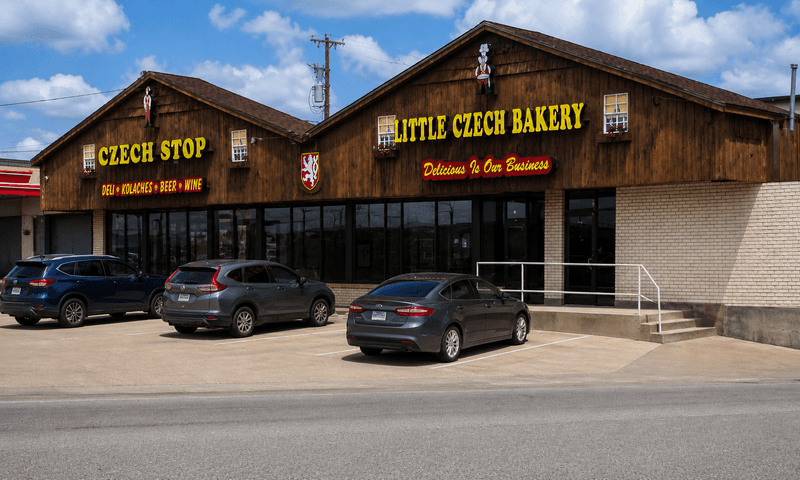
A massive explosion in 2013 put this tiny town on the map for tragic reasons, but West has rebuilt and maintained its identity as the kolache capital of Texas. Czech immigrants settled here in the 1880s, and their descendants still run the bakeries that make this town a required stop on any road trip between Dallas and Austin. The main drag through town features multiple Czech bakeries, each with loyal customers who swear their kolaches are the best.
If you don’t know what a kolache is, prepare for an education in Czech pastry perfection. These pillowy rolls come stuffed with fruit, cheese, or savory fillings like sausage and jalapeño. The sweet ones are traditional, but Texans have adapted the concept to create breakfast kolaches that have become a regional obsession.
Stop at Village Bakery or Gerik’s Ole’ Czech Bakery and grab a box to go, because you won’t want just one.
Westfest, held every Labor Day weekend, transforms this town of 3,000 into a full-blown Czech celebration with polka music, traditional dancing, and enough Czech food to put you in a pastry coma. The festival has been running since 1976 and draws tens of thousands of visitors who come for the authentic cultural experience and stay for the kolaches.
The town has maintained its Czech identity through language, food, and traditions passed down through generations. You’ll see Czech flags flying alongside the Texas and American flags, and many of the older residents still speak Czech at home. It’s a reminder that Texas wasn’t just settled by cowboys and oil barons, but by immigrants from all over Europe who brought their cultures with them.
West is small enough that you can see everything in an hour, but the bakeries alone make it worth the detour. Time your visit for early morning when the kolaches come out of the oven fresh and the smell of baking bread fills the streets. Bring cash because some of the old-school bakeries don’t take cards, and don’t leave without trying both sweet and savory varieties.
5. Caddo Lake (Uncertain)
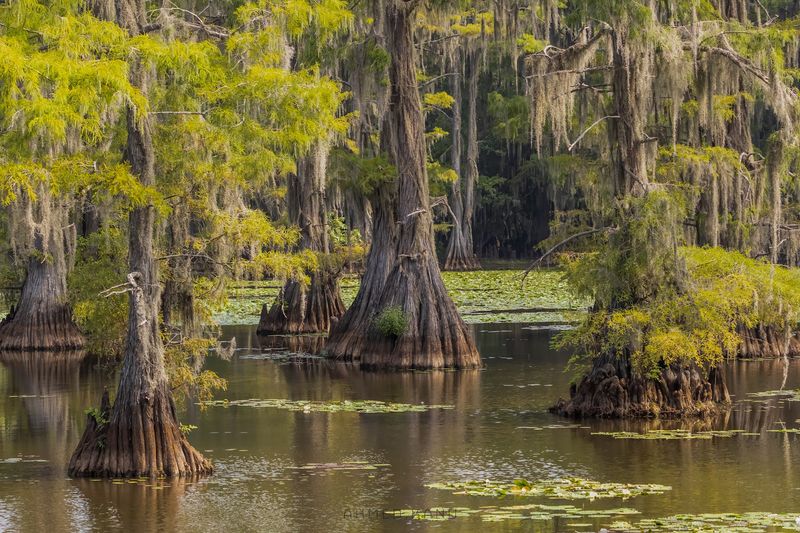
Spanish moss drapes from ancient bald cypress trees, creating a scene more Louisiana bayou than Texas landscape. This is the only natural lake in Texas, formed by a massive logjam on the Red River centuries ago. Paddling through the maze of channels and sloughs feels like exploring the backwaters of the Deep South, complete with alligators, herons, and an eerie beauty that photographers can’t resist.
The town of Uncertain adds to the mystique with its unusual name and population of fewer than 100 people. Legend says the town got its name because surveyors were uncertain whether they were in Texas or Louisiana, though the real story is probably less romantic. Either way, it’s the perfect base for exploring a lake that feels like it belongs in another state entirely.
Cypress trees here can be 400 years old, their knobby knees poking out of the water like wooden sculptures. The lake covers 26,000 acres, but much of it is a labyrinth of narrow waterways where it’s easy to lose your sense of direction. That’s part of the appeal.
Rent a kayak or canoe and spend a few hours getting pleasantly lost among the cypress groves, listening to the sounds of a swamp ecosystem that’s rare for Texas.
Wildlife is abundant if you’re patient and quiet. Alligators sun themselves on logs, though they’re generally more interested in avoiding you than causing trouble. Over 200 bird species use the lake, making it a premier spot for birding.
The fishing is excellent too, with largemouth bass, catfish, and crappie drawing anglers from across the region.
The lake has faced environmental challenges, particularly from invasive plant species that threaten to choke the waterways. Conservation efforts are ongoing, and there’s a delicate balance between preserving this unique ecosystem and keeping it accessible for visitors. Visit during spring or fall when the weather is mild and the bugs are slightly less aggressive.
Summer heat and mosquitoes can be brutal, so plan accordingly. Bring bug spray, lots of water, and a camera because this place is hauntingly beautiful in ways that most of Texas isn’t.
6. Castroville (Medina County)
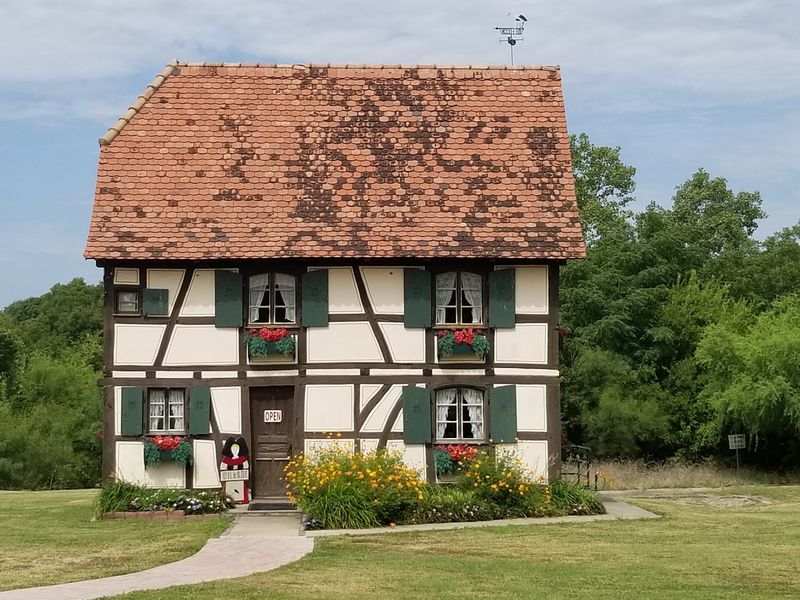
Henri Castro brought Alsatian colonists here in the 1840s, and their descendants have preserved a slice of France in the Texas Hill Country. The town’s historic district features European-style architecture that looks nothing like typical Texas towns, with steep-roofed cottages and limestone buildings that could have been transplanted from the Alsace region. It’s a quirky cultural pocket that most Texans don’t even know exists.
The Landmark Inn, built in 1849, still operates as a historic hotel where you can sleep in rooms that have hosted travelers for over 170 years. The building’s thick limestone walls and period furnishings give you a genuine sense of what frontier life was like for these European settlers. Walking through downtown Castroville feels like wandering through a small French village, minus the vineyards and plus a lot more pickup trucks.
Alsatian dialect was spoken here well into the 20th century, and you can still find older residents who remember hearing it from their grandparents. The cultural preservation efforts here are impressive, with historical societies working to maintain the architecture and traditions that make Castroville unique. Annual festivals celebrate the town’s heritage with traditional food, music, and crafts that connect modern residents to their Alsatian roots.
The Medina River runs through town, providing scenic spots for fishing and picnicking under massive pecan trees. It’s a peaceful setting that complements the old-world architecture and creates a sense of being somewhere far removed from modern Texas. The town moves at a slower pace, which is exactly what draws visitors who want to escape the hustle of San Antonio, just 25 miles away.
Castroville isn’t as polished or tourist-focused as some other heritage towns, which actually works in its favor. It feels authentic rather than manufactured, a real community that happens to have fascinating history rather than a theme park version of European culture. The local restaurants serve Alsatian-inspired dishes, and antique shops dot the historic district offering treasures from the town’s past.
Visit on a weekday when the streets are quiet and you can really appreciate the architecture and atmosphere without crowds.
7. BAPS Shri Swaminarayan Mandir (Stafford)
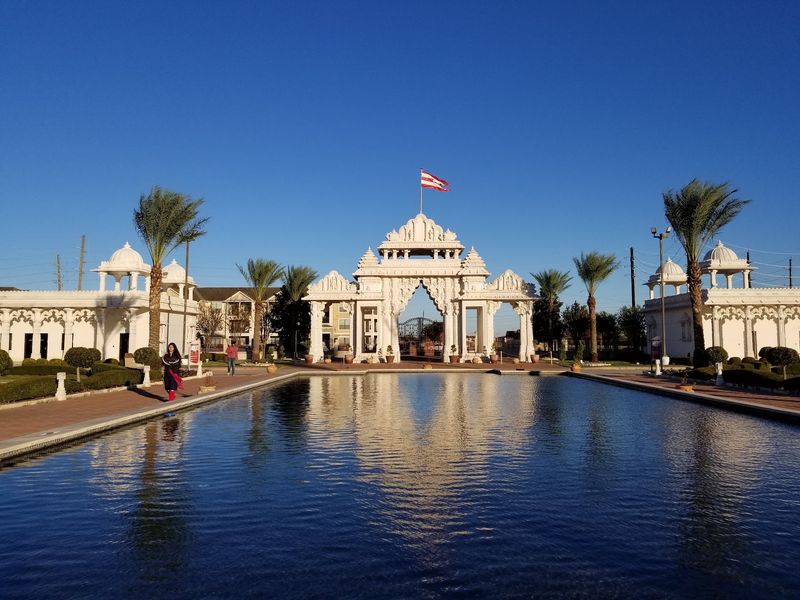
Hand-carved Italian marble and Turkish limestone cover every surface of this stunning Hindu temple, creating an architectural masterpiece that rivals anything in India. The mandir was built using traditional methods, with artisans in India carving 33,000 individual pieces of stone that were then shipped to Texas and assembled like a massive three-dimensional puzzle. No steel was used in the construction, following ancient architectural principles that have kept Indian temples standing for centuries.
The level of detail is overwhelming in the best possible way. Every pillar, dome, and archway features intricate carvings of deities, flowers, and geometric patterns that would take hours to fully appreciate. The craftsmanship represents thousands of hours of skilled labor, all donated by volunteers who wanted to create something extraordinary.
Walking through feels like stepping into a temple in Rajasthan, except you’re in suburban Houston.
The complex includes a traditional haveli, a beautifully decorated courtyard house that showcases Indian cultural heritage through exhibits and architecture. Gardens surround the buildings, providing peaceful spaces for reflection and adding to the overall sense of tranquility. The mandir welcomes visitors of all faiths, offering guided tours that explain Hindu beliefs, the construction process, and the significance of the various carvings and architectural elements.
What makes this place remarkable isn’t just the building itself, but what it represents about modern Texas. Here’s a traditional Indian temple, built with ancient techniques, sitting in a Houston suburb and welcoming tens of thousands of visitors each year. It’s a testament to the cultural diversity that defines contemporary Texas, where you can experience authentic global traditions without leaving the state.
The mandir is most impressive during festivals when the temple is decorated with lights and filled with worshippers. However, it’s stunning any day of the week, and the volunteers who give tours are knowledgeable and welcoming. Dress modestly, remove your shoes before entering, and prepare to be amazed by the artistry.
Photography is allowed in most areas, though some restrictions apply in prayer halls. The gift shop sells books, handicrafts, and snacks, and there’s no admission fee, though donations are appreciated.
8. Dublin (Erath County)
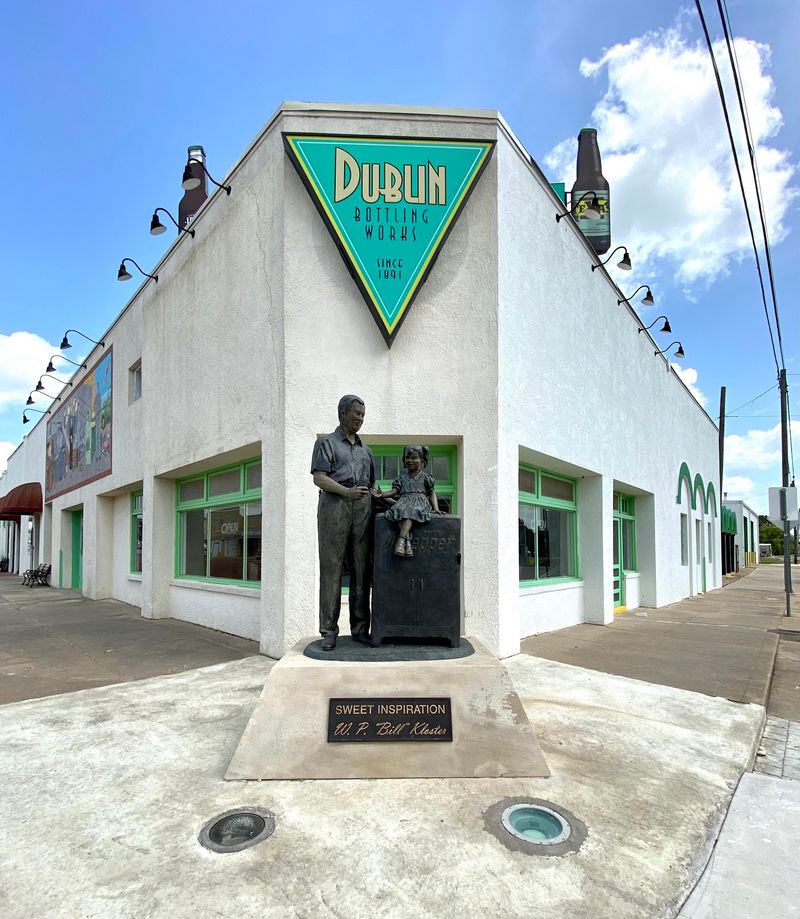
This town’s claim to fame is being the birthplace of Dr Pepper, though the beverage was actually invented in Waco. Dublin had the distinction of bottling Dr Pepper with pure cane sugar long after other bottlers switched to high-fructose corn syrup, creating a cult following among soda enthusiasts. A legal dispute ended that arrangement in 2012, but the town still trades on its Dr Pepper heritage and its Irish-themed identity.
The historic downtown features murals, antique shops, and a general old-Texas-town vibe that’s pleasant for an afternoon stroll. The Dr Pepper museum in the old bottling plant tells the story of the drink’s connection to Dublin, and you can still find Dublin-branded sodas in local stores, though they’re no longer official Dr Pepper products. It’s a quirky piece of Texas beverage history that appeals to collectors and nostalgia seekers.
The Irish theme is mostly superficial, limited to some shamrock decorations and the occasional Celtic festival. Don’t come expecting a Texas version of Ireland. The town’s real identity is pure small-town Texas, with ranching heritage and a courthouse square that looks like it hasn’t changed much since the 1950s.
That’s not a criticism, there’s something appealing about these unpolished Texas towns that haven’t been gentrified or turned into tourist traps.
Rodeo events and livestock shows are bigger deals here than anything Irish-related, reflecting the town’s agricultural roots. The surrounding countryside is classic Texas ranch land, with rolling hills and cattle operations that have been family-owned for generations. Dublin is authentically Texan, with just a thin veneer of Irish identity that makes for a fun gimmick but doesn’t define the place.
Visit if you’re a Dr Pepper enthusiast, a small-town Texas fan, or just passing through on Highway 377. The town won’t take all day to explore, but it’s a pleasant stop with friendly locals and enough quirky history to justify a detour. The annual St. Patrick’s Day celebration is the biggest event of the year, when the town fully commits to the Irish theme with parades and festivities that draw visitors from across the region.
9. El Paso (El Paso County)
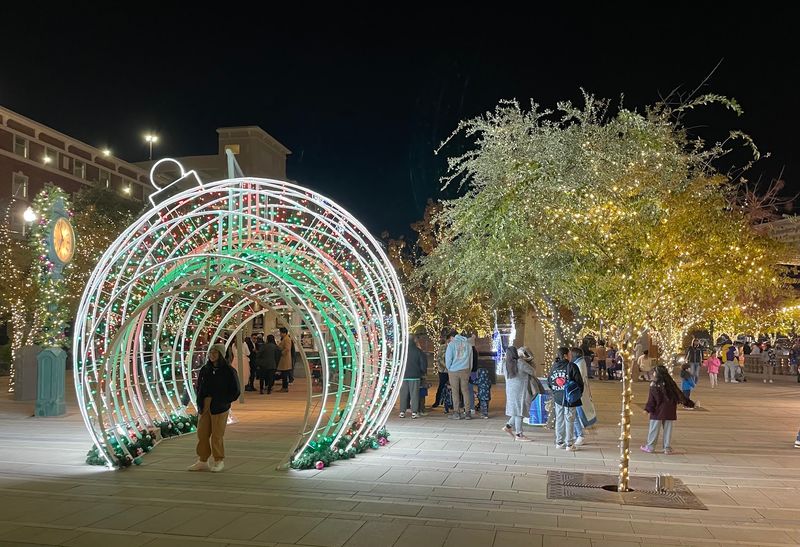
Stand on the right street corner and you can see three states and two countries without moving your feet. El Paso sits at a geographic crossroads where Texas, New Mexico, and the Mexican state of Chihuahua converge, creating a cultural blend that feels distinctly different from the rest of Texas. The city’s identity is more tied to its Mexican neighbor, Ciudad Juárez, than to Houston or Dallas, and that cross-border connection defines everything from the food to the language to the daily rhythm of life.
Spanish is spoken as commonly as English here, and the cuisine is authentic border food that hasn’t been watered down for Anglo tastes. This isn’t Tex-Mex, it’s the real deal, with street tacos, menudo, and sopapillas that would satisfy any food critic in Mexico City. The cultural authenticity comes from the fact that El Paso and Juárez function almost as one metropolitan area, with thousands of people crossing the border daily for work, shopping, and family visits.
The Franklin Mountains cut through the city, providing hiking trails and scenic views that are rare for urban Texas. The desert landscape feels more New Mexico or Arizona than East Texas, with scrubby vegetation and dramatic rock formations that glow orange at sunset. It’s geographically isolated from the rest of Texas, closer to Los Angeles than to Houston, which reinforces its unique identity within the state.
Historic missions along the Mission Trail date back to the 1680s, predating the more famous San Antonio missions by decades. These Spanish colonial churches are still active parishes, serving communities that have worshipped in them for over 300 years. The blend of indigenous, Spanish, and Mexican influences is visible in the architecture, the art, and the religious traditions that continue today.
El Paso doesn’t try to be like other Texas cities, and that’s its strength. It’s unapologetically border, proudly bilingual, and culturally distinct in ways that make it feel like a different state altogether. Visit for the food, the mountain scenery, and the chance to experience a Texas city where the Mexican influence isn’t a tourist attraction but the authentic foundation of daily life.
10. Bandera (Bandera County)
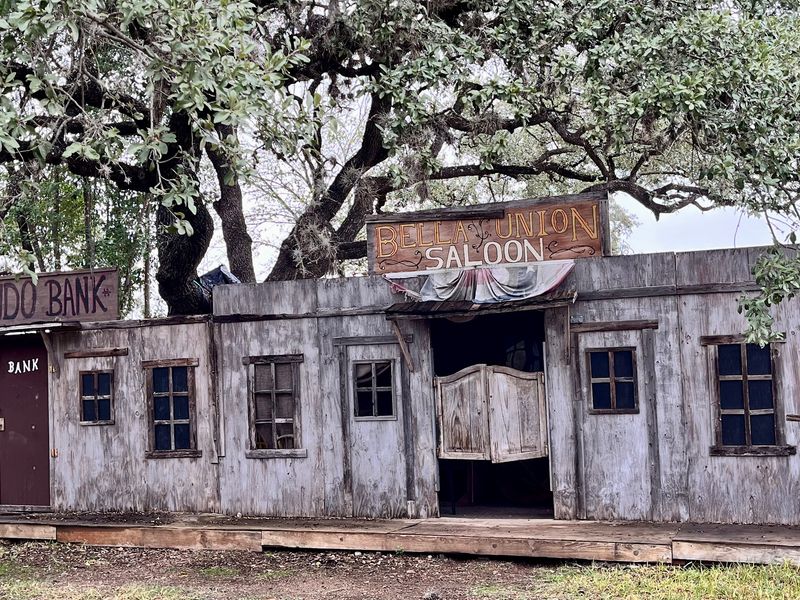
Bandera calls itself the Cowboy Capital of the World, and the town backs up that claim with more working dude ranches than anywhere else in Texas. This is where city folks come to play cowboy for a weekend, riding horses through Hill Country, learning to rope cattle, and sleeping in cabins that range from rustic to surprisingly luxurious. The western heritage here isn’t manufactured for tourists, it’s the real working-ranch culture that’s been part of Texas identity for over a century.
Main Street looks like a movie set for a western, with wooden storefronts, hitching posts, and enough cowboy gear shops to outfit a small army of ranch hands. The difference is that actual ranchers shop here, not just tourists buying souvenirs. You’ll see working cowboys grabbing breakfast at the local diner, their worn boots and sun-weathered faces telling stories of long days in the saddle.
The Medina River runs through town, providing swimming holes and scenic spots that offer relief from the Texas heat. Locals and visitors alike congregate at these river spots during summer, floating on inner tubes and enjoying the spring-fed water that stays cool even when the temperature hits triple digits. It’s a more laid-back activity than the ranch work, but it’s equally part of the Bandera experience.
Honky-tonks and dance halls keep the music and beer flowing most nights of the week, with live country bands playing the kind of traditional western swing that’s hard to find in bigger cities. The 11th Street Cowboy Bar and Arkey Blue’s Silver Dollar are institutions, packed with locals who actually know how to two-step rather than tourists awkwardly shuffling around the dance floor.
The dude ranches are the main draw, offering everything from basic horseback riding to full immersive ranch experiences where you help with cattle drives and learn actual cowboy skills. Some ranches are family-friendly, others cater to couples looking for a romantic getaway, and a few attract serious riders who want challenging trail rides through rugged Hill Country terrain. Book ahead during peak season because the best ranches fill up fast, and come prepared for an authentic taste of cowboy life that will leave you sore, sunburned, and grinning.
11. Marfa (Presidio County)
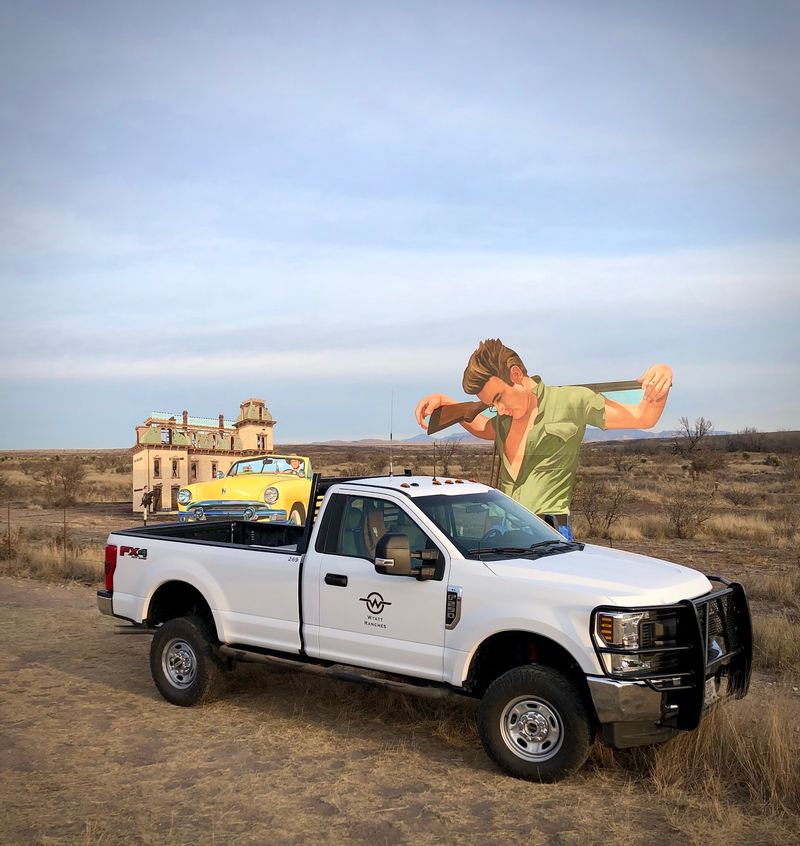
Marfa is what happens when minimalist artists discover a remote West Texas town and decide to stay. Donald Judd arrived in the 1970s and transformed abandoned military buildings into permanent art installations, creating a high-desert art mecca that draws visitors from around the world. The town’s population is under 2,000, but its cultural influence extends far beyond its size, with art galleries, film festivals, and a creative community that feels more Brooklyn than border country.
The Chinati Foundation houses Judd’s massive concrete sculptures and other contemporary art pieces in converted military structures. Walking through these installations in the stark desert landscape creates an experience unlike any traditional museum. The art is meant to be encountered in this specific place, under this particular quality of light, making Marfa itself part of the artwork.
The minimalist aesthetic extends beyond the galleries into the town itself, where restored buildings mix vintage western architecture with clean, modern design. Hip restaurants serve farm-to-table cuisine that wouldn’t be out of place in Austin or Portland, and boutique hotels offer accommodations that are Instagram-perfect. It’s a strange collision of high art and cowboy culture, where ranchers in pickup trucks share the streets with art collectors in designer sunglasses.
The Marfa lights are a mysterious phenomenon that’s drawn curious visitors for over a century. Unexplained lights appear in the desert east of town, flickering and dancing in ways that have spawned theories ranging from atmospheric reflections to UFOs. Scientists say they’re probably car headlights distorted by atmospheric conditions, but that hasn’t stopped people from gathering at the official viewing area hoping to witness something inexplicable.
Marfa feels like nowhere else in Texas or anywhere else, really. It’s isolated, artsy, expensive, and completely committed to its own strange vision. The town has been accused of gentrification and pushing out long-time Hispanic residents in favor of wealthy art tourists, and there’s truth to those criticisms.
But love it or critique it, Marfa has created something unique in the West Texas desert, a place where contemporary art and cowboy culture coexist in ways that somehow work.