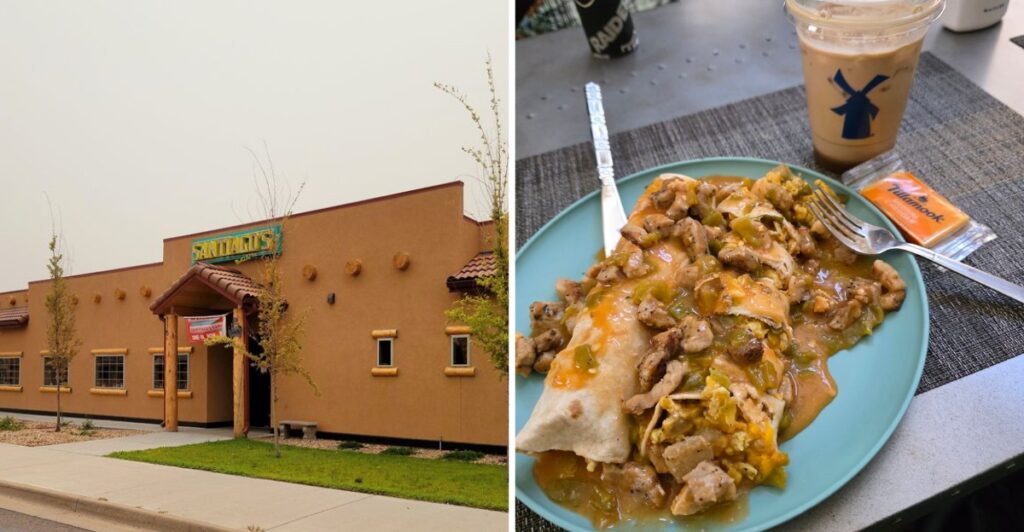
A foil-wrapped breakfast burrito can look deceptively simple until green chile starts running into every bite. At Santiago’s Mexican Restaurant in Brighton, this Colorado morning staple has earned a devoted following through the satisfying combination of eggs, potatoes, and the restaurant’s signature chile.
The appeal goes beyond grabbing something filling on the way to work, because years of local devotion have turned the burrito into something closer to a Colorado ritual. Spicy, messy, and wonderfully unfussy, it captures a distinctly local way to start the day. At Santiago’s, breakfast comes wrapped in foil—with plenty of lore tucked inside.
A Bridge Street Morning Starts Fast
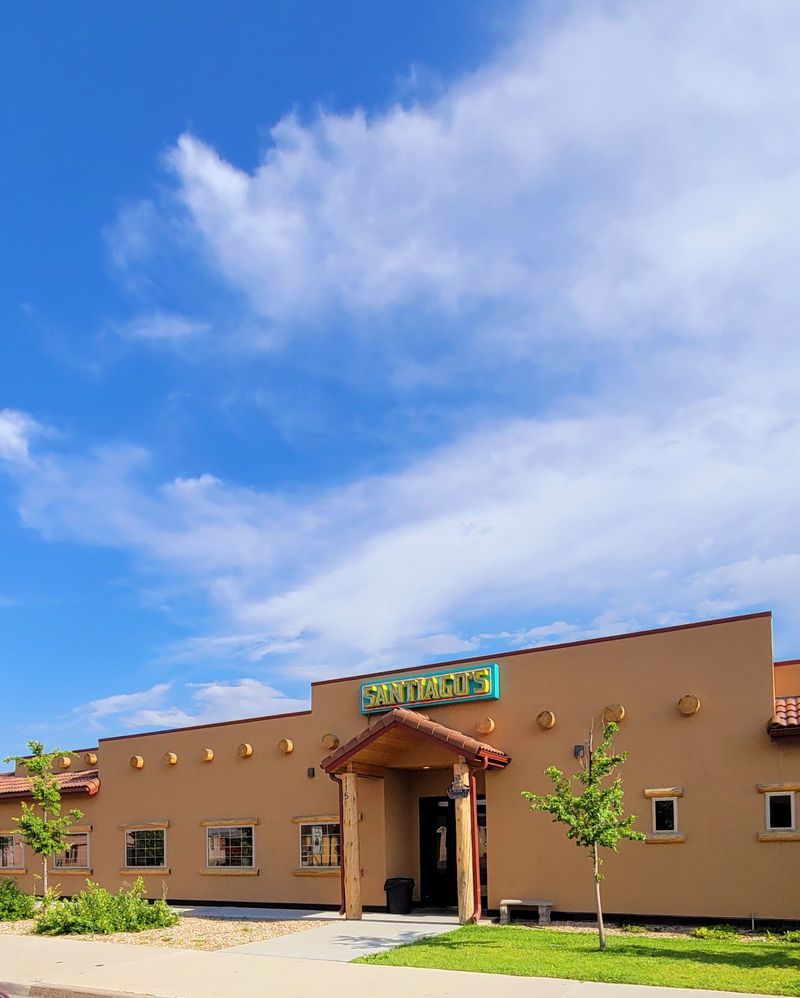
Daybreak changes the mood around 128 W Bridge St. Long before lunch enters the picture, Santiago’s is already operating in breakfast mode, and the short early hours tell the story right away.
Weekdays begin at 5 AM, which places the restaurant directly in the path of commuters, work crews, and anyone trying to eat before the day gets crowded. On Saturdays the start shifts to 6 AM, then the doors stay shut on Sunday, a schedule that gives the place a clear identity instead of an all-purpose, all-day sprawl.
That early opening matters because breakfast here is not treated like a side act. It is one of the main reasons people come, and the timing puts the green chile burrito into the rhythm of regular life, not special-occasion dining.
Outside, the setting is practical rather than polished. West Bridge Street is not asking for a grand entrance, and that works in the restaurant’s favor because the attention stays on speed, access, and the promise of a hot meal before noon.
Inside the larger legend, this first detail counts. A famous breakfast burrito does not become famous only through flavor. It earns that role by becoming dependable enough to fit into school runs, jobsite stops, and rushed weekday mornings when nobody has time for a long sit-down meal.
Brighton gives the burrito a working backdrop, and the location supports that energy. By the time many places are still waking up, Santiago’s has already become part of the morning traffic pattern, which helps explain how a simple burrito can turn into a local ritual instead of just another menu item.
The Green Chile Is the Whole Plot Twist
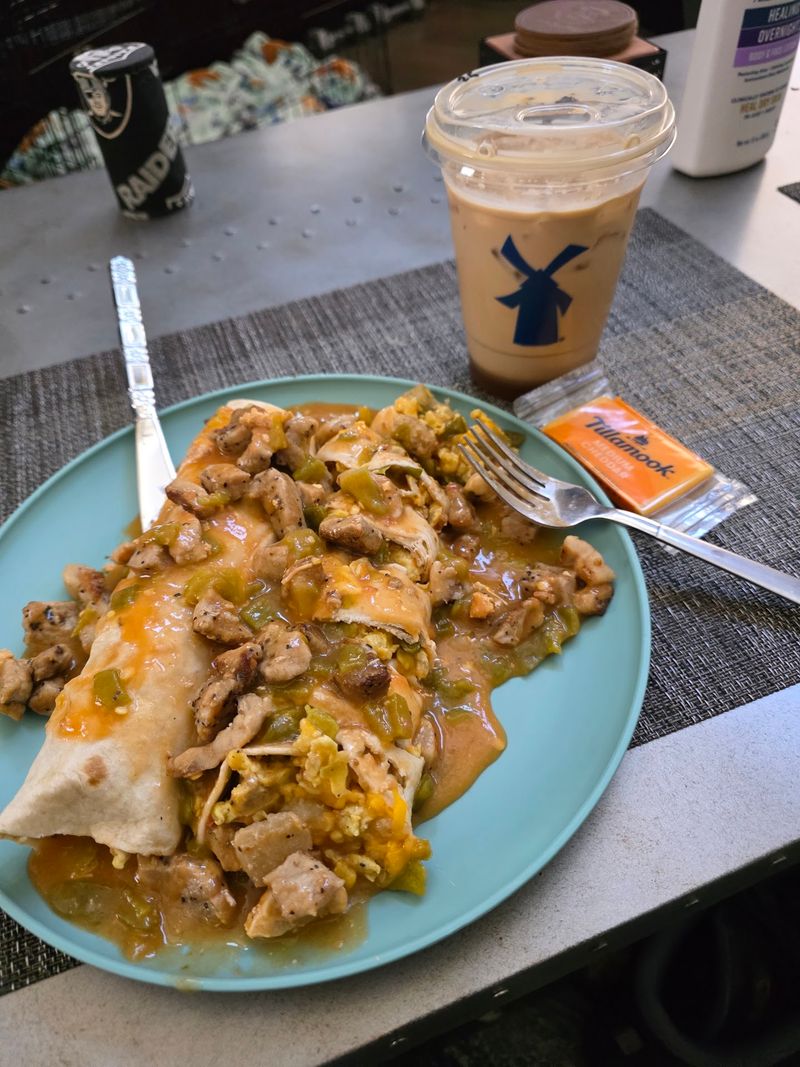
Plenty of restaurants sell breakfast burritos, but not all of them build their identity around green chile. At Santiago’s in Brighton, the signature chile is not a small topping tucked into the background. It is the flavor people chase, debate, and order with real purpose.
The restaurant’s own description points straight at hearty fare and signature green chile, which helps explain why the burrito carries more weight than a basic grab-and-go breakfast. Green chile adds heat, texture, and moisture, but it also changes the whole experience from portable food to a meal that can get gloriously messy in a hurry.
That mess is part of the burrito’s status. A tidy burrito may travel well, yet a chile-covered one announces itself differently. It asks for napkins, attention, and maybe an extra minute in the parking lot before work.
Different heat levels also feed the lore. Mild, hot, extra hot, and the familiar half-and-half style turn ordering into a small strategy game, especially for anyone still learning Colorado’s green chile culture.
Breakfast fillings matter too. Potatoes, eggs, cheese, and meats show up in the conversation around Santiago’s because they shape how the chile lands, whether the bite reads as hearty, soft, spicy, or rich.
None of that sounds dramatic on paper, yet that is exactly how food legends form. A burrito becomes bigger than itself when one ingredient does more than add taste. Here, green chile acts like the main character, the weather system, and the local accent all at once.
Without it, the breakfast burrito would still be food. With it, the thing starts carrying Colorado lore in every dripping, handheld, hard-to-forget bite.
Colorado Lore Lives in the Half-and-Half Order
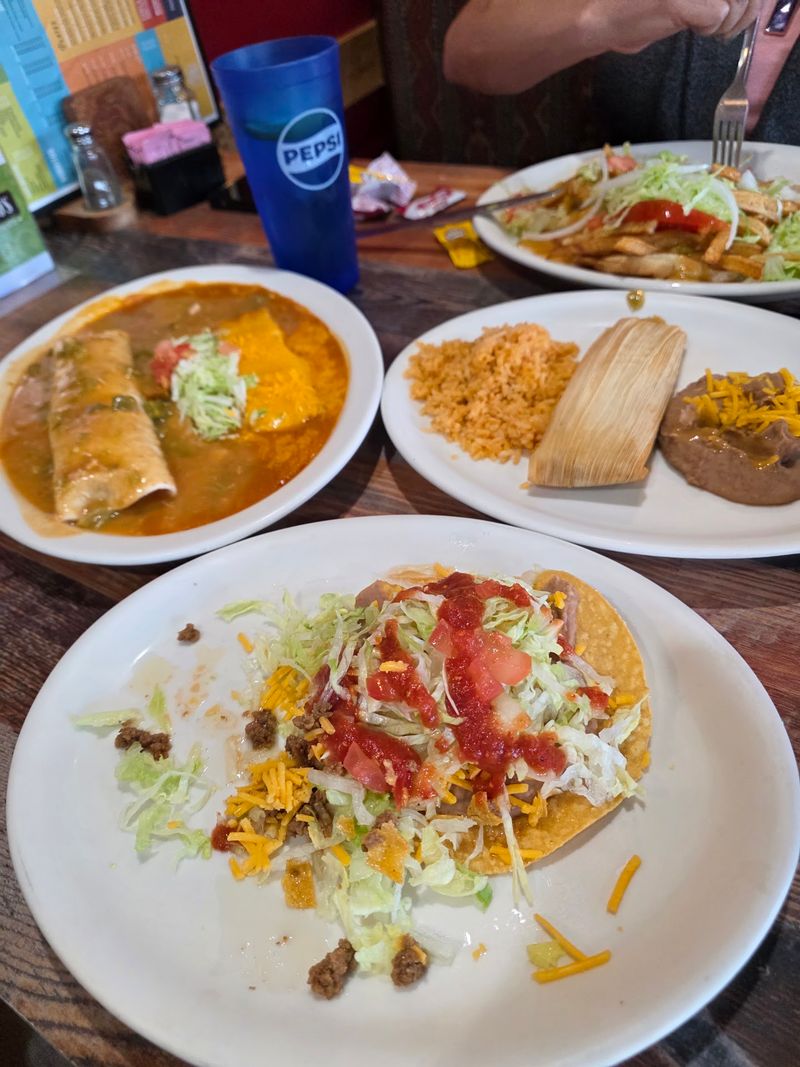
Every famous local food develops its own language, and Santiago’s carries that kind of code. Around this Brighton address, the breakfast burrito is not only about what goes inside the tortilla. It is also about how the chile gets ordered.
Half-and-half shows up often enough to matter, and that little phrase says a lot about Colorado eating habits. It suggests a practical compromise between comfort and heat, between wanting flavor and not wanting to regret breakfast before the workday even begins.
That kind of order builds lore because it creates insiders. Someone who knows how to ask for the chile a certain way is already stepping into the local script, and that turns a quick breakfast stop into a small cultural lesson.
The burrito also carries the chain-wide reputation of Santiago’s across Colorado, which gives the Brighton location a larger backdrop. Even so, each store has its own daily rhythm, staff energy, and level of consistency, so the legend becomes both statewide and deeply neighborhood-specific at the same time.
That tension is part of the fascination. A well-known burrito can still feel personal because regulars develop a favorite day, favorite filling, and favorite heat level. The routine becomes almost superstitious, the kind of morning habit that people defend strongly.
Food lore rarely comes from fancy storytelling. More often, it grows from repeated little decisions, such as whether to go mild, hot, or split the difference before 8 AM. Santiago’s burrito fits that pattern neatly.
The legend is built from ordinary mornings, familiar shorthand, and the understanding that green chile is serious business in Colorado. A newcomer sees a menu item. A local sees a ritual with rules, preferences, and a very real chance of sauce on the steering wheel.
Small, Messy, Hearty, and Built for Real Hunger
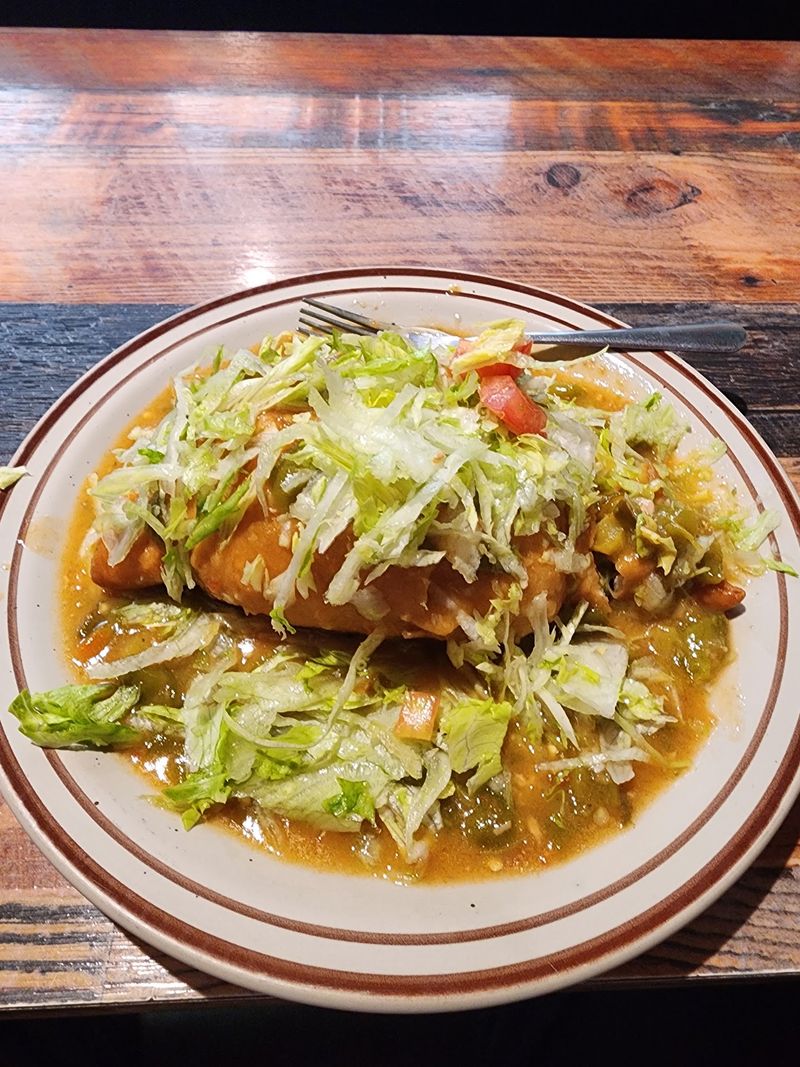
Legendary food does not have to look fancy, and Santiago’s breakfast burrito proves that quickly. The appeal comes from the opposite direction. It is compact enough to grab, rich enough to satisfy, and messy enough to demand respect.
That balance helps explain why the burrito stands out in a crowded breakfast field. It works for people who need speed, but it also delivers the sort of weight and warmth usually tied to a longer sit-down meal.
Potatoes play a major role in that feeling. They add bulk, softness, and a familiar breakfast comfort that pairs naturally with egg and cheese, while the chile pushes the whole package away from bland sameness.
Portion size enters the story too. Some treat one burrito as a fast solution, while others clearly see it as the minimum, especially when the morning starts early and lunch is still far off. That practical hunger is part of the restaurant’s identity.
The burrito’s structure also matters more than it first seems. Too dry, and it loses its point. Too soaked, and it turns into a difficult car meal.
Santiago’s reputation revolves around that edge where convenience and chaos meet, and the green chile is often what tips the experience from neat to gloriously untidy.
For a food to develop lore, it has to offer a sensation people can describe in concrete terms. Here, the useful words are warm, filling, saucy, soft, spicy, and substantial. Those are not delicate compliments.
They are workday words, the kind attached to breakfasts that are meant to power a schedule rather than decorate a table. Santiago’s burrito succeeds as a Colorado breakfast icon because it delivers a direct promise: real flavor, real heft, and no pretending that a few careful bites will keep your shirt perfectly clean.
The Drive-Thru Reputation Tells You How It Functions
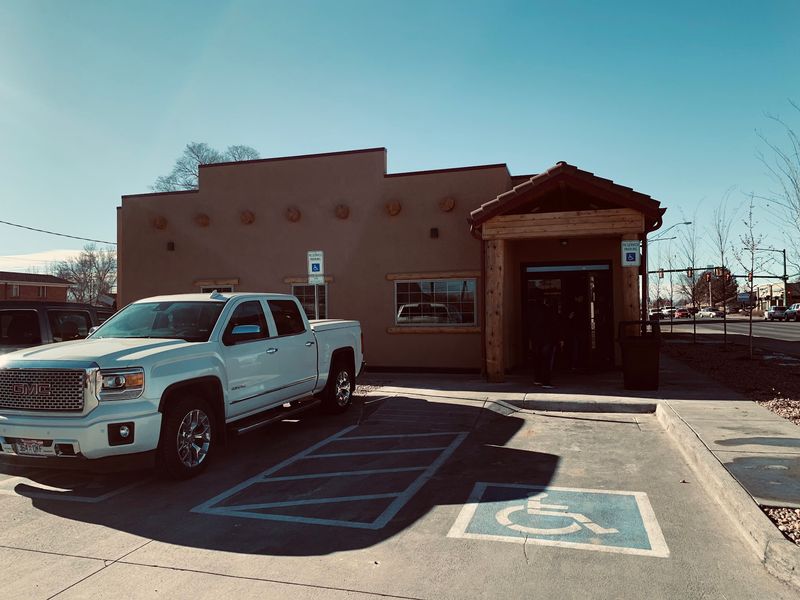
Not every food legend lives in a slow, romantic setting. Santiago’s in Brighton has a more practical kind of fame, and the drive-thru reputation is a big clue.
Breakfast here is tied to motion. People are heading to work, school, errands, and job sites, so a restaurant built around quick pickup naturally becomes part of the day’s machinery. That means the burrito earns status not by asking customers to linger, but by fitting neatly into busy local routines.
There is a certain honesty in that setup. Nobody arrives expecting a theatrical brunch with long conversations over coffee. The exchange is often faster, more direct, and shaped by the idea that a strong breakfast should keep moving.
That function influences the food itself. A portable burrito makes sense for the drive-thru, while smothered green chile adds the temptation to slow down and eat more carefully. The push and pull between those two styles is part of what makes Santiago’s interesting.
The restaurant’s hours reinforce the point. Open through the morning and into early afternoon, then done by 2 PM, it is clearly organized around breakfast and lunch demand rather than late-day dining. There is a built-in urgency to the visit, which suits the burrito’s fast, filling identity.
Even the service rhythm becomes part of the story. Busy morning places often expect customers to know what they want, and that can make the stop feel brisk rather than leisurely. For newcomers, the smartest move is simple: decide on filling and chile level before reaching the counter or speaker.
Seen from that angle, the drive-thru is not a side detail. It helps explain why the burrito became lore in the first place. A meal turns legendary faster when it slips into everyday traffic patterns and becomes one of the quickest ways to get serious green chile before the rest of Brighton is fully awake.
Best Strategy for Ordering Without Guesswork
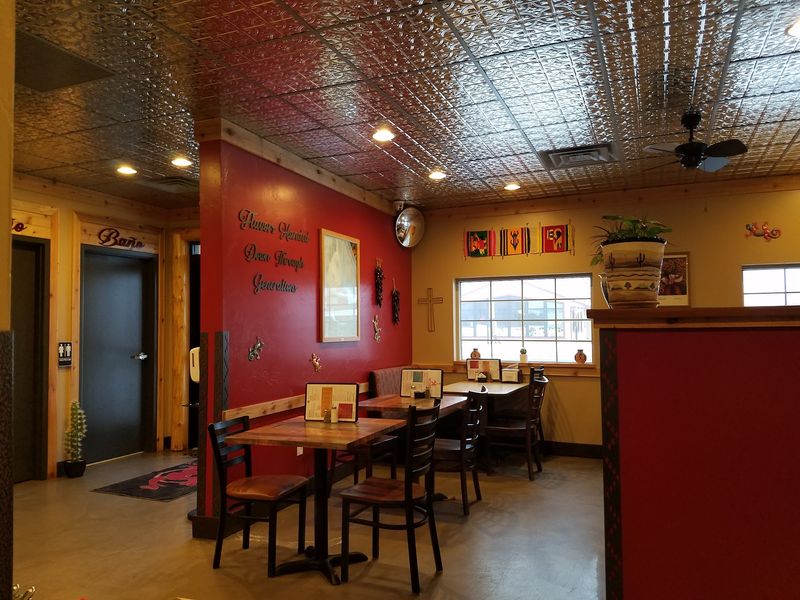
Walking in unprepared is one way to learn quickly, but Santiago’s works better with a plan. The menu may look straightforward at first, yet the breakfast burrito experience improves when a few choices are made ahead of time.
Start with the chile level. Mild can keep the focus on the filling, hot brings a sharper wake-up call, and half-and-half offers a middle lane for anyone who wants flavor with a little caution built in.
Next comes format. A burrito inside the tortilla is one thing. A smothered burrito becomes a different meal entirely, more fork-and-napkin than one-hand convenience. That matters if breakfast needs to happen in a car rather than at a table.
Filling choice also changes the whole texture. Eggs, potatoes, cheese, and meat combinations can make the burrito richer, heavier, or simpler depending on the morning. Ordering with intention helps avoid ending up with more heat, more sauce, or more heft than the day calls for.
Timing matters as much as appetite. Mornings are busy, and the restaurant’s pace suggests that clear, quick ordering is the easiest path. A little decisiveness goes a long way when a place is known for getting breakfast out the door early.
There is also a common-sense lesson here: check takeout before driving far. At a restaurant built around speed, that small pause can save a much bigger problem later. It is not glamorous advice, but it is useful.
Put all of that together and the best strategy becomes obvious. Know the chile, know whether the burrito is handheld or smothered, and know how hungry the morning really is. Santiago’s rewards confident ordering because the legend is not hidden.
It is right there on the menu, waiting for a choice between safe, spicy, or somewhere in the middle with green chile calling the shots.
Why This Brighton Burrito Still Has Pull
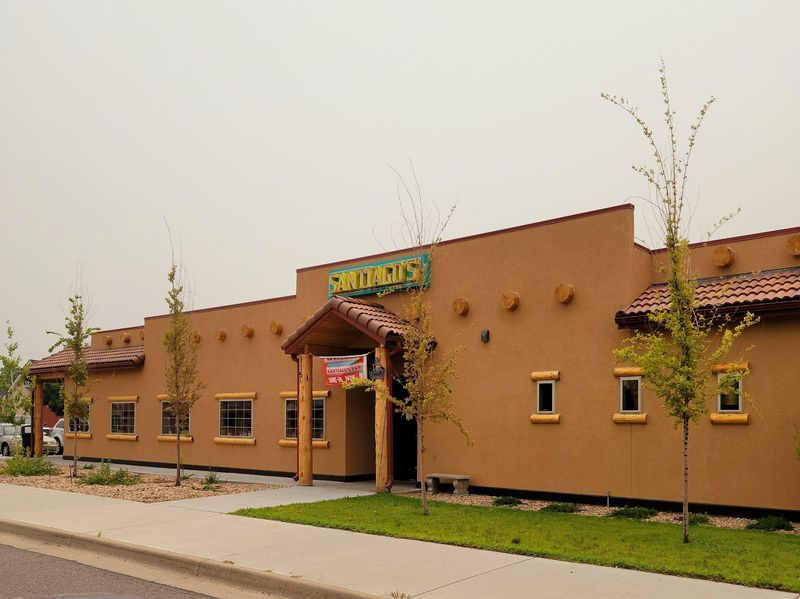
Some local legends fade once the mystery wears off, yet Santiago’s breakfast burrito keeps its hold for a simpler reason. It taps into a very specific Colorado craving and delivers it in a form built for ordinary mornings.
The Brighton location is not trading on luxury or novelty. Its pull comes from a direct combination of early hours, hearty portions, signature green chile, and a routine-friendly setup that fits breakfast into real schedules.
That combination gives the burrito its staying power. It can be a fast stop, a comfort meal, a heat test, or a local initiation depending on how it is ordered. Few breakfast items cover that much ground without losing their identity.
The lore also survives because the burrito is easy to talk about. People may disagree about heat level, ideal texture, or the best day to grab one, but the core image remains sharp: a warm tortilla, filling that means business, and green chile ready to spill beyond neat boundaries.
Brighton adds an important part of the story. In a town where breakfast often needs to happen before the day opens up fully, Santiago’s sits right where a practical meal can become a habit. Habits are powerful, especially when they taste this distinctly regional.
That is why the burrito matters beyond one order at one counter. It captures a style of eating that Colorado understands well: fast, filling, a little messy, and centered on green chile as more than a condiment.
By the end, the legend makes perfect sense. Santiago’s Mexican Restaurant at 128 W Bridge St does not need elaborate staging to hold attention. The burrito carries the story on its own, one early morning at a time.
For anyone tracing Colorado food lore, this is the kind of stop that explains the state in edible form, wrapped tight, served hot, and never pretending to be delicate.