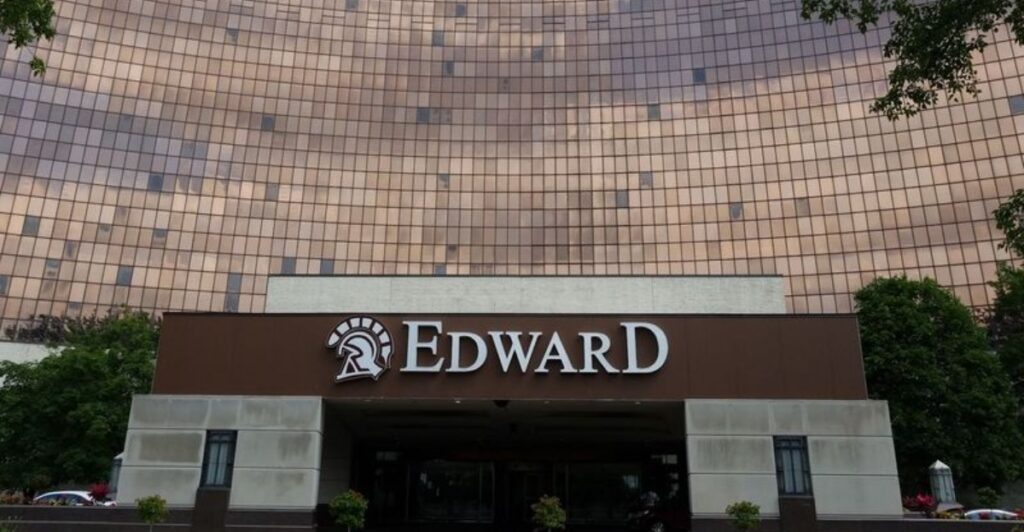
Empty buildings can say a lot about what a city once expected and how quickly plans can change. In Dearborn, Michigan, the Edward Hotel and Convention Center still stands as a large, hard-to-miss reminder of shifting travel patterns, lost business, and a property that once played a much bigger role.
Its story matters because it connects local history, hospitality, development, and the complicated afterlife of a place built to welcome crowds. Even without guests checking in, the site continues to draw attention because of its size, location, and unfinished sense of possibility.
For anyone curious about Michigan places with a strange, layered past, this Dearborn landmark is worth a closer look.
A Silent Giant on Town Center Drive
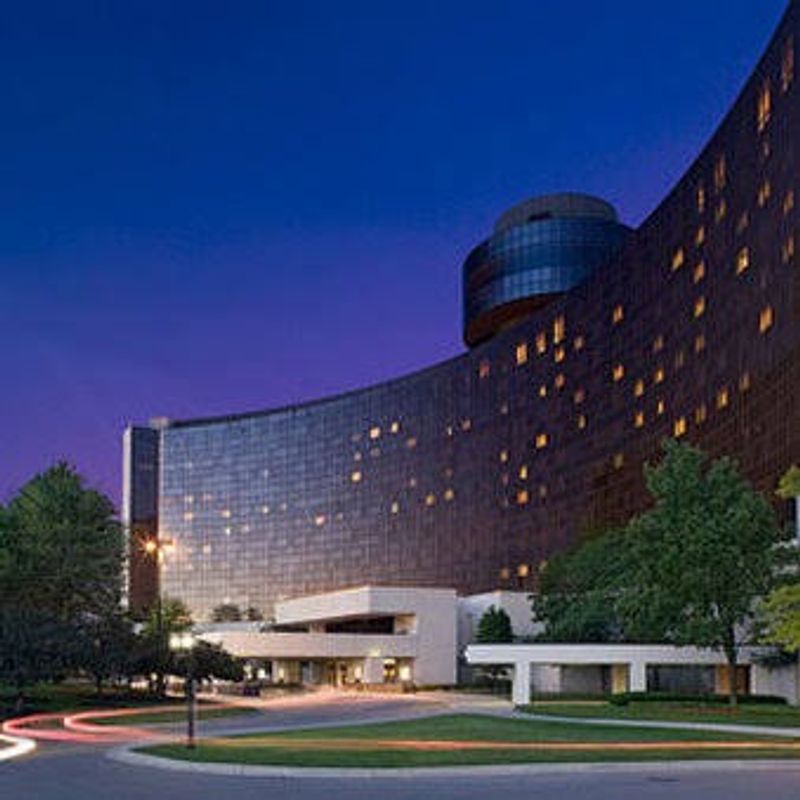
Even from the road, the old Edward Hotel and Convention Center grabs attention in a way newer buildings do not. Its large shape, worn exterior, and quiet presence make it stand apart from the polished offices and busy roads around Town Center Drive.
That contrast is a big reason the property draws curiosity. A building this large was designed to welcome crowds, host events, and stay lit late into the night, so seeing it sit empty changes the whole mood of the block.
Size matters here because the hotel was never a tiny roadside stop. It was built to be noticed, and that makes its current condition harder to ignore when drivers, workers, and local families pass by the area.
There is also a strange feeling that comes from abandoned places tied to everyday life. Old factories often sit in clearly industrial zones, but a vacant hotel near business centers, shopping areas, and major roads creates a different kind of mystery.
People can picture what used to happen inside without much effort. Luggage rolling across the floor, meeting rooms filling up, lights glowing in the lobby, and banquet spaces hosting gatherings are easy scenes to imagine when the outside still hints at a more active past.
That is why the site has such a strong first impression. Before anyone studies its timeline, ownership history, or role in Dearborn, the building already tells part of the story through scale, silence, and the way it lingers in a part of town built for motion.
When the Hotel Was Built for Crowds
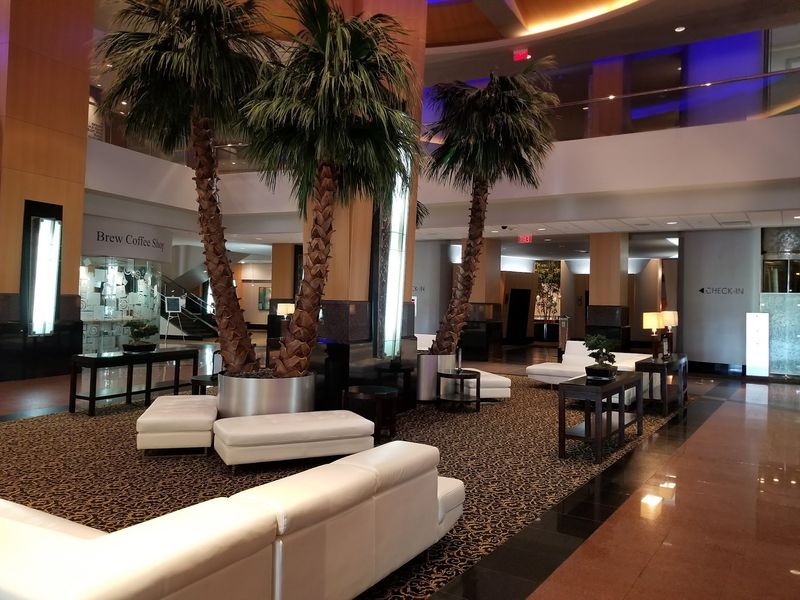
Long before it became a symbol of decline, the Edward Hotel and Convention Center was meant to do the exact opposite. Properties like this were built around movement, with rooms for overnight stays, large halls for events, and shared spaces designed to keep business travelers, wedding guests, and conference groups flowing through one place.
That setup explains why the site mattered in Dearborn. A convention hotel is not only about beds and check-in desks, because it also helps bring meetings, family celebrations, and spending into the surrounding area.
In practical terms, a place like this works as a small indoor hub. Guests sleep there, eat there, meet there, and often drive a short distance to museums, offices, restaurants, and shopping before returning at the end of the day.
Dearborn made sense for that model because the city sits near major roads and major destinations. Business travel, auto industry ties, and regional events helped create the kind of demand that once made a full-service hotel and convention property seem like a smart fit.
Thinking about the building only as an abandoned shell misses that earlier role. The structure was planned for crowds, schedules, arrivals, and special occasions, which is exactly why its shutdown now feels bigger than the closure of a much smaller lodging property.
The story becomes more fascinating once that original purpose is remembered. Instead of seeing only broken momentum, it helps to picture the building as it was intended, a busy stop in a city that has long balanced local life with regional business and travel.
Why Its Dearborn, Michigan Address Mattered So Much
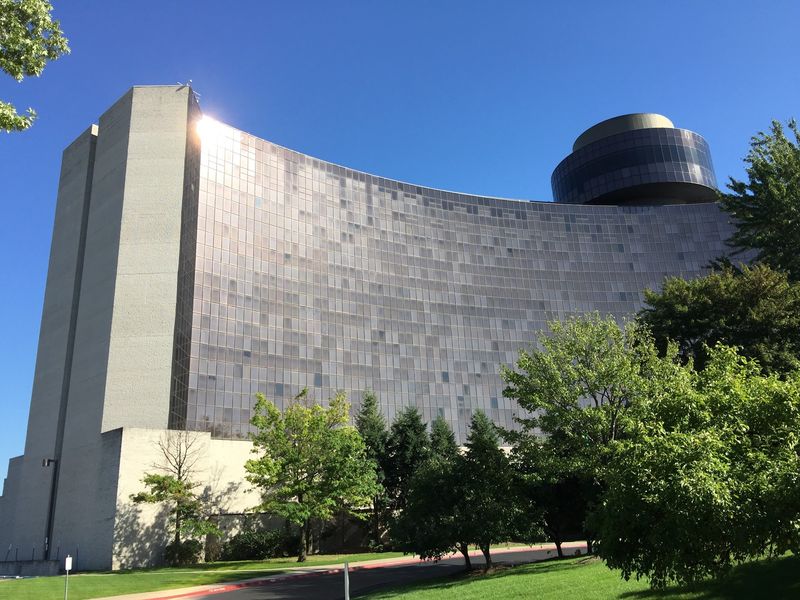
Location helped shape the hotel’s story from the very beginning. Set at 600 Town Center Drive, the property stood in a part of Dearborn where business, shopping, travel, and major local destinations all connect within a short drive.
That kind of address gives a hotel more than convenience. It places the building inside a system of traffic patterns, event schedules, and nearby attractions that can either support success or expose weakness when the market shifts.
Town Center Drive has long carried a polished business-district image. Office buildings, established hotels, broad parking areas, and easy road access make the area look like a place built for conferences, corporate stays, and organized group events.
Because of that setting, the Edward site once had a built-in advantage. A traveler arriving for a meeting, trade event, or family function could stay close to workplaces and still be within reach of Dearborn’s better-known cultural stops.
Yet a strong location does not guarantee long-term stability. Big hospitality properties depend on upkeep, steady bookings, competitive management, and the ability to match newer expectations, and a good address alone cannot solve those problems when costs rise or business changes direction.
That tension makes the site more interesting than a random abandoned building off a back road. It sits in a visible, active corridor, so its vacancy becomes part of the local landscape and raises a simple question every passerby can understand: how did such a well-placed property end up standing still while everything around it kept moving?
The Slow Fade From Hospitality to Vacancy
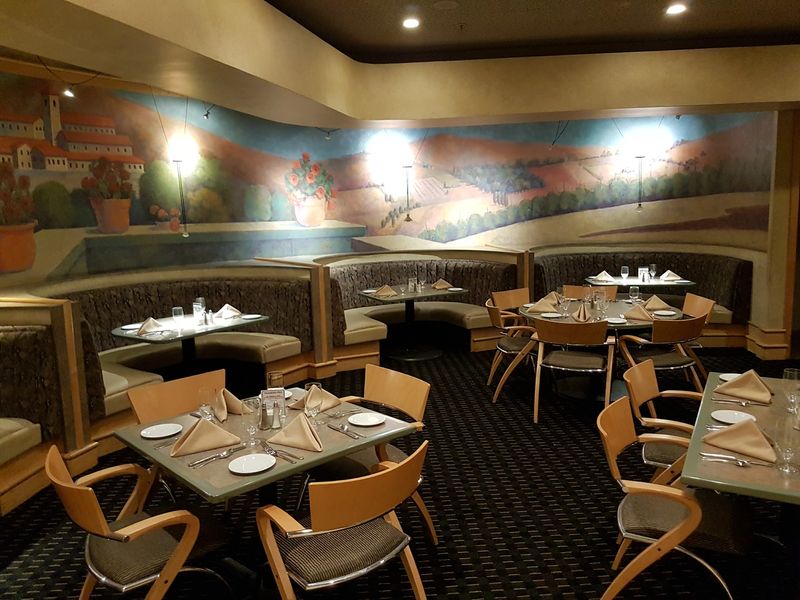
Abandonment rarely happens in one dramatic moment. More often, a place like the Edward Hotel and Convention Center slips from relevance step by step, with fewer events, less investment, visible wear, and a growing gap between what the building needs and what owners are willing or able to provide.
That gradual decline is part of what makes the site so compelling. Hotels are meant to look ready at all times, so even small signs of neglect can quickly change how the property is seen by meeting planners, travelers, and local residents.
Once momentum is lost, recovery gets harder. A convention hotel must keep up not only guest rooms but also lobbies, banquet areas, mechanical systems, elevators, parking, and countless behind-the-scenes operations that are expensive to maintain.
Older large-scale properties face an especially tough balancing act. Renovation costs can grow fast, while nearby competitors with fresher rooms or newer event spaces may pull away business that once seemed secure.
Vacancy then changes the building again. Without daily traffic, even ordinary spaces start to look heavy and uncertain, and the property becomes known less for service or gatherings and more for the question of what will happen next.
That slow fade helps explain why the Edward site holds such a strong place in local conversation. Its story is not only about a closed hotel, but about how quickly a high-visibility property can move from useful and social to empty and unresolved when upkeep, timing, and market pressure stop working together.
More Than Ruins – A Story About Changing Dearborn
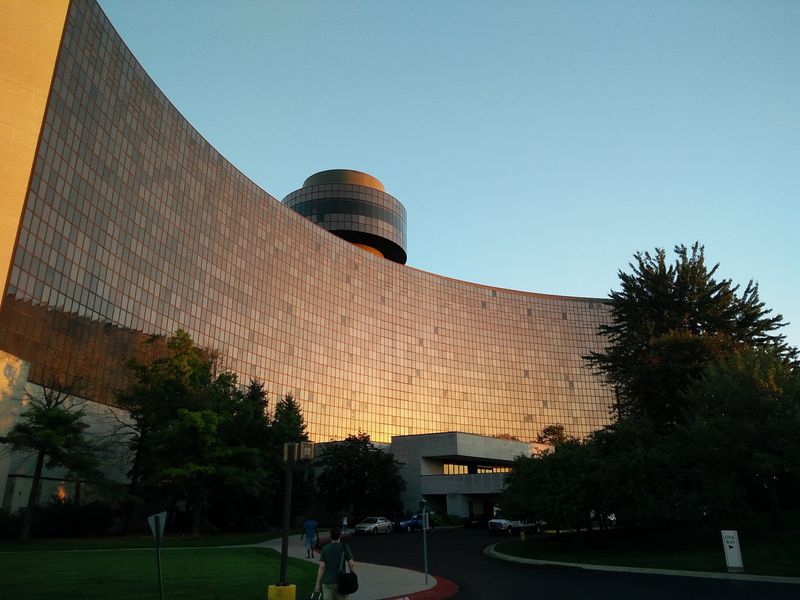
Here is where the site becomes more than a simple abandoned building. The Edward Hotel and Convention Center reflects a wider story about how cities change, how business districts age, and how buildings tied to one era can struggle when the next era demands something different.
Dearborn is known for major industry links, strong community identity, and important cultural destinations. In a city with that much movement and history, a vacant hotel in a visible corridor becomes a marker of transition rather than an isolated piece of blight.
Large hotels often carry the hopes of an entire district. They promise jobs, events, tax activity, and a polished front door for out-of-town guests, which means their decline can symbolize much more than one empty property.
That is one reason the Edward site keeps drawing attention. It raises questions about redevelopment, long-term planning, and how communities handle aging buildings that still occupy valuable land and still hold a strong place in public memory.
There is also a human side to the story, even without turning it into legend. Former staff members, event guests, local drivers, nearby workers, and residents who watched the property over time all connect to it in different ways, whether through weddings, conferences, family gatherings, or simple routine familiarity.
Seen that way, the fascination comes from layers rather than a single dramatic fact. The building stands at the crossing point of commerce, memory, design, and uncertainty, and that mix gives the abandoned site a story that speaks to Dearborn’s past while also pointing toward its next chapter.
How to See the Site Responsibly Today
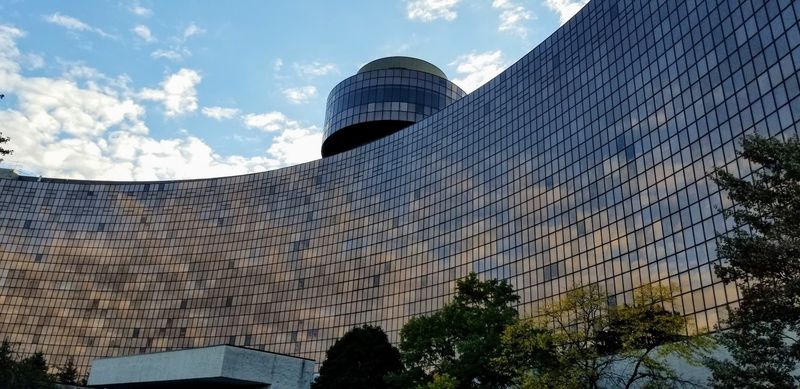
Curiosity is natural when a place has a story like this one, but the smartest way to experience the Edward Hotel and Convention Center today is from public space only. Abandoned buildings can have safety hazards, legal limits, unstable materials, and restricted access, especially at large former hotel sites.
That means the best approach is simple and respectful. View the property from nearby roads or other public areas, notice how it fits into the Town Center setting, and use the location as a starting point for learning about Dearborn’s broader development story.
A careful visit can still be interesting without crossing a fence or stepping onto private property. Watching the building from a distance makes it easier to focus on scale, placement, and contrast instead of treating the site like a dare.
It also helps to pair the drive-by view with nearby context. Dearborn offers museums, architecture, business corridors, and public places that show how the city has grown, which makes the Edward site easier to understand as one part of a larger local timeline.
Photos taken from legal public vantage points can be enough for many history-minded travelers. The building’s mass, aging facade, and position in an active district tell plenty of the story without the risks that come with urban exploration.
That respectful distance actually fits the subject well. The hotel is fascinating not because people can get inside it, but because it still stands in plain sight, asking readers, drivers, and local history fans to think about what cities build, what they outgrow, and what they choose to do next.
The Question Hanging Over 600 Town Center Drive
Every long-abandoned landmark carries one final question: what now? For the Edward Hotel and Convention Center, that question is a major part of the fascination because the building is so large, so visible, and so clearly tied to an important part of Dearborn’s commercial landscape.
Empty properties do not stay frozen in meaning, even when they stay physically in place. Over time, they become symbols of stalled plans, redevelopment hopes, neighborhood debate, and the challenge of deciding whether a structure should be restored, replaced, or removed.
At 600 Town Center Drive, that uncertainty is impossible to separate from the story. A smaller site might disappear from conversation, but a former convention hotel keeps inviting speculation simply because it occupies so much space in both the streetscape and the local imagination.
That is why the site earns the phrase fascinating story more than many abandoned buildings do. It combines visibility, scale, business history, and unanswered future use in a way that turns one address into a bigger conversation about land, memory, and urban change.
For readers interested in Michigan places with real texture, the Edward property offers more than decay. It shows how a once-active building can become a public puzzle, where the structure itself is only part of the appeal and the larger questions around it are just as compelling.
Seen from that angle, the abandoned Dearborn site stands out because it is still part of the city’s present, not only its past. The shell remains, the story keeps developing, and the next decision about the property will shape how this corner of Town Center Drive is understood for years to come.
Share this story