
Late-summer hikes in Michigan’s Upper Peninsula can be beautiful, but the season also asks hikers to pay closer attention. As bears search for easy food, ripe berries, picnic smells, campground scraps, and busy trailheads can all make certain routes feel a little less carefree.
That does not mean people need to avoid the woods; it means the smartest hikers show up prepared. Packing food carefully, staying alert, making noise, and respecting wildlife space can make a big difference on the trail.
For anyone heading into the U.P. before fall arrives, these Michigan hikes are worth approaching with extra bear awareness.
1. Laughing Whitefish Falls Trail
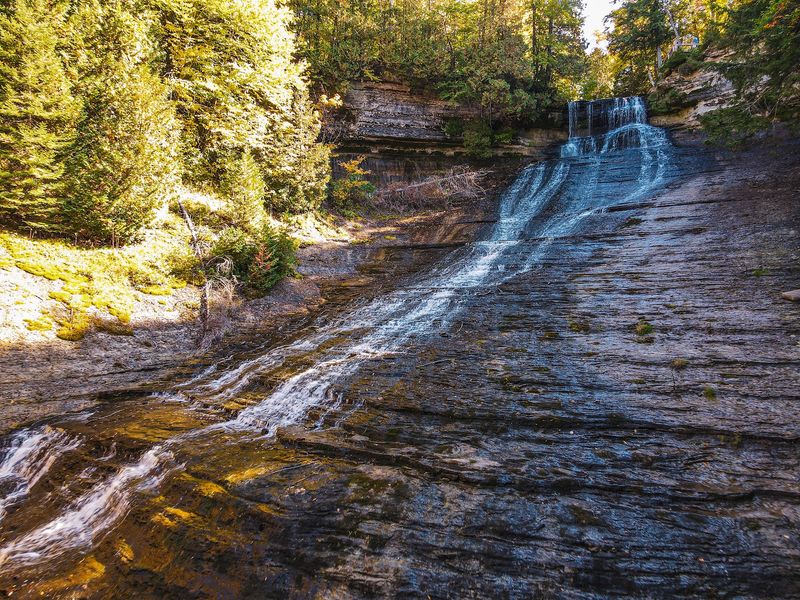
Waterfalls tend to make people relax, and that is exactly why this trail deserves a little extra bear awareness in late summer. The walk to Laughing Whitefish Falls is friendly enough for many visitors, so snack wrappers, drink bottles, and strong food smells sometimes travel right along with the crowd.
Black bears are often more interested in calories than conflict. When berries are ripening and natural food patches shift from place to place, a bear may wander near parking areas, trail edges, or rest spots just to check for an easy reward.
That makes clean habits a big deal here. Keep food packed away, avoid leaving coolers in plain sight at the trailhead, and never toss apple cores or crusts into the woods, even if it seems harmless.
Noise helps too, especially around bends and thicker trees where sightlines are short. Talking in a normal voice can prevent the kind of surprise meeting that startles both hikers and wildlife.
Families often stop longer at overlooks, and that is a good time to double-check bags and pockets. Granola bars tucked into sweatshirt fronts or candy left in stroller trays can spread scent farther than people expect.
Dogs need careful handling as well. A leashed dog is easier to control if wildlife appears, and it is far less likely to rush ahead and create a tense scene on a quiet section of trail.
Footing and scenery usually get the attention here, but scent discipline matters just as much in late summer. Pack out every scrap, wipe sticky hands, and keep gear zipped when not in use.
If a bear is ever spotted, give it space and back away calmly. A good day at Laughing Whitefish Falls should end with pictures of the cascade, not a close lesson in why food safety matters.
2. Escarpment Trail – Porcupine Mountains Wilderness State Park
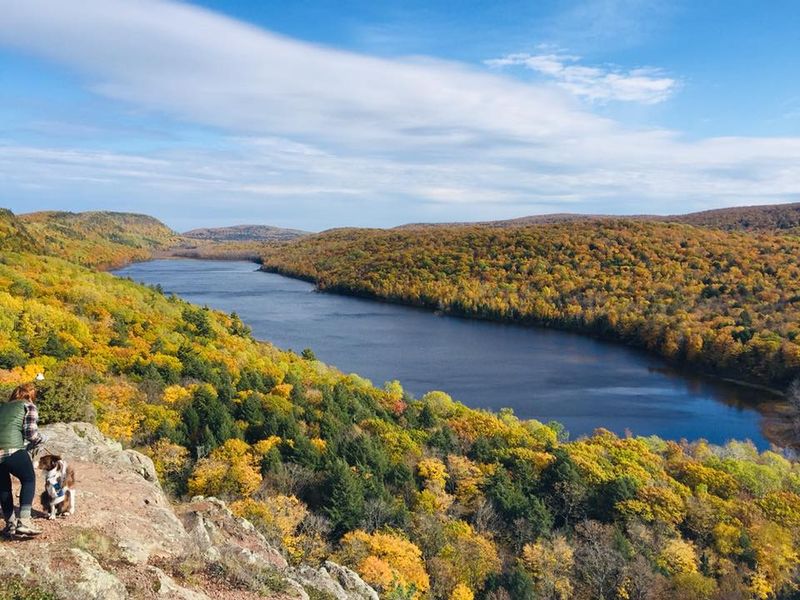
Big views can distract even careful hikers, and the Escarpment Trail has plenty of them. With cliffs, long forest stretches, and changing late summer food sources for wildlife, this route is one where smart bear habits should stay in the front of every hiker’s mind.
The trail covers remote ground, which changes the equation. A bear seen here is not hanging around for entertainment.
It is moving through habitat that already belongs to it, often following food, water, and cover with very little interest in people.
Because of that, hikers should avoid acting like they have the place to themselves. Conversation, occasional clapping, and steady group movement can reduce the chance of surprising a bear near brushy corners or dips in the trail.
Late summer also tempts people to stop often for snacks while enjoying overlooks. Choose sealed containers, keep food odors contained, and resist the urge to set packs open on the ground while taking photos.
This is not the kind of trail where a careless mistake stays small. A forgotten sandwich, fishy bait in a daypack, or scented trash left in a pocket can create a smell trail that lingers after hikers move on.
Weather shifts fast in the Porkies, so staying prepared matters beyond wildlife concerns. Extra water, a map, and enough daylight help hikers avoid unplanned slowdowns that can lead to rushed choices or wandering at dusk, when animals may be more active.
Foot placement deserves respect on the ridge, but so does scanning the trail ahead. Look for fresh scat, claw marks, or turned-over logs nearby, then increase awareness without panicking.
Escarpment Trail rewards people who stay observant. The scenery is the headline, yet late summer success here comes from leaving no food trace, making human noise, and giving every wild resident plenty of room.
3. Au Sable Light Station Trail – Pictured Rocks National Lakeshore

Lighthouse walks have a breezy charm, but late summer adds a practical twist on the Au Sable Light Station Trail. Between shoreline scenery, forest cover, and visitors carrying picnic supplies, this route calls for extra attention to food smells and basic trail awareness.
The path itself is approachable, which often means people let their guard down. Bears do not need deep wilderness to investigate an easy scent, especially when busy vacation days leave behind crumbs, wrappers, or vehicles packed with snacks at nearby access points.
One smart move is to treat every break like a cleanup drill. Open food only when needed, reseal it quickly, and check the ground before moving on so nothing tiny gets left behind.
Children often notice the lighthouse before they notice the woods around them. Adults should keep kids close, especially near brushy sections, and explain in simple terms that wildlife needs space and should never be followed for a better look.
Morning and evening can feel extra peaceful along the lakeshore, but that quiet can also hide movement. Talking with hiking partners and staying alert near curves or thicker vegetation lowers the chance of a surprise encounter.
Another late summer detail is the parking area routine. Strong scents from coolers, takeout bags, or sweet drinks can linger long after people lock their doors, so keeping vehicles neat is part of bear safety too.
The lake breeze may seem like it carries every smell away. Sometimes it does not.
Odors can drift in odd directions, which is why sealed storage matters even on a short outing.
Au Sable Light Station Trail is best enjoyed with calm, simple habits. Carry only what you need, pack out everything, and keep eyes open in wooded sections so the trip stays memorable for the lighthouse and shoreline, not an avoidable wildlife mistake.
4. O Kun de Kun Falls Trail
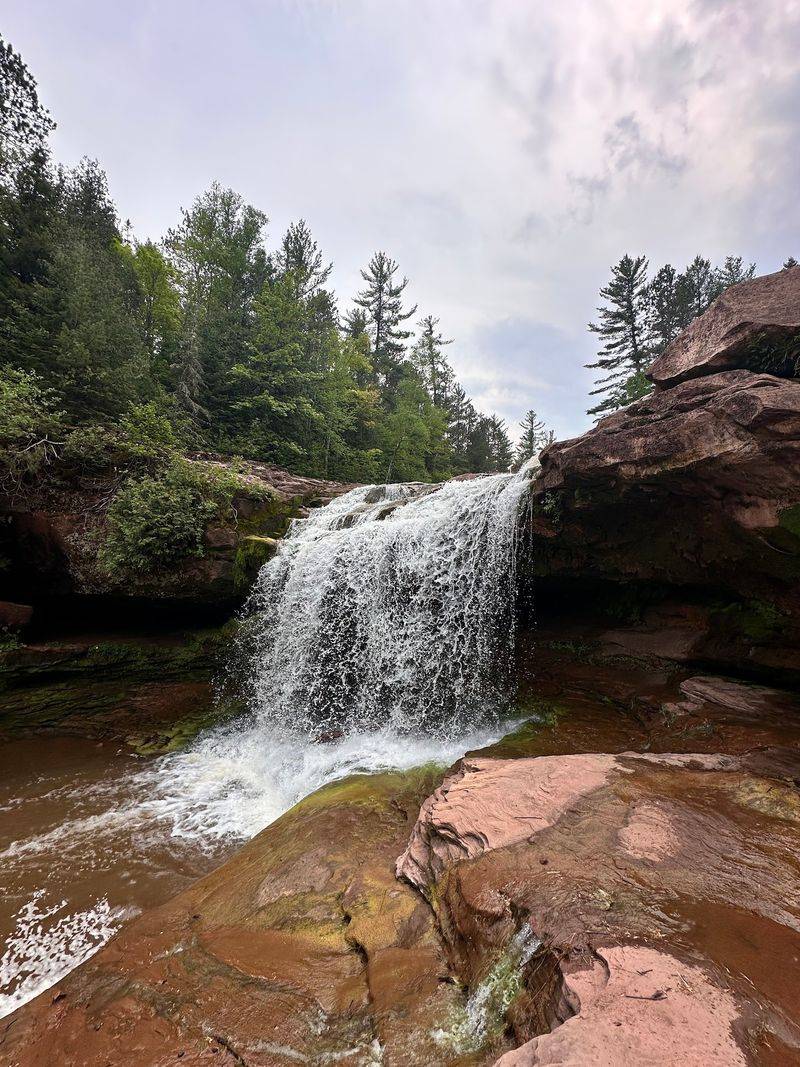
Names this memorable tend to stick in a traveler’s head, and O Kun de Kun Falls Trail usually does too. The waterfall draws plenty of attention, yet late summer hikers also need to think about bears that may be roaming for berries, insects, and easy human food.
The trail mixes simple sections with spots where people naturally stop to rest or snack. Any place that invites a break can invite scent, and scent is often the first thing a black bear notices.
A clean pack is more useful than fancy gear here. Store food in tight containers, skip heavily scented items when possible, and avoid leaving bags unattended while taking pictures near the falls or streamside areas.
Groups have an advantage if they use it well. Normal conversation, especially near thicker brush or where the trail drops toward water, helps announce that people are coming through.
Another overlooked habit is managing garbage before it becomes a problem. Crumpled chip bags, sticky juice pouches, and fruit peels can seem small, but they leave a strong message behind for wildlife.
Late summer also means more family outings, and younger hikers sometimes wander a bit when the sound of water gets exciting. Keeping everyone close is smart not just for footing and cliffs, but for wildlife awareness too.
If tracks, scat, or torn logs show up along the route, that is a reminder to sharpen attention rather than panic. Backing off loud music in headphones and paying attention to the next bend can make a real difference.
Dogs should stay leashed the whole time. Even a friendly pet can bolt toward movement, then race back with trouble following.
O Kun de Kun Falls is at its best when hikers balance fun with discipline. Enjoy the sound of rushing water, take the photos, and leave every snack smell, crumb, and wrapper under control from start to finish.
5. Little Carp River Trail – Porcupine Mountains Wilderness State Park
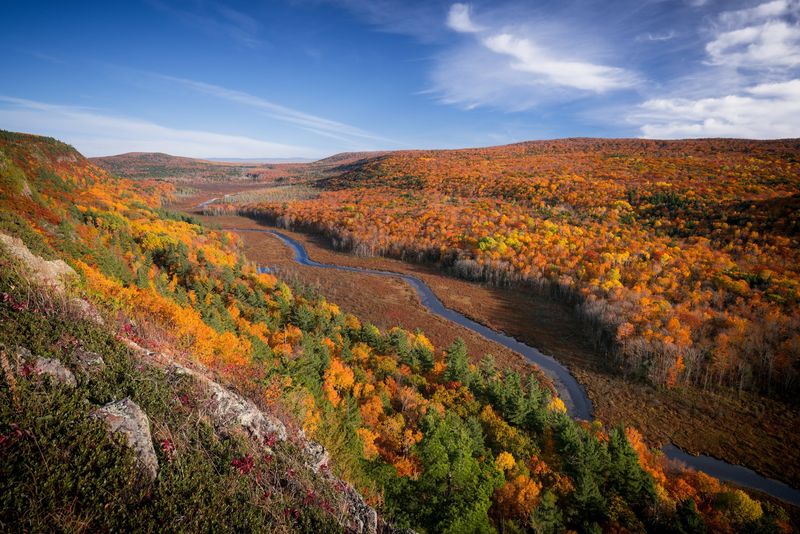
Here is where the Upper Peninsula starts showing its wilder side. Little Carp River Trail moves through thick forest and river country, and in late summer that combination can put hikers squarely in active bear habitat rather than near a quick roadside stroll.
Because the route feels more rugged and more remote, preparation matters before the first step. Hikers should know where food is packed, how trash will be carried out, and how the group will respond if a bear appears ahead.
River corridors can support lots of life, from insects to fruiting plants nearby, so bears may pass through without any interest in people. Problems usually start when humans add an easier option through sloppy food handling or unattended packs.
That is why snack breaks should be short and tidy. Eat, seal everything back up, and keep moving instead of creating a scented rest station along the trail.
Visibility shifts often in this kind of terrain. One minute the path is open, and the next it narrows between brush, roots, and shaded turns, making surprise encounters more possible.
A steady voice helps. Calling out softly to partners, especially near creek noise or blind spots, is better than hiking in total silence and stumbling onto wildlife at close range.
Backpackers should be extra careful because overnight gear often includes stronger smells. Even on a day hike, scented wipes, drink mixes, and leftover lunch scraps deserve the same caution as obvious food.
Late summer afternoons can stretch longer than expected, and tired hikers make rushed decisions. Staying on schedule helps people avoid moving through dimmer woods when visibility drops and wildlife movement may increase.
Little Carp River Trail rewards attention to detail. Watch your footing, respect the remoteness, and treat every item with an odor as part of bear awareness, not just every sandwich and snack bar.
6. Grand Sable Dunes Trail – Pictured Rocks National Lakeshore

Sand, slope, and huge Lake Superior views give Grand Sable Dunes Trail a very different personality from a deep forest hike. Even so, late summer bear awareness still matters here because wooded edges, food scents, and busy visitor patterns can overlap in surprising ways.
The open dune sections may look like the only story, but transition areas are where attention should sharpen. Forest pockets, trail junctions, and places where people pause for snacks can draw wildlife much more than the big viewpoints do.
Wind adds an extra twist. Smells can travel in odd directions across dunes and tree lines, so an unsealed lunch or sticky trash may carry farther than hikers expect.
That makes simple packing choices useful. Use zip bags or sturdy containers, keep drinks closed, and avoid shaking crumbs out of a towel or backpack before moving on.
The terrain can be tiring too, especially in warm late summer sun. Fatigue often leads people to drop packs carelessly, spread out gear, or take shortcuts into vegetation where visibility gets worse.
Good pacing helps more than people realize. Take breaks in open, obvious spots, keep the group together, and scan wooded margins before stepping off the main path for photos or rest.
Families should remind kids that running ahead over dune rises can create blind moments. A bear on the other side of a slope or near shrubs does not need much distance to turn a fun outing tense.
Vehicle habits count at the trailhead as well. Food coolers, empty fast-food bags, and sweet drink spills can make parking areas more attractive to curious wildlife.
Grand Sable Dunes Trail is one of those places where beauty can distract from basics. Enjoy the dramatic sand and water, but keep late summer bear sense switched on from the lot to the lookout and back again.
7. Indian Lake Pathway – Lake Superior State Forest
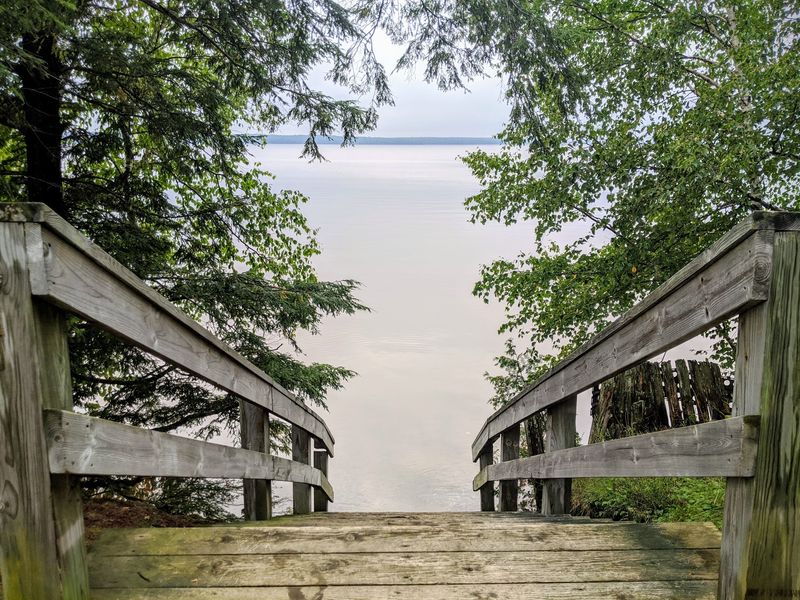
Quiet trails can be wonderful, but they ask more from hikers. Indian Lake Pathway has that quieter state forest mood where a person may go longer without seeing other people, which is exactly why late summer bear awareness should stay steady instead of casual.
Less traffic often means fewer human sounds on the trail. A bear moving through nearby cover may not know anyone is coming unless hikers speak up, especially around thicker growth, wet spots, or bends near the lake and forest edge.
There is no need to shout the whole route. Regular conversation, an occasional call-out, or the sound of a group moving together is usually enough to reduce surprise at close range.
Late summer food sources can shift quickly for wildlife. When berries thin out in one patch, bears may travel to another area, and that can bring them across pathways people think of as calm and routine.
Because the trail has a more peaceful setting, snack stops can stretch longer than planned. That is when crumbs end up on logs, drink powder spills into dirt, and wrappers ride loose in side pockets.
A tighter routine works better. Stop, eat, check the ground, reseal everything, and move along without turning the trail edge into a scented picnic table.
Pets should be handled carefully here too. On a quieter path, a dog may react first to movement or smell, and that excitement can quickly complicate an encounter.
Another smart habit is watching for fresh sign without turning every track into a crisis. Scat, turned soil, or clawed wood simply mean it is time to focus, keep distance, and avoid wandering off the main route.
Indian Lake Pathway rewards hikers who stay calm and organized. In late summer, that means using the silence wisely, carrying food securely, and remembering that a peaceful forest can still be very active wildlife country.
8. Chapel Loop – Pictured Rocks National Lakeshore
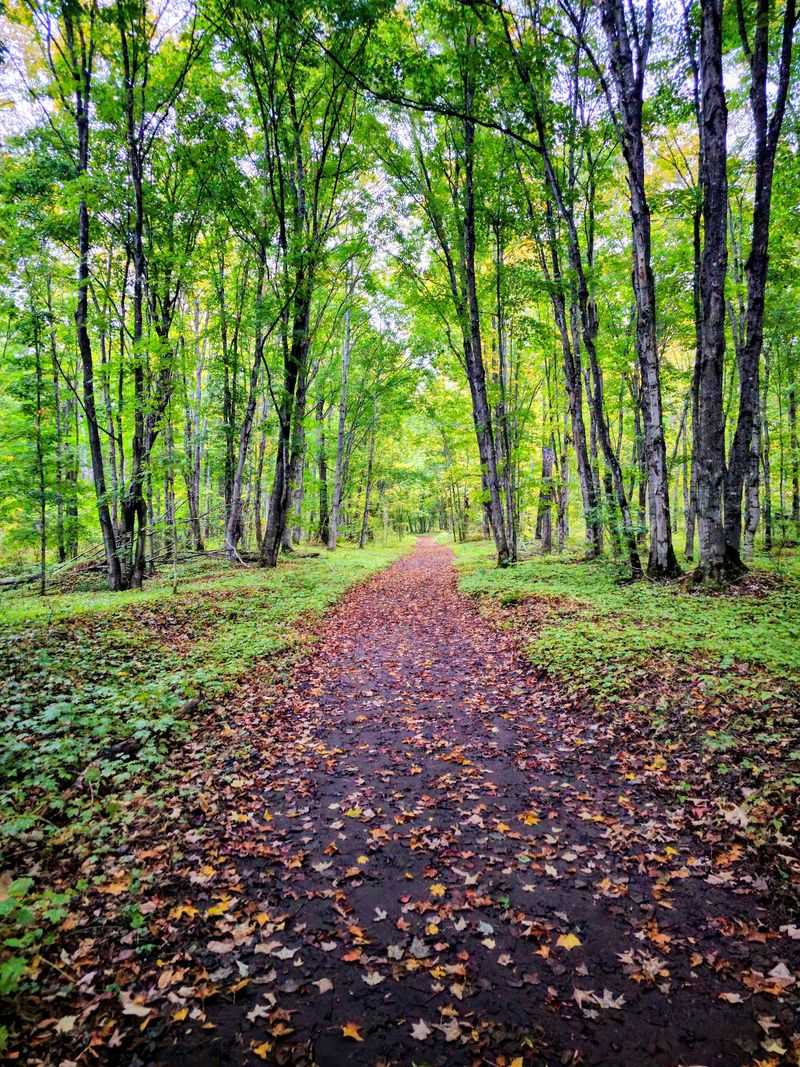
Longer loops have a way of exposing every weak point in a hiking plan, and Chapel Loop can do that fast. Between mileage, scenic side stops, and late summer wildlife activity, this is a trail where bear awareness needs to last all day, not just at the start.
People often carry more food on a loop like this, which automatically raises the importance of storage and cleanup. Extra bars, sandwiches, trail mix, and sports drinks create a stronger scent picture than a short out-and-back walk.
The route also shifts through different settings, so awareness cannot stay on one setting either. Open sections may feel easy, then wooded stretches or drainage crossings tighten visibility and make noise from water or wind harder to hear through.
That is where groups should talk more, not less. Simple conversation around blind corners helps wildlife know people are approaching before anyone gets too close.
Late summer can tempt hikers to sit longer at scenic overlooks or beach access points. Resting is fine, but bags should stay zipped, trash should stay contained, and nobody should leave food unattended while wandering off for photos.
Another issue on bigger day hikes is fatigue late in the trip. Tired hikers sometimes overlook fresh sign, cut through brush for a shortcut, or stop paying attention in the final mile when they are already thinking about the car.
Keep the same discipline on the way out as on the way in. Bears do not care whether you are at mile one or mile nine.
Because Chapel Loop is popular, trailhead habits matter too. Vehicles loaded with coolers and snack bags can add scent before boots even hit the dirt.
Chapel Loop offers the kind of day people remember for a long time. Staying bear-aware the whole route helps make sure those memories center on cliffs, forest, and lake views instead of a preventable mistake with food and space.
9. West River Trail – Presque Isle Area, Porcupine Mountains Wilderness State Park
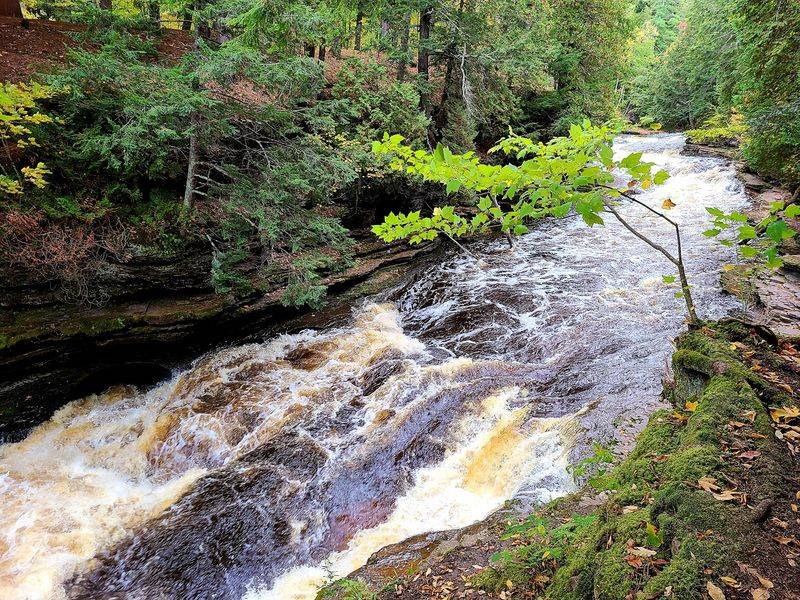
Fast water can cover a lot of sound, and that matters on West River Trail. In late summer, the mix of river noise, thick woods, and popular scenic pull draws means hikers need to work harder to avoid surprising a bear at close range.
When a trail runs beside moving water, normal footsteps and quiet voices may disappear into the background. Speaking clearly with hiking partners near bends, bridges, and narrower sections is a simple way to make your presence known.
The Presque Isle area also encourages frequent photo stops. Beautiful river views are part of the appeal, but every stop is a chance for snacks, spilled drinks, or open packs to spread scent into the air.
Food management should stay boring and consistent. Keep items sealed, handle them briefly, and check pockets for wrappers before leaving each overlook or rest spot.
Another factor here is footing. Roots, damp ground, and rocky spots demand attention, and when people focus only on the ground, they sometimes stop scanning ahead into brushy edges where wildlife could be moving.
Try alternating that attention. Watch each step, then lift your eyes often to read the trail in front of you.
Late summer can also bring busier parking areas, which means more opportunities for food odors to gather near vehicles. Clean cars, sealed coolers, and no loose garbage visible through windows are all part of good trail etiquette.
Traveling with children or newer hikers calls for a steady pace instead of a rushed one. Groups that bunch up, spread out, or send one person far ahead create more blind moments and less shared awareness.
West River Trail is the kind of place that rewards alert hikers. Let the river set the soundtrack, but not the rules.
In bear season, the smart move is to stay noisy enough, tidy enough, and observant enough all the way through.
10. North Country Trail At Wetmore Landing – Little Presque Isle
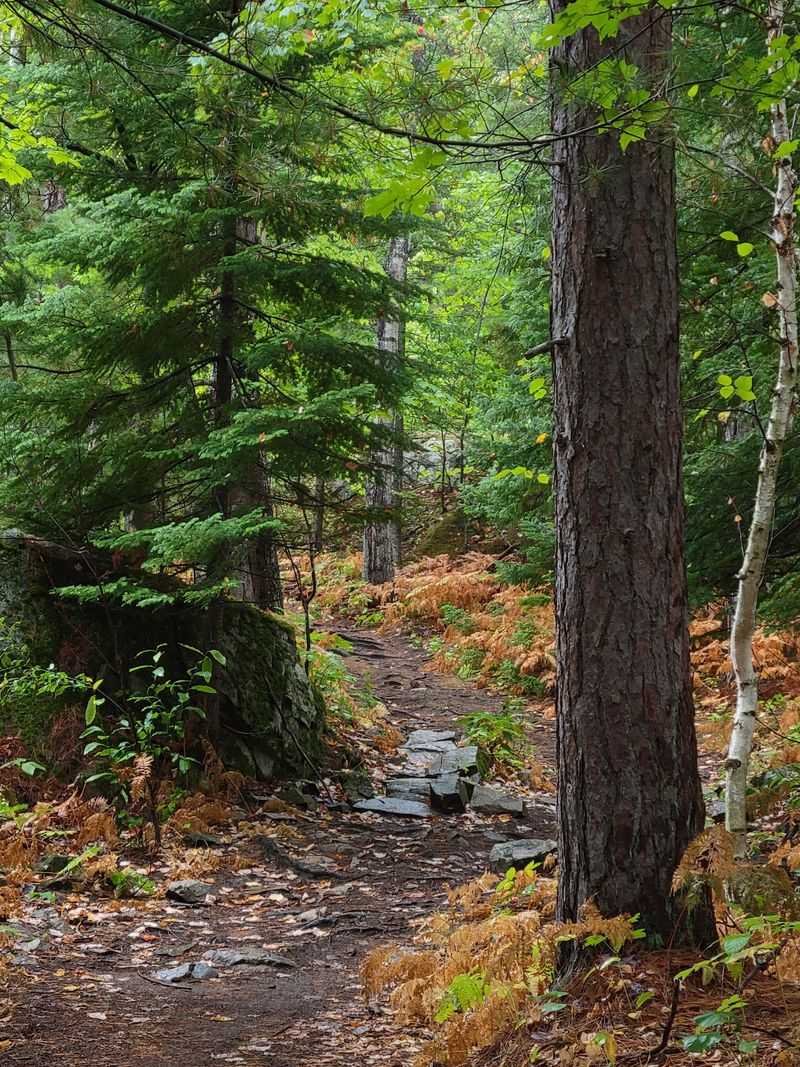
Lake Superior shoreline trails can seem wide open in spirit even when the path itself stays tight and wooded. That is the case around Wetmore Landing and Little Presque Isle, where late summer bear awareness matters in both forest cover and beach access areas.
The North Country Trail here mixes views, roots, and short sightlines in places. A person can round a corner quickly, especially when focused on the water, and that is not ideal in a season when bears may be traveling for food.
Speaking at a normal volume is one of the easiest fixes. Hikers do not need to be loud all day, but they should avoid silent movement through denser stretches where visibility drops.
Beach stops deserve extra care too. People often spread out snacks, set packs on driftwood, and linger longer by the shore, which can leave behind crumbs or scented trash if nobody checks carefully before leaving.
Another common mistake is underestimating short hikes. Because this area can feel more casual than a long backcountry trek, visitors may carry food loosely or leave tempting items in the car without thinking much about odor.
Late summer is not the time for lazy packing. Seal everything, clean up spills, and keep the inside of your vehicle from smelling like a rolling lunch counter.
Dogs should remain leashed on the trail and near the shore. Sudden movement toward brush, birds, or wildlife scent can change the mood of a hike in seconds.
It also helps to stay on the established path rather than cutting into side vegetation for a photo angle. Dense cover limits sightlines and increases the chance of stumbling into an animal’s personal space.
Wetmore Landing and Little Presque Isle make an easy case for carrying bear-smart habits on every outing. The water views are excellent, but the safest hikers here are the ones who remember that shoreline beauty and active wildlife can share the same trail.
11. Union Mine Trail – Porcupine Mountains Wilderness State Park
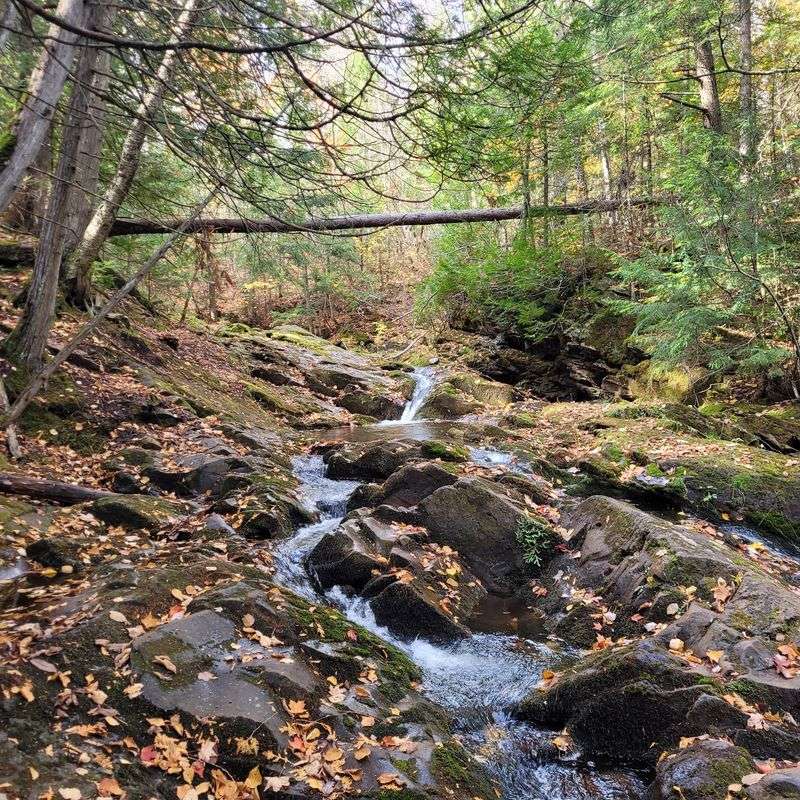
History gives Union Mine Trail extra character, but the wildlife rules are still current. Late summer hikers moving through the Porcupine Mountains on this route should expect real forest conditions, which means keeping bear awareness practical, steady, and built into every stop.
Trails with a historical angle can encourage wandering attention. People look for old features, side details, and photo opportunities, and that can lead to quiet movement through brushy areas without much warning noise.
A better approach is simple and old-fashioned. Stay on the path, keep talking with companions, and avoid drifting off to inspect side spots where cover is thicker and sightlines shrink.
Food smells matter here just as much as anywhere else in the Porkies. A single forgotten wrapper, scented wipe, or half-finished sports drink can become an invitation long after hikers leave.
Because the route may not feel as dramatic as a waterfall or cliff trail, some visitors relax their habits too much. Bear awareness does not depend on famous scenery.
It depends on habitat, timing, and the choices people make.
Late summer timing is the key part. Bears are often feeding heavily, and any easy scent can pull attention toward a trail corridor that humans also happen to enjoy.
Good spacing helps when hiking in a group. Do not string out so far that the first person turns a blind corner alone while the rest lag behind in silence.
A little trail reading can also help. Fresh scat, disturbed logs, or clear tracks in soft ground suggest that wildlife has been active nearby, which is a cue to tighten up routines and stay alert.
Union Mine Trail works best for hikers who treat it with respect, not nerves. Keep the outing clean, audible, and organized, and the day is far more likely to stay focused on the woods and the walk itself.
12. North Country National Scenic Trail – Pictured Rocks National Lakeshore
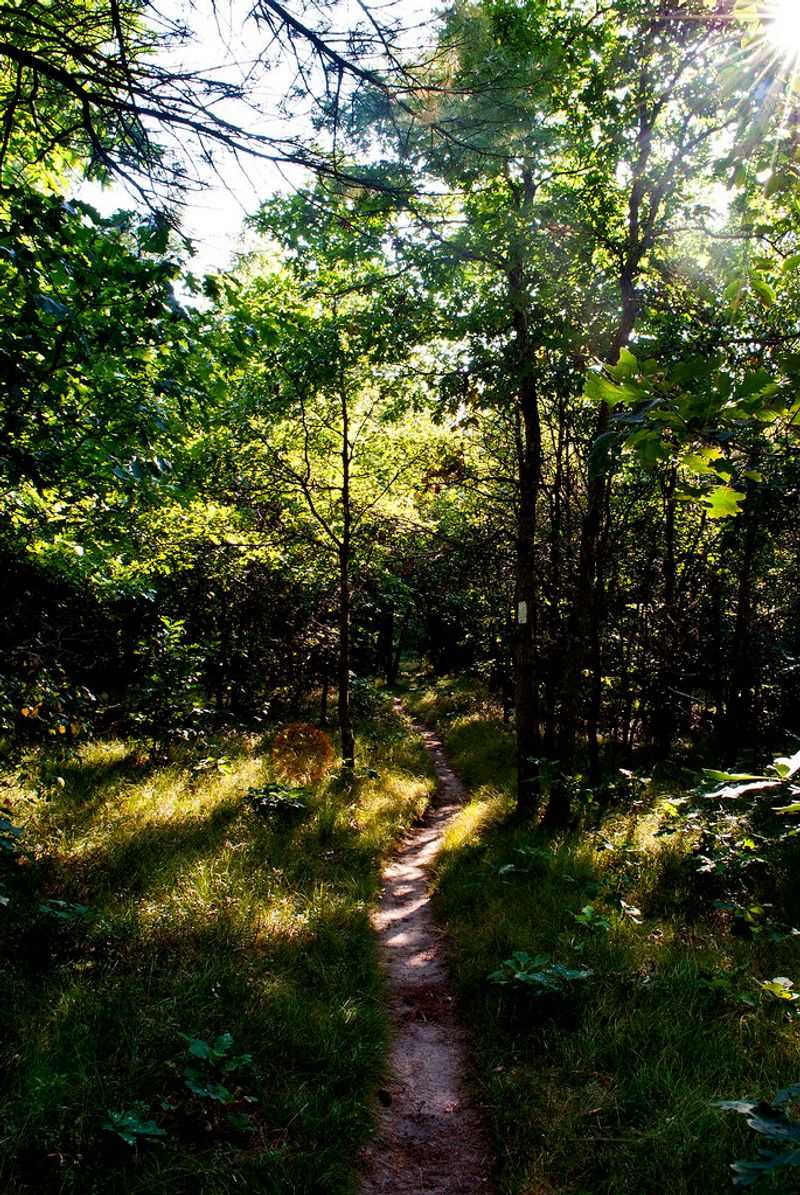
Long-distance trail reputation adds a serious note right away. On the North Country National Scenic Trail through Pictured Rocks, late summer hikers should think beyond pretty overlooks and focus on the kind of steady bear awareness that holds up over miles.
A longer route often means more gear, more snacks, and more chances to get sloppy. Packs are opened more often, breaks happen in more places, and little bits of scent have more opportunities to escape into the woods.
That does not mean the trail is unsafe. It means hikers should keep routines simple enough to repeat all day without fail.
Every food stop should look almost the same. Open the pack, eat what is needed, seal it again, check for crumbs or wrappers, and move on without leaving a trace or a tempting smell behind.
The Pictured Rocks corridor can shift between open views and enclosed forest quickly. In tighter sections, especially around curves or where vegetation crowds the path, talking with partners helps prevent sudden close encounters.
Solo hikers should be even more intentional about making human sound. A calm voice, occasional call-out, or the sound of trekking poles can help announce presence without turning the hike into a racket.
Trailheads and roadside access points deserve attention too. On popular national lakeshore routes, people sometimes treat the car like temporary storage for all kinds of food, which can create problems before the hike even begins.
Late summer weather can also wear people down. Once hikers get tired, they are more likely to shortcut cleanup, overlook sign, or stop paying attention near the end of the day.
The North Country Trail through Pictured Rocks asks for endurance and awareness in equal measure. Keep your habits clean, your pace steady, and your senses on, and the route remains the kind of big Upper Peninsula experience people hope for.
13. Miners Falls Trail – Pictured Rocks National Lakeshore
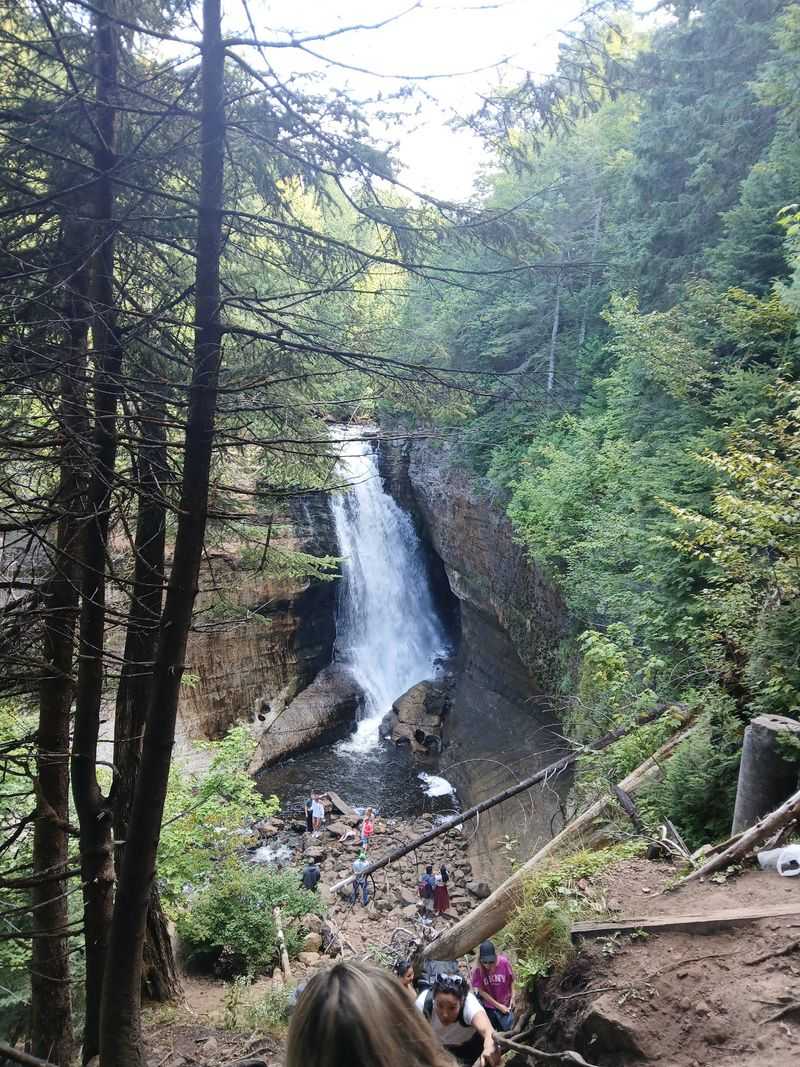
Miners Falls Trail is popular for good reason, and that popularity shapes bear awareness in late summer. Easy access, steady visitor traffic, and plenty of snack-carrying day hikers can create the exact mix of smells and habits that curious bears notice.
Busy trails sometimes make people assume wildlife will stay away. That is not always how it works.
Bears can pass through at odd hours or investigate places where people repeatedly leave food scent behind.
The smartest mindset is to act like every visit helps train local wildlife one way or the other. Clean habits teach nothing useful to bears.
Messy habits can teach the wrong lesson fast.
This trail is short enough that many visitors bring more convenience food than they need. That often means sticky fingers, dropped crackers, or loose wrappers tucked into jacket pockets instead of sealed inside a bag.
A quick check before leaving the overlook goes a long way. Look around your feet, zip every compartment, and make sure children are not carrying half-eaten snacks as they start walking again.
Another factor is stop-and-go movement. On a trail with lots of people, some groups move quietly and then bunch up at viewing spots, which can create confusion on the path and less awareness of the woods nearby.
Keep the group together and maintain normal conversation in the forested sections. There is no prize for sneaking up on the next corner.
Cars in the lot deserve attention as well. Coolers, takeout leftovers, and sugary drink containers can add scent around a trailhead even when the hike itself is short.
Miners Falls Trail is simple to enjoy and simple to handle well. Pack lightly, clean up thoroughly, and remember that bear awareness is not only for remote backcountry miles. Sometimes it matters most on the easiest walk of the day.