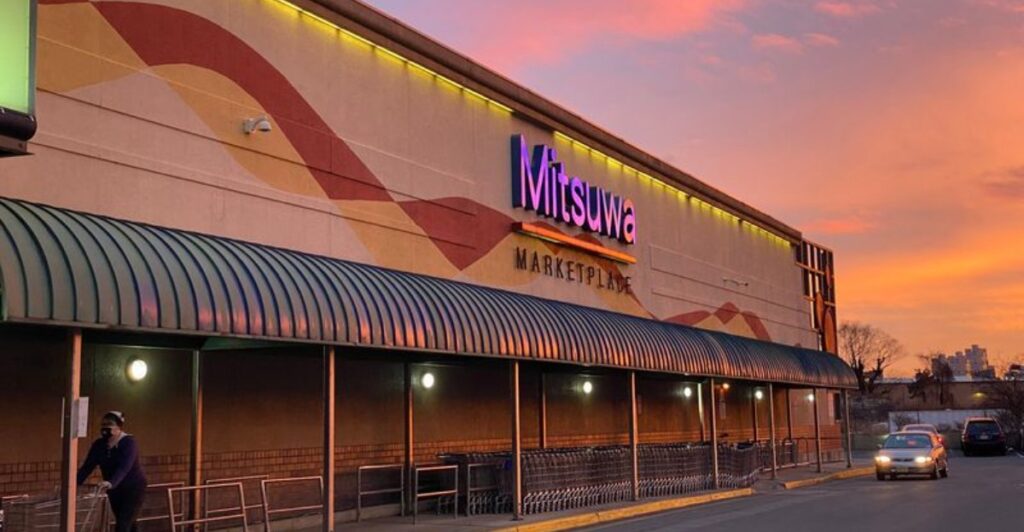
A bowl of steaming ramen may be the first thing you notice, but it will not be the last. One minute, you are standing beside the Hudson River in Edgewater; the next, you are passing shelves of Japanese curry, inspecting sashimi-grade fish, and debating which flavor of Pocky deserves a place in your cart.
Mitsuwa Marketplace turns an ordinary grocery run into a deliciously distracting afternoon. The sprawling Japanese market anchors a plaza at 595 River Road, where shoppers can eat tempura, browse manga, pick up freshly baked melon pan, and hunt for clever household goods without moving the car.
Its popularity reaches well beyond Bergen County. Families arrive from across New Jersey, while plenty of New Yorkers make the trip across the river for specialty groceries and a food court lunch.
Add a wide-open view of Manhattan, and this supermarket starts feeling less like an errand stop and more like a miniature getaway with very good snacks.
Mitsuwa Marketplace Brings a Slice of Japan to the Edgewater Waterfront
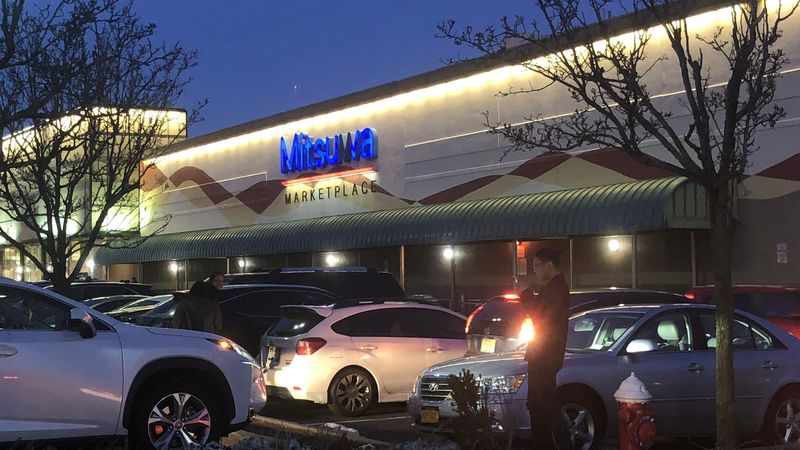
Long before Edgewater’s riverfront filled with high-rise apartments, this narrow strip of Bergen County was known for factories, warehouses, and smokestacks. The industrial era eventually faded, but one unusual arrival helped give the waterfront a new identity.
The shopping center opened in 1988 as Yaohan Plaza, bringing a full-scale Japanese supermarket and collection of specialty businesses to the East Coast. When Yaohan’s American stores were reorganized in the late 1990s, the Edgewater location became Mitsuwa Marketplace.
The name changed, but the plaza remained a vital destination for Japanese residents living in Edgewater, Fort Lee, and the surrounding towns. Today, Mitsuwa is part grocery store, part dining hall, and part cultural hub.
It carries everyday ingredients that Japanese families use at home while giving curious newcomers an easy way to explore unfamiliar flavors. Nothing about the experience feels stiff or museum-like.
Shopping carts rattle past towers of rice, children point out brightly colored candy packages, and food-court customers search for open tables while balancing bowls of noodles. The mix is what makes the place work.
A regular shopper may arrive with a precise list involving miso, daikon, and thinly sliced pork, while a first-time visitor might simply follow the smell of fried tempura. The market is open daily from 9:30 a.m. to 9 p.m., although individual restaurants and shops keep their own schedules.
Weekends can become genuinely busy, particularly around lunch, when the parking lot and food court both fill quickly. Arriving earlier makes it easier to browse at a relaxed pace, but the weekend energy is part of the appeal.
For more than three decades, this waterfront plaza has remained one of the region’s most convincing little windows into everyday Japanese food and culture.
Grocery Aisles Overflow With Hard-to-Find Japanese Ingredients
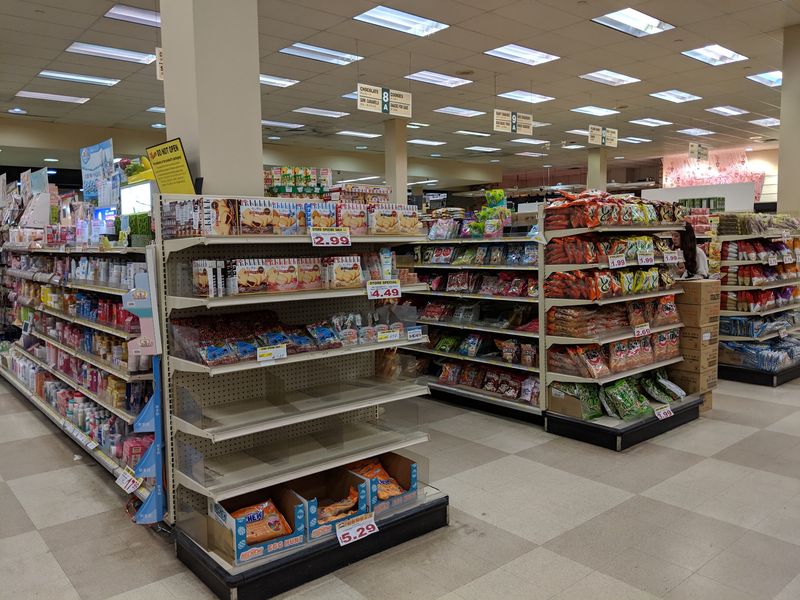
Start in the dry-goods aisles, and a five-minute browse can easily become 45. The selection goes far beyond the handful of soy sauces and instant noodles found in a typical supermarket’s international section.
Entire shelves are devoted to rice, seaweed, soup bases, curry roux, furikake seasoning, noodles, vinegars, cooking sake, and different styles of miso. Even familiar categories come with choices.
Soy sauce might be light, dark, reduced-sodium, tamari-style, or made for a particular dish. Rice ranges from everyday short-grain varieties to polished premium grains from regions such as Hokkaido.
Shoppers stocking a Japanese pantry can pick up kombu and bonito flakes for homemade dashi, panko for crisp breading, and mirin for the sweet depth behind teriyaki sauce. The freezer cases widen the possibilities with gyoza, udon, ramen kits, fish cakes, edamame, and desserts.
Then there is the snack section, a colorful trap for anyone who intended to buy only dinner ingredients. Pocky appears in flavors beyond the standard chocolate box, while Calbee chips, rice crackers, mochi, gummies, and seasonal Kit Kats make restraint surprisingly difficult.
Bottled teas and canned coffees occupy plenty of space, with brands such as Ito En offering everything from unsweetened green tea to matcha drinks. Mitsuwa also carries household basics, beauty products, and items that reflect daily life rather than novelty alone.
That distinction matters. The market serves customers who know exactly which noodle thickness or soup base they need, but the shelves are approachable enough for beginners willing to read labels and experiment.
Seasonal promotions add another layer, spotlighting foods from specific Japanese prefectures or regions. A Hokkaido fair, for example, may bring in regional rice, seafood, sweets, dairy treats, and limited-run products.
That steady rotation gives regulars a reason to inspect the aisles closely, because the most tempting discovery may not be there on the next visit.
Fresh Seafood and Prepared Foods Make Every Visit Delicious
Behind the seafood counter, silvery whole fish rest on ice beside carefully cut portions ready for dinner. This department is one of Mitsuwa’s defining features, especially for customers looking for seafood suitable for Japanese cooking.
Depending on availability and season, the cases may hold tuna, salmon, mackerel, yellowtail, octopus, scallops, roe, and other selections prepared for grilling, simmering, or serving as sashimi. Labels help distinguish the intended use, an important detail when raw preparation is involved.
The selection can change frequently, so experienced shoppers tend to look before committing to a recipe. The meat department is just as useful for dishes that American supermarkets do not always plan around.
Beef and pork are available in thin slices for shabu-shabu and sukiyaki, removing the awkward job of trying to achieve paper-thin cuts at home. Nearby produce displays supply napa cabbage, daikon, Japanese eggplant, shiitake mushrooms, burdock root, shiso, and other ingredients that complete those meals.
Even shoppers with no intention of cooking can leave well fed. Refrigerated cases are packed with sushi trays, sashimi, bento boxes, noodles, salads, pickles, and side dishes.
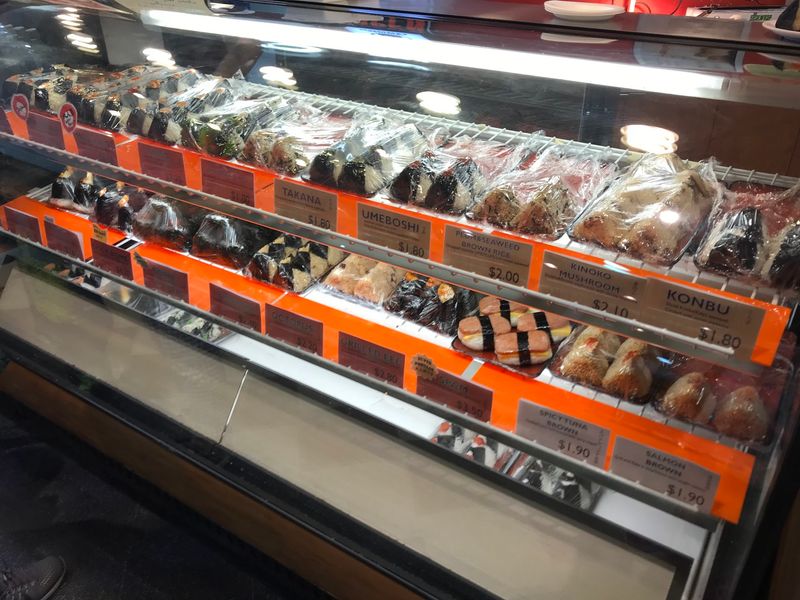
Mitsuwa NAGOMI handles sushi and deli offerings, while Omusubi Gonbei specializes in compact rice balls wrapped with nori and filled with ingredients such as salmon or pickled plum. An onigiri makes an ideal walking-around snack, though grabbing several for later is rarely a bad decision.
Bento choices often combine rice with grilled fish, chicken, pork, or tempura, creating an easy lunch that feels more thoughtful than a standard grab-and-go meal. Timing matters here.
The selection is usually broadest before the late-afternoon rush, and popular prepared items can thin out as the day continues. Between the fish counter, sliced meats, fresh vegetables, and ready-made meals, the grocery side manages to serve ambitious home cooks and hungry people who would rather not turn on the stove.
The Bustling Food Court Is Worth the Trip by Itself
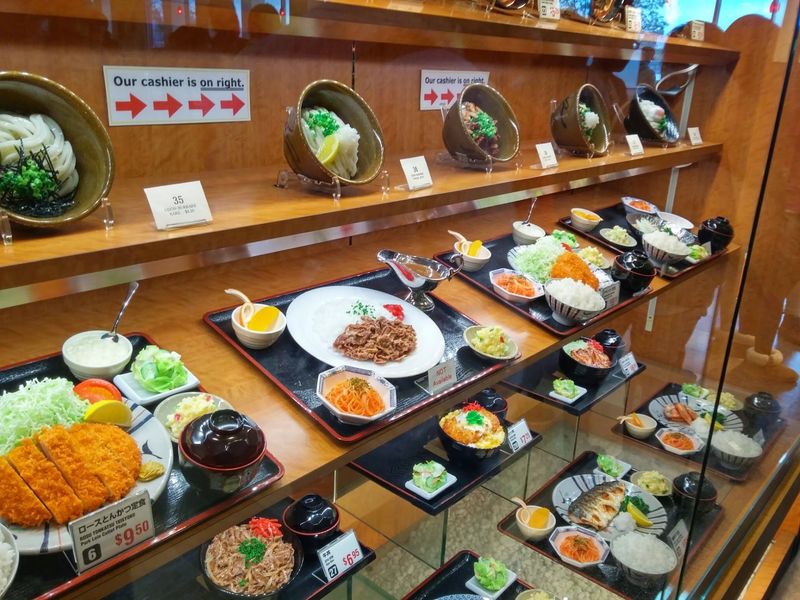
Around noon on a Saturday, the most valuable item in Mitsuwa may be an empty chair. Tables fill with families sharing trays, solo diners leaning over ramen bowls, and groups dividing up to order from several counters at once.
The setup resembles a mall food court, but the menus are focused squarely on Japanese favorites. Hokkaido Ramen Santouka is one of the longest-running draws.
Its signature bowls pair springy noodles with a rich pork-based broth, slices of tender chashu, bamboo shoots, and green onions. Shio ramen offers a salty, savory introduction, while miso and spicy versions bring deeper or hotter flavors.
The counter opens at 11 a.m., and a line can form quickly once lunch begins. Tendon Hannosuke takes a different approach, building bowls around crisp tempura arranged over rice.
Shrimp, vegetables, and other fried pieces arrive with a sweet-savory tendon sauce that seeps into the rice without turning the coating limp too quickly. Wateishoku Kaneda serves set meals in the comforting style of a Japanese home kitchen, while Tokyo Hanten offers a broader range of Japanese dishes.
Tsujita focuses on seafood bento, giving diners another option when a steaming bowl of noodles feels too heavy. The smartest strategy is to arrive with at least one companion and order from different counters.
That creates room for a ramen-and-tempura trade halfway through lunch. Most food-court restaurants begin serving around 11 a.m. and close before the supermarket, generally between 8 and 8:30 p.m., with some earlier Sunday closings.
Prices vary by stall and order, but the experience remains pleasantly casual. Meals are collected on trays, seating is first come, first served, and nobody expects a lingering restaurant performance.
The food provides the excitement. A grocery trip can be invented later if necessary; plenty of people come to Mitsuwa primarily because they were thinking about that broth or tempura bowl all week.
Bookstores, Bakeries, and Specialty Shops Fill the Rest of the Plaza
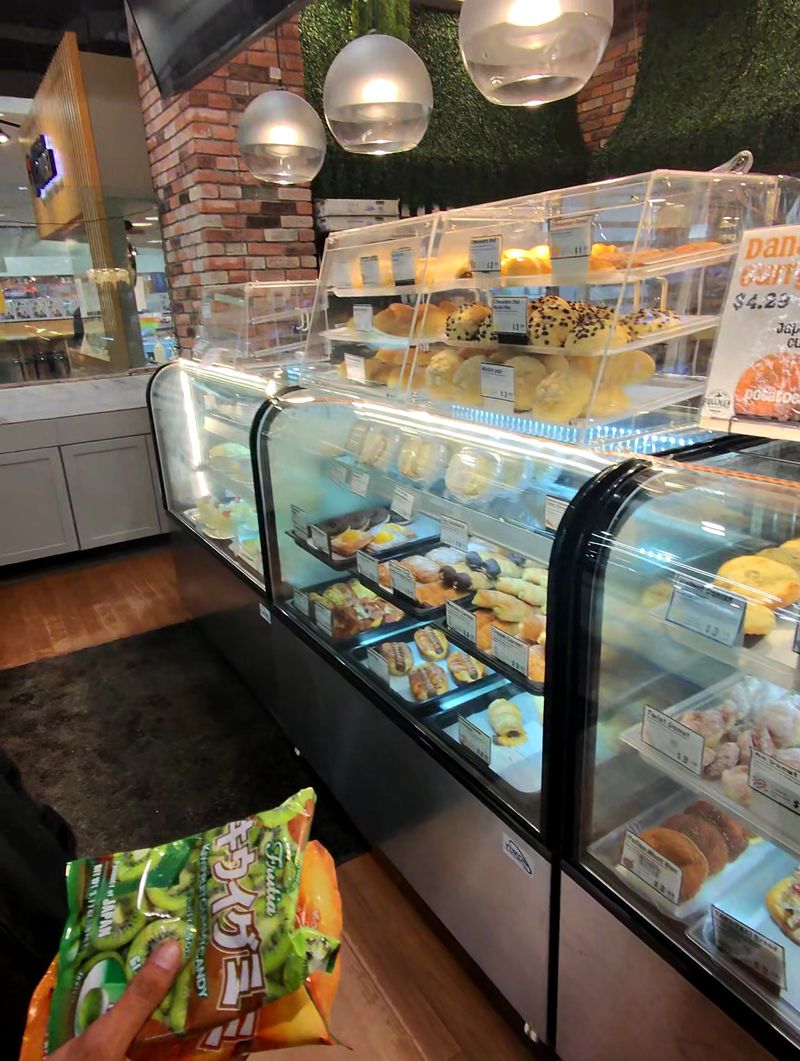
Food may anchor the complex, but it does not get to have all the fun. Books Kinokuniya turns the plaza into a serious stop for readers, manga fans, and stationery collectors.
Its shelves include English and Japanese books, magazines, graphic novels, art titles, pens, notebooks, and character merchandise. A quick browse can lead to a new cookbook, a beautifully designed planner, or several manga volumes that were definitely not part of the original budget.
Daiso delivers a different kind of treasure hunt. The Japanese variety store carries kitchen tools, storage containers, dishes, cleaning supplies, craft materials, accessories, and small household inventions that solve problems shoppers did not realize they had.
Prices are clearly marked by a tiered system rather than every item costing the same amount, so checking labels prevents surprises at the register. Little Japan USA adds more household goods, while Shiseido focuses on Japanese cosmetics and skincare.
Pop-culture fans can find the Bandai Gashapon Official Shop, where capsule machines dispense miniature toys and collectibles, as well as a One Piece Card Game Official Shop. Then come the sweets.
Pullman Bakery and SHIGE PAN produce soft Japanese breads and pastries, including savory buns and delicately sweet creations that make good companions for coffee or tea. Mochimochi KAI SWEETS specializes in springy mochi doughnuts, and KAI SWEETS serves Japanese-style crepes.
Royce’ supplies polished boxes of chocolates, while Kobe Fugetsudo and K.Minamoto offer traditional Japanese confectionery that works especially well when a supermarket snack feels too casual for a gift. Niitakaya’s Japanese pickles bring the selection back toward the savory side.
Each business has its own hours, and many close earlier than the main market. That collection of independent counters and specialty stores explains why a Mitsuwa visit stretches so easily.
Even after the grocery cart is full, and lunch is finished, there is always one more doorway worth investigating.
Manhattan Skyline Views Add a Surprise to the Shopping Trip
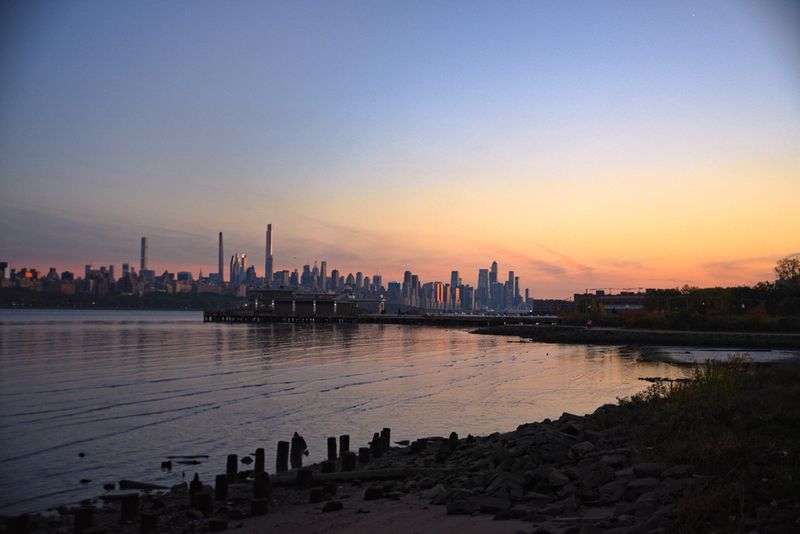
Step back outside with a shopping bag in each hand, and Midtown Manhattan appears across the Hudson as if someone installed an expensive backdrop behind the parking lot. The view is striking partly because the plaza itself feels so practical.
Cars circle for spaces, carts roll toward the entrance, and shoppers reorganize bags in their trunks. Beyond all that ordinary movement, the Empire State Building and surrounding towers rise across the water.
Mitsuwa sits at 595 River Road, less than two miles south of the George Washington Bridge as the crow flies. The location makes it convenient for visitors coming from New York City as well as northern New Jersey, though River Road traffic can move slowly during busy periods.
Drivers will find a large parking lot, but weekend lunch hours test its capacity. Public transportation is possible through buses serving River Road, and the waterfront setting makes the trip feel far removed from a standard suburban shopping center.
On a clear day, it is worth pausing near the river-facing edge of the property after lunch. Winter often brings the sharpest skyline views, while warm weather encourages people to linger outdoors with bakery treats, bottled tea, or soft serve.
Sunset adds color behind the New Jersey Palisades rather than Manhattan, but the city begins to sparkle as daylight fades. The contrast sums up Mitsuwa nicely.
Inside, the experience revolves around specific ingredients, quick meals, useful shops, and routines that have served the local Japanese community since the Yaohan days. Outside, one of the world’s most recognizable skylines turns a grocery-store parking lot into an unexpectedly memorable viewpoint.
A cart may be packed with rice, ramen, mochi, and one too many bags of snacks, yet the final impression is the river, the city, and a small piece of Japan holding its place between them.