Texas stretches wide with opportunities for people looking to make their dollars work harder. While everyone talks about Austin or Houston, smaller towns across the state offer incredible value without sacrificing quality of life. From low housing costs to affordable groceries and entertainment, these communities prove you don’t need a big-city paycheck to live comfortably in the Lone Star State.
1. Harlingen
Sitting just 30 minutes from South Padre Island, this Rio Grande Valley gem offers coastal proximity without the beach-town price tag. Housing costs run about 40% below the national average, making homeownership achievable for families on modest incomes. The warm climate means you’ll save on heating bills year-round while enjoying outdoor activities nearly every day.
Medical care here is both accessible and affordable, with several quality hospitals serving the region. Retirees particularly appreciate the combination of low property taxes and excellent healthcare facilities. The birding scene attracts nature lovers from across the country, yet local residents enjoy these natural treasures without paying tourist prices.
Downtown has undergone a quiet renaissance with locally-owned restaurants, coffee shops, and boutiques that won’t empty your wallet. Grocery costs remain reasonable compared to larger Texas cities. The farmer’s markets overflow with fresh produce at prices that make eating healthy surprisingly budget-friendly.
Entertainment options include free concerts in the park, community theater productions, and festivals celebrating the area’s rich cultural heritage. Kids can participate in sports leagues and arts programs without the hefty fees common in suburban areas. The school district continues improving, offering solid education without requiring private school tuition.
Traffic barely exists here, saving you time and gas money on daily commutes. Most errands take minutes rather than hours. The pace of life feels relaxed, but you’re never far from shopping centers or restaurants when needed.
For families or individuals seeking financial breathing room while maintaining a good quality of life, this Valley town delivers genuine value.
2. Sweetwater
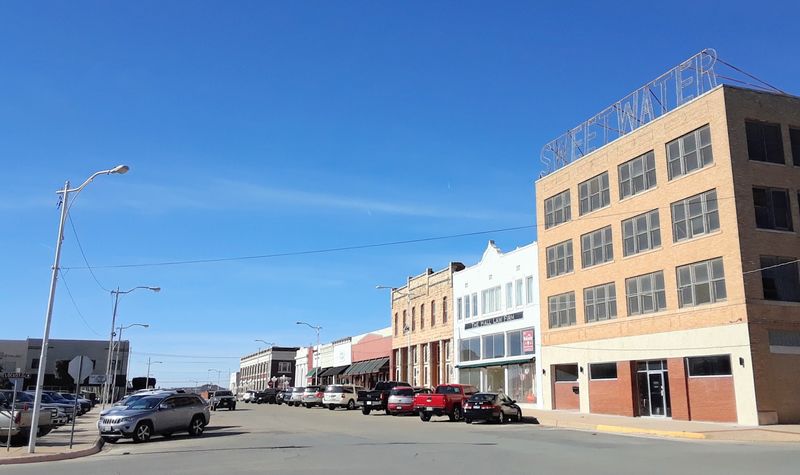
Wind turbines dot the horizon around this West Texas community, symbolizing both renewable energy and economic opportunity. The cost of living here ranks among the lowest in the state, with median home prices that seem almost unbelievable to city dwellers. You can find spacious houses with yards for what a studio apartment costs in Dallas or San Antonio.
The town’s economy benefits from the wind energy industry, providing stable jobs that support local businesses. Despite the small population, you’ll find everything needed for daily life without driving hours to a city. Local shops and services cater to residents with fair prices and personal attention that’s vanished from larger communities.
Outdoor recreation centers around Lake Sweetwater, where fishing, boating, and picnicking come with minimal fees. The annual Rattlesnake Roundup draws visitors, but locals enjoy the festivities without the commercial exploitation found at bigger events. Community parks offer playgrounds and sports facilities maintained by residents who take pride in their town.
Utility costs remain manageable, and the lack of big-city congestion means less wear on vehicles. Property taxes stay low, allowing homeowners to invest savings elsewhere or simply enjoy financial security. The school system serves students well, with teachers who often know families personally and invest in student success.
Shopping requires some planning, with larger stores about 40 minutes away in Abilene. However, this trade-off means avoiding constant consumer temptation and unnecessary spending. Local restaurants serve hearty meals at prices that won’t shock you when the check arrives.
For those willing to embrace small-town life, the financial advantages create genuine opportunities for saving and building wealth.
3. Abilene
Three universities call this city home, bringing cultural vibrancy and educational opportunities to a community with refreshingly low costs. Housing prices remain stable and affordable, with neighborhoods offering everything from historic homes to modern subdivisions at prices that let families build equity quickly. Renters find options well below state averages, making it easier to save for future goals.
The college presence means access to theater productions, sporting events, and lectures without the expense of major metropolitan entertainment. Dyess Air Force Base adds economic stability and diversity to the community. Local restaurants range from barbecue joints to international cuisine, all priced for regular enjoyment rather than special occasions only.
Healthcare facilities include a regional medical center and specialty clinics that provide quality care without requiring trips to larger cities. The zoo, museums, and parks offer family-friendly activities with admission prices that won’t derail your monthly budget. Kids can explore science exhibits, see exotic animals, and learn about regional history for less than a movie ticket costs elsewhere.
The job market includes education, healthcare, military, and manufacturing sectors, providing employment diversity unusual for a city this size. Commute times rarely exceed 20 minutes, saving both fuel costs and sanity. Grocery stores compete for business, keeping food prices competitive and giving shoppers genuine choices.
Summers get hot, but utility companies offer budget billing plans that smooth out seasonal spikes. The sense of community remains strong, with neighborhoods organizing events and supporting local schools. For those seeking a city with amenities but small-town affordability, this West Texas hub strikes a balance.
Your paycheck stretches further here while still accessing restaurants, shopping, entertainment, and quality education that make daily life enjoyable and fulfilling.
4. Borger
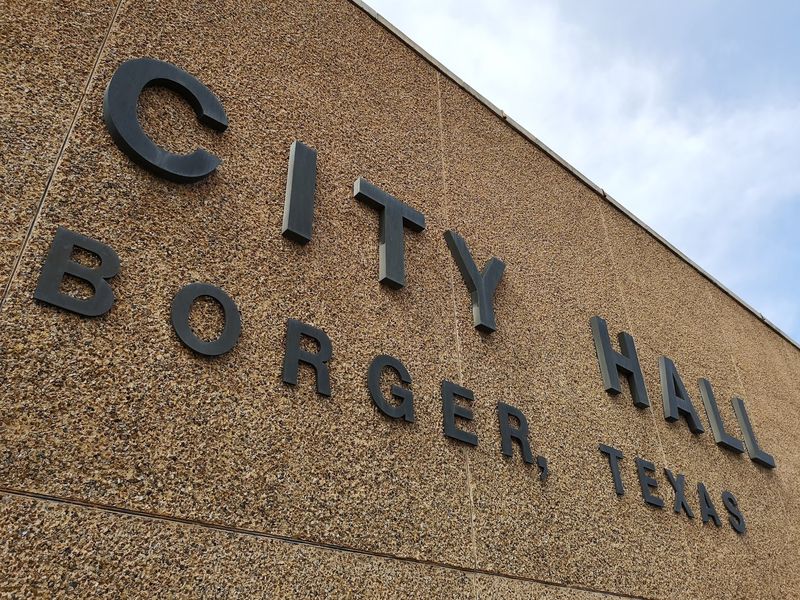
Up in the Texas Panhandle, this refinery town offers industrial jobs with wages that go remarkably far. Housing costs rank among the lowest you’ll find anywhere, with nice homes available for prices that sound like they’re from decades ago. The trade-off involves embracing the Panhandle’s wide-open spaces and occasional harsh weather, but financial benefits make it worthwhile for many families.
The petroleum industry provides employment stability, and local businesses cater to workers with honest pricing and quality service. Residents develop tight-knit relationships, supporting each other through the challenges of living in a more isolated area. Community events bring everyone together, from high school football games to holiday celebrations that feel genuinely inclusive.
Lake Meredith National Recreation Area sits nearby, offering boating, fishing, and camping opportunities that provide weekend entertainment without expensive admissions. The wide-open landscape appeals to those who appreciate big skies and uncrowded spaces. Kids can ride bikes through neighborhoods and play outside with a freedom increasingly rare in modern America.
Grocery stores and restaurants keep prices reasonable, understanding that residents appreciate value over trendy marketing. The school district works hard to provide quality education despite the challenges facing rural Texas schools. Teachers often stay for entire careers, creating continuity and institutional knowledge that benefits students.
Winter winds can bite, and summer heat tests air conditioning systems, but utility costs remain manageable compared to larger cities. Property taxes stay low, allowing homeowners to allocate money toward savings, retirement, or simply enjoying life without constant financial stress. Entertainment options are limited, but this encourages families to create their own fun and build stronger relationships.
For those prioritizing financial security over urban amenities, this Panhandle community offers a genuine path to building savings and owning a home outright.
5. San Angelo
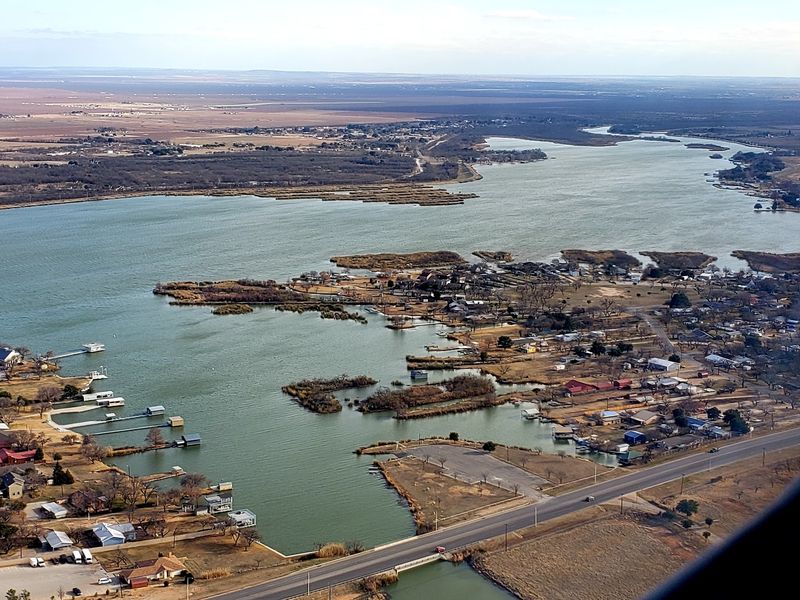
The Concho River flows through this West Texas city, creating green spaces and recreational opportunities that enhance quality of life without inflating costs. Home prices remain accessible for middle-class families, with diverse neighborhoods offering options from historic districts to newer developments. The combination of affordability and amenities makes this city attractive for both young professionals and retirees.
Angelo State University brings educational and cultural benefits, including sporting events, concerts, and continuing education opportunities. The downtown area features local shops, restaurants, and galleries that thrive without charging big-city prices. Farmers markets and local producers provide fresh food at reasonable costs, supporting both healthy eating and community agriculture.
Medical facilities include a regional hospital and numerous specialists, reducing the need to travel for healthcare. The school district maintains solid academic standards while offering arts and athletics programs that engage students. Parents appreciate the balance between quality education and manageable costs, including affordable housing near good schools.
Outdoor recreation centers around the river, city parks, and nearby state natural areas where hiking, fishing, and wildlife watching come free or nearly free. The community supports youth sports and activities without the excessive fees common in suburban areas. Kids can participate in multiple activities without parents taking second jobs to afford registration costs.
The job market includes healthcare, education, manufacturing, and agriculture, providing employment diversity that stabilizes the local economy. Commutes stay short, and traffic jams remain virtually unknown, saving time and vehicle expenses. Restaurants serve everything from barbecue to Tex-Mex at prices that encourage dining out as a regular pleasure rather than rare splurge.
Utility costs stay reasonable, and the city maintains infrastructure without imposing crushing tax burdens. For families seeking a community with culture, education, healthcare, and outdoor recreation at affordable prices, this riverside city delivers surprising value and genuine quality of life.
6. Lamesa
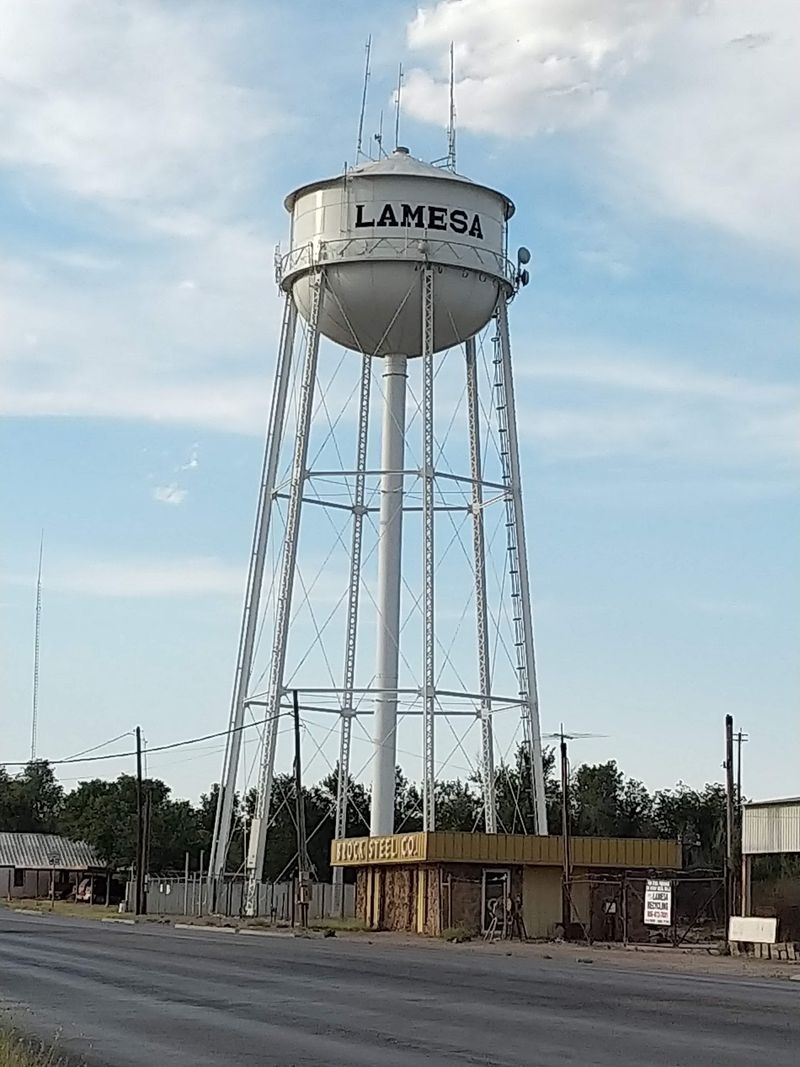
Cotton fields surround this agricultural community where the cost of living feels like stepping back in time. Housing prices barely register compared to urban Texas markets, with homeownership achievable even on modest incomes. The trade-off involves limited shopping and entertainment options, but for those prioritizing financial stability, the savings add up quickly.
Agriculture drives the local economy, with farming and related industries providing employment opportunities. The pace of life moves slowly, which either appeals to you or sends you running toward city lights. Local businesses operate on handshake agreements and personal relationships that create trust but require patience with small-town quirks.
Schools serve students with dedication despite limited budgets, and teachers often wear multiple hats to provide well-rounded education. Sports, particularly football, unite the community and give kids opportunities to participate and excel. The sense of belonging runs deep, with families knowing each other for generations.
Recreation involves creativity, from hunting and fishing to community events that bring everyone together. The lack of commercial entertainment means families spend time outdoors, playing games, or simply talking without constant screen distractions. Kids develop independence and resourcefulness that suburban childhoods often lack.
Grocery stores stock essentials at fair prices, though selection is limited compared to supermarkets in larger towns. Residents learn to plan shopping trips and stock up when visiting nearby cities. This discipline often leads to better budgeting and less impulse buying.
Healthcare requires traveling to larger communities for specialized care, but basic medical services exist locally. The isolation can feel challenging, especially for newcomers accustomed to urban conveniences. However, utility bills stay low, property taxes barely exist, and the absence of consumer temptation helps families save substantial amounts.
For those willing to embrace rural simplicity, this cotton country town offers financial freedom that’s increasingly rare in modern Texas.
7. Baytown
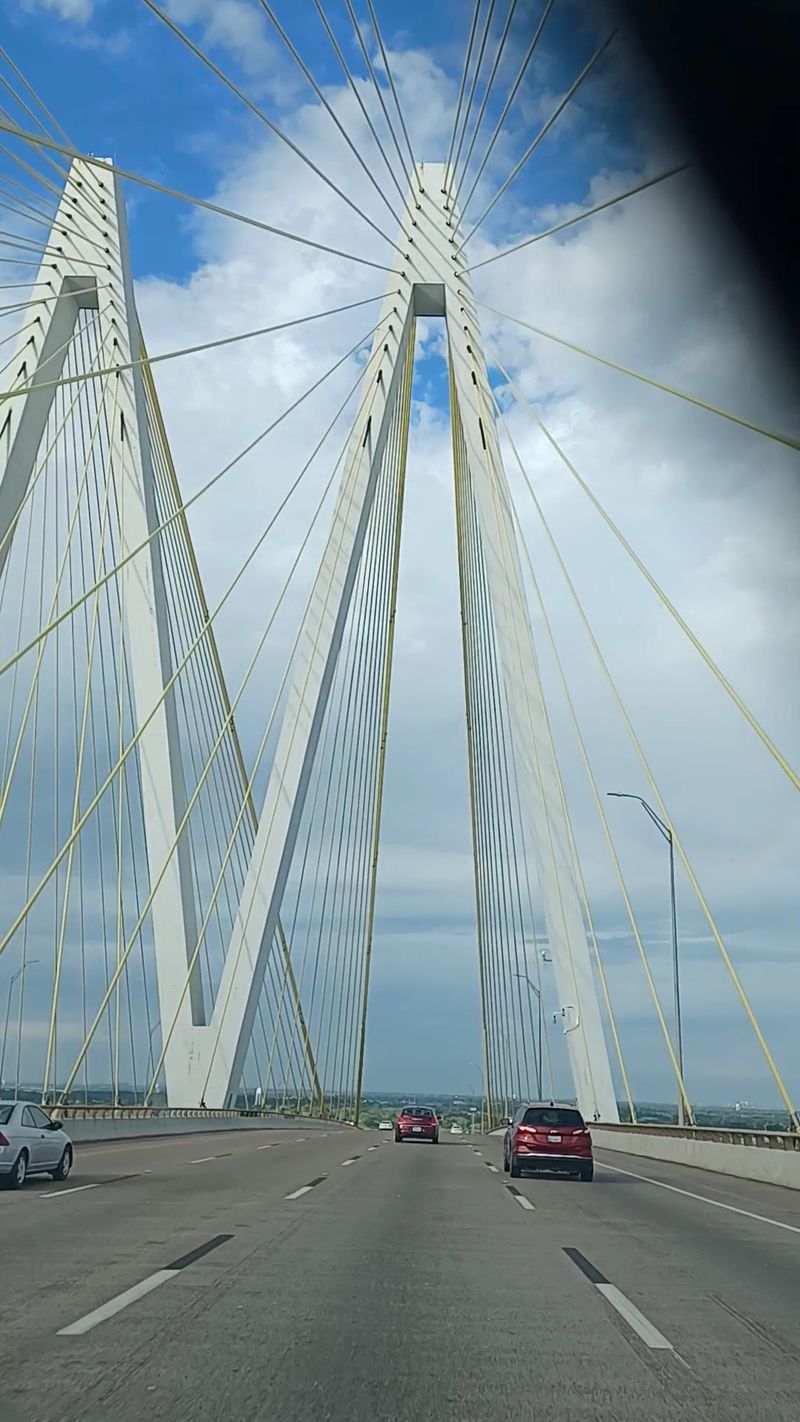
Petrochemical plants dominate the skyline in this Houston-area city where industrial jobs pay well and living costs stay surprisingly reasonable. Located along the Houston Ship Channel, this community offers proximity to Houston’s job market without the crushing housing costs. Refineries and chemical plants provide stable employment with wages that actually build savings when housing costs half what you’d pay in Houston proper.
The trade-off involves living near heavy industry, which doesn’t appeal to everyone. However, modern environmental controls have improved air quality, and many residents appreciate the economic opportunities these facilities provide. Neighborhoods offer everything from older homes needing work to newer subdivisions with modern amenities, all priced below regional averages.
Being close to Houston means access to world-class medical facilities, shopping, entertainment, and cultural attractions without paying Houston property taxes or housing costs. Families can enjoy day trips to museums, sporting events, and restaurants while returning home to affordable mortgages. The commute into Houston is manageable, especially for those working in the eastern parts of the metro area.
Local schools work to provide quality education, with some campuses showing strong academic performance. Parks and recreation facilities offer sports leagues, playgrounds, and community events that keep families engaged. The city maintains amenities expected in larger communities while keeping costs in check.
Galveston Bay provides recreational opportunities including fishing, boating, and beach access within a short drive. Residents enjoy coastal activities without paying beach-town prices for housing. Seafood restaurants serve fresh catches at prices that make regular dining out feasible for working families.
Shopping includes major retailers and grocery chains competing for business, keeping prices competitive. The industrial base provides tax revenue that supports city services without excessive residential property taxes. For those willing to live in an industrial area, this Ship Channel city offers a genuine opportunity to earn good wages while building equity and savings.
8. Killeen
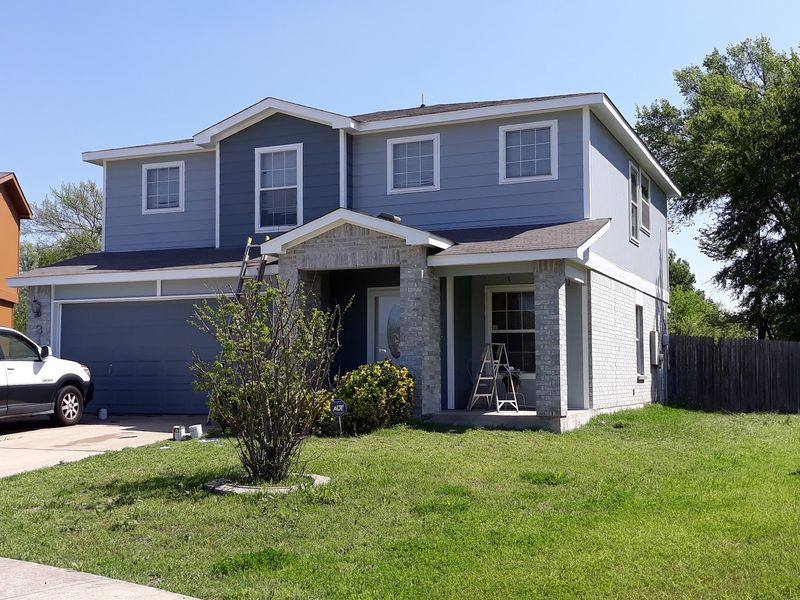
Fort Cavazos (formerly Fort Hood) shapes everything about this Central Texas city, creating a transient but welcoming community where housing costs stay affordable despite constant demand. Military families cycle through regularly, creating a housing market that values practicality over prestige. Landlords and sellers understand military budgets, keeping prices reasonable for both renters and buyers.
The military presence brings economic stability and cultural diversity unusual for a city this size. Restaurants serve cuisine from around the world, reflecting the backgrounds of service members stationed here. Shopping includes major retailers and chains that cater to military families, often offering discounts that civilians can also access.
Schools experience high turnover but have developed systems to welcome new students and help them adjust quickly. Teachers understand military life and work to provide consistency for kids facing frequent moves. The district offers solid academics and extracurricular activities that keep students engaged and learning.
Healthcare facilities include both military and civilian options, with competition keeping costs reasonable. The city’s central location puts Austin, San Antonio, and Waco all within easy driving distance for weekend adventures. Families can explore Texas Hill Country, catch concerts in Austin, or visit San Antonio attractions without committing to those cities’ higher costs.
Recreation includes city parks, lakes for fishing and boating, and community events that bring together military and civilian residents. The sense of service and patriotism runs strong, creating a unique community atmosphere. Youth sports and activities stay affordable, with many programs specifically designed to accommodate military families.
Traffic can get heavy near the base during shift changes, but overall commutes stay manageable. Grocery stores and restaurants compete for business, keeping everyday costs reasonable. Property taxes remain moderate, and utilities cost less than in larger Texas cities.
For military families and civilians alike, this base town offers affordable living with amenities and diversity that punch above its weight class.
9. Pecos
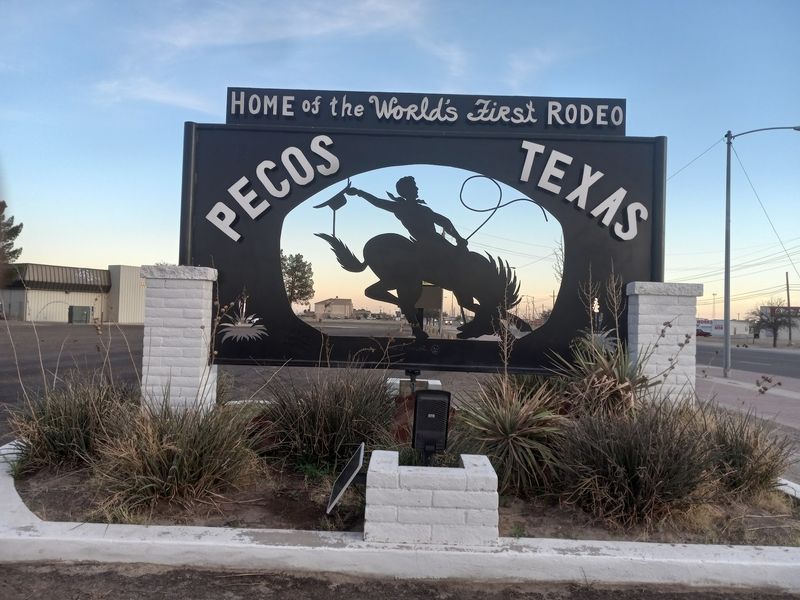
Out where West Texas meets the desert, this rodeo town offers housing so affordable it seems almost fictional. Wide-open spaces stretch in every direction, and the population stays small enough that everyone recognizes familiar faces. The isolation appeals to some and challenges others, but financial benefits make it workable for those seeking to escape expensive urban life.
The town claims to be the birthplace of rodeo, and that heritage lives on through annual events that bring the community together. Cowboys and ranchers still work the surrounding land, maintaining traditions that feel increasingly rare. Local businesses operate on trust and personal relationships, creating a social fabric that money can’t buy.
Employment opportunities are limited, with ranching, oil and gas, and local services providing most jobs. Some residents commute to surrounding areas or work remotely, using affordable housing costs to offset lower local wages. The lack of economic diversity creates vulnerability, but those with stable income or remote work find incredible value.
Schools serve students with limited resources but dedicated teachers who know every child by name. Sports and extracurricular activities provide outlets for kids, though options are fewer than in larger communities. Families develop self-reliance and creativity in entertaining themselves without constant commercial options.
The desert landscape offers stark beauty and outdoor recreation for those who appreciate it. Stargazing is spectacular without light pollution, and hiking opportunities abound in nearby mountains. Guadalupe Mountains National Park sits within reasonable driving distance for weekend camping and exploration.
Healthcare requires traveling to larger towns for anything beyond basic care, which poses challenges for those with chronic conditions. Grocery shopping is limited, and residents learn to stock up and plan meals carefully. However, utility costs stay low, property taxes barely exist, and the freedom from consumer culture helps families save substantial money.
For those embracing frontier-style living, this desert town offers financial independence and wide-open freedom.
10. Wichita Falls
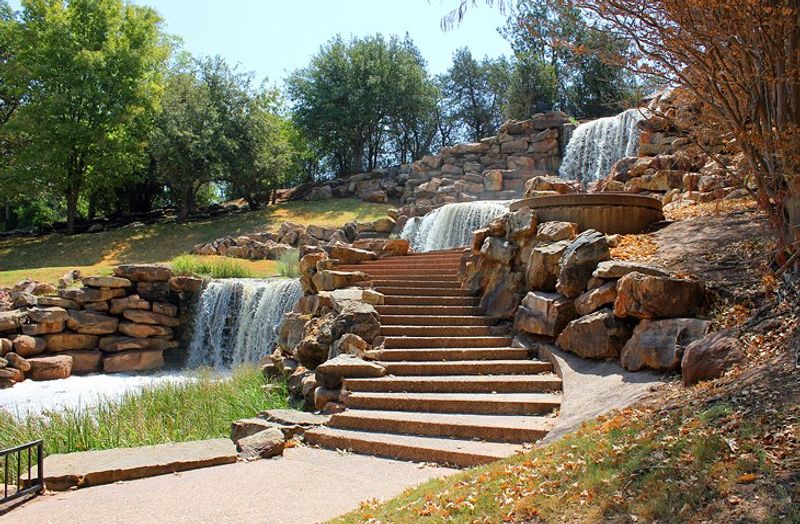
Near the Oklahoma border, this North Texas city combines affordability with amenities that make daily life comfortable and convenient. Home prices stay well below state averages, with neighborhoods ranging from historic districts to newer suburban developments. Sheppard Air Force Base adds economic stability and brings military families who contribute to community diversity.
The downtown area has seen revitalization efforts that brought new restaurants, shops, and entertainment venues without triggering massive price increases. Local businesses thrive alongside national chains, giving residents choices for shopping and dining. The farmer’s market showcases regional produce and products at prices that encourage supporting local agriculture.
Healthcare facilities include hospitals and specialty clinics that serve the region, reducing the need to travel to Dallas or Fort Worth for medical care. The school district works to maintain quality education despite budget constraints common in Texas public schools. Several private schools offer alternatives for families seeking different educational approaches.
Midwestern State University brings cultural events, continuing education, and college sports to the community. The university also employs hundreds of residents and provides educational opportunities for traditional and non-traditional students. Campus facilities sometimes open to the public, expanding recreational options.
Lakes near the city provide fishing, boating, and outdoor recreation that families can enjoy without expensive equipment or memberships. City parks offer playgrounds, sports fields, and walking trails maintained by residents who take pride in their community. Youth sports leagues and activities stay affordable, allowing kids to participate without financial strain on families.
The job market includes healthcare, education, military, manufacturing, and retail sectors that provide employment diversity. Commutes stay short, and traffic remains manageable even during rush hours. Restaurants serve everything from barbecue to international cuisine at prices that make eating out a regular option rather than special treat.
For those seeking a city with conveniences and culture at small-town prices, this North Texas community delivers genuine value and quality of life.
11. Vernon

Near the Red River, this small North Texas town offers a glimpse of what Texas looked like generations ago, complete with prices that seem frozen in time. The historic courthouse anchors a downtown that’s seen better days but retains charm and character. Housing costs are incredibly low, with homes available for prices that barely cover a down payment in urban markets.
Agriculture and ranching still drive much of the local economy, though these industries face ongoing challenges. Some residents commute to Wichita Falls for work, accepting longer drives in exchange for lower housing costs. Others find employment in local businesses, schools, or government offices that serve the community.
The pace of life here moves at a crawl by modern standards, which either soothes or frustrates depending on your temperament. Everyone knows everyone, creating both comfort and occasional frustration when privacy feels limited. Community events bring residents together, from high school sports to seasonal festivals that celebrate local heritage.
Schools operate with tight budgets but maintain programs in athletics, arts, and academics that engage students. Teachers often stay for entire careers, providing continuity and deep knowledge of families and community. Class sizes stay small, allowing for personalized attention that larger schools can’t match.
Recreation involves outdoor activities, community events, and self-directed entertainment that builds creativity and resourcefulness. The lack of commercial options means families spend more time together and less money on constant consumer experiences. Kids develop independence and learn to entertain themselves without screens and structured activities.
Shopping requires planning, with residents making trips to larger towns for major purchases and variety. This limitation actually helps families avoid impulse buying and stick to budgets. Healthcare is basic locally, with serious medical needs requiring travel to regional facilities.
Utility costs stay minimal, and property taxes are almost negligible, allowing homeowners to achieve financial security impossible in expensive markets. For those willing to embrace genuine small-town living with all its quirks and limitations, this Red River community offers a path to owning land and building savings.