Texas has plenty of incredible outdoor spots that won’t cost you a dime to explore. Whether you’re looking to escape the city noise, connect with nature, or just stretch your legs somewhere beautiful, the Lone Star State delivers without asking for your wallet. From peaceful wetlands to stunning urban parks, these free adventures prove that the best experiences don’t always come with a price tag.
1. Cattail Marsh Scenic Wetlands & Boardwalk (Beaumont)
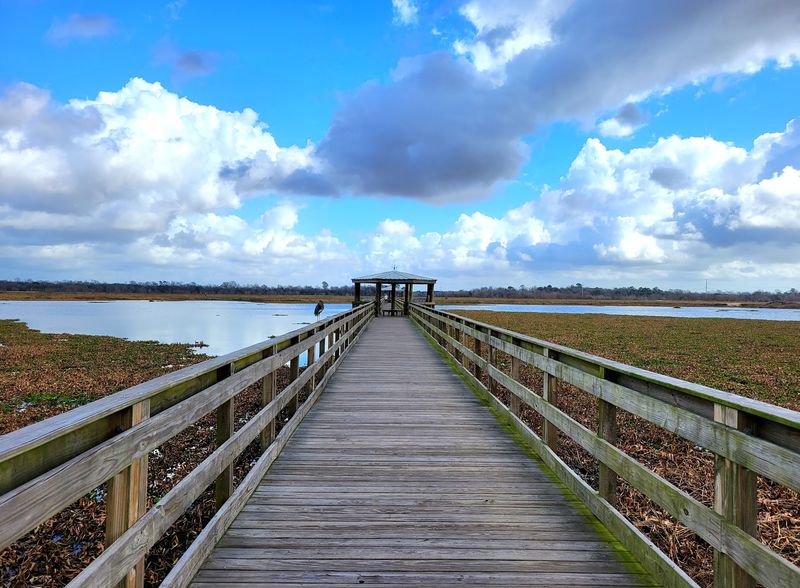
Walk above the water on a beautifully maintained boardwalk that stretches nearly a mile through one of Southeast Texas’s most peaceful wetlands. The wooden path keeps your feet dry while you wander past cypress trees draped in Spanish moss, lily pads floating on still water, and cattails swaying in the breeze. Bring your camera because the wildlife here puts on a show year-round.
More than 200 bird species have been spotted at this 900-acre sanctuary, making it a favorite hangout for birdwatchers with binoculars. You might see herons standing statue-still in shallow water, egrets gliding overhead, or even an alligator sunbathing on the bank. The marsh changes with the seasons, so every visit feels a little different.
The boardwalk has observation decks where you can stop and take in the views without rushing. Early mornings are especially magical when mist hovers over the water and the birds are most active. Sunset visits offer golden light that photographers dream about.
There’s also a wetlands center with educational displays if you want to learn more about the ecosystem. The staff are friendly and happy to point out what’s been spotted recently. Kids love searching for turtles and dragonflies along the way.
Parking is free and easy, and the trails are accessible for strollers and wheelchairs. Pack some water and bug spray during warmer months. This hidden gem offers a surprisingly wild escape without leaving Beaumont city limits, and you’ll leave feeling refreshed and reconnected to nature.
2. Fort Worth Water Gardens (Fort Worth)
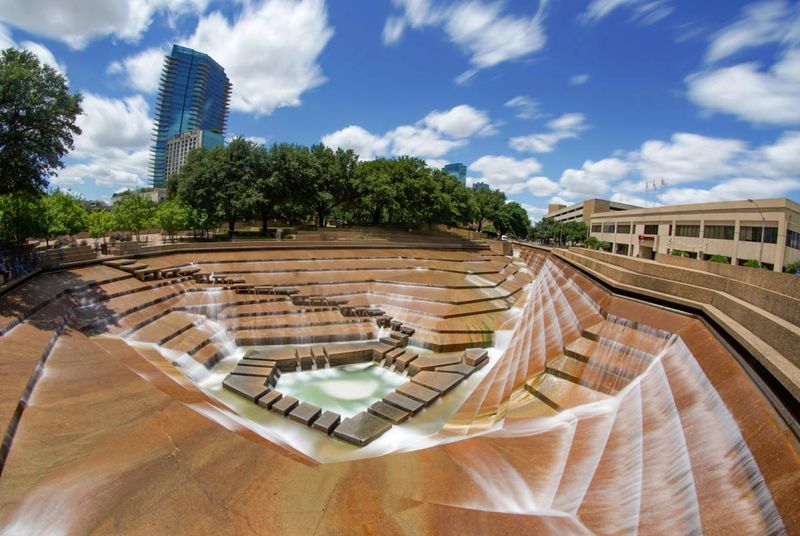
Right in the heart of downtown Fort Worth sits an architectural wonder that feels like stepping into another dimension. Massive concrete walls funnel you down into a sunken plaza where 38,000 gallons of water cascade every minute, creating a thunderous roar that drowns out city noise completely. The design is bold, geometric, and unlike anything else you’ll find in Texas.
Three distinct sections make up this urban oasis, each with its own personality. The Active Pool features those dramatic terraced waterfalls that you can walk down into, surrounded by towering walls. The Quiet Pool offers a peaceful contrast with gentle fountains and cypress trees providing shade.
The Aerating Pool shoots water high into the air through multiple jets, creating a playful atmosphere.
Photographers flock here because the brutalist architecture photographs beautifully at any time of day. The play of light and shadow on the concrete, combined with the movement of water, creates endless creative possibilities. It’s also become a popular spot for engagement photos and fashion shoots.
Kids love running through the shallow pools when weather permits, and the cool mist provides relief on scorching Texas afternoons. The sound of rushing water makes this a surprisingly meditative spot despite being surrounded by skyscrapers. Many locals come here on lunch breaks just to reset.
Designed by Philip Johnson and built in 1974, the gardens have been featured in movies and music videos. Visiting costs nothing, and you’re welcome to spend as much time as you want. The gardens are lit at night, transforming the space into something almost otherworldly.
3. Balcones Canyonlands National Wildlife Refuge (Marble Falls)
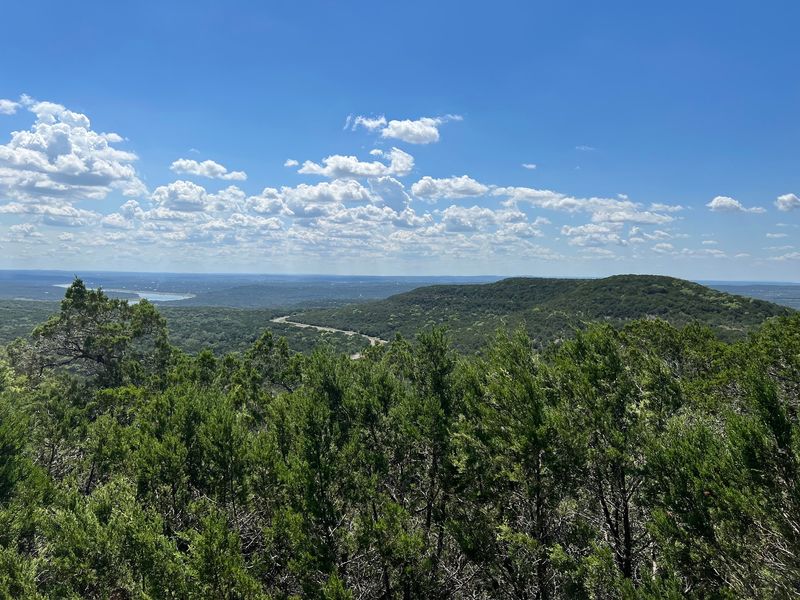
Sprawling across more than 27,000 acres of Hill Country wilderness, this refuge protects some of the most rugged and beautiful terrain in Central Texas. Steep canyons carved by ancient rivers, rocky plateaus dotted with juniper and oak, and hidden springs create a landscape that feels wonderfully remote. Several trails let you explore different sections, each offering its own rewards.
The refuge was established primarily to protect endangered songbirds like the Golden-cheeked Warbler and Black-capped Vireo. Spring is the best time to hear their songs echoing through the canyons. Even if you’re not a serious birder, the variety of wildlife makes every hike interesting.
Limestone cliffs and rocky outcrops provide stunning views of the surrounding hills, especially from higher elevation trails. Wildflowers blanket the ground in spring, painting the landscape in brilliant colors. Bluebonnets, Indian paintbrush, and hundreds of other species thrive in the varied terrain.
The Doeskin Ranch Trail and the Warbler Vista Trail are both excellent choices for experiencing the refuge’s diversity. Trail conditions can be rough and rocky, so sturdy shoes are essential. Bring plenty of water because shade is limited in some areas, and Texas heat is no joke.
You might spot white-tailed deer, armadillos, roadrunners, or even a rare glimpse of wildlife like bobcats. The refuge feels genuinely wild, a reminder of what Texas looked like before development. There are no entrance fees, no crowds, and no commercialization, just pure Hill Country nature waiting to be explored at your own pace.
4. Japanese Tea Garden (San Antonio)
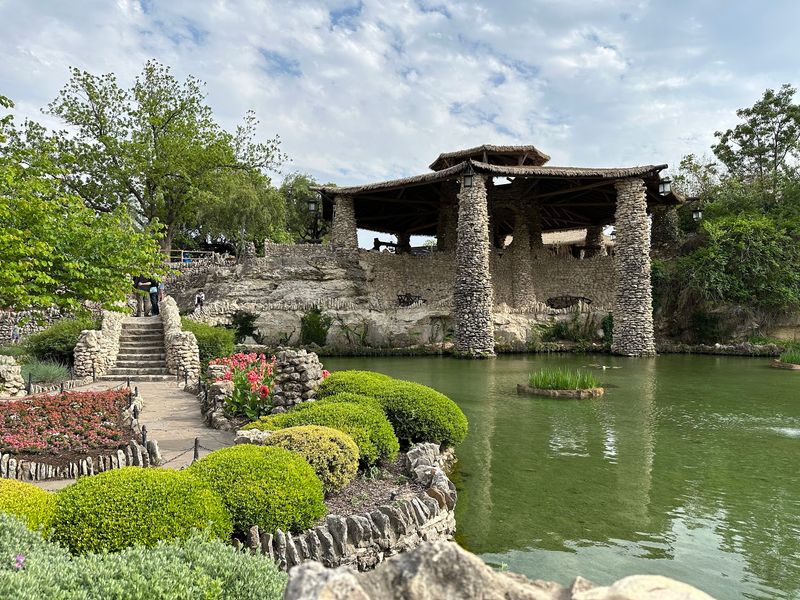
Tucked into an old rock quarry in Brackenridge Park, this enchanting garden transforms industrial ruins into a tranquil paradise. Stone pathways wind past koi ponds filled with colorful fish, over arched bridges, and through carefully maintained plantings that bloom throughout the year. The sound of flowing water and rustling bamboo creates a peaceful soundtrack that makes you forget you’re in a major city.
Originally built in 1918, the garden has a fascinating history tied to San Antonio’s past. A Japanese-American family once lived here and maintained the grounds for decades. Today, the garden honors that heritage while serving as a public retreat for anyone seeking beauty and calm.
Massive stone structures from the quarry’s past add dramatic vertical elements to the landscape. Vines climb the walls, softening the rock with greenery. Shaded sitting areas invite you to pause and simply enjoy the scenery.
The koi pond is the garden’s centerpiece, with fish that have grown quite large over the years. Kids love watching them swim and gather near the edges. Turtles also make appearances, sunning themselves on rocks throughout the day.
Flowering plants provide color in every season, from vibrant azaleas in spring to tropical blooms in summer. The garden is maintained by dedicated staff and volunteers who clearly take pride in keeping it beautiful. Admission is completely free, though donations are welcomed.
It’s an ideal spot for a quiet morning walk, reading a book on a bench, or taking photos in a truly picturesque setting. The garden proves that some of the most beautiful places don’t require a ticket, just an appreciation for thoughtful design and natural beauty.
5. Sheri Capehart Nature Preserve (Arlington)
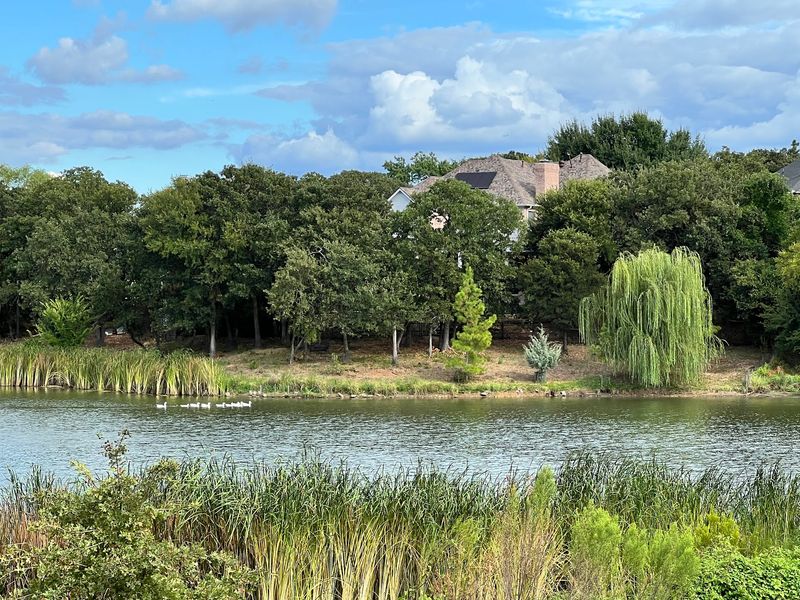
Arlington’s best-kept secret is this 32-acre slice of native Texas prairie that somehow survived in the middle of urban sprawl. Tall grasses sway in the wind, wildflowers bloom in waves of color, and the horizon stretches out in a way that feels impossible this close to the city. Walking these trails offers a glimpse of what North Texas looked like before concrete and strip malls took over.
The preserve protects rare blackland prairie habitat that once covered millions of acres but now exists in tiny fragments. Restoration efforts have brought back native plant species that support butterflies, bees, and songbirds. It’s living proof that conservation can happen anywhere, even in unexpected places.
Several loop trails meander through different sections of the preserve, from open prairie to wooded areas along a creek. The paths are easy to navigate and suitable for all fitness levels. Benches placed throughout provide spots to rest and observe.
Birdwatching is excellent here, especially during migration seasons when warblers and other species pass through. Butterflies are abundant in warmer months, drawn to the native flowering plants. Interpretive signs along the trails explain the ecology and history of the area.
Sunrise and sunset visits are particularly beautiful when golden light illuminates the grasses. The preserve feels much larger than its actual size because of thoughtful trail design and the openness of the landscape. It’s a peaceful refuge that locals treasure.
There’s free parking at the small lot, and the preserve welcomes visitors year-round. Whether you have twenty minutes or two hours, this little patch of prairie offers a restorative break from city life and a connection to Texas’s natural heritage.
6. Lady Bird Lake Hike & Bike Trail (Austin)
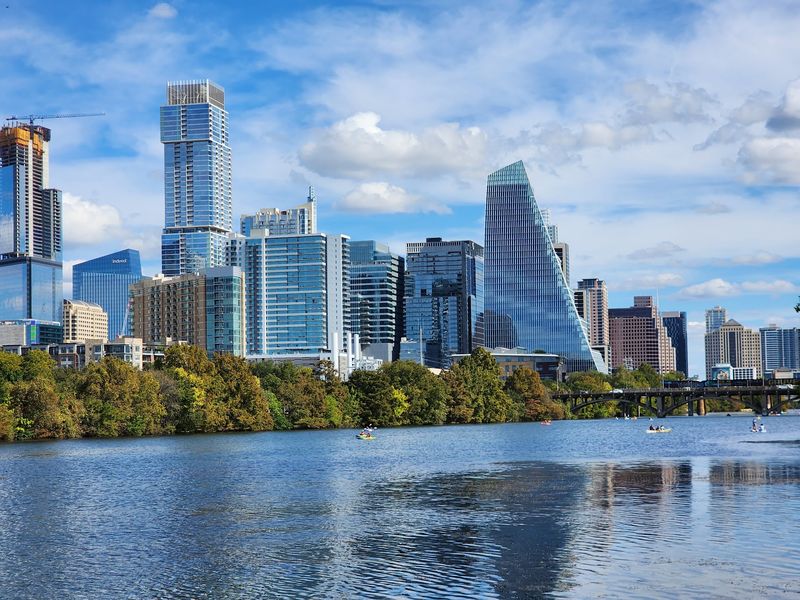
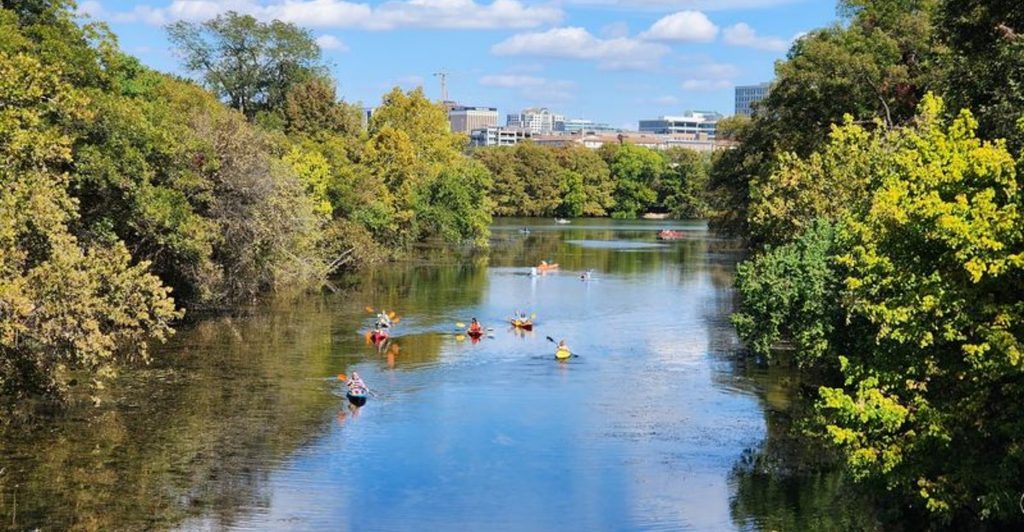
Austin’s most beloved trail wraps around Lady Bird Lake for more than ten miles of paved paths that connect parks, neighborhoods, and some of the city’s best views. Whether you’re jogging, cycling, or just strolling, this trail delivers constant scenery changes and people-watching opportunities. The downtown skyline reflects in the water on calm days, creating postcard-perfect moments.
Multiple access points mean you can jump on the trail from various locations around the city. The Boardwalk section is especially popular, extending out over the water and offering unobstructed lake views. Turtles sunbathe on logs, herons fish in the shallows, and kayakers paddle past throughout the day.
The trail passes under historic bridges covered in graffiti art that’s constantly evolving. Zilker Park, Auditorium Shores, and other green spaces along the route provide spots to picnic or rest. Food trucks often park near access points, tempting hungry trail users.
Early mornings bring serious runners and cyclists, while evenings attract casual walkers and families. The trail stays busy but rarely feels overcrowded because there’s so much space. Watching the sunset over the lake from the trail is an Austin ritual.
You’ll spot everything from professional athletes training to tourists taking selfies with the skyline. Dogs on leashes are everywhere, making this a social hub for pet owners. The shared-use path requires awareness, with separate lanes for bikes and pedestrians in some sections.
Free parking is available at several trailheads, though spaces fill quickly on weekends. The trail is lit at night in many sections, extending usability after dark. This isn’t just a trail but a central part of Austin’s outdoor culture and community life.
7. Oak Point Park and Nature Preserve (Plano)
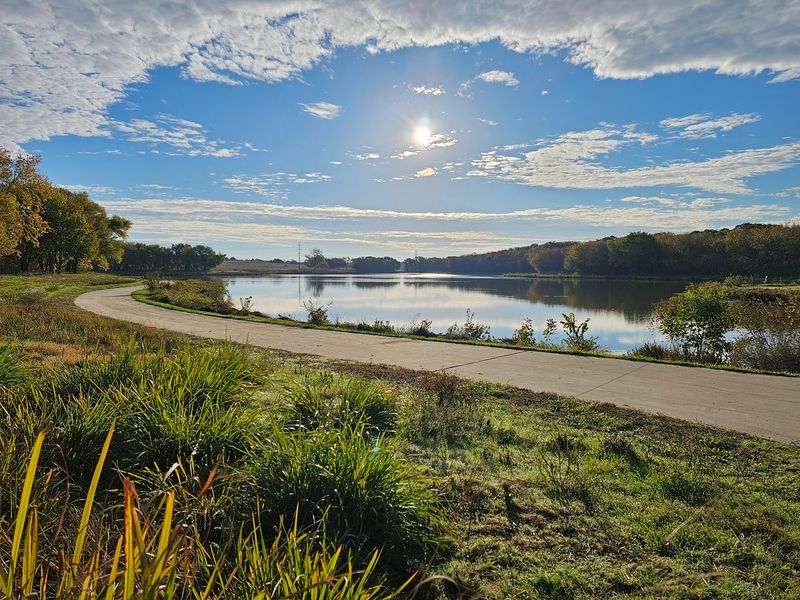
Plano’s largest park sprawls across 801 acres of preserved natural space that feels remarkably wild considering the suburban surroundings. Rolling hills, open meadows, dense woods, and a creek running through the property create diverse habitats that support abundant wildlife. More than eight miles of trails crisscross the preserve, offering everything from easy walks to longer hikes.
The park sits on land that was once slated for development but was saved through community effort and vision. Now it serves as crucial green space where families can escape into nature without leaving town. The trail system accommodates hikers, mountain bikers, and equestrians, with separate paths preventing conflicts.
Rowlett Creek flows through the eastern edge of the preserve, attracting birds and creating scenic spots along the water. Wooded sections provide shade and cooler temperatures even on hot days. Open prairie areas burst with wildflowers in spring, creating colorful displays.
Wildlife sightings are common, from deer browsing at dawn to hawks circling overhead. The preserve functions as a wildlife corridor, allowing animals to move through an otherwise developed landscape. Interpretive programs and guided hikes are occasionally offered by park staff.
Mountain bikers particularly love the challenging terrain and well-maintained single-track trails. The park has become a destination for riders from across the region. Hikers appreciate the variety of environments and the sense of solitude possible even close to the trailhead.
There’s ample free parking, restrooms, and picnic areas near the main entrance. The preserve is open daily from sunrise to sunset. Whether you’re seeking exercise, nature observation, or just a mental break, Oak Point delivers without asking for anything except respect for the land.
8. Watch The Congress Avenue Bridge Bats (Austin)
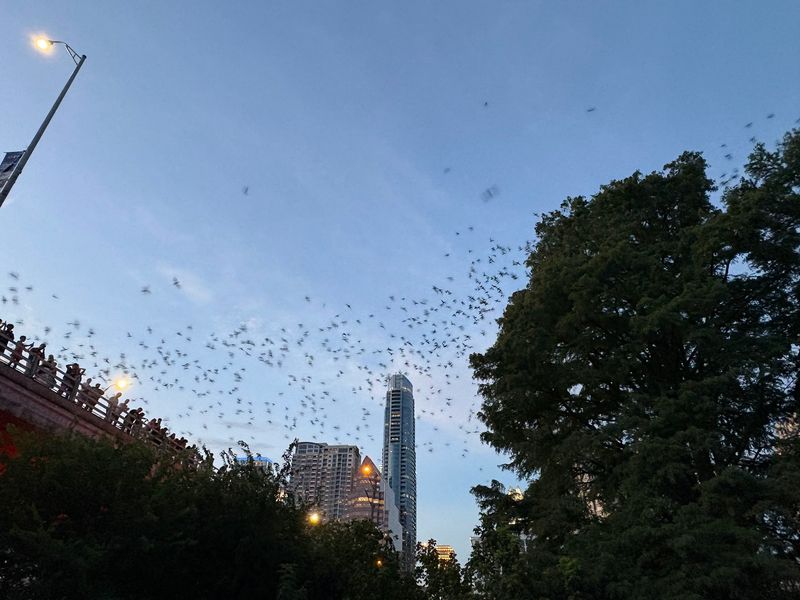
Every evening from spring through fall, the largest urban bat colony in North America emerges from beneath Austin’s Congress Avenue Bridge in a spectacle that draws crowds from around the world. As many as 1.5 million Mexican free-tailed bats stream out in a dark, swirling cloud, heading off to feast on insects. The sight is both eerie and mesmerizing, a natural phenomenon happening right in the heart of downtown.
The bats arrive in Austin each spring to give birth and raise their young in the bridge’s crevices. By midsummer, the colony is at its largest, making July and August prime viewing months. They typically emerge around sunset, though exact timing varies with weather and temperature.
Watching from the bridge itself puts you right above the action as bats pour out from below your feet. The grassy area on the south shore offers a more relaxed viewing experience with space to spread out. Kayakers and paddleboarders position themselves on the water for a unique perspective.
The bats provide serious pest control, consuming thousands of pounds of insects nightly. This free service benefits agriculture and makes summer evenings more pleasant for everyone. Austin has embraced its bat colony as a beloved quirk and tourist attraction.
Arrive early to claim a good viewing spot, especially on weekends when crowds gather. The wait is part of the experience, with street performers and vendors adding to the festive atmosphere. Once the bats start flying, the exodus can last anywhere from twenty minutes to over an hour.
No admission fee, no ticket required, just show up and look up. It’s pure Austin weirdness at its finest, a reminder that nature finds a way even in unexpected places.