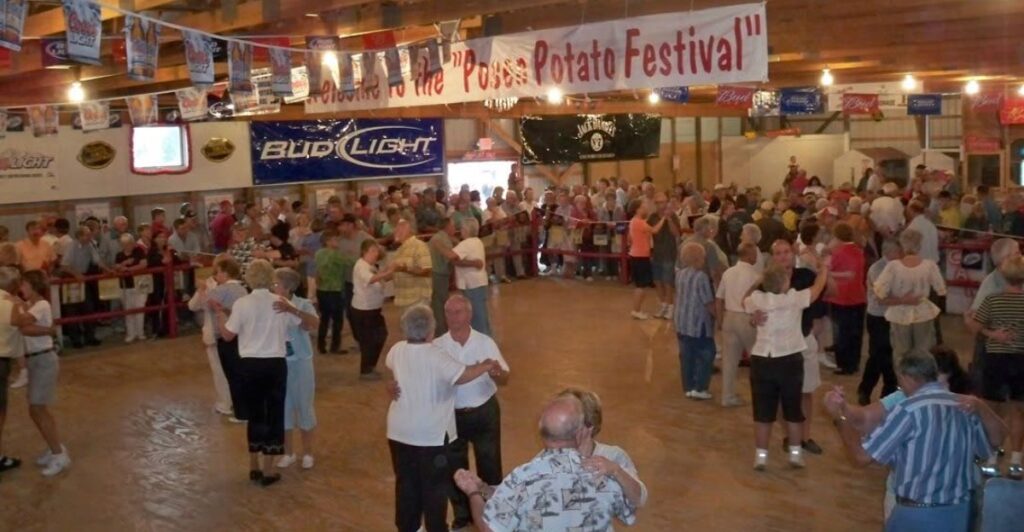
Small-town festivals feel especially memorable when one simple crop carries a whole weekend of food, music, and local pride. From Friday, September 11 through Sunday, September 13, 2026, the Posen Potato Festival brings potatoes, Polish cuisine, live polka bands, arts and crafts vendors, and hometown energy to this northern Michigan village, with many activities centered near Posen Consolidated School.
The weekend also includes the Grand Festival Parade on Main Street at 1:30 p.m. Sunday, giving visitors one of the event’s biggest community moments.
It matters because this celebration is not just about potatoes; it is about heritage, gathering, and the kind of tradition that helps a small place stand out. For anyone curious about Michigan festivals with plenty to see, hear, and taste, Posen’s potato-filled weekend deserves a spot on the calendar.
Where the Festival Comes to Life in Posen, Michigan
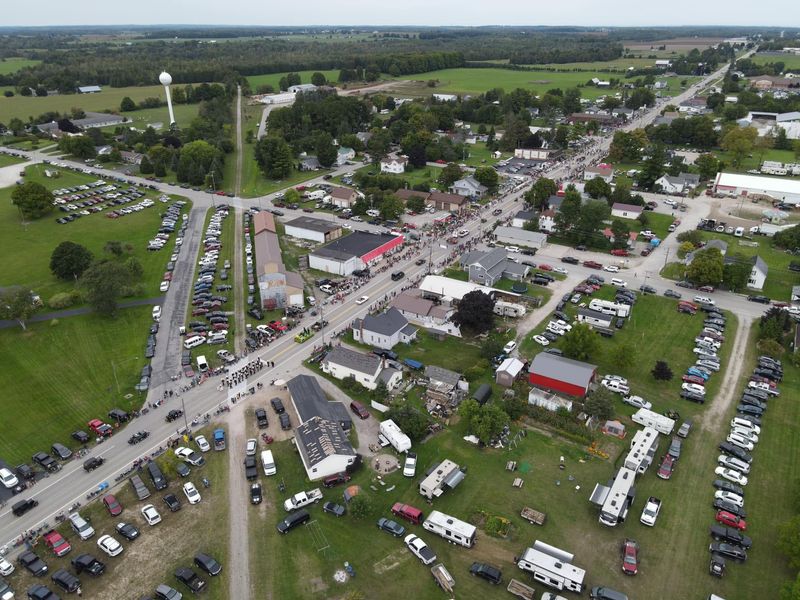
Small towns often save their biggest personality for festival days, and Posen proves that quickly. Around Posen Consolidated School on Michigan Avenue, the usual school setting becomes a social center where the community gathers, reconnects, and celebrates a tradition that is closely tied to local identity.
The location matters because it gives the festival a practical home base. A school property offers open space, easy landmarks, and a familiar place that local families already know well, which helps the event feel organized without losing its relaxed, hometown character.
Instead of flashy theme-park scale, the draw here is closeness. Streets, buildings, and activity areas sit near one another, so the day moves at a comfortable pace, letting visitors shift from food to music to community events without long walks or complicated planning.
September is also part of the appeal. Northern Michigan starts showing early hints of fall, and that seasonal timing fits a potato festival perfectly, since the whole event leans into harvest energy, comfort food, and traditions that feel strongest when summer is winding down.
There is also a clear sense that the festival is built for real people rather than passing trends. Families can settle in, older residents can visit with neighbors, and first-time visitors can understand the event quickly because the setting is simple, grounded, and easy to navigate.
Anyone heading to Posen for the festival should use the school area as the anchor point for the day. Starting there makes it easier to get oriented, spot where the busiest action is happening, and decide whether the next stop should be a food stand, a music area, or another part of the celebration unfolding nearby.
Potatoes Take Center Stage
A potato may sound humble, but at this festival it becomes the star of the whole show. The point is not fancy presentation.
It is the pleasure of seeing one familiar ingredient turned into the kind of hearty festival food that matches cool September air and an all-day community gathering.
Potatoes work so well at an event like this because they are filling, flexible, and easy to serve in many forms. They fit a harvest celebration naturally, and they also reflect the straightforward spirit of a town that values tradition more than gimmicks.
For visitors, the smartest approach is to come hungry and pay attention to how the festival builds excitement around simple food. A potato festival succeeds when basic ingredients are treated with pride, and that pride becomes part of the experience as much as the flavor itself.
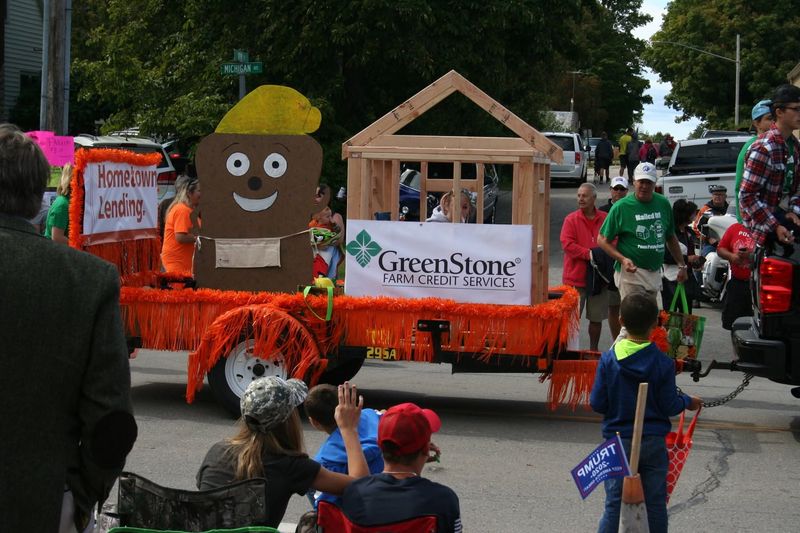
There is also something visually fun about it. Signs, menus, and food stands all reinforce the theme, so the potato stops being an everyday side dish and starts acting like a mascot for the entire event, tying together meals, contests, and community identity in one easy symbol.
Families with kids may find that this makes the festival easy to understand right away. Children can connect to the playful side of a food-centered celebration, while adults appreciate how a common crop can support a memorable local tradition without needing anything overly polished or complicated.
Anyone planning a visit should pace meals instead of grabbing the first thing and moving on too fast. Potato festivals reward curiosity.
Leaving room to sample more than one dish or food stand can turn a simple lunch stop into a fuller taste of what makes Posen’s September celebration feel rooted, seasonal, and proudly local.
Polish Food Brings the Warmth
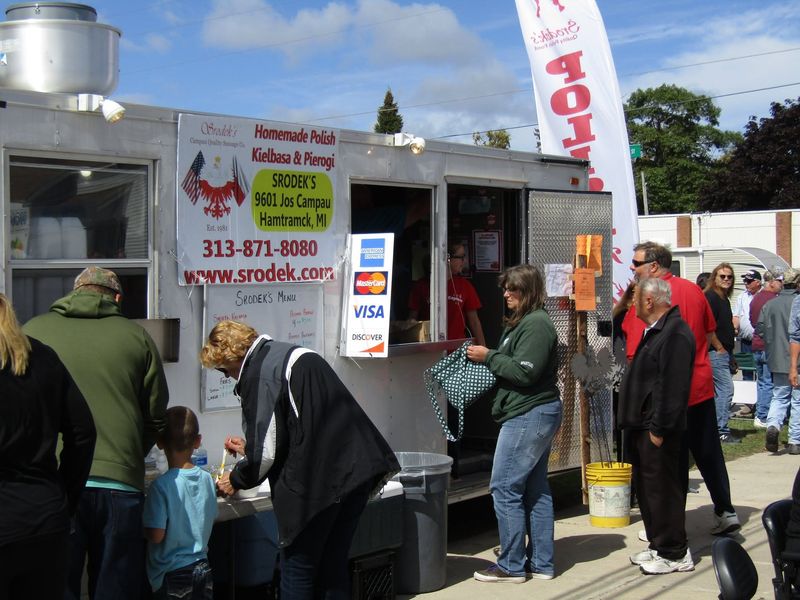
Comfort food has a special power at community festivals, and Polish dishes help give this one its heart. Rich, filling meals make sense in a September celebration centered on harvest themes, and they add cultural depth that turns the event into more than a novelty built around one ingredient.
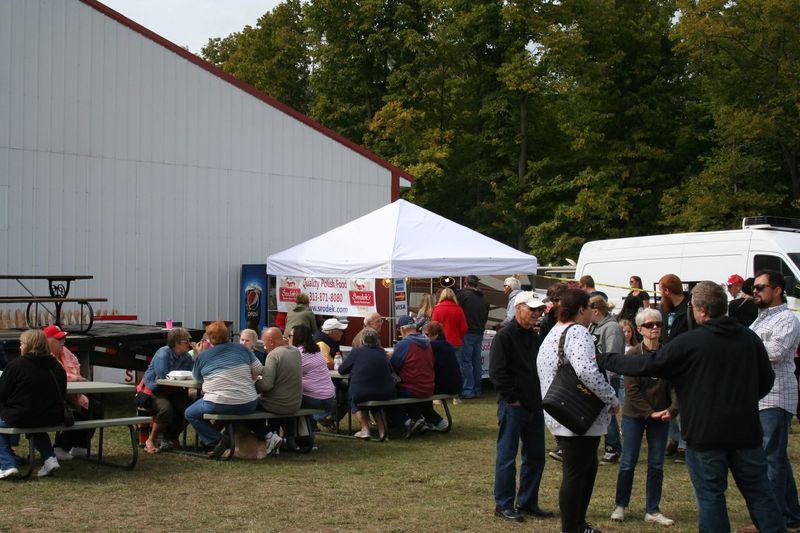
Food linked to Polish tradition suits Posen’s festival identity because it adds history, familiarity, and a reason to slow down. A plate of warm festival food invites people to gather at tables, compare choices, and spend more time talking instead of racing from one attraction to the next.
That social side matters almost as much as the menu itself. When a festival highlights sturdy, satisfying dishes, it creates natural pauses in the day, giving friends and families a chance to rest, regroup, and enjoy the event at a steady pace rather than treating it like a quick stop.
For first-time visitors, the best strategy is to stay open to foods that fit the festival’s heritage even if the names are less familiar. Community events often reveal their personality most clearly through meals, and here the Polish food helps explain why the celebration carries such a distinct local identity.
The pairing with potatoes is especially smart. Both are tied to comfort, practicality, and abundance, so the food theme feels connected rather than random.
That kind of match gives the festival a strong backbone, making the experience feel cohesive from the first bite to the last song drifting across the grounds.
Anyone arriving later in the day should remember that popular food items can draw lines during busy periods. Grabbing a meal before peak rushes can make the visit smoother, leaving more time to enjoy the rest of the festival instead of standing too long at one booth while the music keeps going nearby.
Polka Sets the Whole Town in Motion
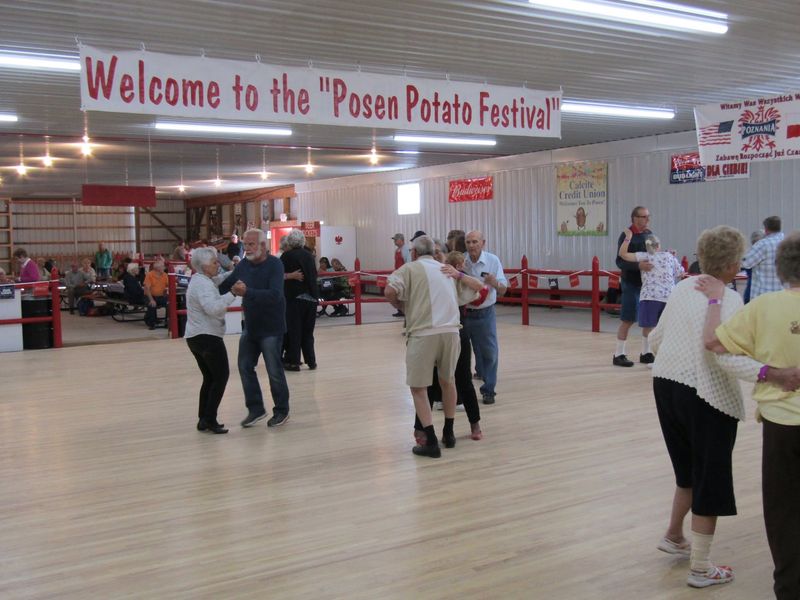
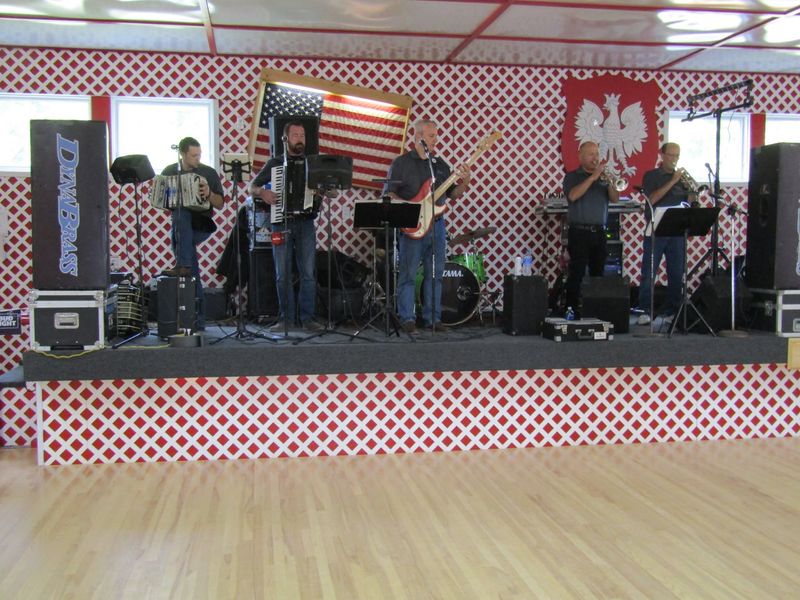
No soundtrack fits this festival better than polka. Bright, bouncing, and built for movement, the music gives the celebration a pulse that can be heard before every detail comes into view, pulling people toward the busiest areas and turning open space into a shared dance floor.
Polka matters here because it is both entertainment and cultural signal. It tells newcomers that the event is rooted in tradition, not assembled from random attractions, and it gives returning attendees a familiar rhythm that helps mark the season as surely as cooler weather and harvest food.
Music also changes how a festival is experienced physically. Instead of simply walking from stand to stand, people linger, clap, sway, and gather around performances, which makes the event feel more alive even when nothing dramatic is happening beyond a band playing and a crowd enjoying the sound.
For families, polka has a practical advantage too. It is upbeat without needing complicated context, so kids can enjoy the energy, older adults can connect with the style, and mixed-age groups have something easy to share together without anyone feeling left out of the fun.
That communal quality is hard to fake. A lot of festivals rely on background music that fills silence, but polka is active music.
It asks for attention, creates motion, and reinforces the town’s identity in a direct way, making the festival feel tied to place rather than copied from a generic event calendar.
Visitors who want the fullest experience should avoid treating the music as just noise between meals. Spending time near a performance area, even for a few songs, can completely change the feel of the day.
The festival makes more sense once the food, crowd, and polka are all working together at the same time.
A Small-Town Tradition With Real Local Roots
Some festivals are built to attract attention first and meaning second. Posen’s celebration works the other way around.
The strongest part of the event is how clearly it grows out of local community life, using food, music, and a familiar gathering place to reflect the town back to itself.
That local grounding gives the festival staying power. A school-centered event in a small town can serve many roles at once, acting as celebration, reunion, seasonal marker, and civic tradition.
People are not only showing up for entertainment. They are participating in something that belongs to the place.
Even for newcomers, that sense of connection is easy to notice. Conversations happen naturally, the scale stays manageable, and the festival’s themes make immediate sense together.
Potatoes, Polish food, and polka do not compete for attention. They support one another and tell a clearer story as a group.
There is also a refreshing lack of overdesign in a community event like this. It does not need polished spectacle to be interesting.
The real draw is seeing how a town organizes a celebration around its own traditions instead of chasing a broader, less personal version of festival culture.
For younger visitors, that can be a useful lesson. Local history does not always live in museums or textbooks.
Sometimes it shows up in a school-centered September event, in the recipes being served, in the style of music onstage, and in the way families make time to gather year after year.
Anyone hoping to understand the festival should look beyond the most obvious attractions. Watch how people move through the grounds, how food and music pull generations together, and how the setting keeps everything close and accessible.
That is where the deeper story of Posen’s annual celebration becomes easiest to read.
How to Plan the Day Without Missing the Good Stuff
Festival days go better when the plan is loose but not careless. In Posen, the smartest move is to arrive ready for a few different experiences instead of treating the event like a quick meal stop.
The mix of food, music, and community activity rewards a slower pace.
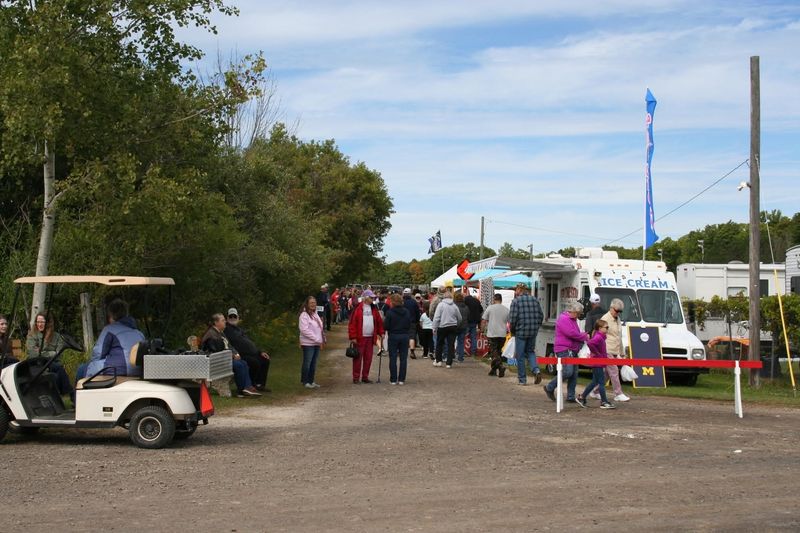
Starting near Posen Consolidated School makes practical sense because it gives visitors a clear point of reference. Once oriented, it becomes easier to judge crowd flow, spot where the busiest food areas are, and decide whether to eat first, catch music, or walk through the grounds before settling anywhere.
Timing can shape the whole outing. Earlier arrival usually means easier parking, shorter lines, and a better chance to take in details before peak activity builds.
That matters for families with younger children, older relatives, or anyone who prefers a more relaxed rhythm over packed midday rushes.
Comfort also counts more than people sometimes expect. September in northern Michigan can shift during the day, so simple layers and comfortable shoes make the visit smoother.
A festival anchored to school grounds and nearby activity areas is manageable, but standing, walking, and waiting still add up over several hours.
One useful strategy is to break the day into parts. Eat something early, spend time with the music, then circle back for more food or community events.
That approach helps avoid the common mistake of doing one thing too long and suddenly realizing the day moved faster than expected.
Parents and first-time visitors should also build in moments to pause. Community festivals are easier to enjoy when there is room to sit, regroup, and watch the action unfold for a bit.
In a place like Posen, the charm often shows up between scheduled attractions, in the steady movement of a town celebrating itself.
Why This September Celebration Stands Apart
Plenty of towns hold festivals, but not all of them have a theme that clicks this cleanly. Posen does.
Potatoes, Polish food, and polka form a combination that is easy to understand at a glance and even better once the day unfolds across a real community setting.
The festival stands apart because every main element supports the others. The food is hearty and grounded.
The music is lively and social. The location around Posen Consolidated School keeps the experience connected to everyday town life instead of floating in a detached event space with no local anchor.
That balance gives the celebration clarity. Nothing about it seems random or forced.
A visitor can arrive without knowing much about Posen and still quickly understand the event’s personality, because the theme shows up in the meals, the sound, the setting, and the pace of the day.
There is also a strong practical advantage to a festival this size and style. It offers enough activity to fill an afternoon while staying readable and approachable.
People do not need a complicated itinerary. They just need curiosity, comfortable shoes, and enough time to let the place reveal itself.
For Michigan travelers, that is part of the appeal. Not every memorable stop comes from a giant city event or a major tourist district.
Sometimes it comes from a school-centered September tradition in a small town that knows exactly what it wants to celebrate and does not try to be anything else.
Seen as a whole, the Posen Potato Festival is a sharp example of how local culture can turn a simple idea into a strong annual draw. A potato theme gets attention, but the lasting strength comes from the full mix: harvest spirit, Polish comfort food, polka rhythm, and a town gathering close to home.