A dining room full of regulars can be more convincing than any billboard or viral social media post. Across Colorado, longtime favorites and low-key restaurants keep tables busy by focusing on memorable food, dependable service, and the kind of experience customers genuinely want to recommend.
Some have spent decades building their reputations, while others simply let a standout specialty or welcoming atmosphere do the talking. Their popularity comes from repeat visits and word of mouth rather than constant hype. These 14 Colorado restaurants show that when people keep coming back, chasing the spotlight is hardly necessary.
1. Silver Grill Cafe (Fort Collins)

In Fort Collins, breakfast talk often circles back to one place. Silver Grill Cafe has been part of Old Town since 1933, and that long run says plenty before the coffee even hits the table.
The draw is easy to understand. Hearty breakfasts and lunches cover the basics people actually want, with the kind of familiar lineup that works on sleepy weekdays, family weekends, and casual catch-ups that turn into longer meals.
Then there are the cinnamon rolls. Large, fresh-baked, and hard to ignore, they have become the signature order that gets mentioned first when regulars tell newcomers where to eat. One good pastry can create a habit, and this one clearly has.
The room carries the steady rhythm of a place that knows its job. Guests arrive for comfort, not performance, and that matters.
A restaurant does not stay busy for decades by chasing novelty every season. It stays busy by giving people a reliable reason to return.
For first-time visitors, going early helps, especially on weekends when breakfast crowds move fast. Ordering a classic plate plus a cinnamon roll for the table is a smart move, since it gives a fuller sense of why the cafe has such a strong local reputation.
Silver Grill also fits Fort Collins itself. Old Town has plenty of energy, but this spot offers a grounded counterpoint, one based on routine, memory, and straightforward food.
In a state full of places trying to stand out, it succeeds by staying recognizable, generous, and deeply rooted in its corner of the city.
2. Marrocco’s Family Dining (Ward)
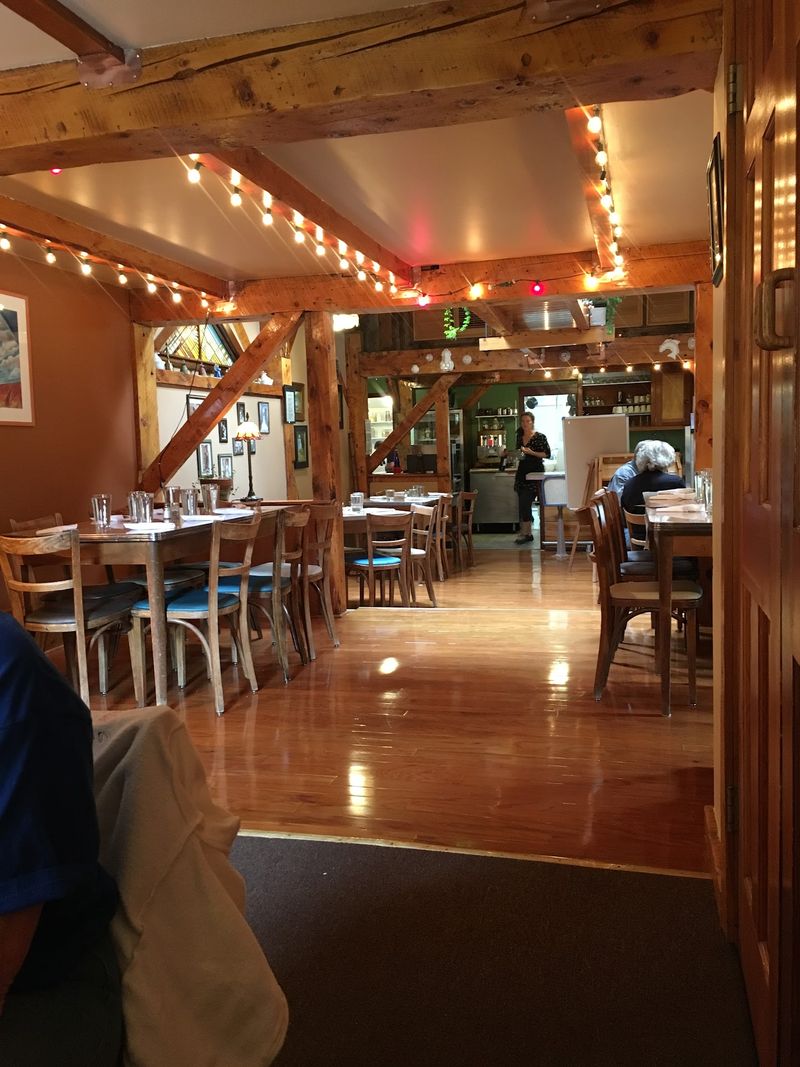
Ward is tiny, quiet, and easy to pass by if you do not know where you are going. That makes Marrocco’s Family Dining the kind of restaurant people hear about from neighbors, hiking buddies, and friends who say, go there hungry.
The menu centers on Italian comfort food without a lot of fuss. Pizza, pasta, and familiar favorites suit the setting well, because a mountain town restaurant does not need extra flash when the appeal is warm food, a relaxed room, and a dependable local following.
Part of the charm comes from how naturally the place fits its surroundings. In a small community, restaurants often become social anchors, and spots like this gain momentum through repeat visits, group dinners, and the kind of word-of-mouth that spreads slowly but sticks.
That matters more than promotion in a place like Ward. A restaurant earns loyalty by being steady, approachable, and easy to recommend.
People return because they know what kind of meal they are going to get, and because the setting supports a simple night out instead of turning dinner into a production.
Visitors heading into the mountains can make Marrocco’s part of the day rather than an afterthought. It works well as a planned stop, especially for anyone who wants a break from rushed travel food and would rather sit down to a full meal with real local character.
Colorado has many restaurants with scenic backdrops, but not all of them build a strong base of regulars. Marrocco’s stands out by leaning into comfort and consistency.
In a tiny town, that kind of steady presence matters, and it explains why tables stay busy without any need for a spotlight.
3. The Buff Restaurant (Boulder)
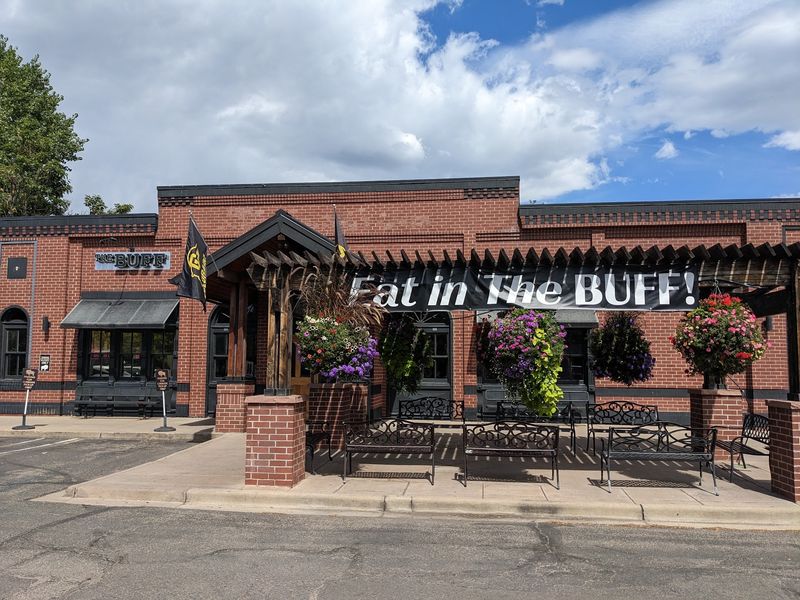
Boulder takes breakfast seriously, and The Buff Restaurant has clearly figured out how to meet that demand. Crowded mornings, big plates, and a broad menu give it the kind of practical appeal that works across age groups and routines.
Some guests want an omelet packed with fillings. Others are after skillets, Benedicts, pancakes, or another griddle favorite that covers the table and slows the pace of the morning.
A menu with range matters in a town where groups often arrive with very different cravings. The Buff also benefits from being easy to understand. It is casual, generous, and centered on the kind of breakfast people can picture before they even sit down.
That helps it draw locals, students, and visitors without needing a complicated concept to explain itself. Busy restaurants often reveal their strengths in how they serve repeat customers. Here, the appeal is not mystery.
It is choice, comfort, and the sense that almost anyone can find a plate that fits the mood, whether the day calls for a quick bite or a long, lazy meal with extra coffee.
For newcomers, going with a group is a smart move because the menu shines when several styles of breakfast hit the table at once. Seeing skillets beside French toast and Benedicts beside pancakes helps explain why the place keeps attracting such a wide mix of diners.
Boulder has no shortage of restaurants chasing attention, especially around brunch. The Buff does not need that lane.
It stays relevant by serving the crowd it already understands, with food that is filling, familiar, and broad enough to turn first-time guests into regulars on their next morning out.
4. Lucile’s Creole Cafe (Boulder)
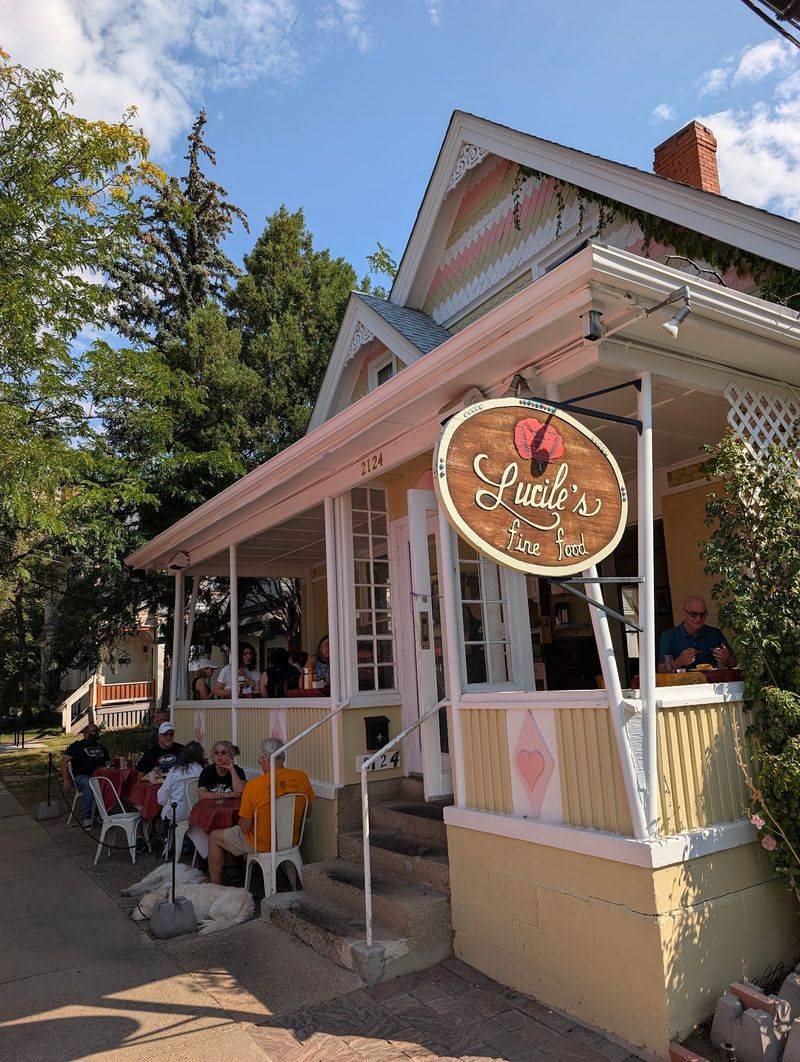
Not every Boulder breakfast spot plays it safe, and Lucile’s Creole Cafe is a great example. Its Louisiana-inspired menu gives the restaurant a clear personality, which helps it stand apart in a city already packed with popular morning options.
Beignets are often the gateway order. Light, sweet, and memorable, they give the table an instant talking point before the main plates arrive.
Southern-influenced specialties do the rest, offering flavors that feel different from the usual scramble-and-toast routine.
That difference matters. A restaurant builds conversation when people leave with a specific dish in mind, or with a craving they cannot easily satisfy somewhere else nearby.
Lucile’s has that advantage, and it helps explain why breakfast here turns into recommendations passed around town.
The setting also supports the food instead of competing with it. Guests can settle in, share a few plates, and get a meal that breaks from standard Boulder brunch habits.
For travelers, it offers a useful reminder that local dining scenes are often strongest when they leave room for distinct traditions.
Trying a mix of sweet and savory dishes is the best way to approach a first visit. That lets diners experience both the playful side of the menu and the richer, more rooted side that gives the cafe its lasting draw with regular customers.
Lucile’s does not need trend-chasing energy because the concept already has shape and direction. Creole breakfast and lunch bring a flavor path that stands on its own, and the restaurant has turned that identity into long-running local traction. In a busy market, being specific can be stronger than being broad.
5. D’Deli (Golden)
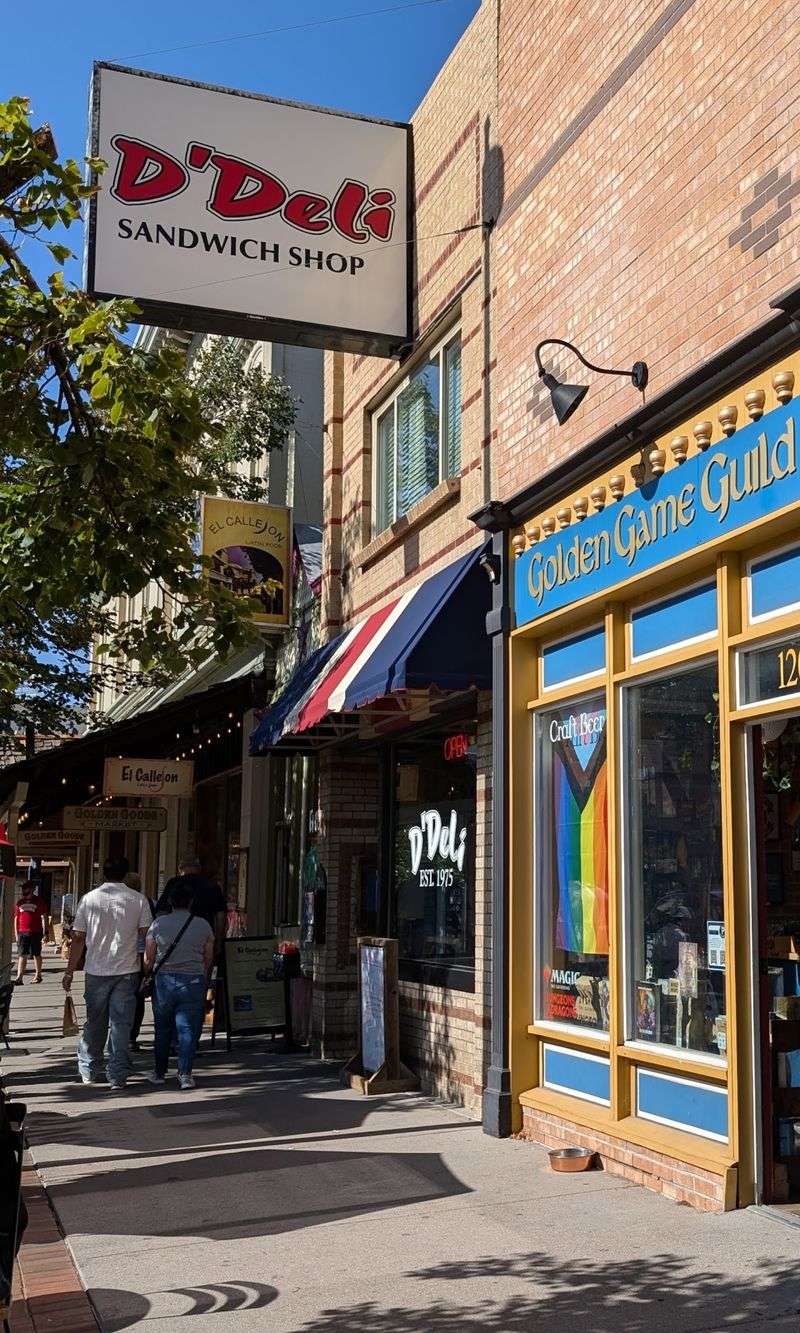
Lunch in Golden gets more interesting once D’Deli enters the conversation. On a street full of tempting stops, this sandwich shop stands out by treating the deli format like a playground instead of a script.
Made-to-order sandwiches are the core of the experience, but the real hook is the range of combinations. The menu leans more adventurous than the average lunch counter, which means regulars can stick with a favorite or try a creation that sounds a little unexpected and end up glad they did.
That playful streak gives the restaurant personality. Sandwich shops are everywhere, so a place needs more than bread and fillings to become memorable.
D’Deli seems to understand that lunch can still be practical while offering choices that spark curiosity and conversation.
Golden benefits from casual spots with strong local energy, and this one fits right in. It works for a quick midday stop, but it also sticks in people’s minds after the meal.
That mental replay matters, because the restaurants people mention later are usually the ones that gave them a story as well as food.
First-timers do well by reading the menu slowly rather than rushing into a standard order. Part of the appeal here is discovering combinations that would not show up at a more predictable deli, then pairing that order with the easygoing pace of a simple lunch in town.
D’Deli turns an everyday category into a destination through creativity, not flash. In a state full of bigger restaurant concepts, that is a useful reminder that casual food can carry just as much local buzz when the details are lively and the sandwiches leave a stronger impression than expected.
6. Cafe Jordano (Lakewood)
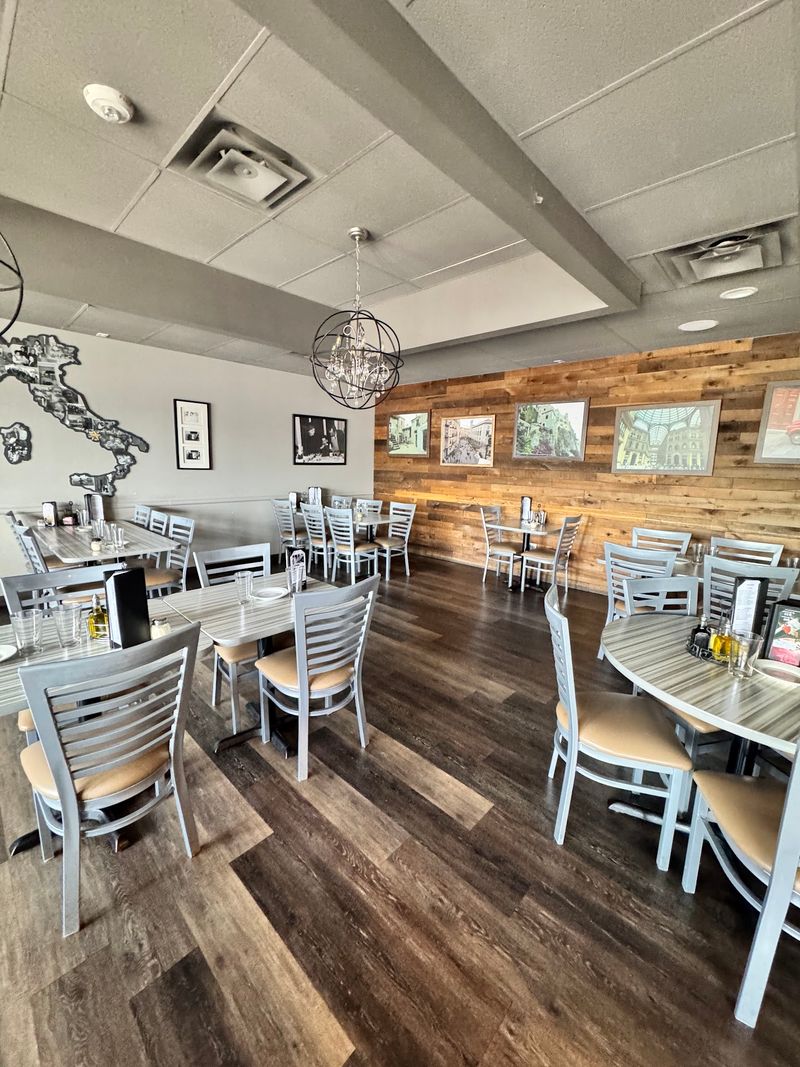
Some neighborhood restaurants become busy for a simple reason: people trust them. Cafe Jordano in Lakewood fits that pattern, building its following around comforting Italian food served in a relaxed setting that supports easy repeat visits.
Pasta leads the way, along with the familiar Italian dishes many diners already know they enjoy. That kind of menu matters because it lowers the effort of choosing a place to eat.
When the mood calls for a dependable dinner, recognizable classics often win over louder concepts. The strength here is steadiness. A restaurant does not need to reinvent Italian cooking every week to stay relevant in its community.
It needs solid execution, a room where people can settle in without fuss, and the confidence that a regular Tuesday dinner can still hit the mark.
That neighborhood quality is a major part of the appeal. Lakewood diners have options, but a place like Cafe Jordano becomes useful in a real-life way.
It suits family meals, low-key date nights, and group dinners where nobody wants a menu full of risks or surprises.
New visitors should approach it the same way regulars likely do: pick a classic, slow down, and enjoy the comfort of a familiar cuisine done with care. Restaurants that last in the local rotation often succeed because they make ordinary evenings easier and more satisfying.
Cafe Jordano earns attention without making a show of itself. Instead of constant hype, it offers a kind of dining reliability that spreads through recommendations and habit.
In many neighborhoods, that is stronger than trendiness, because practical favorites tend to outlast places built mainly on noise.
7. Potager (Denver)
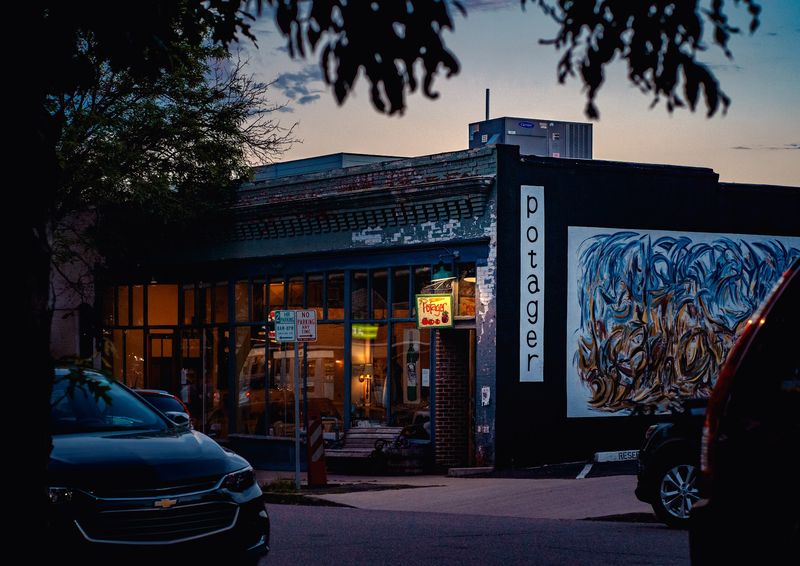
Potager has been part of Denver dining since 1997, which gives it the kind of staying power that usually comes from a clear point of view. Here, that point of view centers on seasonal cooking and close ties to farmers and producers.
A changing menu can do more than add variety. It gives diners a reason to return at different times of year, because the meal reflects what ingredients are at their best right now.
That seasonal rhythm turns repeat visits into a different experience instead of a replay. Restaurants built around ingredients need confidence. The spotlight lands on what is fresh, how it is handled, and whether the plate lets those choices speak clearly.
Potager has built a reputation around that approach rather than leaning on gimmicks, oversized trends, or a fixed lineup designed only for familiarity.
For guests, the best strategy is openness. Reading a seasonal menu with curiosity makes the meal more interesting, especially when the dishes highlight produce or pairings that would not anchor a year-round list.
It is a good place to let the kitchen guide the evening. Denver has many restaurants competing for attention, but Potager offers a quieter kind of draw.
People who care about ingredient-driven cooking often share places like this with friends because the recommendation feels useful, not showy. The return value comes from timing, quality, and the pleasure of seeing what changed.
That is how a restaurant stays packed without forcing itself into every conversation online. Potager remains relevant by doing the steady work of seasonal dining well, season after season.
In a city that moves quickly, that long-form consistency can be more persuasive than any short burst of publicity.
8. Shells and Sauce (Denver)
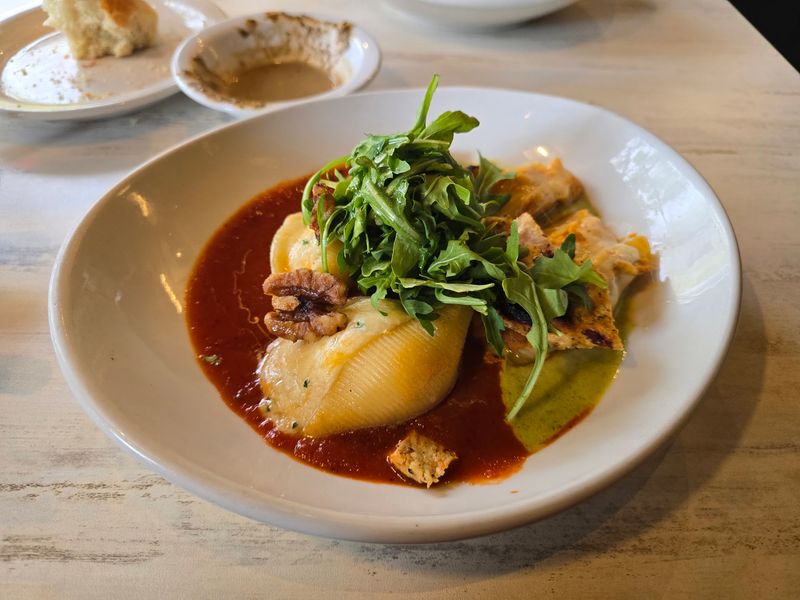
Congress Park has the kind of neighborhood rhythm that rewards reliable dinner spots, and Shells and Sauce fits neatly into that pattern. It is approachable enough for a casual meal but polished enough to handle birthdays, dates, and those nights that need a little extra care.
Italian cooking gives the restaurant a broad lane to work in. Pasta and other familiar favorites create instant comfort, which is useful when a group wants a place everyone can agree on without a long debate or a menu full of question marks.
The real advantage is balance. Some restaurants push too hard toward special-occasion formality, while others stay so casual they lose any sense of occasion at all.
Shells and Sauce appears to land in the middle, giving diners flexibility without stripping the meal of character. That balance helps create repeat business in a neighborhood setting.
People can return for different reasons and still feel like the restaurant fits the moment. One table may be there for a relaxed weekday dinner, while another is marking an event, and neither use feels out of place.
First-time visitors should lean into the strengths of the category. Ordering classic Italian dishes makes sense here, especially for diners who want a clear picture of why the restaurant built a dependable following instead of relying on passing trends.
Denver’s dining scene often celebrates the new, but neighborhood standbys tell a different story about what actually lasts.
Shells and Sauce thrives by being useful, welcoming, and grounded in dishes people already crave. That kind of staying power may be quieter than hype, but it often fills more tables over time.
9. Juniper Valley Ranch (Colorado Springs)
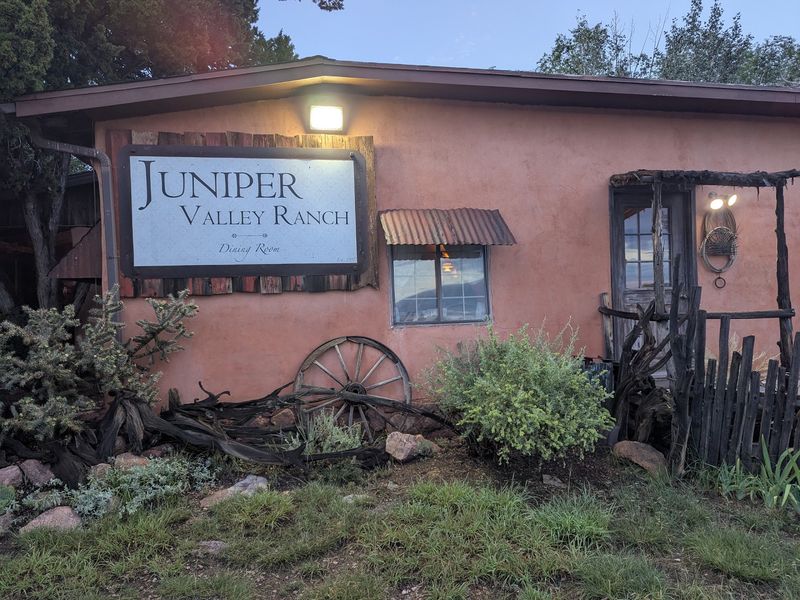
Dinner can turn into a tradition at Juniper Valley Ranch, and that is a big part of its pull. Family-run and serving family-style meals since 1951, the restaurant offers a kind of experience that reaches beyond the usual idea of going out to eat.
Skillet-fried chicken and baked ham sit at the center of the table, anchoring a menu that sounds built for passing plates and settling in. That format changes the pace of the meal.
Instead of everyone focusing only on individual orders, the shared setup encourages a more connected dinner. The ranch setting adds another layer. Near Colorado Springs, a rural backdrop gives the evening a sense of separation from normal city routines.
Meals in places like this often stay memorable because the location and the food support each other in a direct, uncomplicated way.
Long-running family restaurants also carry their own kind of trust. Generations-old recipes and a consistent format signal that the place knows exactly what it wants to be.
Guests are not arriving for a surprise concept. They are arriving for a practiced experience that has already proven durable.
Planning ahead makes sense here, especially for diners who want to enjoy the ranch environment as part of the outing. Coming with family or friends suits the meal style well, since shared dishes and a roomy setting work best when dinner becomes a social event instead of a quick stop.
Juniper Valley Ranch stays busy because it offers more than simple convenience. It gives people a Colorado ritual built around food, setting, and continuity.
In an era full of restaurant reinventions, there is real power in a place that keeps presenting a clear, familiar idea and does it with confidence.
10. George’s Drive Inn (Walsenburg)
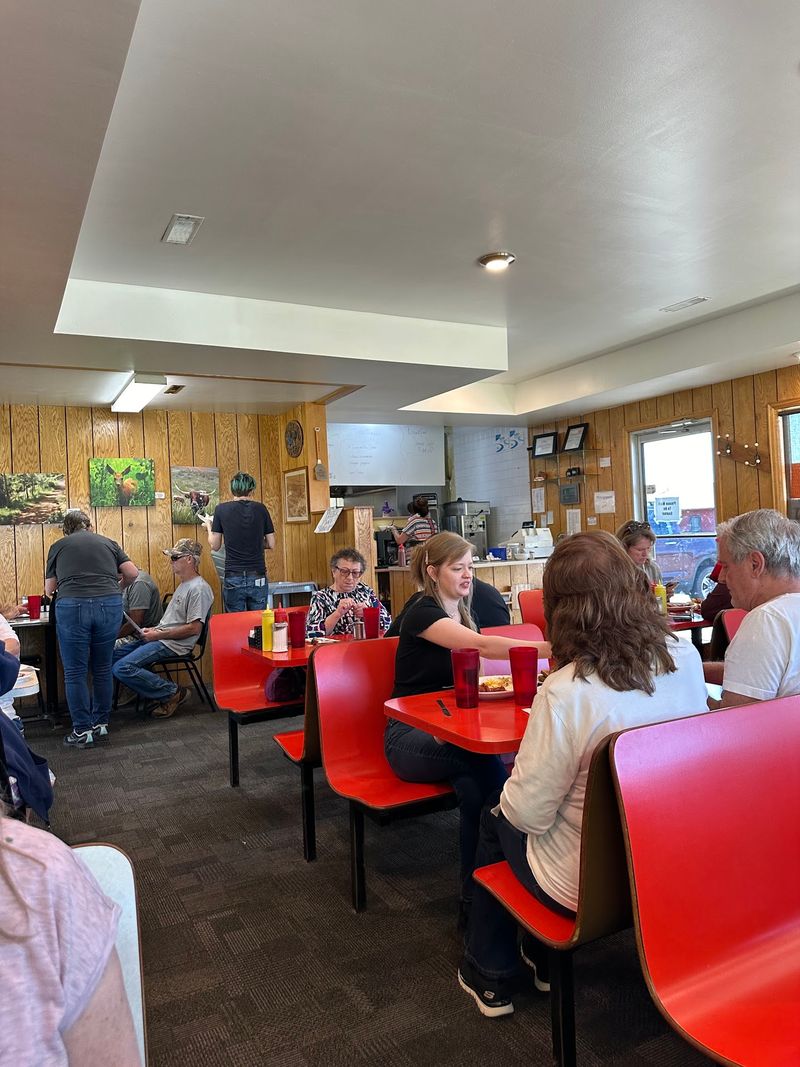
Roadside restaurants earn loyalty in a very direct way. George’s Drive Inn in Walsenburg works because it offers the kind of straightforward stop travelers remember later, especially when the road has been long and the next good meal is not guaranteed.
Classic American fare gives the place a wide reach. Locals can treat it as an easy regular stop, while people passing through can count on familiar options that do not require much explanation.
That mix helps a drive-in become part of both everyday town life and the broader travel route. There is also appeal in the format itself. A drive-in carries a lighter, more casual energy than many full-service restaurants, and that suits road trips well.
Hungry travelers often want food that arrives with little fuss, in a place where the tone stays welcoming and unpretentious.
For Walsenburg, spots like George’s matter because they help define the memory of passing through town. A dependable meal can shape how travelers think about a place long after they leave, and if the stop goes well, many of them make a note to return on the next trip.
Ordering the classics makes the most sense for first-time visitors. Drive-ins usually shine when they stick close to their strengths, and that is often where the local habits point.
Paying attention to what regular customers seem to favor can be a helpful clue. George’s does not need trendy tricks to stay relevant. It serves a practical purpose and does it with enough personality to stay in people’s minds.
On Colorado roads, that combination goes a long way, especially when a simple, satisfying stop beats another forgettable highway meal.
11. Pufferbelly Station Restaurant (Grand Junction)
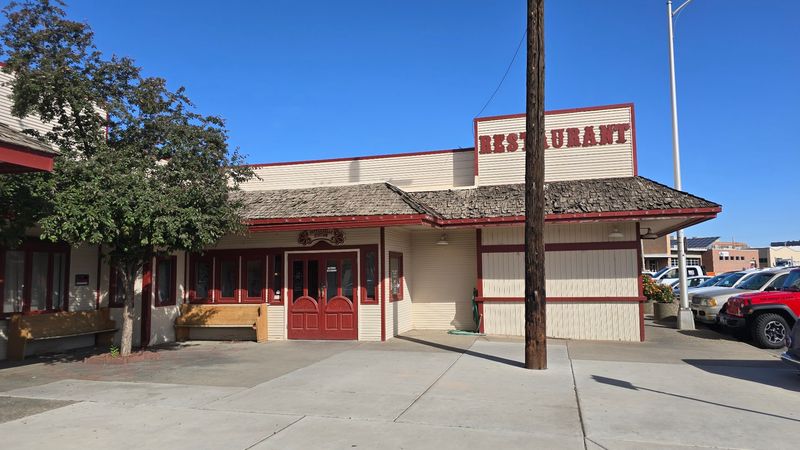
A diner with a strong theme can drift into gimmick territory, but Pufferbelly Station Restaurant in Grand Junction seems to avoid that trap. The railroad-inspired identity adds character, while the breakfast and lunch menu keeps the focus on food people already know they want.
That balance matters. Distinctive decor might bring someone in once, yet regulars usually return for dependable plates, friendly pacing, and a menu that works whether the visit is a quick breakfast or an easy midday meal.
Familiar diner dishes still do the heavy lifting. The train connection helps the restaurant stand apart visually in a crowded field of casual dining. It gives families, travelers, and locals a small point of fun without making the meal feel like a novelty act.
In practical terms, the setting becomes an extra layer instead of the whole story. Grand Junction benefits from restaurants that are easy to fit into a normal day.
A place like Pufferbelly Station works because it can serve as routine breakfast fuel, a lunch meetup, or a stop visitors remember when searching for something local instead of interchangeable.
Newcomers should lean into the diner spirit and order a classic breakfast or lunch plate first. That approach usually reveals why a place built regular traffic in the first place.
Strong local diners rarely depend on surprises; they depend on execution, timing, and comfort people can count on.
Pufferbelly Station stays busy by combining a recognizable theme with the grounded appeal of a dependable diner. It offers enough personality to be memorable and enough consistency to become useful.
That is a strong formula in any Colorado city, especially one where locals appreciate places that keep things both simple and distinct.
12. The Secret Stash (Crested Butte)
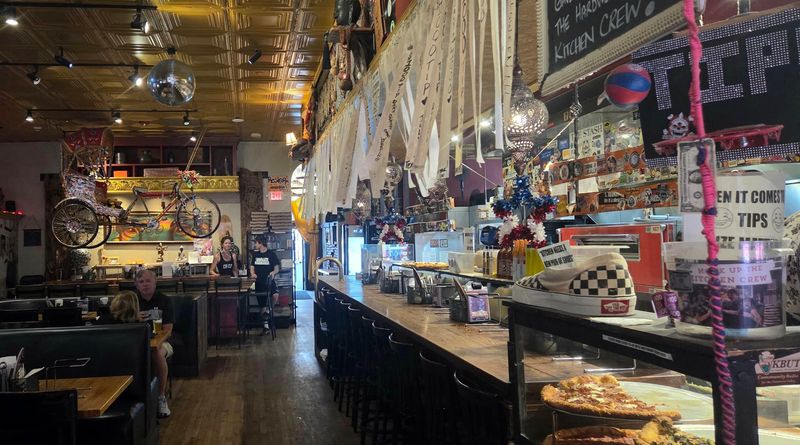
Crested Butte has a playful streak, and The Secret Stash taps right into it. Rather than offering generic mountain-town pizza, it leans hard into inventive combinations and a style that people tend to remember, mention, and seek out again.
The menu is a big reason for that. Creative pies, including the well-known Notorious F.I.G., give diners a sense that the kitchen is willing to push beyond standard toppings.
A pizza place stands out fast when one signature combination becomes part of local dining shorthand. That kind of identity travels well through word-of-mouth.
Friends tell friends about a memorable slice more easily than they describe a merely decent one, and mountain towns especially benefit from restaurants that can attract both regular locals and visitors looking for a place with a little character.
The room’s personality supports the food instead of overshadowing it. In a town like Crested Butte, diners often respond to businesses that match the local energy, and this restaurant appears to understand that a strong sense of play can work well when the cooking still gives people a solid reason to show up hungry.
First-time guests should skip the safest possible order and try one of the pizzas that built the restaurant’s reputation. Choosing a more inventive pie is the clearest path to understanding why the place became a destination rather than blending into the long list of casual pizza spots.
The Secret Stash succeeds by making itself memorable in concrete ways: unusual flavors, a clear personality, and a mountain-town setting that suits its style.
Plenty of restaurants want buzz, but this one seems to earn it through specificity. In the pizza world, that can be far more effective than playing it straight.
13. 221 South Oak (Telluride)
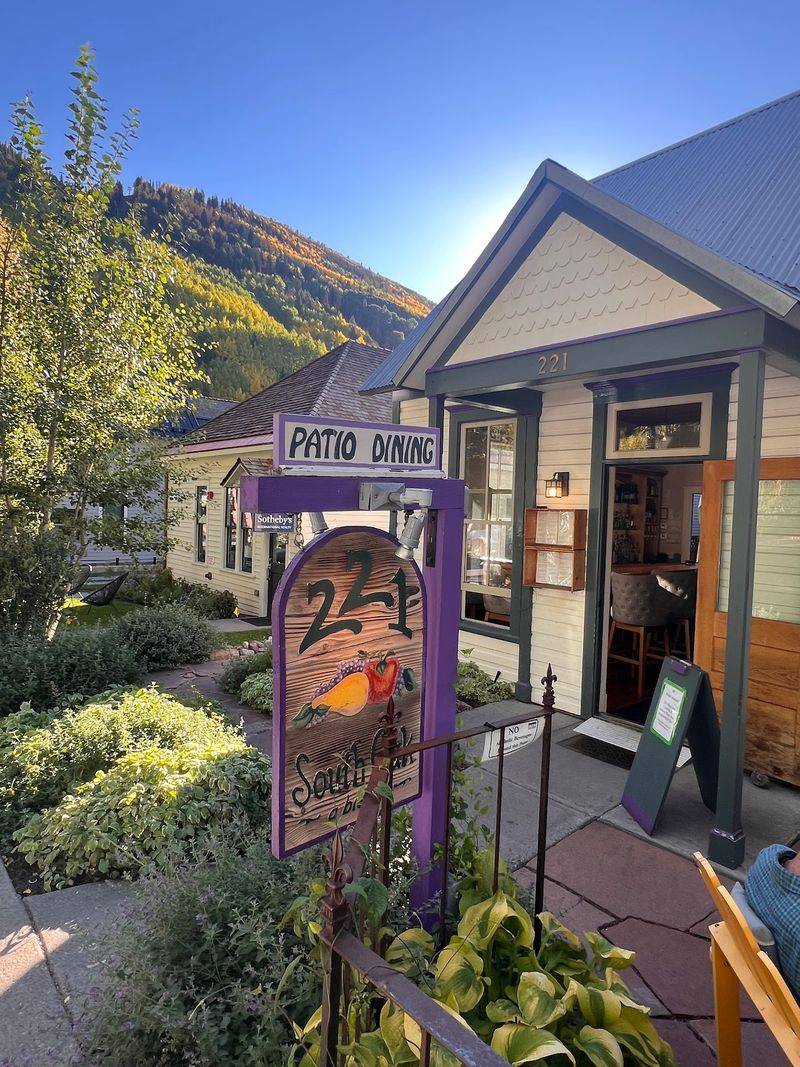
Telluride has no shortage of restaurants competing for attention, which makes 221 South Oak especially interesting. Set inside a refurbished historic home near the gondola, it offers a more intimate style of fine dining shaped by chef-owner Eliza Gavin.
The New American approach gives the menu flexibility, while the extensive wine program adds another layer for diners who want a fuller evening rather than a simple quick dinner. That combination helps the restaurant carve out space in a town where high expectations come with the scenery.
Another notable strength is its attention to vegetarian and vegan dining. In many upscale settings, those guests get a smaller lane to work with.
Here, that focus becomes part of the restaurant’s identity, making the experience more inclusive without reducing the sense of refinement.
The historic-home setting likely changes the meal in subtle ways too. A smaller, more personal environment can make dinner feel more focused and measured, which suits a restaurant built on detail, service, and a menu meant to be considered rather than rushed through.
Visitors planning a meal here should treat it as a dedicated part of the Telluride trip, not a backup option after skiing or shopping. It works best when there is time to settle in, look at the wine list, and choose dishes with some intention, especially for groups with mixed dining preferences.
221 South Oak earns attention through precision and character instead of volume. In a mountain town with plenty of competition, that matters.
A restaurant can stand out by being intimate, thoughtful, and confident about who it serves, and this one appears to have built lasting word-of-mouth on exactly that foundation.
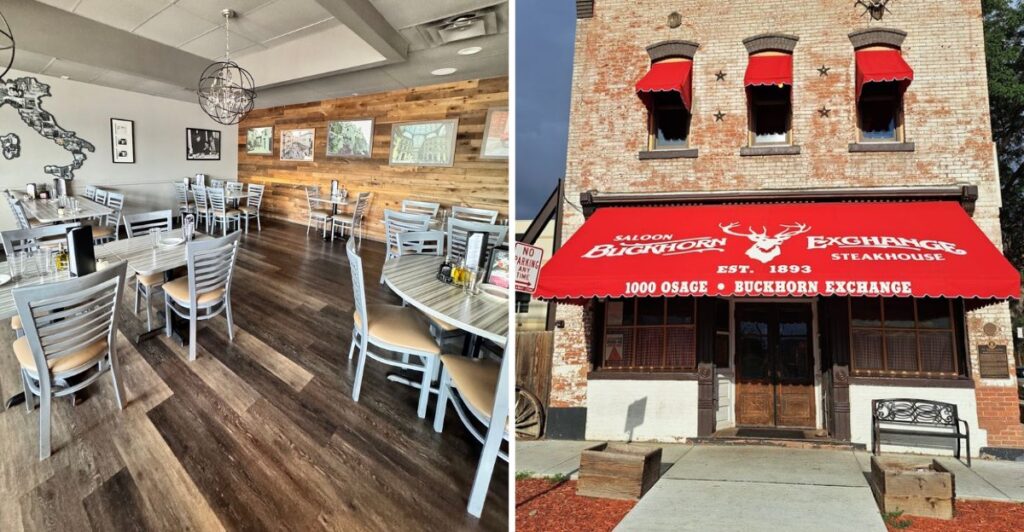
14. Buckhorn Exchange (Denver)
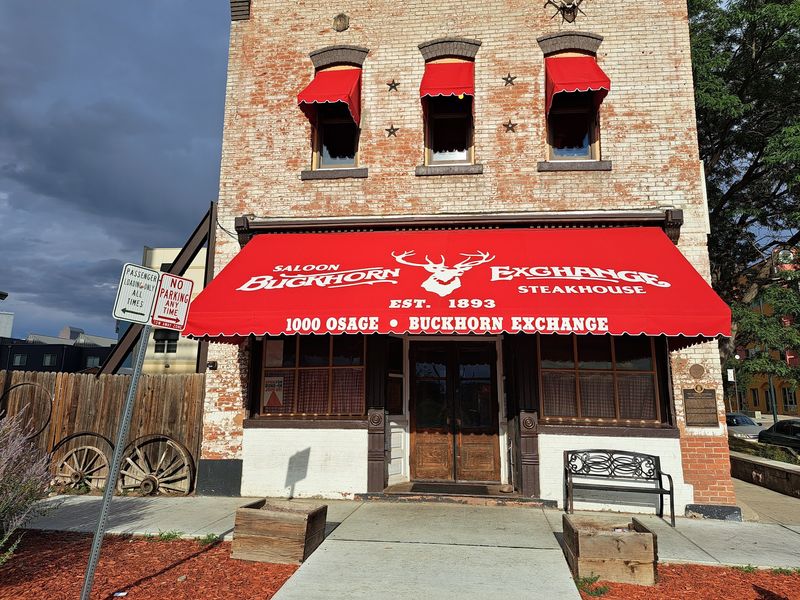
History walks right into dinner at Buckhorn Exchange. Operating since 1893, this Denver restaurant has had more than a century to build its name, and it uses that long past as part of the meal in a way few places can match.
The Old West setting gives the room immediate identity. Western memorabilia surrounds diners, creating a visual experience tied closely to the city’s past.
That backdrop would already make the visit memorable, but the menu adds another layer with steaks, buffalo, elk, Colorado lamb, and other distinctive fare.
Serving unusual meats changes the conversation at the table. Guests may compare choices, trade bites, or order something they do not see often elsewhere.
That sense of occasion helps the restaurant stand apart from standard steakhouse territory, where the meal can sometimes blur with others over time.
At the same time, Buckhorn Exchange benefits from being rooted in Denver itself. Restaurants with deep local history often become places residents bring out-of-town visitors, not only for the food but also to share a piece of the city in a format everyone can enjoy.
First-time diners should take a little time to look around and read the menu carefully instead of defaulting to the safest order. Part of the appeal here is engaging with the setting and considering dishes that connect to the restaurant’s long-standing Western identity.
Buckhorn Exchange stays in demand because it offers a full package: history, strong visual character, and a menu with enough range and curiosity to spark discussion.
That kind of built-in storytelling travels easily by word-of-mouth. When a meal gives people details to retell later, the tables rarely stay empty for long.