Tennessee offers incredible experiences without emptying your wallet. From historic battlefields to quirky museums, you can explore the state’s rich heritage for less than the cost of lunch.
These 13 attractions prove that memorable adventures don’t require expensive admission prices, just curiosity and a sense of wonder.
1. West Tennessee Delta Heritage Center & Tina Turner Museum, Brownsville
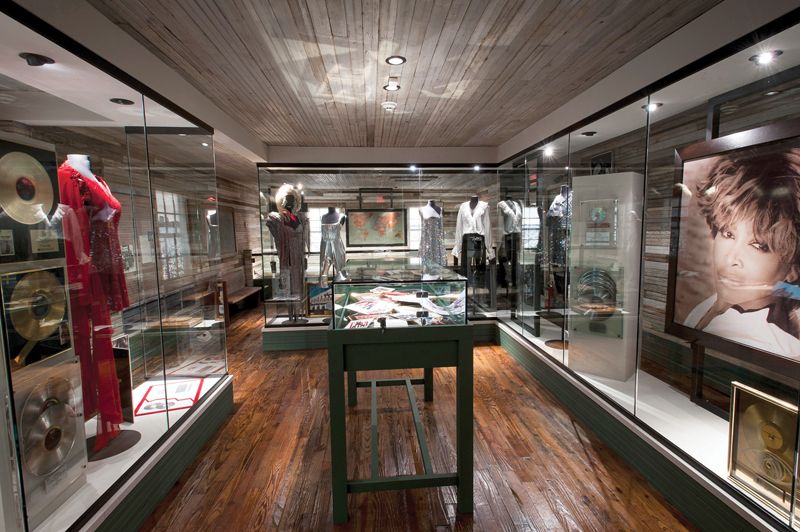
Music legends are born in unexpected places, and Brownsville celebrates one of its most famous daughters with pride. The West Tennessee Delta Heritage Center houses exhibits exploring the region’s agricultural and musical roots, but the real showstopper is the Tina Turner Museum.
You’ll find costumes, awards, and personal artifacts from the Queen of Rock ‘n’ Roll’s incredible career spanning six decades.
The museum captures Tina’s journey from Anna Mae Bullock, a girl from Nutbush, Tennessee, to international superstar. Original outfits glitter behind glass cases while video screens play her electrifying performances.
Her story of resilience and reinvention resonates through every display, making this more than just a celebrity shrine.
Beyond Tina Turner, the Heritage Center explores West Tennessee’s Delta culture through cotton farming exhibits and Civil War history. Interactive displays let visitors experience the region’s agricultural heritage firsthand.
The building itself, a restored schoolhouse, adds historical charm to your visit.
Admission costs just a few dollars, making this an incredible value for music fans and history buffs alike. The staff genuinely loves sharing stories about Tina’s early years and the region’s cultural impact.
You can easily spend an hour or two wandering through exhibits that blend local pride with global fame.
Brownsville might not be on every tourist’s radar, but this museum puts it firmly on the map. The collection grows regularly as new donations arrive from Tina’s estate and private collectors.
Whether you’re a lifelong fan or just discovering her music, this intimate museum offers insights you won’t find anywhere else in Tennessee.
2. Shiloh National Military Park, Shiloh
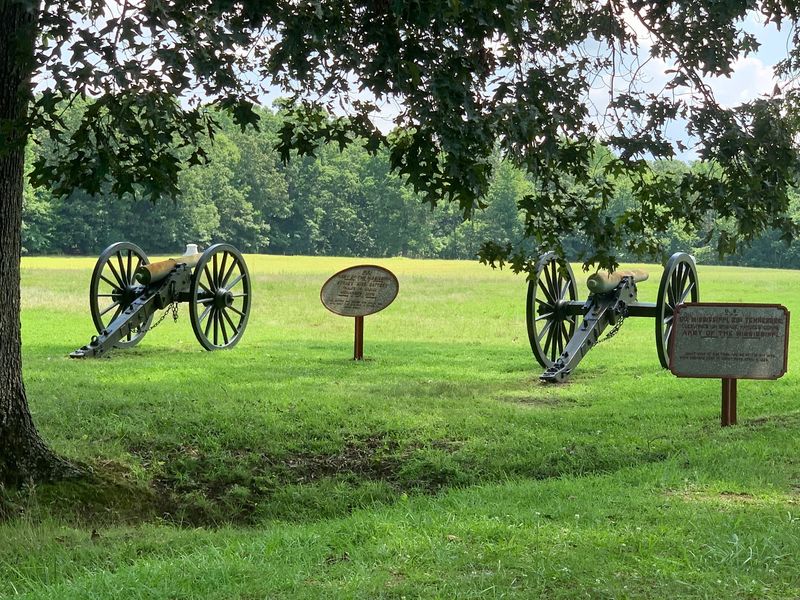
April 1862 witnessed one of the Civil War’s bloodiest battles on these grounds, where over 23,000 soldiers became casualties in just two days. Walking these fields today brings that history into sharp focus.
Monuments dot the landscape like silent witnesses, each marking where regiments fought and fell during those desperate spring days.
The park spans nearly 4,000 acres of preserved battlefield and forest. Self-guided driving tours let you explore at your own pace, stopping at key locations where the fighting was fiercest.
Audio tours available through the park’s app add soldier testimonies and tactical explanations that make the battle come alive without feeling overwhelming.
Start at the visitor center, where a film and museum exhibits set the stage for what you’ll see outside. Maps show troop movements hour by hour, helping you understand how the battle unfolded.
Rangers offer talks throughout the day, answering questions and sharing lesser-known stories about the soldiers who fought here.
Hiking trails wind through wooded areas where Union forces camped before the surprise Confederate attack. The Sunken Road, known as the Hornets’ Nest, remains one of the most haunting spots on the battlefield.
Standing there, you can almost hear the chaos that erupted when thousands of soldiers clashed in brutal close-quarters combat.
Admission is incredibly affordable, usually under ten dollars per vehicle, making this accessible for families and solo travelers alike. The peaceful landscape contrasts sharply with its violent past, creating a reflective atmosphere perfect for contemplation.
Spring wildflowers bloom across fields where young men once fought, a poignant reminder of nature’s resilience and history’s weight.
3. Pinson Mounds State Archaeological Park, Pinson
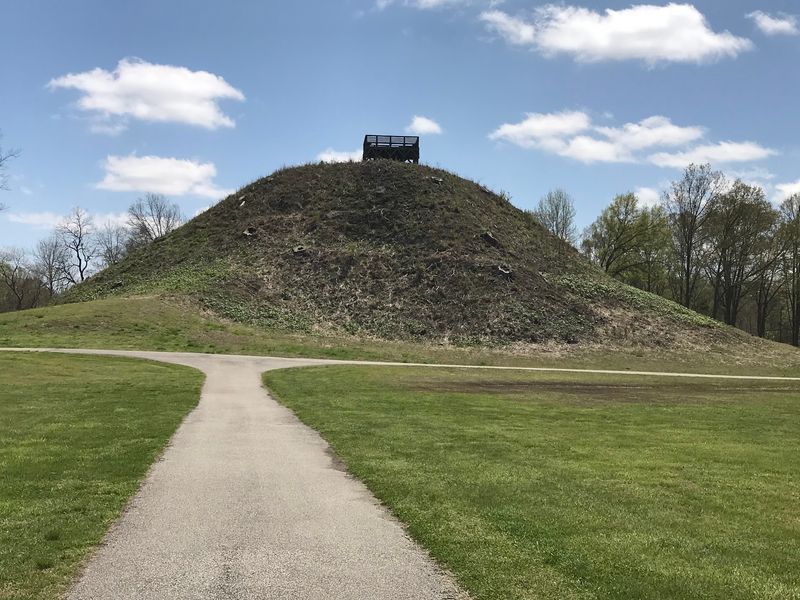
Long before European settlers arrived, Middle Woodland people built something extraordinary in what’s now rural Tennessee. Pinson Mounds contains at least 17 earthen mounds, including Sauls Mound, the second-tallest surviving mound from its era in the United States.
These structures weren’t homes but ceremonial centers where ancient communities gathered for rituals we’re still trying to understand.
The park’s museum does an excellent job explaining what archaeologists have learned from decades of careful excavation. Artifacts like pottery shards, stone tools, and ornaments reveal daily life from 2,000 years ago.
Interactive displays let you handle replica tools and imagine the labor required to move millions of baskets of earth by hand.
Walking trails connect the major mounds, winding through forests that have reclaimed much of the ancient complex. Interpretive signs explain each mound’s purpose and construction techniques.
The quiet here feels almost sacred, especially when you’re alone on the trails contemplating the hands that shaped this landscape centuries before Columbus sailed.
Sauls Mound rises 72 feet high, an impressive feat considering every bit was carried and placed without metal tools or wheeled vehicles. Climbing to the top rewards you with views across the park and a visceral connection to the builders’ vision.
What motivated them to invest such tremendous effort remains partially mysterious, adding intrigue to your visit.
Admission is minimal, and the park rarely feels crowded, even on nice weekends. Educational programs and special events happen throughout the year, including Native American heritage celebrations.
This archaeological treasure offers perspectives on Tennessee’s deep history that most visitors never consider, making it absolutely worth the short drive from Jackson or Memphis.
4. Fort Donelson National Battlefield, Dover
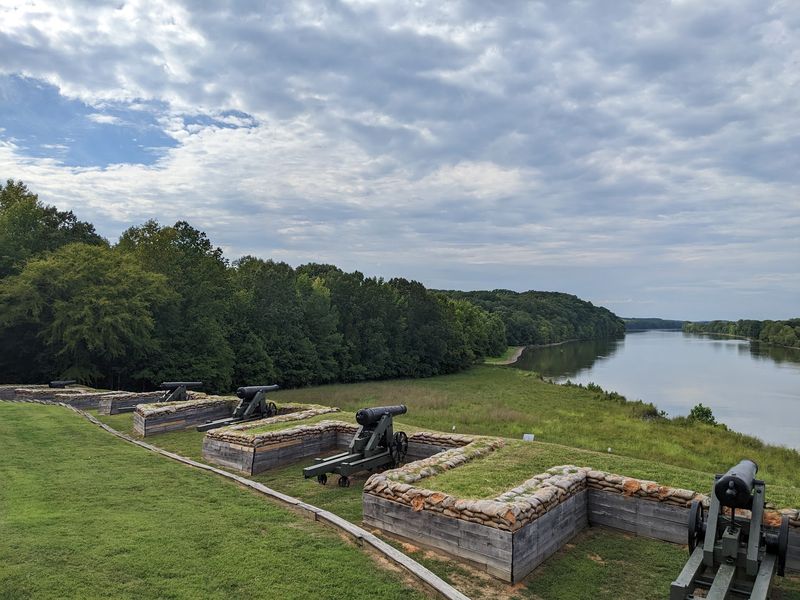
February 1862 brought a turning point in the Civil War when Union forces captured this strategic fort on the Cumberland River. General Ulysses S. Grant earned his nickname “Unconditional Surrender” Grant here after refusing to negotiate terms with Confederate defenders. The victory opened Tennessee and the Deep South to Union invasion, changing the war’s trajectory forever.
Today’s park preserves the earthen fortifications where desperate fighting occurred during freezing winter conditions. Walking the trenches and rifle pits, you can imagine soldiers huddled against bitter cold while cannonballs screamed overhead.
The river batteries, positioned to defend against Union gunboats, still command impressive views of the Cumberland’s curves.
The visitor center museum displays artifacts recovered from the battlefield, including weapons, uniforms, and personal items soldiers carried. A detailed timeline explains how the battle unfolded over several days, with Grant’s forces gradually tightening their grip.
Period photographs show the fort shortly after its capture, when thousands of Confederate prisoners awaited transport north.
Driving and walking trails let you explore at whatever pace suits you. The Dover Hotel, where Confederate General Simon Buckner surrendered to Grant, stands preserved as a powerful symbol of that historic moment.
Rangers conduct programs explaining military tactics and the common soldiers’ experiences during this brutal winter campaign.
Admission costs just a few dollars, making this one of Tennessee’s best historical bargains. The park’s relative quietness compared to more famous battlefields like Gettysburg creates an intimate atmosphere for reflection.
River views remain stunning, especially during sunrise when mist rises from the water much as it must have during those tense February mornings in 1862.
5. Clement Railroad Hotel Museum, Dickson
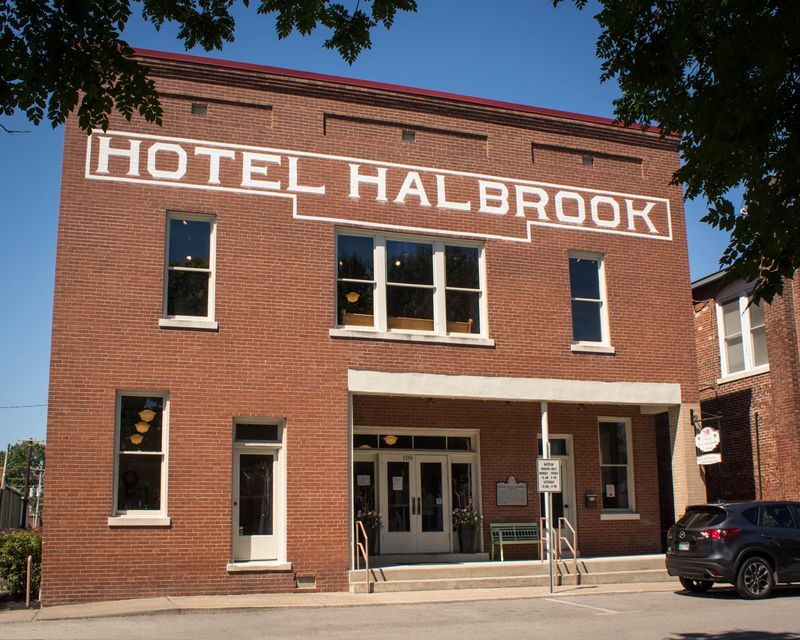
Railroad hotels once dotted small-town America, offering weary travelers hot meals and clean beds between train connections. The Clement stands as a beautifully preserved example from 1912, when Dickson was a vital stop on the Nashville, Chattanooga & St. Louis Railway.
Walking through its doors feels like stepping back to an era when rail travel meant elegance and adventure.
Period furnishings fill rooms that once hosted drummers, families, and railroad workers. The dining room table is set as if guests might arrive any moment for supper.
Upstairs bedrooms show how different classes of travelers were accommodated, from simple quarters for working folks to more elaborate rooms for wealthier passengers.
The museum doesn’t just preserve furniture and wallpaper; it tells human stories. Photographs and documents reveal the Clement family who operated the hotel for decades.
Guest registers list names from across the country, evidence of how railroads connected even remote towns to the wider world.
Railroad artifacts and local history exhibits fill additional spaces, including displays about Dickson’s industrial heritage. You’ll learn how the railroad shaped not just this hotel but the entire town’s development and economy.
Model trains chug through miniature landscapes, delighting younger visitors while adults appreciate the craftsmanship.
Admission is remarkably cheap, often just a couple of dollars or even free on certain days. Volunteers who staff the museum genuinely love sharing stories and answering questions about the building’s history.
The whole visit takes maybe an hour, but you’ll leave with appreciation for how ordinary people traveled and lived during the railroad’s golden age. Dickson might not scream tourist destination, but this charming museum rewards curious travelers willing to venture off the interstate.
6. Tennessee State Museum, Nashville
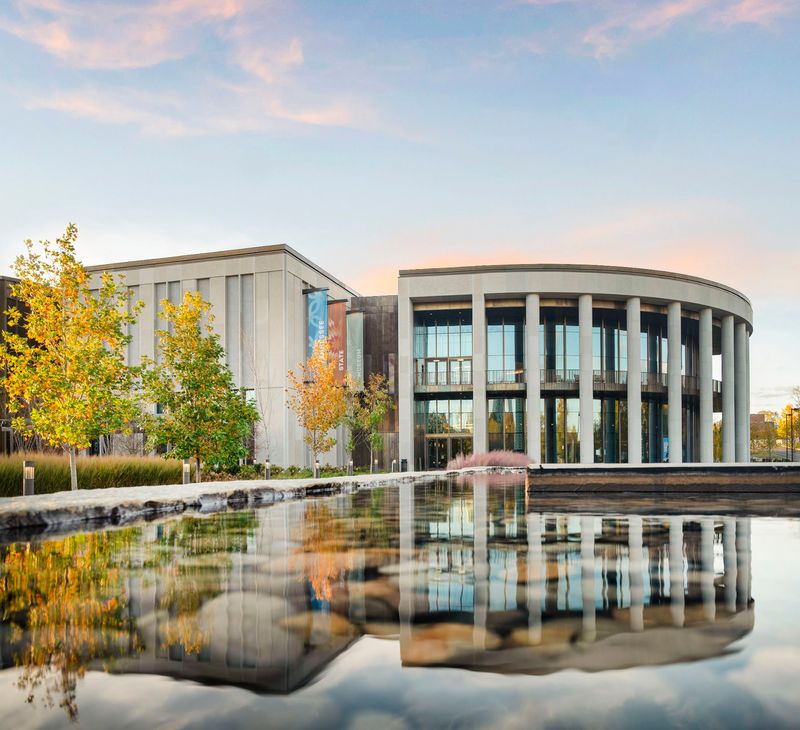
Nashville’s state museum reopened in 2018 in a stunning new facility that immediately became one of the city’s cultural anchors. Best of all? Admission is completely free, though donations are appreciated.
The collection spans Tennessee history from prehistoric times through the 20th century, with artifacts and exhibits that bring each era vividly to life.
Start with the First Peoples gallery, where 14,000 years of Native American history unfolds through tools, pottery, and ceremonial objects. The exhibits respect indigenous cultures while explaining their sophisticated societies and tragic displacement.
Moving forward in time, you’ll encounter frontier settlement artifacts, including Daniel Boone’s rifle and Davy Crockett memorabilia that separate legend from historical reality.
Civil War exhibits are particularly strong, featuring uniforms, weapons, and personal items from Tennessee soldiers who fought on both sides. The state’s divided loyalties created family tragedies and political chaos that these displays explore with nuance and empathy.
Battle flags, medical instruments, and soldiers’ letters home make abstract history painfully personal.
The 20th-century galleries showcase Tennessee’s cultural contributions through music, literature, and civil rights activism. You’ll see guitars played by country legends, manuscripts from famous authors, and photographs documenting struggles for equality.
Interactive displays let visitors explore how Tennessee shaped and was shaped by national movements and trends.
Temporary exhibitions rotate regularly, covering everything from women’s suffrage to Tennessee whiskey traditions. The museum shop offers quality books and gifts related to Tennessee history.
With multiple floors of thoughtfully designed exhibits, you could easily spend half a day here without getting bored. The building itself, with floor-to-ceiling windows overlooking downtown Nashville, creates a bright, welcoming atmosphere that makes learning feel effortless and engaging.
7. Stones River National Battlefield, Murfreesboro

Winter 1862-63 brought another massive Civil War battle to Tennessee, this time along Stones River near Murfreesboro. The three-day fight ended with nearly 24,000 casualties, making it one of the war’s bloodiest battles in proportion to forces engaged.
Neither side achieved decisive victory, but Union forces held the field, maintaining their presence in Middle Tennessee despite terrible losses.
The national cemetery here contains over 6,000 graves, many marked simply “Unknown.” Walking among the white headstones creates a sobering moment of reflection on war’s human cost. The Hazen Brigade Monument, erected in 1863, is one of America’s oldest Civil War memorials, standing where Union soldiers fought desperately to hold their position.
The visitor center offers an excellent orientation film and museum exhibits explaining the battle’s strategic importance. Park rangers provide tours and talks that illuminate military tactics and individual soldiers’ experiences.
Maps show how the fighting ebbed and flowed across fields and cedar forests during those freezing December and January days.
Self-guided driving and walking tours let you explore key battlefield sites at your own speed. Interpretive signs mark where regiments clashed and commanders made crucial decisions.
The landscape has changed since 1862, but enough remains preserved to help you visualize the chaos and courage that defined those terrible days.
Admission is free, making this accessible for anyone interested in Civil War history or military heritage. The park’s location in suburban Murfreesboro means you can easily combine your visit with other area attractions.
Spring and fall offer the most comfortable weather for exploring the trails, though winter visits provide authentic atmospheric conditions matching when the battle actually occurred. The peaceful grounds today contrast sharply with the violence they once witnessed, creating space for contemplation about sacrifice, leadership, and the war that redefined America.
8. Cookeville Depot Museum, Cookeville
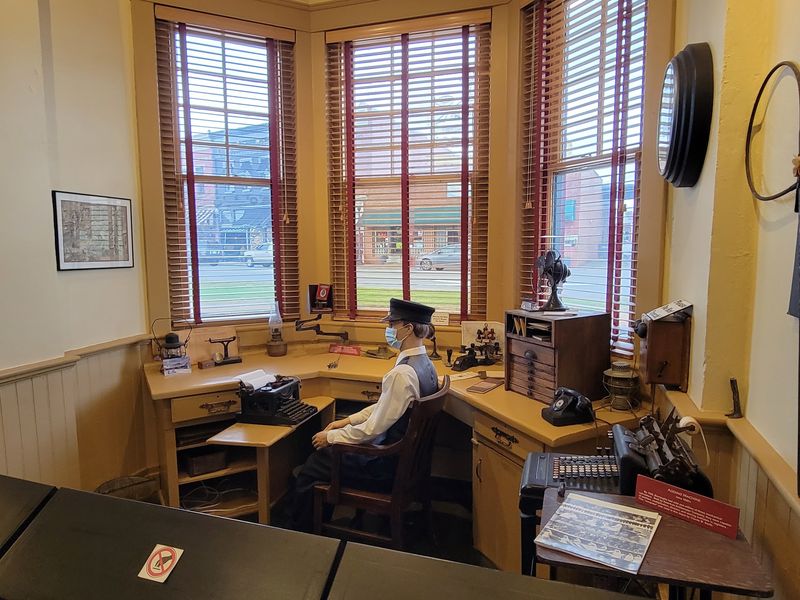
Train depots were once the heartbeat of small-town America, where news, goods, and people arrived and departed daily. Cookeville’s beautifully restored 1909 depot captures that era perfectly, now serving as a museum celebrating local railroad heritage and community history.
The building itself is worth the visit, with period architecture and details that transport you back over a century.
Inside, exhibits showcase how railroads shaped Cookeville’s growth from a tiny settlement to a regional hub. Vintage luggage, ticket windows, and waiting room benches recreate the depot’s original atmosphere.
Telegraph equipment demonstrates how station agents communicated with trains and other depots, coordinating the complex ballet of schedules and switching.
Model train layouts delight visitors of all ages, with detailed miniature landscapes showing how Tennessee looked during railroading’s golden age. Photographs document local railroad workers and their families, putting human faces on the industry that employed thousands.
You’ll learn about different types of freight and passenger service that passed through Cookeville daily.
The museum also explores broader Cookeville history beyond railroads, including exhibits on local industries, schools, and notable residents. Rotating displays ensure repeat visitors find something new each time.
The staff and volunteers are incredibly knowledgeable, often sharing stories passed down from railroad families or discovered in historical research.
Admission is either free or costs just a couple of dollars depending on when you visit. The depot’s downtown location makes it easy to combine with lunch or shopping in Cookeville’s charming historic district.
The whole experience takes maybe 45 minutes to an hour, perfect for a quick cultural stop during a road trip. Kids especially enjoy the hands-on elements and model trains, while adults appreciate the careful preservation of local heritage that might otherwise be forgotten.
9. Green McAdoo Cultural Center, Clinton
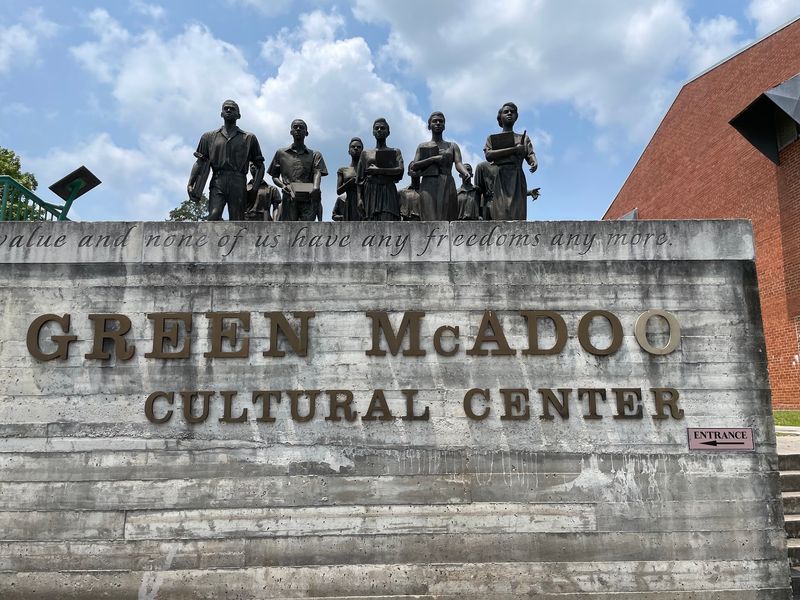
August 1956 brought national attention to tiny Clinton, Tennessee, when twelve African American students integrated Clinton High School following the Brown v. Board of Education decision.
The Green McAdoo Cultural Center honors those brave students and documents the community’s painful journey toward integration. This isn’t feel-good history; it’s honest, difficult, and essential for understanding Tennessee’s civil rights legacy.
The center occupies the former Green McAdoo School, where Black students attended segregated classes before integration. Exhibits include photographs, news clippings, and personal testimonies from the Clinton 12 and their families.
You’ll see the threats they faced, the violence that erupted, and the courage required just to walk through school doors each day.
Interactive displays explore the broader context of school desegregation across the South. Video interviews with survivors provide firsthand accounts that no textbook can match.
The museum doesn’t shy away from showing white resistance and community division, making it a powerful lesson in how ordinary people respond to social change.
One exhibit focuses on the school’s bombing in 1958 by white supremacists trying to halt integration. Photographs of the destroyed building and subsequent rebuilding symbolize both hatred’s destructive power and communities’ resilience.
The Clinton 12’s perseverance despite such violence makes their achievement even more remarkable.
Admission is free, though donations support the center’s educational programs and preservation efforts. Staff members are passionate about sharing this history and connecting it to contemporary civil rights issues.
The visit typically takes about an hour but leaves a lasting impression about courage, justice, and the ongoing struggle for equality. Clinton’s story deserves to be better known, and this museum ensures these students’ bravery won’t be forgotten by future generations seeking to understand America’s complicated racial history.
10. Knoxville Museum of Art, Knoxville
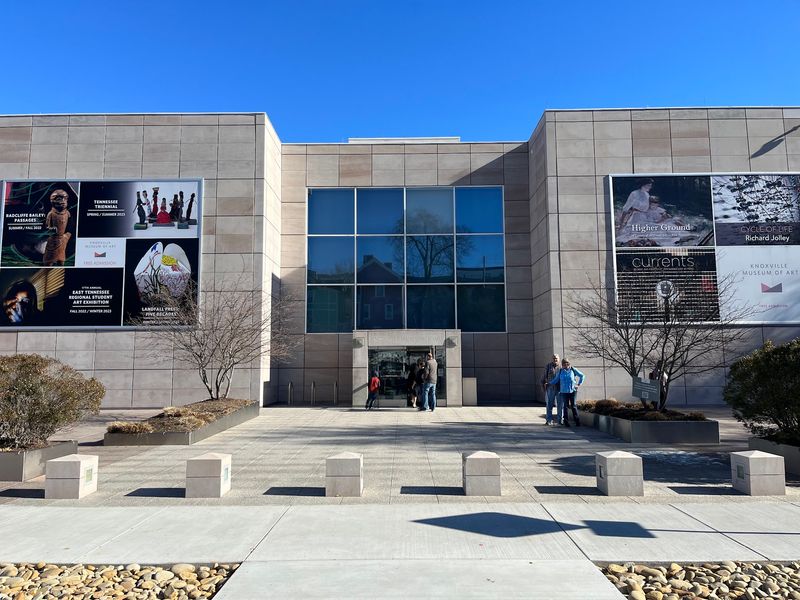
World-class art doesn’t require expensive admission tickets, at least not in Knoxville. The Knoxville Museum of Art offers free admission year-round, welcoming visitors to explore galleries showcasing regional, national, and international artists.
The building itself, with its distinctive pink Tennessee marble exterior, has become an architectural landmark in downtown Knoxville since opening in 1990.
Permanent collections focus heavily on East Tennessee artists and themes, celebrating regional creativity and cultural heritage. You’ll find everything from traditional landscapes to contemporary installations that challenge conventional definitions of art.
The museum takes pride in connecting visitors to local artistic traditions while also bringing in traveling exhibitions from major institutions nationwide.
Rotating exhibits ensure there’s always something new to discover, covering diverse media including painting, sculpture, photography, and mixed-media installations. Recent shows have explored topics from Appalachian craft traditions to cutting-edge digital art.
Educational labels provide context without talking down to viewers, making art accessible regardless of your background knowledge.
The museum’s Alive After Five events combine art viewing with live music and food, creating a festive atmosphere that draws diverse crowds. Family programs introduce children to artistic techniques and famous artists through hands-on activities.
The museum shop offers quality gifts and art books if you want to take something home.
With five galleries spread across multiple floors, you can easily spend a couple of hours wandering and discovering favorites. Floor-to-ceiling windows provide natural light and views of downtown Knoxville and the nearby World’s Fair Park.
The peaceful atmosphere encourages slow contemplation rather than rushed viewing. Whether you’re a serious art enthusiast or just looking for an indoor activity on a rainy afternoon, this museum delivers quality experiences without charging a penny for admission.
11. Andrew Johnson National Historic Site, Greeneville
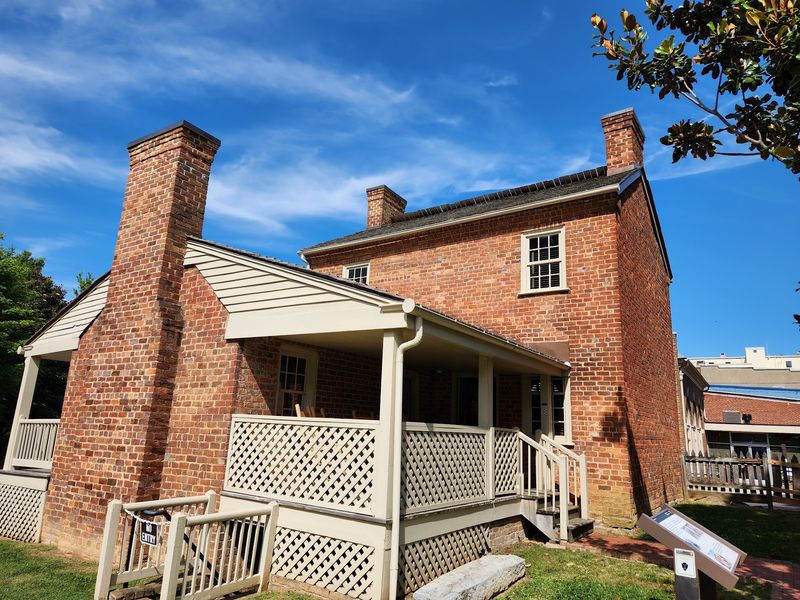
America’s 17th president remains one of its most controversial, and Greeneville preserves several sites connected to Andrew Johnson’s remarkable and troubled life. The National Historic Site includes his tailor shop, two homes, and the cemetery where he’s buried.
Admission is free, making this an accessible way to explore a presidency that shaped Reconstruction’s tragic failures.
Johnson’s story fascinates because it’s so complicated. Rising from poverty and illiteracy to the presidency, he seemed to embody American opportunity.
Yet his racist views and conflicts with Congress nearly destroyed the post-Civil War nation. The museum doesn’t sanitize this history but presents it honestly, letting visitors grapple with Johnson’s contradictions.
The tailor shop where Johnson worked and politicked has been restored to its 1830s appearance. Imagine him stitching suits while discussing politics with customers, building the connections that launched his political career.
His early home shows the modest lifestyle of a successful tradesman, far from Washington’s grandeur he’d later experience.
The Homestead, where Johnson lived during his later years, contains original furnishings and family possessions. Park rangers provide tours explaining Johnson’s impeachment, his political battles, and his eventual return to the Senate.
The complexity of Reconstruction-era politics comes through in these detailed presentations.
Johnson’s grave in the Andrew Johnson National Cemetery sits atop a hill overlooking Greeneville. He’s buried wrapped in an American flag with a copy of the Constitution serving as his pillow, symbols of the nation he served imperfectly.
The site encourages reflection on presidential leadership, racial justice, and how we judge historical figures.
Visitor center exhibits provide essential context for understanding Johnson’s era and legacy. The whole experience takes a couple of hours and offers insights into a pivotal, painful period of American history that still resonates today.
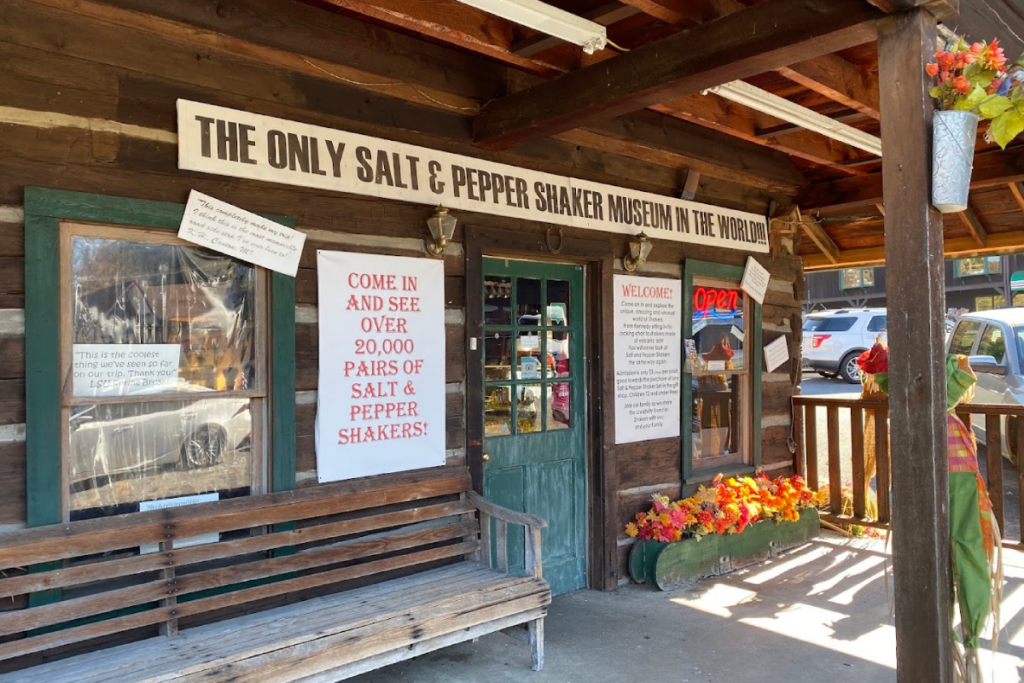
12. Salt and Pepper Shaker Museum, Gatlinburg
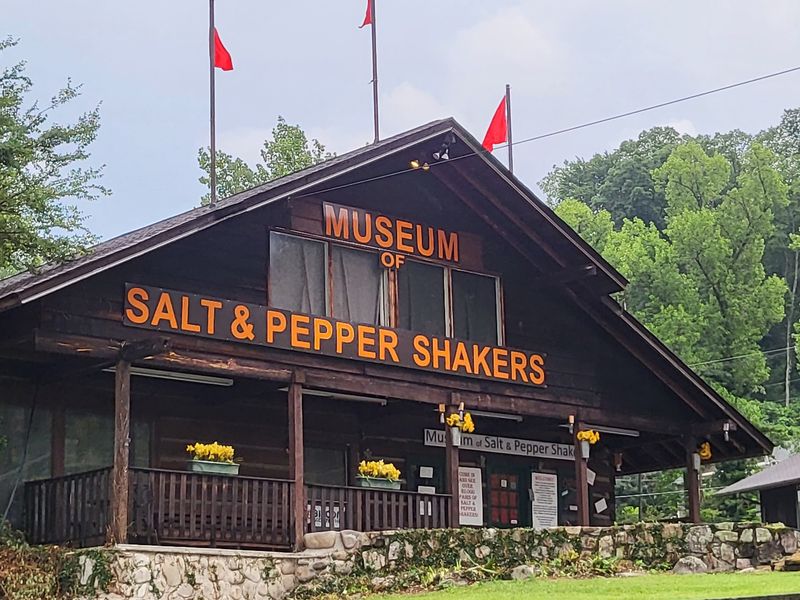
Sometimes the best museums celebrate the wonderfully weird, and this Gatlinburg gem definitely qualifies. Housing over 20,000 salt and pepper shaker sets, this is the world’s only museum dedicated entirely to these humble table accessories.
What sounds like a joke turns out to be genuinely fascinating, revealing how everyday objects reflect changing tastes, technologies, and cultural trends.
The collection spans from the 1800s to modern times, with shakers in every imaginable shape, size, and material. You’ll see elegant porcelain sets, kitschy tourist souvenirs, advertising premiums, and handcrafted art pieces.
Some are beautiful, others are bizarre, and many are hilarious in ways their creators probably never intended.
Themed displays organize shakers by category: animals, holidays, occupations, transportation, and more. The sheer variety is astonishing.
Who knew people made salt and pepper shakers shaped like outhouses, Elvis heads, or anatomically correct vegetables? The museum proves that collectors will pursue absolutely anything with passion and dedication.
Owner Andrea Ludden started collecting as a child and never stopped. Her enthusiasm is infectious, and the museum’s playful spirit makes visitors smile.
Informational cards explain the history and significance of notable sets, connecting these small objects to broader social and design history.
Admission costs just a few dollars, making this one of Gatlinburg’s best entertainment values. The museum occupies a cozy space where you can view everything in 30 to 45 minutes, though true enthusiasts could linger much longer studying individual pieces.
Kids love spotting familiar characters and funny shapes among the thousands of sets.
The attached gift shop sells salt and pepper shakers if you want to start your own collection. This quirky museum reminds us that passion and curiosity can transform even the most ordinary objects into windows on human creativity and culture.
13. McClung Museum of Natural History & Culture, Knoxville
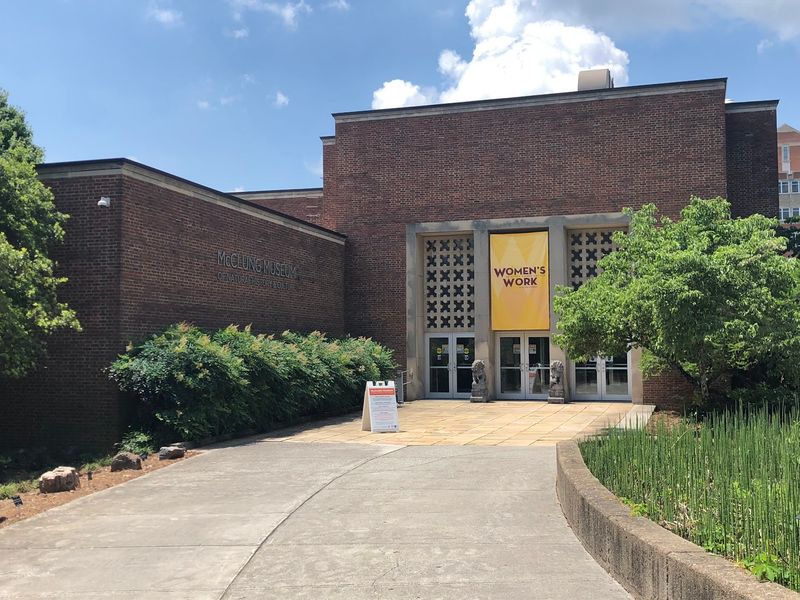
University museums often fly under tourists’ radar, but the McClung Museum at the University of Tennessee rivals any natural history museum in the region. Free admission makes it even more appealing for families and curious travelers exploring Knoxville.
Collections span geology, archaeology, anthropology, and decorative arts, offering something for virtually every interest.
The Ancient Egypt exhibit captivates visitors with mummies, hieroglyphic artifacts, and everyday objects from pharaonic times. You’ll see jewelry, pottery, and funerary items that connect ancient Mediterranean civilizations to Tennessee through the universal human experiences of birth, death, and everything between.
Detailed explanations make Egyptian culture accessible without oversimplifying its complexity.
Tennessee archaeology exhibits showcase the state’s rich prehistoric heritage, from Paleo-Indian projectile points to Mississippian pottery and ceremonial objects. The museum’s connection to UT’s strong anthropology program means displays reflect current scholarship and research.
You’re seeing artifacts studied by the same professors who excavated them, adding authenticity and depth.
Natural history galleries feature fossils, minerals, and animal specimens illustrating Tennessee’s geological and biological diversity. The dinosaur fossils always draw crowds, especially younger visitors who can’t get enough of prehistoric creatures.
Interactive displays explain plate tectonics, evolution, and ecological relationships in ways that engage without overwhelming.
Decorative arts collections include furniture, textiles, and household objects showing how Tennesseans lived across different eras and social classes. Rotating exhibitions bring in collections from other institutions, ensuring repeat visitors find fresh content.
The museum also hosts lectures, film screenings, and family programs throughout the year.
Located on UT’s campus, the museum is easy to reach and offers free parking nearby. You could spend anywhere from an hour to half a day depending on your interests and how thoroughly you explore each gallery.
The quality of exhibits and research behind them rivals major metropolitan museums, making this an absolute treasure that costs nothing to experience.