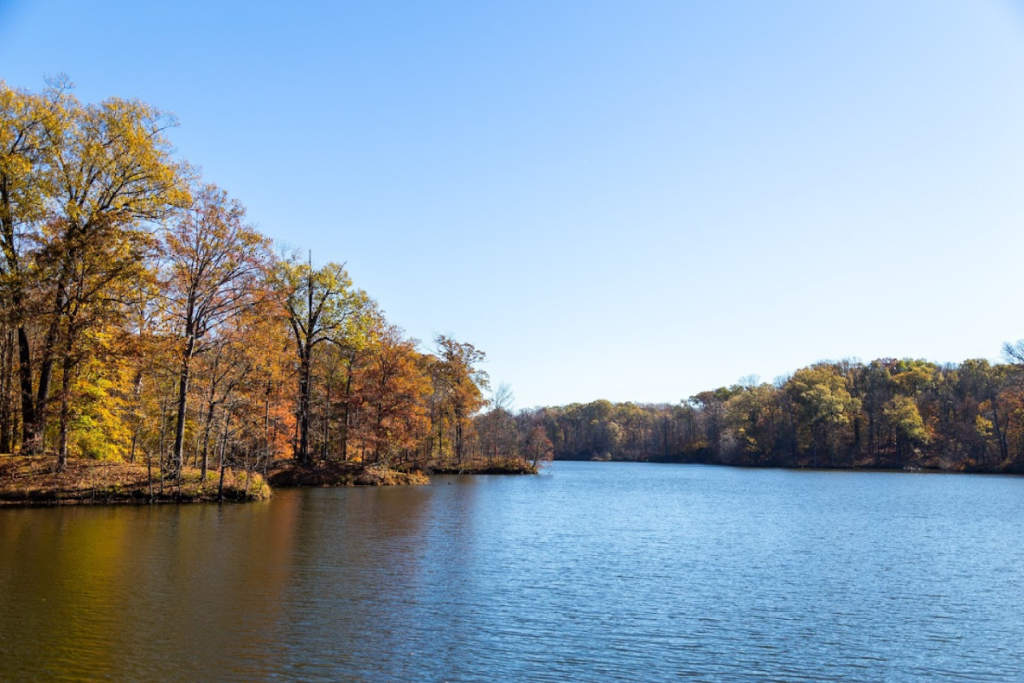
Tennessee transforms into a breathtaking canvas when fall arrives, and the best way to witness this magic is by hitting the trails. Whether you’re craving golden leaves crunching underfoot or the crisp air that makes every breath feel refreshing, these easy paths deliver all the autumn vibes without requiring serious hiking skills.
From misty mountain loops to peaceful lakeside strolls, each trail offers a front-row seat to nature’s most colorful show of the year.
1. Doe River Gorge – Hampton
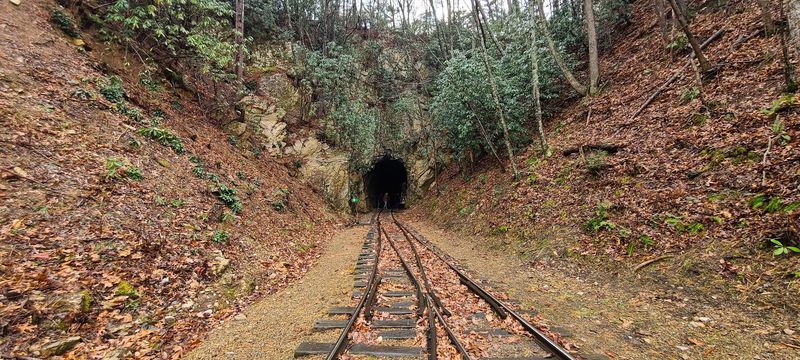
Tucked away in the northeastern corner of Tennessee, this gorge offers something most trails can’t match: dramatic rock walls rising hundreds of feet while a river rushes below. The path winds through a landscape that feels almost prehistoric, especially when fall colors paint the cliffsides in shades of amber and crimson.
You’ll cross wooden bridges and navigate sections where the trail hugs the gorge wall, giving you constantly changing perspectives of the valley.
Early autumn here means watching the transformation happen in layers. Trees at higher elevations turn first, creating a gradient effect that photographers dream about.
The sound of water echoing off rock faces adds an atmospheric quality that makes every step feel like a discovery.
What makes this trail particularly special for fall spotting is how the gorge acts as a natural frame for the changing leaves. Instead of just walking through woods, you’re surrounded by vertical walls decorated with foliage.
The cooler microclimate in the gorge means leaves often hold their color longer than exposed areas.
Families appreciate the moderate difficulty level, though some rocky sections require paying attention to foot placement. The trail isn’t paved, but it’s well-maintained enough that kids and older hikers handle it without trouble.
Bring a camera, because the combination of water, rock, and autumn color creates scenes you’ll want to remember.
Timing your visit for mid-October usually hits peak color, though higher elevations can start showing off by late September. Mornings bring mist rising from the river, creating an ethereal quality that makes fall foliage look even more magical.
The gorge stays relatively uncrowded compared to more famous Tennessee destinations, giving you space to enjoy nature’s show without jostling for views.
2. Lake Trail – Radnor Lake State Natural Area, Nashville
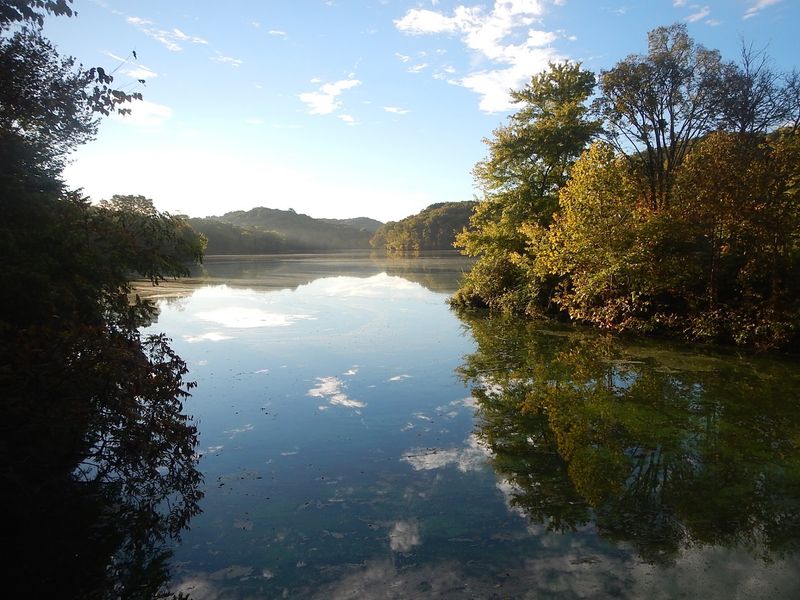
Right in Nashville’s backyard sits a nature preserve that feels miles away from city life. This paved loop hugs the shoreline of a pristine lake where reflections double the beauty of every red maple and yellow hickory.
The flat, accessible path makes it perfect for anyone who wants maximum fall color with minimal effort.
Radnor Lake acts like a mirror on calm days, creating symmetrical scenes that look almost too perfect to be real. Geese and herons don’t mind sharing their space with visitors, often posing near the water’s edge while leaves drift down around them.
The preserve’s protected status means the forest here grows thick and healthy, producing some of the most reliable fall displays in Middle Tennessee.
Early morning visits reward you with fog hovering over the water and wildlife actively feeding before crowds arrive. The lake’s stillness at dawn makes leaf reflections incredibly sharp, and you might spot deer coming down to drink.
By mid-morning, the trail fills with walkers, but the 2-mile loop provides enough space that it never feels congested.
Because this trail stays open year-round and requires no special skills, it’s become a favorite for Nashville residents introducing friends to Tennessee’s natural beauty. The paved surface means strollers and wheelchairs navigate easily, making fall accessible to everyone.
Benches positioned at scenic overlooks invite you to sit and watch leaves spiral down onto the glassy water.
Peak color typically arrives in late October here, slightly later than mountain areas because of the lower elevation. The mix of tree species ensures a long color season, with different varieties peaking at different times.
Sweet gums turn deep purple while oaks shift to russet, creating a palette that evolves throughout autumn rather than hitting one spectacular week and fading.
3. Cades Cove Nature Trail – Great Smoky Mountains National Park, Townsend
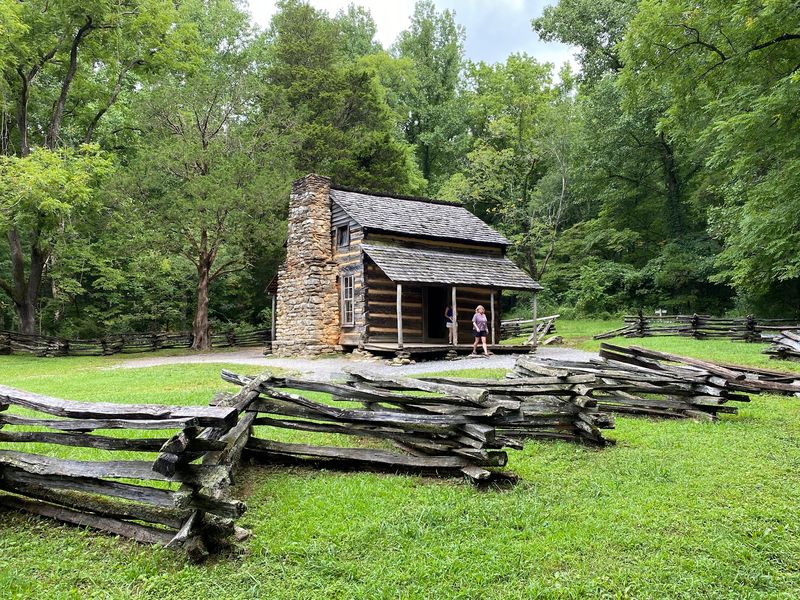
Imagine walking through a valley where history and nature blend so seamlessly you can almost hear echoes of the past. This short nature trail branches off from the famous Cades Cove Loop Road, offering an intimate look at both pioneer structures and spectacular autumn scenery.
Old cabins sit surrounded by trees exploding in fall color, creating postcard-perfect scenes at every turn.
The Great Smokies earn their reputation as one of America’s best fall destinations, and this easy trail delivers that experience without the grueling climbs. You’re walking through a preserved settlement where families once farmed these fields, and autumn brings the same colors they would have seen preparing for winter.
Split-rail fences frame views of mountains layered in increasingly distant shades of blue and gold.
Wildlife viewing peaks during fall as bears fatten up before hibernation and deer move through the meadows. The open landscape of Cades Cove means you can spot animals from safe distances, unlike denser forest trails where encounters happen suddenly.
Turkeys strut across paths, seemingly unimpressed by photographers trying to capture them against the autumn backdrop.
What sets this trail apart is the combination of cultural history and natural beauty. You’re not just looking at pretty leaves but experiencing how settlers lived among these mountains.
Old apple trees planted by pioneers still produce fruit, attracting wildlife and adding their own golden foliage to the mix.
Crowds can be substantial during peak fall weekends, but the nature trail sees less traffic than the main loop road. Going early or late in the day helps you avoid congestion while catching the best light for photography.
The flat, well-maintained path works for all fitness levels, though popularity means you’ll share the experience with other leaf-peepers. Mid-October usually brings peak color to this elevation, creating scenes that justify every bit of the park’s fame.
4. Seven Islands Loop Trail – Seven Islands State Birding Park, Kodak
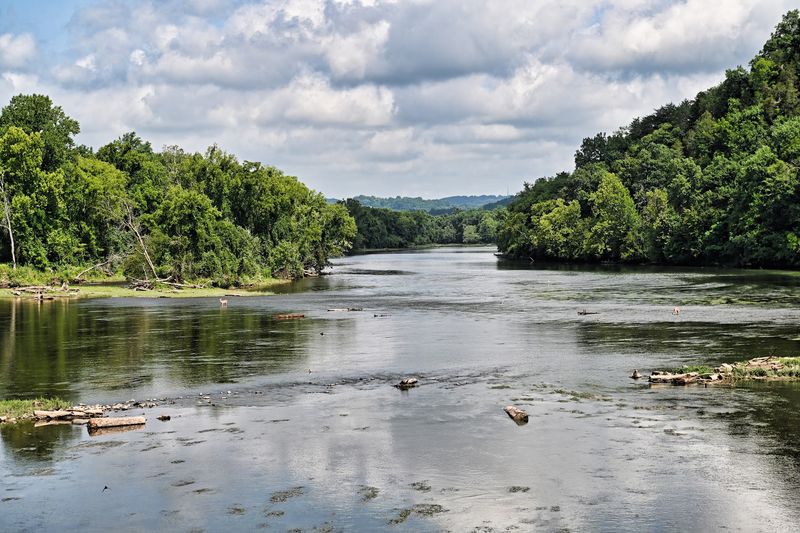
Where the French Broad River meanders through East Tennessee, this trail system offers something different: fall colors reflected in moving water and framed by open meadows. Instead of dense forest, you’re walking through a landscape of grasslands dotted with tree groves, giving you long views of distant ridges painted in autumn hues.
The variety of habitats packed into this loop means constant scenery changes.
Bird enthusiasts flock here year-round, but fall migration adds extra excitement to an already beautiful season. Hawks ride thermals above ridges while songbirds rest in riverside thickets during their southern journey.
The open terrain makes spotting wildlife easier than in closed-canopy forests, and autumn’s cooler temperatures bring animals out during daylight hours.
River access points along the trail let you get right down to the water’s edge, where sycamores shed their leaves onto sandbars. The French Broad runs wide and relatively calm through this section, creating peaceful scenes quite different from rushing mountain streams.
On sunny fall days, the water takes on a deep blue-green color that contrasts beautifully with golden foliage.
The loop’s gentle terrain and well-marked paths make navigation stress-free, letting you focus on the scenery rather than worrying about getting lost. Multiple trail options mean you can customize your distance, from a quick 2-mile stroll to a longer 5-mile exploration.
Families with young children appreciate the relatively flat ground and the excitement of spotting wildlife.
Because this park emphasizes birding, benches and observation areas are strategically placed for watching both wildlife and fall color. You can take breaks while scanning treetops for migrating warblers or simply enjoying the way afternoon light illuminates turning leaves.
Late October typically brings peak color here, with the lower elevation meaning a slightly later show than mountain areas. The combination of river, meadow, and forest creates a diverse fall palette that keeps changing as you walk.
5. Storybook Trail – Warriors’ Path State Park, Kingsport
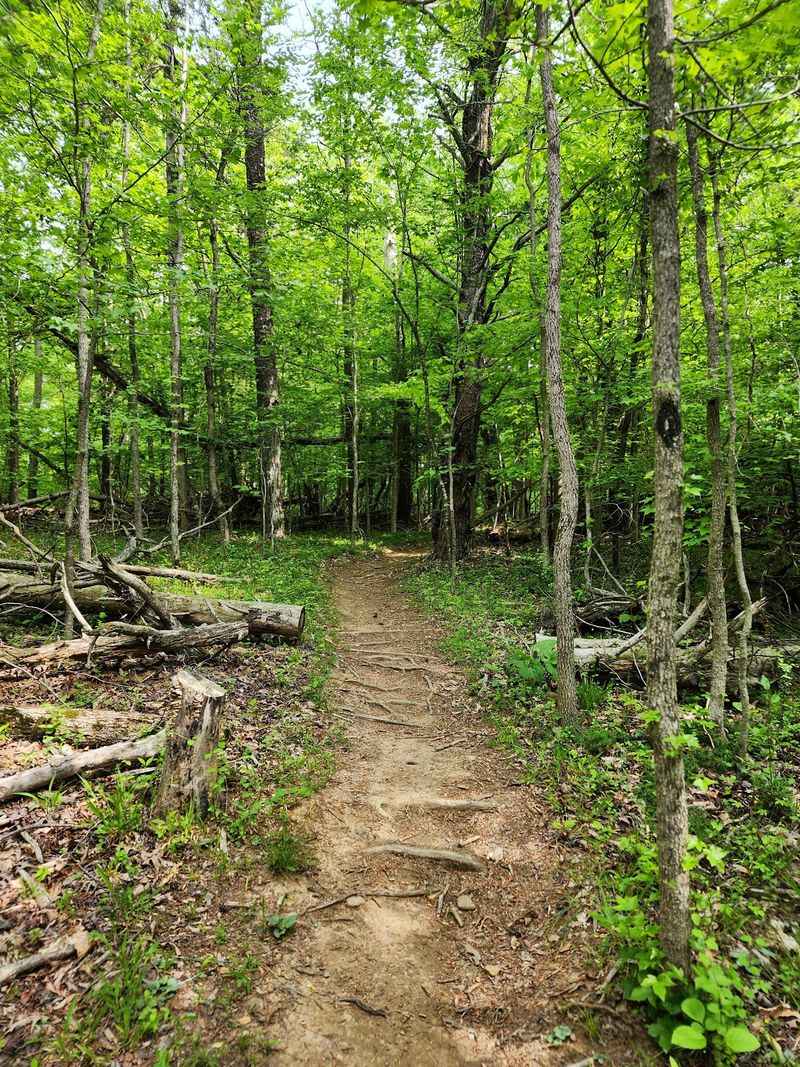
Here’s a trail that turns a fall walk into an adventure for young readers. Pages from children’s books are mounted along the path, creating a story that unfolds as you hike.
Kids stay motivated to keep moving because they want to know what happens next, while parents enjoy watching leaves crunch underfoot and colors pop against the sky.
The genius of this concept is how it combines physical activity with literacy in a setting that celebrates autumn. Instead of dragging reluctant kids through nature, you’re following a narrative that makes the journey feel purposeful.
The selected books often have seasonal themes, making the experience feel cohesive with the fall surroundings.
Warriors’ Path State Park provides a gorgeous backdrop for this creative trail. Mature trees form a canopy that filters sunlight into golden beams during autumn afternoons.
The path stays wide and smooth enough for strollers, making it genuinely accessible for families with children of all ages. Benches appear regularly, perfect for sitting while you read each page together.
What makes this particularly special for spotting fall’s first signs is how it slows you down. Racing through a trail means missing subtle changes, but stopping to read gives you time to notice leaves just starting to turn or feel the temperature shift as seasons change.
Kids point out acorns, interesting bark patterns, and wildlife while moving between story pages.
The trail changes books periodically, giving repeat visitors new stories to discover. This means you can return throughout fall and have a different experience each time.
Local families treat it as a regular outing, watching both the story and the season progress with each visit.
September and early October work beautifully here, catching those first hints of color change rather than waiting for peak. The gentle nature of the trail means even the youngest hikers complete it successfully, building confidence while creating positive associations with outdoor activity.
It’s proof that experiencing fall doesn’t require wilderness expeditions when creativity brings nature to life right where you are.
6. Grundy Lakes Lone Rock Trailhead – Tracy City
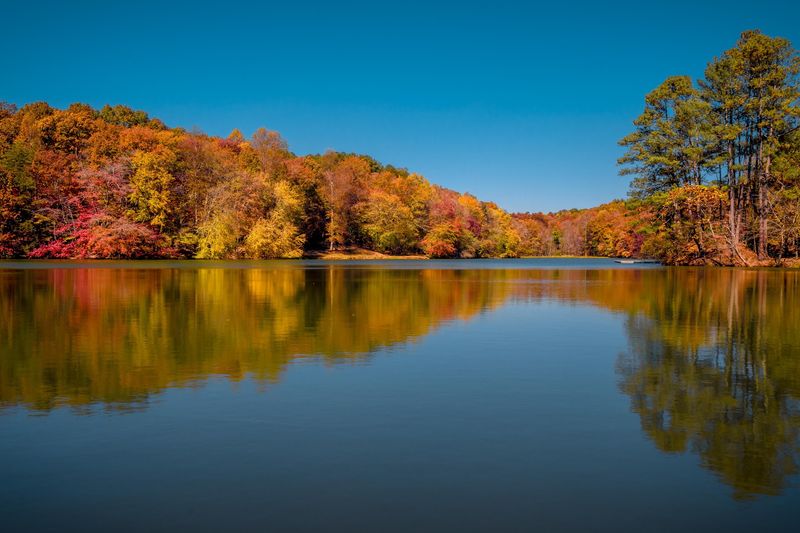
On the Cumberland Plateau, an unexpected landscape awaits: crystal-clear lakes created by old mining operations, now reclaimed by nature and spectacular in fall. The Lone Rock Trail leads you past water so blue it looks tropical, framed by sandstone bluffs and forests that explode in color come autumn.
This trail tells a story of industrial history transformed into natural beauty.
The lakes reflect surrounding trees like mirrors, doubling the visual impact of fall foliage. When leaves drift onto the water’s surface, they create natural art installations that shift with every breeze.
The plateau’s elevation means cooler temperatures arrive earlier, often bringing color changes by late September while lower areas still look summery.
Walking this trail feels like discovering a secret. Despite being a state natural area, it doesn’t draw massive crowds like more famous Tennessee destinations.
You can find yourself alone with the view, watching leaves spiral down onto impossibly clear water while listening to nothing but wind in the trees. The mining remnants add an intriguing element, reminding you that nature reclaims everything given enough time.
The trail’s moderate difficulty includes some elevation changes but nothing requiring technical skills. Rocky sections demand attention, especially when leaves make surfaces slippery, but the payoff comes in views that feel worth every careful step.
Photographers love the combination of water, rock, and foliage, often spending hours capturing different angles as light changes.
Fall brings perfect hiking weather to the plateau, with temperatures significantly cooler than Tennessee’s valleys. Pack a light jacket even on sunny days, because the elevation and breeze can surprise you.
The crisp air enhances the experience, making every breath feel invigorating while you walk through autumn’s display.
Peak color varies by year but generally arrives in mid-October here. The mix of hardwoods ensures a diverse palette, with hickories turning golden, maples blazing red, and oaks adding russet tones.
The plateau’s unique ecosystem includes species you won’t see at lower elevations, creating a fall experience distinct from other Tennessee trails.
7. Paved Loop Trail – Ijams Nature Center, Knoxville

Right in Knoxville, a nature center proves you don’t need wilderness to experience spectacular fall color. The paved loop takes you past a stunning quarry lake, through forests, and along boardwalks that seem to float through wetlands.
Accessibility meets beauty here, with a surface smooth enough for wheelchairs and strollers but scenery wild enough to feel like an escape.
The old marble quarry creates a centerpiece unlike any other trail on this list. Sheer rock walls drop into deep blue-green water, and autumn trees growing along the rim provide a colorful crown to the dramatic geology.
Viewing platforms let you stop and absorb the scene without blocking the path for others, and benches invite longer contemplation of how nature and human history intersect.
Because this loop connects to longer trail systems, you can customize your experience based on energy levels and time available. The paved section alone provides plenty of fall beauty, but adventurous visitors can branch onto natural-surface paths that climb into hillier terrain.
This flexibility makes it perfect for groups with varying abilities who want to hike together.
Ijams attracts a steady stream of Knoxville residents using it as their go-to nature spot, creating a friendly, community atmosphere. You’ll see runners, dog walkers, families, and retirees all sharing the trail peacefully.
The center’s educational programs mean you might encounter school groups learning about ecology, adding an element of enthusiasm to the environment.
Fall programming at Ijams often includes guided nature walks focusing on seasonal changes, perfect for learning to identify trees by their autumn colors. Even without a guide, interpretive signs help you understand what you’re seeing.
The center’s commitment to education enhances the experience beyond just pretty scenery.
Peak color typically arrives in late October, with the urban heat island effect of Knoxville sometimes delaying changes slightly compared to rural areas. The diverse plantings include both native and ornamental species, creating an extended color season.
Early mornings bring mist rising from the quarry lake, creating atmospheric conditions that make fall foliage look even more magical through the soft light.
8. Lake Trail – Montgomery Bell State Park, Burns
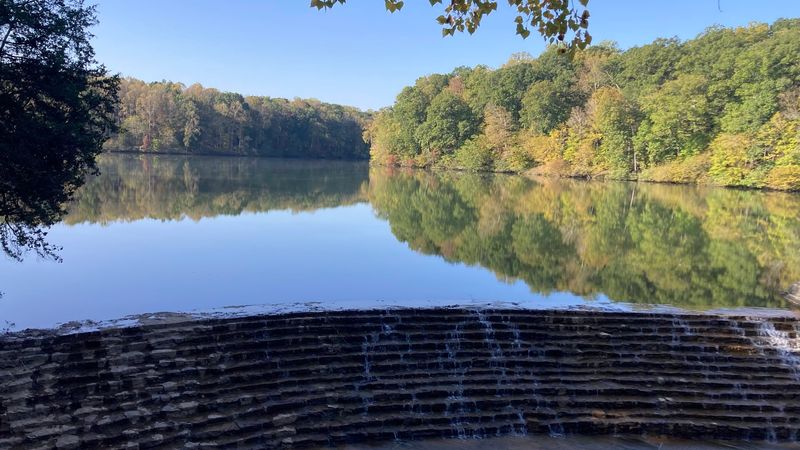
In the rolling hills west of Nashville, this lake trail offers the kind of peaceful fall experience that feels increasingly rare. The path circles a serene lake where fishing is popular and autumn reflections create scenes straight out of landscape paintings.
Middle Tennessee’s gentle terrain means easy walking paired with views that stretch across water to tree-covered ridges.
Montgomery Bell State Park doesn’t get the attention of more famous destinations, which works in your favor during fall. You can walk this trail on a perfect October afternoon and have long stretches to yourself.
The solitude enhances the experience, letting you hear leaves rustling and water lapping without competing noise from crowds.
The lake’s irregular shoreline creates constantly changing perspectives as you walk. One moment you’re under a canopy of turning maples, the next you’re out in the open with panoramic views across the water.
Small coves and inlets add visual interest, and the occasional dock or fishing pier provides foreground elements that make photos more compelling.
Wildlife thrives in this protected environment, with deer frequently spotted near the water’s edge during early morning or evening hours. Waterfowl gather on the lake during fall migration, and patient observers might spot herons fishing in shallow areas.
The combination of forest and water habitats supports diverse species, making every walk feel like a potential discovery.
The trail’s easy grade and well-maintained surface make it genuinely accessible for hikers of all abilities. Families with young children complete it without difficulty, and older adults appreciate the lack of challenging climbs.
The loop’s length provides enough exercise to feel worthwhile without becoming exhausting.
Fall color peaks here in late October, with the lower elevation and protected valley location creating a slightly extended season. The park’s mature forest includes a good mix of species, ensuring color variety rather than a monochrome display.
Sweet gums add purple tones, hickories provide gold, and maples contribute classic reds. On calm days, the reflections in the lake double every bit of color, creating scenes that justify the drive from Nashville or surrounding areas.
9. Mayo Wix Memorial Trail – Long Hunter State Park, Hermitage
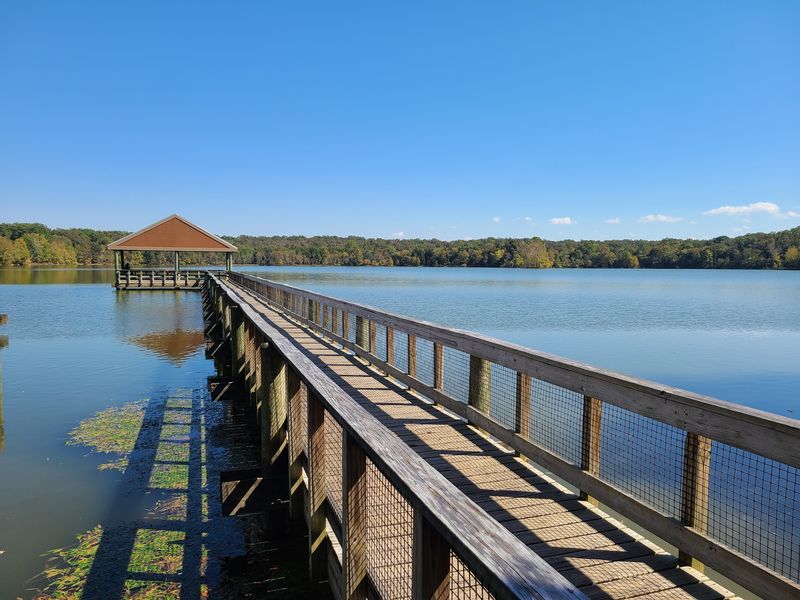
Skirting the shores of Percy Priest Lake just outside Nashville, this trail combines water views with forest walking in a package that feels more remote than its proximity to the city suggests. The path winds through areas where the lake creates fingers of water reaching into wooded coves, and fall turns the whole scene into a tapestry of color reflected in every calm inlet.
Named as a memorial, the trail carries a sense of peace that seems appropriate for its purpose. The thoughtful route planning takes you through varied terrain without ever becoming difficult, creating a meditative quality enhanced by autumn’s beauty.
Benches placed at scenic overlooks invite you to pause and appreciate both the view and the season.
The lake’s presence creates a unique microclimate that affects how and when fall colors develop. Trees near the water often hold their leaves longer, creating an extended viewing season.
The combination of lake breezes and protected coves means you might see dramatic color differences within short distances, with exposed ridges turning while sheltered areas stay green.
Long Hunter State Park attracts a mix of users, from serious hikers tackling longer routes to casual walkers enjoying the easier sections. The Mayo Wix Trail falls into the accessible category, making it perfect for introducing friends or family to Tennessee’s fall beauty without intimidating them.
The well-marked path and moderate length create a low-stress experience that lets you focus on enjoyment rather than navigation.
Because Percy Priest Lake is a popular recreation area, you’ll see boats and paddlers enjoying the water during nice fall weekends. The activity adds interest without overwhelming the natural setting, and watching sailboats glide past colorful shorelines creates a distinctly Tennessee scene.
The integration of water recreation and hiking feels seamless rather than conflicting.
Peak color arrives in late October typically, with the Nashville area’s climate creating a reliable but not extremely early show. The trail’s length allows for a satisfying walk without requiring a full day commitment, perfect for squeezing in some nature time during busy schedules.
Morning light coming across the lake illuminates the foliage beautifully, making early starts worthwhile for photographers and anyone who appreciates seeing nature at its most peaceful.
10. Woodland Trail – Meeman-Shelby Forest State Park, Millington
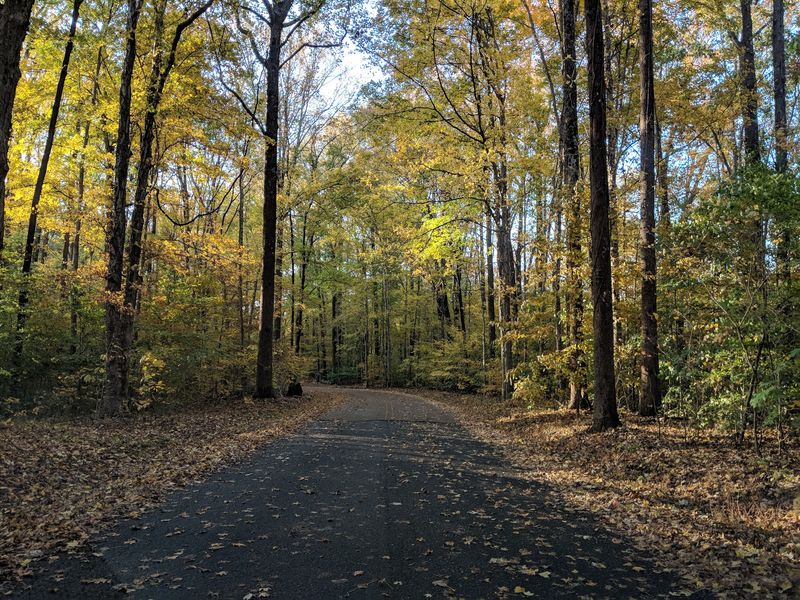
In West Tennessee’s Chickasaw Bluffs region, this trail showcases a different kind of fall experience. The bottomland hardwood forest creates an ecosystem distinct from mountain or plateau trails, with massive trees and a canopy so thick that walking underneath feels like entering a natural cathedral.
When autumn arrives, the scale of everything amplifies the color display.
Meeman-Shelby Forest sits near the Mississippi River, and that proximity influences everything from the soil to the species growing here. The forest floor stays relatively flat, making for easy walking, but the trees tower overhead in a way that creates genuine awe.
Sweetgums, oaks, and hickories reach impressive sizes, and their fall transformation happens on a grand scale.
The Woodland Trail lives up to its name by taking you deep into forest where civilization feels distant. Despite being close to Memphis, the density of vegetation and the careful preservation create an immersive natural experience.
Bird songs echo through the canopy, and the crunch of leaves underfoot becomes the dominant sound. This sensory simplicity lets you truly disconnect and focus on seasonal changes.
Boardwalk sections protect sensitive wetland areas while giving you access to environments you couldn’t otherwise explore. These elevated walkways provide unique perspectives, letting you look into the forest canopy at eye level with turning leaves.
The contrast between dry upland and wet bottomland areas creates habitat diversity that supports abundant wildlife.
Fall migration brings impressive numbers of birds through this area, making it a hotspot for enthusiasts with binoculars. Even casual observers notice the increased activity as warblers, thrushes, and other species rest and feed during their southern journey.
The combination of bird watching and fall color viewing creates a rich experience that engages multiple interests.
Peak color comes slightly later here than in East Tennessee mountains, usually hitting its stride in early November. The bottomland hardwood species create a palette heavy on golds and russets rather than brilliant reds, giving West Tennessee’s fall a distinct character.
The forest’s maturity and protection mean reliable displays year after year, making this trail a dependable choice for experiencing autumn’s arrival in the western part of the state.
11. Lake Placid Trail – Chickasaw State Park, Henderson
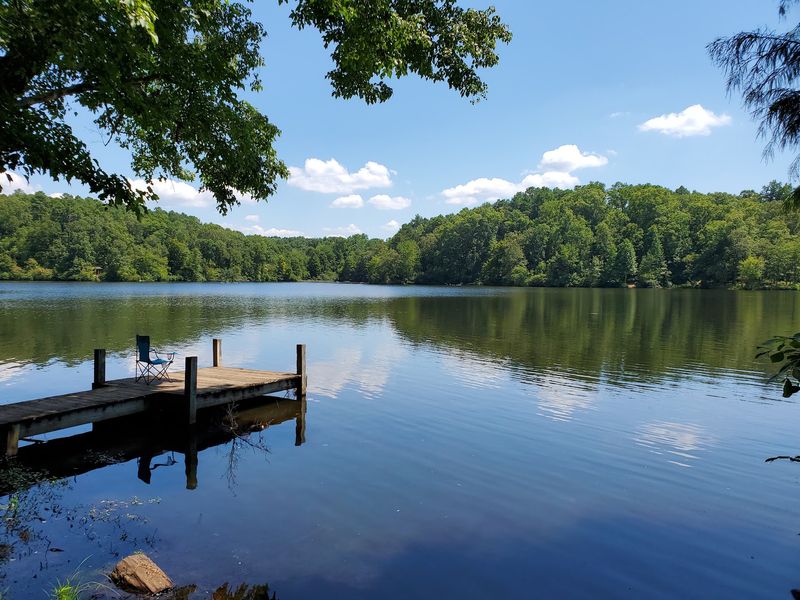
Out in West Tennessee, where the landscape flattens and the vibe shifts from mountains to gentle hills, this lake trail delivers fall beauty with a distinctly different character. Lake Placid creates a centerpiece for the park, and the trail circling it provides constantly changing views of water framed by autumn foliage.
The peaceful atmosphere makes it feel like a hidden gem despite being a state park.
Chickasaw’s forests lean toward the species mix found in the western part of the state, creating fall colors that emphasize golds and ambers over the brilliant reds common in eastern mountains. This subtler palette has its own beauty, especially when reflected in the lake’s calm surface.
Cypress trees add their russet needles to the mix, creating textures and tones you won’t find on Tennessee’s eastern trails.
The trail’s easy grade and good maintenance make it accessible for families and anyone preferring a relaxing walk over a workout. You can complete the loop at a leisurely pace, stopping frequently to enjoy views without feeling rushed.
The park’s relative quiet compared to more famous destinations means you often have the trail largely to yourself, creating an intimate experience with nature.
Fishing is popular at Lake Placid, and you’ll likely see anglers trying their luck from the shore or small boats. The activity adds a human element without disrupting the natural setting, and watching someone land a fish while surrounded by fall color creates a quintessentially Tennessee moment.
The integration of recreation and nature feels balanced and appropriate.
Wildlife viewing opportunities abound, with deer frequently spotted near the lake and various bird species taking advantage of the water and surrounding forest. The park’s protected status and relatively low visitor numbers mean animals behave more naturally, often allowing closer observation than in heavily trafficked areas.
Patient visitors willing to sit quietly are often rewarded with memorable encounters.
Fall color peaks here in early November typically, with West Tennessee’s milder climate delaying the show compared to eastern regions. The extended growing season means trees hold their leaves longer, creating a gentler transition into winter.
The lake’s presence moderates temperature extremes, sometimes protecting nearby trees from early frosts that would trigger color changes. This creates a reliable but leisurely autumn display perfect for those who prefer nature’s changes to unfold slowly rather than in a dramatic rush.