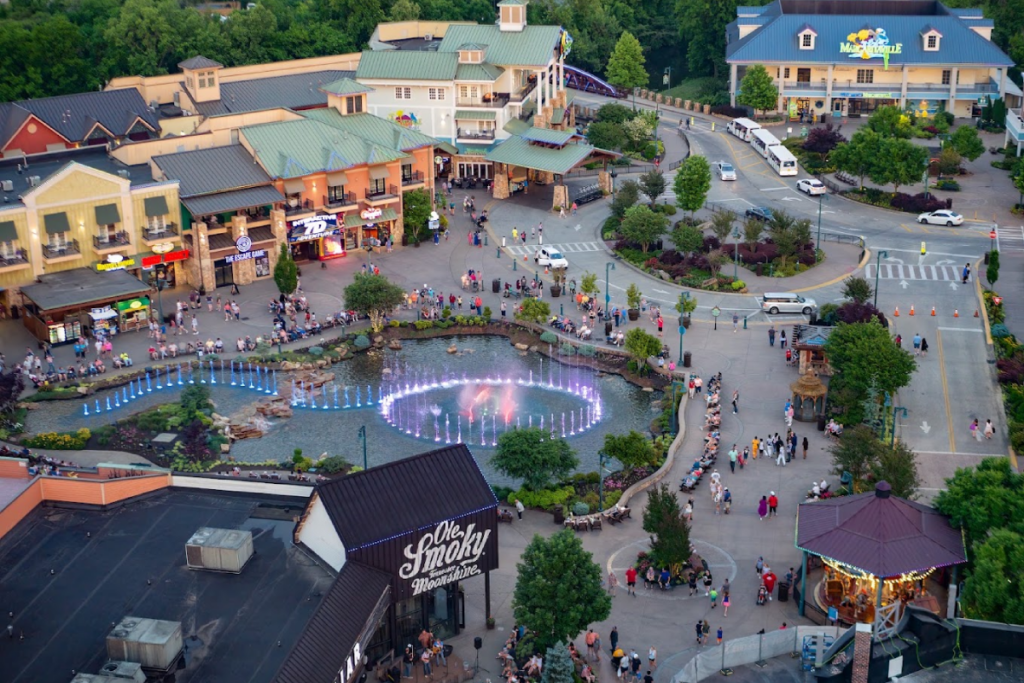
Tennessee has some incredible attractions that draw millions of visitors every year, but not every popular spot lives up to the hype. Some destinations that once offered authentic experiences have transformed into overcrowded, overpriced tourist magnets where the magic gets lost in the shuffle.
While these places still have their fans, many travelers walk away feeling like they paid too much for too little, surrounded by crowds and gimmicks instead of genuine Tennessee charm.
1. Downtown Gatlinburg
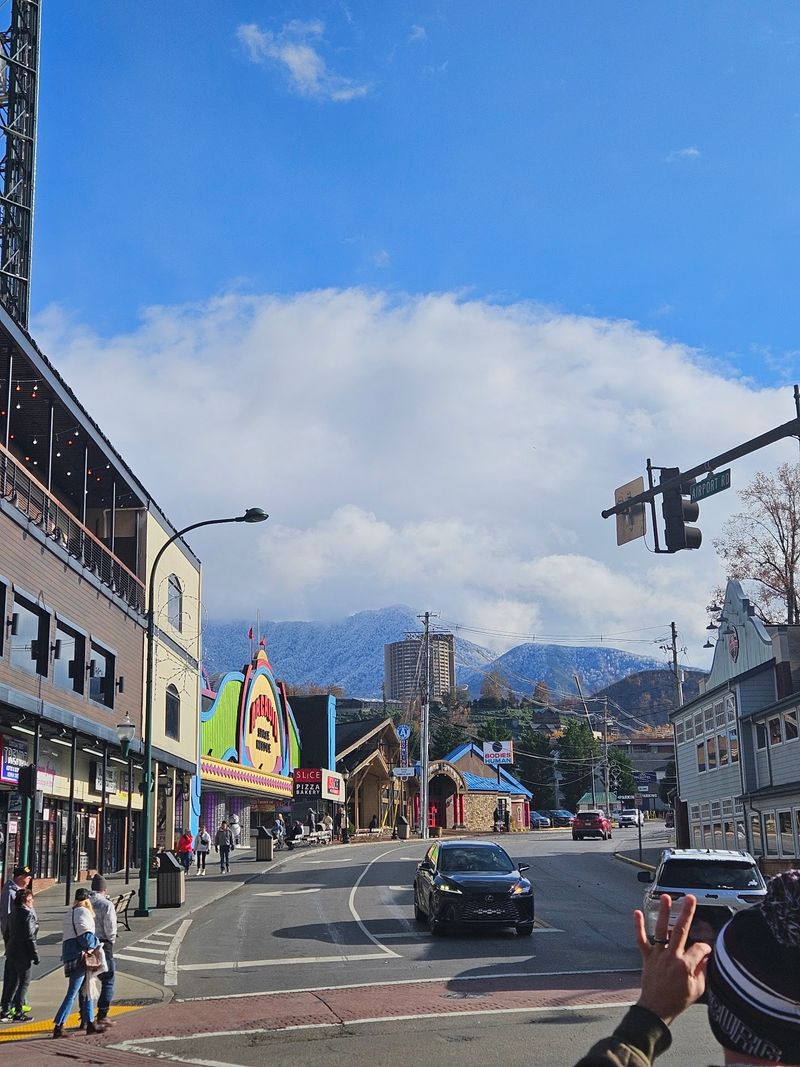
Walking through downtown Gatlinburg today feels more like navigating a shopping mall than exploring a mountain town. The main strip stretches for blocks, packed shoulder-to-shoulder with fudge shops, t-shirt stores, and attractions that seem designed to separate you from your wallet as quickly as possible.
What was once a charming gateway to the Smokies has morphed into a neon-lit gauntlet of tourist traps.
Finding parking alone can turn into a nightmare, especially during peak seasons when cars inch along at a crawl. You’ll pay premium prices for spots that might be blocks away from where you actually want to go.
Once you’re on foot, the sidewalks overflow with people, making it nearly impossible to enjoy a leisurely stroll or actually see the mountains you came to visit.
The shops themselves rarely offer anything unique or locally made. You’ll see the same mass-produced souvenirs in store after store, with price tags that make you wonder if they’re selling actual gold-plated keychains.
Restaurants pack tables so tightly together you can hear your neighbor’s entire conversation, and the wait times for mediocre food can stretch past an hour.
Sure, some folks love the energy and excitement of all the activity. Kids might enjoy the arcades and candy stores lining every corner.
But if you’re hoping for authentic Appalachian culture or peaceful mountain vibes, downtown Gatlinburg will leave you disappointed and probably broke.
The irony hits hardest when you realize the Great Smoky Mountains National Park sits just minutes away, offering everything Gatlinburg pretends to provide: natural beauty, fresh air, and experiences that don’t require maxing out your credit card. Skip the downtown chaos and head straight for the trails instead.
Your wallet and sanity will thank you for avoiding this overcrowded tourist circus.
2. Lower Broadway
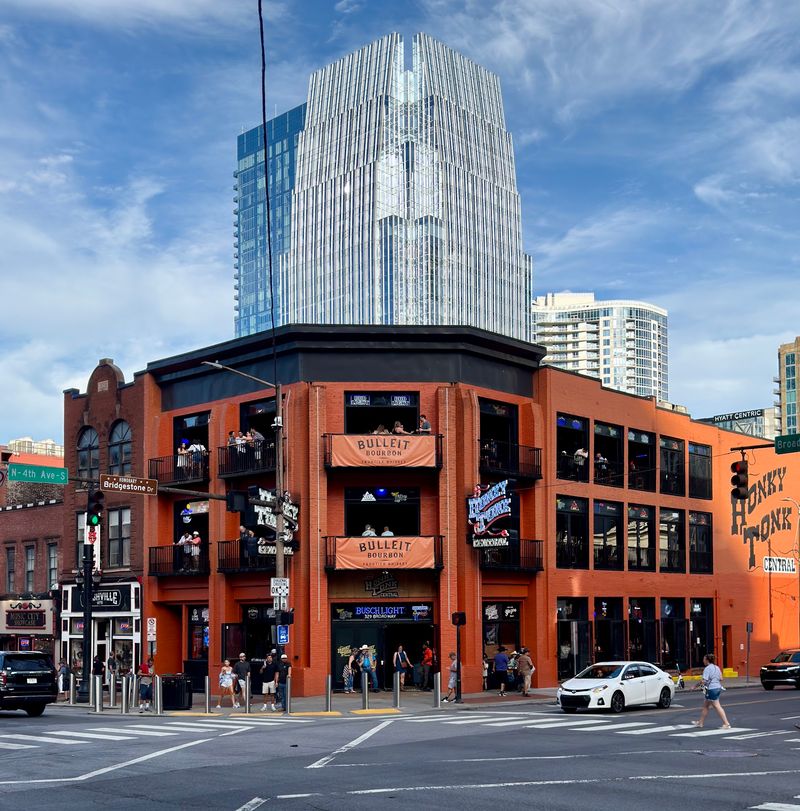
Nashville’s Lower Broadway used to be where real country music happened, where you could catch tomorrow’s stars playing in intimate venues for tips and beer money. Those days are long gone.
Now it’s basically a four-block bachelorette party that never ends, with pedal taverns blocking traffic and cover bands playing the same five songs on repeat.
The honky-tonks themselves have lost their soul. What were once gritty music venues with character have become corporate entertainment machines.
You’ll pay a cover charge at many spots now, which would’ve been unthinkable years ago. The musicians are talented, sure, but they’re often playing to crowds more interested in their Instagram stories than the actual music.
Speaking of crowds, good luck moving on the sidewalks after 6 PM on any given night. You’ll dodge bachelorette groups in matching shirts, tourists stumbling between bars with giant novelty drinks, and street performers competing for attention.
The vibe feels more like Bourbon Street than Music City, with all the authenticity of a theme park.
Prices have skyrocketed to match the tourist demand. A simple beer that costs three dollars anywhere else will run you eight or nine bucks on Broadway.
Food options lean heavily toward fried everything, served at restaurant chains you could find in any city. Local flavor has been replaced by whatever sells to out-of-towners looking for their Nashville bucket-list experience.
The real kicker? Some of Nashville’s best music venues sit just blocks away in neighborhoods like East Nashville or Germantown, where you can actually hear yourself think and discover artists before they blow up.
Lower Broadway has become a caricature of itself, a place where authentic Nashville culture went to die under neon lights and tourist dollars.
3. The Island in Pigeon Forge
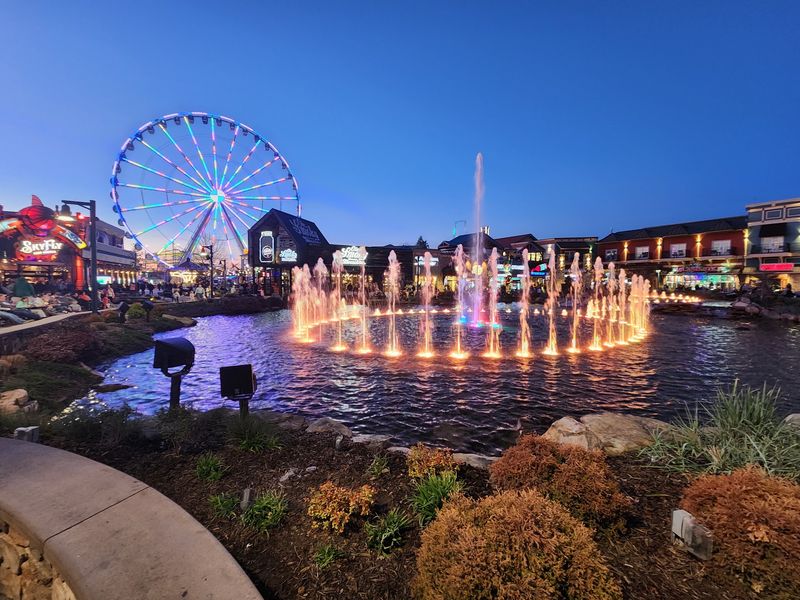
Pigeon Forge decided it needed an outdoor shopping and entertainment complex, and The Island was born. This sprawling development promises family fun and unique experiences, but delivers something closer to an outdoor mall with a giant Ferris wheel stuck in the middle.
The whole place feels manufactured, like someone’s idea of what a tourist destination should look like rather than anything organic or special.
The Great Smoky Mountain Wheel dominates the skyline, offering views you could get for free from countless pulloffs along nearby mountain roads. Yet people line up and pay premium prices for a climate-controlled gondola ride that lasts maybe ten minutes.
The fountain show draws crowds too, but it’s essentially the same water-and-lights spectacle you’ve seen at every mall and casino across America.
Shopping options lean heavily toward chains and tourist-targeted retailers selling overpriced merchandise. You won’t find many local artisans or unique Tennessee products here. Instead, expect the usual suspects: souvenir shops, candy stores, and outlets for national brands.
The prices rarely justify the convenience, especially when better shopping exists elsewhere in the area.
Restaurants follow the same pattern, offering mostly chain establishments or tourist-friendly concepts with inflated menus. Sure, the options are plentiful, but you’re paying for location and convenience rather than quality or authenticity.
A meal that should cost fifteen dollars anywhere else easily hits twenty-five or thirty here, and the food rarely exceeds mediocre.
The Island works hard to manufacture excitement through events and seasonal decorations, but the whole experience feels hollow. Families with young kids might find enough to keep everyone entertained for an evening, but anyone seeking genuine Tennessee culture or mountain charm will walk away underwhelmed.
It’s tourism at its most calculated and soulless, designed to extract maximum dollars while delivering minimum authenticity.
4. Graceland
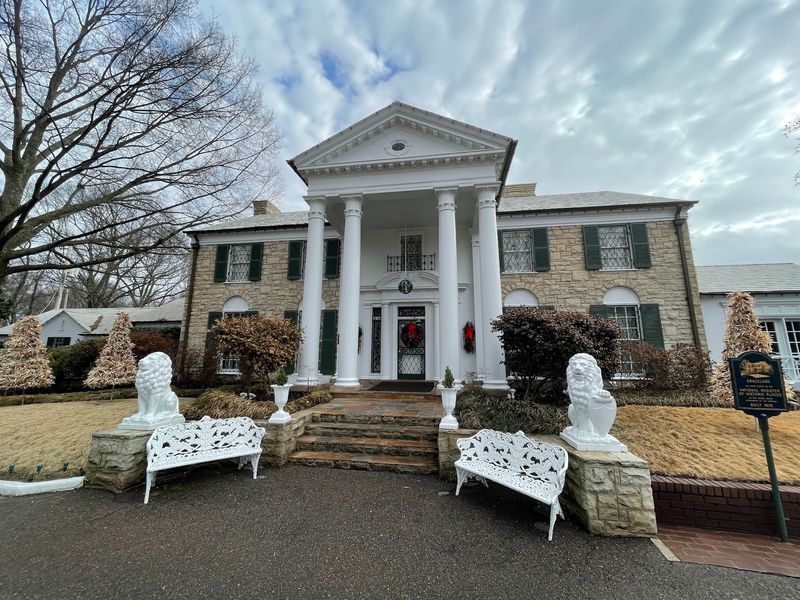
Elvis Presley’s former home has become a pilgrimage site for fans worldwide, but somewhere along the way, honoring The King’s memory took a backseat to maximizing revenue. Graceland now operates as a sprawling commercial enterprise where everything costs extra and the actual mansion tour feels almost like an afterthought.
You’ll pay dearly just to walk through a house that’s been frozen in 1970s decor.
The ticket prices alone will make you gasp, and that’s before you realize the basic admission doesn’t include half the exhibits. Want to see Elvis’s car collection? That’s extra. Interested in his planes? Pay more.
The pricing structure feels designed to nickel-and-dime visitors at every turn, turning what should be a respectful tribute into a money-making machine.
Even the mansion tour itself disappoints many visitors. You’re shuffled through on a strict schedule with an iPad audio guide, unable to linger or explore at your own pace.
The rooms feel smaller than you imagined, and you can’t even go upstairs where Elvis actually lived. For what you’re paying, the experience feels rushed and impersonal, like a factory processing tourists rather than preserving a legend’s legacy.
The complex surrounding the mansion has exploded into a mini-mall of Elvis-themed attractions, restaurants, and gift shops. You can’t escape the commercial atmosphere, with every corner offering another opportunity to buy Elvis merchandise at inflated prices.
The tackiness level reaches heights that would probably make Elvis himself cringe.
Die-hard Elvis fans might still find value in making the pilgrimage, but casual visitors often leave feeling ripped off. Memphis has incredible music history to explore, from Sun Studio to the Stax Museum, where you’ll find more authentic experiences for less money.
Graceland banks on Elvis’s name while delivering an overpriced, over-commercialized tourist trap that prioritizes profit over preservation.
5. Beale Street
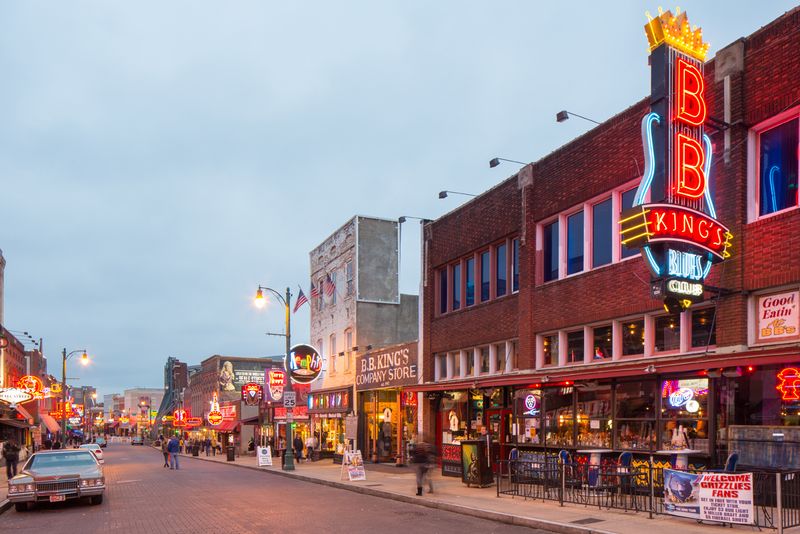
Memphis gave the world the blues, and Beale Street was ground zero for that musical revolution. Legends like B.B. King and Muddy Waters walked these blocks, creating sounds that changed American music forever. Today’s Beale Street?
It’s basically a three-block party zone where the blues gets drowned out by drunk tourists and cover charges.
The transformation from authentic music district to tourist playground happened gradually, but the result is unmistakable. Most venues now cater to visitors looking to check Beale Street off their bucket list rather than serious music fans.
You’ll hear more classic rock and pop covers than actual blues, played for crowds more interested in their next drink than the music’s rich history.
Daytime visits reveal a different problem: there’s not much to see. The street sits mostly empty and uninviting until evening, with shops selling generic Memphis souvenirs and restaurants serving mediocre barbecue at tourist prices.
The famous neon signs photograph well, but beyond that Instagram moment, the area lacks substance during daylight hours.
Once night falls and the crowds arrive, the street becomes an outdoor bar crawl with all the charm of a spring break destination. You’ll dodge bachelor parties, navigate around street performers competing for tips, and pay inflated prices for watered-down drinks in plastic cups.
The music spills from every doorway, but it all starts blending together into one forgettable noise.
The real tragedy is that Memphis still has incredible blues venues where authentic music thrives. Places like the Rum Boogie Cafe sometimes deliver genuine experiences, but you have to hunt for them among the tourist traps.
Beale Street trades on its legendary past while offering a present that’s mostly manufactured for visitors who wouldn’t know real blues if it hit them with a guitar.
6. Ruby Falls
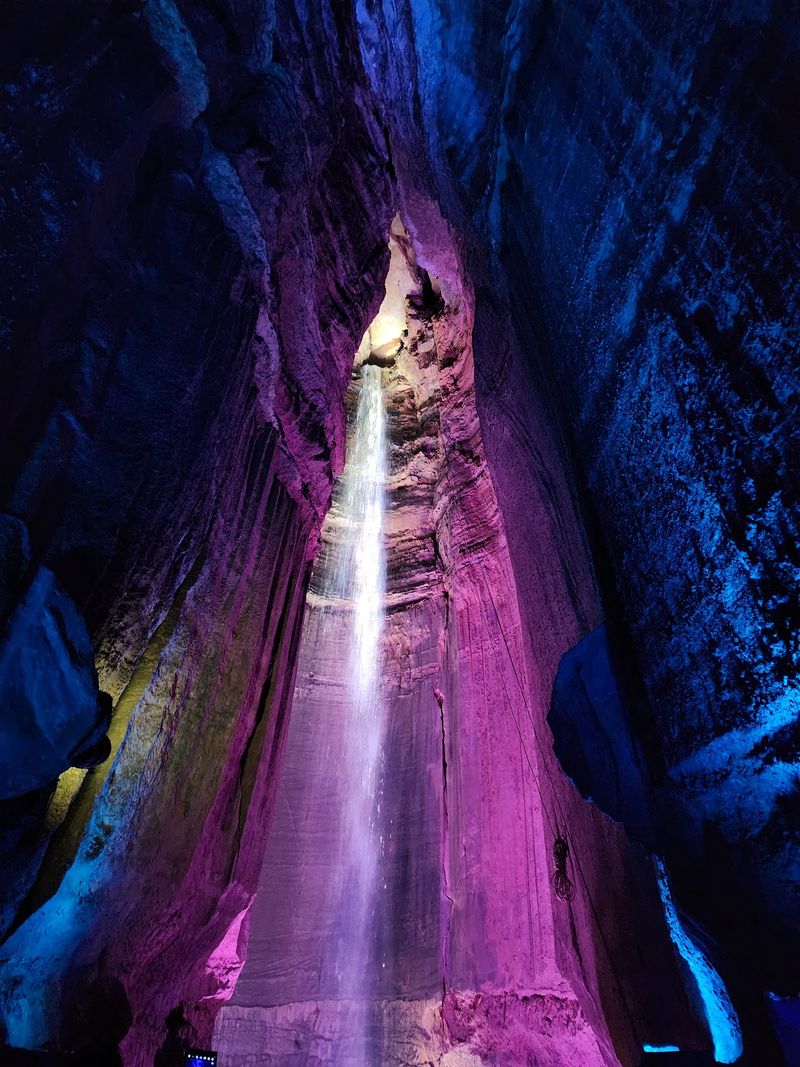
Lookout Mountain hides a 145-foot underground waterfall that sounds magical on paper. Ruby Falls has marketed itself as one of Tennessee’s must-see natural wonders, drawing massive crowds who pay steep admission prices for what amounts to a highly choreographed cave tour.
The reality rarely matches the promotional photos, leaving many visitors wondering if they just wasted two hours and forty dollars per person.
The tour starts with a cramped elevator ride deep into the mountain, packed with strangers in a confined space. Already you’re thinking about that admission price and hoping it’ll be worth it.
Then comes the cave walk itself, which moves at a glacial pace because you’re stuck with a large group. Your guide shares scripted facts while you shuffle along narrow passages, unable to explore or photograph freely.
When you finally reach the waterfall, the moment feels manufactured and brief. Colored lights illuminate the falls in a display that’s more theme park than natural wonder.
You get maybe five minutes to view it before being herded back through the caves. The whole experience prioritizes moving people through efficiently rather than letting anyone actually appreciate the geology or natural beauty.
The gift shop at the end feels inevitable and aggressive, funneling everyone through displays of overpriced souvenirs and Ruby Falls merchandise. You can’t easily exit without walking past racks of t-shirts and trinkets, one final attempt to squeeze more money from your visit.
The whole operation runs like a well-oiled tourist-processing machine.
Chattanooga offers spectacular natural attractions that don’t require expensive tickets or guided tours. Rock City and the surrounding trails provide better views and more authentic experiences.
Ruby Falls has become a victim of its own marketing success, sacrificing the wonder of natural beauty for efficient profit maximization. Unless you’re desperate to see an underground waterfall, skip this overpriced attraction.
7. Rock City Gardens
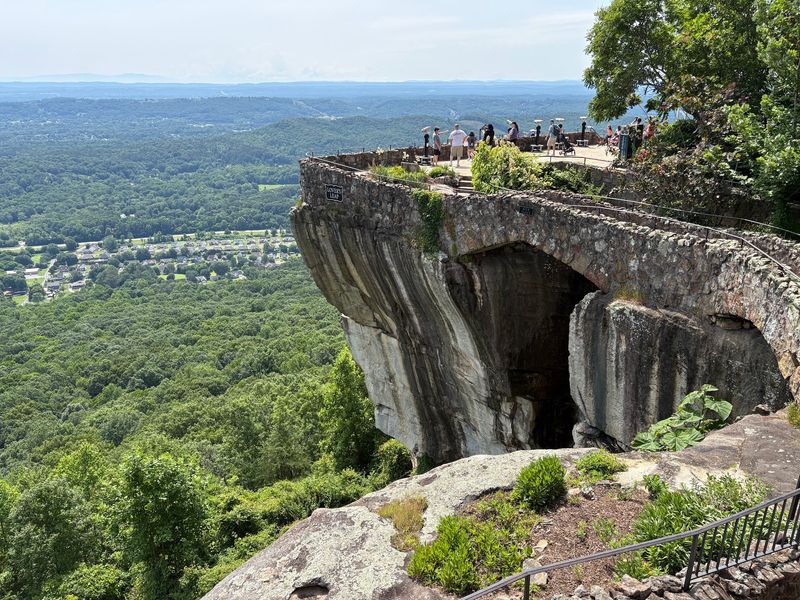
For decades, barn roofs across the South proclaimed “See Rock City,” promising a natural wonder atop Lookout Mountain. That marketing campaign worked spectacularly well, turning Rock City into one of Tennessee’s most visited attractions.
Unfortunately, the reality delivers a heavily commercialized nature walk with admission prices that make you question what you’re actually paying for.
The famous “See Seven States” viewpoint anchors the whole experience, but on most days, haze obscures the view so thoroughly you’re lucky to see into the next county. The park provides binoculars and helpful signs identifying what you should be seeing, which only emphasizes what you can’t actually see.
You’re essentially paying thirty dollars to squint at clouds and take someone’s word that seven states exist out there somewhere.
The rock formations themselves are interesting, sure, but the experience feels manufactured and controlled. Paved paths wind through the gardens with guardrails and signs directing every step.
You can’t explore freely or discover anything on your own. Everything’s been smoothed over and made safe for mass tourism, removing any sense of adventure or genuine natural wonder.
Gnome Valley and the Fairyland Caverns add a bizarre kitsch element that might delight small children but leaves most adults baffled. These dated displays featuring gnomes and fairy tale scenes feel like relics from another era, maintained more out of tradition than relevance.
They’re quirky, but not in a charming way that justifies the steep admission price.
The whole operation prioritizes moving crowds through efficiently while maximizing gift shop opportunities. You’ll exit through, you guessed it, a massive store filled with Rock City merchandise and souvenirs.
Better hiking and views exist all around Lookout Mountain for free, making Rock City feel like an expensive detour from actual natural beauty. The barn roofs lied, folks.
8. Ober Mountain
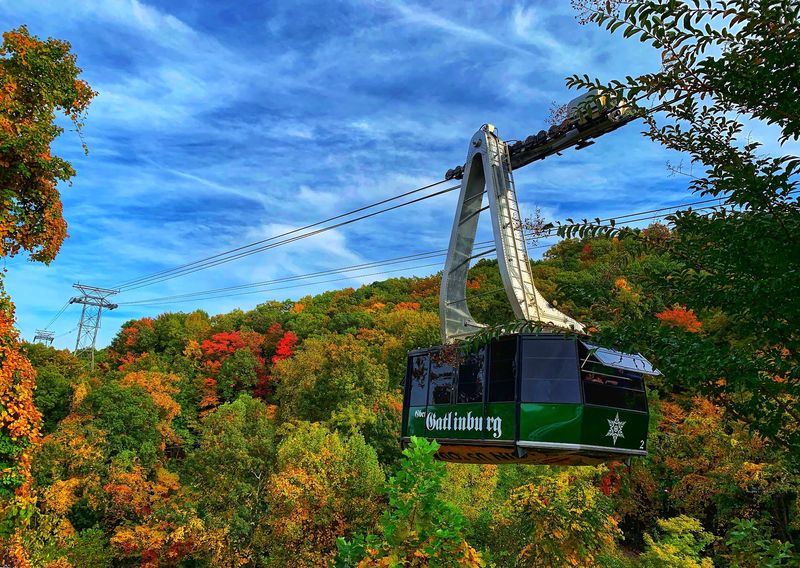
Gatlinburg’s mountain resort promises year-round fun with skiing in winter and amusement park attractions in summer. Ober Mountain markets itself as Tennessee’s premier mountain destination, but delivers an experience that feels more like a struggling ski area desperately trying to justify its existence.
The reality rarely matches the glossy brochures, especially considering what you’ll pay for admission and activities.
Getting there requires either a winding drive up the mountain or a ride on the aerial tramway, which costs extra unless you’re already paying for other activities. Once you arrive, the place feels dated and worn, like a resort that peaked decades ago and hasn’t kept up with maintenance or modernization.
Everything looks tired and in need of renovation.
The skiing itself is limited and often disappointing. Tennessee doesn’t get reliable natural snow, so the slopes depend heavily on snowmaking equipment.
Even then, you’re looking at a handful of short runs that experienced skiers will find boring. The crowds can be intense on good snow days, with lift lines eating up precious time on slopes that barely qualify as intermediate terrain.
Summer operations try to compensate with activities like the alpine slide, scenic chairlift rides, and an indoor ice skating rink. These attractions feel random and disconnected, like the resort threw everything at the wall to see what stuck.
Prices for individual activities add up quickly, and combo tickets still leave you paying premium prices for experiences you could find better elsewhere.
The wildlife encounter and small amusement park rides might entertain young children for an hour or two, but older kids and adults will find the offerings underwhelming. Restaurants on site serve mediocre food at resort prices, and the gift shop pushes the same generic mountain souvenirs you’ll see everywhere in Gatlinburg.
Ober Mountain feels like a tourist trap that exists more out of momentum than actual value.
9. Titanic Museum Attraction
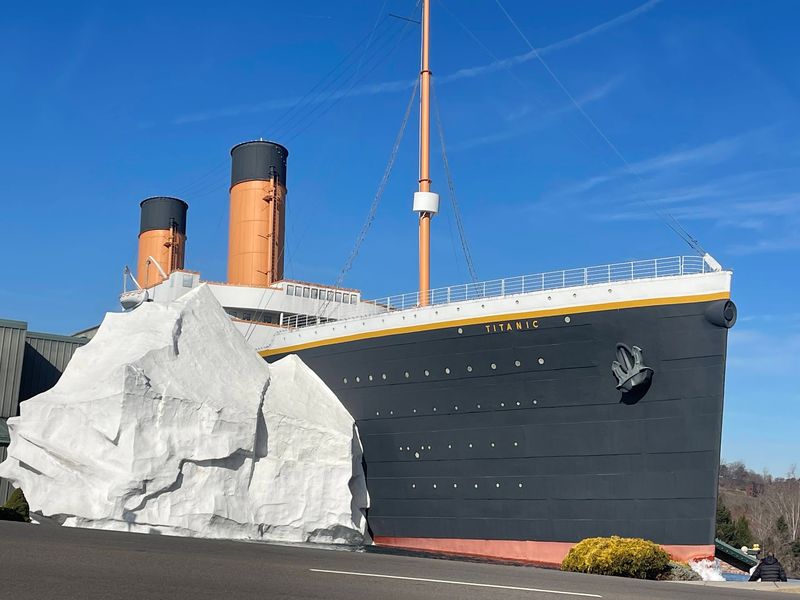
Someone decided Pigeon Forge needed a museum dedicated to a ship that sank in the North Atlantic, thousands of miles from Tennessee. The Titanic Museum Attraction sits along the parkway in a building shaped like the doomed vessel, promising an immersive historical experience.
What you actually get is an expensive walk through exhibits that feel more like a theme park attraction than serious museum, with ticket prices that’ll sink your vacation budget faster than an iceberg.
Admission costs nearly thirty dollars per adult, which seems steep for a museum until you realize they’re charging theme park prices because that’s essentially what this is. You receive a boarding pass with a real passenger’s name, learning their fate at the end, which provides a nice personal touch.
Beyond that gimmick, though, the experience feels manufactured and designed to move crowds through efficiently rather than educate thoroughly.
The exhibits themselves mix genuine artifacts with recreations and interactive displays of varying quality. Some rooms feel authentic and moving, particularly those focusing on individual passenger stories.
Others come across as cheesy, with mannequins in period costumes and reconstructed ship areas that look more like movie sets than historical recreations. The quality varies wildly from room to room.
Photography restrictions prevent you from capturing most exhibits, which makes sense for artifact preservation but also conveniently pushes visitors toward the gift shop for souvenirs. Speaking of which, the exit routes directly through an enormous store selling Titanic merchandise at inflated prices.
You can’t leave without navigating past racks of t-shirts, replica items, and books.
The whole concept feels exploitative when you think about it. Over 1,500 people died in a maritime tragedy, and we’ve turned it into a tourist attraction in the Smoky Mountains.
The museum treats the disaster with some reverence, but the location and commercial nature undermine any serious historical mission. Save your money for actual Tennessee history.
10. Gatlinburg SkyPark
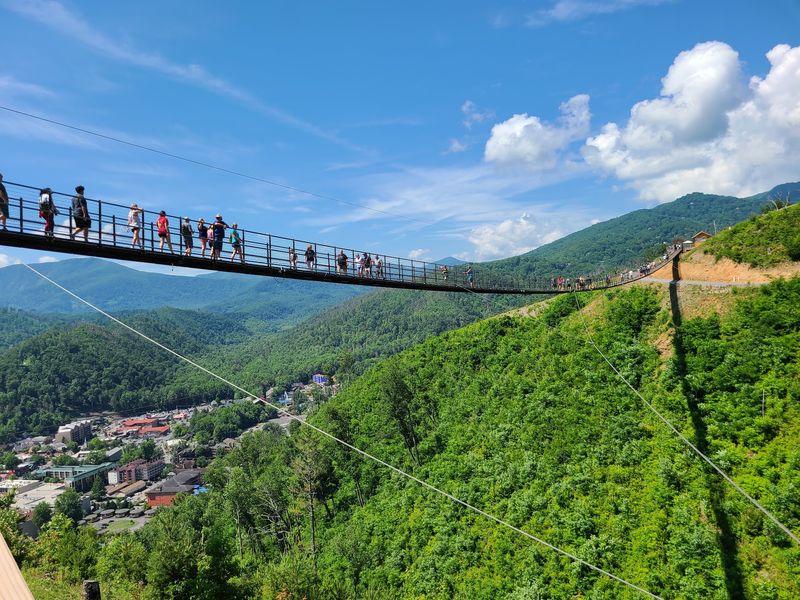
Gatlinburg keeps adding attractions that promise the best mountain views in the Smokies, and SkyPark represents the latest iteration of this trend. The complex features a chairlift to the top of Crockett Mountain and the SkyBridge, marketed as the longest pedestrian suspension bridge in North America.
Sounds impressive until you see the ticket prices and realize you’re paying nearly forty dollars per person to walk across a bridge and look at views you could see for free elsewhere.
The SkyLift itself provides a pleasant ride up the mountain, offering open-air seats with decent views during the ascent. That part’s actually enjoyable and feels somewhat worth the price.
But once you reach the top, the experience becomes about managing crowds and navigating through areas designed to keep people moving and spending money.
The SkyBridge draws the biggest crowds, creating bottlenecks as people stop for photos on the glass floor panels. You’ll wait in line just to step onto the bridge, then shuffle across with dozens of other visitors, making it nearly impossible to enjoy a peaceful moment or take unobstructed photos.
The bridge itself is impressive from an engineering standpoint, but the experience feels more stressful than enjoyable.
SkyPark also includes the SkyTrail with rope courses and other activities, each requiring additional fees beyond basic admission. The pricing structure nickel-and-dimes visitors at every opportunity, turning what could be a simple mountain experience into an expensive afternoon.
Food and beverage options at the top charge premium prices for average quality.
Here’s the frustrating part: the Great Smoky Mountains National Park sits right there, offering hundreds of miles of trails with spectacular views that don’t cost a penny. Clingmans Dome, Andrews Bald, and countless other spots provide better vistas and authentic mountain experiences.
SkyPark exists because tourists want convenient, Instagram-ready attractions, but you’re paying premium prices for manufactured experiences when genuine natural beauty surrounds you for free.