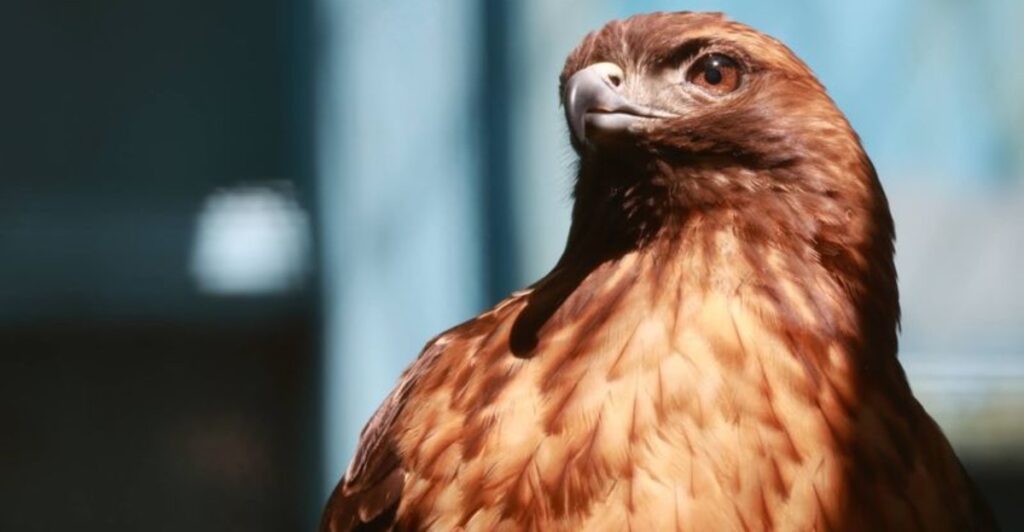
A flashlight beam catches the shine of a salamander halfway across a wet road. On another night, volunteers wearing headlamps wade along Delaware Bay to tag horseshoe crabs as thousands of shorebirds gather nearby.
Wildlife conservation in New Jersey is rarely a spectator sport. Across the state, ordinary people help monitor nests, restore marshes, answer stranding calls, teach children, remove invasive plants, and collect data that working scientists actually use.
You do not need a biology degree or years of field experience to join them. Some programs welcome beginners for occasional outdoor projects, while others provide training for regular roles involving animal care, public education, or community science.
There are also plenty of ways to learn before pulling on work gloves, from guided bird walks to live-animal programs and coastal research demonstrations. These 14 organizations offer meaningful opportunities to understand New Jersey’s wildlife—and, when you are ready, help protect it.
1. Conserve Wildlife Foundation of New Jersey – Statewide
Picture a rainy spring night when spotted salamanders and wood frogs emerge from the forest and begin crossing roads toward their breeding pools.
Volunteers with the Conserve Wildlife Foundation of New Jersey may be there with flashlights and reflective gear, helping these small travelers survive the most dangerous few yards of their journey.
That is the sort of direct, species-focused work that makes this statewide organization especially rewarding. Its projects concentrate on New Jersey’s rare and imperiled animals, including osprey, bats, American kestrels, amphibians, and beach-nesting birds.
Opportunities vary with the calendar and the needs of each species. One season might bring osprey nest monitoring or platform repairs; another may involve listening for frog calls, counting bats, fencing sensitive nesting areas, or helping manage temporary road closures.
Much of the work takes place outdoors where conservation decisions become wonderfully concrete. A nest, platform, stretch of beach, or patch of wetland is right in front of you, and your effort has an obvious purpose.
Beginners are often guided by biologists or experienced project leaders, so enthusiasm and reliability matter more than an impressive résumé. Openings can fill quickly and some assignments require a recurring commitment, making advance registration worthwhile.
Even when a field project is unavailable, wildlife cameras, species profiles, and public programs offer an accessible way to learn why these animals need help.
2. NJDEP Wildlife Conservation Corps – Statewide
Not every volunteer gets to say that information they collected helped state biologists understand an entire wildlife population. Members of the NJDEP Wildlife Conservation Corps can make exactly that claim.
Operated through New Jersey Fish and Wildlife, this statewide corps connects adults with projects supporting research, habitat management, education, and responsible outdoor recreation.
Assignments may include monitoring bald eagle nests, participating in breeding-bird surveys, recording bat calls, protecting shorebird nesting areas, or assisting at wildlife check stations.
Other volunteers teach fishing skills, support educational events, maintain facilities, or help with administrative work behind the scenes. The variety makes the program a particularly good starting point for anyone intrigued by conservation but unsure where their interests fit.
Some opportunities are seasonal and highly specialized, while others need patient people who can greet visitors, organize information, or explain procedures clearly. Training is provided for assigned duties, and participants work under established protocols rather than heading into the field to improvise.
That structure matters because consistent observations are what turn separate sightings into useful scientific data. Corps members generally must be at least 18, and availability depends on current projects and location.
Applying does not guarantee an immediate placement, but it puts your name in the pool when a suitable role opens. For anyone who wants to see how wildlife management works beyond the nature-center level, this is an unusually practical window into statewide conservation.
3. New Jersey Audubon – Statewide
A morning spent carrying birdseed or pulling invasive plants can lead to an impromptu lesson from someone who knows exactly which warbler just flashed through the trees. That blend of service and shared knowledge is a big part of volunteering with New Jersey Audubon.
The organization operates nature centers, sanctuaries, migration watches, educational programs, and conservation initiatives across the state, creating roles for nearly every comfort level. Outdoorsy volunteers might maintain trails, help restore habitat, collect water or soil samples, or participate in community-science research.
Those who prefer working with people can lead nature walks, assist with field trips, staff welcome desks, or represent the organization at public events. There are also opportunities involving animal care, native-plant projects, office support, and seasonal nature camps.
A one-day commitment may suit certain events, while research or education assignments naturally ask for more consistency. Younger volunteers can participate, although age-based supervision and permission requirements apply, and background checks are part of the process for new volunteers.
The statewide network is the real advantage here. Someone in North Jersey can explore opportunities at a forest sanctuary without driving to Cape May, while a Shore resident can become involved in coastal migration work.
If volunteering is not yet practical, birding walks, workshops, festivals, and nature-center programs provide plenty of low-pressure ways to start learning. Come curious; the binocular skills can follow.
4. The Raptor Trust – Millington
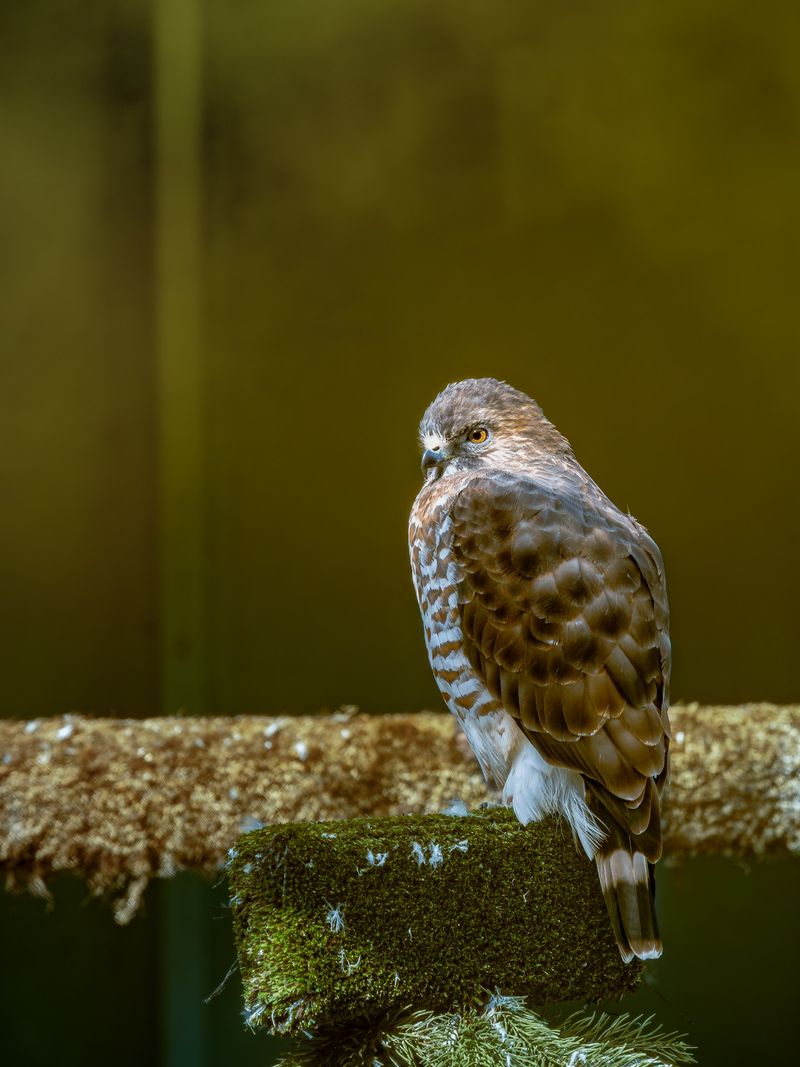
A barred owl swiveling its head from an outdoor aviary has a way of stopping conversation mid-sentence. At The Raptor Trust in Millington, unreleasable hawks, owls, falcons, and other birds serve as powerful ambassadors for their wild relatives.
The facility has provided medical care for injured and orphaned native birds since 1983, with thousands of patients representing more than 100 species arriving during a typical year.
Volunteers help keep that enormous operation moving by preparing food, cleaning enclosures and equipment, doing laundry and dishes, assisting in the gift shop, or greeting people bringing in birds.
Despite the name, volunteer animal-care roles do not include handling or caring directly for birds of prey; trained staff manage that specialized work. Volunteers may instead assist with songbirds, pigeons, gulls, and waterfowl while learning how a professional rehabilitation facility operates.
Applicants must be at least 18 and are generally expected to work the same four-hour weekly shift for at least two consecutive months. Recruitment tends to increase before the busy spring and summer baby-bird season, although applications may be wait-listed when staffing needs are lower.
Casual visitors can still explore the outdoor aviaries and learn about resident birds, rehabilitation, and responsible responses to injured wildlife. The grounds are open daily, but checking current visitor information before driving out is sensible.
This is meaningful work, though it is more scrubbing and careful observation than posing with an owl—and that is precisely why it matters.
5. Woodford Cedar Run Wildlife Refuge – Medford
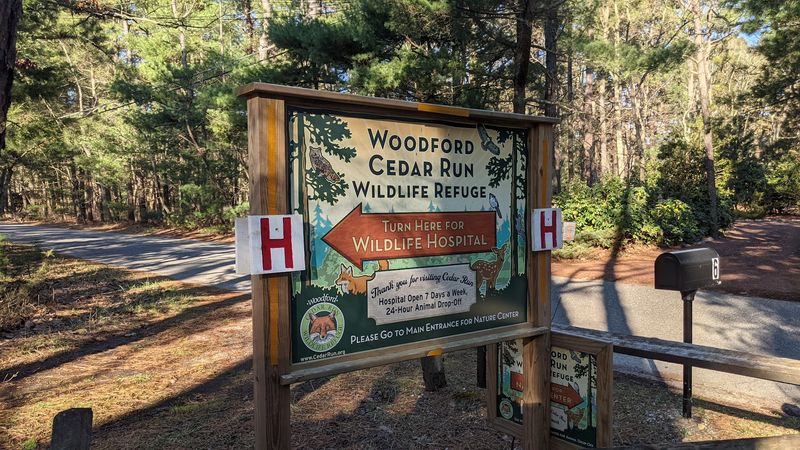
The path through Woodford Cedar Run Wildlife Refuge feels like a walk in the Pinelands until an eagle, fox, or owl appears in a nearby habitat. These permanent residents cannot return to the wild, but their presence helps visitors understand the animals living beyond the refuge’s boundaries.
Cedar Run combines a wildlife rehabilitation hospital, environmental education center, and 171-acre protected property in Medford. Its hospital treats thousands of injured and orphaned animals, while the public side includes indoor exhibits, a wildlife housing area, a cedar lake, and roughly three miles of trails through forest and wetland habitats.
Volunteers can support wildlife care, education, visitor services, special events, property upkeep, or other operational needs. The less glamorous jobs—washing dishes, preparing diets, cleaning spaces, and organizing supplies—are often the ones that allow rehabilitators to focus on patients.
Training and commitment requirements differ by assignment, and direct contact with wildlife is carefully controlled. Cedar Run also offers internships for people seeking a deeper introduction to rehabilitation, conservation, education, or nonprofit work.
For families and first-time visitors, scheduled programs provide a gentler entry point. Field trips, camps, homeschool sessions, scout activities, and Refuge on Wheels presentations explain native animals through artifacts, demonstrations, and appearances by wildlife ambassadors.
The nature center is normally open throughout the week, but programs and hospital access follow separate rules. Plan enough time for both the exhibits and the trails; the surrounding habitat is part of the lesson.
6. Marine Mammal Stranding Center – Brigantine
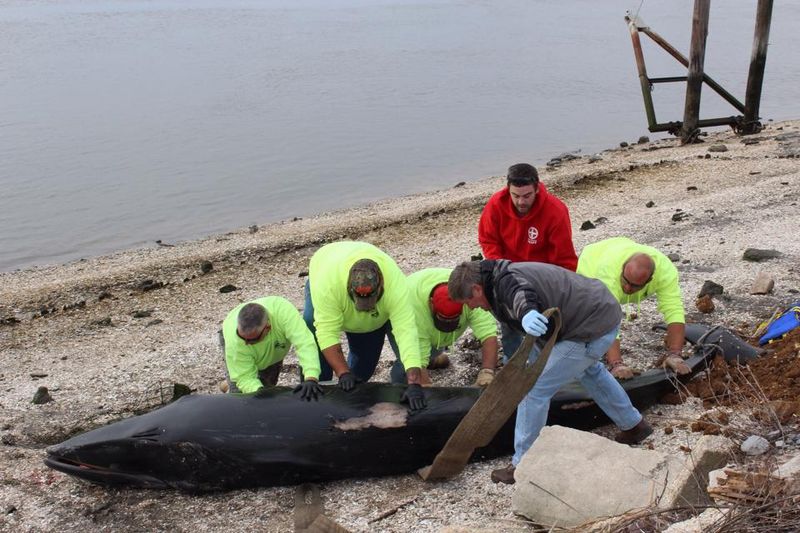
When a seal rests on a Jersey Shore beach, the kindest response is usually to back away, control the dog, and call someone who knows what to do. That someone is often the Marine Mammal Stranding Center in Brigantine.
Founded in 1978, the center is New Jersey’s only federally authorized facility for rescuing, rehabilitating, and releasing marine mammals, and it also responds to stranded or entangled sea turtles. Its trained teams cover the entire state coastline, dealing with animals whose size, stress, and medical condition demand far more than good intentions.
Qualified stranding volunteers may photograph and observe an animal until technicians arrive, explain safe viewing distances to bystanders, assist with crowd control, and help with physically demanding field tasks.
Applicants must be at least 18, live close enough to an assigned beach, attend in-person training, and meet fitness and availability requirements.
Separate education volunteers give short tours of the Sea Life Museum and assist at fairs, festivals, and community events. Applications are completed in person at the museum and kept on file until active recruitment begins, so placement may not be immediate.
The small museum is also the best choice for visitors who want to learn without making a volunteer commitment. Exhibits introduce local marine life, past rescues, and the hazards facing seals, dolphins, whales, and sea turtles.
Seasonal hours change, so confirm access before making a special trip to Brigantine.
7. The Wetlands Institute – Stone Harbor
Diamondback terrapins have a difficult relationship with Shore traffic: females leave the marsh to lay eggs, then must cross roads built through their nesting landscape. At The Wetlands Institute in Stone Harbor, that conflict has inspired decades of research, rescue, education, and practical conservation.
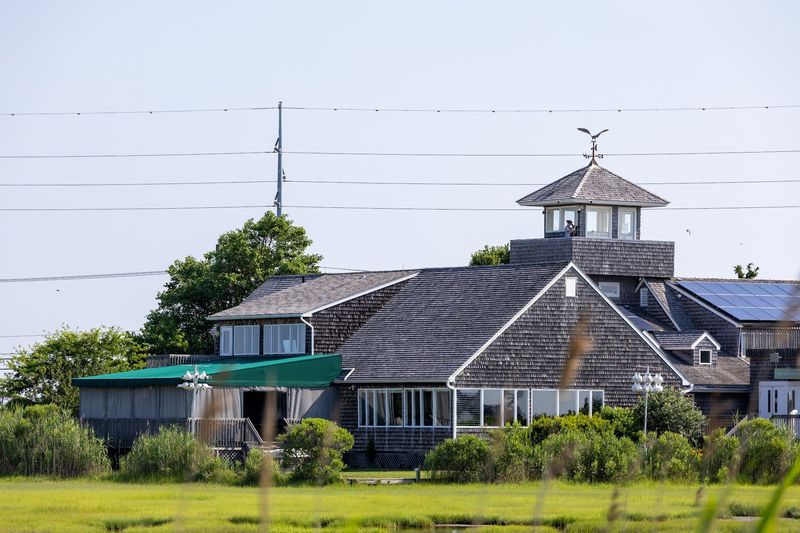
The campus overlooks salt marshes alive with fiddler crabs, herons, egrets, fish, and nesting ospreys, making the setting feel like an open-air laboratory.
Volunteers have supported aquarium care, public education, visitor services, special events, office work, and research projects involving terrapins, coastal birds, horseshoe crabs, and wetland health.
Availability changes by season and recruitment cycle, so prospective volunteers should check current openings instead of assuming every role is continuously offered. Students interested in marine biology or conservation can also watch for structured internships and research opportunities.
You do not have to join a project to learn something here. Public programs may include guided marsh walks, aquarium feedings, touch-tank experiences, science demonstrations, and seasonal events centered on local wildlife.
Elevated walkways and observation areas provide close views of the marsh without trampling the habitat, while educational exhibits explain how tides, plants, and animals keep the ecosystem functioning. Families should allow more time than they think they need; a quick stop can easily stretch once someone notices a terrapin or an osprey nest.
Check the daily program schedule before arriving, since the best experience often depends on timing.
8. Cape May Bird Observatory – Cape May Point
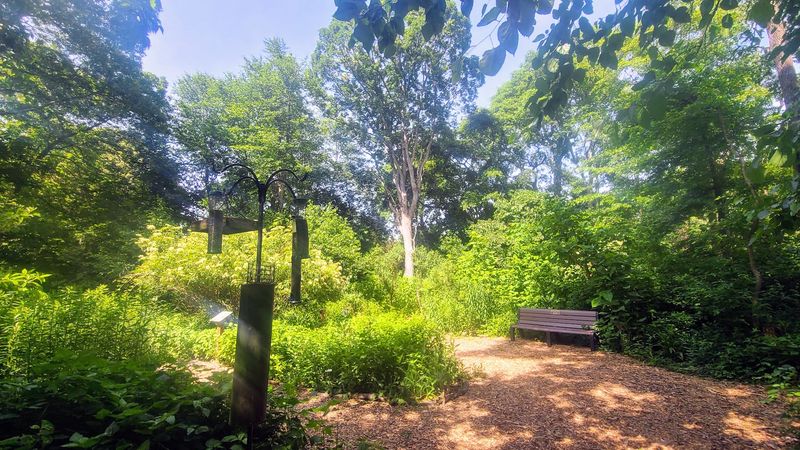
Before breakfast, Cape May can already be full of movement: warblers flick through shrubs, hawks circle overhead, and seabirds stream past the shoreline. The Cape May Bird Observatory helps ordinary visitors make sense of that spectacle.
Operated by New Jersey Audubon, the observatory sits at one of North America’s celebrated migration crossroads, where geography funnels huge numbers of birds through the peninsula each spring and fall.
Its Northwood Center near Cape May Point State Park is a welcoming first stop for field guides, local sightings, advice, and conversations with people who can identify a bird from one distant chip note.
Learning opportunities range from beginner walks and seasonal outings to festivals, workshops, and the more intensive School of Birding. Migration watches at Cape May Point, Avalon, and other nearby locations demonstrate how systematic counting contributes to long-term knowledge of bird populations.
Volunteers may support New Jersey Audubon’s education, stewardship, visitor services, events, and community-science work, although particular roles depend on the season and current needs.
Even newcomers can contribute by building identification skills, following ethical birding practices, and reporting observations through established community-science platforms.
Bring binoculars if you have them, but do not let a lack of expensive optics keep you away. Staff and trip leaders are accustomed to beginners.
Visit during peak migration for the full rush, or choose a quieter winter day when waterfowl, sparrows, and patient observation take center stage.
9. Jacques Cousteau National Estuarine Research Reserve – Tuckerton
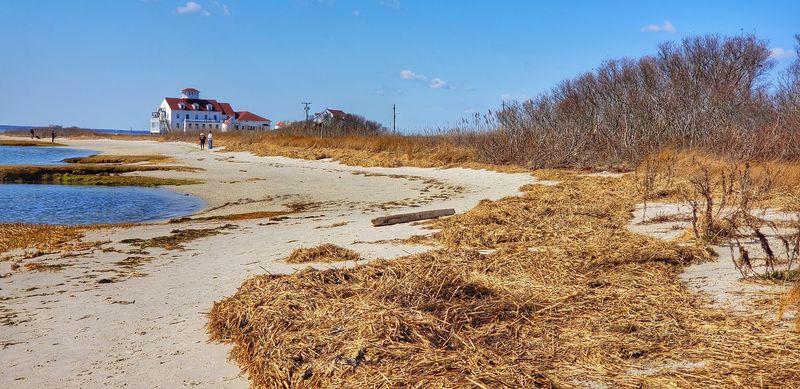
On a night tide near Tuckerton, a fine-mesh net may come up glittering with larval fish nearly transparent to the eye. Sorting those tiny specimens is part of the work at the Jacques Cousteau National Estuarine Research Reserve, where volunteers can participate in coastal science that most people never see.
Managed through Rutgers, the reserve protects and studies the Mullica River–Great Bay estuary, a remarkably undeveloped coastal system of marshes, forests, creeks, and open water.
Volunteer assignments have included ichthyoplankton sampling, trail stewardship, education programs, festival outreach, event support, and occasional assistance with fieldwork conducted from small boats.
No scientific background is required for general volunteering, and staff training introduces participants to estuarine ecology and the procedures behind each task. Volunteers must be at least 18, and openings depend on active projects.
The half-mile Grassle Marsh Trail offers an easier way to explore the landscape, while educational programs reveal why tidal wetlands matter to fish, birds, water quality, and coastal communities.
Families may encounter children’s programs focused on a featured creature, and educators can find workshops and classroom resources grounded in current research.
Some public exhibits or facilities may be affected by construction or limited access, so confirm what is open before heading to Tuckerton. This is a particularly strong choice for anyone who likes wildlife but also wants to understand the water, sediment, weather, and human decisions shaping its habitat.
10. Great Swamp Watershed Association – Morristown
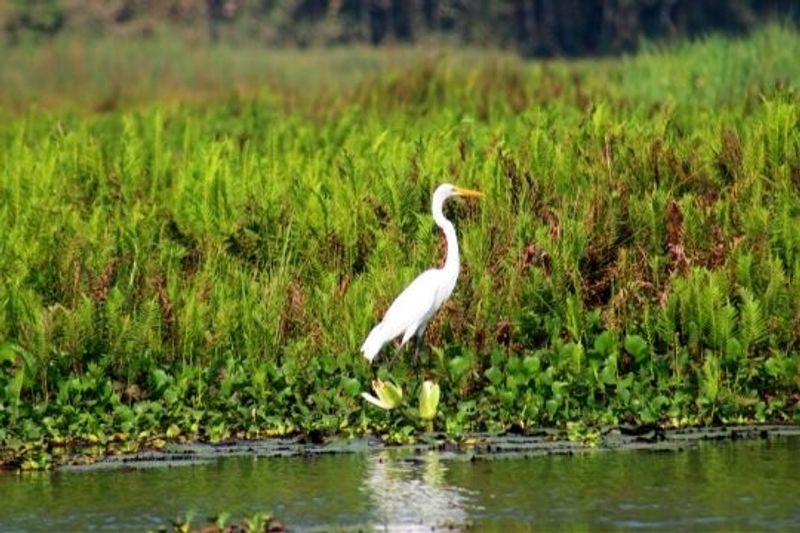
A clear-looking stream can still carry a complicated story. Volunteers with the Great Swamp Watershed Association learn to read it through temperature, chemistry, habitat conditions, and the small aquatic creatures living beneath the stones.
Based near Morristown, the organization works across the Great Swamp watershed and the Passaic River region, protecting water that connects neighborhoods, forests, wetlands, and wildlife habitat.
Community members can help with stream monitoring, environmental education, land stewardship, native planting, invasive-species control, trail work, office support, and public events.
Some projects involve training and repeated visits so observations remain consistent; others are better suited to a single morning with gloves and sturdy shoes. The association’s Conservation Management Area provides a useful demonstration of what watershed protection looks like on the ground.
Boardwalks and trails pass through wetlands, woods, and restored habitat where visitors may encounter turtles, frogs, deer, and a broad mix of birdlife. Guided walks and educational programs explore subjects such as vernal pools, water quality, native plants, and seasonal wildlife.
Children and adults can both find entry points, although age and supervision rules vary by activity. Volunteers who enjoy data can gravitate toward monitoring, while those who prefer visible before-and-after results may be happier removing invasive plants or improving trails.
Either way, the lesson is the same: helping wildlife is often less about approaching an animal and more about protecting the clean, connected habitat it needs.
11. Flat Rock Brook Nature Center – Englewood
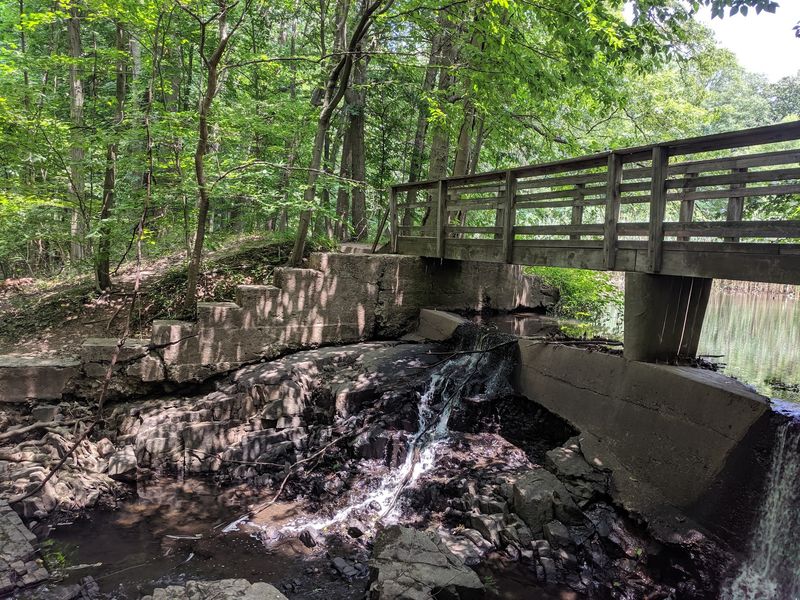
Five raptors live in outdoor aviaries only a few miles from the George Washington Bridge, a detail that neatly captures Flat Rock Brook Nature Center’s appeal.
This 150-acre preserve in Englewood feels surprisingly wild for such an urbanized corner of Bergen County, with forest trails, ponds, streams, native gardens, and resident animal ambassadors.
Volunteer choices are unusually broad. Adults can train as trail guides, assist visitors, care for reptiles and amphibians, prepare food for raptors, remove invasive plants, improve trails, or maintain wildlife-friendly gardens.
Animal-care work comes with real responsibilities: enclosures need cleaning, feeding routines must be followed, and volunteers commit to dependable weekly schedules. Appropriate training and minimum ages apply, and direct handling occurs only within established rules.
Flat Rock Brook also makes room for younger helpers through its Ranger Program. Depending on age and interest, students may assist educational activities, support land management, work on nature-focused communications, or help with summer camp.
For people more interested in learning than volunteering, public hikes, homeschool activities, school programs, camps, and seasonal events provide an excellent introduction. The trails are open for self-guided exploration, and the raptor aviary gives visitors a close view of birds that cannot survive independently in the wild.
Because different positions have different schedules and commitments, contact the center before applying. This is not a one-size-fits-all volunteer program—and that flexibility is exactly what makes it useful.
12. Tenafly Nature Center – Tenafly
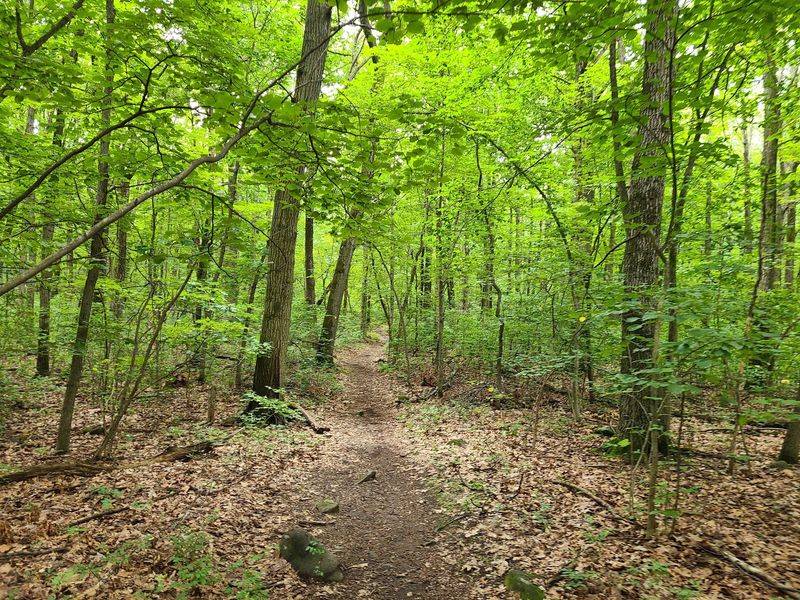
A chorus of frogs, the slap of a beaver tail, and the sudden flutter of a startled woodpecker can make Tenafly Nature Center feel much farther from suburbia than it really is. The nearly 400-acre preserve protects forest, wetland, and pond habitat in Bergen County while serving as an environmental classroom for the surrounding community.
Volunteers strengthen both sides of that mission. Regular stewardship projects may involve removing invasive plants, installing natives, collecting litter, maintaining trails, or helping with larger property improvements.
The Forest Defenders program gives repeat volunteers a chance to work directly on biodiversity by replacing aggressive nonnative plants with species that better support insects, birds, and other wildlife.
Other opportunities can include visitor assistance, special events, education support, animal care, scout projects, internships, and corporate service days.
Requirements vary, and anyone hoping to work around animal ambassadors should expect training, scheduled duties, and firm safety rules. Visitors can begin more casually with a walk through the preserve or a seasonal nature program.
Live-animal presentations, family activities, school trips, camps, and guided outings translate broad conservation ideas into encounters with local species and habitats. A small trail-admission donation is encouraged, and the visitor center operates on posted hours even though trail access follows a broader daily schedule.
Wear shoes that can handle mud, particularly after rain. The preserve rewards repeat visits: spring amphibians, summer pond life, autumn migration, and winter tracks each tell a different chapter of the same woodland story.
13. Cora Hartshorn Arboretum and Bird Sanctuary – Short Hills
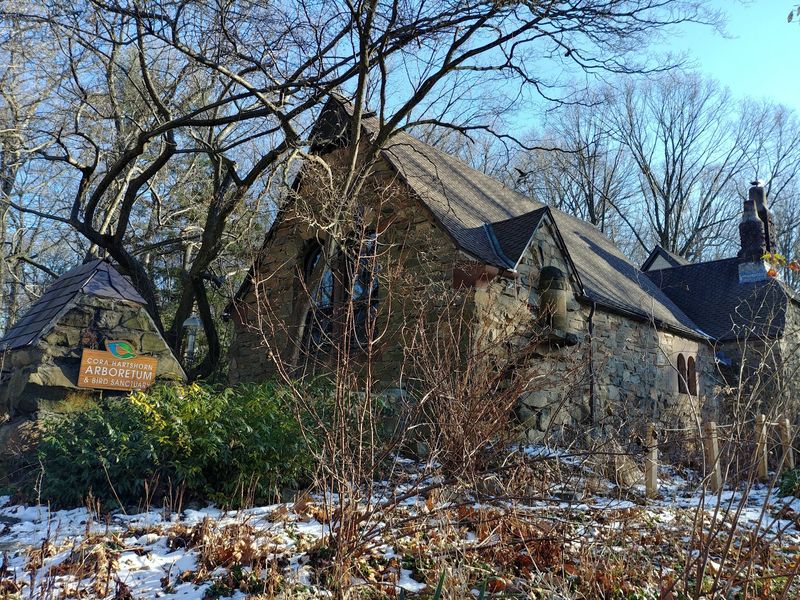
Sixteen acres may sound modest until you start noticing what survives within them. At the Cora Hartshorn Arboretum and Bird Sanctuary in Short Hills, mature woodland, steep slopes, trails, and protected habitat form an important refuge in the middle of a heavily developed community.
The organization has invested in forest restoration, including controlling invasive plants and reducing deer pressure so native vegetation and woodland birds have a better chance to recover. Volunteers can join that work through woodland maintenance, trail projects, education assistance, front-desk support, special events, and community-science programs.
Participants may learn to recognize invasive species before removing them or help collect observations used to measure local ecosystem health. Teen volunteer days introduce high school students to conservation practices, while summer opportunities can combine forest stewardship with assisting children at camp.
Adults can contribute individually, through organized workplace groups, or as weekend helpers supporting staff and visitors. No previous experience is needed for many roles because training is provided on site.
Public programs offer another route into the sanctuary’s mission, with nature classes, family activities, camps, scout programs, and live animal ambassadors helping people understand the wildlife using suburban forests. Parking is limited enough to make checking directions beforehand a smart move.
Once on the trails, slow down and listen for wood thrushes and other forest birds. This small sanctuary makes a convincing case that conservation does not require a vast wilderness—just sustained care for the habitat still standing.
14. American Littoral Society – Highlands
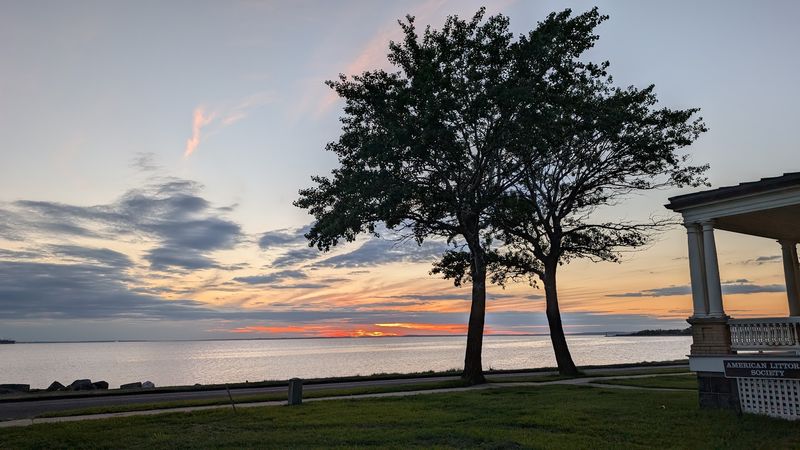
Under a full moon on Delaware Bay, horseshoe crabs lumber ashore while volunteers work beside them with gloves, measuring tools, and numbered tags. It is messy, memorable conservation, and the information gathered helps researchers understand how the crabs move and whether restored beaches are working.
The American Littoral Society, headquartered at Sandy Hook in Highlands, protects coastal habitats through science, restoration, education, and advocacy. Its horseshoe-crab tagging sessions are among its most distinctive volunteer experiences.
They also reveal a larger ecological connection: crab eggs provide critical fuel for migrating shorebirds, including threatened red knots completing an extraordinary journey toward Arctic nesting grounds. Volunteer opportunities extend beyond tagging.
Depending on the season, participants may plant dune grass, clean shorelines, bag oyster shells, restore coastal habitat, support community events, or assist environmental education. Registration is important because popular field sessions have limited space and must be organized around tides, weather, and wildlife activity.
Those who would rather begin as observers can join guided bird walks, naturalist outings, kayak programs, and educational events exploring Sandy Hook, Barnegat Bay, and other coastal areas. Dress for wind, water, sand, and sudden changes in temperature; Shore conservation rarely happens in spotless sneakers.
This is an excellent final stop on the list because it shows how individual actions connect across an ecosystem. Tagging one crab or planting one section of dune may feel small, but thousands of well-coordinated efforts can rebuild an entire coastline.