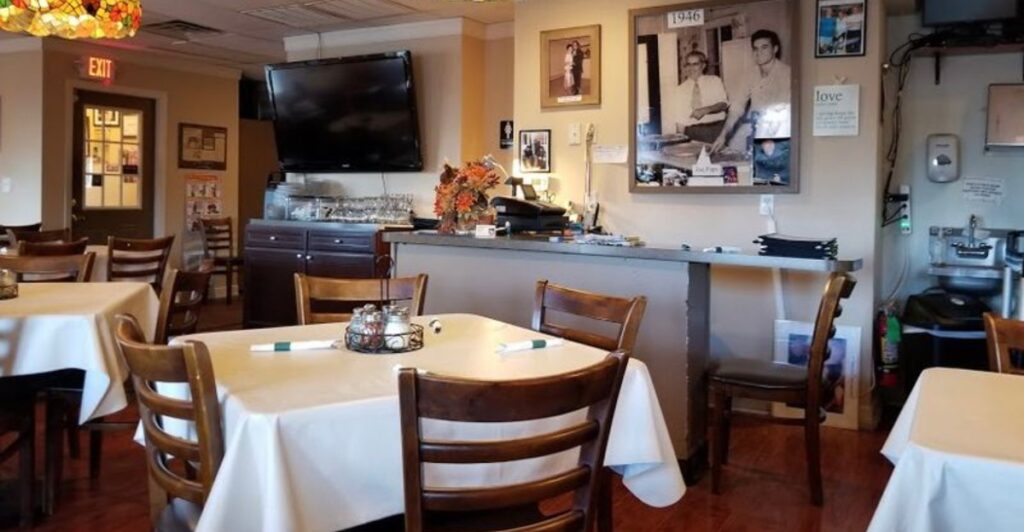
A row of onions hits the griddle, a steak begins sizzling over charcoal, and somewhere behind a wood-paneled bar, a regular orders dinner without bothering to open the menu. That is the rhythm of New Jersey’s old-school restaurants—places built around signature dishes, familiar faces, and traditions too good to retire.
Some have occupied the same neighborhoods for nearly a century, while others carry histories reaching back even further. They have survived changing tastes without sanding away the quirks that made people love them in the first place.
The dining rooms may be tiny, the menus may resist trends, and a few house rules might require advance preparation. None of that discourages the loyal crowds.
From mustard-laced tomato pies and deep-fried hot dogs to enormous burgers, raw-bar platters, and steaks cooked over an open hearth, these ten institutions prove that a restaurant does not need to feel new to remain essential.
1. White Manna – Hackensack
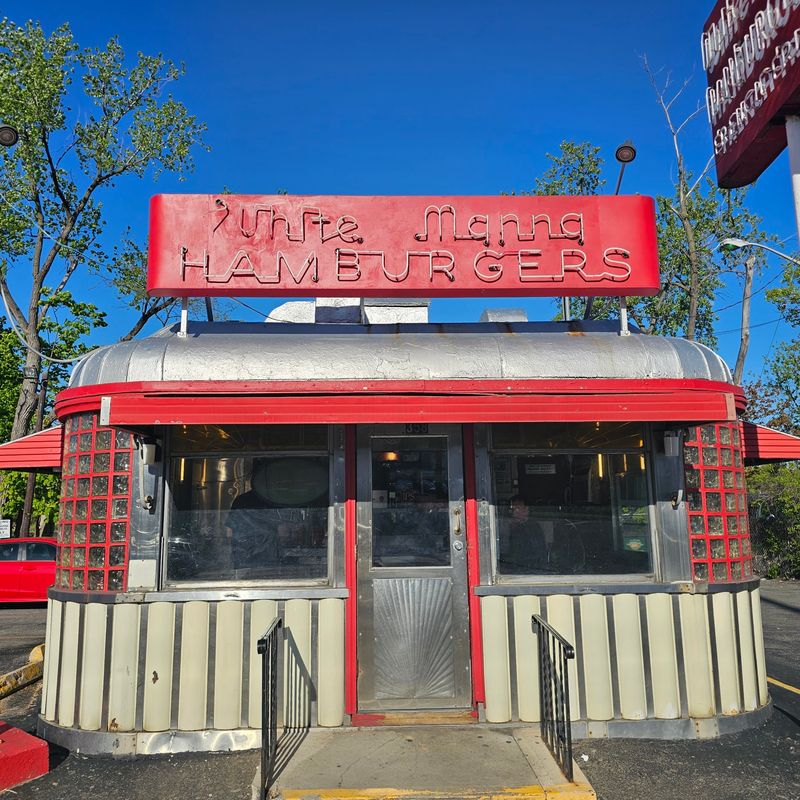
The show begins before the first burger reaches the plate. From a stool at White Manna’s curved counter, diners can watch cooks press small balls of beef onto the griddle, cover them with sliced onions, and tuck soft rolls over the top to steam.
Cheese melts into the meat as the patties cook, creating compact sliders that are juicy, oniony, and remarkably easy to eat in multiples. Ordering one is technically possible, but few people stop there.
A stack of cheeseburgers with onions, accompanied by fries and a shake, delivers the complete experience. The menu includes larger sandwiches, yet the sliders remain the reason this little Hackensack landmark has inspired generations of devoted customers.
They are straightforward, affordable, and served without decorative distractions. The building is almost comically small for a restaurant with such a large reputation.
Counter seats are limited, personal space can become negotiable, and the griddle is never far from view. That closeness gives the room much of its character: orders are called out, bags are folded, and everyone sees exactly how the meal comes together.
Lines are common during busy periods, though the food moves quickly once cooking begins. Parking near River Street can require patience as well.
Treat both as part of the ritual, arrive hungry, and order at least one more slider than seems sensible.
2. Papa’s Tomato Pies – Robbinsville
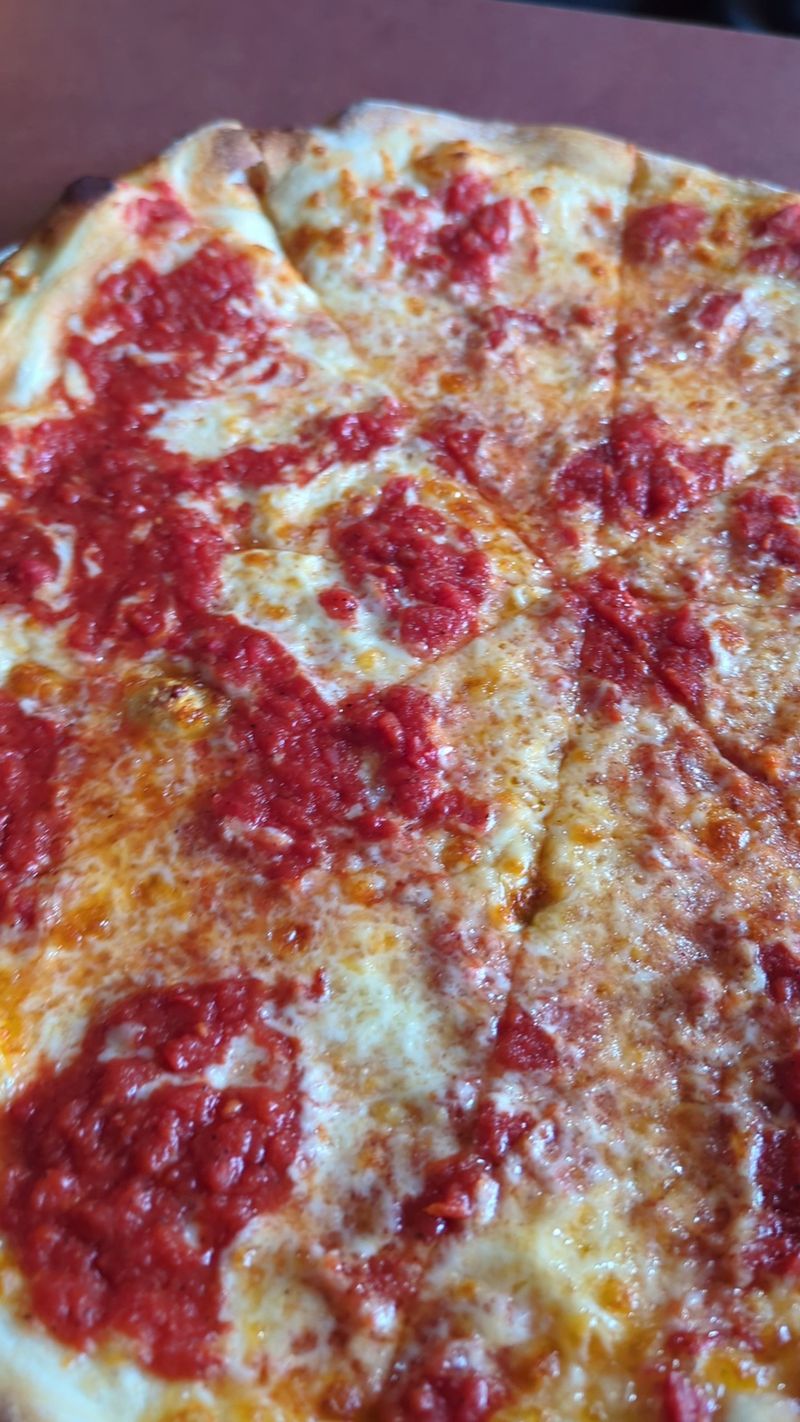
Mustard beneath the cheese sounds like a prank until the first slice proves otherwise. Papa’s signature mustard pie starts with a thin layer of spicy brown mustard spread directly onto the dough.
Cheese follows, then tomato, preserving the Trenton-style order of ingredients while adding a sharp little kick that cuts through the richness. That unconventional pie is the boldest introduction to a family tradition that began in 1912.
Papa’s identifies itself as the country’s oldest continuously family-owned pizza restaurant, and its longevity is woven into the experience rather than displayed like a museum exhibit.
The Robbinsville dining room is comfortable and casual, filled with families debating toppings and longtime customers who already know whether they belong to the mustard-pie camp.
Traditionalists should begin with a plain tomato pie, cooked well-done enough to develop a slight char around the thin crust. The mustard version makes an excellent second order for the table, especially with sausage or pepperoni.
Anyone arriving with a non-pizza eater has plenty of backup choices, including stuffed artichokes, mussels, pasta, chicken dishes, and sandwiches. Papa’s is open for lunch and dinner, offers takeout and delivery, and operates as a BYOB.
The dining room’s last seating is generally before closing, so late arrivals should check the schedule first. Prices remain approachable enough to turn an experiment into a family meal—and perhaps a surprisingly heated argument over whether mustard belongs on pizza.
3. Rutt’s Hut – Clifton
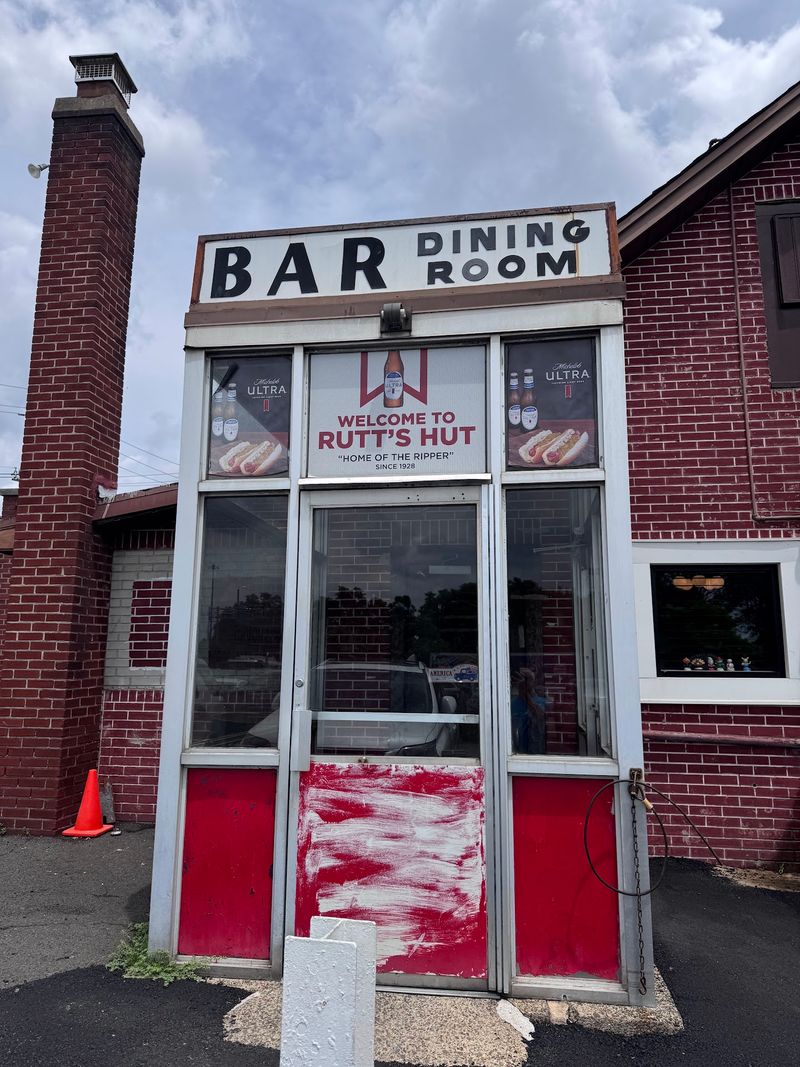
Listen for the crackle. Rutt’s Hut does not merely fry its hot dogs; it lowers them into hot fat until their casings split open, producing the rough-edged specialty known as a “ripper.” The name is dramatic, the preparation is unapologetically old-fashioned, and the result has been drawing people to this Clifton roadside institution since 1928.
A ripper lands between juicy and crisp, with a casing that snaps before giving way to the seasoned meat inside. Add the house relish, a distinctive mixture built around mustard and spices, rather than burying it under an ambitious pile of toppings.
The relish is nearly as important to the Rutt’s experience as the frying method. Fries, onion rings, burgers, and platters can fill out the meal, but the hot dogs should lead.
Part of the fun is choosing how far to take the frying. A ripper is the familiar standard, while darker, more aggressively cooked variations cater to those who want extra crunch.
Newcomers need not overthink it: start with two rippers, apply relish generously, and adjust future orders from there. The room feels like a functioning piece of roadside New Jersey rather than a recreation of one.
Diners can use the counter for a quick stop or settle into the adjoining dining area for a slower meal. Service moves briskly, prices are casual, and formality would only get in the way.
Bring cash as a precaution, check current hours, and expect your clothes to remember the fryer longer than you do.
4. Belmont Tavern – Belleville
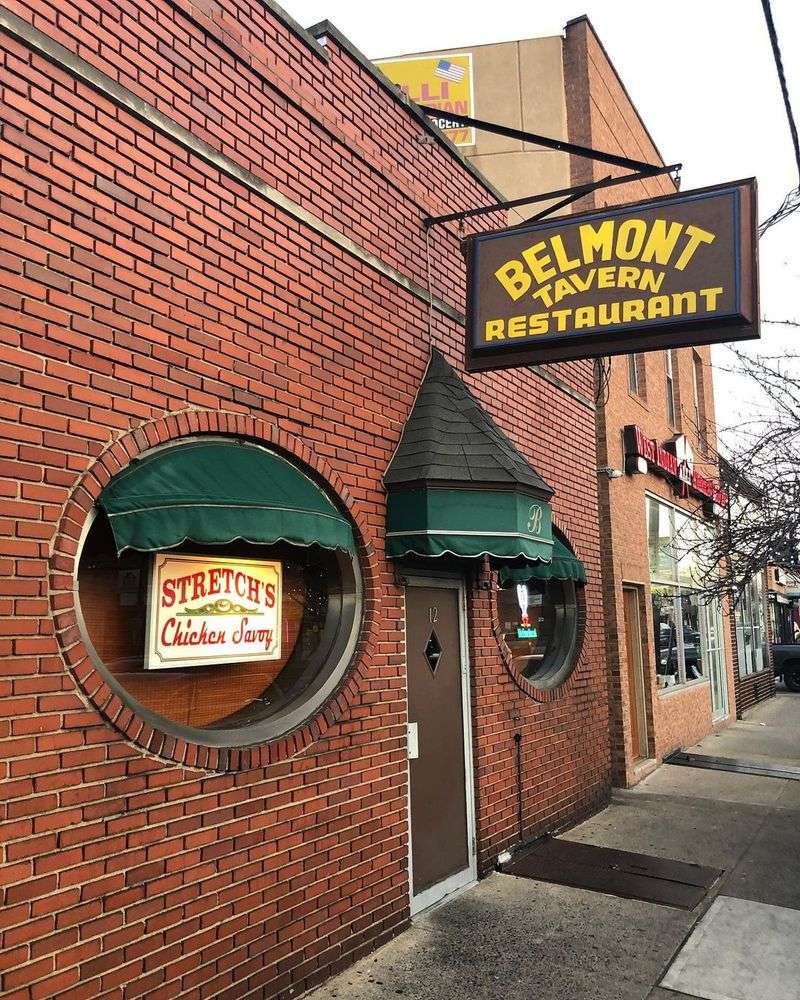
Chicken Savoy reaches the table dark, garlicky, and fragrant with vinegar, looking less polished than most dishes that inspire this level of devotion. One bite explains the loyalty.
The chicken is roasted until deeply browned, then finished with a sharp, savory combination of herbs, cheese, garlic, and red wine vinegar. Many North Jersey restaurants serve versions of it, but Belmont Tavern is where the dish became a local legend.
The rest of the menu shares that same bold personality. Shrimp Beeps arrive in a spicy red sauce that practically demands bread for cleanup.
Cavatelli with pot cheese offers a softer, comforting counterpoint, while pork chops with hot peppers, clams oreganato, and spaghetti with clam sauce keep the table firmly in Italian American territory. This is food designed for sharing, passing, and debating.
Belmont’s dining room completes the picture with red-and-white tablecloths, dark paneling, closely spaced tables, and the comfortable wear of a place that has never chased fashionable design.
The crowd can be boisterous, but the noise has a source: servers balancing loaded plates, families talking across the table, and regulars greeting people they recognize.
There are two important house rules. The restaurant is cash only, and seating is generally first come, first served rather than reservation-based.
Arriving early can spare a long wait on popular evenings. Once seated, order the Chicken Savoy before discussing anything else. Some New Jersey dining traditions are open to interpretation; this one is not.
5. Dock’s Oyster House – Atlantic City
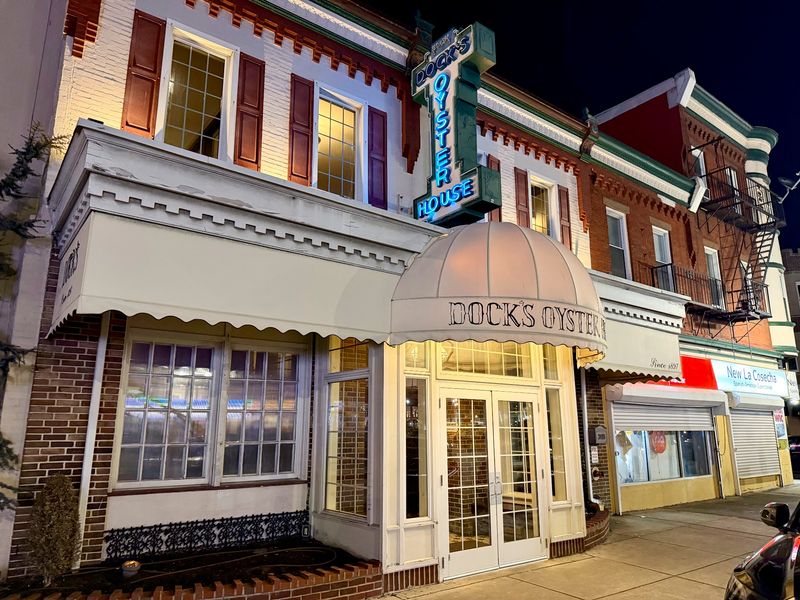
Casinos have risen, fallen, changed names, and added enough flashing lights to illuminate half the Shore. Through it all, Dock’s Oyster House has continued opening its doors on Atlantic Avenue, serving seafood under the same family’s stewardship since 1897.
That continuity makes it historic, but the kitchen’s consistency keeps it relevant. Begin at the raw bar, which may offer numerous oyster varieties on a given evening.
A chilled shellfish selection turns dinner into an occasion immediately, while classics such as clams casino, crab au gratin, and the seafood fry provide a taste of the restaurant’s long memory. The menu also makes room for grilled fish, scallops, lobster, steaks, and more contemporary preparations, so tradition never becomes a limitation.
Dock’s is more polished than the roadside stands and neighborhood taverns elsewhere on this list. White tablecloths, warm wood, maritime touches, and a piano bar create an evening-out mood without making the place stiff.
A martini feels entirely appropriate here. So does dressing up a little, though the welcome remains easier than the setting might suggest.
Dinner begins in the late afternoon, and reservations are a wise move, particularly on weekends or during busy Atlantic City events. Prices lean toward special-occasion territory, especially if oysters and drinks keep arriving, but the experience feels complete rather than flashy.
Dock’s demonstrates how an old restaurant survives properly: preserve the dishes people cherish, maintain serious standards, and make enough thoughtful changes to ensure the next generation wants a table too.
6. Donkey’s Place – Camden
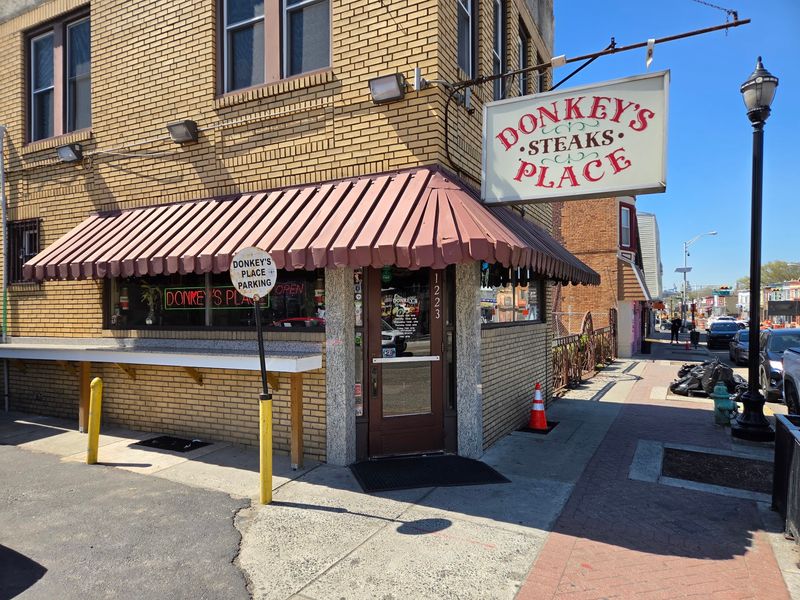
Forget the long roll. Donkey’s Place builds its cheesesteak on a round poppy-seed Kaiser bun, a decision that would be sacrilege almost anywhere else and is precisely what makes this Camden institution indispensable.
Chopped steak, seasoned fried onions, and melted American cheese are piled high enough to test the bun, producing a sandwich that is gloriously juicy and difficult to eat neatly. The shape changes the experience.
Instead of moving through a long sandwich one tidy bite at a time, diners must negotiate a thick center packed with meat and onions. Juice runs toward the plate, cheese slips out the sides, and napkins become essential equipment.
Add seasoned shoestring fries and one of the house pickled tomatoes, whose acidity cuts neatly through the richness. Opened in the 1940s, Donkey’s still feels more like a neighborhood bar that happens to make an extraordinary sandwich than a polished destination engineered for food tourism.
The interior is compact and straightforward, with a worn-in counter, local memorabilia, and little interest in unnecessary upgrades. That authenticity is why the sudden arrival of first-timers never erased its regular-customer spirit.
Hours require attention. The Camden location closes earlier than a typical dinner restaurant, operates mainly on weekdays, and may open only on limited Saturdays.
Check before setting out, especially if traveling from outside the city. Order the cheesesteak exactly as intended on the Kaiser roll, resist comparisons until the final bite, and accept that South Jersey has rewritten the rules before.
7. The Pub – Pennsauken
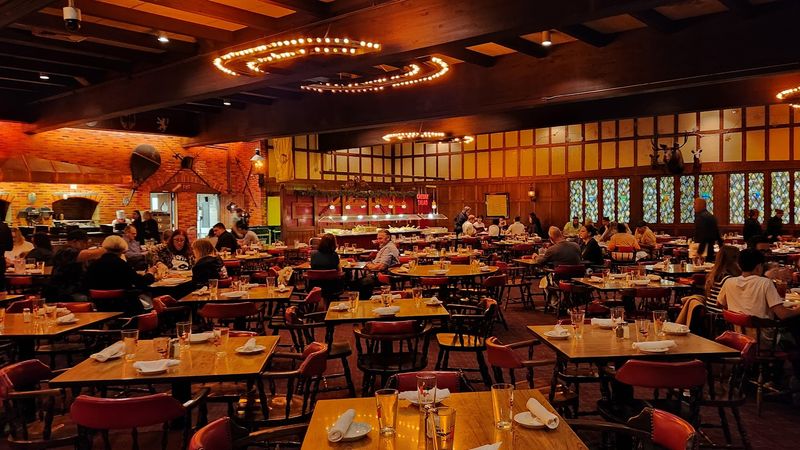
The enormous Tudor-style exterior near Airport Circle makes an appropriately theatrical promise: dinner inside will not be subtle.
The Pub has delivered on that promise since 1951, welcoming diners into a cavernous room where stained glass, dark beams, oversized chandeliers, and an open charcoal hearth preserve the grand steakhouse experience.
That hearth is the restaurant’s center of gravity. Steaks pick up a smoky crust over the charcoal, while slow-roasted prime rib arrives thick, rosy, and built for a serious appetite.
A baked potato, onion soup, or seafood appetizer keeps the meal comfortably rooted in another era. The well-known salad and relish offerings add to the throwback appeal, recalling the days when a steak dinner came with an entire procession of extras.
Scale distinguishes The Pub from smaller old-school establishments. It works for birthday gatherings, multigenerational family meals, and groups whose tastes range from prime rib to crab cakes, salmon, chicken, and shrimp.
The vast dining room has enough visual drama to keep children interested and enough nostalgia to make older guests begin sentences with, “I remember when.” Even with all that space, calling ahead is smart for large parties and busy weekend evenings. The restaurant generally opens for dinner during the week, with earlier hours on weekends, and its schedule is worth confirming before the drive.
Expect moderate-to-higher steakhouse prices and portions to match. This is not the place for a minimalist meal; it is where South Jersey goes when dinner should feel like an event.
8. Bahrs Landing – Highlands
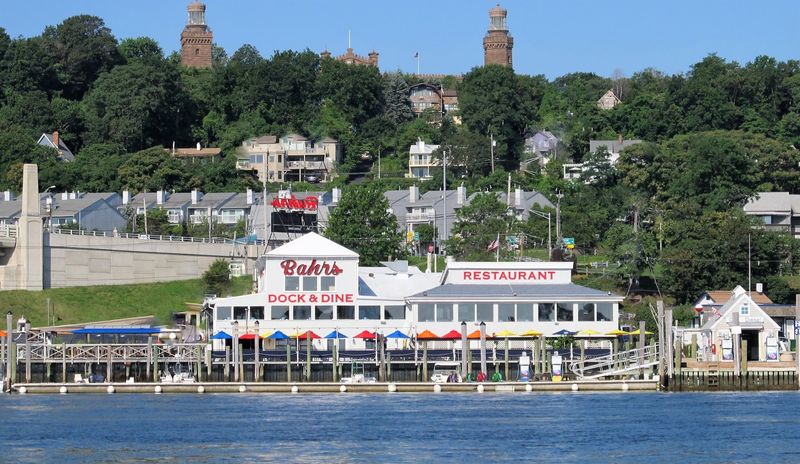
Boats move through Sandy Hook Bay while platters of fried seafood cross a dining room that began, remarkably, with a beached houseboat. Bahrs Landing traces its story to 1917, when Jack and Florence Bahrs bought a small boat-rental operation and began serving chowder and meals to fishing parties.
More than a century later, the family connection, marina, and waterfront setting remain central to its identity. Clam chowder is the natural opening order, followed by whichever Shore classic best suits the day.
Fried flounder, shrimp, scallops, crab cakes, lobster, and raw-bar selections keep seafood at the forefront. A sampler is useful for diners who refuse to choose, while the lobster menu provides a convincing reason to turn lunch into a celebration.
The nautical atmosphere is genuine rather than decorative. Windows face the water, working boats occupy the marina, and detailed model ships fill the restaurant.
Parts of the original houseboat structure survive within the main dining area, giving the building a wonderfully layered quality. Outside, the adjacent deck offers a more casual warm-weather alternative with the same salty breeze.
Bahrs sits near the bridge to Sandy Hook, making it an easy finish to a beach day or coastal drive. Summer weekends can become crowded, so reservations are helpful and extra travel time is sensible.
Boaters can also investigate dock-and-dine options. Whatever the arrival method, secure a water-facing table if possible, order something caught from the sea, and let the scenery handle the rest.
9. Hiram’s Roadstand – Fort Lee
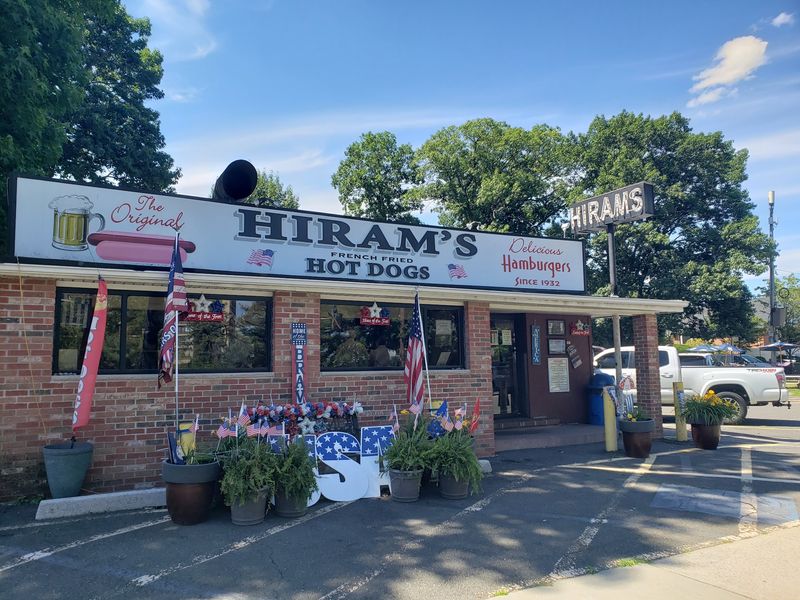
Trends have knocked on Hiram’s door for more than nine decades and received no answer. The Fort Lee roadstand still works from a refreshingly short playbook: deep-fried hot dogs, burgers, fries, onion rings, chili, cold beer, and draft root beer.
There are no elaborate toppings or seasonal reinventions because the original formula continues to fill the counter. Opened in 1932, Hiram’s is best known for its fried dogs, often described as rippers because the casing splits as it crisps.
Compared with heavily topped hot dogs, these rely on texture and simplicity. Order one plain to appreciate the snap, then dress the next with chili or onions.
Fries and a root beer complete a meal that feels more satisfying than its modest size suggests. The roadside building has the practical, unfussy character of a place created to feed people quickly.
Orders are taken at the counter, the grill stays visible, and longtime customers move through the routine with enviable efficiency. A few celebrity endorsements have widened Hiram’s reputation, but the restaurant does not behave like a tourist attraction.
It remains a neighborhood stop where someone may be enjoying the same lunch they first ordered decades ago. Parking can be tight when the counter is busy, and calling ahead for current hours is worthwhile.
Prices are generally gentle, which makes it easy to add another dog after claiming the first one was enough. Hiram’s has endured because it understands a truth many restaurants miss: when the food already has personality, it does not need accessories.
10. Krug’s Tavern – Newark
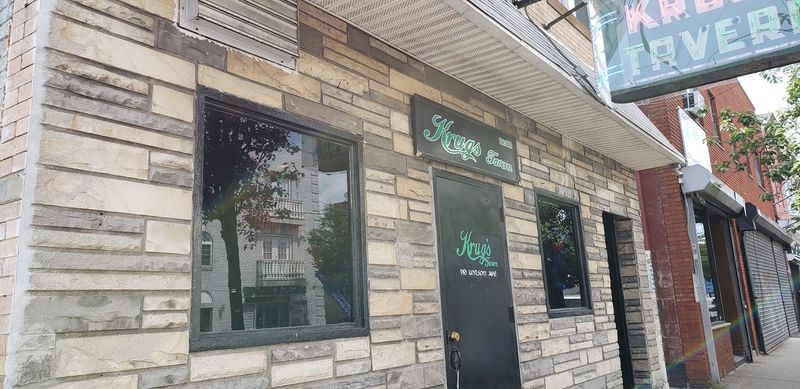
A softball-sized mound of fresh ground beef lands on the little grill behind the bar and slowly becomes one of New Jersey’s most formidable burgers. Krug’s patties weigh roughly 12 ounces before the toppings arrive, so this is not a delicate sandwich meant to be held with fingertips.
It is thick, juicy, unapologetically messy, and best approached with both hands. The classic cheeseburger is the smartest first order.
Bacon adds crunch and salt, while Taylor ham gives the burger an unmistakable Jersey accent. Specialty versions pile on toppings, but the meat remains the point.
Krug’s also has a loyal following for fried shrimp served with homemade marinara, and the menu stretches to wings, seafood, cheesesteaks, and Italian hot dogs. Frank and Laura Krug opened the tavern in Newark’s Ironbound in 1932.
Four generations later, family members remain involved, and the room still carries the relaxed character of a neighborhood bar rather than a restaurant built around awards. Chrome stools line the counter, the grill works within sight of customers, and paper plates make perfect sense once the burger starts dripping.
Krug’s is closed on Mondays and generally serves lunch and dinner the rest of the week, though checking current hours is always prudent. Street parking in the Ironbound can take a little hunting, and the wait for a thick burger cooked to order should not be rushed.
Bring a full appetite, grab extra napkins before the plate arrives, and remember that anyone leaving spotless probably ordered the wrong thing.