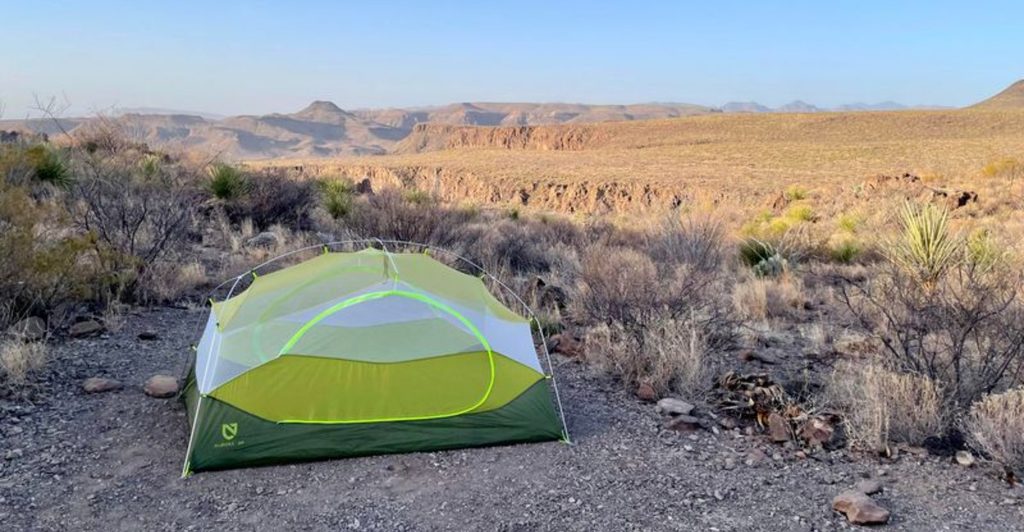
When you ask locals where they love to go in Texas, certain spots keep popping up in conversation. These aren’t just tourist traps with fancy brochures. They’re the real deal places where Texans actually spend their weekends, bring out-of-town visitors, and make memories that stick around.
From underground caves to wide-open canyons, these 13 destinations earned their spots through word-of-mouth buzz and genuine Texas pride.
1. Natural Bridge Caverns (San Antonio)
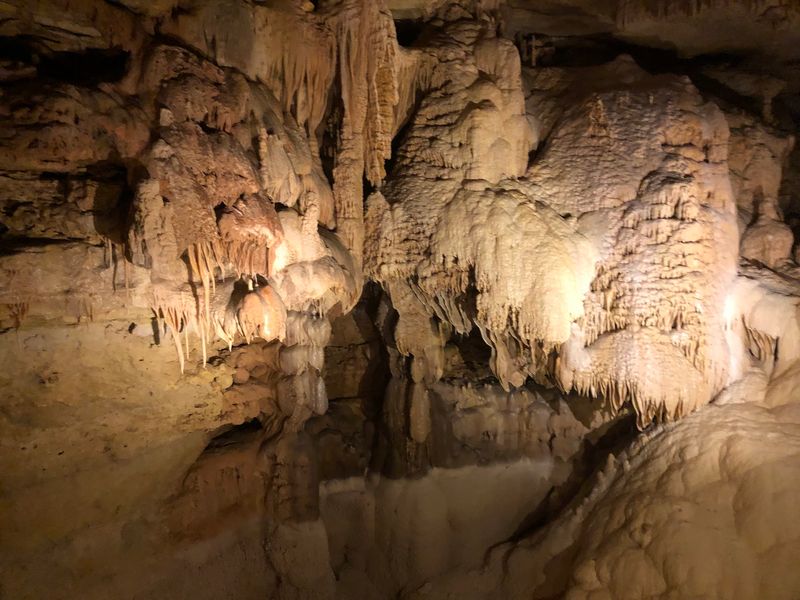
Underneath the Texas Hill Country lies a world most people never see. The temperature stays cool year-round, making this spot a favorite escape when summer heat becomes unbearable. Walking through these chambers feels like stepping onto another planet, with rock formations that took millions of years to create.
The caverns stretch deep into the earth, with guided tours taking you through rooms the size of football fields. Stalactites hang from ceilings like frozen waterfalls, while stalagmites rise from the ground to meet them. Some formations look like flowing curtains, others like delicate soda straws that seem too fragile to be real.
Above ground, adventure seekers can tackle zip lines and rope courses that weave through the Hill Country landscape. The canopy challenge gets your heart pumping before you head underground for the main attraction. Kids especially love the combination of thrills and natural wonder packed into one visit.
Summer weekends get crowded, so arriving early or visiting on weekdays gives you more breathing room. The caverns maintain their beauty no matter when you visit, but smaller groups mean better photo opportunities and more time to appreciate each formation. Wear comfortable shoes with good grip since pathways can be slippery.
Educational programs teach visitors about geology, cave formation, and the delicate ecosystems that exist in darkness. Bats occasionally make appearances, though they’re more active at certain times of year. The caverns also host special events like lantern tours that recreate how early explorers first discovered these underground wonders, adding an extra layer of atmosphere to an already magical experience.
2. Padre Island National Seashore (Corpus Christi)
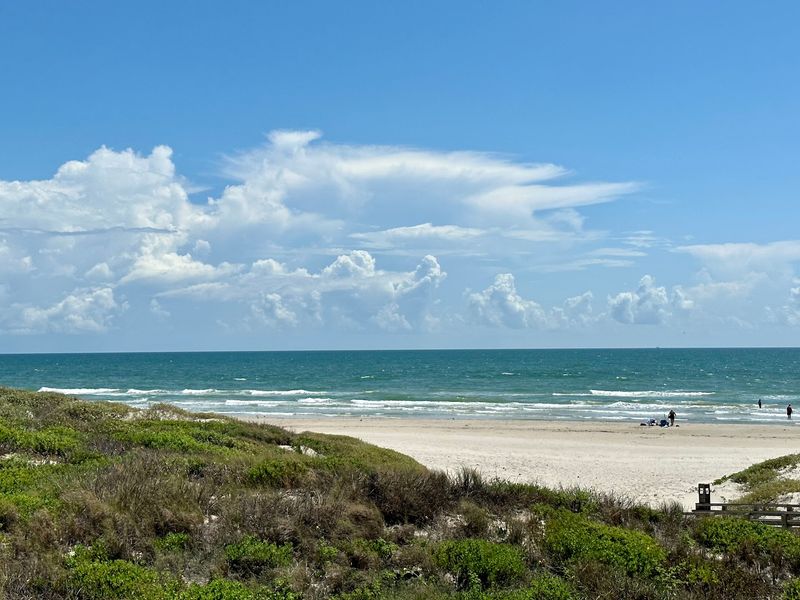
Miles and miles of undeveloped coastline stretch as far as you can see. This barrier island protects one of the longest stretches of primitive beach in the United States, where nature runs the show instead of hotels and restaurants. The Gulf waters here feel wilder, more authentic than typical beach towns.
Sea turtles nest along these shores during warmer months, and if you time your visit right, you might witness hatchlings making their first journey to the ocean. Rangers lead release programs that let visitors observe this incredible moment while keeping the baby turtles safe. It’s the kind of experience that stays with you long after the sand washes off.
Birdwatchers bring binoculars to spot over 380 species that call this area home or pass through during migration. The variety is stunning, from tiny sandpipers scurrying along the waterline to massive pelicans diving for fish. Spring and fall migrations turn the island into a feathered highway that attracts enthusiasts from across the country.
Fishing here is legendary, with surf fishing producing catches that make for great dinner and better stories. Redfish, speckled trout, and flounder all swim these waters. You can drive your vehicle right onto the beach in certain areas, setting up camp wherever the fish seem to be biting.
Camping under the stars with nothing but ocean sounds creates memories that hotel stays can’t match. The lack of light pollution means the Milky Way stretches overhead like a river of stars. Bring plenty of water, sunscreen, and supplies since services are minimal once you leave the visitor center area, but that isolation is exactly what makes this place special.
3. Fort Worth Stockyards (Fort Worth)
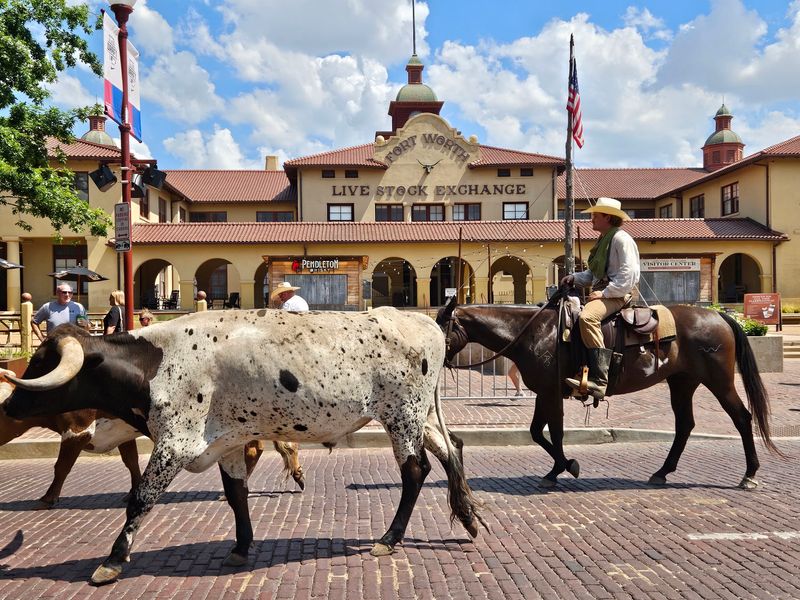
Twice daily, longhorns march right down the middle of the street like they own the place. Watching these massive animals stroll past storefronts and restaurants brings the Old West back to life in a way that feels genuine rather than staged. Cowboys on horseback guide the herd, their spurs jingling as they pass.
The smell of barbecue smoke hangs in the air, mixing with sounds of live country music spilling from honky-tonks. This isn’t some sanitized version of Western history. It’s gritty, loud, and unapologetically Texan, with wooden boardwalks and century-old buildings that have stories etched into every brick.
Rodeos happen regularly at the coliseum, showcasing bull riding, barrel racing, and other events that require equal parts skill and courage. Even if you’ve never been to a rodeo before, the energy in the arena pulls you in. The crowd cheers, bulls buck, and riders hold on for dear life while the clock ticks down.
Shopping here means browsing authentic Western wear, from custom boots to hand-tooled leather belts and proper cowboy hats. Store owners know their stuff and can fit you properly instead of just selling whatever’s on the rack. You’ll leave looking like you belong in Texas, not like you’re wearing a costume.
The Stockyards come alive at night when neon signs glow and dance halls fill up with two-steppers. Billy Bob’s Texas claims to be the world’s largest honky-tonk, and walking through its doors feels like entering a Texas-sized party. Live music, cold beer, and friendly folks create an atmosphere that perfectly captures Fort Worth’s cowboy spirit without trying too hard.
4. Enchanted Rock State Natural Area (Fredericksburg)
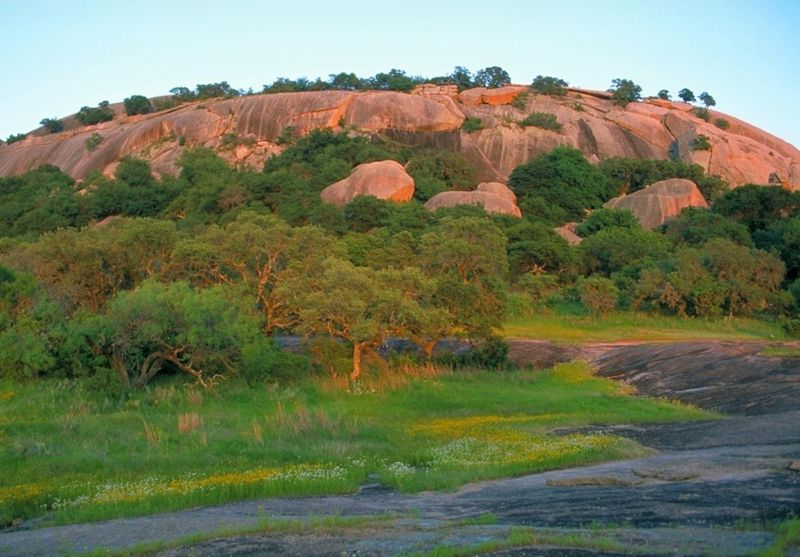
A massive pink granite dome rises from the Hill Country like nature’s own monument. The rock itself is over a billion years old, and standing on top makes you feel connected to something ancient and powerful. On clear days, the view stretches for miles across rolling hills covered in oak trees and wildflowers.
The hike to the summit challenges you without being impossible. Some sections require scrambling over smooth rock faces, which kids find thrilling and adults find surprisingly fun. The granite can get hot under the Texas sun, so early morning or late afternoon visits offer the best combination of comfortable temperatures and beautiful light.
Rock climbers come here to test their skills on routes that range from beginner-friendly to seriously challenging. The granite provides excellent friction, and the variety of cracks and faces means there’s always something new to try. Even if you’re not climbing, watching others scale the steeper sections is impressive.
Legends surround this place, with Native American stories speaking of spiritual significance and strange occurrences. Some visitors report hearing the rock creak and groan as it cools at night, a phenomenon geologists attribute to thermal expansion and contraction. Whether you believe in the mystical aspects or not, there’s definitely something special about this place.
Camping at the base lets you experience sunrise from the summit, when the rock glows pink and orange in the early light. Wildflowers bloom in spring, painting the surrounding landscape in bluebonnets and Indian paintbrush. The park limits daily visitors to protect the natural area, so reservations are essential, especially during peak seasons.
Plan ahead, bring plenty of water, and prepare for a Texas experience that combines physical challenge with natural beauty in one unforgettable package.
5. Space Center Houston (Houston)

Actual spacecraft that traveled to space sit right in front of you. You can walk beneath a Saturn V rocket so massive it has to be housed in its own building, stretching longer than a football field. The scale of these machines becomes real when you stand underneath them, realizing humans rode these things into orbit.
Tram tours take visitors to NASA’s Johnson Space Center, where astronauts still train for missions. You might see them practicing in the enormous pool used to simulate spacewalks or working in mission control rooms that coordinate actual space station operations. Knowing that real space exploration happens right here, not just in history books, makes everything feel immediate and exciting.
Interactive exhibits let you dock a space shuttle simulator, feel what it’s like to touch a moon rock, and learn about current missions to Mars and beyond. The science is presented in ways that make sense without dumbing it down. Kids get inspired, adults get educated, and everyone leaves with a new appreciation for space exploration.
Original mission control from the Apollo era has been restored, complete with the computers and consoles used during moon landings. Standing in that room, you can almost hear the tension and excitement as controllers guided astronauts hundreds of thousands of miles away. It’s a piece of history that changed humanity’s relationship with space.
The Independence shuttle replica mounted on the original shuttle carrier aircraft creates an impressive sight that dominates the landscape. You can walk through both aircraft, seeing where astronauts sat and how these vehicles were designed. Special programs and astronaut meet-and-greets happen regularly, giving visitors chances to hear firsthand stories from people who’ve actually been to space, making the impossible feel just a little more possible.
6. Pedernales Falls State Park (Johnson City)
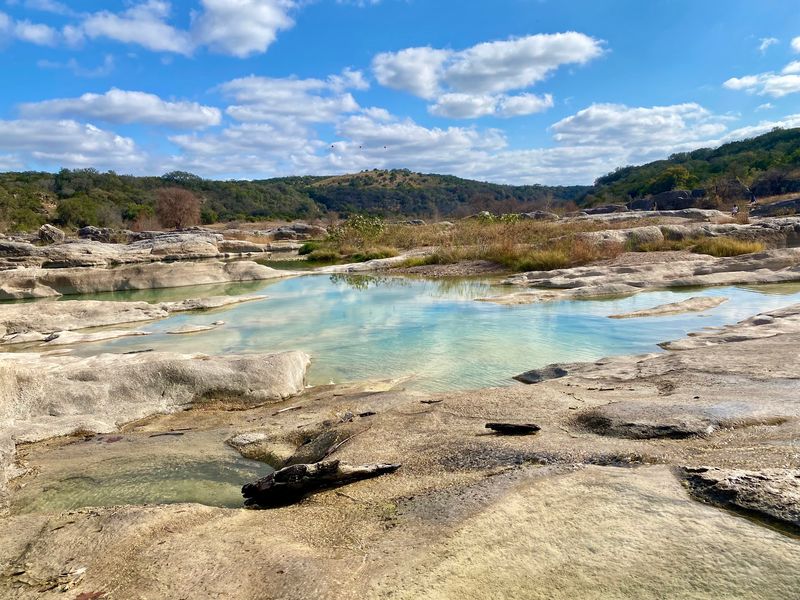
Water rushes over layered limestone shelves, creating a series of cascades that look almost too perfect to be natural. After good rains, the falls transform into a powerful display of water crashing through the riverbed. During drier times, pools form between the rock layers, creating natural swimming holes that stay cool even in summer heat.
The limestone creates a stepped appearance, like nature built a giant staircase for the river to tumble down. These rock formations took thousands of years to form, carved by the relentless flow of water. Walking along the riverbank, you can see fossils embedded in the stone, reminders that this area was once covered by ancient seas.
Hiking trails wind through Hill Country terrain, offering views of the river valley and chances to spot wildlife. White-tailed deer are common, along with armadillos, roadrunners, and countless bird species. The trails vary in difficulty, with some suitable for families and others challenging enough to give experienced hikers a good workout.
Swimming is popular in designated areas, though the current can be stronger than it looks. Local knowledge helps here since regular visitors know which pools are safest and which sections to avoid. The water stays refreshingly cool, fed by springs and shaded by cypress trees that line the banks.
Camping options range from primitive sites for those who want to rough it to spots with water and electricity for folks who prefer some comfort. Stargazing is excellent since the park sits far enough from city lights to see the Milky Way clearly. Spring brings wildflowers that carpet the hillsides in color, while fall offers cooler temperatures perfect for hiking.
The park gets busy on weekends, especially during summer, so arriving early or visiting midweek gives you more space to enjoy the falls without crowds.
7. Cadillac Ranch (Amarillo)
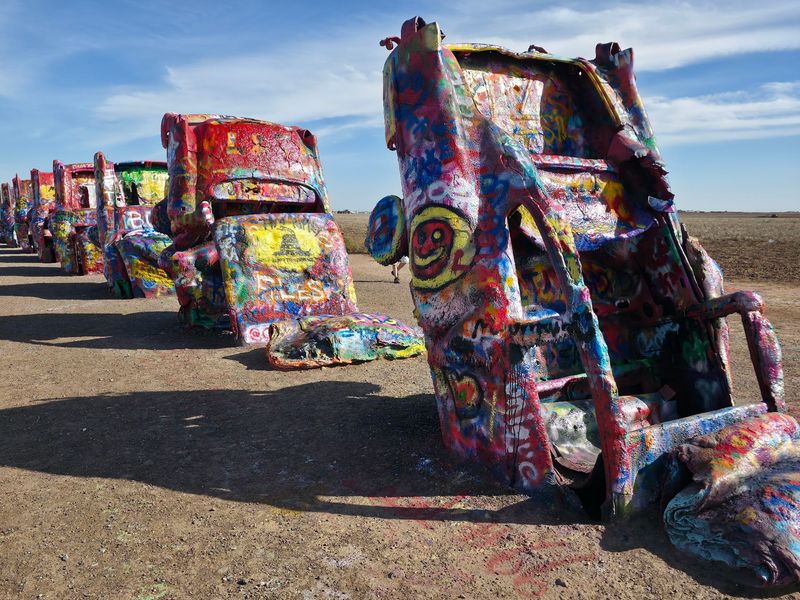
Ten Cadillacs stand buried nose-first in the dirt, their tail fins pointing skyward like a car graveyard turned art installation. Every inch is covered in spray paint, layers upon layers of color applied by thousands of visitors over the years. This isn’t vandalism.
It’s participation in an ever-changing public art project that welcomes your contribution.
Bring your own spray paint cans and add to the artwork. There are no rules about what you can paint or where. Some people leave messages, others create elaborate designs, and many just spray their names in bold letters.
What you paint today will likely be covered tomorrow, but that’s the whole point of this place.
The installation sits right off Route 66, that legendary highway that once carried travelers across America. The Cadillacs themselves represent the golden age of American automobiles, when bigger meant better and chrome was king. Burying them here makes a statement about consumerism, the passage of time, and the temporary nature of all things.
Photographers love this spot because the visual is so striking and constantly changing. Sunset light hitting the painted metal creates colors that seem to glow. The flat Texas Panhandle landscape stretching endlessly in all directions adds to the surreal quality of stumbling upon buried cars in the middle of nowhere.
Admission is completely free, and you can visit anytime day or night. The site sits on private land, but the owners welcome visitors as part of the art’s purpose. Wear clothes you don’t mind getting paint on since overspray is inevitable.
The ground can be muddy after rain, so check conditions if you’re worried about your shoes. This quirky roadside attraction perfectly captures the weird, wonderful spirit of Texas art that doesn’t take itself too seriously while still making you think.
8. San Antonio River Walk (San Antonio)
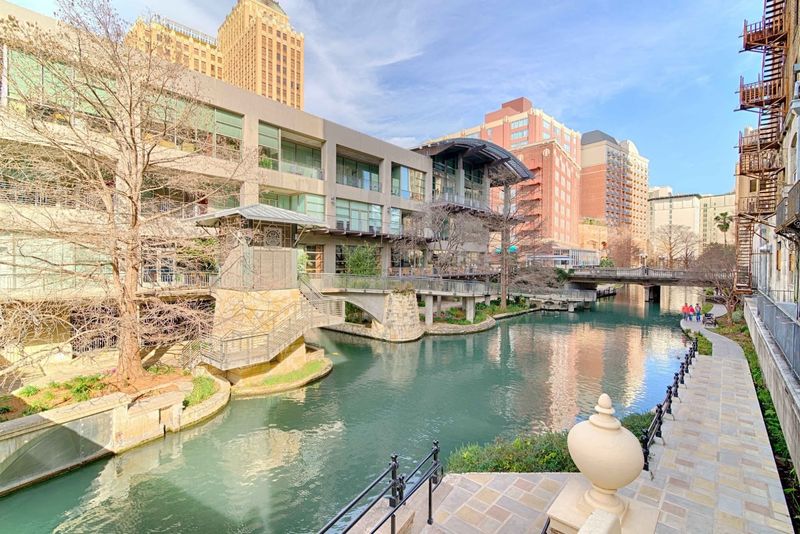
Descending the stairs from street level feels like entering a different world. The River Walk winds through downtown San Antonio one story below the busy streets above, creating a peaceful corridor where the city’s noise fades away. Cypress trees shade the pathways, their roots reaching into the water while branches create a canopy overhead.
Restaurants line both sides of the river, their patios extending right to the water’s edge. You can eat Tex-Mex while watching river barges drift past, or grab a drink at a bar where the bartender serves you while standing in a boat. The variety of food options is impressive, from upscale dining to casual tacos, all with that unique River Walk atmosphere.
Stone bridges arch gracefully across the water, each one different from the last. Some date back decades, while others are newer additions that blend seamlessly with the historic character. Walking the entire loop takes time, with so many interesting spots to stop and explore along the way.
River barges offer narrated tours that cover the history and architecture surrounding the water. The guides share stories about the River Walk’s creation, the devastating flood that almost destroyed it, and the vision that transformed this area into San Antonio’s crown jewel. Learning the history adds depth to what could otherwise just be a pretty walk.
The River Walk transforms during holidays, with thousands of lights decorating the trees and bridges during Christmas. Fiesta celebrations bring color and music that echo off the water. Even on regular days, street performers and musicians add entertainment.
The area near the Alamo connects history with modern attractions, while the Museum Reach extension brings art installations and quieter stretches perfect for morning walks. Each section has its own personality, giving you reasons to return and explore different areas.
9. Brazos Bend State Park (Needville)
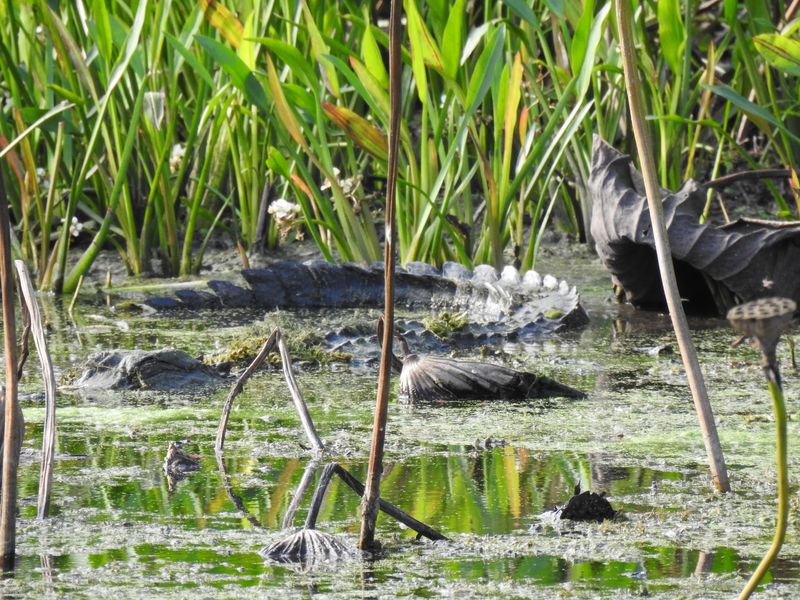
Alligators sunbathe right next to the walking trails. Not behind fences or in exhibits, but wild gators living their best lives in the marshes and lakes that make up this coastal prairie park. Signs warn visitors to keep their distance, and you learn quickly to scan the shoreline before getting too close to the water.
The park sits in the coastal plain southwest of Houston, where wetlands create perfect habitat for hundreds of species. Besides gators, you’ll spot turtles, snakes, and an incredible variety of birds. The George Observatory sits within park boundaries, offering stargazing programs that take advantage of darker skies away from city lights.
Fishing here is excellent, with bass, catfish, and perch all biting. Just remember that anything you catch shared the water with alligators, which adds a certain thrill to reeling in your line. Catch and release is popular, and the park provides fishing piers that keep you safely above the water.
Photography opportunities are everywhere, from alligators posing like they know they’re being photographed to wading birds hunting in the shallows. The Spanish moss hanging from trees creates an atmospheric Southern feel. Wildlife is most active early morning and late afternoon, when temperatures cool and animals come out to feed.
Camping facilities range from basic tent sites to spots with water and electricity. Screened shelters protect from mosquitoes, which can be intense during warmer months. Bring bug spray and use it liberally.
The park offers guided nature walks where rangers share information about the ecosystem and point out wildlife you might otherwise miss. Educational programs teach visitors about alligator behavior, wetland ecology, and the importance of preserving these coastal habitats. It’s wild Texas nature accessible and safe, but still thrilling enough to keep your attention focused on your surroundings.
10. Big Bend National Park (Terlingua)
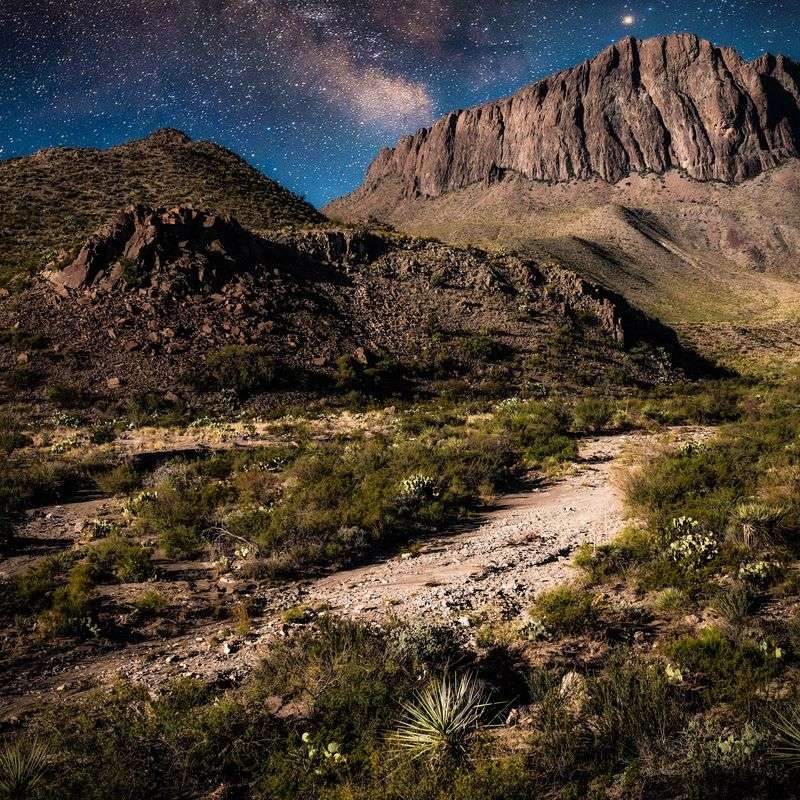
Remote doesn’t begin to describe how far Big Bend sits from everything else. The nearest city of any size is hours away, and that isolation is exactly what makes this place magical. The Chihuahuan Desert stretches endlessly, interrupted by mountain ranges that rise dramatically from the desert floor and the Rio Grande carving its path along the Mexican border.
Three distinct ecosystems exist within the park boundaries. Desert lowlands host cacti and resilient plants adapted to brutal heat and scarce water. The Chisos Mountains provide cooler temperatures and different vegetation, including forests at higher elevations.
The river corridor creates a riparian zone where water attracts wildlife and supports lush growth.
Hiking options range from short nature walks to challenging backcountry treks that take multiple days. The Window Trail in the Chisos Basin offers stunning sunset views, while the South Rim hike rewards those willing to climb with panoramic vistas that seem to stretch into Mexico. Santa Elena Canyon, where sheer rock walls tower hundreds of feet above the river, creates a landscape that feels more like something from another planet.
Stargazing here ranks among the best in the continental United States. The park has been designated an International Dark Sky Park, meaning light pollution is minimal and the night sky explodes with stars. The Milky Way appears so clearly you can see its structure, and meteor showers put on shows that leave you breathless.
Wildlife includes roadrunners, javelinas, mountain lions, and black bears. The variety of birds attracts serious birders who travel specifically to add rare species to their life lists. Hot springs near the river offer natural soaking opportunities with views across the border.
Visiting requires planning since services are limited and the environment is unforgiving, but those willing to venture this far find a Texas wilderness that feels untouched and timeless.
11. Inks Lake State Park (Burnet)
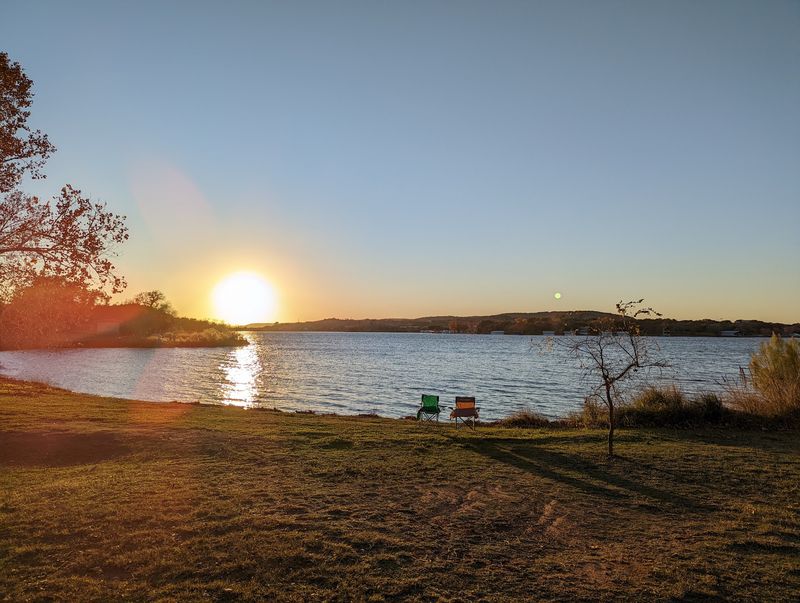
Unlike many Texas lakes that fluctuate wildly with rainfall, Inks Lake maintains consistent water levels year-round. That reliability makes it a favorite for water sports, camping, and just getting out on the water without worrying about boat ramps being too far from the shoreline. The lake sits in the Highland Lakes chain, surrounded by pink granite outcrops and Hill Country scenery.
Devil’s Waterhole is the park’s signature swimming spot, where granite boulders create natural diving platforms. Kids and adults alike line up to jump into the clear water, with heights ranging from a few feet to ledges that require real courage. The water stays cool and refreshing, fed by the lake and shaded by surrounding rocks.
Hiking trails wind through the park, with the Valley Spring Trail offering views of the lake and chances to spot wildlife. The terrain mixes rocky sections with easier paths, suitable for various fitness levels. Wildflowers bloom in spring, adding color to the granite landscape that dominates the scenery.
Boating, kayaking, and paddleboarding are popular activities on the calm lake waters. Rental facilities provide equipment if you don’t have your own. Fishing produces catches of bass, catfish, and perch, with several good spots accessible from shore or boat.
The constant water level means fish habitats remain stable, supporting healthy populations.
Camping options include waterfront sites where you can wake up to lake views and fall asleep to the sound of water lapping against the shore. The park provides both developed sites with amenities and more primitive options for those seeking solitude. Weekends fill up quickly during summer, so reservations are smart.
The park’s proximity to Austin makes it a popular quick getaway, but midweek visits offer more peace and space. Evening programs and ranger-led activities add educational value, teaching visitors about the geology, ecology, and history of the Highland Lakes region.
12. San Jacinto Battleground State Historic Site (La Porte)
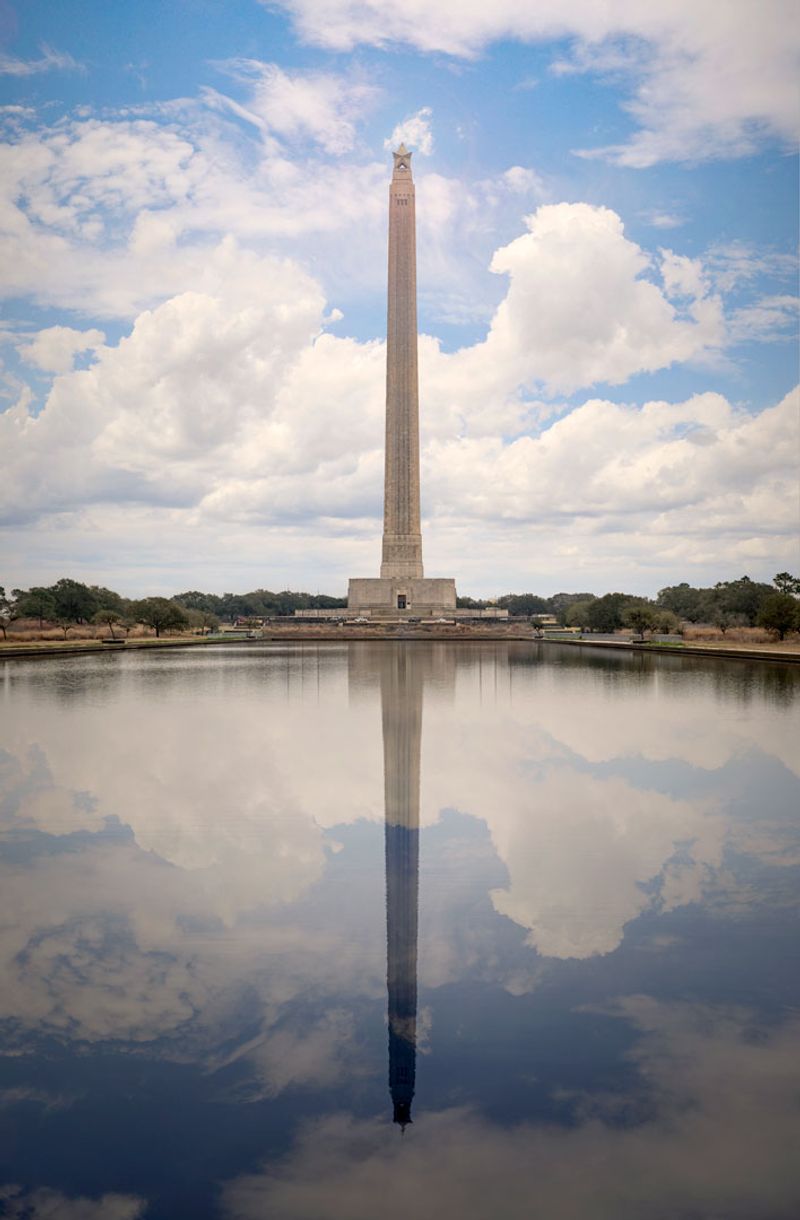
A 567-foot monument towers over the coastal plain, marking the spot where Texas won its independence from Mexico. The battle that took place here in 1836 lasted only 18 minutes but changed the course of history. Standing on the battlefield, you can imagine the chaos and courage that defined that brief, violent encounter.
The monument itself is taller than the Washington Monument, topped with a 34-foot star that represents the Lone Star Republic. An elevator takes visitors to the observation deck, where views stretch across the Houston Ship Channel, the battlefield below, and miles of coastal landscape. On clear days, you can see downtown Houston’s skyline in the distance.
The museum at the monument’s base houses artifacts, weapons, and exhibits that tell the story of the Texas Revolution. Personal items belonging to soldiers on both sides make the history feel human rather than abstract. The film presentation provides context for visitors unfamiliar with Texas history, explaining the events that led to the battle and its aftermath.
The battleship Texas, a World War I and II veteran, sits permanently moored nearby as part of the historic site. You can tour the ship, walking the same decks where sailors served during both world wars. The battleship underwent extensive restoration and represents another chapter of Texas military history preserved for future generations.
The grounds include the actual battlefield where the fighting occurred. Interpretive signs explain troop movements and key moments of the battle. Walking the field helps you appreciate the terrain and understand how Sam Houston’s forces achieved their surprise victory.
Annual reenactments bring history to life with period costumes, weapons demonstrations, and living history displays. The site offers a powerful connection to Texas identity and the struggle for independence that still resonates with visitors today, making it essential for understanding what makes Texas, well, Texas.
13. Palo Duro Canyon State Park (Canyon)
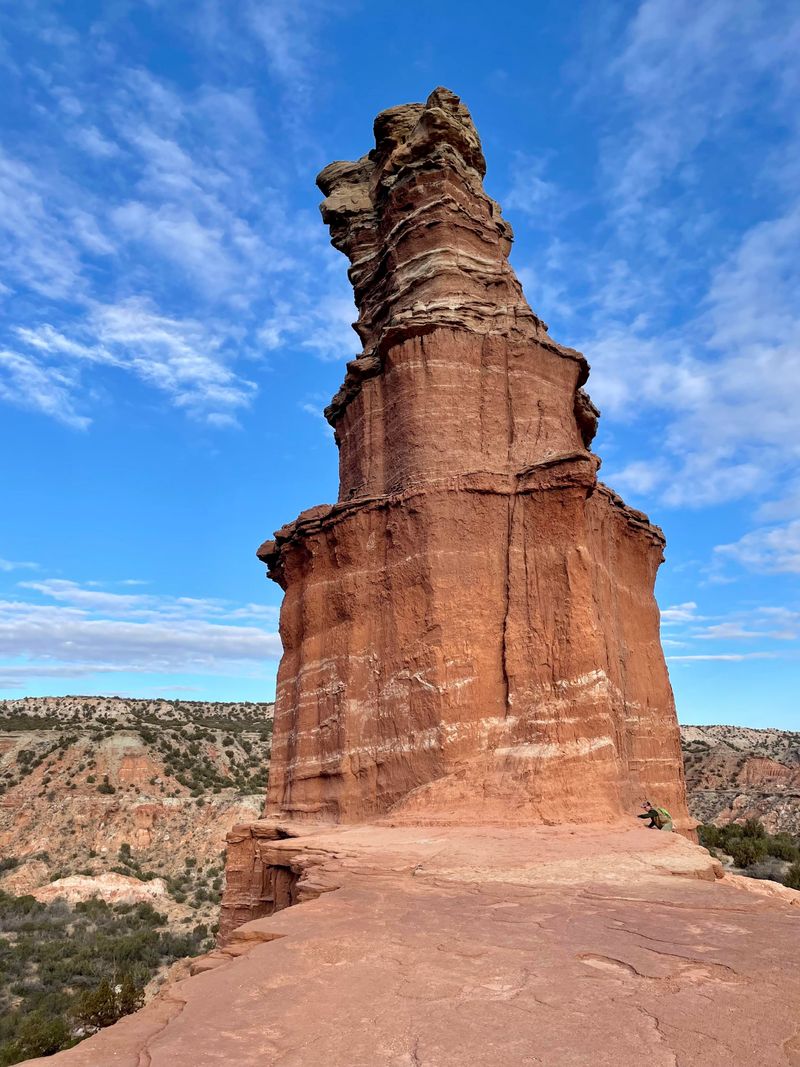
The second-largest canyon in the United States hides in the flat Texas Panhandle like a secret carved into the earth. You drive across endless plains, then suddenly the ground drops away revealing a massive gash in the landscape painted in reds, oranges, and purples. The contrast between the flat grasslands and this dramatic canyon is shocking and beautiful.
The canyon stretches 120 miles long and reaches depths of 800 feet in places. The Prairie Dog Town Fork of the Red River carved this canyon over millions of years, exposing rock layers that tell the geological history of the region. Colors change throughout the day as sunlight hits the canyon walls from different angles, with sunrise and sunset offering the most dramatic lighting.
Hiking trails vary from easy walks along the canyon floor to challenging climbs that take you to rim viewpoints. The Lighthouse Trail leads to the park’s most famous rock formation, a distinctive pillar that rises from the canyon floor. The round-trip hike covers about six miles and includes some steep sections, but reaching the Lighthouse feels like an accomplishment worth celebrating.
Mountain biking trails wind through the canyon, offering a different way to experience the landscape. The relatively smooth paths work well for riders of various skill levels. Wildlife includes mule deer, roadrunners, and the official Texas State Bison Herd, which roams the canyon as they did centuries ago.
The outdoor musical drama Texas performs in the canyon’s amphitheater during summer months, telling the story of Panhandle settlers against a backdrop of canyon walls. Camping under the stars in the canyon bottom creates memories that stick with you. The park offers both tent sites and cabins for those wanting more comfort.
Spring wildflowers add splashes of color to the red rock landscape, while fall brings cooler temperatures perfect for hiking. This is Texas scenery that surprises people who think the state is all flat and boring.