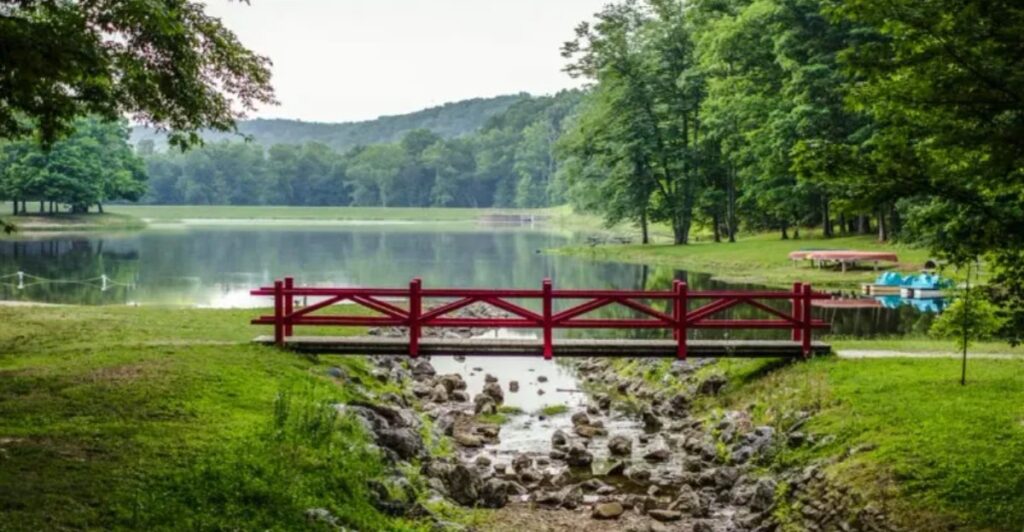
October is a great time to hike in Ohio because the air feels cooler, the woods start to change color, and many trails look extra beautiful. It is also a month when copperheads may still be active, especially on warm rocks, sunny edges, leaf-covered paths, and quiet forest ground.
That does not mean you should stay home, but it does mean you should walk carefully, stay alert, and know where you are putting your hands and feet. Ohio has many scenic trails that reward careful hikers with ridges, creeks, deep woods, and far-off views, yet some of those same features can also make good hiding places for snakes.
Copperheads rely on camouflage, so they can blend into brown leaves, roots, and rocky soil so well that a person might miss one until getting too close. Hikers who wear sturdy boots, stick to the trail, avoid stepping over logs without looking, and give wildlife plenty of space can lower the chance of a bad surprise.
A little caution goes a long way, especially in southern and southeastern Ohio, where rugged terrain and mixed forest create the kind of habitat copperheads like. The trails in this list are not meant to scare you away.
They are here to help you enjoy Ohio more safely, with smart habits and a sharper eye. If you love fall hiking, these paths offer plenty to see, but they also remind you that the forest floor deserves your full attention.
1. Selinde Roosenburg Memorial Backpack Trail, McArthur
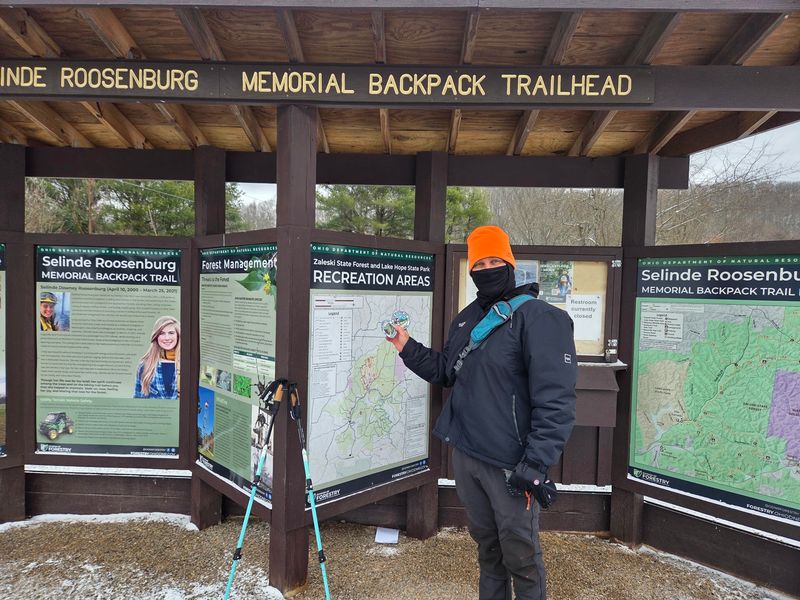
One wrong step on a leaf-covered slope can turn an easy moment into a tense one, and that is part of why hikers need to stay sharp on this backpack trail. The Selinde Roosenburg Memorial Backpack Trail near McArthur winds through the kind of wooded country where copperheads can blend in almost perfectly with brown leaves, small rocks, and sunlit dirt.
October often brings cool mornings and warmer afternoons, which can make snakes more likely to rest near trail edges or open spots that hold heat. A long backpack route like this also means tired feet, and tired hikers sometimes stop paying close attention to the ground right in front of them.
Good habits matter here. Wear boots with solid ankle support, keep your steps steady, and never place a hand on a log, rock, or ledge until you have checked it first.
Trekking poles can help you test the path ahead, especially where leaves pile up deeply or the trail bends around stone.
Another smart move is to avoid stepping over fallen logs without first looking at both sides. Copperheads sometimes rest beside wood, under brush, or near places where small animals travel.
If you need a break, pick open ground instead of sitting right next to rock piles or thick vegetation.
Backpackers should also keep campsites neat and avoid leaving food scraps around, since mice and chipmunks can attract predators. Staying on the marked trail is safer than wandering into tall cover, even if the woods look calm and inviting.
The reward for being careful is a rich Ohio forest experience filled with quiet ridges and deep shade. Move slowly, look twice, and treat every sunny patch of trail as a place that deserves a second glance.
On this route, awareness is just as useful as water, snacks, and a good map.
2. Lake Hope State Park Trails, McArthur
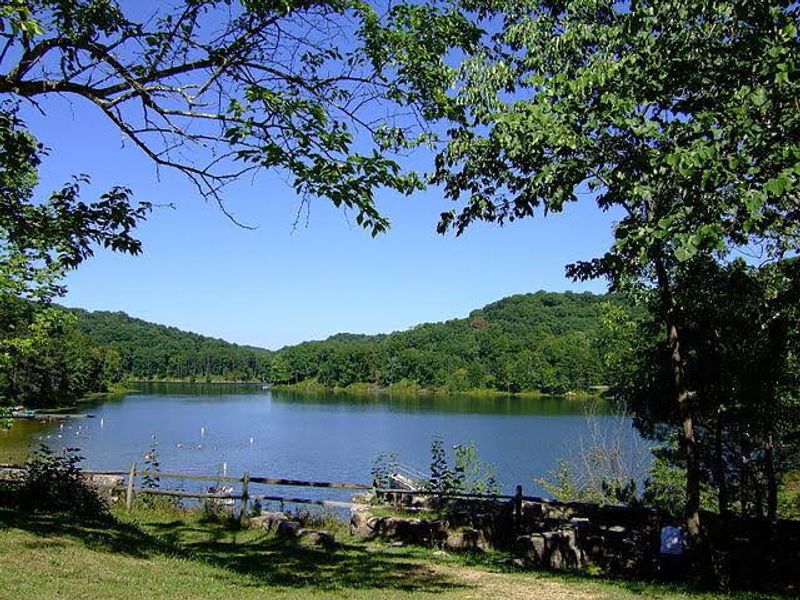
Cool lake air and quiet woods make Lake Hope State Park feel peaceful, but hikers still need to stay alert in October. Around McArthur, the mix of rocky ground, forest cover, and sunny trail openings can create spots where copperheads may rest without being noticed right away.
Lake Hope has several trails, and that variety is part of the challenge. Some paths pass through damp hollows, while others cross dry hillsides and rougher sections with roots, stones, and leaf litter.
Snakes use camouflage well, so a copperhead can look a lot like the forest floor when the light flickers through the trees.
Families and casual hikers often slow down to admire the scenery, and that is a good thing as long as your eyes keep checking the path. Watch where children step, and remind them not to reach into brush, under rocks, or along log edges.
Dogs should stay leashed so they do not nose into places people would avoid.
Footwear matters more than many visitors expect. Closed-toe hiking boots are better than sandals, and long pants can add some protection while you pass through brushy edges.
If you stop for photos, choose a clear spot instead of backing into weeds without looking.
October weekends can bring more trail traffic, which sometimes causes people to step aside quickly to let others pass. That small move can place a boot on a hidden snake if you are not careful.
Before moving off the main tread, glance down and check the shoulder of the trail.
Lake Hope is one of those Ohio places that feels even better when explored with patience. Slow steps, simple caution, and respect for wildlife can help you enjoy the ridges, coves, and lakeside views without trouble.
The trail is still a wonderful outing, but it is best enjoyed with your eyes working as hard as your legs.
3. Shawnee State Forest Backpack Trail, West Portsmouth
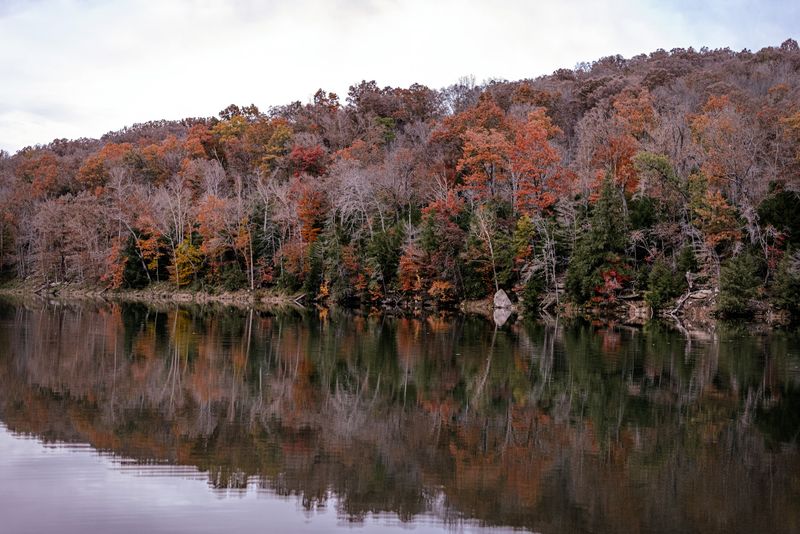
Big miles and big hills give this trail a serious feel, and that rugged setting is exactly why hikers should watch every step. The Shawnee State Forest Backpack Trail near West Portsmouth cuts through wild-looking country where copperheads may use rocky ground, warm edges, and leaf-covered turns as hiding places.
Some people call Shawnee the little Smokies of Ohio because the landscape rises and falls so much. That means more chances to cross uneven tread, narrow side slopes, and sunny breaks in the woods where a snake might be resting after a cool night.
Backpackers often focus on distance, camp timing, and water, but ground awareness is just as important here. Scan a few feet ahead instead of staring only at the next hill.
If the trail drops through rockier sections, shorten your stride and place each foot with care rather than rushing downhill.
Rest stops deserve thought too. A flat rock may look like the perfect place to sit, yet it can hold warmth that attracts reptiles.
Choose open, visible spots, and check around your pack before setting it down. At camp, keep tent doors zipped and avoid walking around after dark without a bright light.
Another helpful habit is to listen as well as look. Dry leaves can crackle under a moving snake, and hearing that sound early gives you time to pause.
If you do spot a copperhead, step back slowly and give it room. Trying to move it or get a closer photo is never a smart plan.
The forest here is beautiful in October, with changing leaves beginning to color the hills and long views that feel far from busy life. Careful hikers can have a great trip on this route.
Bring patience, watch the trail shoulders, and remember that the wild feel of Shawnee comes with real wildlife sharing the same path.
4. Shawnee State Forest Day Hike Trail, West Portsmouth
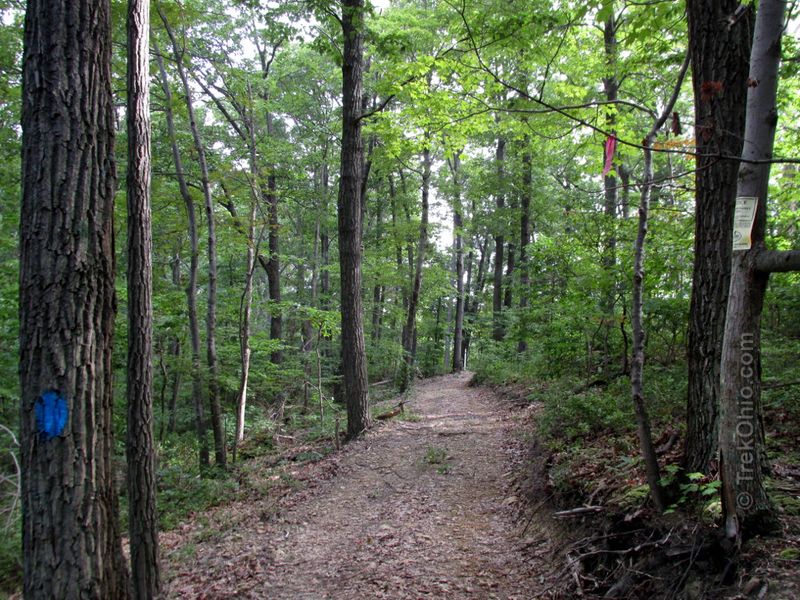
A short day hike can feel easier than an overnight trek, but that can lead people to let their guard down. On the Shawnee State Forest Day Hike Trail near West Portsmouth, quick changes in terrain and heavy forest cover make it smart to stay alert for copperheads in October.
The trail moves through southern Ohio woodland where roots twist across the path and leaves gather in quiet pockets. Those details make the hike scenic, but they also create natural cover for a snake that does not want to be seen.
Copperheads usually rely on staying still, which makes them easy to miss.
Because this is a day route, hikers sometimes chat more, look around more, and check the ground less. Enjoying the woods is part of the point, of course, but keep some attention on each next step.
If you are hiking with friends, leave enough space so you do not get pushed into the trail edge by accident.
Early morning can be cooler, while later hours may warm rocks and open patches. That means conditions can change during the same outing.
A place that seems empty at the start of the hike may hold a snake later in the day, especially near sunny bends and rocky margins.
Teach younger hikers a few easy rules before starting. Do not grab tree trunks without looking.
Do not sit in leaf piles. Do not wander off the trail to explore every side path.
Those simple reminders can prevent trouble and still allow a fun, memorable walk in the forest.
Shawnee offers some of Ohio’s most dramatic hiking terrain, and this trail gives a good sample of it. The key is not fear, but focus.
Move at a reasonable pace, wear proper shoes, and watch spots where the path narrows or curves around rocks. October is a great month to visit, as long as careful footing stays part of the plan.
5. Logan Trail at Tar Hollow State Park, Laurelville
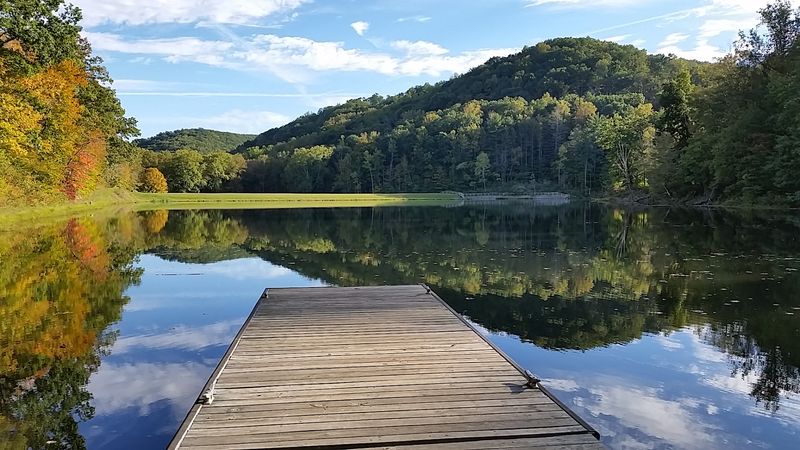
There is something old-school and woodsy about Tar Hollow that makes a hike here feel like stepping into a quieter Ohio. Along the Logan Trail near Laurelville, that peaceful setting comes with a need for careful footing because copperheads can blend into the same leaves and earthy colors that make the trail so pretty in October.
The route moves through rolling forest with climbs, dips, and stretches where roots and rocks interrupt your stride. When leaves begin dropping, the path can hide more than just uneven ground.
A snake resting still beside a root or at the edge of a sunny patch may nearly disappear against the brown and orange forest floor.
One of the smartest things you can do here is slow down when the trail passes through warmer, drier sections. Copperheads often prefer places that offer cover nearby and a little sun.
If you are crossing a rocky area, look before stepping onto flat stones or around ledges where heat can collect.
Hikers who use poles have an advantage on Logan Trail. Poles help with balance on hills and can also help you check leaf piles before your boot lands.
If you need to step aside for another group, pause first and inspect the shoulder rather than moving automatically into brush.
Break time deserves some planning too. Pick a bench, a clear patch of trail, or an open area instead of settling beside a fallen log.
Keep backpacks zipped, and shake out clothing or rain gear if it has been lying on the ground for a while.
Tar Hollow has the kind of simple beauty that grows on you with every turn. Bird sounds, changing leaves, and cool hill air make October a fine time to visit.
Stay observant, keep kids and pets close, and give wild creatures room. Careful steps let you enjoy the Logan Trail without turning a good day into a painful memory.
6. Scioto Trail State Park Trails, Chillicothe
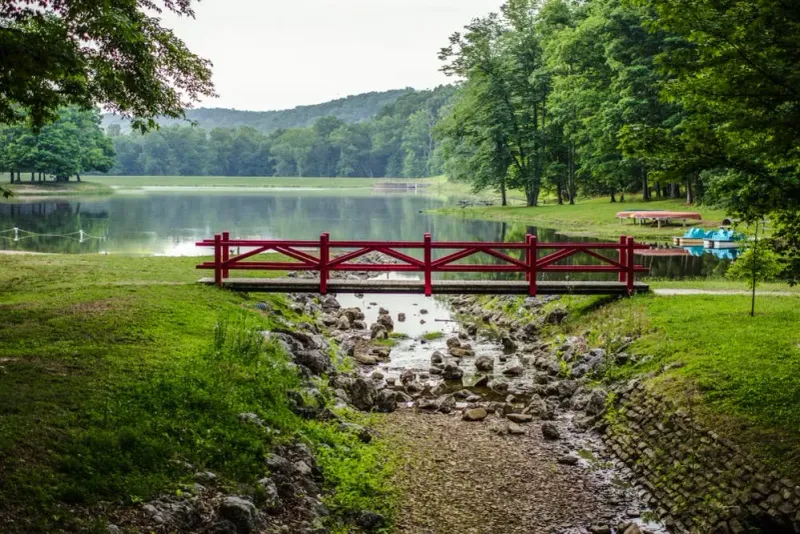
Some trails make you want to keep looking up at the views, and that is exactly when you need to remind yourself to look down too. At Scioto Trail State Park near Chillicothe, the ridges, wooded slopes, and rough patches underfoot can create places where copperheads may stay hidden during October.
The park sits in southern Ohio hill country, and its trails often mix scenic overlooks with shaded forest sections. That contrast matters because snakes may move between cover and warmer open ground depending on the day.
A sunny edge near a rocky slope can be more than just a good photo stop.
If you are hiking here after a cool morning, pay special attention as temperatures rise. Copperheads may become more active or choose spots that hold warmth.
Keep your pace steady rather than fast, and avoid stepping over rocks or logs where you cannot see the far side.
Trail courtesy also plays a role in safety. When another group approaches, do not hop into weeds or leaf piles just to make room.
Find a clear place to stand, and glance around before stopping. The same rule applies if you pause for snacks, water, or a map check.
Scioto Trail can be a fun place for newer hikers, but beginners should know a few basics before heading out. Wear boots, not flimsy shoes.
Keep hands away from crevices. Watch children closely near rocky edges and remind them that wild animals should never be touched, chased, or cornered.
The best part of hiking here is how much variety the park packs into one outing. Forest shade, ridgeline views, and early fall color can all show up in a single walk.
With a careful attitude, you can enjoy every bit of it. Let the scenery pull you in, but let common sense guide every step you take on the trail.
7. Buzzardroost Rock Trail, West Union
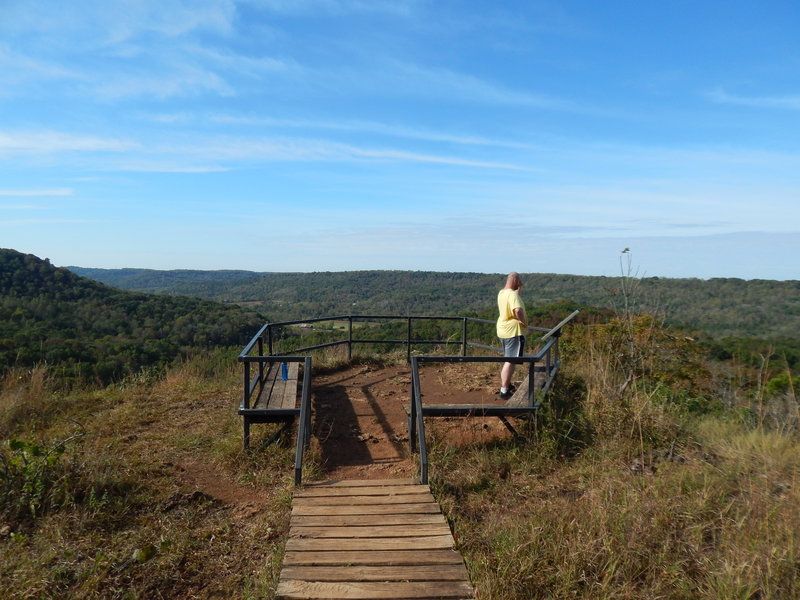
Few places in Ohio feel as bold and dramatic as the walk to Buzzardroost Rock, and that rocky beauty is part of the warning. Near West Union, this trail leads hikers through terrain where copperheads may use stone, sun, and leaf cover to stay hidden in plain sight during October.
The path is not the longest on this list, but short trails can fool people into rushing. When a big overlook is waiting ahead, many hikers focus on getting to the view instead of checking each foot placement.
That can be a mistake on a route with uneven ground, rocky edges, and warm open spots.
Take your time as the trail shifts between woods and exposed stone. Copperheads may rest near rocks that hold heat, especially later in the day.
Before sitting down for a snack or setting a camera bag on the ground, scan the area carefully and choose a spot with clear visibility.
This is also a good trail for reminding kids that excitement and caution should go together. The overlook is memorable, but children should stay near adults and avoid wandering into brush for a better angle.
Dogs should stay leashed, both for their safety and for the safety of other hikers.
Foot placement matters most where leaves collect in cracks and along the trail edge. A snake does not need much room to disappear.
If you hear rustling off to the side, stop first and locate the sound before moving again. Calm pauses are better than quick reactions.
Buzzardroost Rock rewards hikers with one of the most striking views in this part of Ohio. The walk can still be enjoyable and safe if you treat the trail with respect.
Keep your eyes moving between the overlook and the ground ahead, and remember that rocky scenic paths are exactly the kind of places where careful hikers do best in October.
8. Archers Fork Trail, New Matamoras
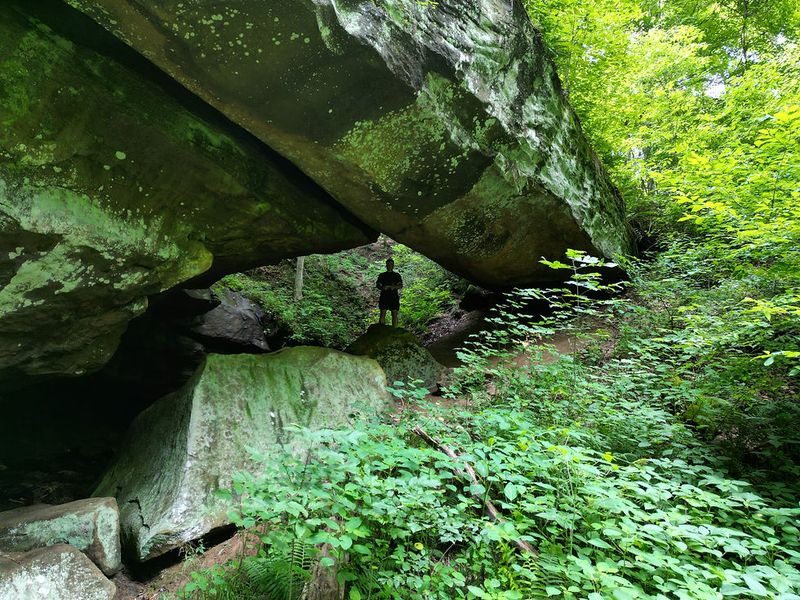
Archers Fork has a storybook feel in places, with streams, forest, and old stone features, yet hikers should not let the charm distract them. Near New Matamoras, this trail passes through habitat where copperheads may hide along rocky sections, leaf litter, and the edges of brushy ground in October.
Part of what makes this trail special is its variety. You may move from damp creekside stretches to drier upland spots in the same hike.
That shift matters because snakes may use different parts of the landscape at different times of day, especially if one area offers sun and another offers cool cover.
Creek crossings and wet rocks already ask for careful balance, so add snake awareness to your routine. Look before placing hands on stones for support.
If the trail narrows near logs or rock shelves, give yourself extra time. A rushed step is often the step people regret.
Many hikers stop often here because there is so much to notice. That is a good reason to build a simple habit: before every stop, scan the ground in a small circle around your feet.
Do the same before opening a pack, tying a shoe, or kneeling for a photo.
October can bring beautiful color and pleasant temperatures, which draws more visitors onto the trail. Busier days are not always safer if people get pushed toward the sides while passing.
Step aside only where the ground is clear, and teach children not to pick up sticks or rocks from hidden corners.
Archers Fork is one of those Ohio hikes that sticks in your memory because it feels both pretty and a little wild. That wild side is part of the appeal, and it deserves respect.
Watch where you step, keep your hands out of blind spots, and let the trail set your pace instead of trying to hurry through it.
9. Scenic River and Greenwood Trails at Leith Run Recreation Area, Matamoras
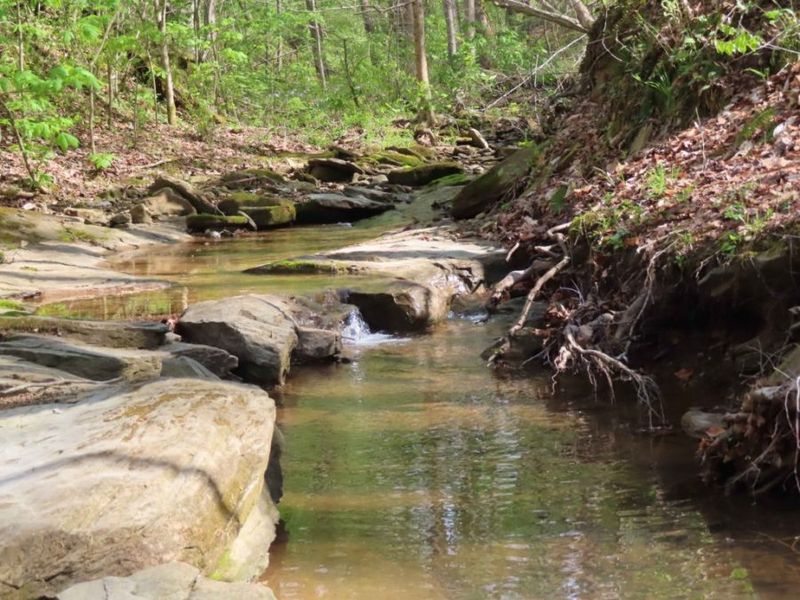
River views and forest shade make Leith Run Recreation Area an appealing stop, but October hikers should keep their attention on the trail as much as the scenery. The Scenic River and Greenwood Trails near Matamoras pass through southeastern Ohio habitat where copperheads can be difficult to spot among leaves, roots, and rocky edges.
These trails offer a nice mix of woodland walking and glimpses of the surrounding landscape. That changing setting can create plenty of hiding places, especially where the path meets brushy margins or sunlit openings.
A copperhead does not need to cross the middle of the trail to become a problem. It only needs to rest where a boot might land.
One helpful trick is to scan in layers. First check the next step, then the trail edge, then the area a few feet farther ahead.
That simple rhythm keeps you from staring only at distant views. It also helps when the path curves, climbs, or passes around stones and fallen branches.
If the day is warm, watch carefully near exposed patches that collect sunlight. If the morning is cool, keep in mind that snake behavior may change later as temperatures rise.
Conditions matter, and paying attention to them can make you a much safer hiker.
Groups should spread out a little instead of walking heel to heel. That gives each person room to react calmly if something is spotted on the trail.
Leashed dogs are best here, and children should stay close, especially in sections with thicker cover beside the path.
The reward is a quiet outing in a beautiful corner of Ohio that still feels natural and lightly traveled. Hike it with patience and a watchful eye, and you can enjoy the river-country mood without unnecessary risk.
The woods here are lovely in October, but they are not a place for careless steps or wandering attention.
10. Broughton Nature Park Trails, Marietta
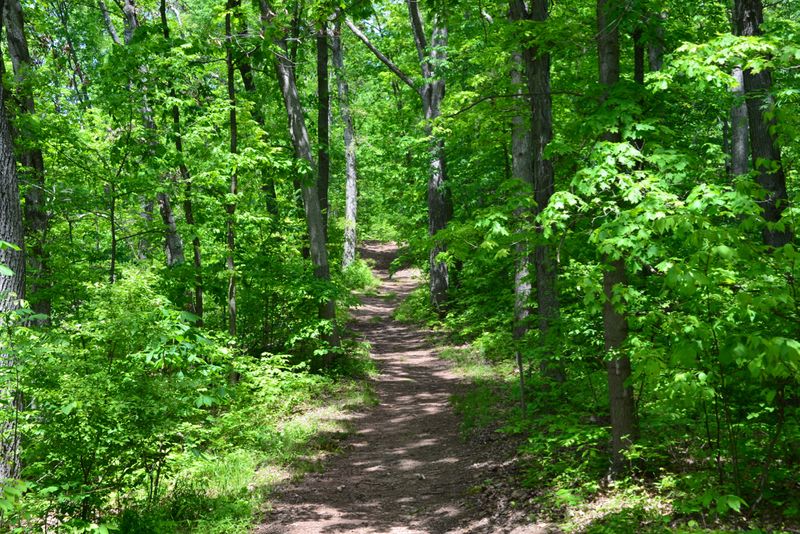
Not every copperhead concern belongs only to deep backcountry routes. Even a quieter local trail system can call for careful steps, and Broughton Nature Park in Marietta is a good example.
Its trails move through natural areas where snakes may use brushy edges, leaf litter, and warm ground during October.
Because the park can feel more approachable than a rugged forest backpack trail, visitors may arrive in casual shoes or with less trail awareness. That relaxed mood is understandable, but it should not lead to careless movement.
Copperheads are often missed because people assume a smaller park means smaller risk.
Open and wooded sections can both matter here. A sunny patch near grass or low plants may attract wildlife, while shaded turns may hide a resting snake under leaves.
Keep to the trail center when possible, and avoid cutting corners where vegetation crowds the path.
This is a good place to practice smart habits that work anywhere in Ohio. Watch where you step.
Check before sitting. Do not reach into logs, wood piles, or dense growth.
If you bring kids, turn the hike into a spotting game for roots, rocks, and safe footing so staying alert feels natural.
Photographers and bird-watchers should be especially careful when backing up for a better angle. It is easy to focus on a flower, bird, or tree and forget what is underfoot.
Before stopping, take one quick look all around your feet and the nearby trail edge.
Broughton Nature Park offers a pleasant outdoor break close to Marietta, and that easy access is part of its charm. With simple caution, the trails can stay enjoyable all month long.
October is a lovely time to walk here, especially when cooler air arrives, but good hiking still starts with the same rule every experienced trail user knows: pay attention to the ground.