Most people think of Texas as a flat, dusty landscape dotted with tumbleweeds and cattle ranches. But hidden across the Hill Country and beyond are cascading waterfalls, swimming holes, and lush trails that rival scenery in states known for their natural beauty. Whether you’re looking for an easy stroll to a peaceful waterfall or a challenging hike through rugged terrain, Texas has some truly spectacular spots that will leave you speechless.
1. Gorman Falls (Bend)
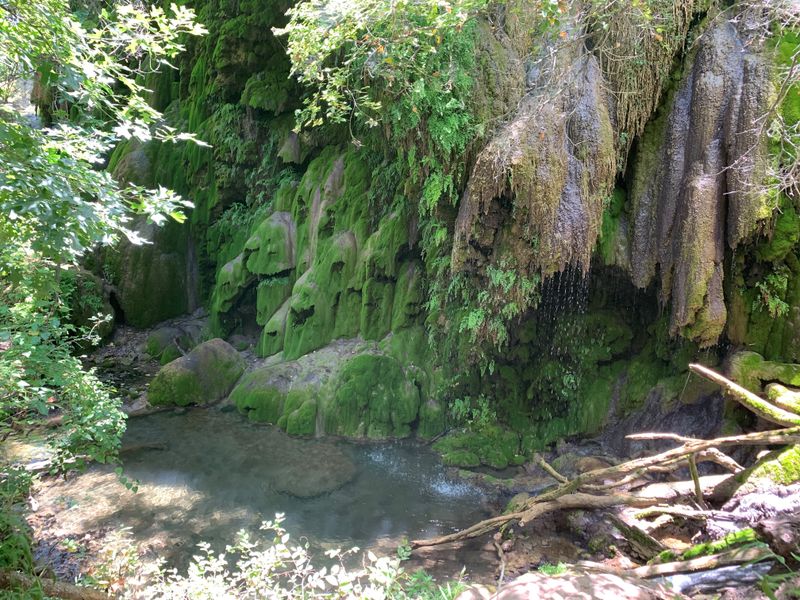
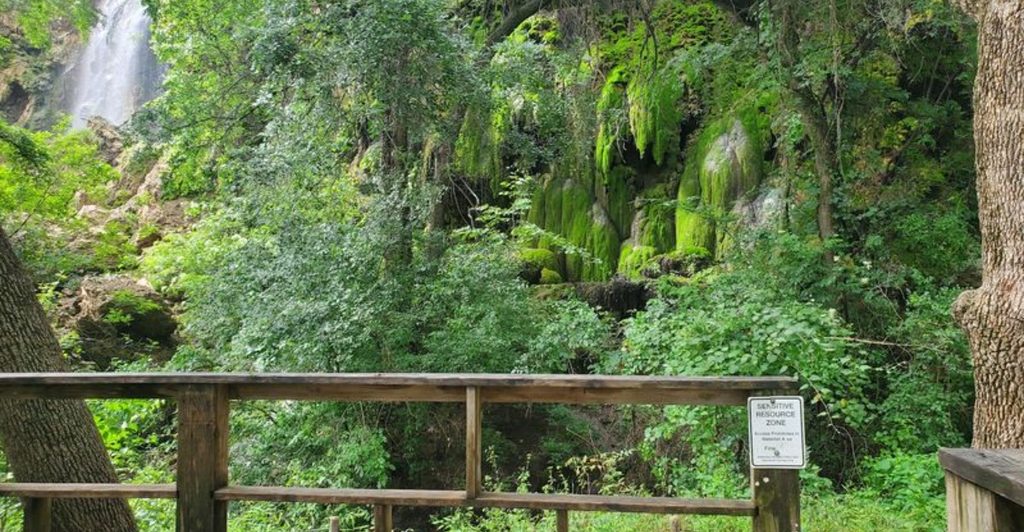
Tucked inside Colorado Bend State Park, this 60-foot cascade tumbles over travertine cliffs covered in moss, ferns, and wildflowers that seem completely out of place in the Texas landscape. The hike to reach it covers roughly three miles round trip, winding through rocky terrain and creek crossings that require decent footwear and a sense of adventure. Rangers lead guided hikes on weekends, which is helpful since the trail can get confusing without someone who knows the way.
The waterfall itself flows year-round thanks to springs feeding it from above, creating a microclimate that supports plant species you won’t find anywhere else in the region. Maidenhair ferns drape the rock face, and the constant mist keeps everything impossibly green even during the hottest summer months. The pool at the base stays cool and inviting, though swimming isn’t officially allowed to protect the delicate ecosystem.
Getting to the park requires driving down a long gravel road that feels like it leads to the middle of nowhere. Once you arrive, the primitive campsites and limited facilities remind you this place prioritizes nature over convenience. Cell service disappears completely, which honestly adds to the experience of disconnecting and focusing on the scenery around you.
The trail difficulty sits somewhere between moderate and challenging depending on recent weather. Creek crossings can swell after rain, and the limestone rocks get slippery when wet, so timing your visit matters. Spring brings the most dramatic flow, while fall offers cooler temperatures and fewer crowds fighting for parking spots.
Pack plenty of water because the Texas sun doesn’t care that you’re surrounded by greenery. The hike back uphill tests your endurance, especially on hot afternoons when shade becomes scarce along certain stretches. Despite the effort required, first-time visitors consistently rank this as one of the most rewarding waterfall hikes in the state, and locals who’ve been dozens of times still find new details to appreciate with each visit.
2. Krause Springs (Spicewood)
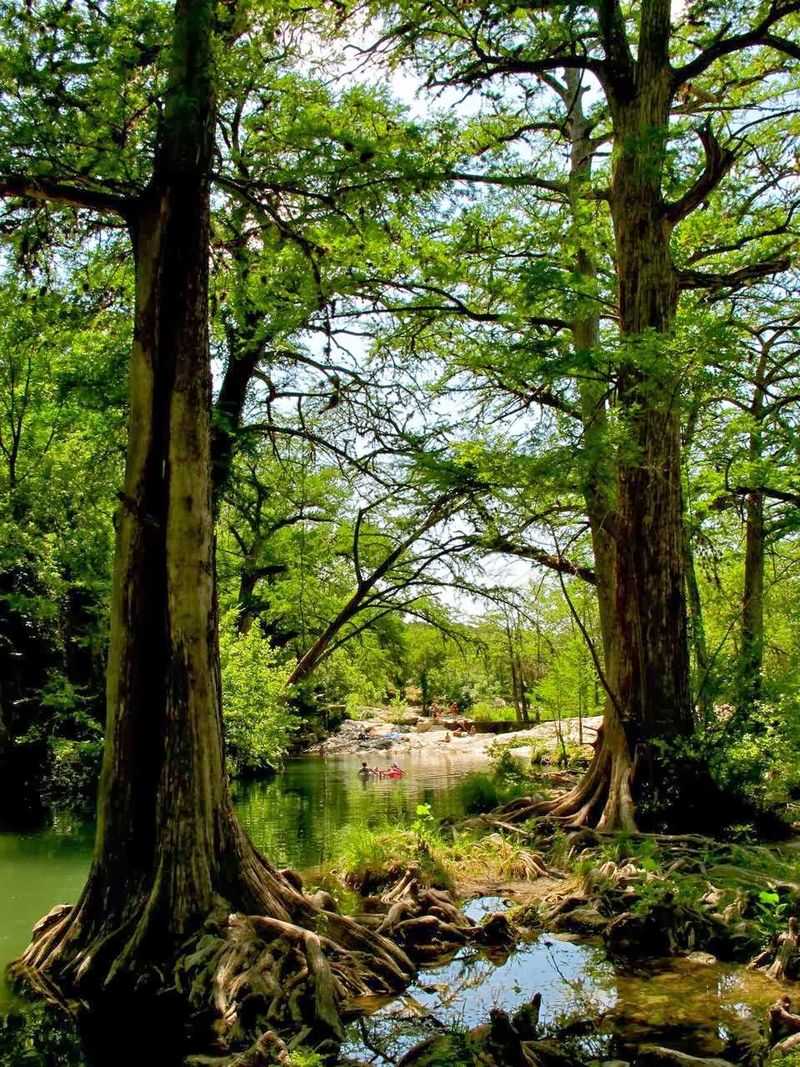
This privately owned oasis has been welcoming visitors since the 1950s, offering a collection of natural springs that feed multiple pools and a charming little waterfall that spills into a larger swimming area. The property maintains a laid-back, family-friendly atmosphere where kids splash in shallow pools while adults relax under towering cypress trees that provide merciful shade during scorching summer days. Camping spots dot the hillside, and the overnight crowd tends to be mellow folks who appreciate nature without needing fancy amenities.
The main waterfall isn’t towering or dramatic, but it creates a peaceful soundtrack as water tumbles over limestone ledges into the crystal-clear pool below. Rope swings hang from sturdy branches, and wooden platforms built around the springs make it easy to jump in without navigating slippery rocks. The water stays a refreshing 68 degrees year-round, which feels perfect on triple-digit days but requires a moment of courage during cooler months.
Unlike state parks with strict rules, Krause Springs allows you to bring your own food, drinks, and floaties, making it popular with groups celebrating birthdays or just escaping the city for the day. The entrance fee stays reasonable, and the owners have resisted the temptation to over-develop or commercialize the space. You’ll find basic restrooms and changing areas, but nothing fancy or Instagram-perfect, which somehow makes the whole experience more authentic.
Weekends during summer pack the place with families, so arriving early claims better parking and prime spots near the water. Weekdays offer a quieter experience where you might have entire pools to yourself, especially during spring and fall when temperatures stay comfortable but crowds thin out. The property closes during winter months, so check their schedule before making the drive.
The hike from the parking area down to the springs takes just a few minutes along a gentle path, making this accessible for visitors who can’t handle strenuous trails. Small children, elderly grandparents, and everyone in between can enjoy the scenery without worrying about treacherous terrain or getting lost in the wilderness.
3. Chalk Ridge Falls (Belton)
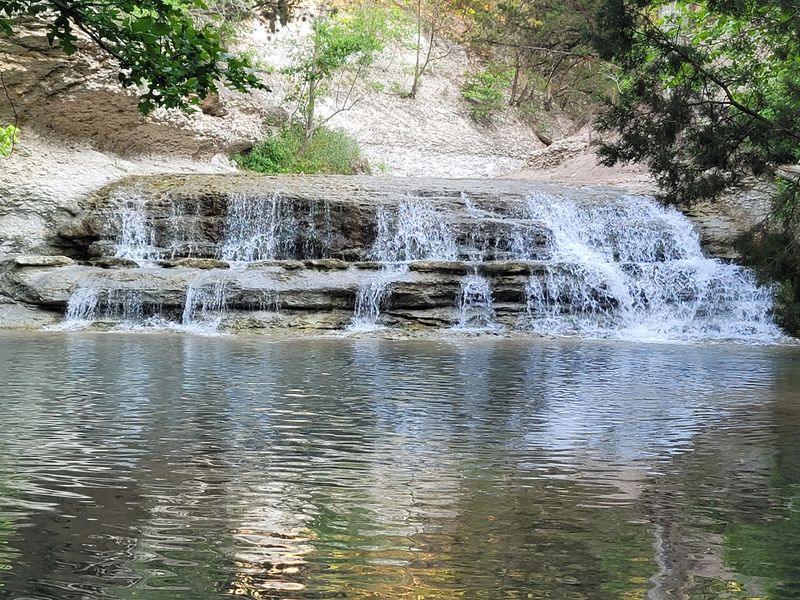
Built by the Army Corps of Engineers as part of Belton Lake’s dam system, this waterfall might be human-made, but that doesn’t make it any less impressive when water roars over the 20-foot drop during peak flow. The surrounding park offers easy trails, picnic areas, and swimming spots that attract locals looking for a quick nature fix without driving hours into the Hill Country. Parking stays plentiful even on busy weekends, and the paved paths make this accessible for strollers and wheelchairs.
The falls flow strongest in spring when lake levels run high and water releases create a dramatic cascade that drowns out conversation. By late summer, the flow slows to a trickle or stops completely, transforming the scene into a rocky outcrop where kids climb and explore instead of swimming. Checking recent photos online before visiting helps set expectations, since the experience varies wildly depending on water releases and rainfall.
Limestone ledges around the base create natural seating areas where people spread out blankets and spend entire afternoons watching the water. The pool below stays shallow enough for wading but deep enough for cooling off when temperatures climb. Cypress trees line the banks, and the whole area feels surprisingly peaceful despite being so close to civilization and major highways.
Wildlife sightings happen regularly, with herons fishing in the shallows and turtles sunning themselves on rocks. Deer wander through the park during early morning hours, and the bird diversity keeps nature enthusiasts busy with binoculars and field guides. The park doesn’t charge entrance fees, which makes it popular with budget-conscious families and college students from nearby Temple.
Trails extend beyond the waterfall area, winding along the lakeshore and through wooded sections that offer shade and solitude. Mountain bikers use some of the paths, so staying alert prevents collisions on blind corners. The relatively flat terrain makes this perfect for casual hikers who want scenery without the challenge of steep climbs or technical scrambling over boulders.
4. Hamilton Pool Preserve (Dripping Springs)
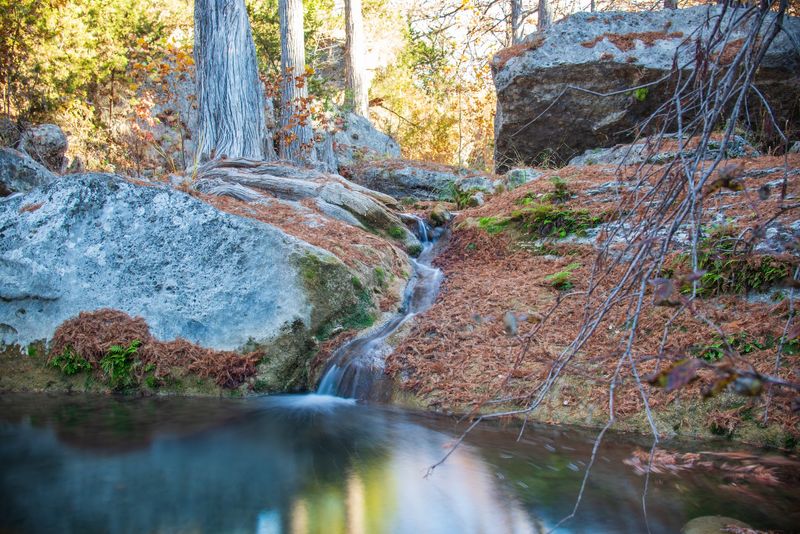
Carved out by thousands of years of water erosion, this collapsed grotto creates one of the most photographed natural wonders in Texas. A 50-foot waterfall spills over the limestone overhang into a jade-colored pool that looks like something from a tropical paradise rather than the middle of Texas Hill Country. The preserve limits daily visitors through a reservation system, protecting the fragile ecosystem while ensuring everyone who makes it there enjoys a relatively uncrowded experience.
The trail from the parking area descends a quarter-mile down switchbacks and stairs, dropping you into a canyon where the temperature drops noticeably and humidity rises from the constant mist. Stalactites hang from the grotto ceiling, and ferns cling to every wet surface, creating a microclimate that supports species rarely seen elsewhere in the region. The contrast between the dry, scrubby landscape above and the lush oasis below never fails to surprise first-time visitors.
Swimming gets allowed when bacteria levels stay safe, but periodic closures happen after heavy rains wash contaminants into the pool. Checking the preserve’s website before your reservation prevents disappointment, though even when swimming is prohibited, the scenery alone justifies the visit. The grotto’s acoustics amplify the waterfall’s roar, and the cool air provides relief even on the hottest summer days.
Reservations book up weeks or months in advance during peak season, so planning ahead is essential. Walk-in spots occasionally open up for weekday visits, but counting on that means risking a wasted trip. The preserve also features an upper trail that follows the creek upstream, offering additional exploration for visitors who finish the main attraction and want more hiking.
Photography enthusiasts love the challenge of capturing the grotto’s unique lighting, where sunlight filters through the opening above and reflects off the water. Midday brings harsh shadows, while morning and late afternoon create softer conditions that make the water glow. The preserve prohibits drones, large groups, and commercial photography without permits, maintaining a peaceful atmosphere focused on natural beauty rather than social media content creation.
5. Lost Maples State Natural Area (Vanderpool)
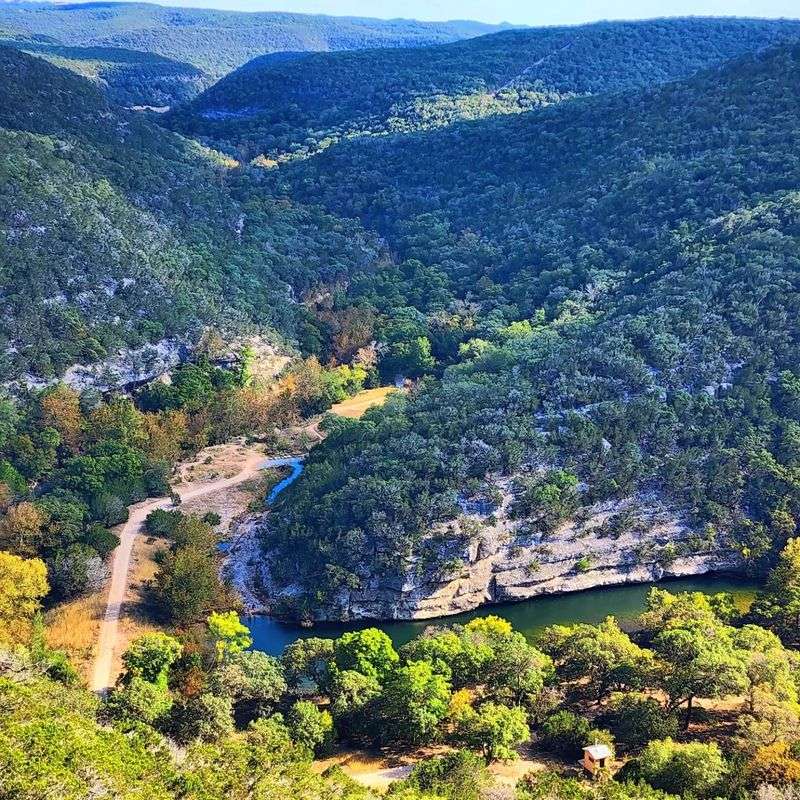
Famous for its spectacular fall foliage when bigtooth maples turn brilliant shades of red, orange, and gold, this park also hides several seasonal waterfalls along its creek system. The Sabinal River and its tributaries create cascades after significant rainfall, transforming quiet hiking trails into destinations for waterfall seekers willing to time their visits right. Spring typically offers the best flows, though unpredictable Texas weather means checking recent trip reports helps avoid dry creek beds.
Multiple trail options range from easy nature walks to challenging backcountry routes that require navigation skills and stamina. The East Trail follows the river for several miles, passing pools, rapids, and small waterfalls that appear and disappear depending on recent precipitation. Rock-hopping across the creek provides access to hidden spots where most visitors never venture, rewarding exploration with solitude and unspoiled scenery.
The park sits in one of the most remote corners of the Hill Country, requiring a long drive on winding two-lane roads that discourage casual day-trippers. That isolation preserves a wilderness character rare in Texas state parks, with limited development and vast stretches where you might hike for hours without seeing another person. Cell service doesn’t exist, and the nearest town barely qualifies as a wide spot in the road.
Primitive camping puts you right in the heart of the landscape, with sites scattered along the river where you fall asleep to the sound of water flowing over rocks. Reservation requirements during fall color season mean spontaneous visits don’t work, but spring and summer offer more flexibility for last-minute trips. Wildlife includes everything from white-tailed deer to the occasional black bear passing through from Mexico.
The terrain challenges inexperienced hikers with steep climbs, loose rocks, and trails that require scrambling in places. Proper boots prevent twisted ankles, and trekking poles help with balance on uneven surfaces. Summer heat makes midday hiking miserable, so early morning starts or winter visits provide more comfortable conditions for covering serious mileage without heat exhaustion becoming a concern.
6. McKinney Falls (Austin)
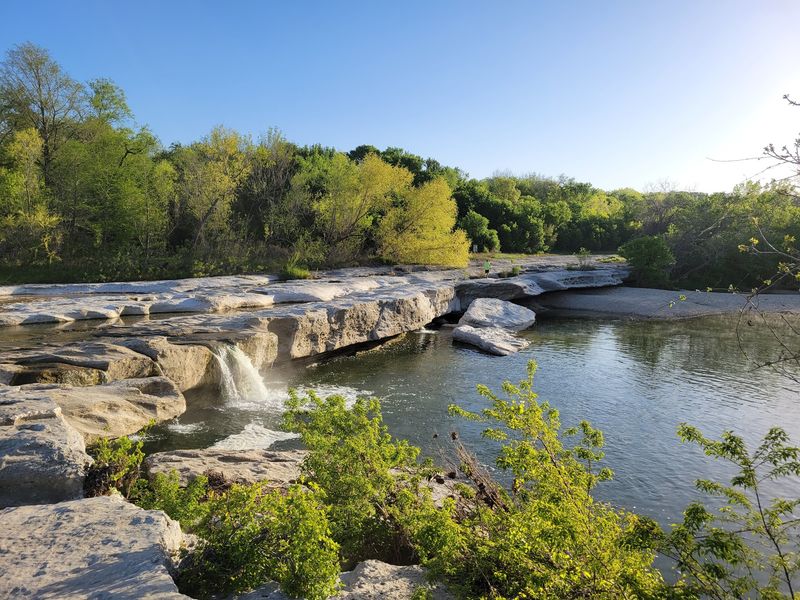
Just minutes from downtown Austin, this state park offers two distinct waterfalls along Onion Creek that provide quick nature escapes for city dwellers. The Upper Falls feature a wide, stepped cascade where water slides over smooth limestone into a popular swimming hole, while the Lower Falls create a more dramatic vertical drop that flows strongest after spring rains. Both spots get crowded on weekends when Austin residents flee urban heat for cool water and shaded trails.
The hike between the two falls takes about 30 minutes on a relatively flat trail that follows the creek through juniper and oak woodlands. Limestone outcroppings create natural benches for resting, and the creek’s gentle soundtrack accompanies you the entire way. During drought conditions, the falls can reduce to a trickle or stop completely, transforming the swimming holes into stagnant pools better suited for wading than actual swimming.
The park’s proximity to Austin makes it accessible without planning a full day trip, perfect for morning hikes before work or afternoon swims after the office. That convenience also means dealing with crowds during peak times, especially when temperatures soar and everyone seeks relief in the water. Weekday visits or early morning arrivals claim better parking and less competition for prime swimming spots.
Historical ruins dot the park, including remains of Thomas McKinney’s 19th-century homestead that add cultural interest beyond just natural features. Interpretive signs explain the area’s history, and the old buildings create photogenic backdrops for visitors interested in more than just waterfall selfies. Mountain bike trails crisscross the park, shared with hikers who need to stay alert for cyclists approaching from behind.
The Lower Falls area requires a short scramble down slippery rocks to reach the best swimming spots, and algae growth makes surfaces treacherous when wet. Wearing water shoes with good grip prevents falls, and watching where you step keeps you from twisting an ankle. The park prohibits alcohol and enforces rules about pets and off-trail exploration, maintaining a family-friendly atmosphere despite the urban setting and easy access from major highways.
7. Cattail Falls (Big Bend National Park)
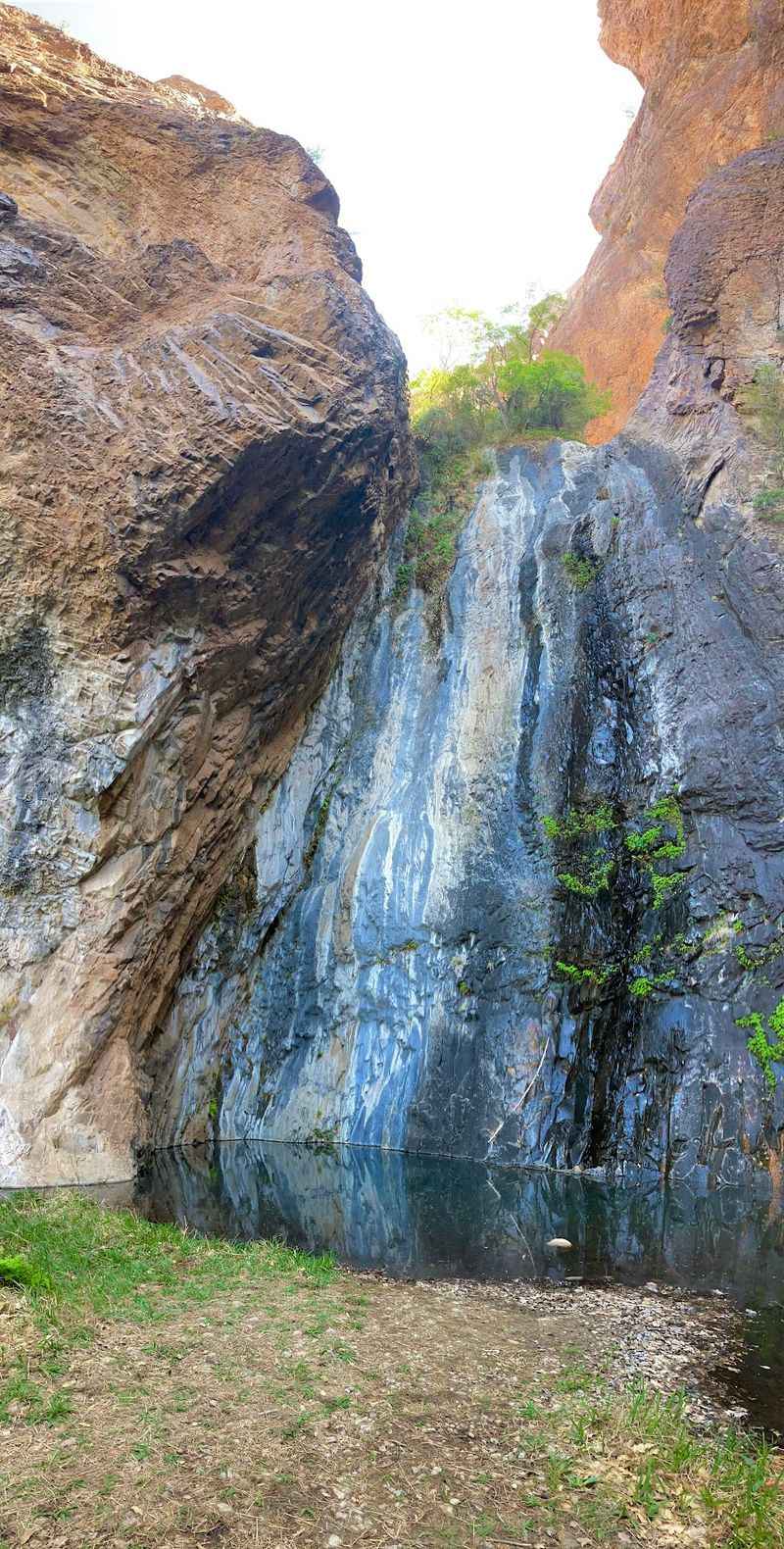
Hidden in the Chisos Mountains, this seasonal waterfall requires a strenuous 10-mile round trip hike that separates casual tourists from serious adventurers. The trail gains significant elevation through desert terrain before dropping into a shaded canyon where the waterfall appears like a mirage. Water flows only after substantial rainfall, making this a gamble that pays off spectacularly when conditions align but disappoints when you arrive to find dry rock faces.
The hike challenges even fit hikers with its length, elevation changes, and exposure to brutal West Texas sun. Carrying enough water becomes critical, as no reliable sources exist along the trail and heat exhaustion claims unprepared visitors every year. Starting before dawn provides cooler temperatures and better wildlife viewing, with deer, javelinas, and occasionally mountain lions using the canyon for shelter and water.
When flowing, the waterfall creates a 30-foot drop into a small pool surrounded by maidenhair ferns and columbines that thrive in the constant moisture. The contrast between the desert landscape you hiked through and the lush oasis at the trail’s end makes the effort worthwhile. The pool stays too shallow and cold for comfortable swimming, but wading in the water and soaking tired feet provides enough reward after miles of hiking.
Big Bend’s remoteness means self-sufficiency and proper preparation aren’t optional. Cell service doesn’t exist anywhere in the park, and the nearest hospital sits hours away on dangerous mountain roads. Telling someone your hiking plans and expected return time follows basic safety protocol that could save your life if something goes wrong in this unforgiving environment.
The best visiting window runs from late winter through early spring when temperatures stay manageable and winter rains increase the odds of finding flowing water. Summer heat makes the hike dangerous, with temperatures exceeding 100 degrees and no shade for miles. Fall offers another possible window, though rainfall becomes less predictable and the waterfall might run dry despite perfect hiking weather encouraging you to make the attempt anyway.
8. Westcave Preserve (Round Mountain)
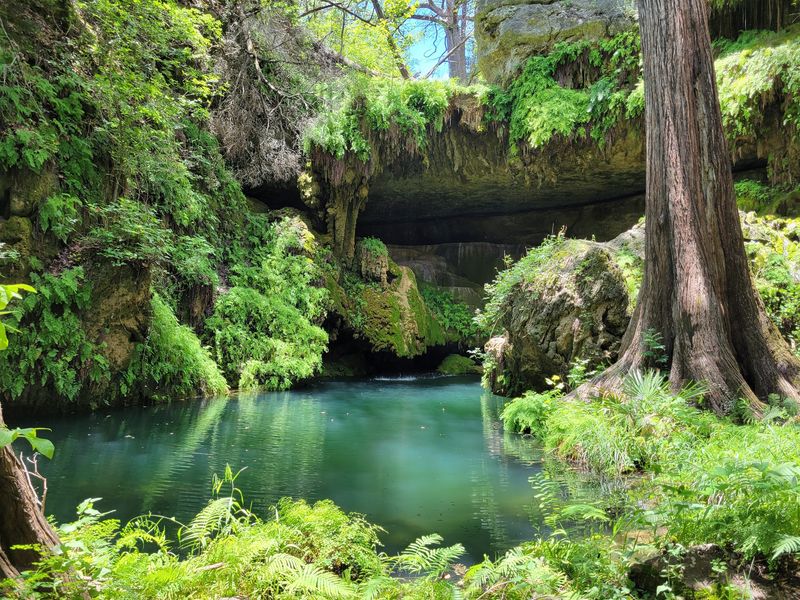
This 30-acre preserve protects a delicate canyon ecosystem featuring a 40-foot waterfall that spills into a grotto filled with rare plant species. Guided tours only access the canyon floor, ensuring the fragile environment doesn’t get trampled by uncontrolled crowds. The tours run on weekends and by reservation, limiting daily visitors to numbers the ecosystem can handle without degradation.
The guided hike descends wooden stairs into the canyon where the temperature drops and humidity soars from the constant waterfall mist. Maidenhair ferns, columbines, and other moisture-loving plants create a hanging garden on the grotto walls, thriving in conditions found nowhere else for miles around. The preserve’s staff explain the geology, ecology, and conservation efforts while leading groups to viewing areas that provide perfect waterfall perspectives.
The tour lasts about 90 minutes, moving at a relaxed pace that accommodates varying fitness levels. Stairs make the descent easier than scrambling down trails, though the climb back up tests cardiovascular fitness on hot days. The preserve discourages bringing small children who can’t handle the stairs safely, and the tour’s educational focus appeals more to adults interested in natural history than kids seeking adventure.
Photography opportunities abound, with the grotto’s unique lighting creating dramatic contrasts between shadowed walls and sunlit waterfall. The preserve allows cameras but prohibits touching plants or venturing off designated paths. Their strict rules protect the ecosystem while still providing meaningful access to a natural wonder that would likely be destroyed if left open to unrestricted visitation.
The preserve also offers upland trails that visitors can explore independently before or after the guided canyon tour. These paths wind through typical Hill Country terrain, providing context for how special the protected grotto really is compared to the surrounding landscape. Native plant gardens near the visitor center showcase species found throughout the preserve, and educational displays explain the area’s natural and cultural history for visitors interested in learning beyond just seeing a pretty waterfall.
9. Sculpture Falls (Austin)
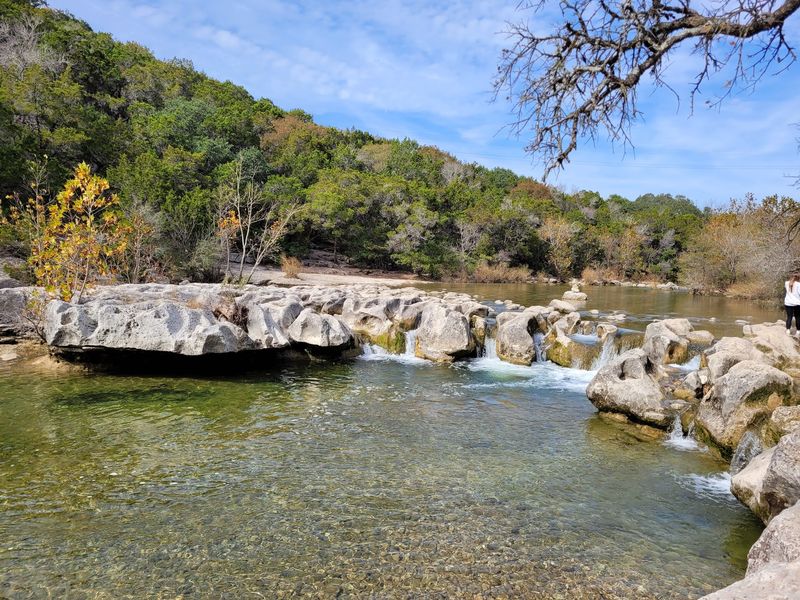
Located in the Barton Creek Greenbelt, this wide, stepped waterfall creates natural water slides and swimming holes that attract Austin residents year-round. The hike from the trailhead covers about two miles of rocky, root-filled path that requires attention to avoid tripping. Creek crossings can swell after rain, occasionally making the trail impassable until water levels drop, so checking conditions before heading out prevents wasted trips.
The waterfall itself spreads across smooth limestone ledges where people slide down natural chutes into pools below. The rocks get polished from constant use, creating slippery surfaces that make climbing back up challenging without good footwear. On summer weekends, the area resembles a beach party with hundreds of people claiming spots on the rocks, splashing in the water, and generally treating the greenbelt like Austin’s unofficial swimming pool.
Dogs crowd the trail and waterfall area since the greenbelt allows off-leash pets, creating a chaotic atmosphere that some visitors love and others find overwhelming. If you’re not comfortable around large dogs running free, this might not be your ideal waterfall destination. The pet-friendly policy means dealing with wet dogs shaking off near your picnic and occasional aggressive animals whose owners insist they’re friendly despite evidence to the contrary.
The greenbelt’s popularity creates parking nightmares, with cars lining neighborhood streets near trailheads and residents growing increasingly hostile toward visitors. Arriving early claims spots before the chaos begins, or using less popular access points adds mileage but avoids the worst crowding. Weekday visits offer dramatically different experiences, with the trail and waterfall area practically empty compared to weekend madness.
Water quality varies depending on recent rainfall and how many people have been swimming, with periodic bacteria warnings posted when levels exceed safe limits. The city tests regularly but enforcement of swimming bans relies mostly on honor system compliance. Bringing hand sanitizer and avoiding submerging your head reduces risk when water quality seems questionable, though many regular visitors swim regardless of posted warnings and seem to survive just fine despite the theoretical dangers.
10. Pedernales Falls (Johnson City)
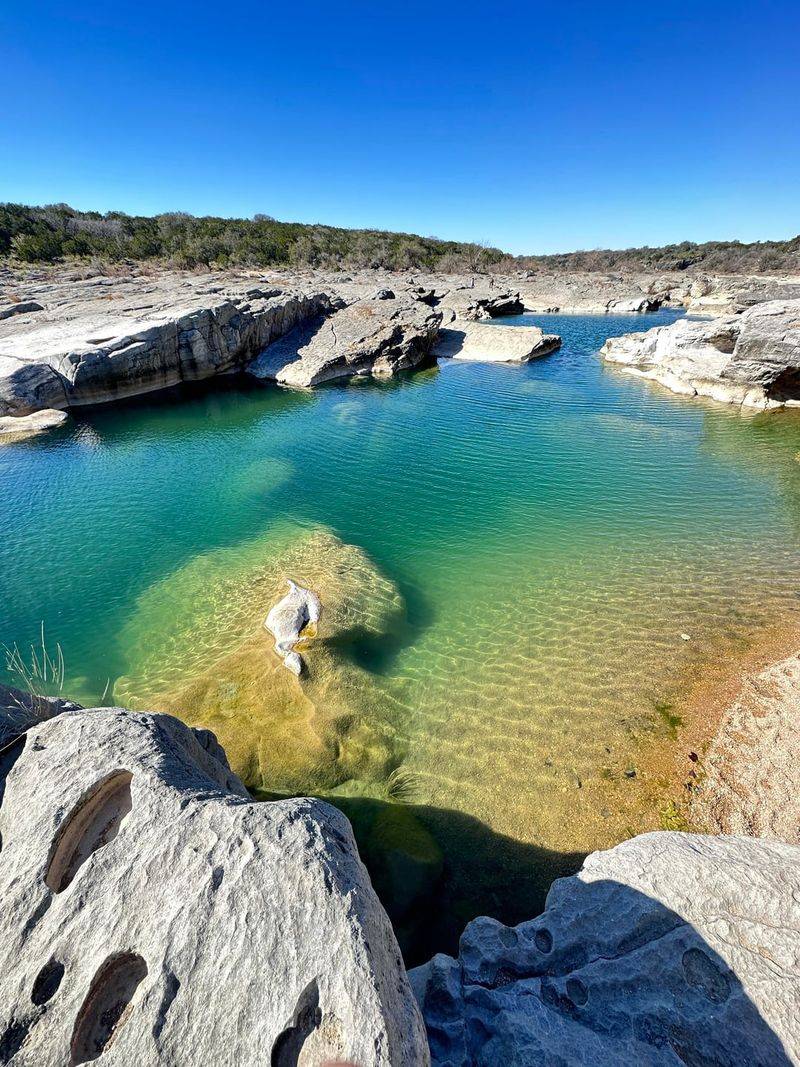
Massive sheets of tilted limestone create dramatic cascades where the Pedernales River drops through a series of ledges and pools. The falls stretch wide rather than tall, with water spreading across hundreds of feet of rock during high flow periods. During drought, the river shrinks to isolated pools connected by trickles, transforming the landscape but maintaining its geological interest even without dramatic waterfalls.
The park offers multiple viewing areas accessible via short walks from parking areas, making this suitable for visitors who can’t handle long hikes. Overlook platforms provide safe vantage points for photography and sightseeing, while trails descend closer to the water for those wanting more intimate experiences with the river. Swimming gets prohibited near the falls due to dangerous currents and hidden underwater hazards that have claimed lives over the years.
Upstream swimming areas provide safer water access where families wade and cool off without risking getting swept over the falls. The park clearly marks restricted zones, though enforcement relies partly on visitor common sense and respect for posted warnings. Flash flooding poses serious danger during heavy rainfall upstream, with water levels rising rapidly and catching people off guard who didn’t check weather conditions before entering the river.
Camping facilities range from primitive backcountry sites to developed areas with water and electricity, accommodating different comfort levels and budgets. The park’s proximity to Johnson City and Fredericksburg makes it popular with weekend warriors from Austin and San Antonio seeking quick nature escapes. Wildflower season in spring brings additional crowds hoping to photograph bluebonnets and other native species blooming across the surrounding hills.
Mountain bike trails wind through the park’s backcountry, offering challenging terrain for cyclists willing to share paths with hikers. The rocky, technical sections require skill and proper equipment, with crashes common among riders who overestimate their abilities. Wildlife viewing opportunities include white-tailed deer, armadillos, and numerous bird species that thrive in the mix of riparian and upland habitats the park protects across its several thousand acres of Hill Country landscape.