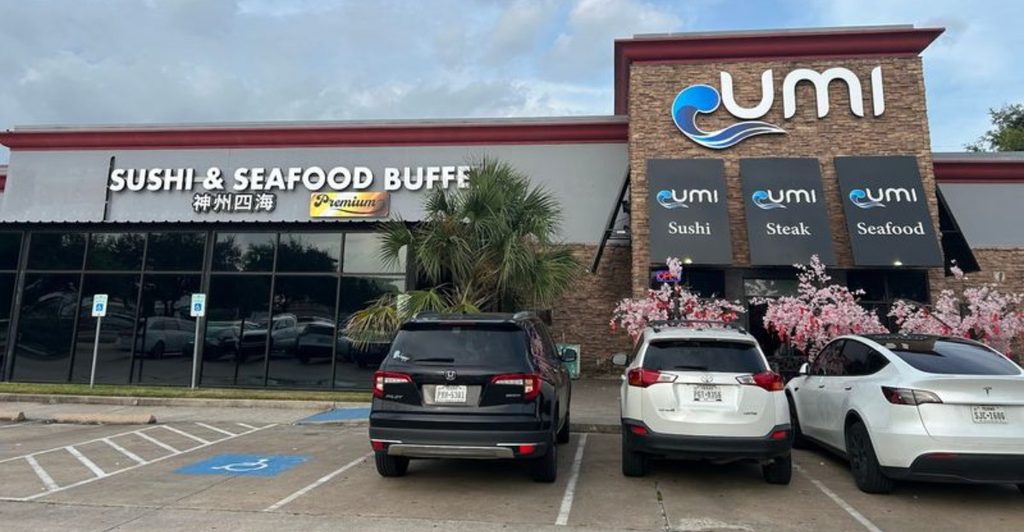
When you walk into Umi Sushi & Seafood Buffet on Westheimer Road, you might wonder if the kitchen has a secret portal to the ocean. The snow crab legs and lobster keep coming, plate after plate, like some kind of delicious magic trick. This Houston hotspot has earned serious street cred among seafood lovers who refuse to settle for skimpy portions or sad, picked-over trays.
Whether you’re a sushi fanatic, a hot pot enthusiast, or someone who just wants to eat their weight in buttery crab legs, this place delivers the goods without making you wait.
1. Snow Crab Legs That Actually Taste Fresh
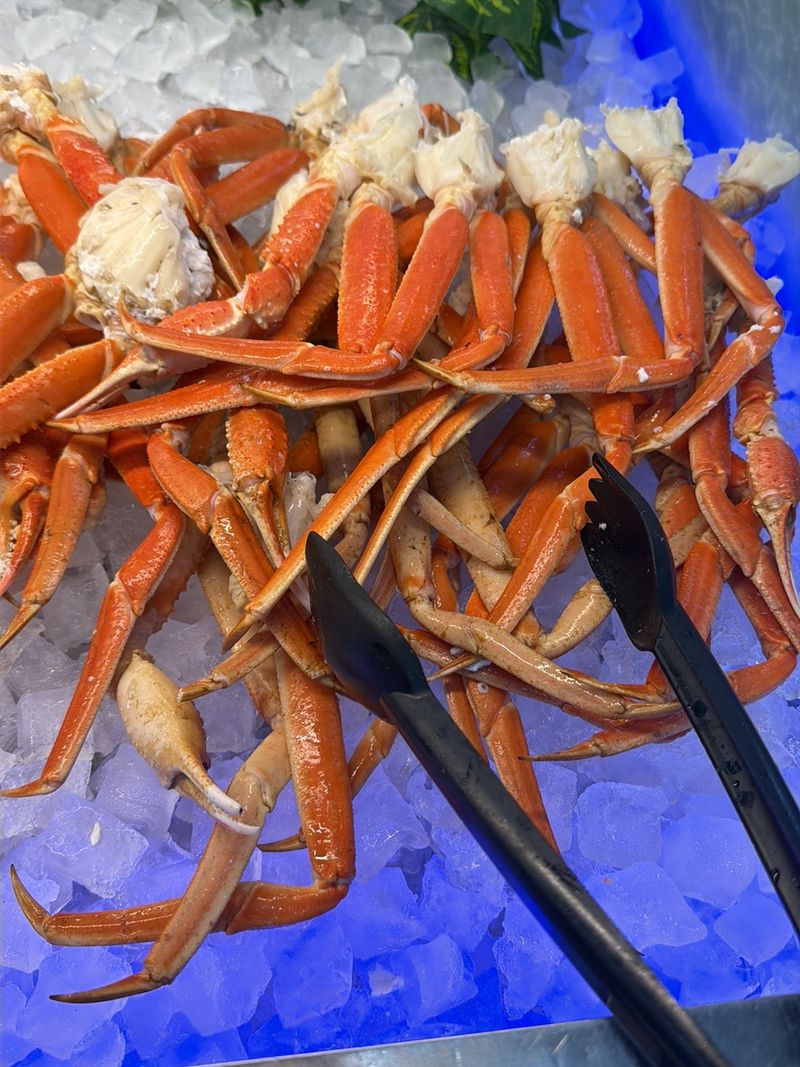
Most buffets treat snow crab like an afterthought, tossing out a few sad clusters and calling it a day. Umi flips that script completely. Walk up to the seafood station and you’ll find mountains of snow crab legs, cracked just enough to make your life easier but not so much that they’ve dried out under the heat lamps.
The secret sauce here is the constant rotation. Staff members keep a hawk-eye on those trays, swapping out empties before you even notice they’re running low. That means every cluster you grab still has that sweet, briny flavor instead of tasting like it’s been sitting since lunch shift.
Pair them with the garlic butter sauce at the condiment station for next-level flavor. Some folks go straight for the melted butter, but that garlic option adds a punch that makes each bite even better. The meat pulls out clean from the shell, which tells you everything about quality and freshness.
Pro move: hit the crab station early during your visit, load up a plate, then circle back after you’ve tried other stuff. The beauty of a buffet is you can pace yourself without feeling rushed. And since they’re constantly restocking, you won’t face that heartbreak of showing up to an empty tray.
Weekend dinner service gets wild, so arriving right when they open at 11 AM gives you first dibs on the freshest batches. The crab legs alone justify the price of admission, especially when you compare portion sizes to what you’d pay at a traditional seafood restaurant.
2. Grilled Lobster That Keeps the Line Moving
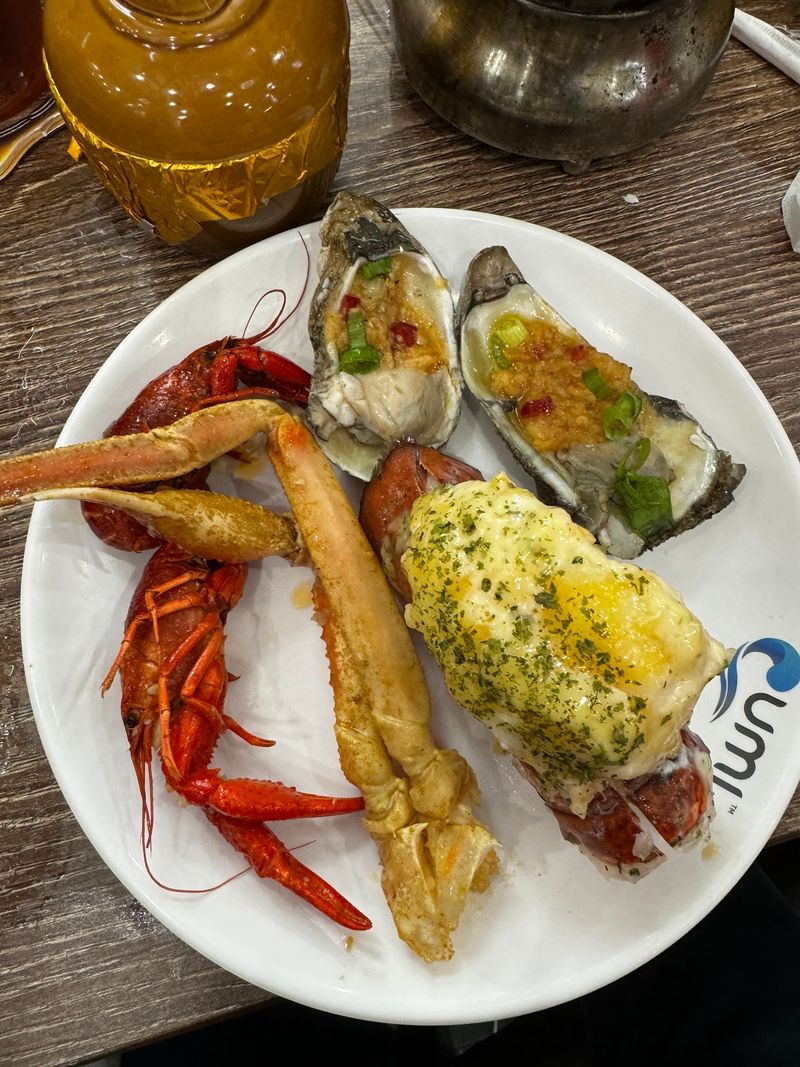
Lobster at a buffet sounds too good to be true, right? Like they’ll have three pieces for 200 people and you’ll miss out. Umi doesn’t play that game.
They grill up lobster tails throughout service, and the supply seems almost supernatural in its consistency.
The grilled preparation keeps things simple but effective. Light char on the outside, tender meat inside, with just enough seasoning to let the lobster’s natural sweetness shine through. No fancy sauces needed, though the restaurant offers plenty if you want to experiment.
What really stands out is how they handle the rush. Even during prime dinner hours when the place is packed wall to wall, fresh trays of grilled lobster appear like clockwork. The kitchen clearly has this operation down to a science, timing batches so there’s minimal gap between empty and full.
Size-wise, these aren’t monster tails, but they’re substantial enough to feel like you’re getting real value. Think quality over quantity, though you can obviously go back for seconds, thirds, or however many rounds your appetite demands. The meat slides right out of the shell without requiring wrestling moves or special tools.
First-timers often make the mistake of loading up on other seafood first, then feeling too full when they spot the lobster. Smart strategy: do a quick lap around all the stations to scope out what’s available, then prioritize accordingly. Lobster should probably be in your first or second plate rotation, especially if you’re visiting during peak hours when competition for premium items heats up.
3. Sushi Bar With Actual Variety
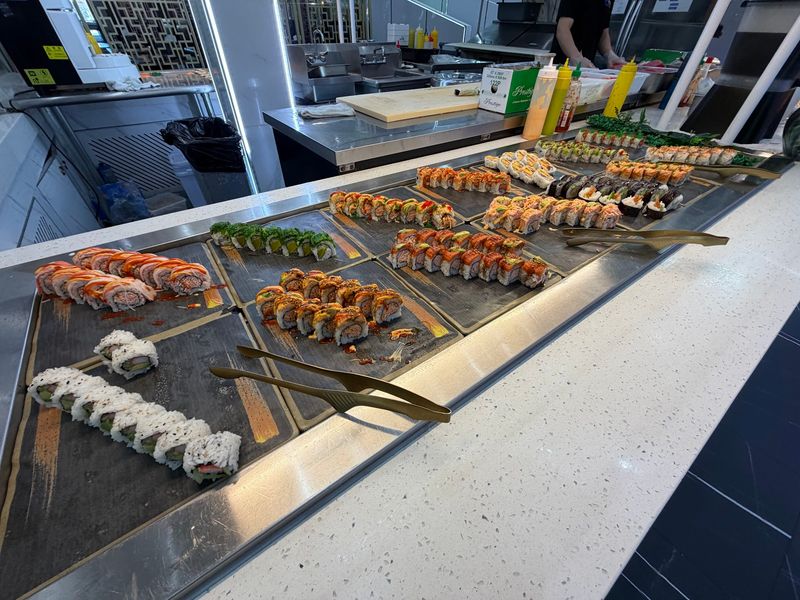
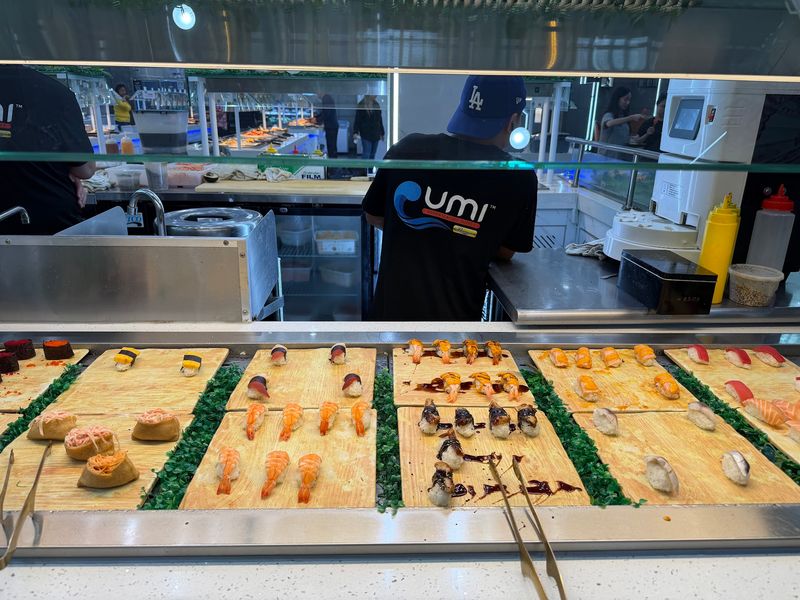
Buffet sushi usually means sad California rolls that have been sitting out since the Nixon administration. Umi’s sushi situation is completely different. They’ve got a dedicated sushi chef working the bar, rolling fresh pieces throughout your meal instead of just relying on pre-made stuff.
The selection covers all the basics plus some creative specialty rolls that you won’t find at your average all-you-can-eat spot. Salmon lovers will appreciate the quality of the fish, which has that buttery texture that separates fresh from frozen. The rice isn’t overcooked or gummy, and they don’t pack the rolls so tight with filler that you’re basically eating a rice ball with a hint of seafood.
Sashimi gets its own section, with thick-cut pieces that show off the kitchen’s confidence in their product. When a restaurant serves sashimi at a buffet, they’re making a statement about freshness. There’s nowhere to hide with raw fish, no sauce or preparation to mask quality issues.
One reviewer mentioned wishing for better labeling, especially for folks with food allergies. That’s fair feedback, though the sushi chef behind the counter is happy to break down ingredients if you ask. Taking that extra second to check prevents any surprises and lets you try new rolls without playing Russian roulette with your shellfish allergy.
The sushi bar tends to be less crowded than the hot food stations, so you can actually take your time selecting pieces without someone breathing down your neck. Grab a plate, survey your options, and build your perfect sushi sampler without the pressure.
4. Hot Pot Station for DIY Soup Lovers
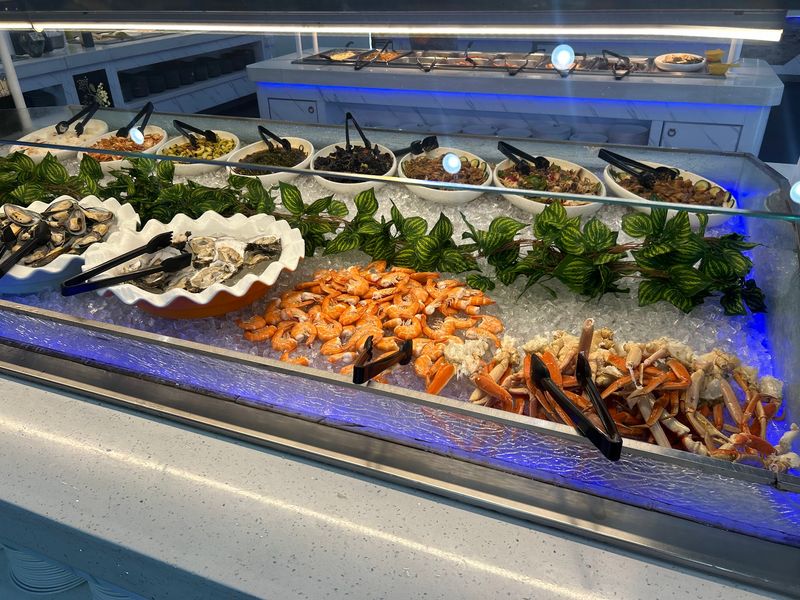
Here’s where Umi separates itself from standard seafood buffets. They’ve got a full hot pot setup that lets you build custom soups exactly how you want them. Pick your broth (the spicy Chongqing option has serious kick), load up on ingredients from the raw bar, and watch your personal soup come together right at your table.
The ingredient selection covers all the hot pot essentials: fresh noodles, thinly sliced meats, seafood, vegetables, and those fun add-ins like fish balls and mushrooms. Everything’s laid out buffet-style, so you can experiment without committing to a giant portion of something you might not love. Don’t like cabbage?
Skip it. Want extra shrimp? Pile them on.
Timing is everything with hot pot. Delicate items like fish and leafy greens cook in seconds, while heartier ingredients need a few minutes to soften up. Start with your noodles and proteins, then add quick-cooking stuff toward the end so nothing turns to mush.
The staff can bring you soup spoons and bowls, though some reviews mention occasional service hiccups during busy periods.
First-time hot pot people sometimes feel overwhelmed by the DIY aspect, but there’s no wrong way to do it. Build a simple version with just noodles and shrimp, or go full maximalist with every ingredient on the table. The beauty is customization, making it perfect for picky eaters or anyone with dietary restrictions who wants control over their meal.
Fair warning: hot pot takes time. You’re not going to knock this out in ten minutes. Budget at least 20-30 minutes for the full experience, especially if you’re trying multiple broth flavors or doing several rounds of ingredients.
5. Unlimited Bubble Tea That’s Actually Good
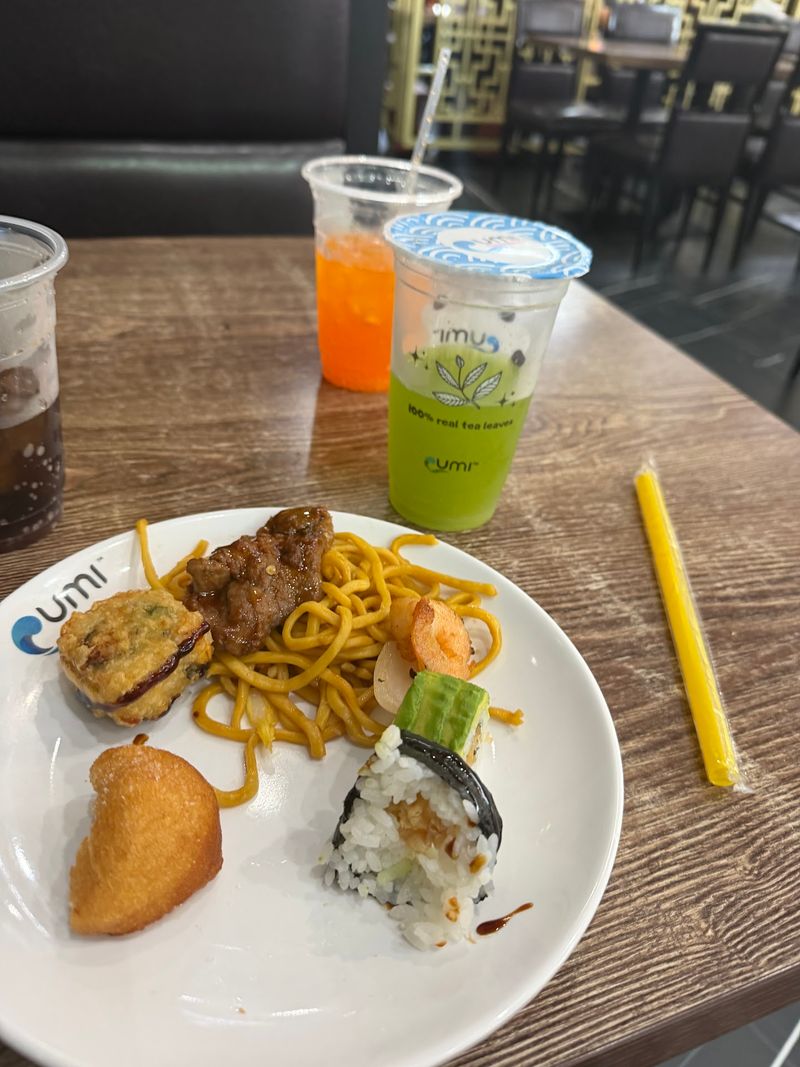
Most restaurants charge five bucks for a single bubble tea. Umi includes unlimited bubble tea with your buffet price, which feels almost illegal. They’ve got multiple flavors on tap, plus those jelly add-ins that make each drink more interesting than plain tea.
The mango tea gets specific shoutouts in reviews, hitting that sweet spot between fruity and refreshing without tasting like pure sugar syrup. The peach tea also has fans, offering a lighter option if you’re trying to pace yourself between seafood rounds. Quality-wise, these aren’t bottom-shelf bubble teas.
They taste like something you’d order from a dedicated boba shop.
One small disappointment: some visitors noted the absence of tapioca pearls in the tea dispensers. The jelly toppings provide texture, but they’re not quite the same as those chewy boba pearls that bubble tea purists crave. Still, having free refills on any flavored tea at a buffet is a solid perk that most competitors don’t offer.
The drink station setup is self-serve, so you can experiment with different combinations without waiting for a server. Mix flavors, try different jelly ratios, or just stick with one favorite all meal long. It’s the little touches like this that make the overall experience feel more premium than your standard buffet operation.
Pro tip: grab a bubble tea early to sip while you’re doing your initial walk-through of the food stations. It helps you slow down and make strategic choices instead of just loading up on the first thing you see. Plus, staying hydrated between seafood courses keeps your palate fresh for the next round.
6. Garlic Butter Shrimp Worth the Hype
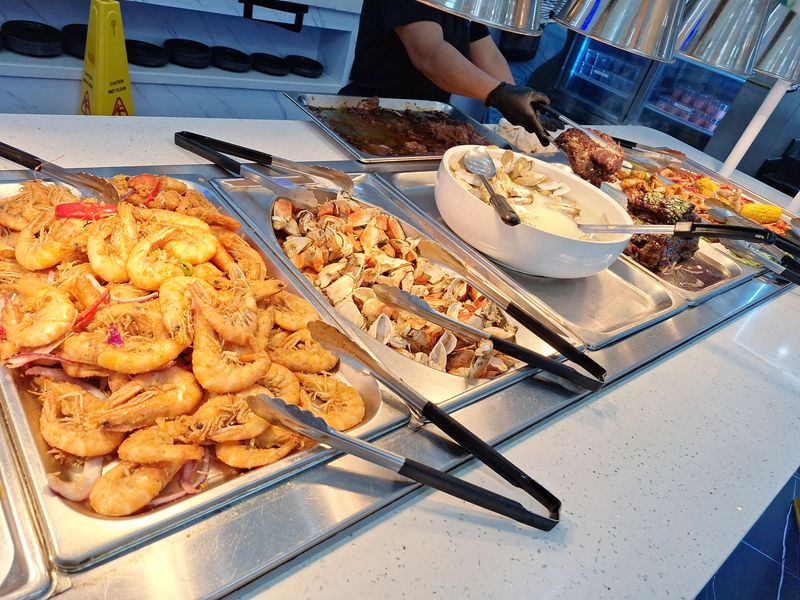
Among all the premium seafood options, the garlic butter shrimp quietly steals the show. Multiple reviewers specifically call out this dish as a personal favorite, which says something when you’re competing against crab legs and lobster for attention.
The preparation is straightforward but executed perfectly. Plump shrimp swimming in real garlic butter (not that fake margarine nonsense), with enough seasoning to make each bite pop without overwhelming the seafood flavor. The shrimp are cooked just right, with that firm snap instead of the rubbery texture you get from overcooked shellfish.
What makes this dish buffet-worthy is how well it holds up under heat lamps. Some foods turn tragic after sitting out for twenty minutes, but garlic butter creates a protective barrier that keeps the shrimp moist and flavorful. The butter might solidify slightly as it cools, but that actually concentrates the garlic flavor even more.
Portion strategy matters here. These shrimp are rich, so going all-in on your first plate might leave you too full to enjoy other offerings. Treat them as an accent to your seafood sampler rather than the main event, though nothing stops you from dedicating an entire plate to them if that’s your vibe.
The garlic butter shrimp also work great as a palate cleanser between heavier items like crab legs or fried foods. The bright garlic flavor cuts through richness and resets your taste buds, preparing you for whatever comes next. Some people even save them for last, ending their meal on a high note instead of with mediocre dessert.
7. Fresh Oysters and Snails for Adventurous Eaters
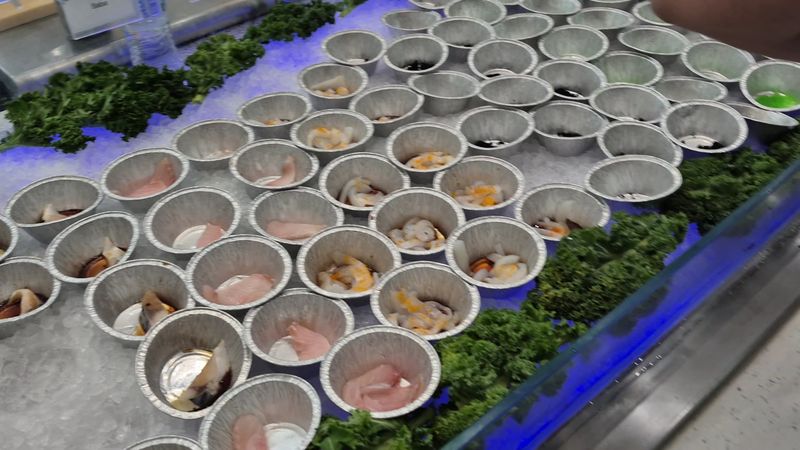
Not everyone hits a seafood buffet looking for oysters and snails, but Umi keeps both stocked for diners who appreciate the finer (or weirder) things in life. The oysters come out fresh on ice, with all the classic accompaniments: lemon wedges, cocktail sauce, and horseradish for those who like a little burn with their brine.
Raw oysters at a buffet might sound sketchy, but freshness indicators here check out. They should smell like clean ocean water, not fishy or off-putting. The meat should be plump and glossy, sitting in clear liquid rather than cloudy or dried out.
If you’re unsure about oyster quality, watch how quickly the staff replenishes them. Fast turnover means fresher product.
The snails (escargot for fancy folks) get the full garlic butter treatment, making them more approachable for first-timers who might be nervous about the whole eating-snails thing. The texture is closer to mushrooms than anything else, with a mild flavor that mostly tastes like whatever sauce they’re cooked in. If you can handle calamari, you can handle snails.
These items separate casual buffet-goers from serious seafood enthusiasts. Most people stick to the safe zone of crab legs and shrimp, which means less competition for the oyster bar. Smart move if you’re into shellfish that requires a more refined palate.
One reviewer specifically praised the oysters and snails as exquisite, using language you don’t usually hear about buffet food. That kind of specific compliment suggests Umi puts real effort into sourcing and preparing these premium items instead of treating them as throwaway options.
8. Strategic Timing Makes All the Difference
The food quality at Umi stays consistent, but your experience changes dramatically based on when you show up. Reviewers repeatedly mention that arriving early, whether for lunch or dinner, gives you first crack at the freshest batches and shortest lines at popular stations.
Weekday lunch runs around $24 per person (as of recent reviews), while weekend dinner jumps to roughly $38-40 before tax. That price difference reflects both the expanded menu during dinner service and the premium of weekend dining. If budget matters, hitting them for weekday lunch gets you access to most of the same food at a significant discount.
The restaurant enforces a two-hour time limit, which sounds stressful but makes sense given how busy they get. Two hours gives you plenty of time to eat unless you’re planning to camp out all afternoon. The time limit keeps tables turning and prevents the dreaded situation where you show up to a packed restaurant with no available seating.
Peak dinner rush (roughly 6-8 PM on weekends) means competing with crowds for the best seafood items. Some people thrive in that chaos, but if you prefer a more relaxed experience, aim for the 4-5 PM sweet spot right when dinner service starts. You’ll get the full dinner menu without the full dinner crowd.
Service quality varies with volume. Multiple reviews praise attentive staff during slower periods, while busier times lead to longer waits for drink refills or plate clearing. That’s standard for any high-volume restaurant, not unique to Umi.
Setting realistic expectations based on timing helps you enjoy the experience instead of getting frustrated by inevitable weekend dinner madness.