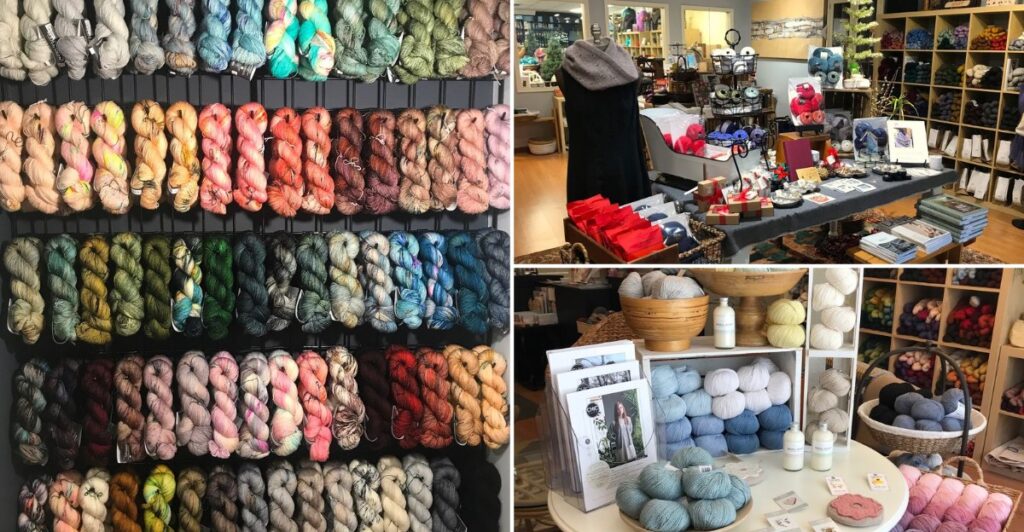
Creative places feel especially valuable when they help people learn, linger, and leave with more confidence than they brought in. In Lansing, Michigan, Woven Art Yarn Shop has spent more than 20 years serving knitters, weavers, crocheters, and curious beginners who want more than a quick supply run.
The appeal comes from the way shops like this keep hands-on skills, local creativity, and friendly guidance alive in a world that often moves too fast. Step inside, and the shelves of colorful skeins are only part of the draw.
For anyone looking for a Michigan shop where craft, community, and inspiration all share the same room, Woven Art is worth a closer look.
A Small Storefront With a Big Fiber World Inside
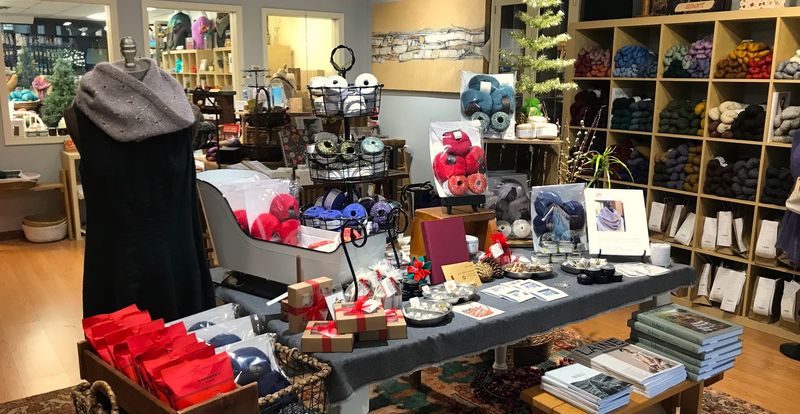
The surprise starts before a single skein is touched. Woven Art Yarn Shop has the kind of storefront that can look modest at first glance, yet the inside opens up into a much fuller fiber world than expected.
That contrast gives the place an immediate spark, because it turns an ordinary stop along East Michigan Avenue into a slow, curious browse.
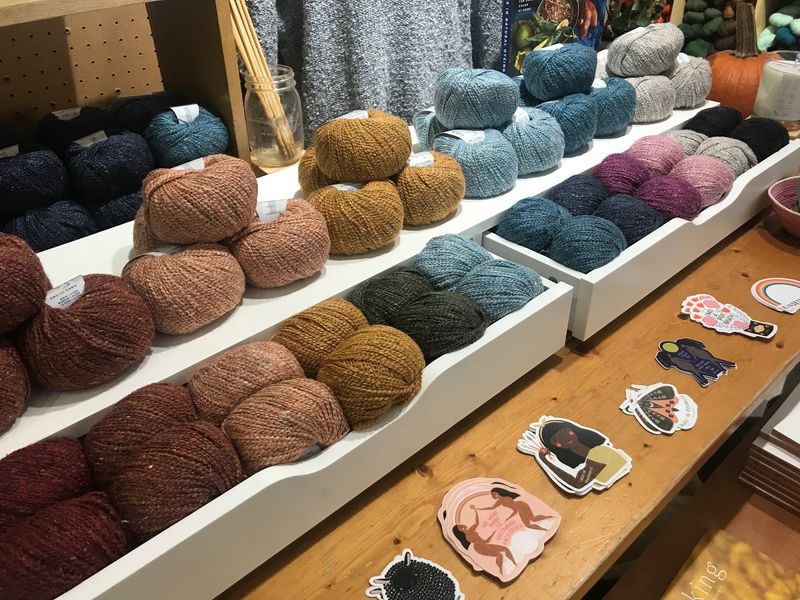
Once inside, the layout encourages wandering instead of rushing. Yarn is arranged in a way that helps shoppers compare fibers, weights, and colors without feeling boxed in, and that matters for anyone trying to picture a sweater, shawl, hat, or woven piece before buying supplies.
A well-organized shop saves time, but it also lowers stress, especially for beginners who may not know exactly where to begin.
Color does a lot of work here. Bright solids, earthy neutrals, soft heathers, and textured blends create visual rhythm across the room, so even non-crafters can understand why fiber artists get excited in spaces like this.
The store also has the kind of depth that makes repeat visits useful, because one lap through the aisles rarely captures every shelf, sample, or basket.
That roomy feeling connects to the way the shop functions. Shoppers can search with a plan, yet still drift toward an unexpected yarn or tool that fits a future project better.
For travelers passing through Lansing, that sense of discovery adds real appeal.
Woven Art does not rely on flashy tricks to make an impression. Its strongest opening move is simpler: a compact entrance, a larger-than-expected interior, and rows of fiber that quickly turn a quick errand into a longer, more satisfying look around.
Shelves Built for Serious Makers and Curious Beginners
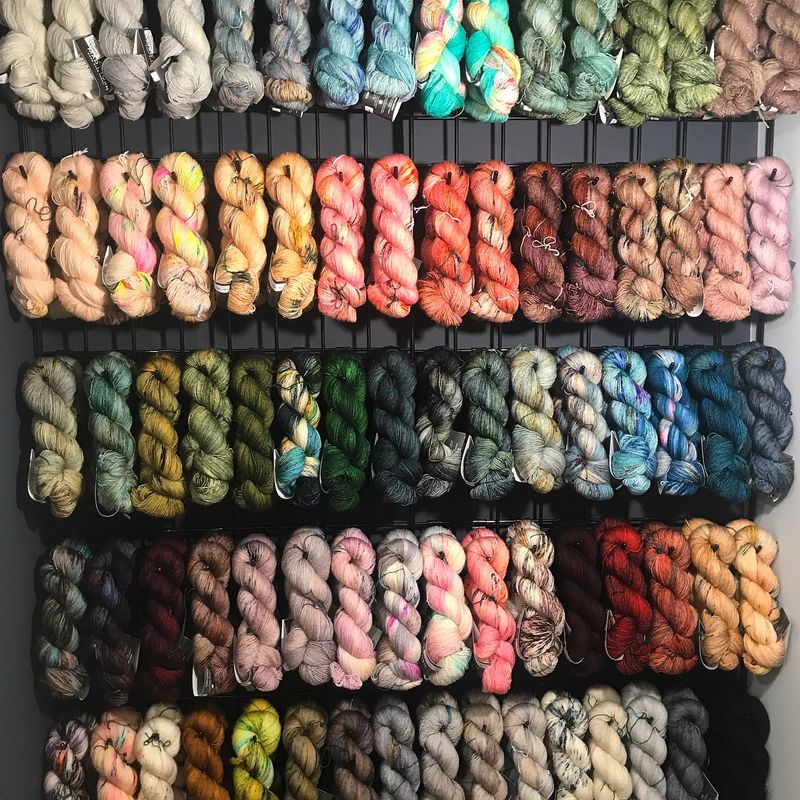
Pick up one skein here, and the bigger picture becomes clear fast. Woven Art is not stocked like a generic craft aisle with a little of everything and not enough of anything.
The selection leans toward quality materials, useful tools, and fiber choices that support real project planning rather than impulse buying alone.
That makes a difference for knitters, crocheters, and weavers who need yarn to behave a certain way. Fiber content affects warmth, drape, softness, and stitch definition, so having wool, non-wool, natural fibers, and varied textures in one shop gives makers better odds of finding the right match.
Reviews also point to a strong range of needles, hooks, notions, buttons, patterns, and gift-sized extras, which rounds out the experience beyond yarn alone.
Budget matters too, and the shop seems aware of that reality. While many materials sit in the higher-quality category, there are also lower-priced options mixed in, which helps beginners test a hobby without committing to the cost of a large heirloom project.
More experienced crafters can compare price and performance side by side instead of guessing from a screen.
Another useful detail is how the store supports different fiber arts instead of favoring only one. Knitters can find sweater quantities, crocheters can browse tools and yarns that work for texture-heavy projects, and weavers are part of the conversation rather than an afterthought.
For anyone trying to understand why local yarn shops still matter, this section of the story says plenty. A strong supply mix means fewer compromises, smarter substitutions, and a better chance of leaving with materials that truly fit the project in mind.
Helpful Guidance Without the Intimidation
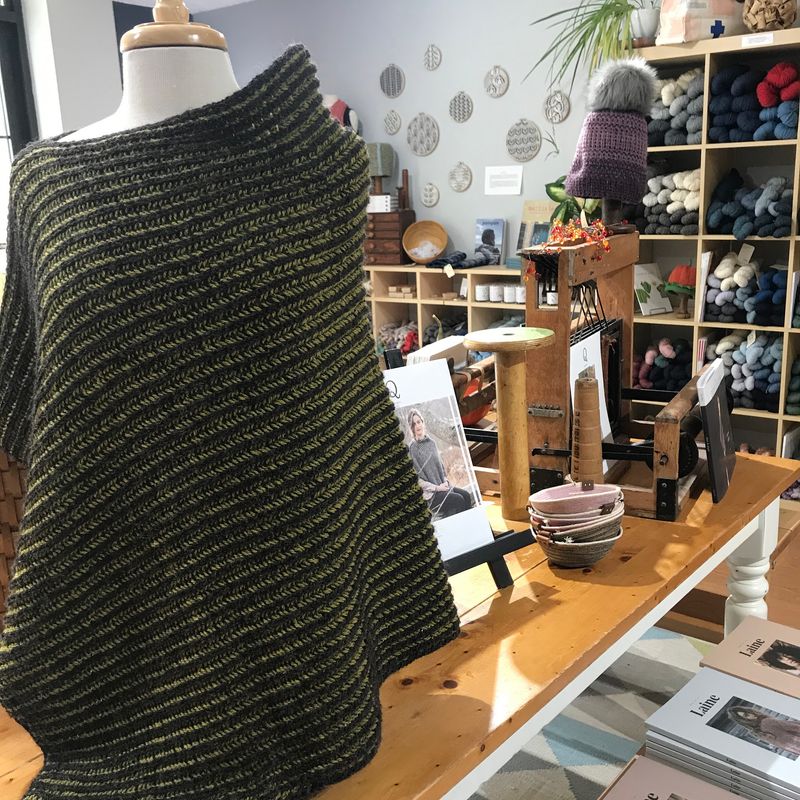
Craft stores can be intimidating when a project goes sideways. Woven Art stands out because help appears to be part of the shop experience, not an awkward extra.
The steady pattern in public feedback points toward staff who guide shoppers through yarn pairing, needle sizes, color choices, and even tricky project problems with patience.
That kind of support matters more than it may seem. Yarn arts involve many small decisions, and a wrong fiber, tool, or gauge choice can waste both money and hours.
A knowledgeable employee who can steer someone toward a better yarn for a pattern, or spot that the selected needles are the wrong size, can rescue a project before it becomes frustrating.
There is also a comfort factor here. One review describes assistance that was especially patient and physically considerate, with a staff member helping retrieve buttons from the back of the store.
Another mentions guidance for a wedding-day sweater scarf based on a color palette. Those examples show service that goes beyond pointing at a shelf.
Beginners benefit in obvious ways, but experienced makers do too. Even advanced knitters and weavers sometimes need a second opinion on substitutions, yardage, texture, or durability, especially for gift projects and garments.
A good yarn shop earns trust when advice is practical rather than pushy.
That welcoming tone helps explain how a specialty store stays relevant for decades. Supplies bring people through the door, yet kindness and skill are what make the visit smoother and more useful.
In a hobby built on patience, counting, and careful hands, calm guidance can be just as valuable as the yarn itself.
Where Lansing Fiber Arts Turns Social
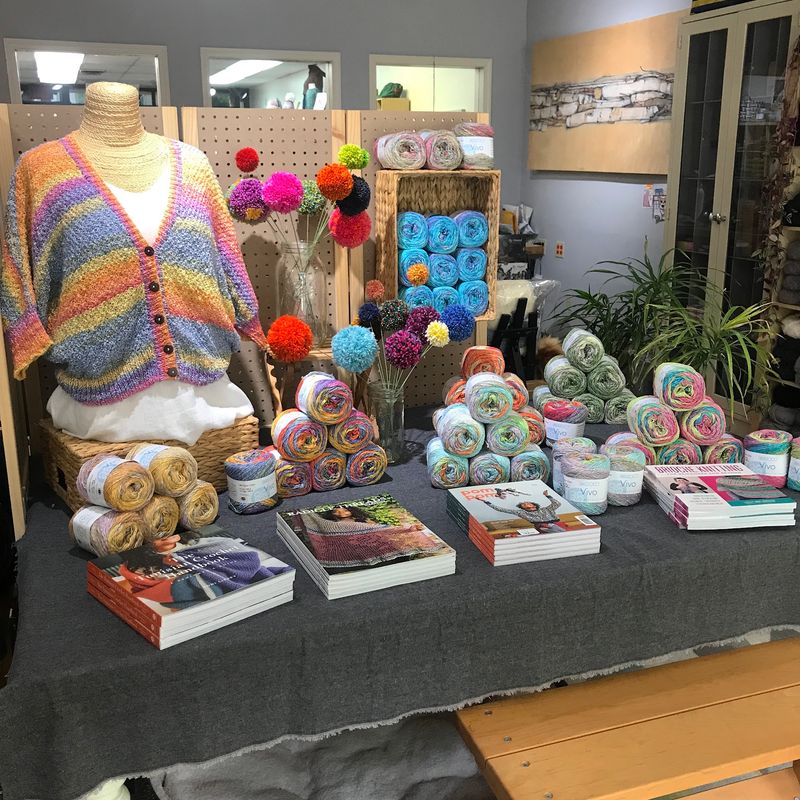
Not every shop knows how to become a meeting place. Woven Art appears to do exactly that by offering classes and knitting circle nights, turning a retail stop into a living part of Lansing’s fiber arts culture.
That shift changes the pace of the visit, because the store becomes a place to learn, share progress, and keep making things with other people nearby.
Classes matter for obvious reasons. A beginner can walk in with curiosity, confusion, and maybe a tangled first attempt, then leave with a clearer path forward.
For intermediate makers, a class or group setting can sharpen technique, solve small problems earlier, and introduce new tools or patterns that might have been skipped at home.
Circle nights add a different energy. They give regulars and newer crafters a chance to work side by side in a space built for yarn, which can make even a quiet evening project feel more active and enjoyable.
Yarn crafts are often solitary hobbies, so having a local place where making is visible helps keep momentum going, especially during long projects that take weeks or months.
There is also value in simply being around people who understand the language of fiber. Terms like gauge, drape, stitch markers, or warp can sound mysterious elsewhere, but in a shop community they become ordinary conversation.
That shared understanding makes the craft easier to stick with.
For Lansing, that kind of creative gathering spot carries weight. Shops that teach, host, and connect people do more than sell materials.
They help build a routine around making things by hand, one class, one circle night, and one half-finished project bag at a time.
More Than Knitting: Weavers, Crocheters, and Other Makers Fit Right In
A good yarn store can accidentally cater to one craft and leave everyone else searching for scraps. Woven Art has a broader identity.
The shop is repeatedly linked with knitters, crocheters, weavers, and even spinners, which gives it a wider reach than a narrowly focused boutique.
That broader mix matters because fiber arts overlap in useful ways. A weaver may need yarns with structure and dependable texture, while a crocheter may care more about stitch definition or durability in a finished item.
Knitters often compare drape, elasticity, and garment comfort. When one store supports those different priorities, it becomes easier for makers to learn from one another and experiment across techniques.
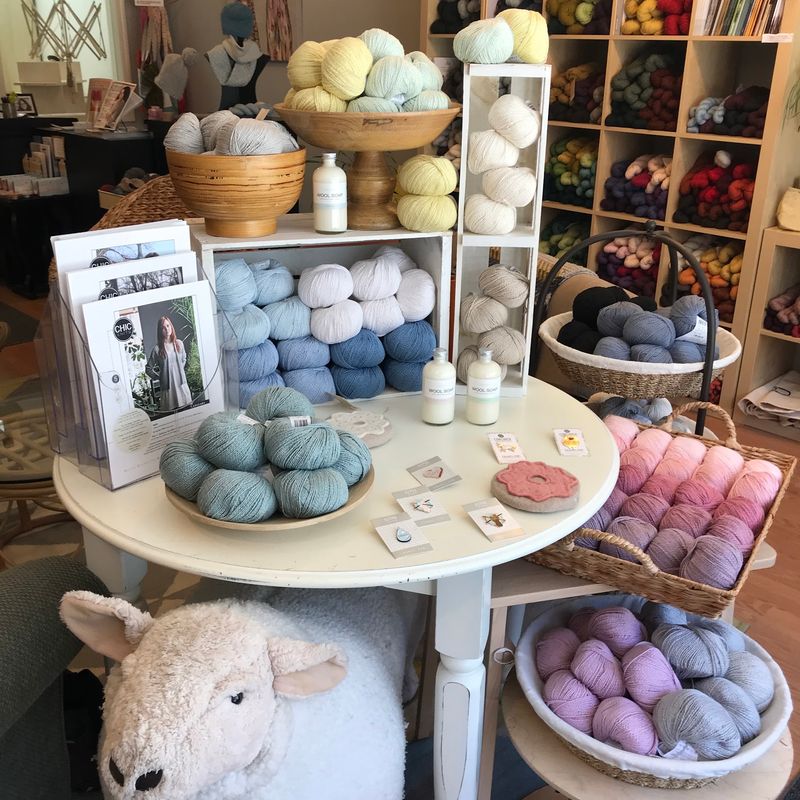
The extras add to that flexibility. Buttons, little gifts, stickers, pins, and notions may sound secondary, yet they help turn a materials stop into a project-finishing stop.
A handmade sweater still needs the right closure. A project bag might need one more playful detail.
A quick gift can come together faster when useful small items are already close at hand.
That range also helps people shop for others. Someone buying for a crafty friend does not need expert-level knowledge to find a thoughtful item when there are small accessories, tools, and attractive add-ons in the mix.
The store becomes friendlier to browsers, gift givers, and hobby-crossers who are still figuring out whether they are knitters, crocheters, or both.
By making room for more than one kind of maker, Woven Art expands what a local yarn shop can be. It serves the serious project planner, the curious beginner, the last-minute gift hunter, and the person who came in for one notion and left with a whole new craft idea.
A Long-Running Michigan Favorite With Real Local Roots
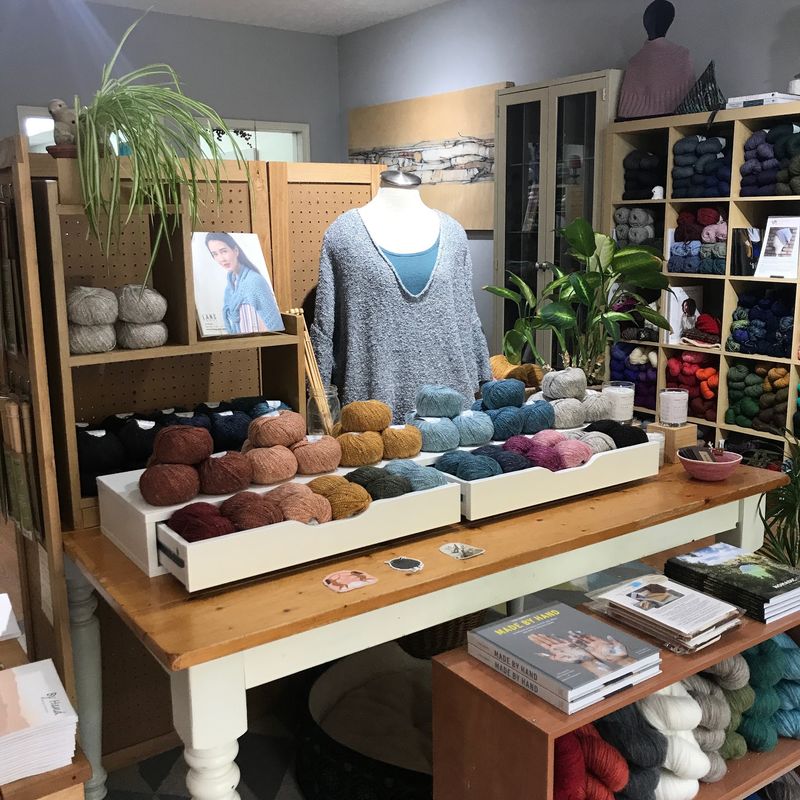
Two decades is a long time for any specialty shop to stay useful, especially in an era of online ordering and fast shipping. Woven Art has done that in Michigan by building local trust, maintaining a strong selection, and staying connected to the people who actually use the materials.
Longevity here is not just a number. It suggests the store has kept pace with changing tastes while still serving core fiber needs well.
The shop’s location adds context. Woven Art sits on East Michigan Avenue in Lansing, close to East Lansing activity and within a broader creative corridor that longtime crafters connect with fabric and fiber shopping.
That placement helps the store function as part of a local making ecosystem rather than an isolated stop.
Long-running craft shops also carry a quieter kind of value. They preserve hands-on knowledge that can disappear when fewer places teach and discuss it in person.
A yarn store that helps with patterns, substitutions, and troubleshooting is also helping pass down practical craft habits, from reading labels to choosing fibers for allergies or seasonal wear.
There is a business lesson tucked into that history too. Independent stores last when they give people reasons to show up that online carts cannot fully replace.
Advice, texture, color comparison, classes, and community all belong in that category. So does consistency.
A dependable neighborhood shop becomes part of routines, gift lists, and seasonal project planning.
Woven Art’s staying power helps explain why it draws praise from both locals and out-of-town fiber fans. More than 20 years later, it remains woven into Lansing’s creative life through service, specialization, and a clear sense of what makers need on a regular basis.
Plan the Visit Right and Enjoy the Browse
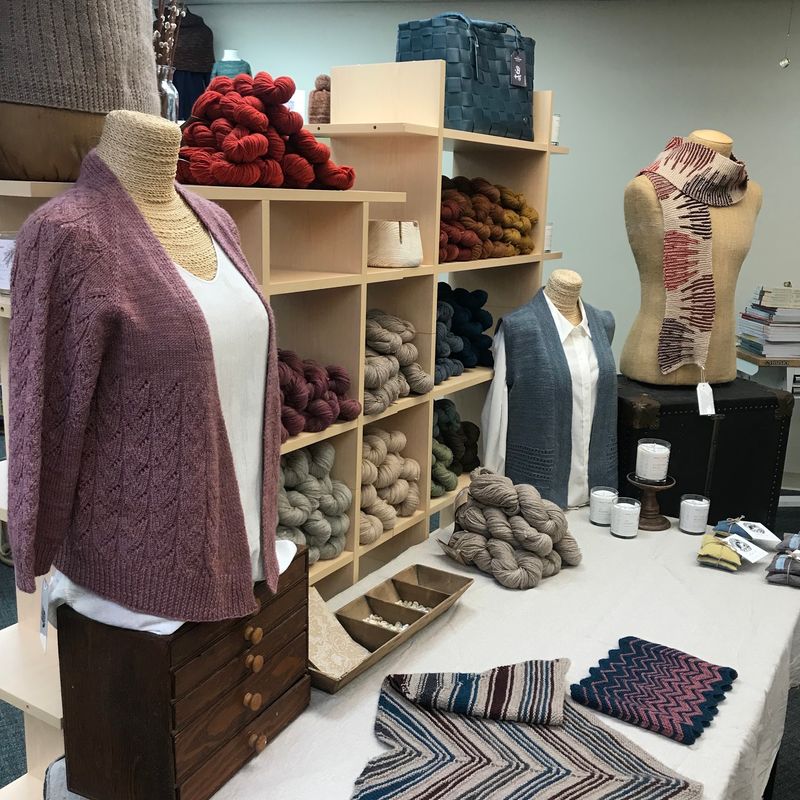
Showing up with a little plan makes this stop work even better. Woven Art keeps afternoon-heavy hours through much of the week, with longer access on Thursday and shorter daytime windows on Saturday and Sunday.
That schedule suits a purposeful browse, but it is smart to check the day and pace the visit so there is time to compare yarn, ask questions, and explore the back of the store.
Parking is one of those small details that can shape the mood of the trip. Reviews mention convenient parking across the street and validation for purchases, which removes a common downtown hassle.
When parking is simple, shoppers can focus on fiber choices instead of watching the clock every few minutes.
Timing matters in other ways too. A specialty shop can get busy, and there may not always be several staff members free at once.
That means rushed shoppers should build in extra time, especially if they want help matching yarn to a pattern or choosing tools for a new project. A calmer visit works best when there is room for conversation.
Seasonal context can also help. One local tip warns that autumn home game days may not be ideal if traffic and crowds are a concern.
For travelers already headed through Lansing, a weekday stop or a quieter weekend window may offer the easiest experience.
The best approach is simple: bring the pattern if there is one, know the rough budget, and stay open to finding a better option than the one first imagined. Woven Art rewards browsing, but it also rewards preparedness.
With decent timing and a little patience, the visit becomes less about running an errand and more about building the next project well.
Why Woven Art Still Stands Out After All These Years
Some stores sell products. Others help shape a hobby.
Woven Art belongs in the second group, which is why its reputation extends beyond a simple shopping trip. Over time, the shop has built a full experience around materials, guidance, community, and a setting that invites people to slow down and choose well.
The strongest part of its identity is balance. The yarn selection appears broad without becoming chaotic, the staff is described as helpful without sounding overbearing, and the shop serves serious makers without shutting out beginners.
That balance is hard to maintain in a specialty space, because too much focus can make a store feel exclusive, while too little focus can make it forgettable.
Woven Art also seems to understand that fiber shopping is tactile and personal. People want to compare softness, thickness, color depth, and texture in real life.
They may need help finding non-wool options for allergies, or premium yarn for a sweater that will be worn for years, or a more budget-friendly choice for practice. A shop that supports all of those needs earns repeat traffic for practical reasons, not just emotional ones.
Then there are the memorable extras that give the place personality, including mention of a shop corgi that has charmed more than one visitor. Small details like that bring a little playfulness to a space already filled with color and handwork.
They make the store easier to talk about and easier to revisit.
After more than 20 years, Woven Art still stands out because it does many things well at once. It is useful, well-stocked, people-centered, and rooted in Lansing’s creative life. For knitters, weavers, crocheters, and yarn lovers, that combination remains hard to replace.