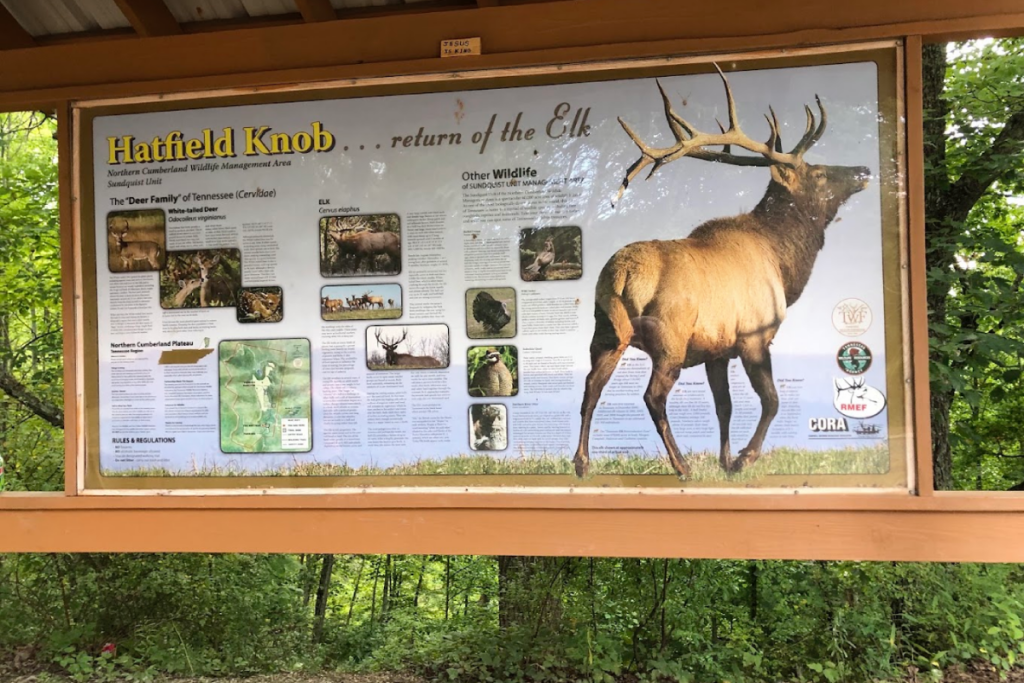
Every fall, Tennessee’s elk population puts on one of nature’s most dramatic performances. Bull elk become territorial, aggressive, and unpredictable as they compete for mates during rutting season, which typically runs from late September through October.
While witnessing bugling bulls and clashing antlers sounds exciting, certain trails put hikers uncomfortably close to these 700-pound animals when they’re at their most dangerous, making a wrong turn potentially life-threatening.
1. Terry and Jane Lewis Elk Viewing Tower, LaFollette
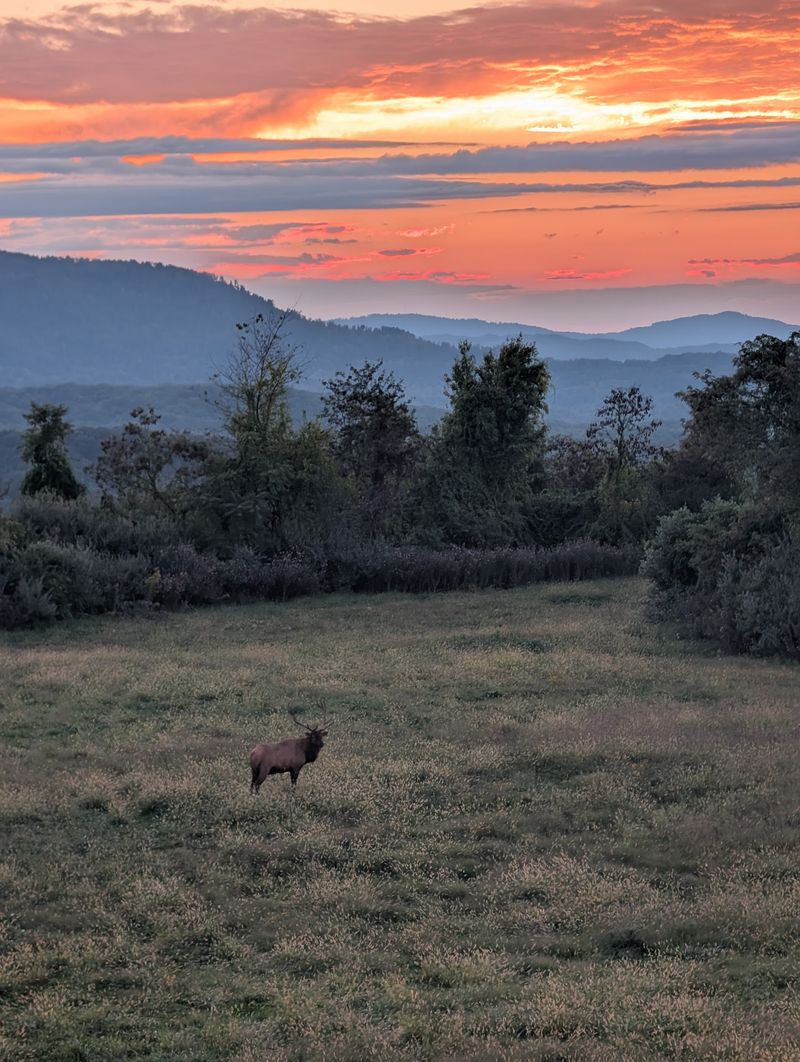
Built specifically for watching elk from a safe distance, this viewing tower ironically becomes one of the riskiest spots during rut. Bulls congregate in the open fields below, and the elevated platform gives hikers a false sense of security.
Many visitors climb down to get closer photos, not realizing they’re walking straight into active rutting zones.
The access trail to the tower winds through dense forest where bulls often lurk during midday heat. You won’t see them until you’re dangerously close.
Rangers report multiple encounters each season where hikers stumble upon bulls resting in the shade, triggering aggressive displays that include lowered antlers, pawing, and mock charges.
Morning and evening visits are particularly risky. Bulls move between bedding areas and the fields at dawn and dusk, using the same narrow trails humans take to reach the tower.
In low light, both species round blind corners with little warning.
The tower’s popularity compounds the problem. Crowds make noise that can agitate already-stressed bulls.
When one hiker gets too close and provokes a charge, everyone on the trail becomes a potential target as the bull establishes dominance over the entire area.
Cell service is spotty at best. If someone gets injured, help is at least 30 minutes away under ideal conditions. The nearest road requires hiking back through the same elk-dense habitat you just navigated.
Park officials increased signage after a near-goring in 2019, but many visitors ignore warnings in their excitement to see elk. The animals have grown somewhat habituated to human presence, which makes them less predictable, not more docile.
A bull that tolerates observers one moment might charge the next if he perceives any threat to his harem or territory during this hormonally-charged period.
2. Cumberland Mountain Trail
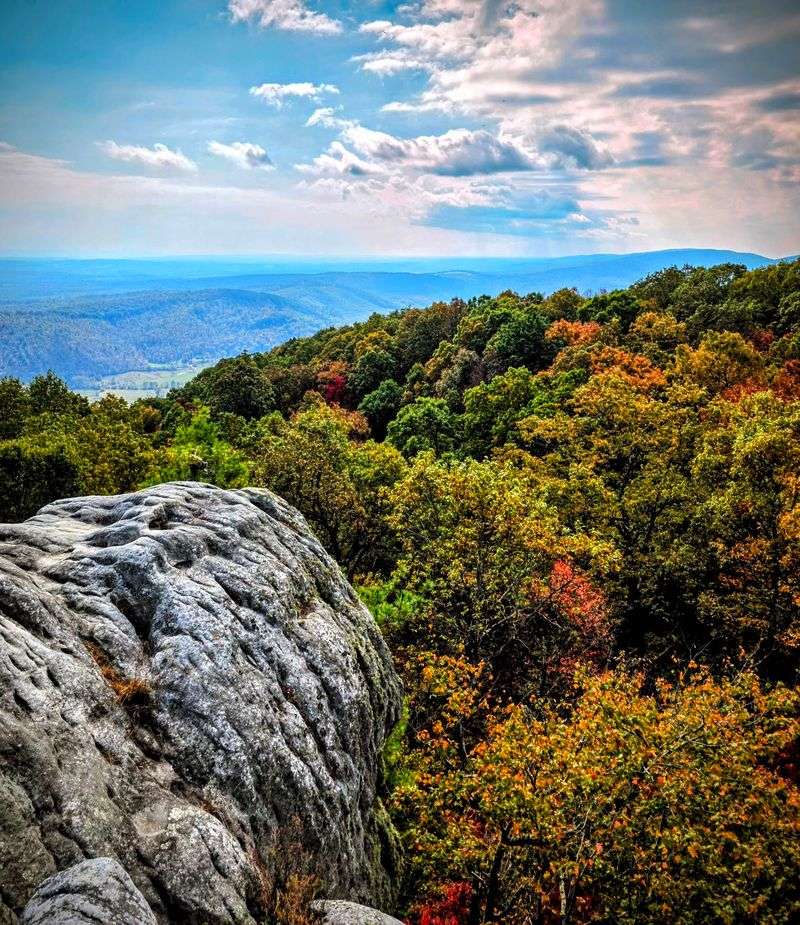
Stretching across prime elk habitat, this trail offers stunning ridge-top views and dangerous wildlife encounters in equal measure. The path crosses multiple elk migration corridors where bulls move between feeding and breeding territories throughout September and October.
What makes this trail particularly hazardous is its length and remoteness. You’re often miles from the nearest trailhead, completely alone, when you round a switchback and find yourself face-to-face with an agitated bull.
There’s nowhere to retreat quickly, and the narrow trail limits your options for giving the animal space.
The terrain works against you too. Steep slopes on either side mean you can’t easily leave the trail to detour around an elk.
Bulls know this and sometimes use the trail itself as a travel route, creating unavoidable confrontations.
Acoustic conditions here are deceptive. The wind and dense forest muffle bugling calls that would normally warn you of nearby elk. You might hear nothing, then suddenly encounter a bull that’s been bedded down just off the trail.
Water sources along the route attract elk, especially during the physically demanding rut when bulls are constantly moving and vocalizing. Every creek crossing and spring becomes a potential meeting point.
Bulls defending access to water are particularly aggressive since hydration is critical to their stamina.
The trail’s popularity with backpackers creates another problem. Overnight campers sometimes pitch tents near meadows where elk gather at night.
Waking up to bugling outside your tent is terrifying, and exiting during a confrontation when you’re trapped inside fabric walls is genuinely dangerous. Several campers have had bulls tear through their campsites while chasing rivals or investigating human scents they perceive as threats during this hormonally-driven season.
3. High Rock Trail, Sundquist Unit, North Cumberland WMA
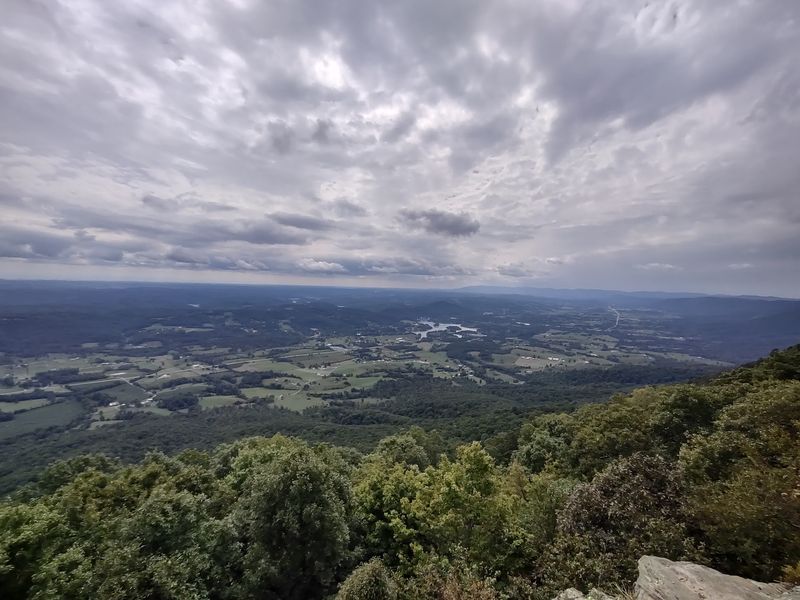
High Rock Trail’s dramatic overlooks make it a photographer’s dream and a wildlife manager’s nightmare during rutting season. Bulls position themselves on prominent rock outcrops to bugle and display, advertising their dominance to rivals and females alike.
That scenic viewpoint you’re hiking toward? A bull probably thinks it’s his personal stage.
The trail’s moderate difficulty attracts families with children, which is problematic when elk are unpredictable. Kids make sudden movements and high-pitched noises that can trigger defensive responses from bulls already on edge.
Parents often don’t recognize warning signs like laid-back ears, raised hackles, or that distinctive head-swinging motion that precedes a charge.
Being within a Wildlife Management Area means elk here are less habituated to humans than in more touristy spots. These animals maintain stronger flight-or-fight instincts.
During rut, flight isn’t on the menu, which leaves only one option when they feel cornered or challenged.
The rock formations create echo chambers that amplify bugling calls, making it impossible to judge how close elk actually are. A bull might sound a quarter-mile away but be just around the next bend, hidden by boulders and vegetation.
Trail maintenance is minimal compared to state park paths. Overgrown sections reduce visibility and eliminate escape routes.
When you can’t see more than 20 feet ahead and dense mountain laurel blocks both sides of the trail, encountering a bull becomes exponentially more dangerous.
Hunters use this WMA during specific seasons, and elk behavior changes in response to hunting pressure. Bulls become more nocturnal and nervous, bedding in unexpected places during daylight hours.
Hikers accidentally flush them from these hiding spots, creating startled, aggressive encounters neither party wanted or anticipated during this already tense time of year.
4. Pond Ridge Trail, Sundquist Unit, North Cumberland WMA
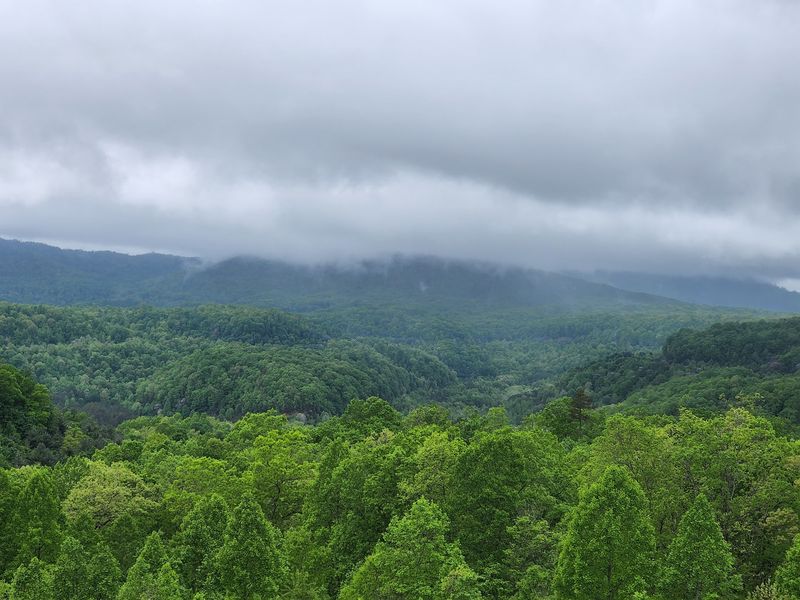
Pond Ridge Trail’s name tells you everything about why it’s dangerous in fall. Water features are elk magnets, and this trail parallels wetlands and small ponds where bulls bring their harems to drink and cool off between rutting activities.
Visibility drops to almost nothing in sections where the trail cuts through bottomland hardwoods near water. The thick understory and morning fog common in these low-lying areas mean you could be within 30 feet of a bull before either of you realizes it.
Surprise encounters are the most dangerous kind.
Mud along the trail preserves fresh elk tracks, droppings, and wallows where bulls have rolled to coat themselves in scent. These signs tell you elk are active in the area, but by the time you notice them, you’re already deep in their territory with limited options for turning back safely.
The ponds themselves create tactical problems during confrontations. With water on one side and steep ridge slopes on the other, the trail becomes a narrow corridor with no good escape routes.
Bulls seem to understand this geographical advantage and often position themselves to control access to water sources.
Biting insects around the ponds make elk irritable, adding another layer of unpredictability to already volatile animals. A bull being harassed by flies while trying to tend his harem is even more likely to perceive hikers as additional threats worthy of aggressive response.
The relatively flat terrain here makes for easy walking, which encourages hikers to cover ground quickly while paying less attention to their surroundings. Speed and inattention are dangerous combinations in elk country.
You need to move slowly and deliberately, constantly scanning ahead, which most hikers find tedious and ignore until they’re suddenly facing down an animal that outweighs them by 500 pounds and sees them as competition or danger during mating season.
5. Overlook Trail, Sundquist Unit, North Cumberland WMA
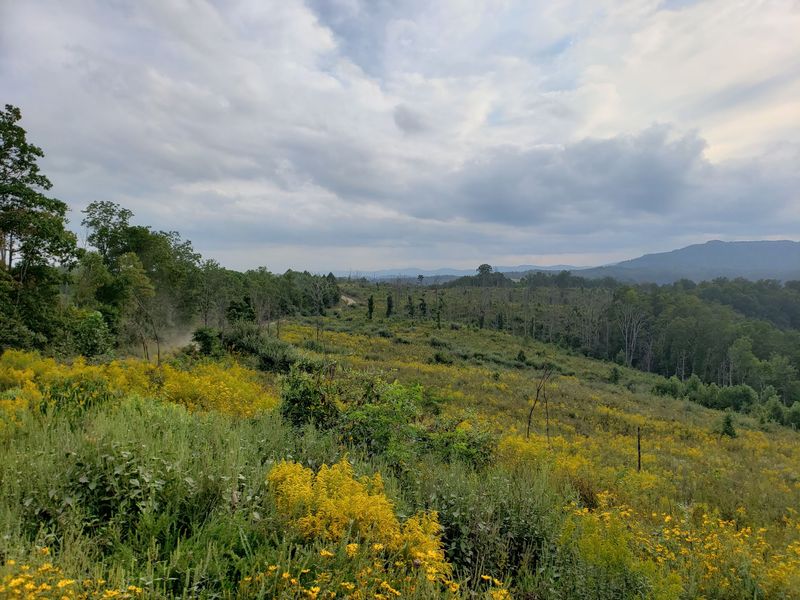
Overlook Trail delivers on its promise of spectacular views, but those same open vistas where you stop to take photos are exactly where bulls prefer to bugle and challenge rivals. The exposed ridgeline offers no cover when an aggressive elk decides you’re too close to his chosen display area.
Wind patterns along the ridge work against human safety. Updrafts carry your scent directly to elk positioned above you on the trail, announcing your presence long before you see them.
Bulls often wait at the overlook itself, forcing hikers into a choice between abandoning their destination or approaching an animal that’s already aware of and potentially agitated by their presence.
The trail’s steep approach means you arrive at the overlook breathing hard and tired. If you need to retreat quickly from an aggressive bull, you’re doing it downhill at speed while already fatigued, which is how twisted ankles and worse injuries happen.
Popular overlooks concentrate hikers in small areas. When multiple groups arrive simultaneously during peak rutting activity, the congestion prevents everyone from maintaining safe distances from elk.
Someone always pushes closer for a better photo, triggering defensive behavior that endangers everyone present.
Cell phone cameras encourage risky behavior. People become so focused on getting footage of bugling bulls that they fail to recognize escalating aggression signals.
By the time the bull charges, they’re too close to retreat safely and often stumble backward toward cliff edges while watching their phone screen instead of their footing.
The overlook’s popularity means fresh human scent is constantly present, which habituates some bulls but enrages others who view the area as their territory. You can’t predict which response you’ll get.
A bull that tolerated morning hikers might charge afternoon visitors, or vice versa, depending on his stress level, recent challenges from other bulls, and whether he’s successfully breeding during this critical reproductive window when stakes are highest.
6. Short Mountain Trail, Sundquist Unit, North Cumberland WMA
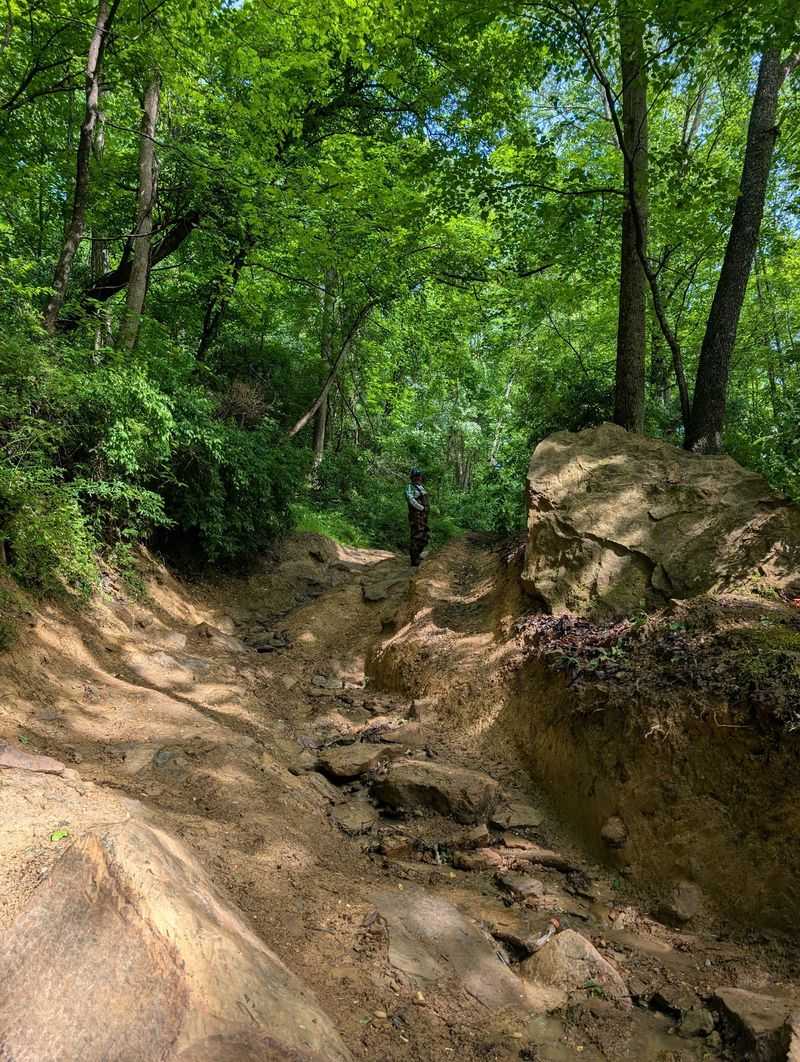
Don’t let the name fool you. Short Mountain Trail might not require an all-day commitment, but its compact nature concentrates elk activity into a small area where avoiding them becomes nearly impossible during rut.
The trail climbs through a patchwork of meadows and forest that creates ideal elk habitat. Bulls use the meadows for displaying and the forest for cover, meaning they’re constantly crossing the trail as they move between these zones.
During peak rut, you might encounter the same aggressive bull multiple times as he patrols his territory.
Short trails attract unprepared hikers who think less distance means less risk. They bring kids, dogs, and casual attitudes that are dangerous around rutting elk.
Dogs especially provoke bulls, who see them as wolf-like predators threatening their harems.
The summit area is small and exposed. When a bull is already there, you have no room to maintain safe separation distances.
Turning around means hiking back down while keeping the bull in sight, which is psychologically difficult and physically awkward on steep terrain.
Being within the WMA means hunters scout this trail during pre-season, and elk associate human presence with danger even before hiking season overlaps with hunting season. This heightened wariness makes bulls more reactive to hikers, not less.
Trail markers are sparse, and social trails branch off the main path. Hikers who wander off-route while trying to avoid an elk often end up more lost and deeper into elk habitat, compounding their problems.
The terrain looks similar in all directions, making navigation difficult when you’re stressed and hurrying away from a perceived threat.
Short Mountain’s relatively low elevation means warmer temperatures that keep elk more active throughout the day. Higher trails might see elk primarily at dawn and dusk, but here they’re moving and rutting during midday when most hikers are present, creating maximum overlap between human recreation and elk breeding behavior when bulls are most aggressive and unpredictable.
7. Ridge Top Trail, Sundquist Unit, North Cumberland WMA
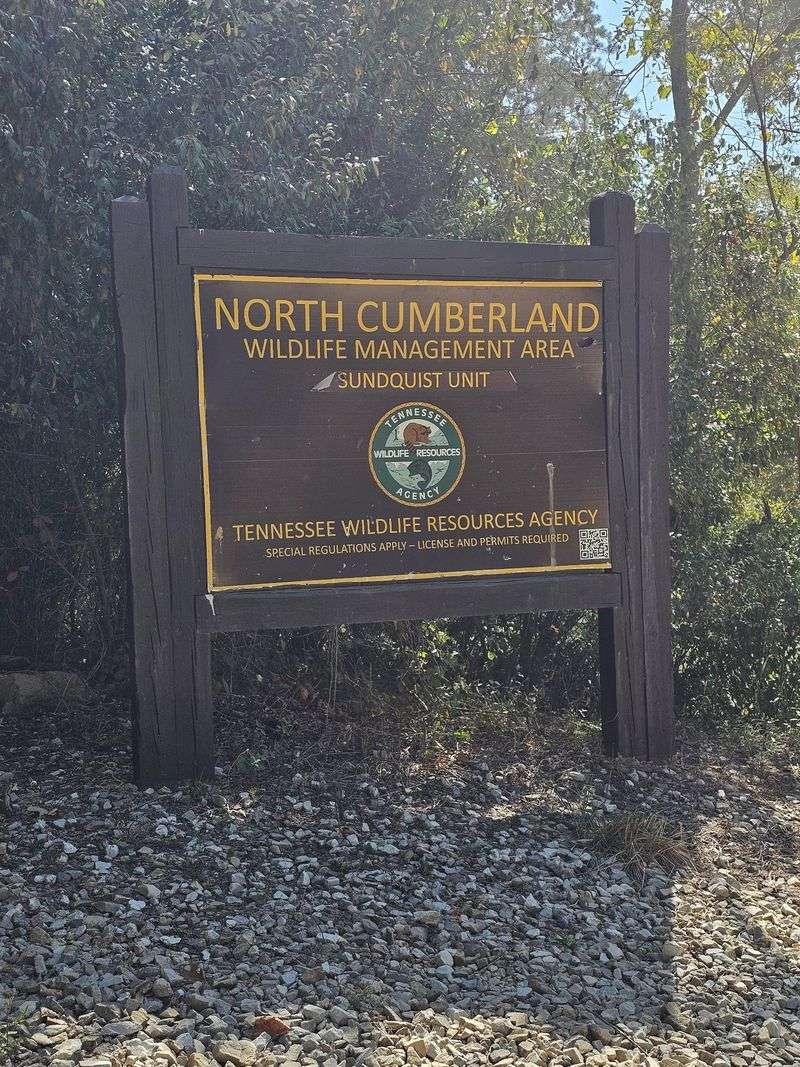
Ridge Top Trail follows the spine of the mountain through prime elk real estate. Bulls use ridgelines as highways for moving between valleys where cows congregate, making this trail a guaranteed intersection point with rutting animals.
The exposed nature of ridge hiking means both you and elk can see each other from considerable distances. While this sounds safer than surprise encounters, it creates prolonged standoffs where neither party wants to yield the trail.
Bulls interpret your refusal to leave as a challenge, escalating tension until someone makes a move.
Wind is constant and unpredictable along ridges, making it impossible to stay downwind of elk. Your scent swirls in all directions, alerting every bull in the area to your presence and keeping them agitated as you pass through their territories.
The trail’s narrow width and steep drop-offs on both sides eliminate escape options. You can’t leave the trail to give elk space, so every encounter becomes a waiting game to see if the bull will move or charge.
Most hikers don’t have the patience or knowledge to wait out an aggressive elk properly.
Scenic camping spots along the ridge attract backpackers who don’t realize they’re sleeping in elk migration corridors. Tents pitched on Friday afternoon might be surrounded by rutting bulls by Saturday morning, trapping campers in dangerous situations with limited options for safe evacuation.
The elevation makes weather unpredictable. Fog rolls in quickly, reducing visibility to a few yards and muffling sounds that would normally alert you to nearby elk.
Cold temperatures that feel refreshing to hikers also energize bulls, who are more active and aggressive in cooler conditions.
Ridge Top Trail’s length means you’re committed once you start. Turning back isn’t always feasible, forcing you to continue forward through elk habitat even after warning signs suggest you should retreat.
This all-or-nothing geography puts hikers in positions where they push their luck rather than abandon their hiking plans, often with predictable and dangerous results when confronting territorial bulls during breeding season.
8. Anderson and Cross Mountains Section of the Cumberland Trail, Campbell/Scott Counties
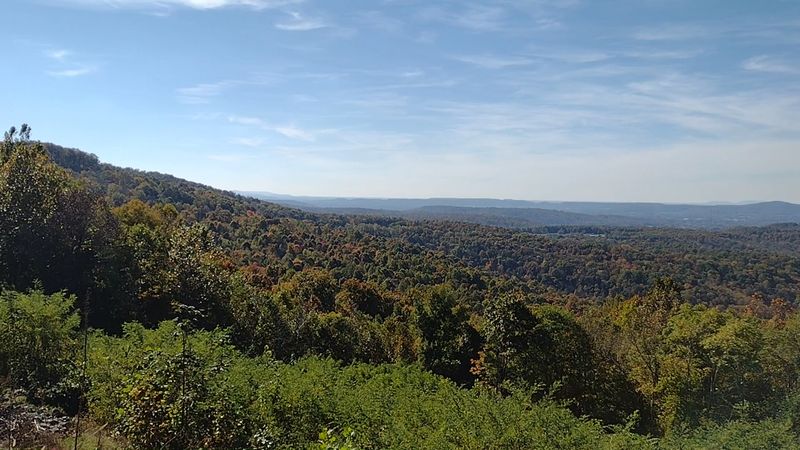
This Cumberland Trail section crosses vast wilderness where elk populations have exploded in recent years. The sheer size of the area means more elk, more bulls, and more potential for dangerous encounters during the concentrated chaos of rutting season.
Multi-day backpacking is common here, which means hikers carry heavy packs that limit mobility during wildlife encounters. You can’t run, dodge, or climb with 40 pounds on your back.
Bulls seem to recognize this vulnerability and act more boldly around backpackers than day hikers.
The trail crosses private land boundaries where elk management practices vary. Some landowners tolerate elk, others actively discourage them, creating pockets of concentrated animals pushed into public corridor areas where hikers travel.
These artificial concentrations increase encounter rates beyond what natural distribution would create.
Water sources are spaced far apart, forcing both hikers and elk to use the same springs and creeks. You can’t skip a water source because the next one is eight miles away, so you’re forced into close proximity with elk even when you know they’re present and agitated.
The trail’s remote nature means help is hours away even after you reach someone with cell service. A serious injury from an elk encounter here could easily become life-threatening before rescue arrives, especially if weather grounds helicopters or rough terrain slows ground evacuation.
Navigation is challenging even with maps and GPS. The trail is poorly marked in sections, and elk encounters often push hikers off-route in their haste to avoid confrontation.
Getting lost in this vast wilderness while also trying to avoid aggressive bulls compounds dangers exponentially.
Hunting pressure in surrounding areas pushes elk onto the protected trail corridor during fall, concentrating animals in a narrow strip of land where hikers have no choice but to travel. Bulls displaced from their preferred territories are especially aggressive as they compete for limited space and access to cows during this critical breeding window when reproductive success determines genetic legacy.
9. Eagle Bluff Section of the Cumberland Trail, Campbell County
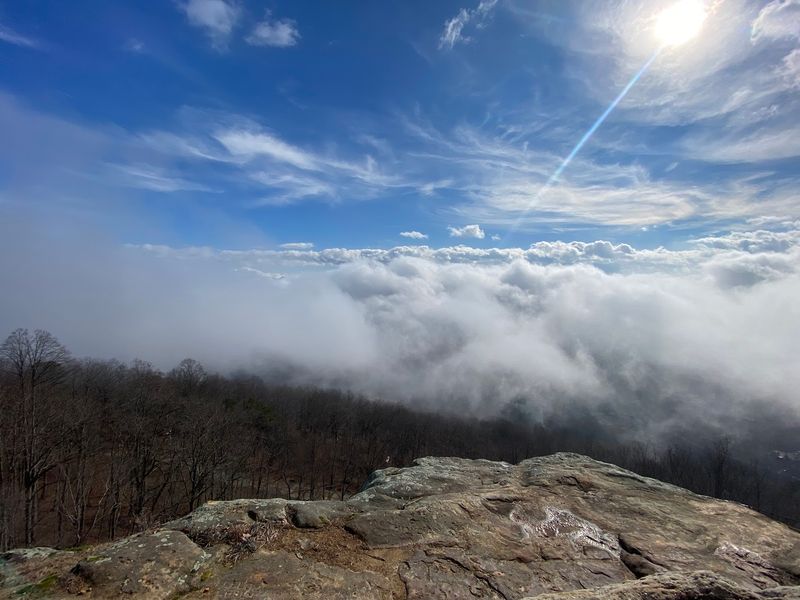
Eagle Bluff’s dramatic cliff-edge trail is stunning and uniquely dangerous when elk are rutting. The narrow path hugs rock faces with steep drops, leaving zero room for evasive action when you encounter a territorial bull.
Bulls use the bluffs as bugling stations where their calls echo across valleys to attract cows and warn rivals. That means the most scenic overlooks are often occupied by the most aggressive males at the height of their testosterone-fueled territorial behavior.
The psychological factor of hiking near cliff edges makes elk encounters exponentially more stressful. Your brain is already processing fall danger when you add a charging 700-pound animal to the equation.
People make poor decisions under this dual stress, sometimes choosing the cliff over the elk.
Rock scrambles and technical sections require using your hands, meaning you can’t maintain visual contact with elk while negotiating difficult terrain. Bulls can close distance quickly when you’re distracted by footwork and handholds.
The bluff’s exposure to sun makes it attractive to elk during cool fall mornings when they seek warmth after cold nights. Dawn hikers, hoping to catch sunrise views, instead find bulls already positioned at overlooks and unwilling to yield their warming spots.
Acoustic tricks caused by cliff faces make it impossible to judge elk locations by sound. Bugling calls bounce off rock walls, seeming to come from everywhere and nowhere simultaneously.
You can’t use audio cues to avoid elk when echoes confuse directional information.
Eagle Bluff attracts less experienced hikers drawn by its reputation and relative accessibility. These novices don’t recognize elk sign, ignore warning posters, and lack the wilderness skills needed to handle aggressive wildlife encounters safely.
Their inexperience endangers not only themselves but also other hikers who get caught up in situations created by someone else’s poor judgment around rutting bulls who view the entire bluff area as their territory during this critical breeding period when stakes are highest and tolerance is lowest.