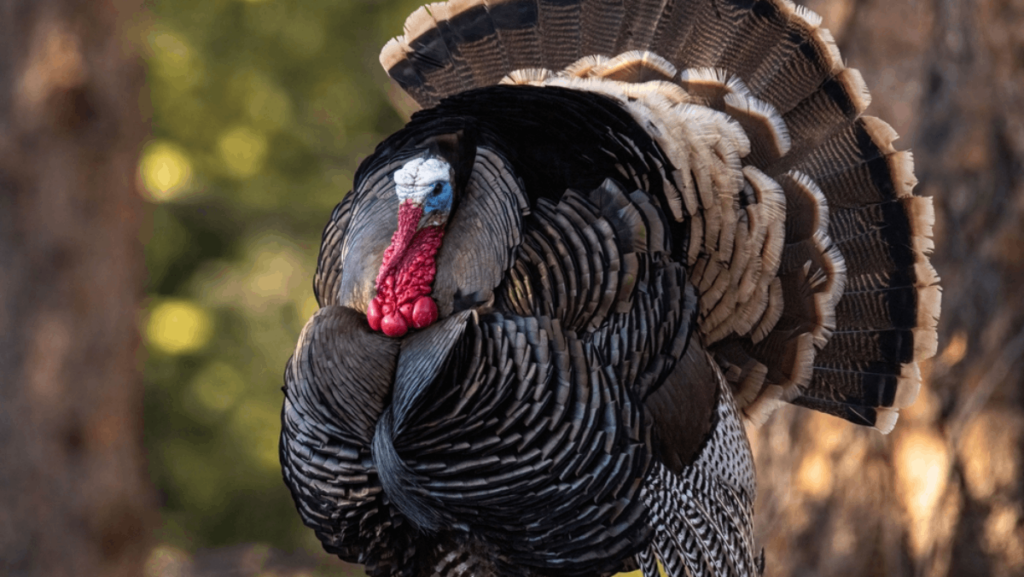
Tennessee is home to thousands of wild turkeys that strut through forests, fields, and valleys across the state. These impressive birds, with their bronze feathers and distinctive gobbles, are a treat to observe in their natural habitat. Whether you’re a birdwatcher, nature photographer, or just someone who enjoys wildlife, the Volunteer State offers some incredible spots where you can see these magnificent creatures up close.
From the misty mountains of East Tennessee to the river bottoms out west, wild turkeys are thriving and waiting to be discovered.
1. Cades Cove (Great Smoky Mountains National Park)
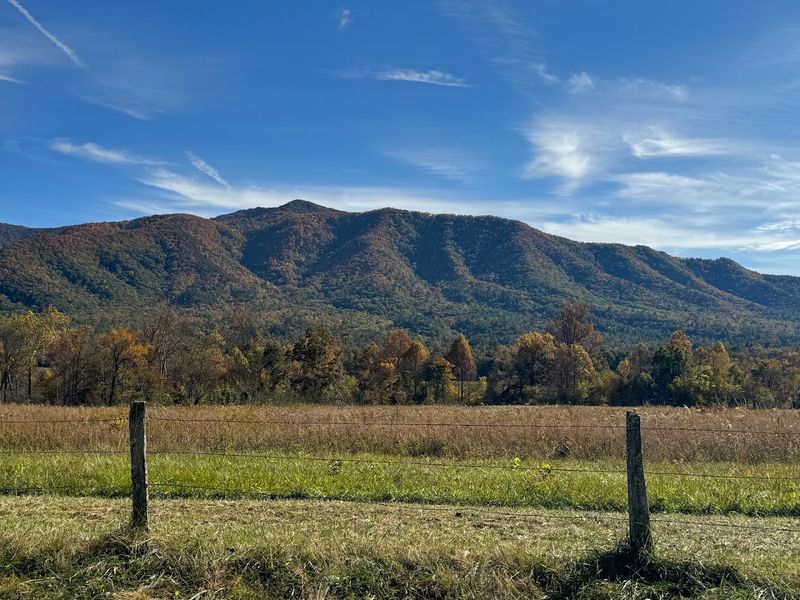
Picture a peaceful valley surrounded by ancient mountains, where deer graze beside old cabins and wild turkeys wander without a care in the world. Cades Cove is exactly that kind of magical place. Located in the heart of Great Smoky Mountains National Park, this eleven-mile loop road winds through open fields and forests where wildlife sightings happen almost daily.
Wild turkeys here have grown comfortable with visitors, often feeding near the roadside or crossing right in front of your car. Early morning and late afternoon are prime times to spot them, especially in the grassy areas near historic buildings. Bring binoculars and a camera because these birds put on quite a show during spring mating season when toms fan their tail feathers.
The loop can get crowded during peak tourist months, so visiting on weekday mornings gives you the best chance for quiet observation. Park rangers recommend driving slowly and staying in your vehicle when turkeys are nearby.
2. Land Between the Lakes National Recreation Area (Dover)
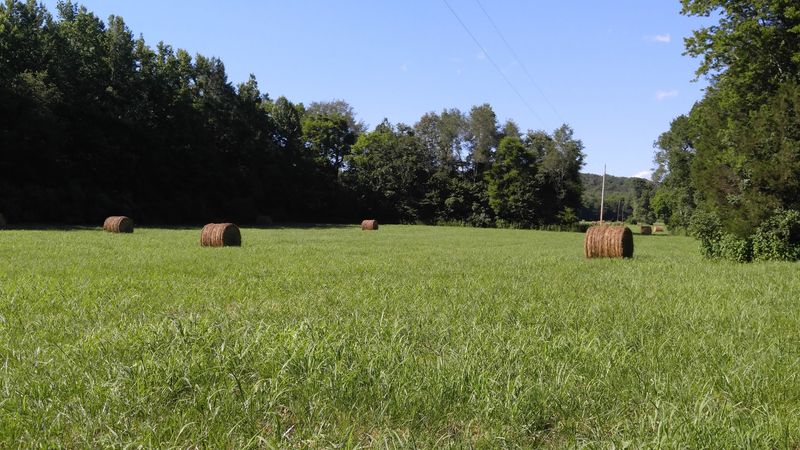
Stretching across 170,000 acres between Kentucky Lake and Lake Barkley, Land Between the Lakes is a wildlife paradise. This massive recreation area features dense hardwood forests, open grasslands, and wetlands that create perfect conditions for wild turkey populations to flourish. Turkeys here have plenty of space to roam and feed on acorns, seeds, and insects.
The Elk and Bison Prairie is a popular spot where turkeys often share the landscape with larger grazing animals. Hiking trails like the North-South Trail offer excellent opportunities to encounter turkeys in their natural element, especially during cooler months when they’re more active.
The Woodlands Nature Station also offers educational programs about local wildlife, including turkey behavior and habitat.
Remember to maintain a respectful distance and never feed wild turkeys, as this disrupts their natural foraging patterns. With so much territory to explore, you could easily spend an entire day discovering different areas where these birds gather and thrive.
3. Meeman-Shelby Forest State Park (near Memphis)
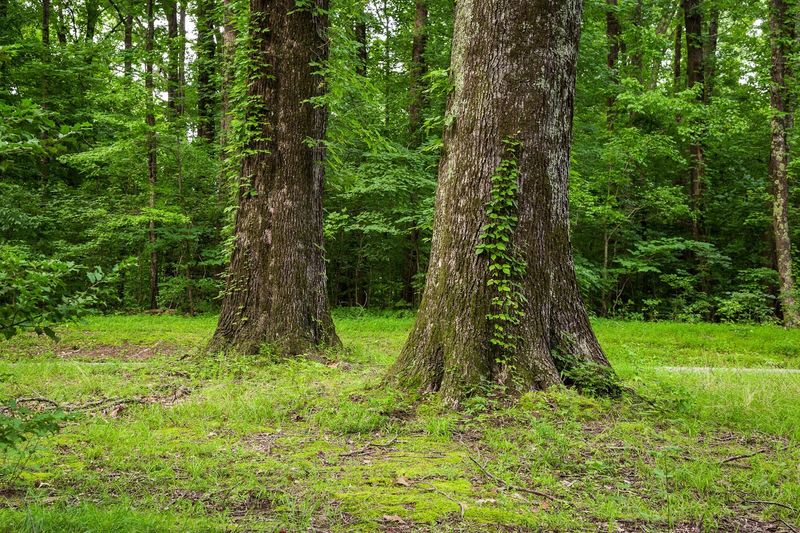
Just north of Memphis along the Mississippi River bluffs, Meeman-Shelby Forest State Park preserves over 13,000 acres of bottomland hardwood forest. This western Tennessee gem is home to a healthy wild turkey population that thrives in the park’s diverse ecosystems. The mix of mature forests, wetlands, and open areas creates ideal turkey habitat year-round.
Turkeys here are frequently spotted along the park’s many hiking trails, particularly the Chickasaw Bluff Trail and Pioneer Springs Trail. These paths wind through different forest types, giving you varied chances to observe turkey behavior.
During spring gobbling season, you might hear males calling from their roosts at dawn, an unforgettable wilderness experience.
Meeman-Shelby also offers excellent birdwatching beyond turkeys, with over 200 species recorded in the area. The combination of river views, ancient forests, and abundant wildlife makes this park a hidden treasure for nature enthusiasts visiting the Memphis region.
4. Bledsoe Creek State Park (Gallatin)
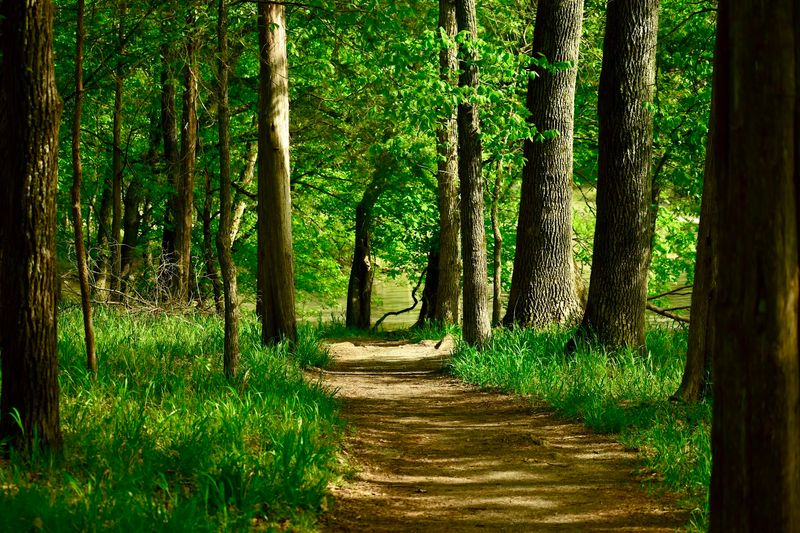
Nestled along the shores of Old Hickory Lake in Middle Tennessee, Bledsoe Creek State Park offers a more intimate wildlife watching experience. This smaller park packs plenty of turkey activity into its 164 acres of rolling hills and lakeside habitat. The relatively compact size means turkeys are easier to locate compared to sprawling wilderness areas.
The park’s trail system connects various habitats where turkeys feed throughout the day. Oak and hickory trees drop nuts that turkeys love, making fall an especially productive time for sightings. Visitors walking the trails often encounter turkeys crossing paths or feeding in small clearings. The birds seem accustomed to human presence but still maintain their wild wariness.
Camping at Bledsoe Creek puts you right in turkey territory, with birds sometimes wandering through the campground itself during early morning hours. The lakeside setting adds scenic beauty to your wildlife watching adventures.
The park’s proximity to Gallatin makes it convenient for day trips, though spending the night increases your chances of dawn and dusk turkey encounters when these birds are most active.
5. Chickasaw National Wildlife Refuge (Ripley)
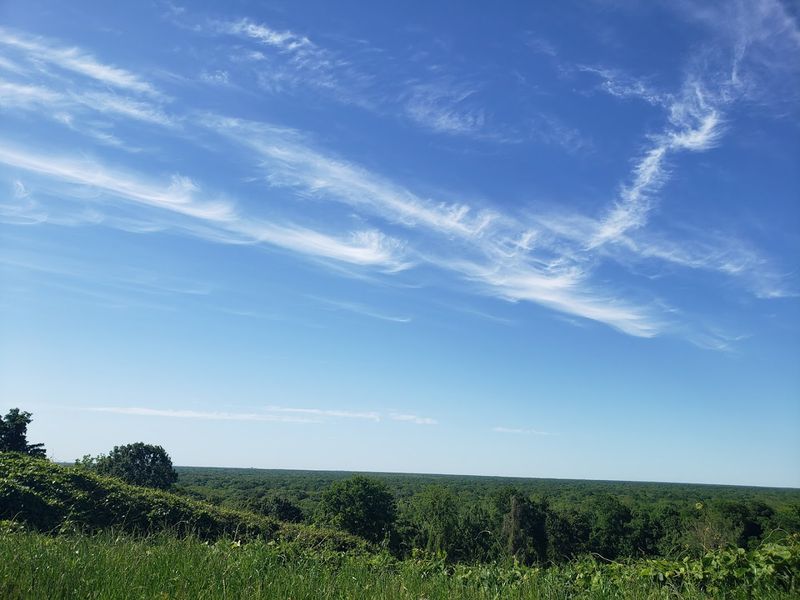
Way out in West Tennessee near the Mississippi River, Chickasaw National Wildlife Refuge protects critical habitat for countless species, including robust wild turkey populations. This 25,000-acre refuge features bottomland forests, wetlands, and agricultural fields that turkeys find irresistible. Management practices here specifically support wildlife, making it one of Tennessee’s premier spots for observing natural animal behavior.
Turkeys frequently feed in the open fields visible from the road, especially during morning and evening hours. Several walking trails provide closer encounters for those willing to explore on foot. The diverse landscape means turkeys can be found in different areas depending on the season and food availability.
Winter months bring migrating waterfowl, but resident turkeys remain active year-round, providing consistent viewing opportunities. Refuge staff work to maintain an ideal turkey habitat through controlled burns and forest management. Educational signs along routes explain wildlife ecology, helping visitors understand what they’re seeing.
Bring insect repellent during warmer months, as mosquitoes can be thick near wetland areas. The remote location means fewer crowds than popular state parks, offering a more solitary wilderness experience.