Tennessee is packed with charming small towns where you can leave the car behind and explore on foot. These walkable communities offer historic downtown squares, unique local shops, and friendly faces around every corner.
Whether you’re searching for mountain views, Civil War history, or just a peaceful weekend getaway, these towns deliver authentic Southern hospitality at a comfortable pace.
1. Jonesborough

Tennessee’s oldest town dates back to 1779, and walking its Main Street feels like stepping into a living history book. Brick buildings house independently owned shops, art galleries, and cafés where locals still gather for conversation. The sidewalks are wide and welcoming, perfect for an afternoon of browsing without hurrying.
Every October, storytellers from around the world descend on this Northeast Tennessee gem for the National Storytelling Festival. But any time of year, you’ll find the town’s character shining through its preserved architecture and genuine hospitality.
2. Bell Buckle

Population barely cracks 500, yet Bell Buckle packs more charm per square foot than towns ten times its size. The downtown square clusters around an old train depot, with antique stores spilling vintage treasures onto the sidewalks. Southern cooking wafts from family-run eateries where recipes haven’t changed in generations.
Everything sits within easy walking distance near Shelbyville, making this spot ideal for a lazy afternoon of treasure hunting. The RC Cola and Moon Pie Festival each June transforms the tiny town into a celebration of Southern nostalgia.
3. Franklin

Civil War history lives alongside modern boutiques in this Middle Tennessee treasure. Franklin’s downtown district stretches for blocks, lined with impeccably preserved 19th-century buildings that now house upscale restaurants and specialty shops.
You can spend hours wandering from coffee shops to bookstores to farm-to-table restaurants, all within comfortable walking distance. The combination of historical significance and contemporary energy makes Franklin feel both timeless and vibrant.
4. Lynchburg

Jack Daniel’s put this Moore County town on the map, but the walkable courthouse square keeps visitors lingering long after distillery tours end. Red brick buildings circle the central square, housing gift shops, cafés, and restaurants serving Tennessee barbecue. Ironically, Moore County remains dry, so you can’t buy whiskey here despite producing America’s most famous brand.
The entire town center unfolds within a few blocks, making exploration effortless even on warm summer days. Historic markers dot the sidewalks, sharing stories about Mr. Jack himself and the town’s distilling heritage.
5. Gatlinburg

Gatlinburg buzzes with tourist energy, yet its compact downtown strip remains surprisingly walkable despite the crowds. Candy stores with fudge displays, pancake houses, and quirky attractions line both sides of the main thoroughfare. The Smoky Mountains loom in every direction, reminding you that wilderness sits just beyond the neon signs.
Unlike sprawling resort towns, Gatlinburg concentrates everything along a central corridor you can cover on foot. Families stroll from the aquarium to mini-golf courses to ice cream shops without needing a car.
Yes, it’s touristy and sometimes overwhelming, but the pedestrian-friendly layout lets you experience mountain town hospitality without constant parking hassles.
6. Townsend

While Gatlinburg and Pigeon Forge compete for tourist dollars, Townsend offers the Smokies without the chaos. This Blount County village hugs the Little River, where the sound of rushing water replaces traffic noise. The downtown area spreads out casually, with local shops and restaurants that close early because nobody’s in a hurry.
Walkability here means strolling along quiet roads where drivers actually wave at pedestrians. You’ll find craft stores, a general store, and eateries serving home-style cooking to hikers fresh off the trails.
The peaceful atmosphere attracts visitors who want mountain beauty without the carnival atmosphere, making every walk feel like a retreat.
7. Paris

A half-scale Eiffel Tower rising from West Tennessee farmland sounds absurd until you see how perfectly it captures Paris’s quirky charm. The downtown square clusters around the historic courthouse, with locally owned shops and restaurants that have served generations of families. That 60-foot tower, complete with twinkling lights at night, gives this agricultural community an unexpected dash of European flair.
Walking the square takes maybe twenty minutes, but conversations with friendly shopkeepers can stretch that into hours. The tower makes a perfect photo backdrop, but the real appeal lies in the unhurried pace of small-town life. Everything you need sits within a few blocks.
8. Collierville

Here, the architecture tells stories of prosperity from the railroad era, when Collierville thrived as a cotton trading center. Historic buildings ring the expansive green space, housing boutiques, cafés, and restaurants that draw visitors from across the region.
Modern amenities fill vintage storefronts without erasing the past, creating a shopping district that honors history while serving contemporary tastes. You can spend an entire afternoon circling the square, ducking into shops between coffee breaks at sidewalk tables.
9. Pulaski

Pulaski has worked hard to overcome a complicated history, revitalizing its downtown into a welcoming space for all. The courthouse square features beautifully restored storefronts now filled with local restaurants and shops. Brick sidewalks and period streetlights create an atmosphere that celebrates the architecture while looking forward.
Recent investments have brought new energy to this Southern Middle Tennessee town, attracting young families and entrepreneurs. The walkable downtown makes it easy to support local businesses, from coffee shops to craft stores.
Community events regularly fill the square with music and food trucks, transforming the historic space into a gathering place that writes new, more inclusive stories for Pulaski’s future.
10. Columbia

Columbia earned the nickname Muletown by hosting the world’s largest mule market in the 1800s, and that agricultural heritage still shapes the town’s character. The downtown pulses with antique stores where you can find everything from vintage furniture to Depression-era glass.
Everything sits within comfortable walking distance, making Columbia a popular day trip for treasure hunters and music fans alike. The Mule Day festival each April celebrates that quirky heritage with parades and competitions.
Between shops, you’ll spot murals and historic markers that tell stories of Tennessee’s agricultural past.
11. Greenville

Greenville’s courthouse square serves as the heart of this East Tennessee community, surrounded by museums that preserve Appalachian heritage. The Dickson-Williams Mansion offers glimpses into 19th-century life, while smaller museums document local history through photographs and artifacts. Cafés and shops fill the spaces between, giving you reasons to linger after museum visits.
The walkable downtown encourages exploration at whatever pace suits you, whether that’s a quick coffee break or an afternoon of historical deep-diving. Local owners know their neighbors by name, and they’ll likely know yours by your second visit.
12. Rogersville

Founded in 1786, Rogersville wears its age beautifully through brick sidewalks and buildings that have stood for centuries. The historic district preserves structures from the 1700s, including the Hale Springs Inn, Tennessee’s oldest continuously operating inn. Antique shops line the streets, offering treasures that match the town’s vintage atmosphere.
Walking these Northeast Tennessee sidewalks feels like traveling backward through time, with every storefront and marker telling stories of frontier life. The town has resisted modernization in ways that preserve its character rather than turn it into a museum. You can still buy supplies from local merchants, eat at family restaurants, and experience small-town Tennessee much as it existed generations ago.
13. Sewanee

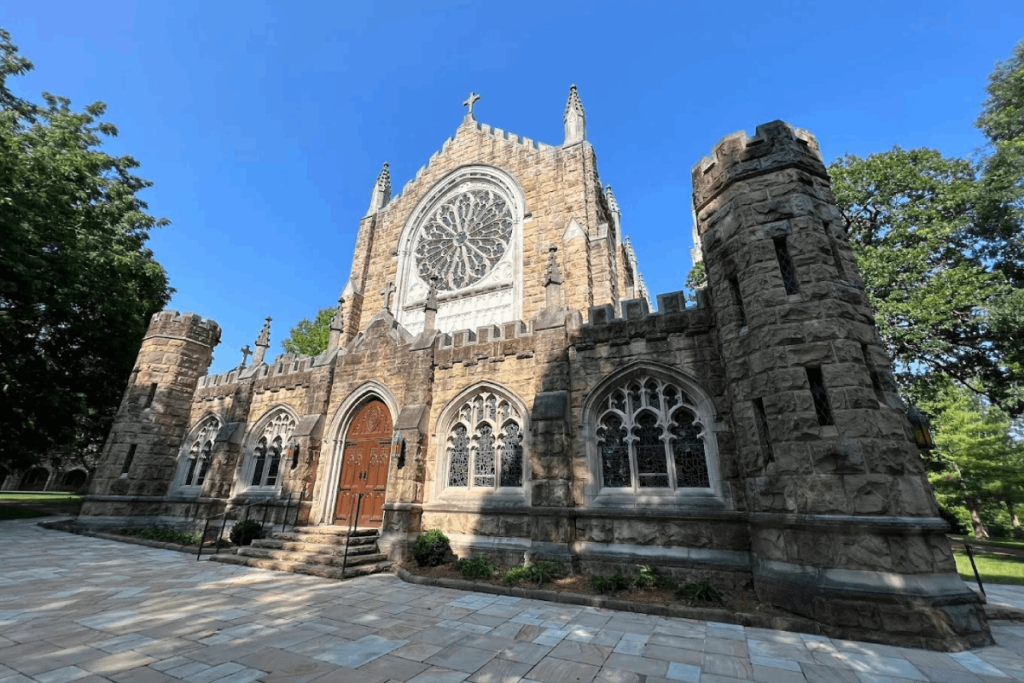
Perched atop the Cumberland Plateau, Sewanee combines college-town energy with mountain serenity. The University of the South dominates the landscape with Gothic architecture that would look at home in England. Students and visitors share the walkable campus, where stone buildings and tree-lined paths create an atmosphere of scholarly contemplation.
The village portion offers shops and cafés that serve both academic and tourist populations, keeping things lively year-round. Scenic overlooks sit within walking distance, offering views that stretch for miles across Tennessee valleys.
Everything feels intentionally small-scale and accessible on foot.