Tennessee is famous for Nashville, Memphis, and the Smoky Mountains, but the state hides dozens of unusual places most travelers never hear about. From underground lakes to giant roadside oddities, these spots offer something completely different from the typical tourist trail.
Whether you love history, nature, or just plain weird attractions, Tennessee has secret gems waiting around every corner that will surprise even locals who think they know the state well.
1. Bell Witch Cave — Adams
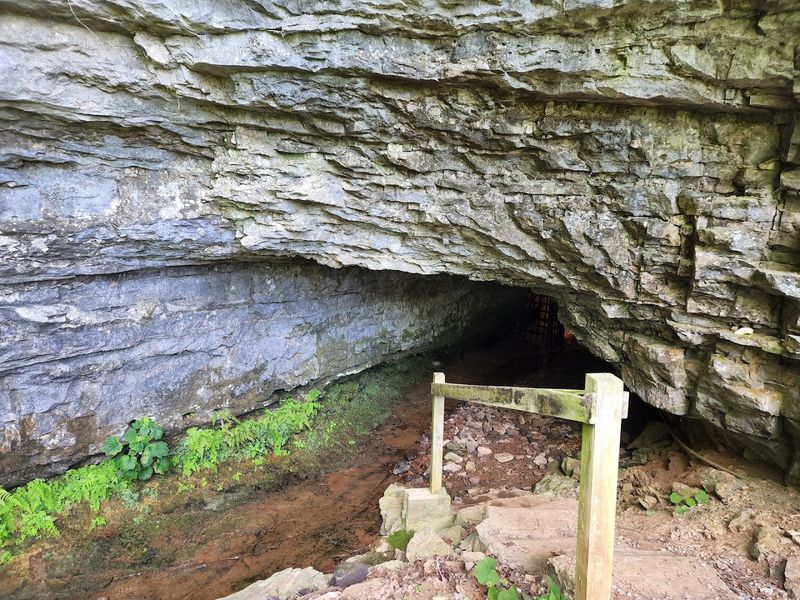
Legend says the Bell Witch haunted a local family in the early 1800s, and this cave sits right on the property where it all supposedly happened. Guided tours take visitors through the actual cavern while sharing spine-tingling stories about one of America’s most documented paranormal cases.
You can explore the grounds, walk through the cave, and decide for yourself whether you believe the stories. It is one of those attractions that sounds too strange to be real until you are actually standing there.
2. The Lost Sea — Sweetwater
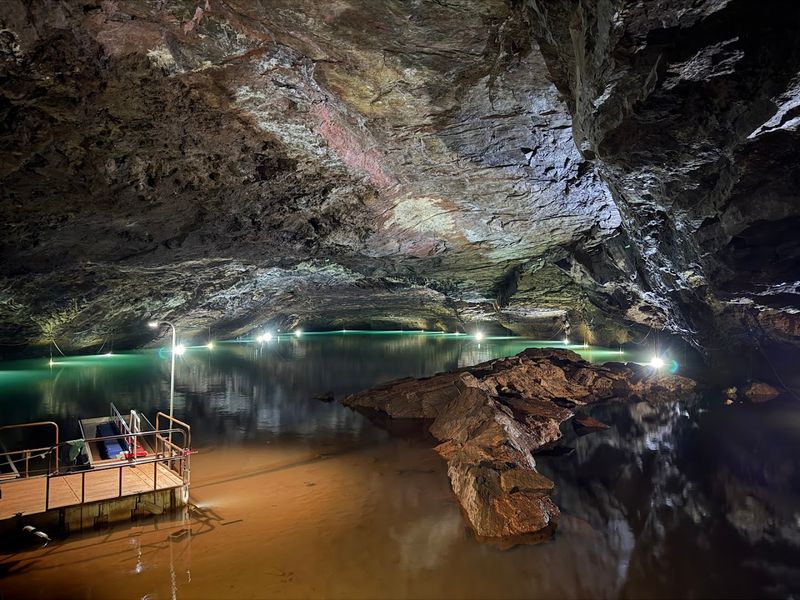
Hidden beneath the hills of East Tennessee lies a massive underground lake that stretches farther than anyone has fully mapped. The Lost Sea holds a spot in the Guinness Book of World Records as America’s largest underground lake, and visitors can take glass-bottom boat tours across its eerily calm waters.
The caverns stay a steady 58 degrees year-round, making it a perfect escape during hot summers or cold winters.
Rainbow trout swim in the crystal-clear water, and the cave formations overhead create an otherworldly atmosphere. Tours last about an hour and include both the cavern walk and the boat ride. It is the kind of natural wonder that feels like a fantasy movie set but is surprisingly accessible for families.
3. Pinson Mounds State Archaeological Park — Pinson
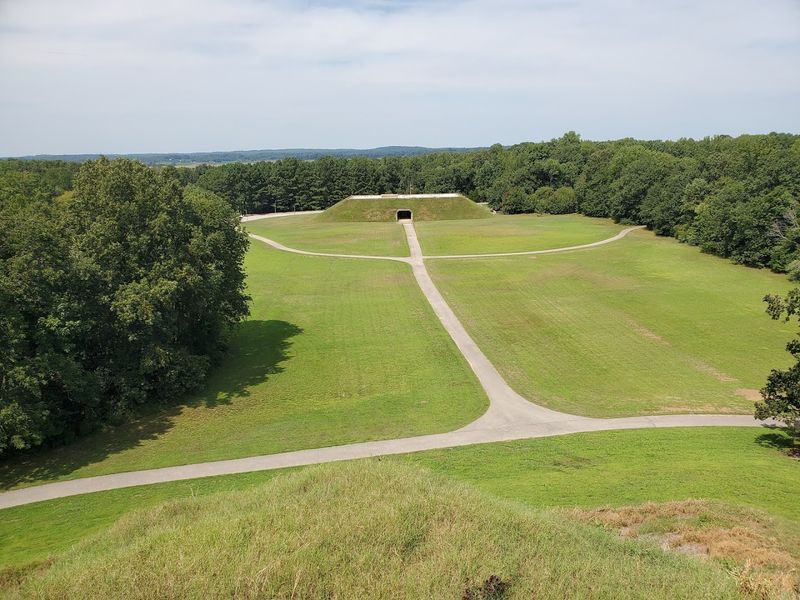
West Tennessee holds one of the most significant prehistoric sites in the entire southeastern United States, yet most people drive right past it without knowing. Pinson Mounds spreads across more than 1,200 acres and contains at least 15 ancient earthworks built by Native Americans over 2,000 years ago.
Sauls Mound, the tallest structure, rises 72 feet high and offers views across the landscape that have not changed much in centuries.
The park includes a museum with artifacts discovered on-site, plus miles of trails that wind between the mounds. Archaeological evidence suggests this was a major ceremonial center rather than a permanent village.
4. Old Stone Fort State Archaeological Park — Manchester
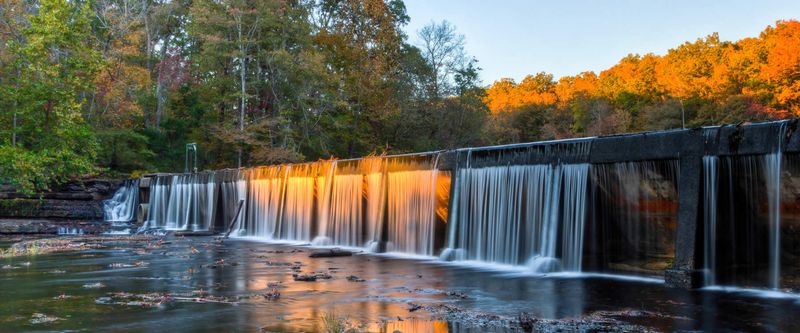
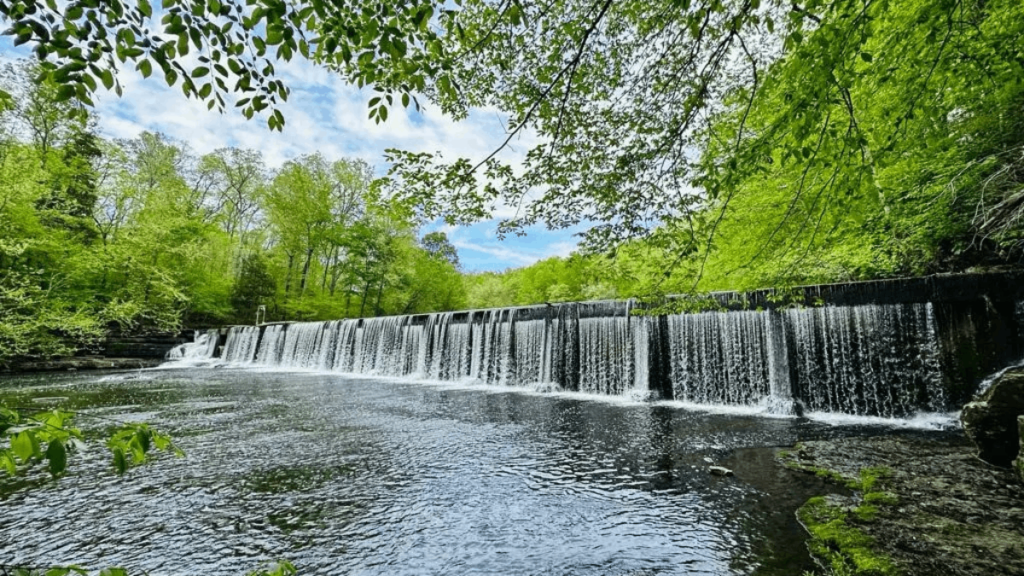
Despite what the name suggests, this site never served as a military fort at all. Native Americans built these earthen walls nearly 2,000 years ago as a ceremonial gathering place, not for defense. The walls follow natural bluff lines where two rivers meet, creating a peninsula that must have held deep spiritual significance for the people who constructed it.
Today, visitors can hike trails that follow the ancient earthworks while enjoying waterfalls and scenic overlooks. It is peaceful, historically rich, and surprisingly beautiful for a place most Tennesseans have never visited.
5. Dunbar Cave State Park — Clarksville
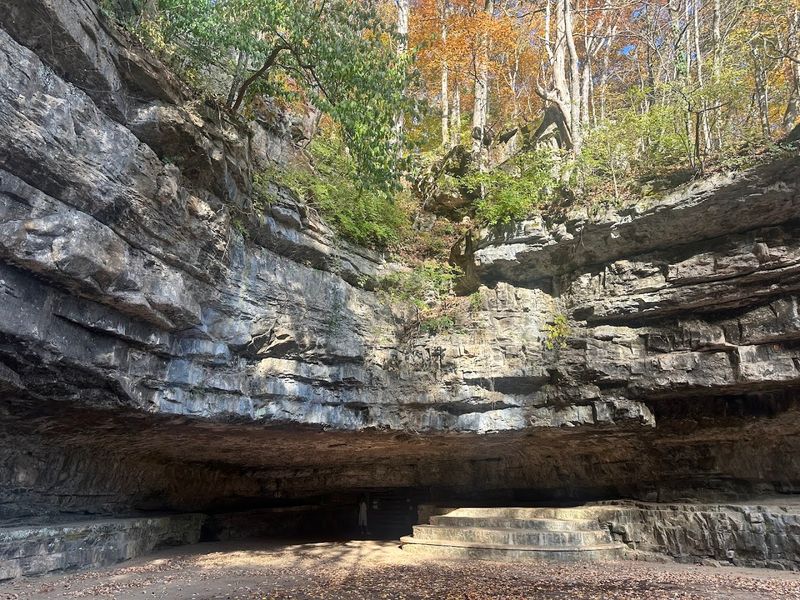
Clarksville gets attention for its military base and university, but few people realize the city protects a cave containing 14th-century Native American artwork. Dunbar Cave stretches over eight miles underground, though only a portion is open to the public during guided tours.
The cave art includes mysterious symbols and figures painted on the walls hundreds of years ago, and nobody fully understands what they meant.
Beyond the prehistoric art, the cave also hosted big band concerts in the 1930s and 1940s, adding a quirky layer to its history. The park includes hiking trails and a lake for fishing, making it more than just a cave tour. It is the kind of hidden gem that offers both ancient mystery and natural beauty in one surprising package.
6. Salt and Pepper Shaker Museum — Gatlinburg
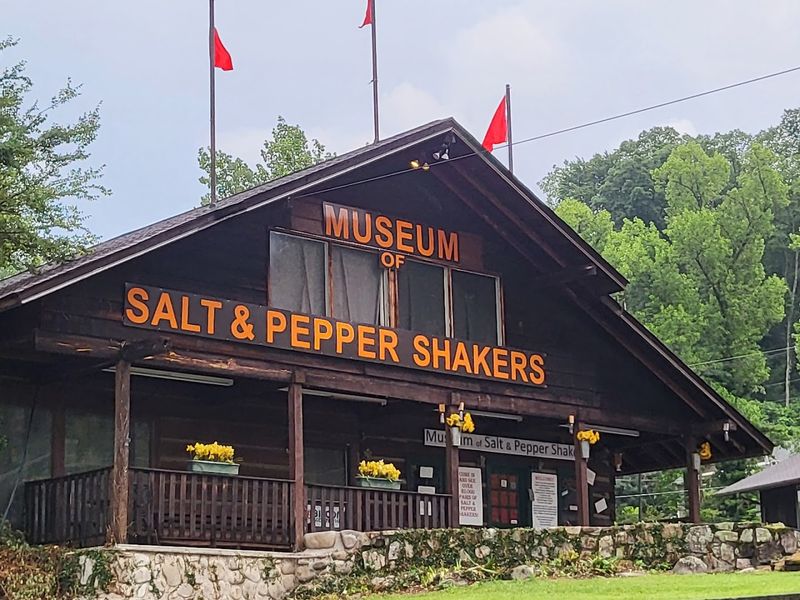
Gatlinburg overflows with attractions, but this tiny museum stands out for being completely unexpected and oddly charming. The collection includes over 20,000 sets of salt and pepper shakers from every era and theme imaginable, from vintage advertising pieces to bizarre novelty designs.
The owner started collecting decades ago, and the hobby grew into something that deserves its own building. Admission costs just a few dollars, and you will probably spend more time than you expect looking at the displays.
7. International Towing and Recovery Museum — Chattanooga

A museum dedicated to tow trucks should not be this compelling, but Chattanooga is where the first wrecker was invented in 1916, giving this place genuine historical importance. The museum showcases antique tow trucks, explains how the towing industry evolved, and honors workers who died on the job through the Wall of the Fallen memorial.
Seeing the progression from hand-cranked wreckers to modern recovery vehicles tells an interesting story about American innovation and infrastructure.
The exhibits cover everything from early patents to famous rescues, and the museum takes its mission seriously while keeping things accessible and engaging. It is one of those niche attractions that surprises visitors by being way more interesting than expected.
8. Fort Dickerson Park and Augusta Quarry — Knoxville
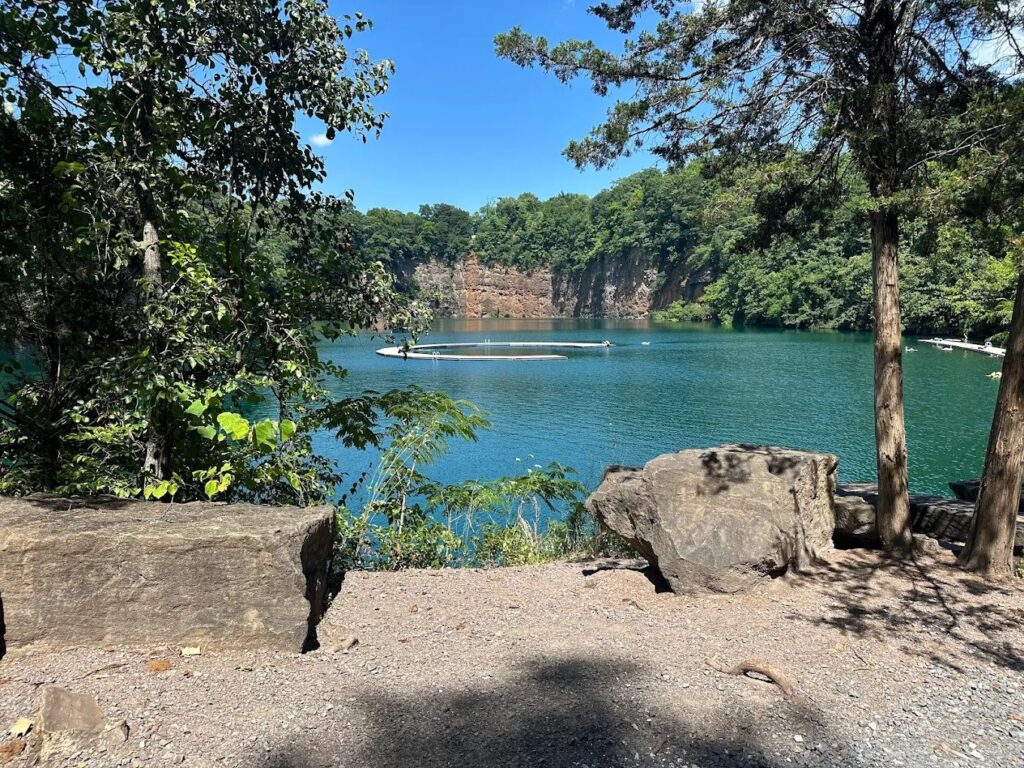
Most tourists skip this hilltop park, which means locals get to enjoy one of the best views in Knoxville without crowds. Fort Dickerson features remarkably well-preserved Civil War earthworks that once protected the city during the 1863 siege. Walking through the trenches and gun emplacements gives you a real sense of what soldiers experienced, and the interpretive signs explain the fort’s strategic importance.
The adjacent Augusta Quarry adds a dramatic modern element with sheer limestone cliffs and a turquoise swimming hole popular with locals. From the overlook, you can see downtown Knoxville and the Smoky Mountains in the distance.
9. Museum of Appalachia — Clinton
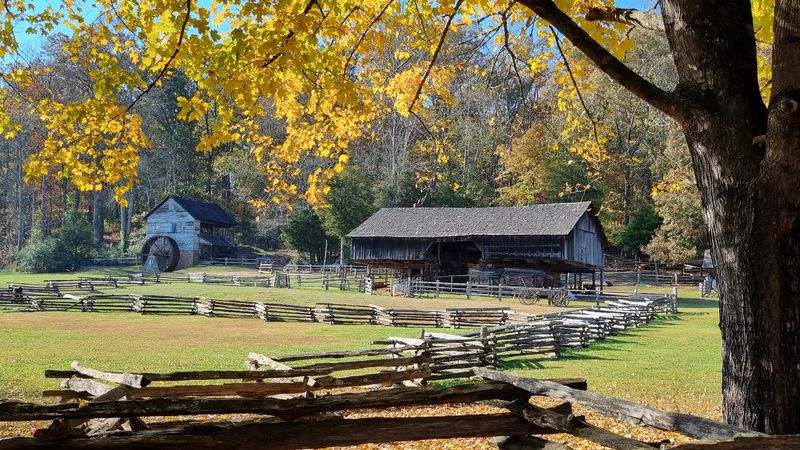
This living-history museum recreates an entire Appalachian settlement with dozens of authentic log structures moved to the property and restored. Unlike static museums where you just look at displays, this place feels like you stepped back into the 1800s with farmsteads, smokehouses, and cabins filled with thousands of period artifacts.
The collection includes over 250,000 items, from hand-forged tools to handmade quilts. It is an immersive experience that teaches you more about mountain heritage than any textbook ever could.
10. World’s Largest Cedar Bucket — Murfreesboro
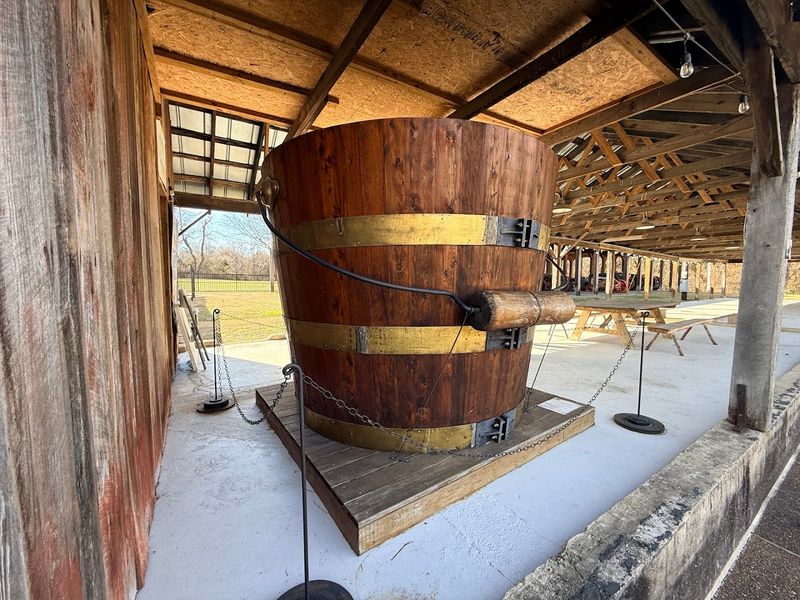
Yes, Tennessee has a giant cedar bucket, and yes, people actually drive to see it. Built in the 1800s by a cooper named John Mullins, this massive bucket stands several feet tall and represents the kind of roadside oddity that makes American travel fun. It sits at Cannonsburgh Village, a pioneer settlement recreation that includes other historic buildings and artifacts, but the bucket steals the show every time.
According to local tourism officials, it is the most photographed attraction at the village, which makes perfect sense because who does not want a picture with an enormous bucket? The craftsmanship is actually impressive when you see how the staves fit together and the metal bands hold everything in place.
11. Rugby Historic Village — Rugby
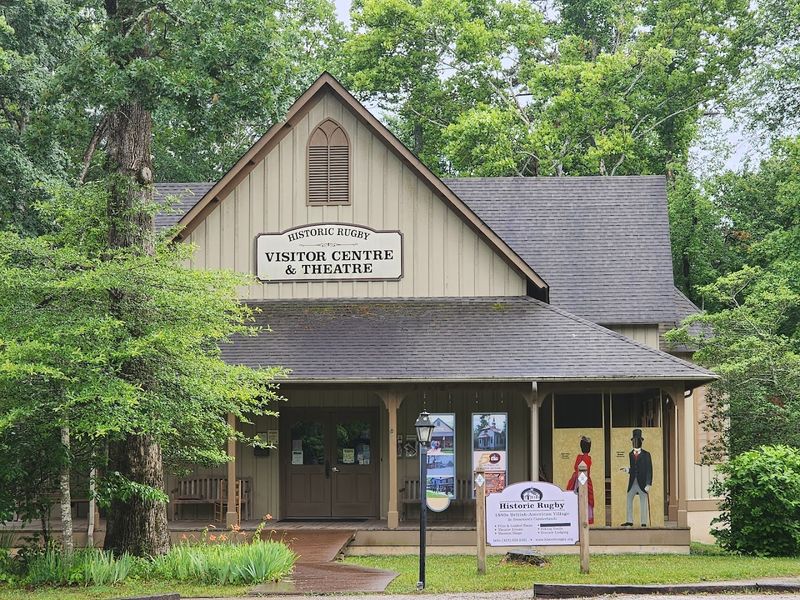
In the 1880s, an English author named Thomas Hughes founded an experimental utopian community in the Tennessee mountains, hoping to create a perfect society for younger sons of the British gentry. The colony ultimately failed, but many of the original Victorian buildings still stand, creating a remarkably preserved snapshot of that ambitious dream.
The historic structures include a library with 7,000 original volumes, a church with rare stained glass, and several restored homes. Guided tours explain the fascinating social experiment and why it could not sustain itself.
12. The Titanic Museum Attraction — Pigeon Forge
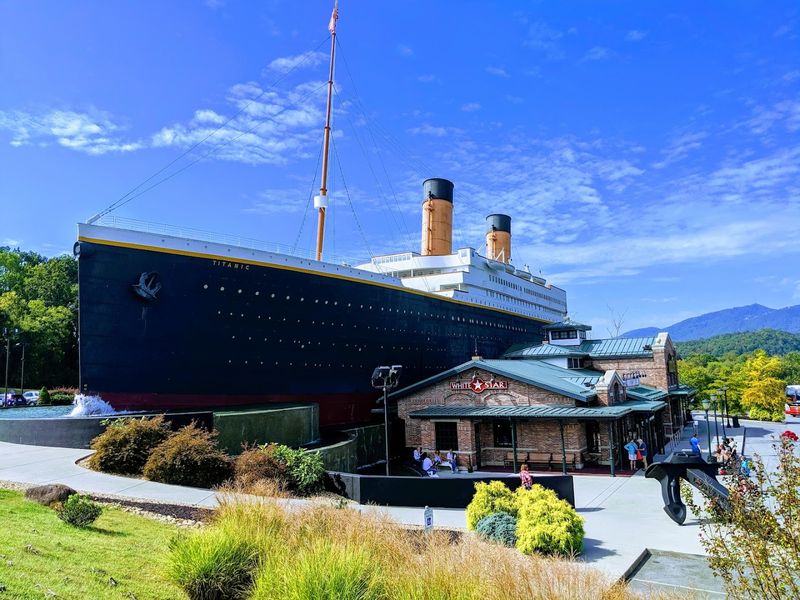
Pigeon Forge might seem like an odd place for a Titanic museum, but this attraction goes beyond what most people expect from a tourist-town novelty. The building is shaped like the ship itself, and inside, visitors receive boarding passes with real passenger names to follow throughout the experience. Over 400 artifacts from the actual ship and its passengers fill the galleries, including items recovered from the wreck site.
Interactive exhibits let you touch an iceberg, feel the cold water temperature, and try to stand on sloping decks that simulate the sinking. The museum treats the tragedy with respect while making history tangible and personal.