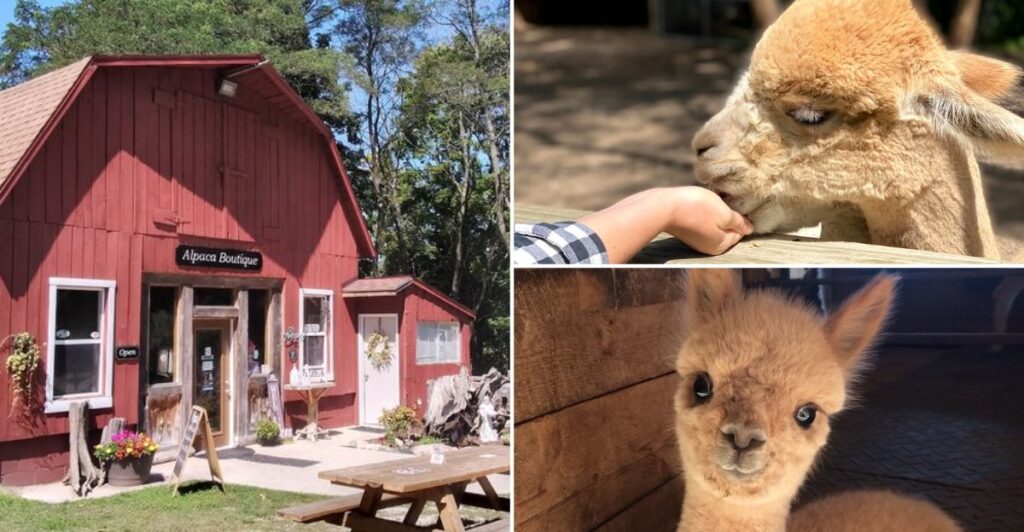
Fluffy faces can make a northern Michigan detour feel a lot more memorable. Just outside Frankfort, Crystal Lake Alpaca Farm and Boutique pairs lake-country scenery with a hands-on animal experience where visitors can see, feed, and sometimes pet a large herd of alpacas.
The stop works because it feels easy, charming, and different from the busier tourist routine nearby. Kids get the fun of meeting the animals, grandparents get a relaxed outing, and everyone gets a setting that feels calm without being boring.
For anyone heading through this part of Michigan, the farm adds curiosity, color, and a whole lot of alpaca personality to the day.
Crystal Lake views make the whole stop feel bigger
Before you even focus on the alpacas, the setting does some heavy lifting. The farm sits in a part of Frankfort where open land, big sky, and nearby Crystal Lake create a wide, airy backdrop that instantly slows the pace of the day.
That location matters because the experience is not packed into a tiny roadside corner. You are looking at animals in a landscape that feels properly northern Michigan, with room to breathe, changing light across the property, and a scenic calm that fits the area better than a flashy attraction ever could.
Instead of noise and crowds pushing you along, the visuals invite you to linger. Fences, pasture space, and the surrounding countryside give the farm a simple charm, and the lake views add an extra layer that turns a quick stop into something more picture-worthy.
Families can enjoy that right away, even before paying for any hands-on activity. There is value in simply looking out over the property, spotting the alpacas from different angles, and noticing how the farm blends boutique shopping with open-air animal viewing.
If you are traveling with someone who loves scenic drives as much as animal encounters, this place lands nicely in the middle. One person can appreciate the landscape while another heads straight for the alpacas, and neither feels like they settled.
Weather changes the mood here too. On a bright summer afternoon, the farm reads as cheerful and lively.
On a cooler gray day, the setting leans softer and more rustic, which still suits the slow rhythm of watching animals move through the pasture.
For photos, this is the angle that gives the farm its extra lift. You are not only getting fluffy animals and farm fences.
You are getting a northern Michigan scene with Crystal Lake nearby, and that wider view helps explain why this Frankfort stop catches so much attention.
Feeding 70 alpacas is the headline for a reason
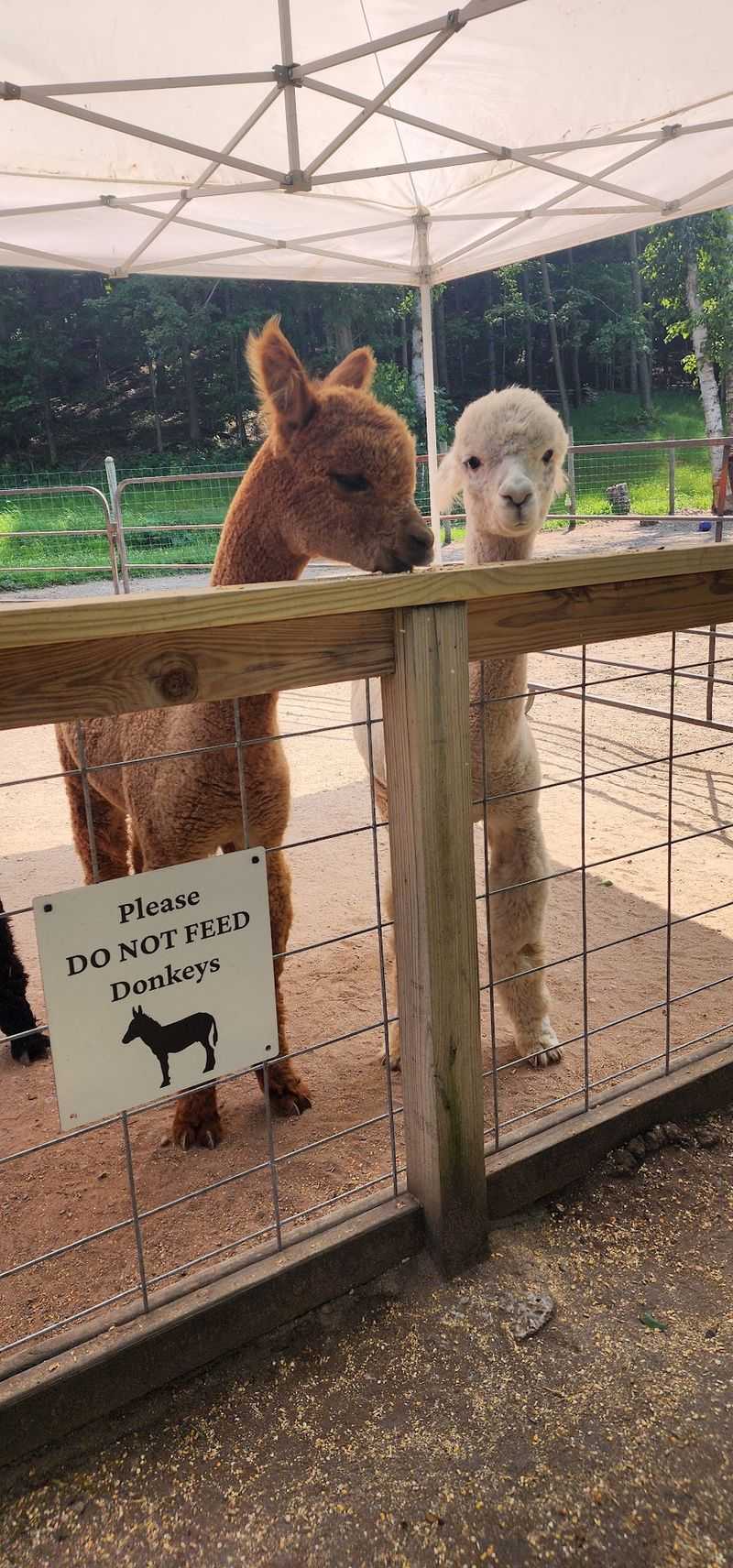
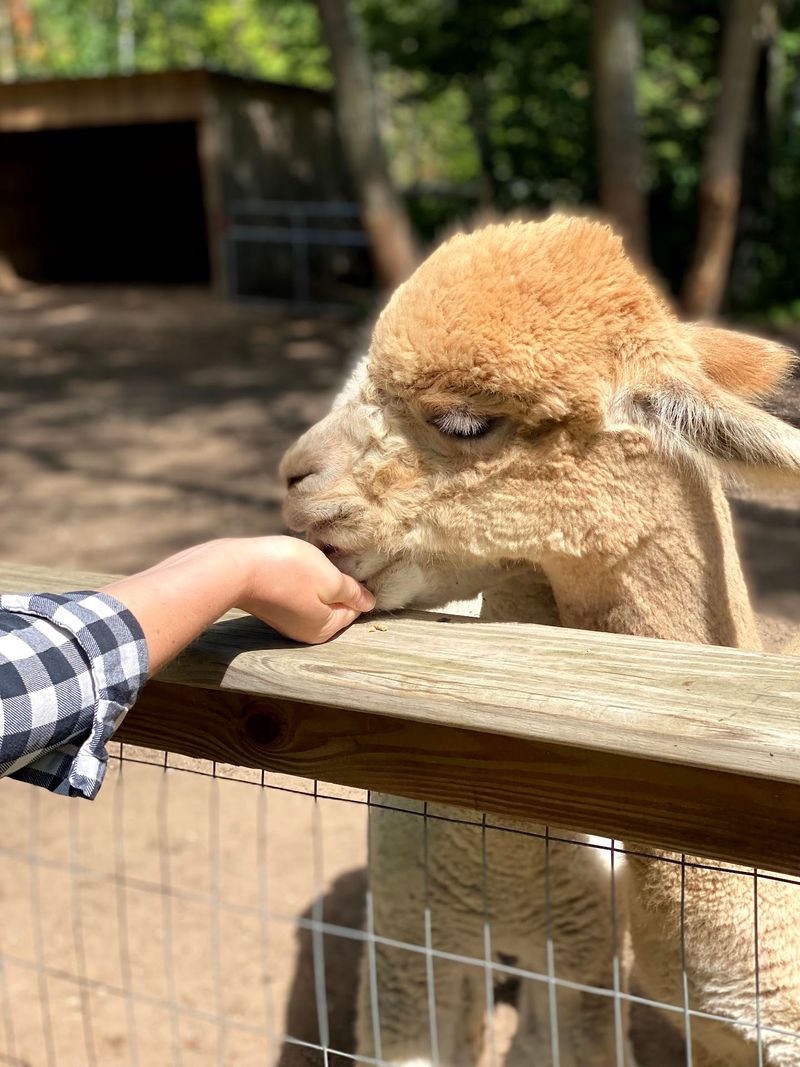
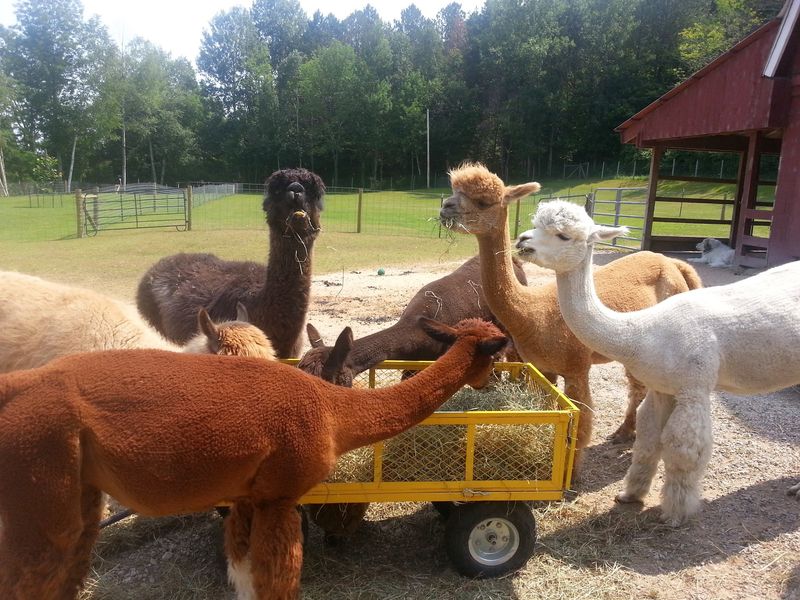
Here is the part that grabs everybody first: a large herd of alpacas waiting at the fence can turn even calm adults into excited kids. Crystal Lake Alpaca Farm and Boutique is known for having around 70 alpacas, so the feeding experience has real scale instead of feeling like a quick novelty.
That number changes the energy. You are not walking up to one or two animals for a fast photo and then moving on.
You are stepping into a place where alpacas are the main event, and there are enough of them to keep the interaction lively, funny, and full of little surprises.
Feeding works especially well here because the activity is simple to understand. You get your feed, follow the posted directions, and focus on the animals as they crowd in with alert faces and soft fleece.
For younger children, it feels exciting without being too complicated. For adults, it is the kind of easy fun that breaks up a beach or shopping day.
There is also a practical side to having a clear animal-feeding setup. Expectations are easier to manage, and the farm can guide visitors toward the right kind of interaction instead of letting the visit become chaotic.
That makes the experience smoother, especially during busy travel months.
Because the alpacas come in different colors and sizes, the pasture rarely looks flat or repetitive. One may stand back and stare while another moves in quickly for a snack.
That variety keeps the encounter active, so even people who think they are only stopping for a few minutes can end up staying longer.
If the title promises you can feed 70 alpacas, this farm gets close to that big-image idea in a very real way. It is playful, a little goofy, and much more memorable than another stop for coffee or souvenirs alone.
Soft fleece, funny faces, and a surprisingly active pasture
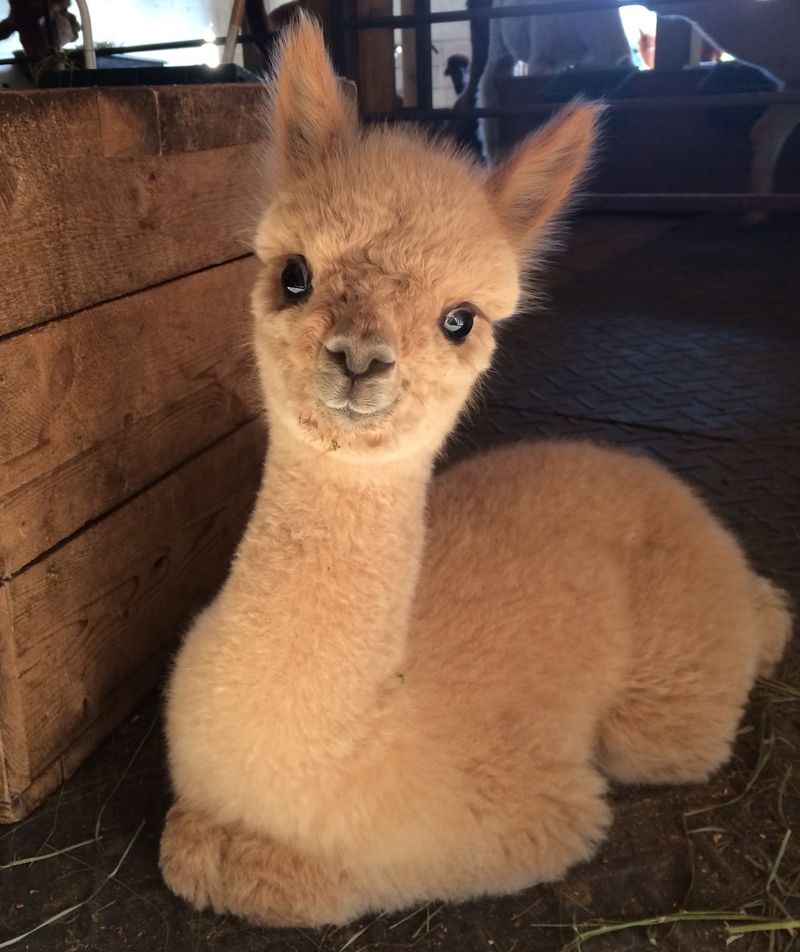
One of the best surprises here is how much personality a pasture full of alpacas can have. At a glance they look elegant and almost toy-like, but once you watch them for a few minutes, the differences pop out in posture, color, confidence, and pure comic timing.
Some come forward right away, ears up, fully ready for snacks. Others hang back and study the scene, which makes the whole area feel more animated than a standard petting stop.
You are not seeing copies of the same animal. You are watching a herd with visible quirks.
The fleece is part of the visual appeal, of course. Alpacas have that instantly inviting look that makes people want to reach out and touch the fiber products inside the boutique after seeing the animals outside.
Their coats can range from light cream to rich brown and darker shades, which gives the pasture a lot of texture.
That visual variety keeps kids engaged longer than expected. Instead of one quick glance, they start comparing sizes, picking favorites, and laughing at whichever alpaca makes the boldest move toward the feed.
Adults often end up doing the same thing, just with slightly less shouting.
There is a practical lesson built into that fun too. A farm like this helps people notice animals more carefully.
You see how they move together, how they react around visitors, and how a working farm sets boundaries for safe interaction. That makes the stop entertaining while still grounded in real animal care.
If you have limited time, spend at least a few extra minutes simply watching before rushing off to shop. The pasture changes constantly as the alpacas shuffle, regroup, and angle for attention.
It turns a cute idea into a living scene, and that movement is part of what gives the farm its spark.
The boutique turns farm fiber into gifts you will actually use
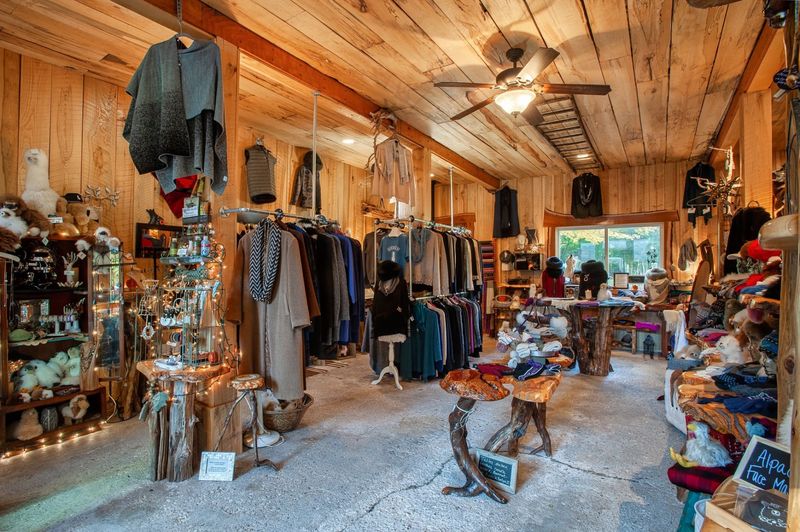
After the pasture, the boutique gives the visit a second lane instead of an ending. Crystal Lake Alpaca Farm and Boutique is not only a place to look at animals.
It is also a retail stop where alpaca fiber goods and gift items help explain why these animals matter beyond the fence.
Socks stand out again and again in the farm’s reputation, and that makes sense. They are practical, easy to pack, and simple to justify if you want a souvenir that does more than sit on a shelf.
Yarn, clothing, and other fiber items add another layer for shoppers who like handmade materials or cold-weather gear.
The shop experience works because it connects directly back to what you just saw outside. You spend time around alpacas, notice the softness of their fleece, and then step into a space filled with products built around that same appeal.
The transition feels natural rather than random.
There are also gift-style items that broaden the audience. Stuffed alpacas, ornaments, decor, and smaller keepsakes make the stop work for families, casual browsers, and people hunting for something local-looking to bring home.
That variety matters because not everyone wants to buy apparel, but many people still want a token from the visit.
Price-wise, this is better approached as a specialty shop than a bargain bin. That mindset helps.
If you go in expecting handcrafted or fiber-focused goods, the merchandise makes more sense than if you treat it like a generic souvenir stand.
For practical planning, the boutique is useful even if weather changes your outdoor time. You can still browse, ask questions, and leave with something tangible from the farm.
In a town where scenic stops often end with only photos, this one gives you the option to take home warm socks, yarn, or a playful alpaca reminder.
More than alpacas, the farm has extra animal energy
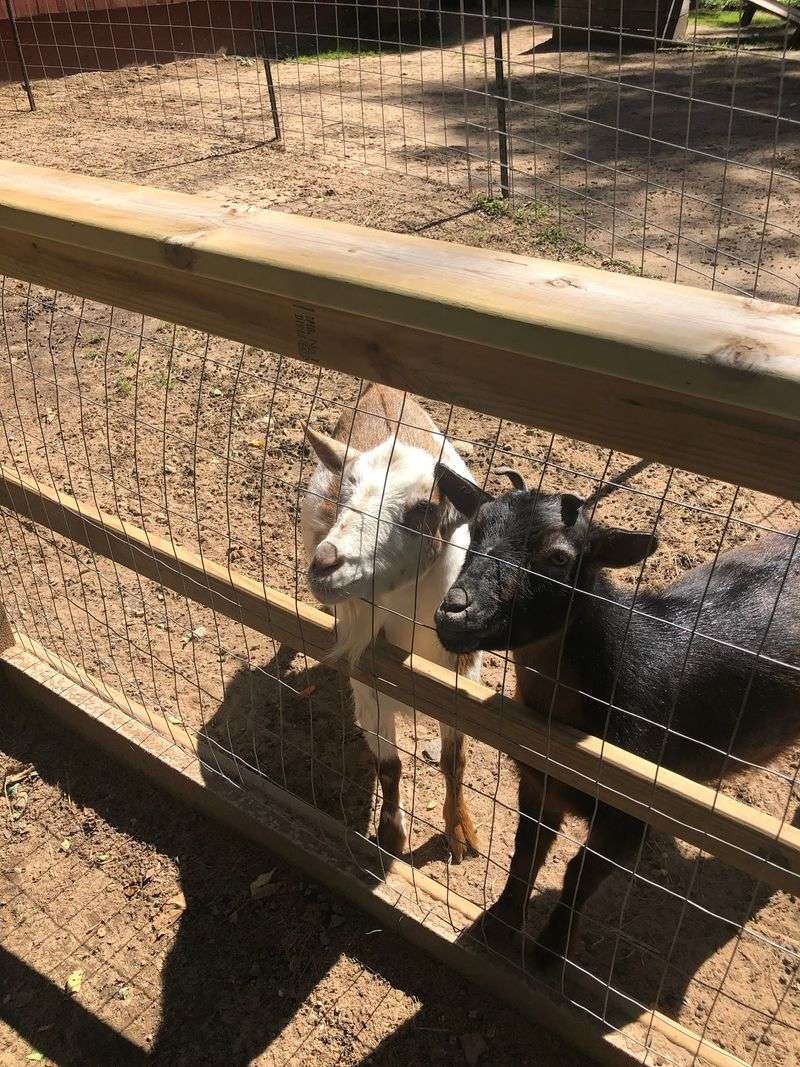
Just when you think the visit is only about alpacas, the farm adds a few side notes that keep the experience from feeling one-track. Miniature donkeys and goats are part of the wider animal picture mentioned by many returning visitors, giving the property a little extra movement and variety.
That matters most for families with children who burn through one activity quickly. A broader animal mix stretches out the stop without forcing the farm to become a full amusement setup.
You still get the simple charm of a working property, but there are more things to notice as you move around.
The presence of other animals also changes the rhythm of the visit. Alpacas tend to draw attention with their faces, fleece, and crowd-at-the-fence behavior, while donkeys and goats bring a slightly different kind of curiosity.
One area feels calm and watchful, another can feel more playful and busy.
Even so, the farm appears to keep clear limits about feeding and interaction, which is useful. When animals share space on a property, simple rules protect both the livestock and the visitor experience.
Reading the signs and following staff guidance helps everything run smoothly.
Another detail that gives the place personality is that it still reads as an active farm rather than a stage set. You may notice barn activity, fenced sections with specific purposes, and the day-to-day sense that these animals are part of a real operation.
That adds more depth than a place built only for quick photo ops.
For children, the bonus animals can break up the visit in a helpful way. For adults, they make the property feel fuller and more grounded.
You come for alpacas, but the wider animal lineup adds a little texture and unpredictability, which suits a roadside stop better than a perfectly polished routine ever could.
A working Michigan farm, not a staged roadside gimmick
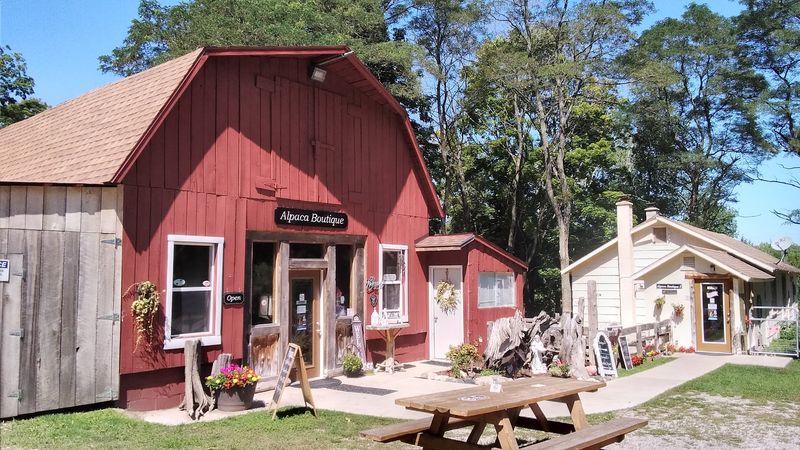
Some animal attractions feel built mainly for a camera roll. Crystal Lake Alpaca Farm and Boutique comes across differently because it still functions as a working farm, and that changes how you should read the place from the start.
You are not entering a polished theme park where every minute is scripted. Animal care happens here every day, and with a herd this large, chores, barn work, and routine movement are part of the property’s normal rhythm.
Knowing that ahead of time makes the visit easier to understand and more interesting to watch.
That working-farm identity also explains several details people notice. The alpacas are livestock, not house pets.
Guardian dogs on the property have a job to do. Seasonal access can shift, and some activities are offered during certain months rather than year-round.
All of that points to a place built around animal care first and visitor interaction second.
Far from being a drawback, that structure gives the farm more credibility. It means the attraction grows out of the animals themselves, not just from merchandise or photo spots.
If you are traveling with kids, it can be a useful real-world lesson about the difference between cute animals online and the daily work required to keep a farm running.
The family-run side adds to that grounded quality. A place operated closely by its owners often feels more direct.
Questions about alpacas, fiber products, or the property itself are more likely to connect back to people who know the routine firsthand.
For visitors, the best approach is simple: treat the farm like a real workplace that welcomes the public, not a fantasy bubble. That mindset usually leads to a better time.
You notice the dogs, the fences, the barn flow, and the herd with fresh respect, and the whole stop becomes more than a fluffy novelty near Frankfort.
Best timing, easy expectations, and how to enjoy the stop
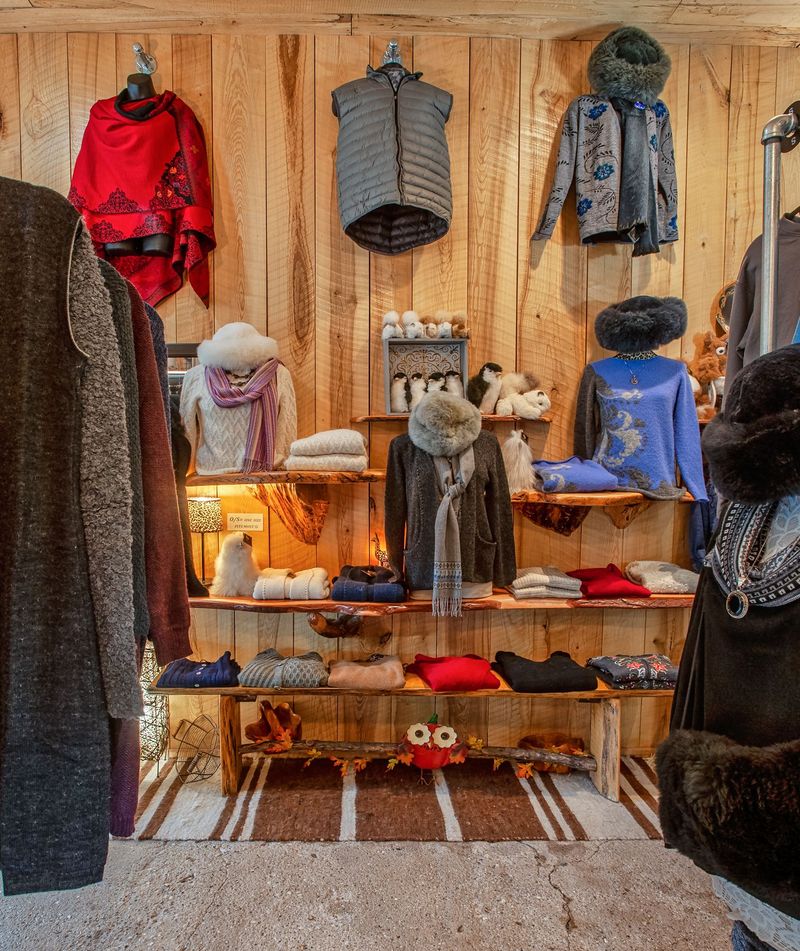
The smartest way to enjoy this farm is to arrive with a loose plan instead of treating it like a giant day trip anchor. Crystal Lake Alpaca Farm and Boutique works best as a flexible stop during a Frankfort or Crystal Lake outing, especially when you want something lighter between beach time, scenic driving, and downtown wandering.
Hours matter here, so checking the current schedule before heading over is the easiest first step. The place is not open every day in the same way, and seasonal animal interaction can vary.
A little timing prep saves you from showing up with the wrong expectation.
If feeding alpacas is your top goal, it helps to visit during the months when that activity is actively offered. The farm has made clear that viewing and hands-on access are not always identical all year, which is normal for a working property.
Planning around that detail makes the visit smoother for both adults and children.
For families, this stop shines when you leave room for browsing, watching, and a bit of wandering. Rushing in only for a fast feed cup can make the place seem smaller than it is.
Giving the boutique, the pasture views, and the extra animals a little attention creates a fuller experience.
Budget-wise, this can be a manageable outing because not every part of the visit depends on a major ticket. Even simply viewing the animals and shopping adds value, while feed or admission costs for closer interaction appear modest compared with many tourist attractions.
The best rhythm is simple: arrive during open hours, look around the property first, decide whether to buy feed, then end inside the shops. That order lets the scenery and animals set the tone before retail takes over.
By the time you leave River Road, the stop usually feels nicely filled out without demanding half your day.
Frankfort’s fluffiest detour earns its own place on the map
Roadside stops can blur together fast in a vacation town. One sells sweets, another rents gear, another offers a scenic overlook, and by the end of the week the details mix.
Crystal Lake Alpaca Farm and Boutique avoids that problem because it combines a real herd, active feeding opportunities, useful shopping, and a beautiful Frankfort-area setting in one place.
The farm stands out most when you look at how many roles it plays at once. It works as an animal encounter for kids, a scenic pause for adults, a boutique stop for gift hunters, and a conversation starter for anyone who has never been close to alpacas before.
That layered setup gives the outing more staying power than a single-purpose attraction.
It also fits northern Michigan nicely. Frankfort already draws people for water views, beaches, and relaxed summer movement.
Adding a farm experience nearby gives the area a different texture. You can go from lake scenery to fleece, feed cups, and curious alpaca faces without driving into a completely different kind of destination.
What helps most is that the place does not depend on hype alone. The herd size gives it substance.
The boutique gives it function. The working-farm setting gives it context.
Even small details, like other animals on the property and the presence of guardian dogs, make the stop feel more complete.
If you are deciding whether it deserves a slot in your Frankfort plans, think of it as the region’s fluffiest detour with actual range. It is fun without being chaotic, scenic without feeling empty, and specific enough that you will not confuse it with another farm stop later.
For a title built around feeding alpacas with Crystal Lake views, this place delivers the core image cleanly. That is exactly why it keeps pulling curious travelers off the road and through the gates.