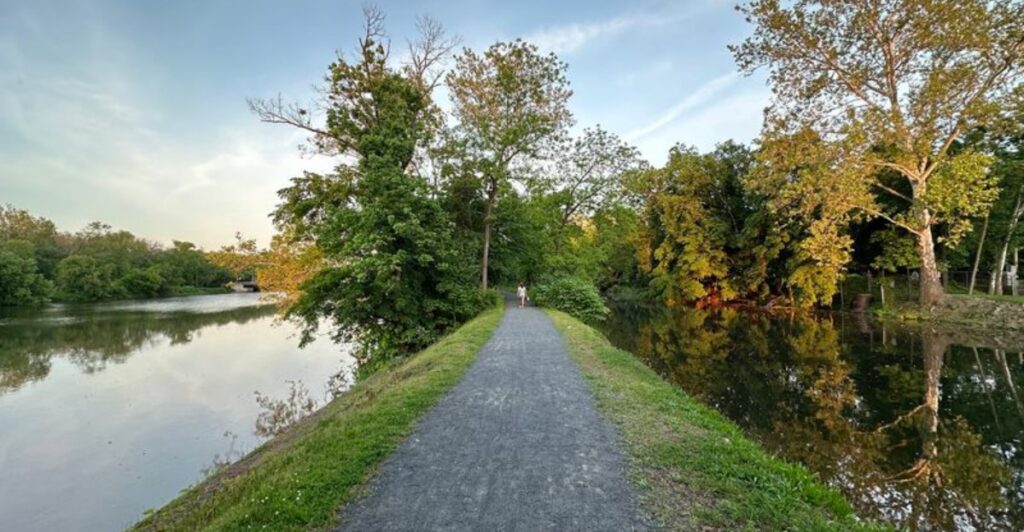
A wooden bridge appears through the trees, its weathered rails reflected so neatly in the canal that the water seems to have built a second one underneath. There is no rocky scramble required to reach it, no punishing climb, and no moment when your knees begin negotiating an early return to the car.
This is the Delaware and Raritan Canal State Park Trail, better known as the D&R Canal towpath, a remarkably level route stretching for more than 70 miles through Central Jersey.
Its crushed-stone and natural surfaces follow waterways once crowded with cargo boats, passing old locks, bridge tender houses, mills, and crossings that give an ordinary walk a surprising amount of character.
Walkers can choose a manageable out-and-back near Princeton, spend an afternoon around Griggstown, or follow the feeder canal beside the Delaware River. Wherever you begin, the formula stays wonderfully simple: calm water, easy footing, deep local history, and another handsome bridge waiting ahead.
An Easygoing Walk Along the D&R Canal
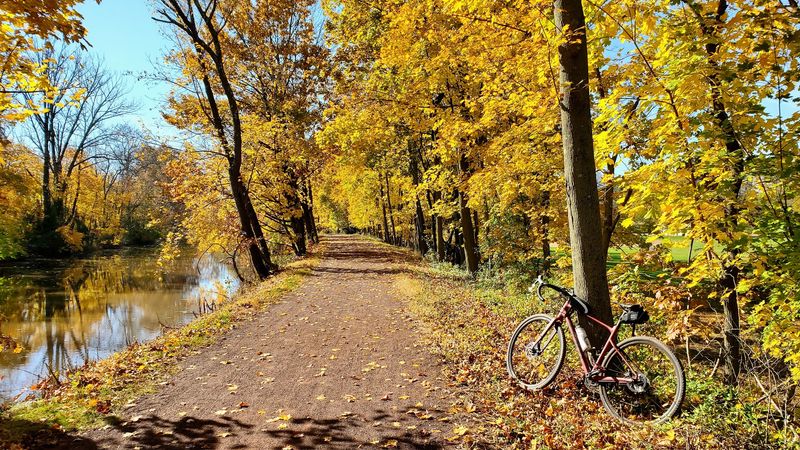
Some New Jersey hikes make you earn every view, but the D&R Canal towpath keeps things refreshingly simple. The route follows mostly level ground, with water on one side and a leafy corridor on the other.
Walkers can choose a short out-and-back stroll instead of committing to a fixed loop.
Packed dirt and crushed stone cover many stretches, so comfortable walking shoes usually work well in dry weather. After rain, expect puddles and soft patches, especially near shaded banks.
Cyclists also use the towpath, so stay to the right and listen for passing riders.
Bring water, sunscreen, and a small snack even for an easy outing. Canal access points let you shape the day around your energy, whether that means twenty peaceful minutes or several relaxed miles.
Families will appreciate the lack of steep climbs, while newer hikers can practice pacing without worrying about rocky scrambles. Keep children close near the canal edge, and remember that railings are not present everywhere.
Simple, scenic, and flexible, the towpath proves a memorable trail day does not need a towering mountain at all.
Bridges That Turn the Towpath Into a Work of Art
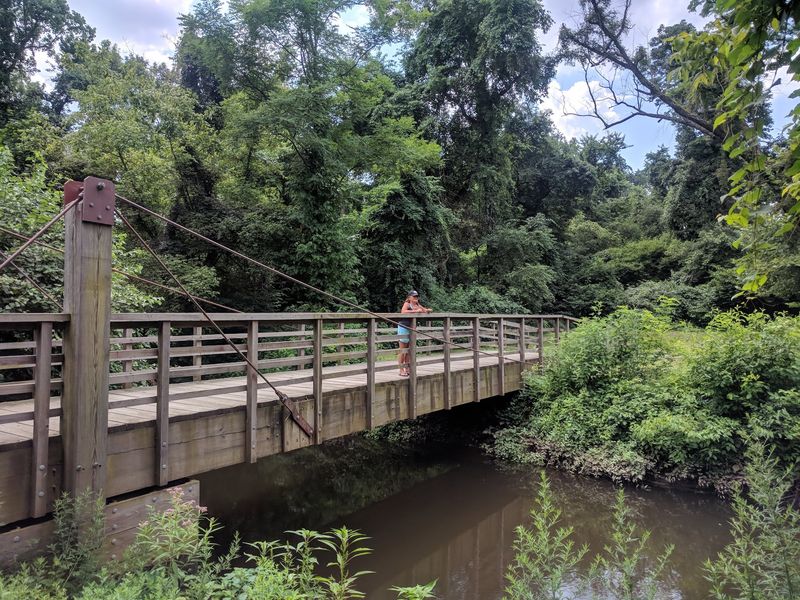
Every so often, the towpath reaches a bridge that changes an ordinary walk into a picture worth stopping for. Stone arches, weathered iron, and reflections in the canal create strong shapes against the trees.
Look from several angles, because the best view may appear beside the bridge rather than directly beneath it. Morning light often adds softer colors to photographs.
Bridge areas can also narrow the shared path, so slow down before entering and allow others room to pass. Never climb barriers or step onto a roadway for a photo.
A phone camera is plenty here, since leading lines from the towpath naturally pull attention toward each crossing. Try including the water below for a mirrorlike layer of extra detail.
Architecture fans may notice how each crossing fits its setting differently. Some feel tucked into woods, while others connect lively canal towns and busier roads.
Pause without blocking traffic, then listen for footsteps, bicycles, and water moving below. Those small moments make the trail feel like an outdoor gallery with no admission desk.
Save your favorite bridge as a return landmark.
The Mule-Powered History Beneath Your Feet
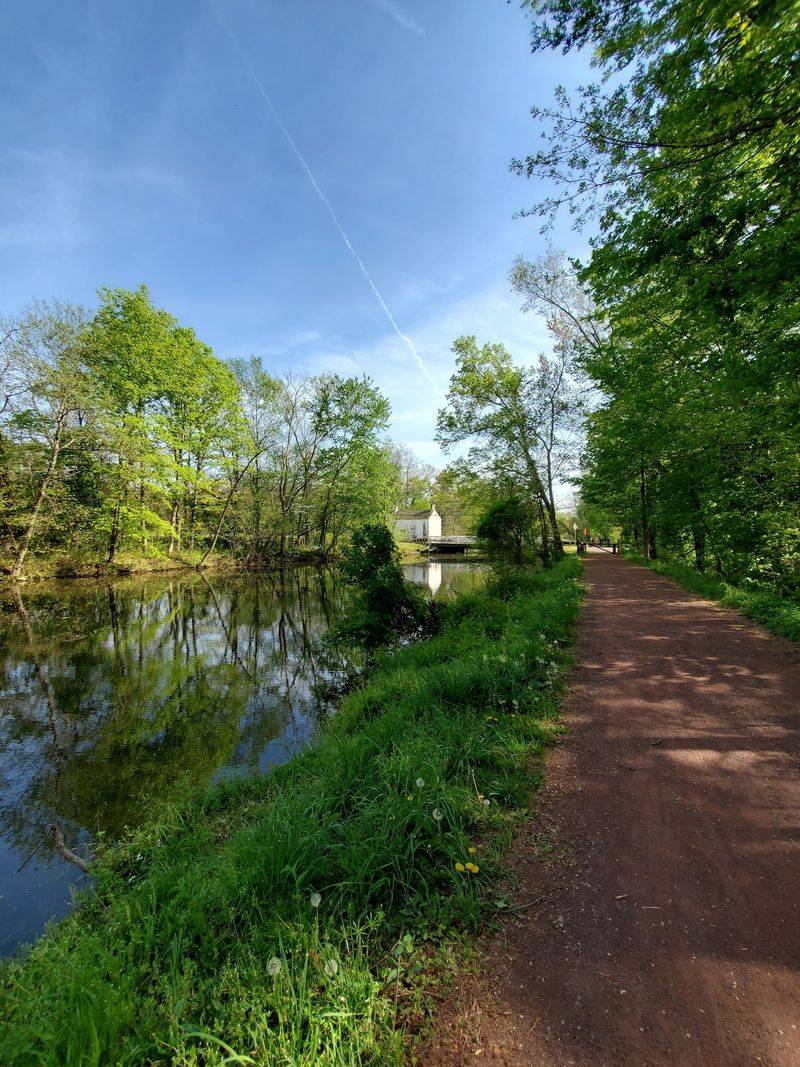
Long before sneakers and bicycles arrived, canal boats carried goods through New Jersey, guided along the waterway by mules walking the towpath. That old job explains the trail under your feet today.
Picture the steady clip-clop of hooves, the creak of loaded boats, and workers watching water levels as they traveled between communities. History feels unusually close along this route.
Signs and historic structures can add context, but visitors should resist touching fragile stonework or entering closed areas. Before your walk, check an official park map or local history source for details about the section you picked.
Different canal segments have their own stories, nearby landmarks, and connections to towns that grew around trade and transportation during earlier eras here.
Turn the outing into a simple scavenger hunt by spotting locks, bridge remains, stone walls, or changes in the canal’s width. Kids can imagine how slowly a mule team moved compared with modern traffic.
Adults may enjoy reading one marker at a time instead of rushing onward. The past is not hidden behind museum glass here.
It travels beside you.
Wildlife and Waterside Views Around Every Bend
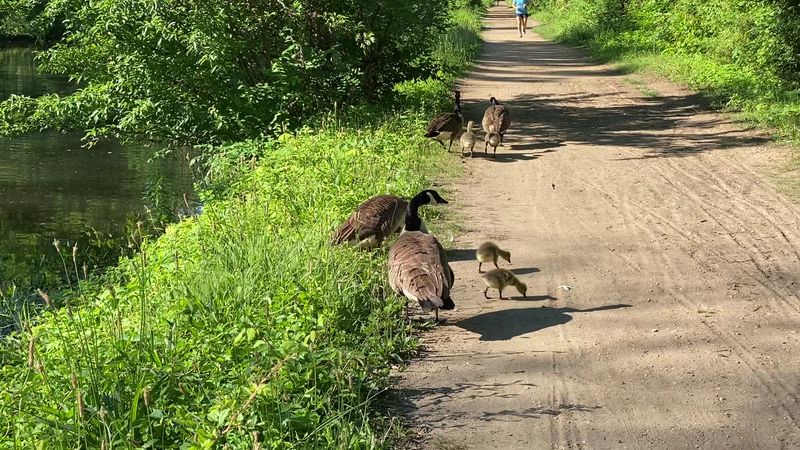
A ripple near the reeds can turn a quiet walk into a wildlife watch in seconds. Turtles may bask near the water, birds move through branches, and fish sometimes disturb the canal’s smooth surface.
Sightings change by place and season, which keeps repeat visits interesting. Carry small binoculars if you have them, but curious eyes are often enough for fun.
Keep a respectful distance and never feed wild animals. Human snacks can harm them, while approaching nests or resting spots may cause stress.
Dogs should remain under control according to posted rules, especially where the path grows busy or wildlife gathers. Pack out wrappers, fruit peels, and fishing line so the canal stays safer for every living visitor passing through.
Waterside scenery deserves attention even when animals stay hidden. Reflections can double autumn color, mist may soften an early view, and lily pads add texture during warmer months.
Choose a bench or wide shoulder for a pause rather than stopping in the middle of traffic. Quiet patience usually reveals more than loud searching.
Along this trail, nature sets the schedule.
The Best Seasons to Explore the Canal
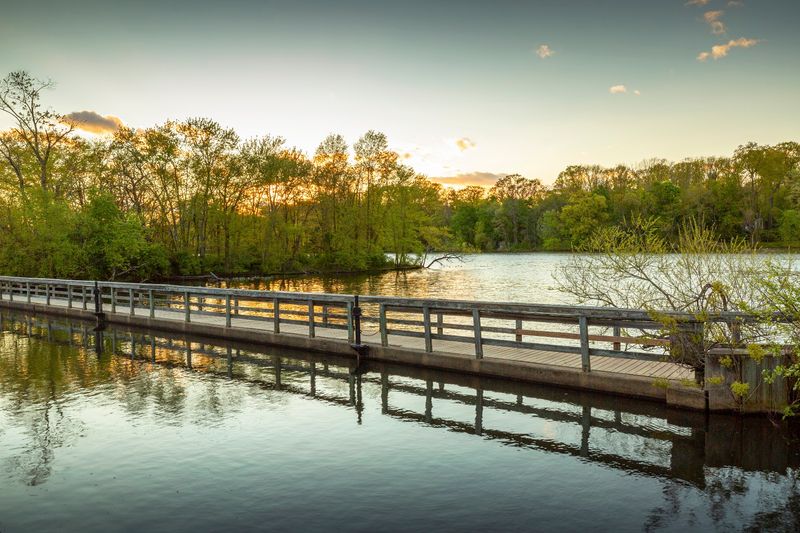
Spring arrives with fresh green leaves, mild air, and muddy surprises underfoot. Wildflowers and active birds can brighten the canal corridor, although recent rain may leave soft ground and puddles.
Wear shoes that can handle splashes, and bring a light layer for shifting temperatures. Checking the forecast before leaving prevents a cheerful stroll from becoming a soggy endurance test outdoors.
Summer offers deep shade on many wooded stretches, but humidity can make an easy route feel harder. Start earlier, carry more water than expected, and use sunscreen plus insect repellent.
Autumn brings the showiest colors, with red, gold, and orange reflected across calm water. Popular access points may fill faster on crisp weekends, so morning visits are a smart move.
Winter strips the scene down to bare branches, quiet views, and a peaceful mood. Ice, snow, or frozen mud can change footing quickly, making traction and caution more useful than speed.
Daylight also fades early, so set a turnaround time before walking far. No season owns the canal’s beauty.
Pick conditions that match your comfort, then dress for them wisely.
Where to Park and Start Your Adventure
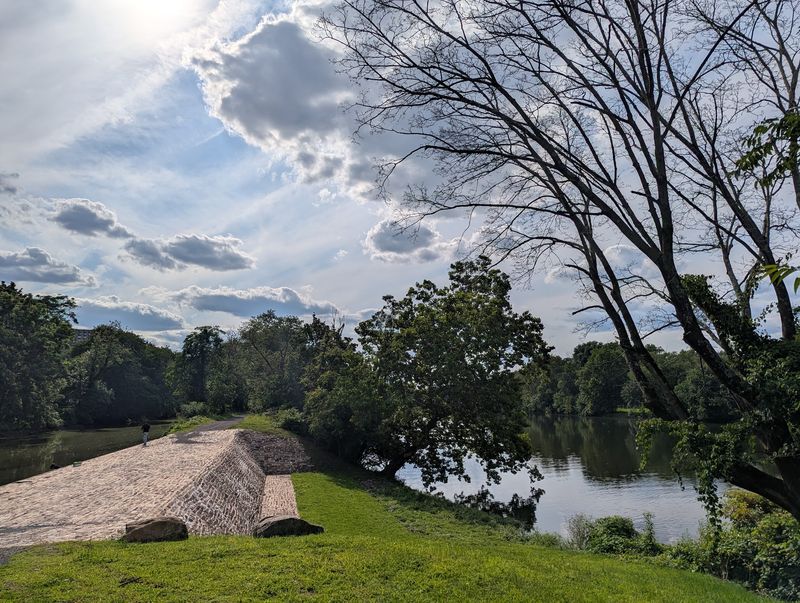
A good canal day often begins with one unglamorous detail: knowing exactly where the car will go. The D&R Canal covers a long corridor with many possible access points, so choose one near the section you want to explore.
Use official park information to confirm parking, current access, hours, and any temporary closures before starting the drive from your home.
Trailheads near canal towns can pair nicely with lunch or a restroom stop, while quieter entrances may offer fewer services. Never assume a roadside shoulder allows parking.
Read signs carefully, avoid blocking gates or driveways, and lock valuables out of sight. If a lot is full, move to an approved alternative instead of inventing a risky space nearby for convenience.
For the simplest plan, pick a landmark as your turnaround point and retrace the towpath to your vehicle. Save the parking location on your phone, especially when several entrances look alike.
A downloaded map helps where service is weak, and sharing your route with someone adds basic safety. Ten minutes of planning protects more time for water, bridges, history, and scenery.