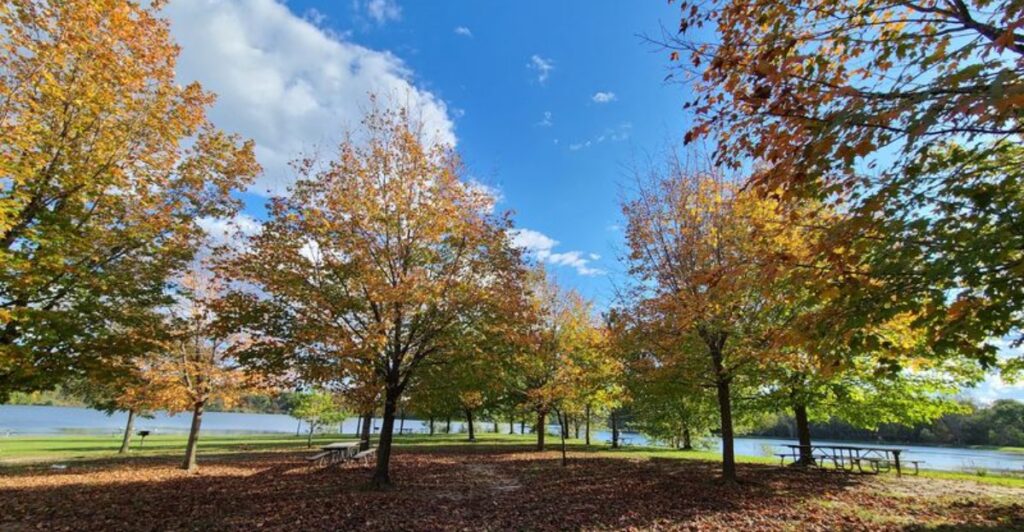
September hikes in Michigan can be beautiful, but the trail asks for a little more attention this time of year. Warm early-fall weather can keep snakes active, which makes every step near tall grass, sunny rocks, boardwalk edges, and wooded paths worth watching.
That does not mean hikers need to stay home or avoid the outdoors. It simply means slowing down, looking carefully, and giving wildlife plenty of space while still enjoying the season.
For anyone heading out this month, these Michigan trails are worth exploring with a little extra awareness.
1. Highland Recreation Area
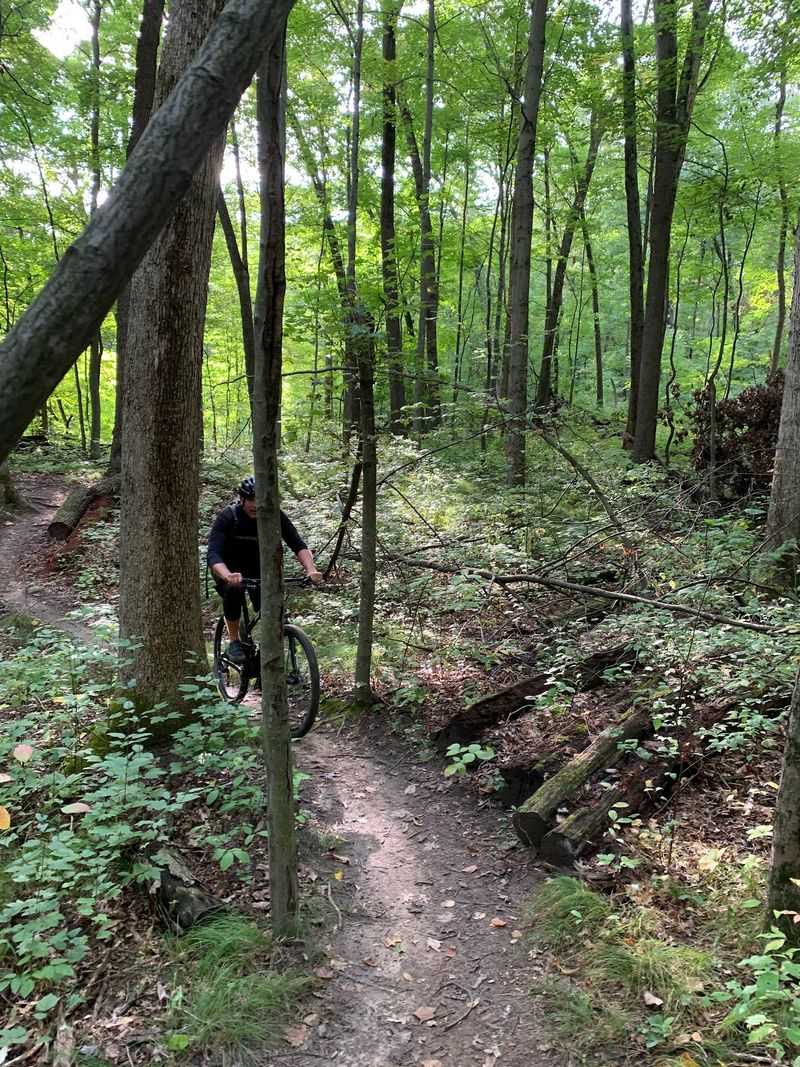
One careless step can turn a calm walk into a jumpy moment at Highland Recreation Area. September often keeps the ground warm, and that means you should pay more attention near sunny trail edges, brushy patches, and rocky spots where a snake could rest undisturbed.
The goal is not panic. It is steady awareness.
Highland has a mix of hills, woods, open stretches, and changing terrain that can make scanning the ground a little harder than expected. Dry leaves may start gathering on parts of the path, and those crunchy patches can hide curves, roots, or a quiet animal blending into brown and tan colors.
A simple habit helps here. Keep your eyes several feet ahead instead of staring only at your boots, and give yourself extra time on narrow sections.
If you stop for water, choose open ground where you can see clearly rather than stepping straight into tall grass or sitting beside logs.
Dog owners need a tighter game plan in September. A short leash is the safer move because curious pets love to nose into brush, and that is exactly where trouble can start.
Kids also do better with a quick reminder to stay centered on the trail and not reach into rock piles.
Footwear matters more than people think. Closed toe hiking shoes, long socks, and a calm walking pace can lower the chance of a bad surprise.
Trekking poles are useful too, not for poking wildlife, but for balance on uneven ground so you are less likely to stumble off the main tread.
If you do spot a snake, the best response is wonderfully boring. Stop, give it space, and back away slowly without crowding it.
Highland is still a strong September hike, but it rewards hikers who trade autopilot for attention and treat every warm, quiet corner with a little extra respect.
2. Stony Creek Metropark
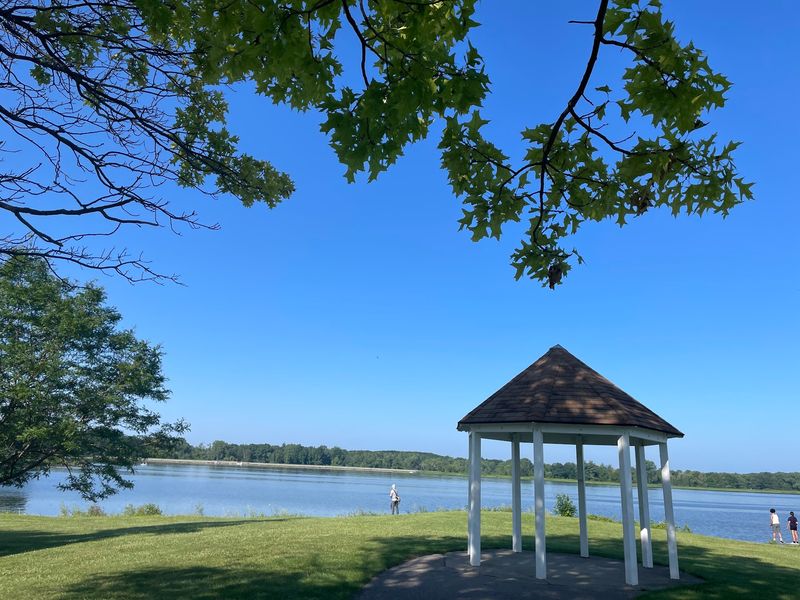
At Stony Creek Metropark, the tricky part is how easy the trails can seem at first. Wide paths and familiar park scenery may tempt you to relax too much, yet September still calls for careful footing near grassy shoulders, sunny openings, and less traveled cut throughs where wildlife can stay tucked away.
Open areas can be deceptive because visibility looks better than it really is. Low plants, fallen leaves, and uneven dirt can break up the outline of a resting snake, especially in warm afternoon light.
When the path bends near brush, it helps to ease up on speed and check the ground ahead.
Cyclists and hikers both use parts of the park, so staying alert involves more than watching for wildlife. You may glance up for passing traffic, then look down too late.
A good fix is to pause before stepping off trail for a photo, snack, or quick break near logs and taller weeds.
Families often pick this park for an easy outing, which makes simple trail rules even more useful. Keep children close on side paths, skip bare hand exploring in wood piles, and avoid letting anyone race ahead around blind corners.
September is not the month for trail games that trade caution for speed.
Morning hikes can offer cooler air, but sunny stretches still deserve respect once the day warms. Stick to the center line of the path when you can, and wear shoes that handle loose dirt well.
Sandals may feel fine at the picnic area, but they are not the smart choice here.
A rattlesnake sighting is not a reason to write off Stony Creek. It is a reminder that even polished parks have wild pockets.
Move calmly, give any snake plenty of room, and let the moment pass without drama. The safest hiker here is usually the one who notices more and hurries less.
3. Matthaei Botanical Gardens
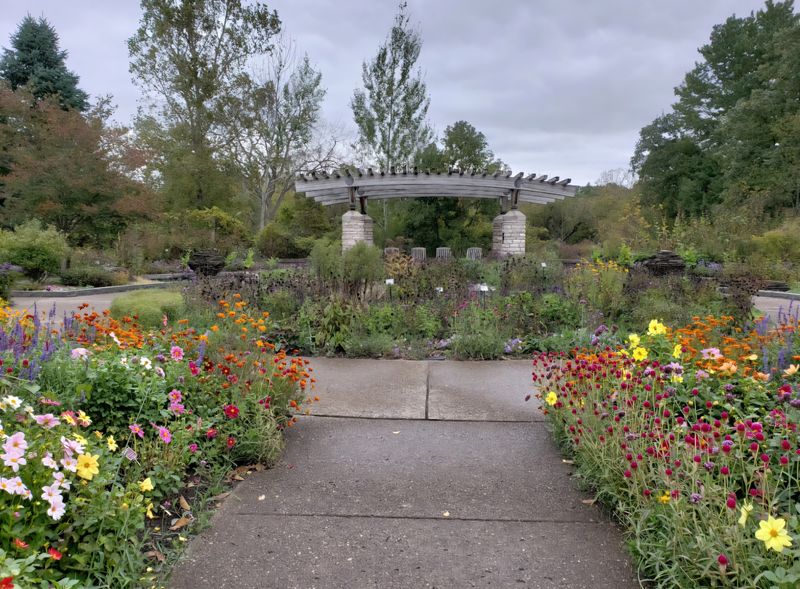
Matthaei Botanical Gardens may sound like a place where every path feels neat and predictable, but the natural areas can still ask for real trail awareness in September. Native plant zones, wooded edges, and less formal walking sections create spots where a snake could stay hidden while soaking up leftover summer warmth.
Here, the challenge is visual clutter. Dense stems, seed heads, and ground cover can make the edges of the path look busy, which is beautiful until your eyes stop sorting details well.
That is why a slower pace works better than a distracted one, especially when you are admiring plants or taking pictures.
Plenty of visitors come ready to look up at flowers, trees, and signs, not down at the trail. That makes this location sneaky in a different way than a rugged park.
You are less likely to expect a problem, so a quick habit change helps: scan forward, then enjoy the scenery.
If you are walking with kids, treat the visit like a mini nature lesson. Remind them that watching wildlife means giving it room, never touching, and never stepping into thick growth to get closer.
Even a harmless surprise can lead to a stumble, and stumbles are a common way small scares become bigger ones.
September weather can shift during the day, so plan around that. Early outings may feel cooler and easier, while warmer afternoon light can draw attention to sunny edges where reptiles might rest.
Long pants, sturdy shoes, and staying on marked routes make more sense than casual wandering through planted or natural margins.
The good news is that caution fits naturally at Matthaei. It is already a place built around observation.
Move with that same mindset on the trails, and you will likely enjoy more, not less. Careful hikers tend to notice the small details here first, and that is exactly the kind of attention September rewards.
4. Seven Lakes State Park
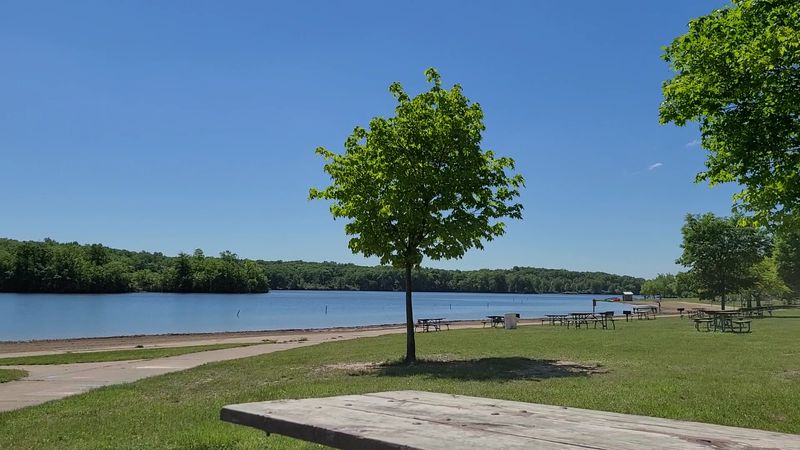
Seven Lakes State Park brings water views, woods, and that classic early fall pull to get outside while the air still feels mild. September can also make the trails trickier, especially where narrow paths pass through mixed cover and sunlit ground near brush, logs, and rough edges beside the main route.
Lakeside parks often encourage wandering because every bend promises another nice view. That is exactly when hikers can lose focus on their next few steps.
Watch carefully when moving from open light into shade, since changing brightness can make roots, leaf piles, and wildlife much harder to read at a glance.
Narrower stretches deserve your full attention here. When plants lean into the trail, give the edges extra respect and avoid brushing through overgrowth just to let someone pass.
It is usually smarter to stop in a clear patch and wait rather than sidestep into cover where you cannot see the ground well.
September also brings more leaves, and dry leaf cover is one of the most annoying trail disguises around. A snake may blend in, but so can holes and uneven footing.
Good hiking shoes help, and so does lowering your pace on downhill sections where momentum makes careful scanning harder to keep up.
Camp style habits can follow you onto a day hike, so remember the basics. Do not place hands on logs without looking first, do not sit in tall grass for a quick break, and keep snacks packed unless you are in a spot with clear visibility around you.
Open ground is your friend.
Seven Lakes can still be a great September pick because caution does not cancel fun. It simply changes how you move through the park.
Stay centered on the path, keep pets close, and treat warm shoreline side areas with extra care. The day goes better when the scenery gets your admiration, not your full distraction.
5. Kensington Metropark
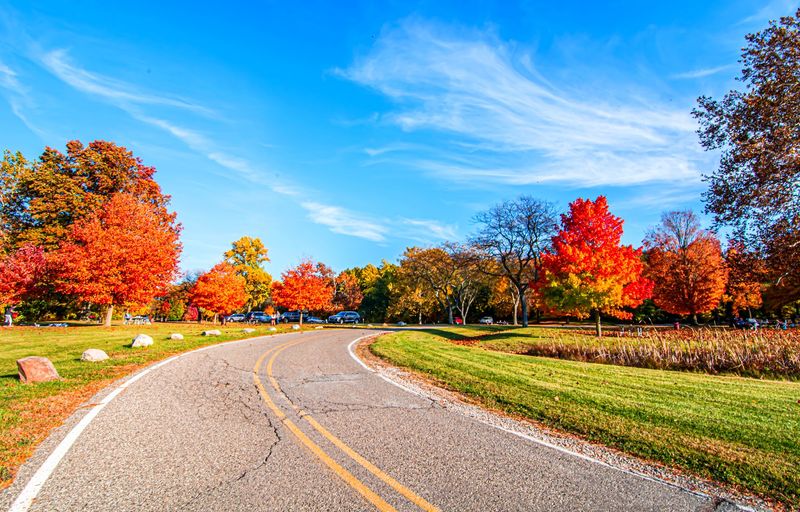
Kensington Metropark has a polished, popular feel, and that can lower your guard faster than a rough backcountry trail. In September, warm ground, grassy margins, and quiet natural pockets can still make parts of a hike more complicated than expected, especially once you leave busy areas and settle into longer stretches.
Because the park draws walkers, runners, and families, distractions pile up quickly. You may be watching bikes, chatting, or looking toward the water instead of reading the path.
That split attention matters most where trails meet brushy edges, boardwalk approaches, or sunny spots beside thicker plants and low cover.
One useful move is choosing your passing areas carefully. Rather than stepping off the trail the second someone approaches, wait for a spot with clean sightlines and firm ground.
The habit sounds small, but it cuts down on surprise contact with hidden roots, weeds, and any wildlife resting near the margins.
September picnics and casual strolls often mean lighter footwear, and that is where comfort can backfire. Supportive shoes make it easier to keep balance if the ground turns uneven, and they add a basic layer of protection.
The same logic goes for keeping dogs close instead of letting them zigzag through vegetation.
If you are bringing kids, make the safety talk quick and simple. Stay on the path, look before sitting, and never grab at anything moving in leaves or grass.
Children usually respond well to clear rules, especially when the goal is framed as smart exploring rather than scary warnings.
Kensington still works well for a September outing. The key is matching the park’s relaxed vibe with a little extra trail discipline.
Scan ahead, avoid reaching into hidden spaces, and give any snake plenty of distance if one appears. Calm choices fit this park best, and they help the whole walk stay easygoing.
6. Waterloo Recreation Area
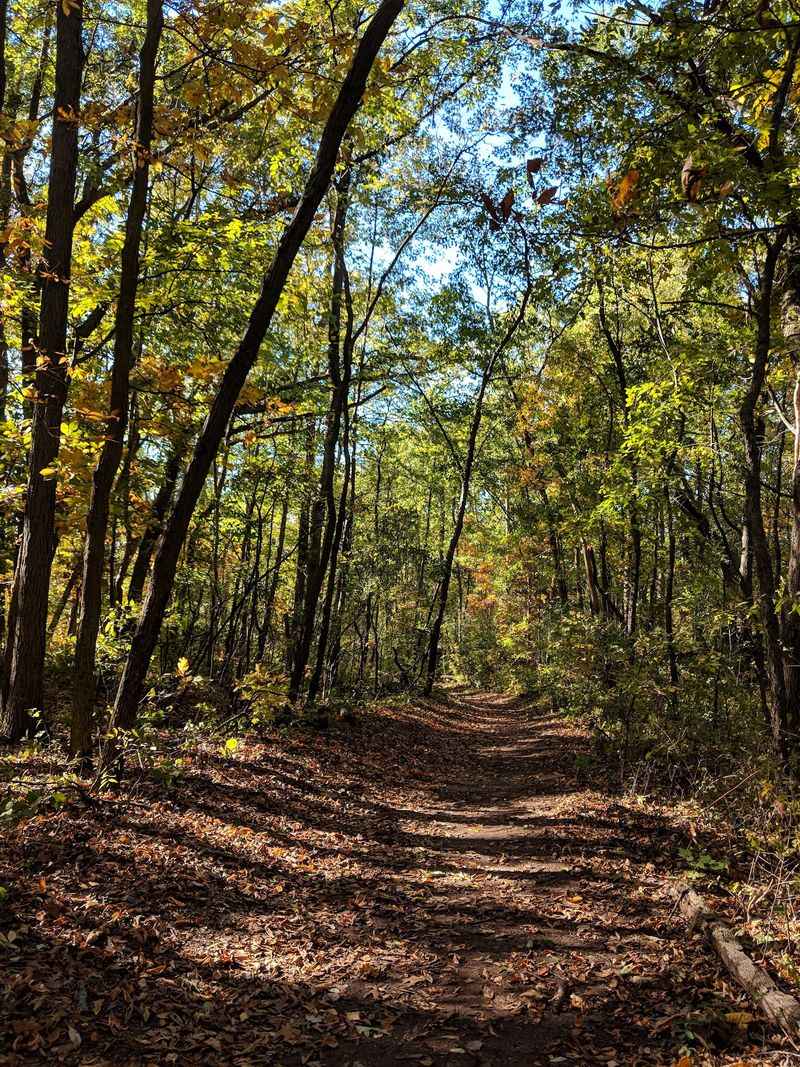
Waterloo Recreation Area has the kind of scale that can make a hike feel adventurous before you even lace up. Bigger trail systems mean more variety, more quiet stretches, and more spots where September awareness matters, especially on rustic sections with leaf cover, uneven footing, and warm patches of open ground.
Longer hikes create their own problem. After a mile or two, many hikers start running on habit, not attention.
That is when feet drift toward trail edges, hands reach for branches without looking, and short cuts around mud or roots begin to sound tempting. September is a poor month for lazy decisions.
Waterloo’s changing terrain keeps things interesting, but it also asks more from your eyes. Hills, shaded woods, and occasional sunny breaks can shift the look of the ground from one minute to the next.
Slow down on descents, watch where the trail narrows, and stay cautious around logs and rockier pockets.
If you are packing a longer day bag, use the extra gear wisely. Carry enough water so you are not rushing toward the next stop, and choose breaks in open areas with clear visibility.
Taking five quiet minutes on bare ground beats stepping into tall grass because a shady patch looked inviting.
Group hikes need a little structure here. Spread out enough to see your footing instead of tailgating the person in front of you, and call out obstacles in a normal voice when the trail gets messy.
That helps everyone, from first timers to confident walkers who may otherwise miss details near their boots.
Waterloo rewards patience more than speed in early fall. You can still cover solid mileage, enjoy the woods, and have a strong day outside.
Just treat each blind bend and sun warmed edge like a place that deserves a second look. On these trails, calm attention is part of the gear list.
7. Independence Oaks County Park
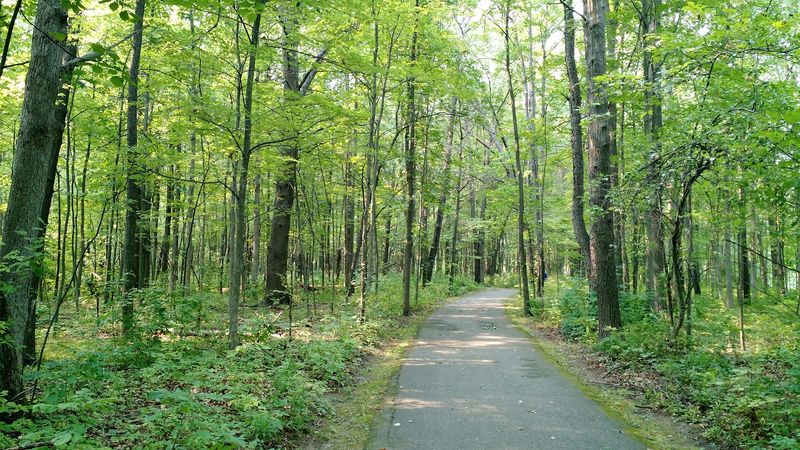
Independence Oaks County Park can look wonderfully manageable at first glance, which is exactly why September hikers should not drift into autopilot. Between woods, meadow edges, and quieter natural sections, the park offers enough cover and warmth to make careful trail habits a smart idea rather than an overreaction.
The first thing to remember is that calm parks still have active wildlife. A tidy trail does not guarantee a simple walk when leaves start collecting and late season plants crowd the margins.
Looking a few steps ahead, not just straight down, gives you more time to adjust without sudden sidesteps.
Some hikers get tripped up by stopping spots more than by walking itself. Benches, shoreline views, and shaded pull offs make natural pause points, yet the ground around them is not always as open as it seems.
Before setting down a bag or leaning near brush, take a quick look around.
Photo breaks deserve extra care too. It is easy to back up for a better angle and forget that your heels are heading into grass or leaf litter.
Plant your feet first, then raise the phone. That one habit can save you from a startled jump and a sloppy stumble.
For families and casual walkers, the best approach is pleasantly simple. Stay on marked paths, skip poking around under logs, and keep pets on a short leash where visibility drops.
September does not have to feel tense here. It just favors hikers who notice edges, shadows, and little movement near the ground.
Independence Oaks still makes sense for an early fall outing because caution blends easily into the experience. You are already there to slow down and enjoy the setting.
Add better foot placement, smarter stopping choices, and a bit more distance from brush, and the trail becomes easier to manage without losing any charm.
8. Proud Lake Recreation Area
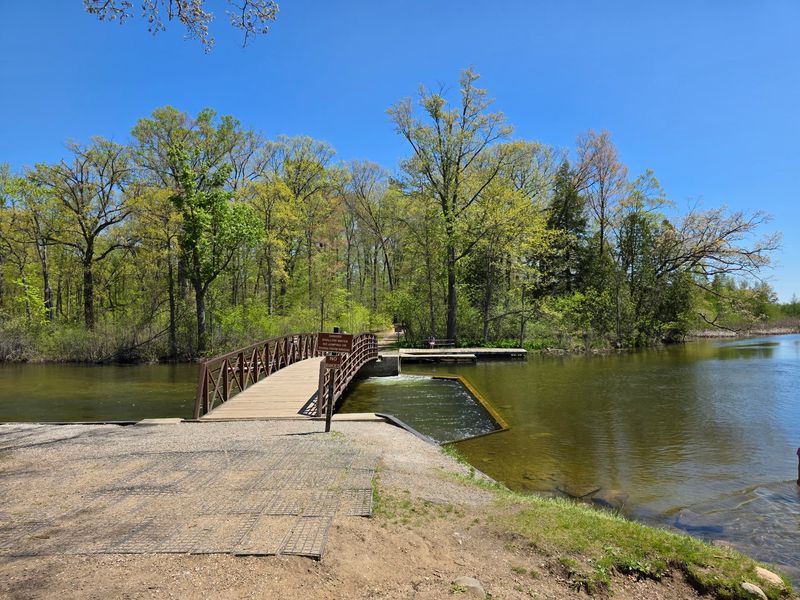
Proud Lake Recreation Area can shift from easygoing to tricky in a hurry, and that is part of its appeal. River corridors, wooded trails, damp low spots, and sunny openings create a patchwork of conditions where paying attention in September matters more than many casual hikers expect.
Trails near water often pull your focus outward. You notice the river, birds, or reflections first, then realize the path underfoot has turned rooty, narrow, or leaf covered.
That split between scenery and footing is where mistakes happen. Proud Lake asks you to enjoy both, but not at the same time.
Marshy and brush lined areas deserve extra patience. Even if the trail itself is clear, shoulders can be busy with plants that hide the ground line.
Avoid stepping aside unless you can fully see where your boot will land. The shortest detour is not always the safest one in early fall.
Another issue here is pace. Flat stretches can make you speed up without noticing, especially when the weather feels perfect.
Then a shaded bend appears, visibility drops, and your reaction time shrinks. A more even tempo works better, particularly when the trail changes from open to enclosed over short distances.
If you are hiking with a dog, Proud Lake is a place for discipline, not long leash freedom. Curious noses love shoreline growth and downed wood, and that is where you want more control, not less.
The same goes for kids skipping ahead around corners that block a full view of the path.
Proud Lake remains a very appealing September destination. The trick is respecting its mix of beauty and unpredictability.
Keep your eyes moving, choose open spots for breaks, and treat any wildlife encounter like a cue to create distance, not a reason for drama. A composed hiker usually handles this park best.
9. Indian Springs Metropark
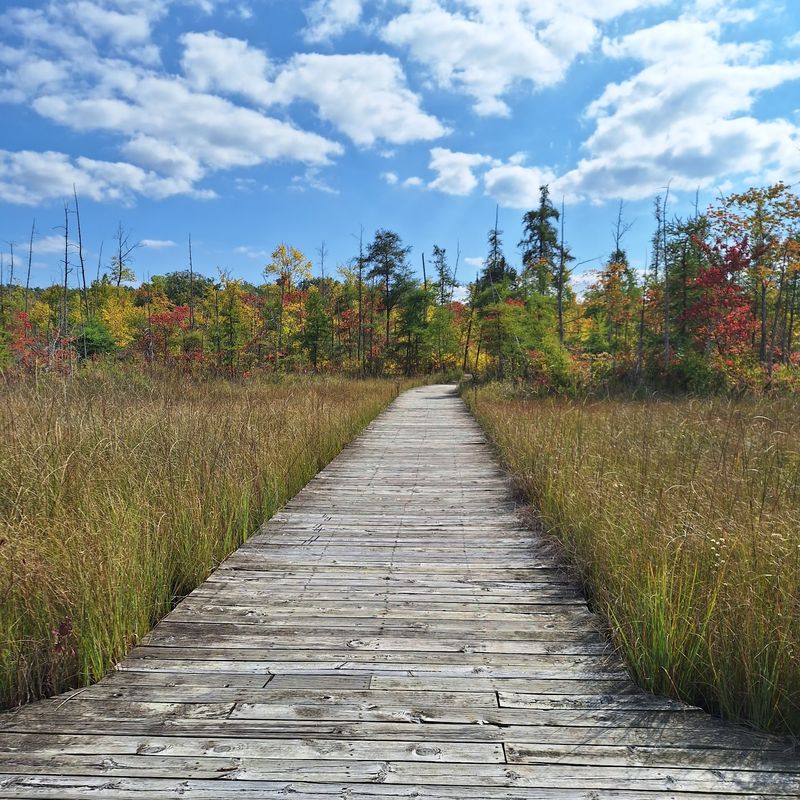
Indian Springs Metropark has a more open look in many areas, and that changes the hiking challenge in September. Instead of dense woods doing all the hiding, tall grass, prairie style edges, and sun warmed transition zones can become the places where extra caution pays off most.
Open landscapes can fool hikers into thinking they can spot everything easily. In reality, plants at ankle and knee height break up shapes in a way that makes the ground harder to read, especially when seed heads and dry grass start blending into late season colors.
A measured pace works well here.
Wind can add to the confusion. When grasses move, your eyes may track every flicker, and small details become easier to miss.
Stay centered on the trail rather than drifting toward the edge for a wider view. You can still enjoy the open scenery without walking where visibility drops close to your feet.
Because the park often feels accessible and family friendly, visitors sometimes dress more casually than the trail really deserves. Closed toe shoes are still the better call, and long pants are not a bad idea when routes pass near taller growth.
Comfort matters, but coverage helps when the path gets brushier.
A break area should be chosen with the same care as your route. Before sitting on the ground or near a log, check the space first instead of dropping down right away.
The same rule applies to bags, picnic blankets, and kids who want to crouch near plants to inspect insects.
Indian Springs can be a great September hike for people who like room to breathe and broad views. Just remember that open does not mean risk free.
Read the trail carefully, keep pets close, and avoid stepping into vegetation for convenience. The smoother outing usually belongs to the hiker who stays deliberate.
10. Pinckney Recreation Area
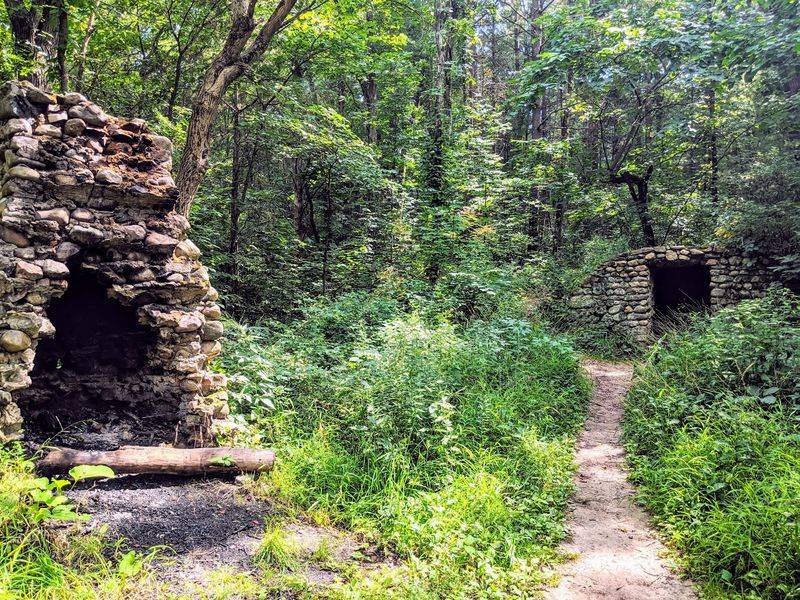
Pinckney Recreation Area is the one that can make September hikers earn their confidence. Rolling ground, longer routes, and rougher trail sections mean you already need solid footing, and rattlesnake season only adds another reason to stay switched on from the first mile to the last.
Uneven terrain changes the safety equation fast. When you are busy handling roots, rocks, or short climbs, your attention naturally shifts toward balance.
That leaves less mental space for scanning edges and warm open patches. A small reset helps: slow down before technical spots so your eyes can work ahead again.
Pinckney also rewards hikers who resist shortcuts. Stepping around puddles, cutting corners, or passing through brush may seem harmless, but those are exactly the choices that move you off the most visible line.
Staying on the established tread is one of the easiest ways to lower your chance of a surprise.
Longer loops mean fatigue matters too. Tired hikers drag their feet, glance down too late, and pick rest stops based on convenience rather than visibility.
Plan your pauses before you need them. Open ground, clear sightlines, and a calm check of the area beat dropping your pack beside the first shady log.
If you hike here with friends, spacing helps more than bunching up. Give each person enough room to read the trail and react smoothly without crowding.
That matters on descents, at blind bends, and in sections where dry leaves start masking details. Quiet communication beats last second warnings every time.
Pinckney remains one of the stronger September adventures in the region because it feels active and engaging the whole way through. Just treat that challenge honestly.
Wear supportive shoes, watch several steps ahead, and give any snake wide room to move off on its own. Control and patience suit this place well.