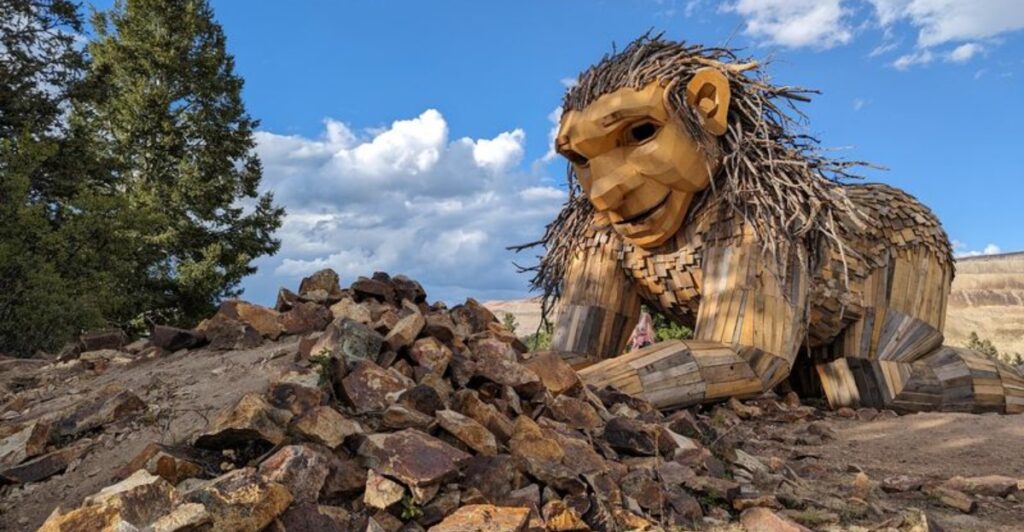
A 21-foot wooden troll is probably the last thing you expect to encounter while exploring Colorado’s historic mining country. Yet above Victor, Rita the Rock Planter waits among the rugged scenery, turning a short outing into an unusual mix of art, hiking, and local discovery.
Finding the enormous sculpture is part of the fun, especially as mountain views and remnants of the area’s mining past add interest along the way. Families and curious road-trippers get far more than a quick roadside photo stop. Rita is wonderfully strange, impressively oversized, and exactly the kind of Colorado surprise worth seeking out.
A Giant Surprise on the Hillside
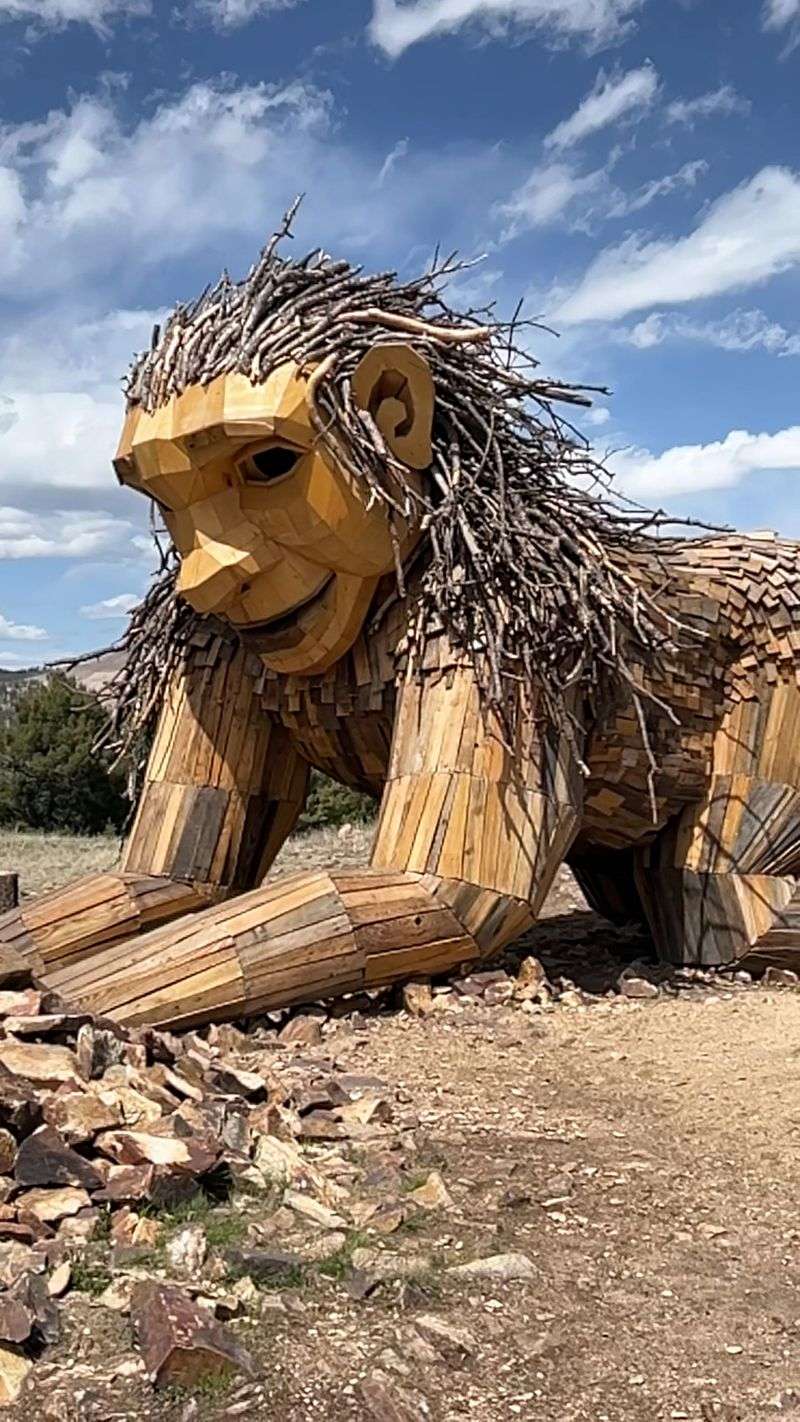
Nothing prepares the eye for Rita quite like the last stretch of trail. One minute the path moves through open mountain ground, old mining country, and wide sky, and the next a huge wooden figure appears below, settled into the slope as if she has always belonged there.
The size is the first shock. At 21 feet tall, Rita rises far above the scrub, stones, and people walking toward her. Her shape reads clearly even from a distance.
The rounded back, bent knees, long arms, and busy hands make her look caught in the middle of a job instead of posing for attention.
That active posture gives the sculpture a lively quality. Rather than standing like a statue in a plaza, Rita seems to be working with the mountain.
Up close, the detail starts to take over. The wood pieces create texture in her face, hands, and clothing, and the rough natural materials match the setting better than shiny metal or painted surfaces ever could. Rita does not interrupt the landscape.
She blends into it, then slowly stands out more and more as your eyes adjust to her scale and shape. That reveal is one reason the site works so well.
A short walk builds anticipation, and the payoff lands in a big visual moment without requiring an all-day hike. Kids can get excited by the troll idea, while adults often notice the craftsmanship and placement first.
For the best first look, slow down as you approach instead of rushing straight to the base. Notice how the hillside frames her body, how the timber tones echo the earth around her, and how small nearby people look by comparison.
Rita is not tucked into a museum corner. She is out in the weather, oversized, unexpected, and impossible to ignore once she comes into view.
Why Rita Looks Busy, Not Posed
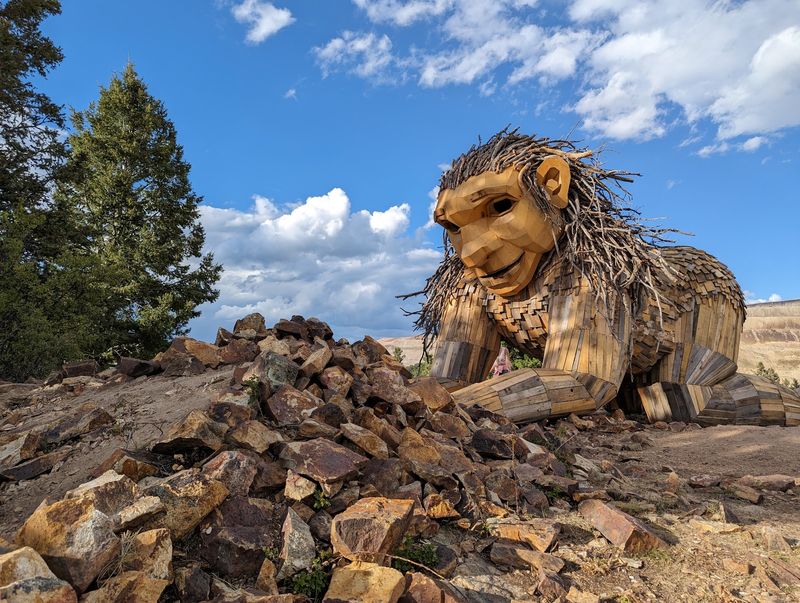
Rita does not stand around like a monument waiting for applause. Her whole design suggests motion, effort, and purpose, which makes the sculpture more fun to study than a simple giant figure would be.
She appears engaged with the ground itself, and that changes the experience. Instead of asking only, How big is it, the scene pushes visitors to ask, What is she doing here?
The answer is part of the charm. Rita is presented as a rock planter, a troll who seems to be moving stones back into the earth. That idea gives her a playful job title, but it also creates a clear visual story.
Bent posture, reaching arms, and the surrounding rocks all support that action, so even younger kids can read the scene without needing a long explanation.
The craftsmanship adds another layer. Her face is not polished smooth, yet it carries expression through shape and careful assembly. The wood slats and boards form features that seem soft from afar and surprisingly intricate up close.
Fingers, folds, and curves emerge from reused materials, showing just how much planning goes into making rough pieces feel alive.
Looking slowly helps here. Walk around the sculpture, notice how different angles change her mood, and pay attention to the way light hits the wood. Morning and afternoon sun can pull out shadows in the boards and make small details easier to spot.
Photos are great, but Rita is strongest in person because scale and texture work together. There is also a nice contrast between whimsy and labor.
The idea of a troll is silly in the best way, yet Rita is not goofy decoration. She looks intent, almost stubborn, as if she has a mountain-sized task to finish.
That determined energy gives the sculpture personality and keeps it from feeling like just another roadside photo stop.
Old Mining Ground Gives the Art More Meaning
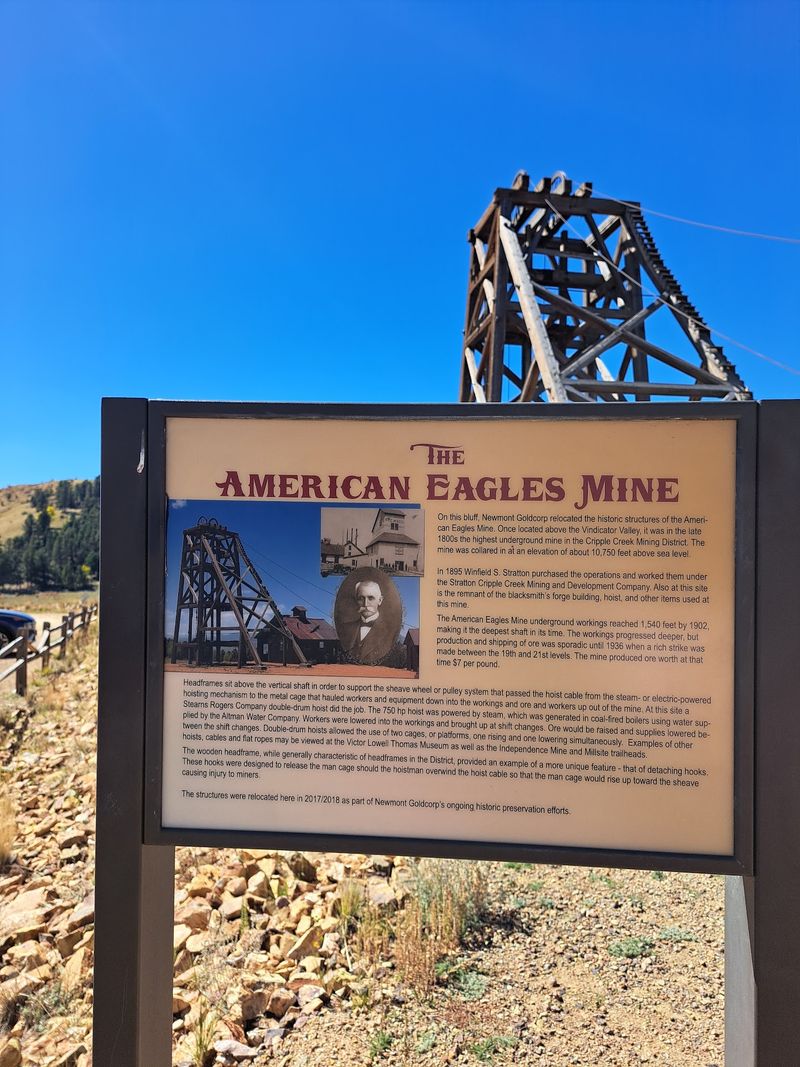
Set Rita somewhere flat and ordinary, and the sculpture would still be impressive. Place her near Victor’s old mining landscape, though, and the piece gains extra weight.
The surroundings help explain why she is here and why her actions matter. Timber, stone, tailings, and weathered remains from mining activity turn the site into more than a photo backdrop.
That context gives Rita a stronger story. She is often understood as a figure returning rocks to the ground, a visual idea that quietly responds to a place shaped by removing them.
No lecture is needed when the setting does some of the talking. The nearby terrain makes the artwork feel tied to local history instead of dropped in at random.
Even the approach supports that connection. Around the parking area, old mining equipment and structures remind visitors that this part of Teller County carries a deep industrial past.
Then the trail leads away from those traces and toward a giant figure made from reused wood, almost like the route is moving from extraction to repair. It is a simple shift, but a memorable one. For adults, this can become the most interesting part of the visit.
Rita works as a playful landmark for children, yet the mining setting adds a second level that invites conversation about land use, reuse, and how public art can respond to place. Teachers, parents, and curious travelers have plenty to point out without making the outing feel heavy.
Try spending a few minutes looking beyond the sculpture itself. Notice the old equipment, the shape of the hills, and the rough ground underfoot. Read any posted information available on site, but also let the visual contrast tell its own story.
Rita’s position near historic mining features is not accidental. It is one of the strongest reasons the artwork lands as both a fun stop and a thoughtful one.
The Colorado Walk Is Short but Not Flat
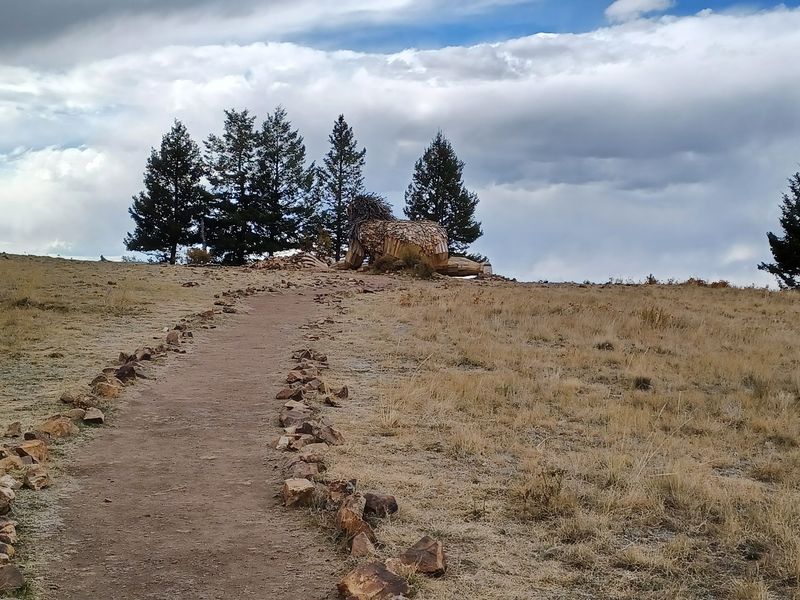
Plenty of first-timers expect the art to be right next to the car. Rita asks for a short walk instead, and that small effort is part of the adventure.
The good news is that the trail from the upper parking area is usually manageable for many visitors. The more important news is that the return climb can feel steeper than it looks, especially at altitude.
Parking strategy matters here. There are two parking areas, and many travelers find the upper lot more practical because it cuts down the uphill approach before reaching the trail to Rita. From there, the route is much shorter and more direct.
Arriving with that plan can save energy and make the outing smoother for families, older adults, or anyone who simply wants the easiest option.
The path itself is not long, but it can be rocky and uneven in spots. Good walking shoes help more than people expect, particularly after rain or during windy weather when loose gravel can demand extra attention. A slow pace works best.
That is not only safer, it also gives more time to enjoy the setting instead of treating the walk like a race. Bring water even for a brief visit.
The elevation and uphill return can catch flatland travelers off guard, and a short break on the way back is perfectly reasonable. If knees or ankles are sensitive, trekking carefully on the descent and ascent is smarter than trying to move fast.
Families with kids usually find the distance appealing because it feels like a real outing without turning into a long trek. Rita rewards a little movement with a big visual payoff. Just think of the route as a quick mountain walk rather than a roadside stop, and the whole visit makes more sense from the start.
Views, Benches, and the Bonus Beyond Rita
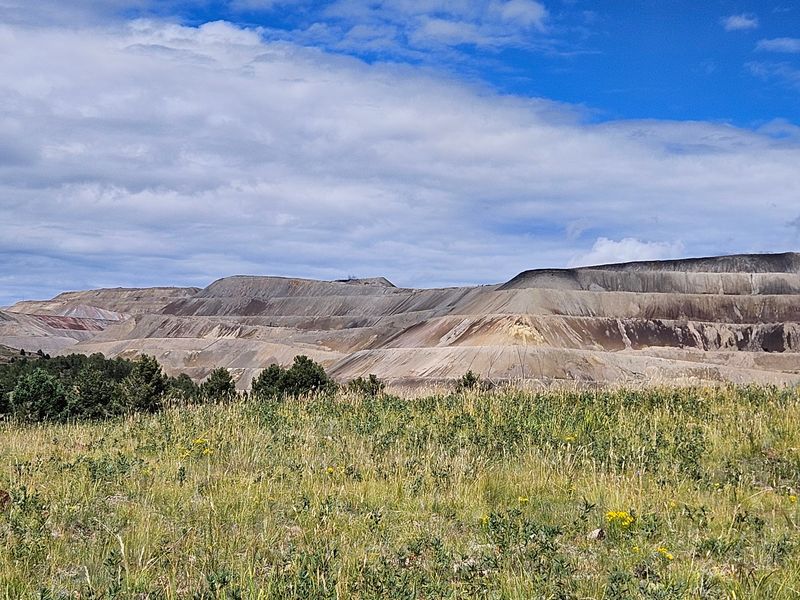
Rita may be the headline, but the site offers more than one reason to linger. The hillside opens to broad mountain views, and that extra scenery changes the stop from a quick novelty into a fuller outing. After meeting the troll, many visitors keep looking outward.
Peaks, valleys, and open sky compete for attention in the best way. A bench near the overlook adds a simple but smart touch. It creates a place to pause, catch a breath, and let the setting settle in after the walk down. For anyone dealing with the uphill return, that pause is useful.
For photographers, it is also a chance to frame the landscape separately from the sculpture and capture why the location was chosen so carefully.
The old mining features nearby act like a second bonus. Before or after the trail, weathered equipment and structures around the upper area give the visit texture and a sense of local character. That means the outing has layers.
One part is giant troll art. Another part is mountain scenery. A third part is the visible history of a hard-working landscape.
Timing affects the experience more than many travelers realize. Clear weather sharpens the views, while clouds can make the whole area look moodier and more dramatic. Wind is common in exposed mountain spots, so a jacket is a wise idea even on mild days.
If the air is crisp and the sky is bright, the bench can become one of the most rewarding places to slow down. Anyone planning only ten minutes may end up staying longer because the site invites a little wandering.
Walk to Rita, step farther for the overlook, circle back through the mining area, and notice how each part shifts the tone of the visit. The sculpture draws people in, but the surrounding views are what give the stop room to breathe.
Best for Families, Road Trips, and Curious Detours
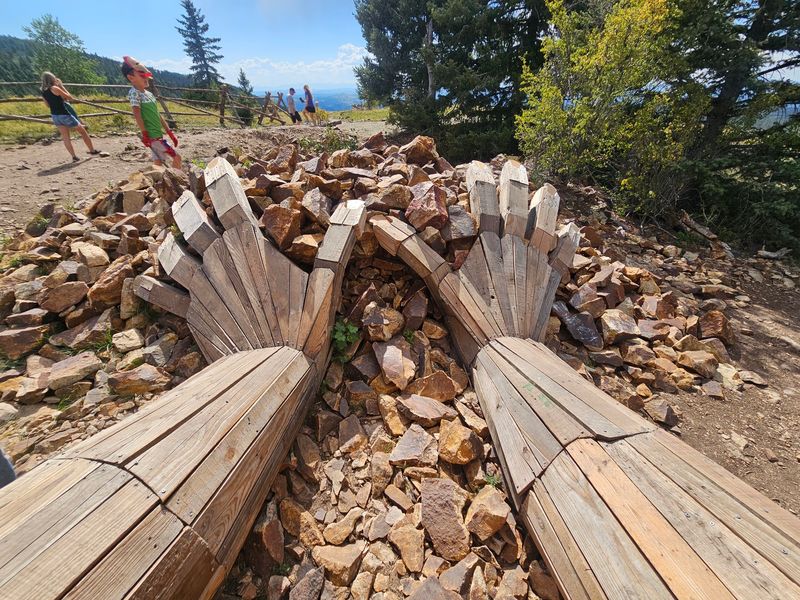
Some attractions ask for a full day, a strict schedule, or serious hiking legs. Rita fits a different category, which is part of her appeal. She works beautifully as a side trip for families, a road trip detour, or a quick stop between nearby mountain towns.
The visit is active enough to feel earned, yet short enough to fit into a wider day of exploring. Children usually connect with the giant troll idea right away.
A huge character hidden in the hills turns the walk into a mission rather than a chore, and that can make even reluctant young hikers more willing to keep moving. Adults get a different kind of reward.
The sculpture’s artistry, the reuse of materials, and the mining setting provide substance beyond the playful first impression.
Rita also suits travelers who like unusual landmarks but do not want crowds, ticket lines, or a long indoor visit. It is free to see, open-air, and easy to pair with scenic driving in the Cripple Creek and Victor area. Because the trail is relatively short from the upper lot, many older visitors can enjoy it too, especially with a steady pace and good shoes.
That said, a little planning keeps expectations realistic. There are no big visitor-center comforts at the sculpture itself, so bring water, prepare for changing weather, and use restrooms before heading up. Mountain conditions can shift quickly, and dirt-road access means drivers should go slowly and pay attention.
The best mindset is simple: treat Rita like a memorable stop, not a packed all-day attraction. Arrive ready for a brief walk, a few laughs, some photos, and a surprising amount of scenery and context.
For travelers who enjoy destinations with personality, Rita turns a simple detour into a story kids can retell and adults can recommend without needing pages of explanation.
Why Rita Stands Out in a State Full of Big Scenery
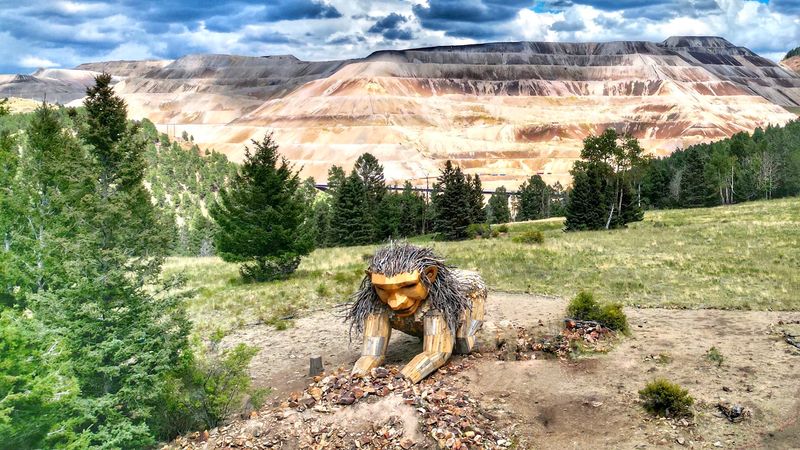
Colorado has no shortage of dramatic places. Huge views, winding roads, mining history, and high-country towns are all part of the landscape. That makes Rita’s success more impressive, not less.
In a state already packed with scenery, she still manages to command attention by mixing art, place, and story in one compact experience.
Scale helps, of course. A 21-foot troll built from reclaimed wood is not easy to ignore. Yet plenty of oversized attractions end up feeling gimmicky after the first photo.
Rita avoids that trap because her setting and purpose make sense together. She belongs to the hillside visually, and her rock-planting idea adds a layer that turns simple surprise into curiosity.
There is also a strong balance between access and discovery. Reaching her requires a little effort, but not so much that the trip becomes exclusive or exhausting for most travelers using the upper lot. That small walk creates anticipation and makes the reveal stronger.
Rita is not handed over instantly from a highway shoulder. She is encountered, which gives the stop more character.
Another reason she stands apart is the blend of tones. The sculpture is playful enough for children, thoughtful enough for adults, and photogenic enough for anyone carrying a camera or phone. Add in the old mining details and the overlook, and the visit never depends on only one feature to succeed.
If the art catches you first, the landscape supports it. If the scenery grabs you first, Rita sharpens the whole setting.
That combination is hard to fake. Rita The Rock Planter is big without being empty, whimsical without being silly, and brief to visit without feeling disposable.
For travelers looking for one stop that is visual, local, and a little unexpected, she offers a fresh kind of Colorado landmark tucked above Victor’s rugged ground.