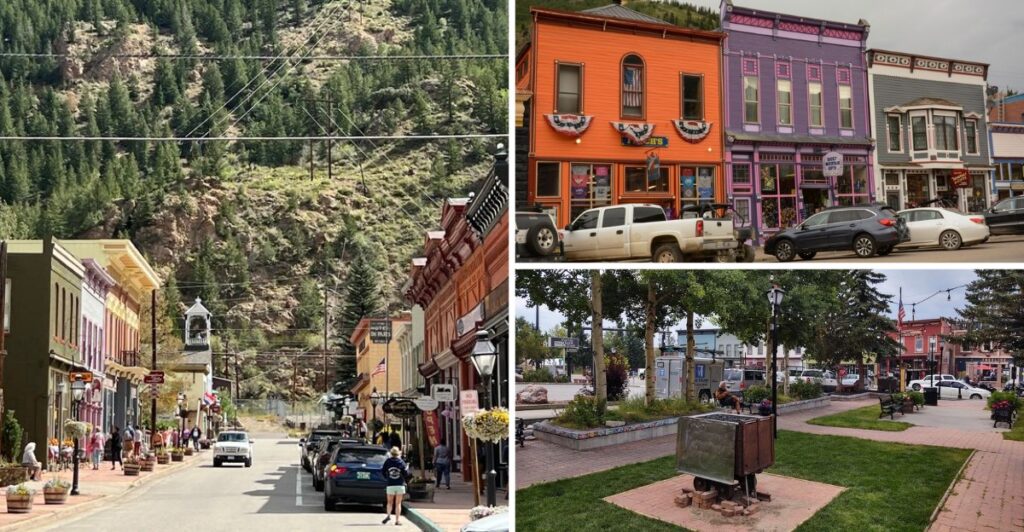
Gold and silver may have sparked the rush, but the towns left behind tell the more fascinating story. In Colorado’s mountains, weathered mine structures, ornate Victorian buildings, historic saloons, and steep streets still echo the boom years when fortune seekers poured into the state.
Walking these old districts brings the era closer than any museum display could, especially when original architecture stands against rugged peaks that have barely changed. Some communities grew beyond their mining roots, while others remain remarkably preserved reminders of the past. These 9 Colorado mining towns offer a road trip through history without leaving the modern highway far behind.
1. Cripple Creek
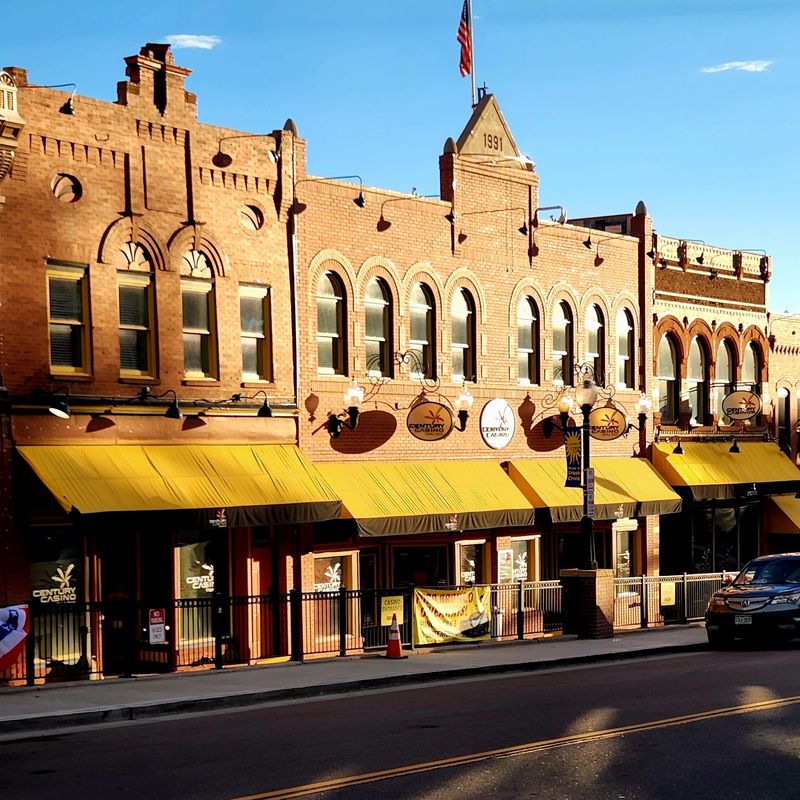
Gold changed everything here, and the town still carries that story in plain view. Cripple Creek rose fast after discoveries in 1890, and even now the hills around town hint at the rush that pulled thousands of hopeful people into this part of Colorado.
Start in the historic core, where solid brick buildings line the streets instead of flimsy frontier shacks. That detail matters. It shows how quickly a rough camp turned into a place that expected business, banks, hotels, and long-term growth rather than a short burst of excitement.
Mining landmarks add another layer. Headframes, old structures, and the wider gold district around town help connect the polished storefronts to the hard industrial work that made them possible. Looking up toward the slopes gives a clearer picture than any textbook can, because the land itself still explains why this town exists.
Visitors who want the strongest old-time impression should slow down and notice the layout, not just the individual buildings.
Broad streets, sturdy facades, and the dramatic high country setting create a scene that fits the final great gold-rush chapter in Colorado history. Early morning or late afternoon light makes the textures stand out even more.
Cripple Creek also works well for travelers who like history without needing a complicated plan. Walk the downtown blocks, read local markers, and look beyond the storefronts toward the surrounding hills.
The best approach is simple: give yourself enough time to connect the town center with the mining landscape around it.
That combination is where Cripple Creek really shines, offering a strong sense of how ambition, geology, and fortune shaped one unforgettable boomtown in the closing years of the nineteenth century.
2. Georgetown
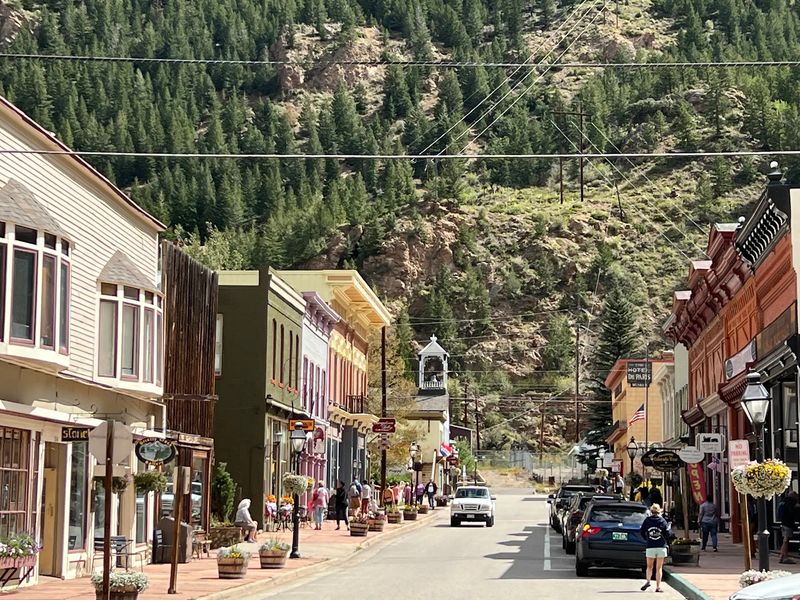
Tucked between steep mountains, Georgetown looks like the kind of place a movie set designer would dream up for a mining story. Then the buildings remind you it is the real thing. Prospectors once came into this area chasing precious metals, and the town that grew from that era still reads clearly today.
The downtown is the star. Neat rows of historic buildings give Georgetown a tidy, settled look, which stands out against the rugged peaks surrounding it. That contrast is part of the appeal.
Life here was tied to hard mountain work, yet the town center was built to serve trade, travel, and everyday routines.
Walking the main streets is the easiest way to understand why Georgetown remains such a strong link to Colorado’s early mining period. You can see how closely the community fits the narrow valley and imagine wagons, supplies, and news moving through town as nearby mines pulled people into the high country.
Unlike places where history is tucked away in one museum, Georgetown spreads it across the whole setting. The mountain backdrop matters just as much as the storefronts.
Mines were never far from daily life, and the terrain helps explain the effort it took to build a working town in a place with long winters and steep ground.
For visitors, Georgetown is best enjoyed at a relaxed pace. Look up often, notice upper-story windows and old facades, and pay attention to how the streets open toward the surrounding slopes.
The reward is a fuller picture of a nineteenth-century mining community, one that balanced ambition with practicality in a demanding landscape.
Georgetown does not need much imagination to transport you. The buildings, the valley, and the mining history all line up to create a clear, memorable sense of Colorado’s earlier boom years.
3. Silverton
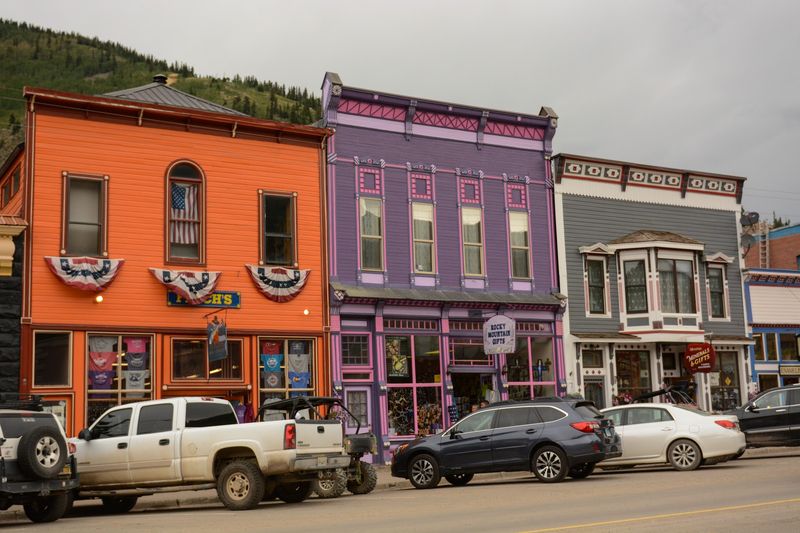
Few Colorado towns put their mining past on display as openly as Silverton. Surrounded by the San Juan Mountains, it sits in a dramatic basin where old buildings and traces of industry still match the rough terrain that first drew miners into the region.
The setting does a lot of the work here. Jagged peaks rise around town so closely that it is easy to picture how isolated Silverton once felt. That remoteness shaped daily life.
Supplies, weather, and transportation all mattered in bigger ways when a mountain mining center depended on what could reach it.
Then there are the buildings. Silverton’s older structures give the town a strong historic frame, especially when viewed against the enormous mountains behind them.
Streets, storefronts, and visible reminders of mining connect the business side of town with the extraction that supported it. The relationship between the two remains easy to read even for first-time visitors.
One reason Silverton stands out is how complete the picture seems. The architecture is there, the terrain is there, and the mining heritage is still visible enough to tie everything together.
You are not looking at random fragments. You are seeing a place where the landscape and the built environment still tell the same story.
A smart way to visit is to spend time both in town and looking outward toward the surrounding slopes. That wider view helps explain why Silverton became such an important historic mining center in the first place. Bring layers, walk slowly at altitude, and let the scenery and street details build the experience piece by piece.
Silverton offers one of Colorado’s clearest windows into the mining era, not because it relies on nostalgia, but because the essentials of that period remain right where history left them, framed by some of the most striking mountains in the state.
4. Ouray
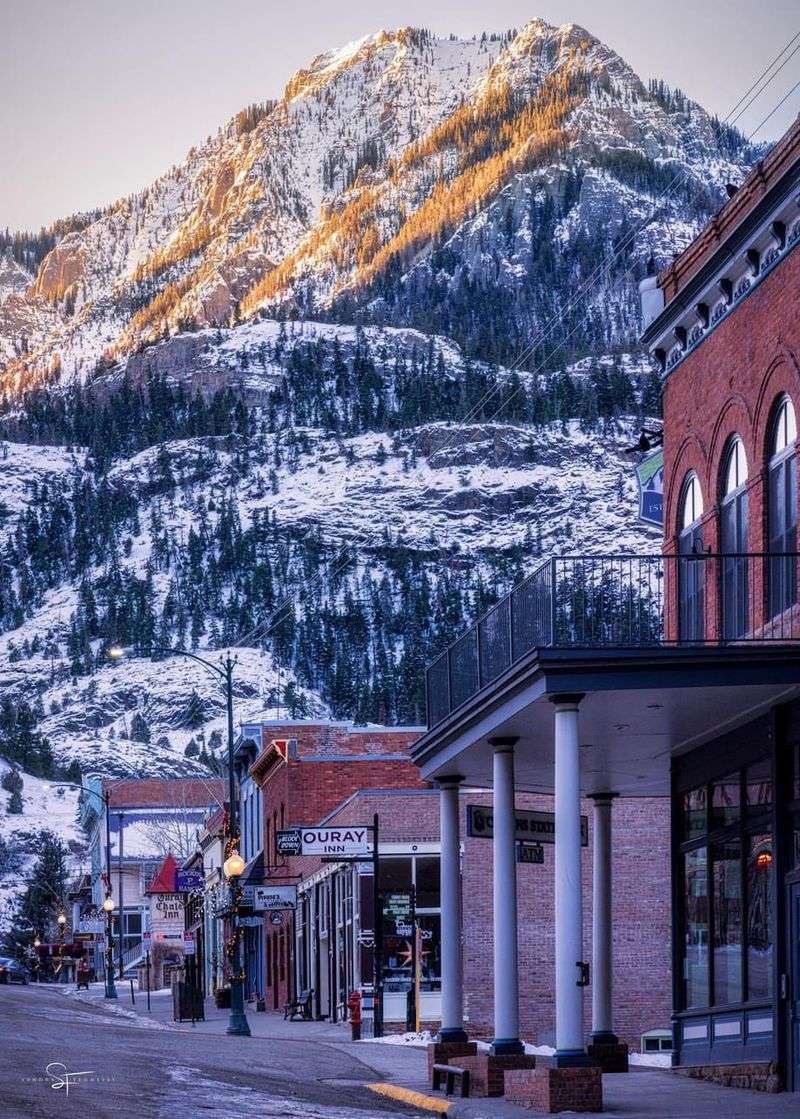
Ouray grabs attention fast because the mountains seem to close in from every side. Long before travelers came for scenery, the town grew as a supply and commercial center for mines scattered through the surrounding San Juan Mountains. That role still helps explain its layout, architecture, and strong sense of history.
Victorian-era buildings anchor the downtown with a polished look that hints at money, movement, and confidence. Mining camps needed goods, services, and places to do business, and Ouray served that purpose. The result is a town center that feels linked to industry without looking purely industrial.
Another key detail lies beyond the storefronts. Old mining routes still wind into the mountains, offering a visible reminder that this community was tied to a much bigger network of work sites in the high country.
Looking up those roads makes the connection easy to understand. Town life and mountain labor were closely connected, even when they happened in different places.
Ouray works especially well for readers and travelers who like history grounded in geography. The terrain is not a backdrop. It is part of the explanation.
Steep walls, narrow space, and routes heading upward all help show why this became an important support hub during the late nineteenth century.
To get the most out of a visit, spend part of your time studying the downtown details, then shift your attention to the slopes and roads above town. Notice how quickly the neat blocks give way to rugged mountain country. That transition is the whole story in miniature.
Ouray presents the business face of the mining era while the surrounding landscape reveals the harder, riskier work beyond it.
Put together, those elements create one of Colorado’s most readable historic townscapes, where commerce, transportation, and mountain mining remain visibly linked more than a century after the boom years first shaped the valley.
5. Telluride
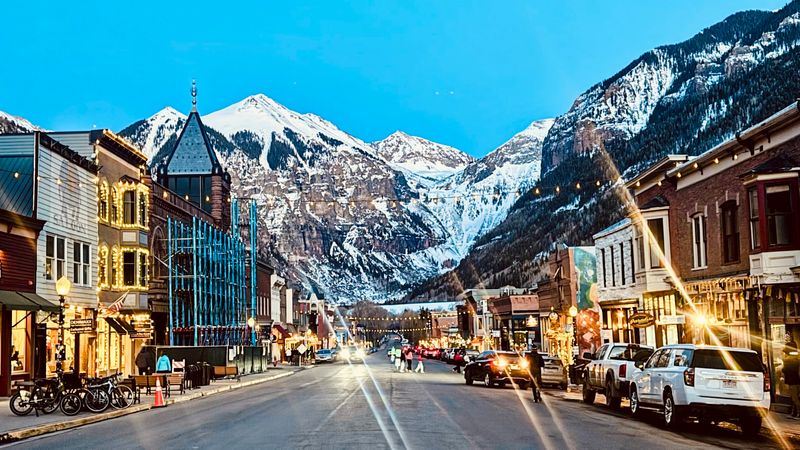
At the end of a spectacular box canyon, Telluride has a setting that is hard to forget and even harder to separate from its mining beginnings. The town started as a mining camp in the 1870s after gold and silver discoveries in the surrounding mountains drew prospectors into this remote corner of Colorado.
Its historic core remains the best place to see that story play out. Older commercial buildings create a compact downtown that still reflects the boomtown that expanded after the railroad arrived in 1890.
Rail access changed everything for many mining towns, and here it helped turn mountain discoveries into a more connected, better supplied community.
The canyon walls add real drama, but they also explain the town’s early limits. Space was tight, the mountains were close, and the town had to fit the terrain rather than ignore it. That gives Telluride a clear sense of place.
Nothing about the setting feels accidental or interchangeable. Walking around today, it is easy to see how preserved architecture and landscape work together.
The streets hold onto the shape of the historic settlement, while the surrounding peaks remind visitors why mining happened here in the first place. Wealth came from the mountains, and the town grew in response to what those mountains offered.
Telluride is often discussed for modern reasons, but its older layers deserve equal attention. Look past current storefronts and focus on scale, street pattern, and the boxed-in geography. That is where the nineteenth-century town still speaks most clearly.
A visit becomes richer when you connect the preserved center to the railroad-era growth that once powered it forward. Among Colorado mining communities, Telluride stands out for showing how a tough camp evolved into a full boomtown without losing the powerful mountain frame that shaped every stage of its history from the beginning.
6. Central City
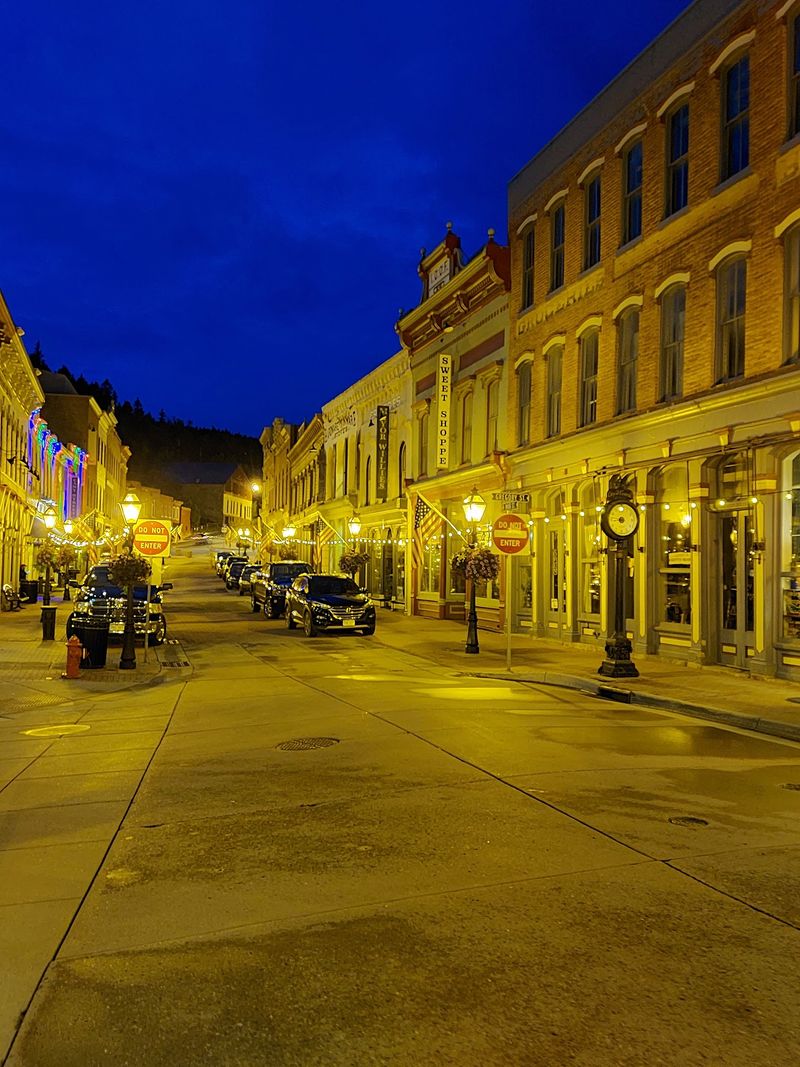
Steep streets give Central City an immediate old mining-town edge. Built in one of Colorado’s early gold regions, it developed after prospectors poured into the area and created a settlement tied closely to one of the state’s most productive gold districts.
The hillsides matter here. Historic buildings seem to climb the slopes, showing how the town adapted to challenging ground instead of spreading across a flat valley floor.
That vertical arrangement makes Central City visually memorable and helps visitors picture a fast-growing community fitting itself wherever space allowed.
Its surviving architecture preserves the look of a place shaped by early mining wealth and persistent mountain realities. Commercial blocks, older facades, and the steep setting together create a strong historic scene. Rather than feeling disconnected, the buildings appear anchored to the terrain that first brought miners and investors into the region.
One useful way to understand Central City is to think of it as a town built under pressure. Gold discoveries created demand for services, housing, transport, and business, all in a landscape that was never especially easy. The result was a compact settlement with a practical, hard-working character that still shows through today.
Visitors should take time to look both across town and up its streets. Side views reveal how closely the structures stack along the hills, while street-level walks highlight the age and solidity of the historic buildings. That combination gives Central City a different rhythm from mining towns set in wider basins or broad valleys.
It feels more compressed, more vertical, and more tied to the rise-and-fall contours of the land. For anyone curious about Colorado’s earliest mining settlements, Central City offers a vivid chance to see how gold, topography, and ambition combined to shape a community whose nineteenth-century form remains visible in remarkably direct ways.
7. Idaho Springs
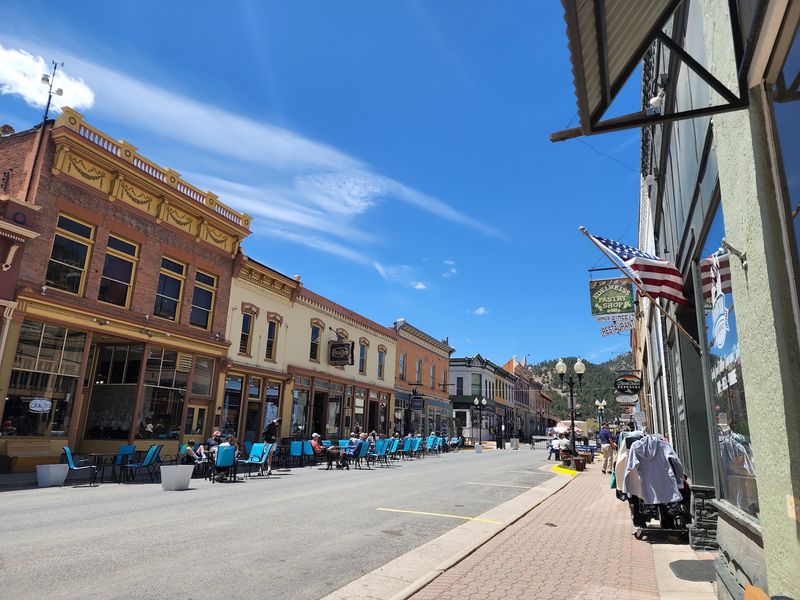
Colorado’s gold-rush story started early in places like Idaho Springs, and that long history still shows. The town traces its roots to the state’s first mining period and grew into an important community in the Clear Creek mining region, where nearby mines shaped everyday life for years.
One of Idaho Springs’ strengths is how clearly its past remains part of its present character. Historic buildings still define much of the older town, and reminders of surrounding mines help explain why this mountain community developed where it did. The connection is visible rather than hidden away behind modern additions.
Because the town sits in a corridor that linked mining activity with travel and trade, it offers more than a single old street to admire. Its story is about movement as well as extraction. People, supplies, ore, and news all had to pass through, giving Idaho Springs a practical role that went beyond one dramatic discovery.
That practicality still comes through in the built environment. The older structures suggest a town that served workers, residents, and the wider mining region at the same time. It was not only chasing riches.
It was supporting the systems that made a mining district function day after day in the mountains. For visitors, Idaho Springs is easiest to appreciate by connecting the town center to the surrounding landscape and regional history.
Walk the historic area, note the older buildings, and remember that the mines nearby were the reason the settlement took hold. A little local reading before arrival can also help, since the town fits into Colorado’s earliest rush years rather than a later boom alone.
That wider context gives Idaho Springs special value. It shows the beginnings of a pattern that would repeat across the state, where mineral finds created towns that mixed opportunity, hard labor, and mountain logistics in ways still visible on the ground.
8. Victor
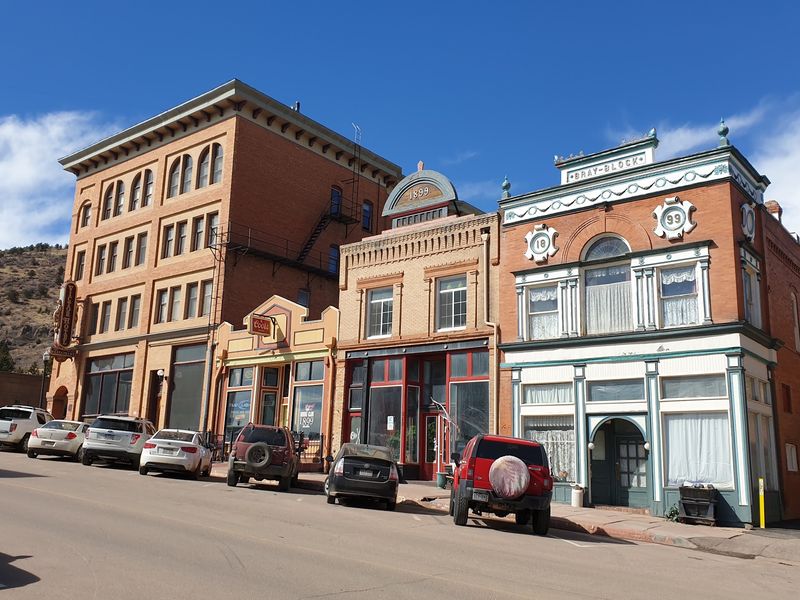
Victor has the kind of quiet presence that makes old buildings stand out even more. Gold discoveries turned it into a booming mining community in the late nineteenth century, and around its peak the town reportedly reached roughly 18,000 residents, a striking figure for a place that now feels much calmer.
That contrast is part of the appeal. You can look at the surviving 1890s buildings and imagine a busier, louder place shaped by money, labor, and constant movement.
Unlike towns where later growth changed the historic core beyond recognition, Victor still presents a strong architectural link to its boom years.
The surrounding mining landscape matters just as much as the storefronts. Old industrial traces around town help explain the scale of the activity that once happened here.
They also separate Victor from places that preserve only the polished downtown side of mining history. In Victor, the working landscape remains part of the picture.
Being near Cripple Creek adds another interesting layer, but Victor has its own identity. It is often described as the quieter neighbor, and that lower-key mood can actually help visitors notice details more easily.
Brickwork, street grades, and industrial remnants become easier to study when a place is not competing for attention at every turn.
To get the best sense of Victor, think in terms of preservation rather than spectacle. Walk slowly, look at the 1890s architecture, and connect it to the mining ground around town. The story here is not just about sudden success.
It is also about what remains after the rush settles and numbers shrink. That makes Victor one of Colorado’s most revealing historic mining towns. It shows how a once-busy gold community can retain its original frame long after the crowds are gone, leaving behind a clear, sturdy record of the era that built it.
9. Leadville
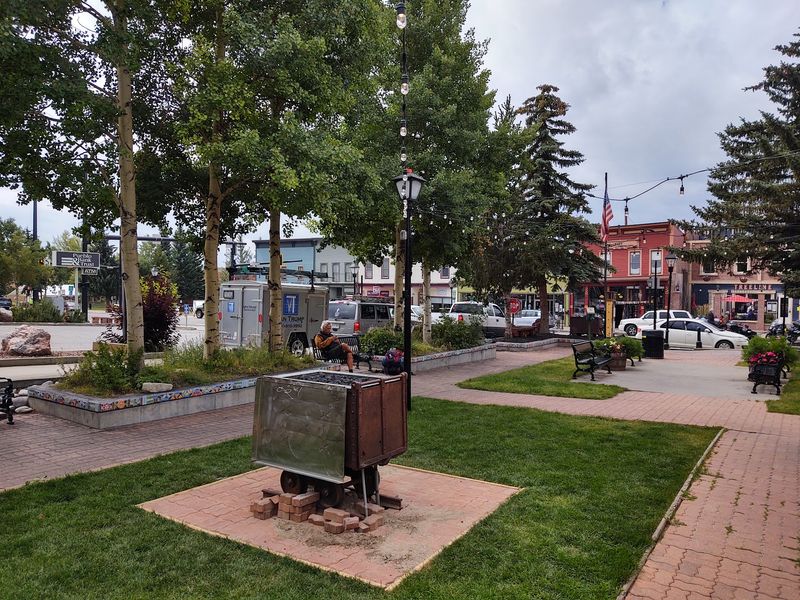
Leadville plays on a bigger scale than many mining towns, and that becomes obvious fast. Its story began with gold discoveries in 1860, then expanded dramatically when a huge silver boom turned the community into one of Colorado’s most important mining cities.
The National Historic Landmark District is a major reason the town leaves such a strong impression. Seventy square blocks of original Victorian architecture create an unusually broad historic core, giving Leadville the look of a place that once handled serious wealth, ambition, and regional influence rather than just a brief rush.
Outside town, the historic mining district adds even more weight to the story. With 67 mines in the surrounding area, the landscape helps show how large the mining enterprise became.
That number alone suggests a place shaped by far more than a handful of lucky strikes. Leadville was part of a sprawling industrial network.
Because of that scale, a visit here benefits from zooming in and out. Up close, details on buildings reveal the city’s Victorian character. From a wider perspective, the surrounding mining district explains where the money, labor, and urgency came from.
Both views are needed to understand why Leadville became so significant in Colorado history. Leadville also stands apart because it feels urban by mining-town standards.
The architecture is extensive, the history is layered, and the nearby mines keep the city tied to its source of growth. Travelers should allow enough time to explore more than one block or landmark, since the power of the place comes from its breadth.
Walk the district, notice how much original fabric remains, and then remember that the mountains around town once held an extraordinary concentration of mining activity.
Leadville offers one of the fullest surviving pictures of Colorado’s mineral era, where city-building and extraction grew together on a scale still visible today.