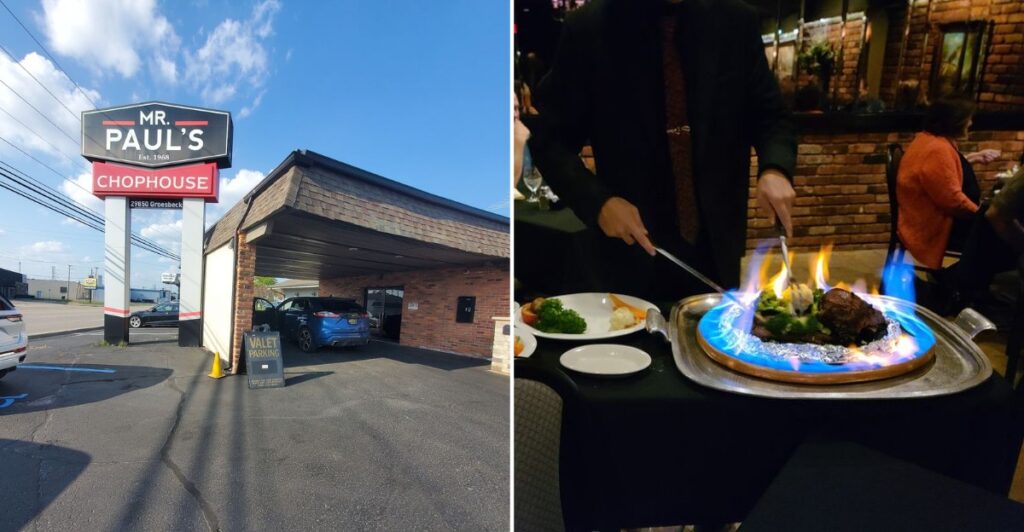
Quiet restaurants can be the most surprising when the door opens to a room full of life. In Roseville, Michigan, Mr. Paul’s Chop House has the kind of dark, understated exterior that might make first-time visitors wonder what is happening inside.
Then the old-school steakhouse energy takes over, with busy tables, rich smells, polished service, and the feeling of a place that regulars already know not to underestimate. That contrast is part of what keeps this longtime spot so memorable.
For anyone who likes Michigan restaurants with classic charm and a little first-impression mystery, Mr. Paul’s Chop House is worth a closer look.
A Quiet Exterior That Hides a Full Dining Room
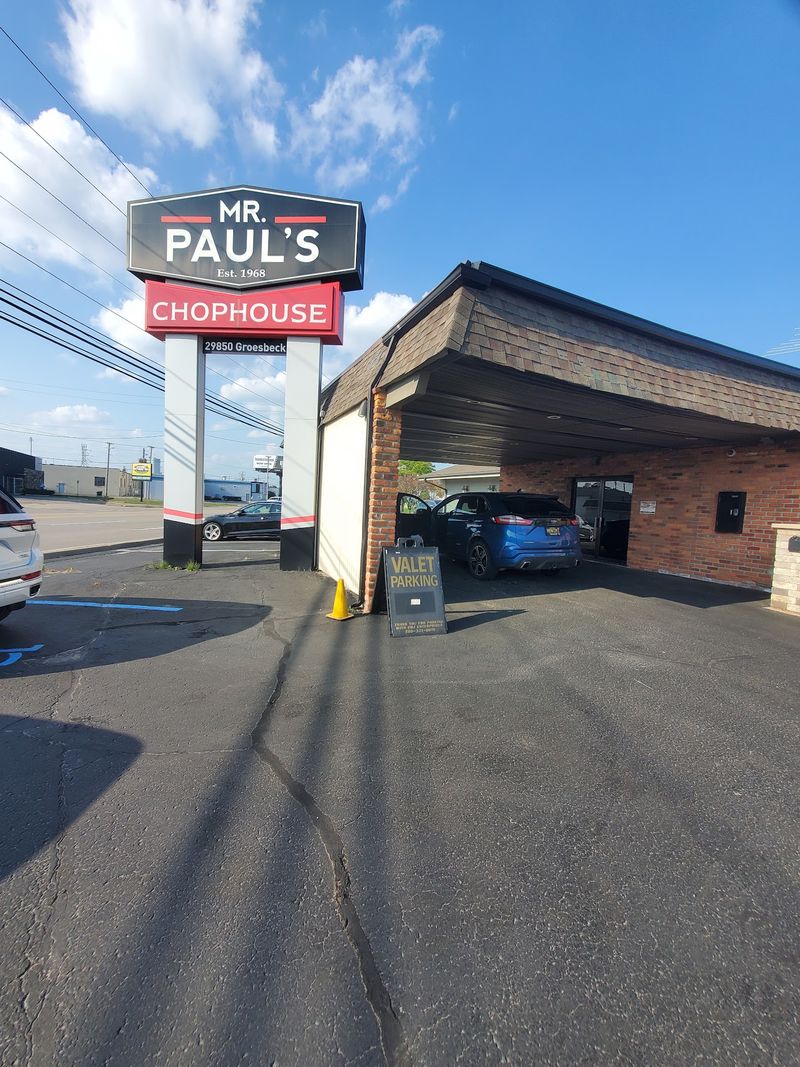
At first glance, the building does not shout for attention. Set along Groesbeck Highway in Roseville, Mr. Paul’s Chop House has a darker, older look that can make a first-time visitor slow down and check the address twice.
In daylight, it reads more like a longtime local institution than a flashy dinner destination.
That low-key exterior is part of the surprise. Newer restaurants often use giant windows, bright lights, and trendy design to announce themselves from the street.
Mr. Paul’s goes in the opposite direction, and that choice changes the whole arrival experience. You are not being pulled in by spectacle.
You are stepping into a place that depends on reputation, routine, and returning diners.
Once cars start filling the lot and people move through the entrance, the story changes fast. A building that looked almost still from outside suddenly connects to a dining room with motion, conversation, servers carrying plates, and the glow of a classic chophouse interior.
That contrast can be exciting if you enjoy places that reveal themselves slowly instead of all at once.
If you are driving by for the first time, do not mistake calm for empty. The modest frontage can hide a very active lunch or dinner service, especially on popular nights.
It helps to arrive with a little patience and a clear plan for parking. When a restaurant has been around for decades, a quiet shell often means the focus stayed on the meal rather than the curb appeal.
At Mr. Paul’s, that old-school confidence starts before you even reach the host stand.
Inside, the Classic Chop House Mood Takes Over
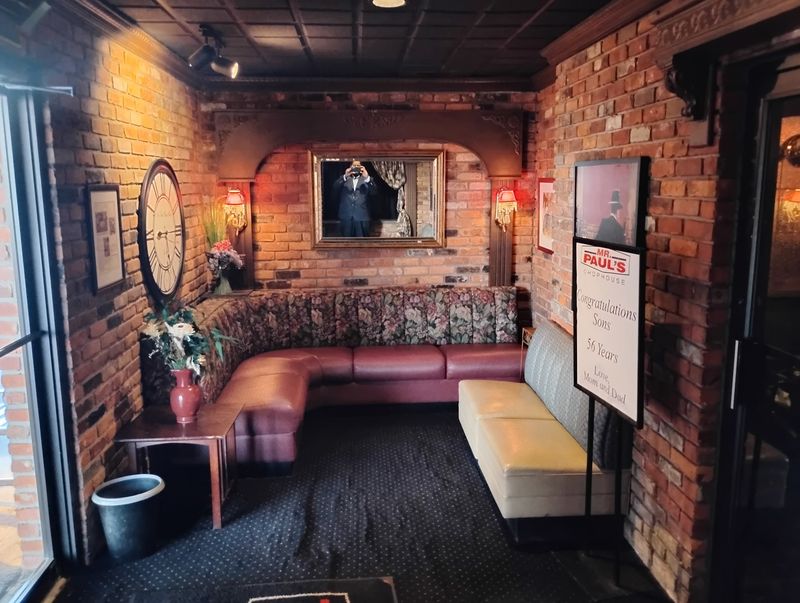
The mood shifts the second you get inside. Instead of the quiet look from the road, the dining room gives off warmth, movement, and that deep restaurant glow that only works in a dark, old-school setting.
Brick walls, low lighting, and table service create a scene that feels rooted in another era without seeming frozen in time.
There is a reason this style still works. Dim rooms make polished glasses sparkle, steaks look richer, and conversations feel a little more private even when the place is busy.
A bright, modern room can feel casual and quick. Here, the darker setting tells you to settle in, order carefully, and expect dinner to be part of the evening rather than a stop along the way.
The energy inside is not stiff or silent. It is lively, especially when tables are full and the bar is active.
You may notice dressed-up date-night tables sitting near regulars who know exactly what they want. That mix gives the room a comfortable confidence.
It looks polished, but it is not trying to intimidate anyone.
If you like restaurants with a sense of occasion, this setup does the job without needing gimmicks. The interior supports the menu and the service style, especially with tableside touches that fit naturally into the room.
Even lunch can carry a little more weight in a space like this. By the time bread arrives and the first plates start moving across the floor, the outside world fades fast.
The whole point becomes clear. Mr. Paul’s is built to make dinner feel special through lighting, layout, and rhythm, not through trendy design tricks that date quickly.
The Tableside Caesar Steals Attention Before the Steaks Arrive
Before the steak becomes the star, another part of the meal often grabs the spotlight. Mr. Paul’s Chop House is closely tied to its tableside Caesar salad, a dish that adds motion and theater to the meal without feeling cheesy or forced.
In a room built for traditional service, that kind of preparation fits perfectly.
Watching a salad come together beside the table changes your pace. You stop scrolling, stop rushing, and pay attention to what is happening in front of you.
The bowl, the dressing, the crisp romaine, and the final toss all turn a simple starter into a small event. That matters in a steakhouse because anticipation is part of the fun.
The Caesar also tells you a lot about the restaurant. Places that take care with a classic first course usually care about the rest of the meal too.
At Mr. Paul’s, the salad works as a bridge between the room and the menu. It prepares you for a dinner built around older chophouse habits, where service is visible and timing matters.
If you are planning your first visit, this is one of the smartest orders on the menu because it helps define the whole experience. Even if you came focused on prime rib, filet, or a larger steak dinner, the Caesar gives the table something to share and talk about right away.
It also pairs naturally with the dim setting and white-tablecloth feel of the room. Some restaurants use spectacle to distract from weak food.
Here, the show and the substance seem designed to support each other. By the time the salad is served, the meal has already announced its style clearly, and the rest of dinner has real momentum.
Big Steakhouse Standards Still Lead the Menu
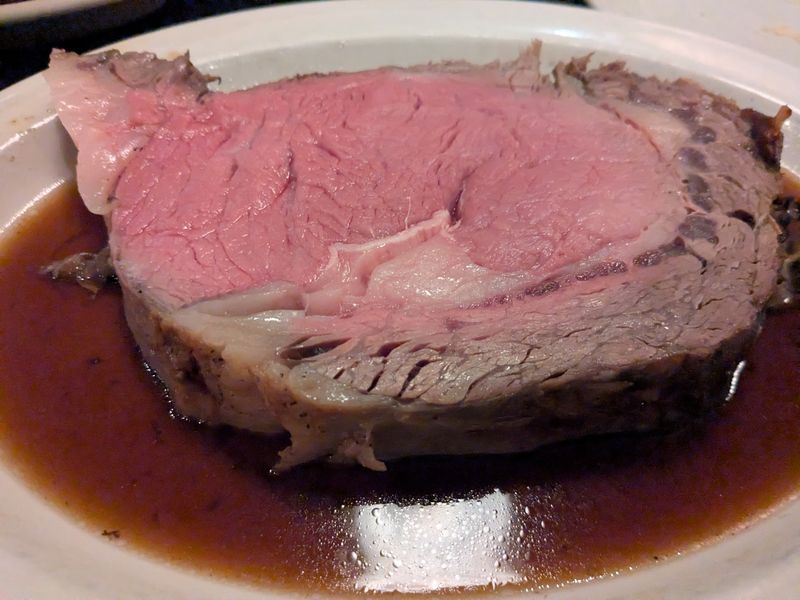
Once you get to the main course, Mr. Paul’s Chop House leans into the food people expect from a longtime chophouse. Steaks, chops, seafood, and familiar steakhouse sides lead the menu, and the lineup signals confidence in the classics rather than a need to chase every trend.
That approach helps explain why the dining room can stay busy year after year.
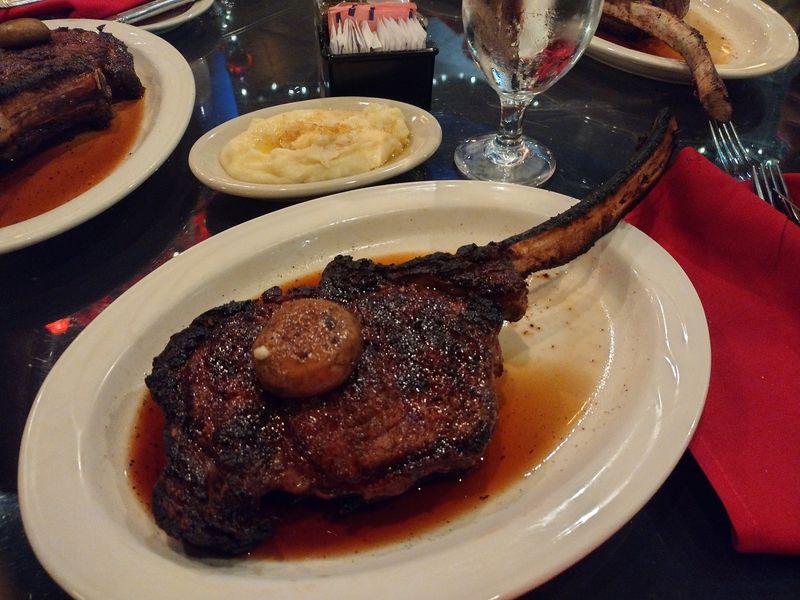
Prime rib stands out as one of the signature draws, and filet, ribeye, porterhouse, and larger dinner options fit the same serious tone. A chop house does not need a giant menu if the core items carry enough weight.
In fact, a tighter list can make ordering easier, especially if you want a traditional dinner without sorting through pages of novelty dishes.
The supporting cast matters too. French onion soup, potatoes, seafood choices, and old-school extras all deepen the experience because they match the room instead of fighting it.
You are not in a place built around tiny plates or fast turns. You are in a restaurant where the full dinner structure still counts, from starter to side dish to dessert.
If you are deciding how to order, it helps to think in classic steakhouse terms. Pick one dish you came for, then build around it with a strong starter and a side that fits the mood.
Sharing works well here too, especially for larger cuts or dinner-for-two options. A packed dining room makes more sense when the menu offers food that suits birthdays, date nights, and family celebrations all at once.
The meal is substantial, not hurried, and designed for people who want dinner to feel complete. In a time of stripped-down concepts, that kind of menu still carries real pulling power.
Why This Michigan Favorite Keeps Its Old-School Service Alive
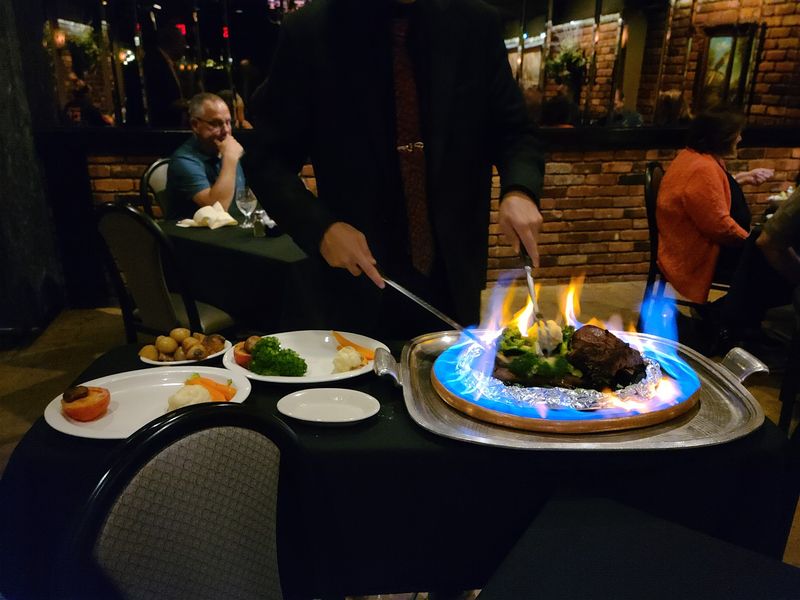
Service is a major part of why the room stays full. At Mr. Paul’s Chop House, the old-school chophouse identity is not only in the brick walls or the dim lights.
It also shows up in how the meal is paced, how servers interact with the table, and how visible the staff is throughout the night.
That style matters because classic steakhouse dining depends on timing. Drinks need to arrive smoothly, salads need attention, larger entrées need space, and special dinners should not feel rushed.
When a restaurant leans into tableside preparation and celebratory meals, service stops being background noise. It becomes part of the product.
Being family-owned since 1968 gives the place an obvious connection to continuity, and that history helps explain the tone. Long-running restaurants often keep certain habits because those habits are tied to why regulars return.
In a newer space, polished service can sometimes feel scripted. Here, the goal appears to be steadiness, familiarity, and a sense that the dining room knows how to handle an occasion.
If you are choosing between lunch and dinner, service style can shape your experience as much as the food. Lunch may offer a calmer look at how the room operates, while busy evenings put the staff rhythm on full display.
Either way, it helps to approach the meal with a little time set aside. This is not the kind of place built for a rushed forty-minute stop.
It is better for a proper dinner, a birthday, or a date where attentive pacing adds value. In Michigan, restaurants that protect this kind of traditional service culture are getting rarer.
Mr. Paul’s keeps that model in active use, and that alone makes it stand apart.
The Best Time to Go, and What to Know Before You Pull In
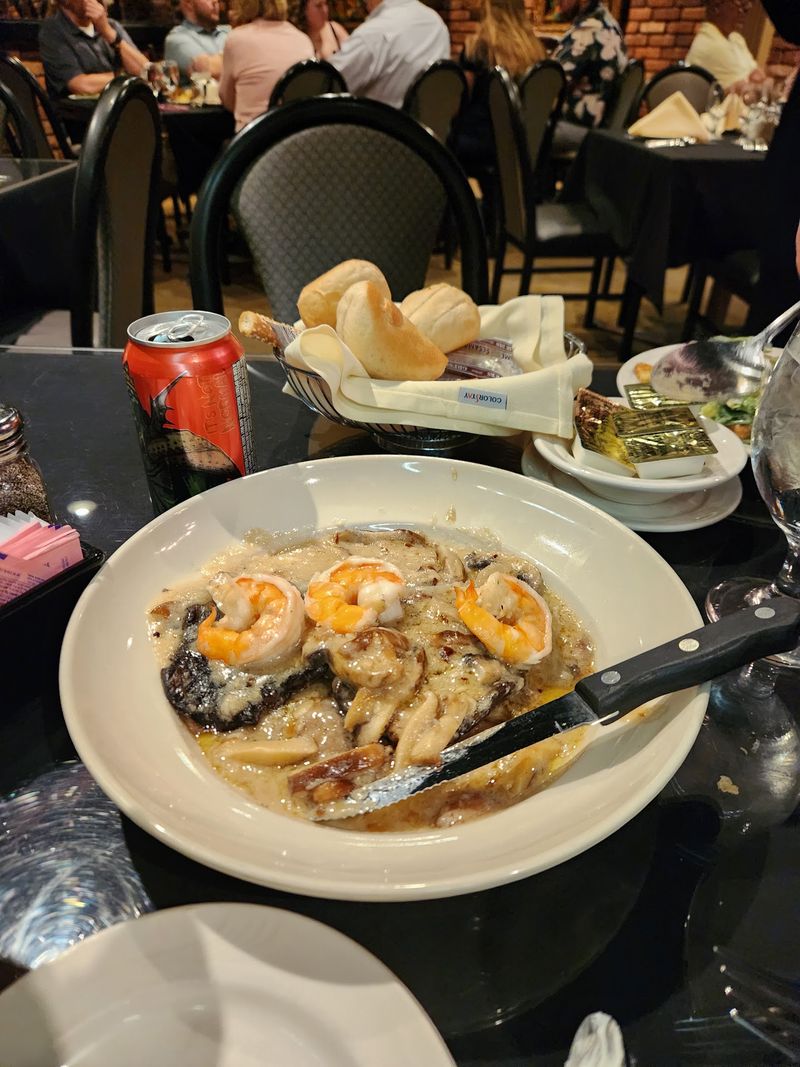
Timing can change the whole experience at Mr. Paul’s Chop House. Because the outside can look quieter than the inside really is, it helps to plan before you go.
A place with a steady local following can shift from calm to crowded fast, especially around dinner on popular nights and weekends.
Weekday lunch offers one path if you want the classic food and service in a more measured setting. Dinner brings the fuller show, with a busier room, stronger social energy, and more of that packed-house contrast the title hints at.
Saturday hours start later than the weekday lunch schedule, and Sunday is closed, so checking the day matters more than it would at an all-purpose chain.
Parking is another practical detail worth thinking about in advance. There is valet service available, and self-parking behind the restaurant has also been noted by diners.
If the front area looks tight, do not assume there is nowhere to go. Keep moving, look around, and allow yourself extra minutes so arrival does not feel stressful.
Reservations are a smart move if you are aiming for a prime dinner slot, a celebration, or a weekend table. Even when seating moves well, a restaurant with a strong reputation can fill quickly, and the compact, older setup means space is not endless.
If you prefer a little less noise, earlier dinner times may suit you better than the peak rush. On the other hand, if you enjoy the sight of a classic steakhouse buzzing at full speed, those packed periods are part of the charm.
A little planning helps you match the visit to your own style, and that makes the whole evening easier from the first turn into the lot.
Why the Surprise Works Better Here Than at Flashier Places
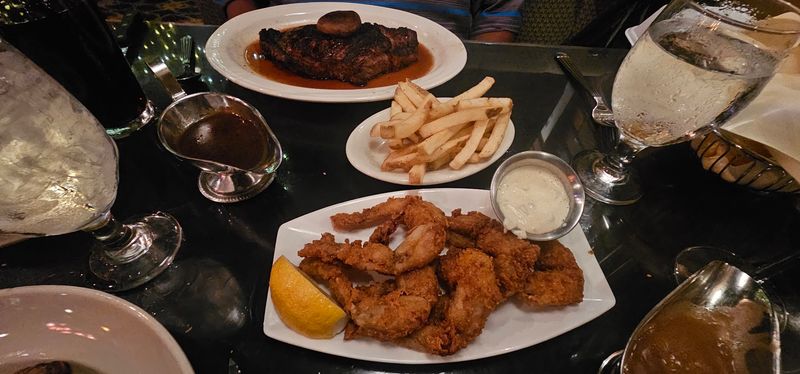
Some restaurants try hard to look exciting before you even park. Mr. Paul’s Chop House works differently, and that is exactly why the surprise lands so well.
The outside does not spend energy selling a fantasy. Instead, the payoff comes when the door opens and the room turns out to be busy, warm, and very much alive.
That contrast creates a stronger sense of discovery than a flashy facade ever could. When a place looks modest from the road yet runs at full speed inside, you immediately understand that its draw comes from habit, trust, and a long-built name.
In other words, the crowd is there for the restaurant itself, not because a bold exterior tricked them into stopping.
Mr. Paul’s also benefits from being specific. It is not trying to be every kind of dining experience for every kind of customer.
It is a chophouse with history, a darker dining room, classic service touches, and a menu shaped around steakhouse standards. That focus makes the place easier to understand and easier to remember.
The details line up instead of pulling in different directions.
If you are tired of restaurants that spend more effort on branding than dinner, that clarity is refreshing. The packed interior tells you the formula still works.
People want substantial meals, recognizable style, and a room that treats a night out like an occasion. In Roseville, Mr. Paul’s keeps proving that a restaurant does not need a bright, loud first impression to stay relevant.
Sometimes the better story starts with a building that seems almost too quiet, then opens into a full house where the old steakhouse playbook is still winning. That is the kind of surprise people talk about long after the plates are cleared.