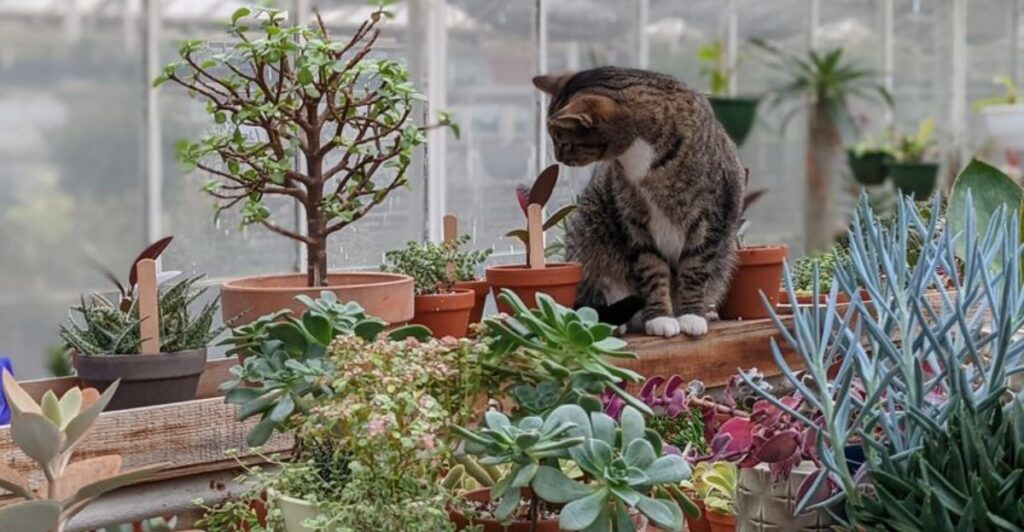
Plant shopping feels a lot more exciting when the greenhouse has character before you even reach the first bench. In Plymouth, Michigan, Graye’s Greenhouse offers a different kind of stop with unusual plants, old-school greenhouse charm, and the kind of local following that says people trust what they find there.
The appeal comes from more than variety; it is the chance to discover plants with personality and get helpful guidance before bringing something home. It turns a simple errand into a slower, more curious browse.
For anyone tired of the same big-box garden-center routine, this Michigan greenhouse is worth stepping inside.
A Greenhouse That Looks Layered, Lived-In, and Full of Discovery
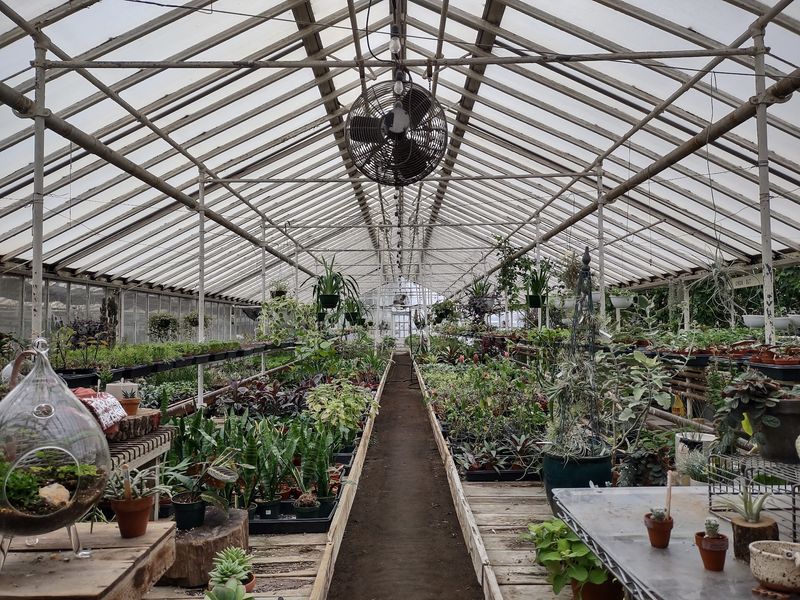
Some plant shops look neat and predictable. Graye’s Greenhouse goes in a different direction, and that is part of the charm.
The space appears built by years of careful growing, collecting, and rearranging, so every turn gives you another pocket of color, texture, or shape.
Instead of wide aisles with matching tables, you get a greenhouse that rewards slow looking. Plants seem to rise from benches, shelves, corners, and hanging spots overhead.
A trip here feels more like exploring than speed shopping, which is a big reason the place stands apart from larger retail stores.
That older greenhouse character also changes how the plants are seen. Rare varieties do not sit under plain store lights beside a hundred identical pots.
They live in a setting that helps you notice details, such as thick cactus ribs, tiny terrarium leaves, unusual succulent forms, or patterned foliage that might be missed in a warehouse garden section.
If you enjoy taking your time, this layout works in your favor. Walk one section, then circle back, because something tucked behind a fern or below a hanging basket may catch your eye the second time.
Shoppers looking for a quick in-and-out run can still get one, but the greenhouse clearly invites curiosity.
There is also a visual richness that makes the experience memorable without needing flashy signs or staged displays. Living plants create the interest on their own.
Green tones shift from deep and glossy to pale and powdery, while blooms and sculptural leaves break up the view.
For anyone tired of cookie-cutter garden departments, that setting matters almost as much as the plants themselves. Graye’s does not present nature in a flat, standard way.
It surrounds you with it, and that makes unusual plants easier to appreciate, compare, and imagine in your own home or yard.
Succulents and Cacti That Go Far Beyond the Usual Store Rack
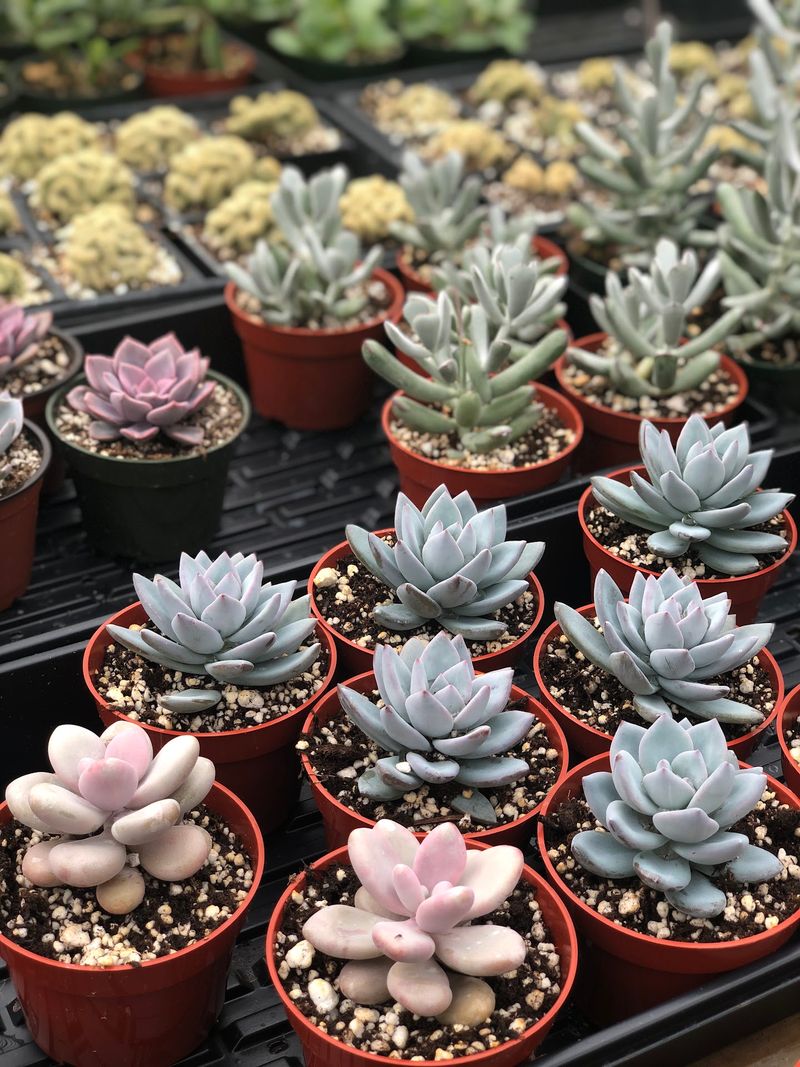
Plenty of stores sell a few succulents near the checkout line. Graye’s Greenhouse treats them like a serious collection instead of an afterthought.
That difference shows up fast when you see how many shapes, sizes, colors, and forms are gathered together under one roof.
The selection has become one of the strongest reasons plant lovers seek out this Plymouth greenhouse. Cacti with bold spines, compact rosettes, trailing succulent stems, and different jade plant varieties give the tables a look that big chain stores rarely match.
You are not just choosing between three common options in nearly identical plastic pots.
For beginners, that variety can be exciting and a little overwhelming. A smart approach is to compare leaf thickness, growth habit, and pot size before buying.
Smaller specimens often let you try something unusual without spending too much, while larger plants can become instant focal points on a windowsill, shelf, or patio.
Collectors get a different kind of benefit. When a greenhouse is known for carrying uncommon succulent and cactus material, it becomes a place where your collection can branch out instead of repeating what every supermarket garden table already has.
That matters if you are hunting for plants with structure, odd textures, or forms that look almost sculpted.
Pricing also plays a role in why the selection feels accessible. Different sizes of the same plant can make unusual varieties easier to bring home, even if you are shopping with a set budget.
You can often choose whether you want a starter plant to grow on your own or a fuller specimen ready to show off.
Even if you leave with only one pot, you are likely to come away with a better idea of how broad the succulent world really is. At Graye’s, these plants are not filler.
They are one of the main reasons the greenhouse has become such a talked-about stop.
Houseplants With More Personality Than the Big Box Basics
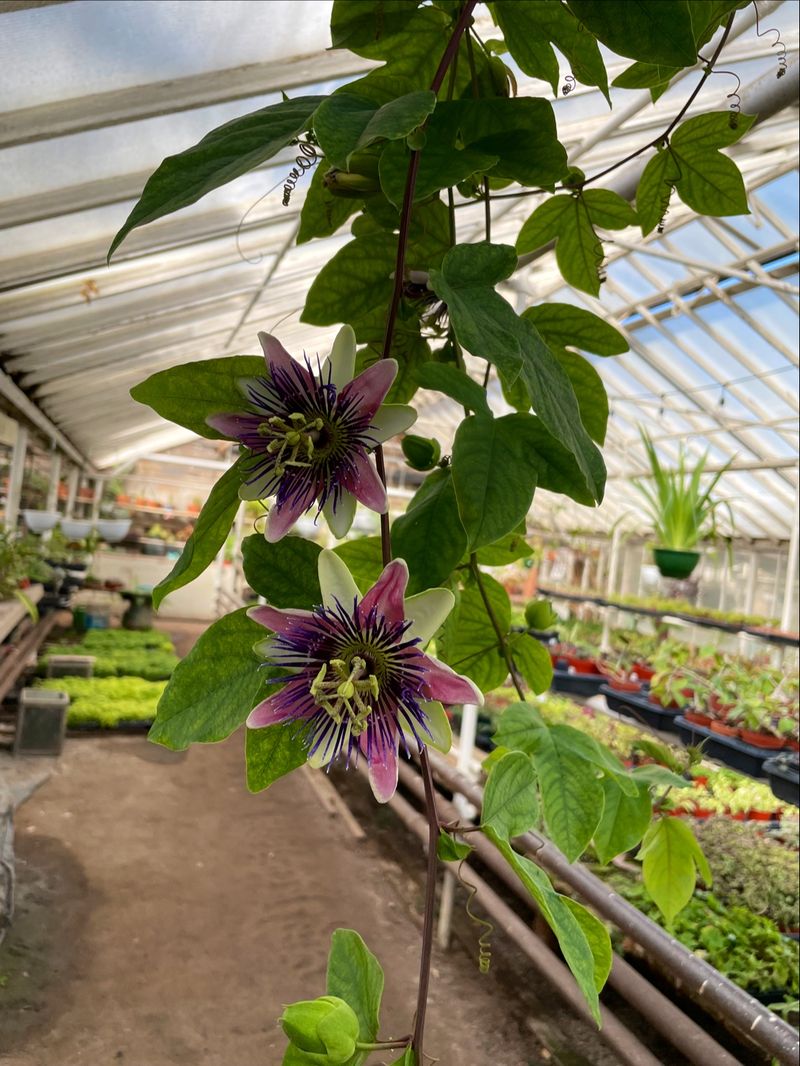
Not every shopper is chasing cactus spines or tiny desert plants. Some want indoor greenery with color, texture, or leaf patterns that do more than fill an empty corner.
Graye’s Greenhouse earns attention here too, because the houseplant mix goes beyond the common mass-market lineup.
Big box stores usually rely on familiar names that can be shipped in large numbers and sold quickly. At Graye’s, the draw is the chance to notice plants that are less expected, including striking begonias, terrarium-friendly picks, flowering choices, and houseplants with leaf shapes or markings that break away from the standard shelf of pothos and peace lilies.
That variety helps different kinds of plant owners. If you are decorating a small apartment, compact plants can add interest without taking much room.
If you have brighter windows and want something more dramatic, larger or less usual foliage plants can create a centerpiece instead of blending into the background.
Healthy condition matters just as much as rarity. Unusual plants are only exciting if they look cared for and ready to keep growing after you bring them home.
A greenhouse known for selection gives you a chance to compare leaves, stems, and overall vigor in person rather than guessing from a label or a shipment cart.
One practical tip is to shop with a real spot in mind. Measure the shelf, windowsill, or table where the plant will live before visiting.
That makes it easier to choose between a showy statement piece, a trailing plant for height, or a smaller specimen that can grow with you over time.
The result is a more personal indoor plant search. Instead of grabbing whatever happens to be in stock at a chain, you can look for a plant that matches your space, light, and style.
Graye’s turns houseplant shopping into a hunt for character, not just convenience.
Old Michigan Roots and a Growing Style Shaped by Time
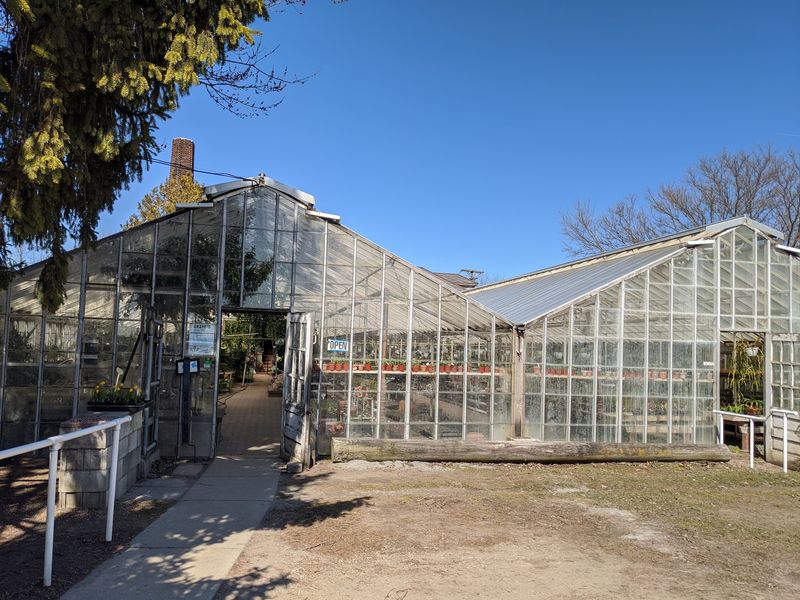
Age alone does not make a greenhouse special, but history can shape how a place grows. Graye’s Greenhouse carries the appeal of an older Michigan plant destination, and that long-running identity gives the shop a different rhythm from newer retail garden centers built around fast turnover.
When a greenhouse has been part of the local landscape for years, it often develops habits that are harder to copy. Plants are not treated like generic inventory alone.
The selection reflects accumulated knowledge, repeat growing, and an understanding of what regular plant shoppers in the region actually get excited about, from indoor foliage to succulents and cacti.
One detail that stands out is the idea of growing stock from mother plants. That speaks to a more hands-on approach than simply unpacking whatever arrives on a truck.
For plant buyers, that can mean the greenhouse keeps refreshing its offerings over time instead of relying only on the same wholesale formulas seen elsewhere.
Michigan weather gives that effort extra meaning. In a state with long winters and strong seasonal shifts, a greenhouse can become more than a spring shopping stop.
It turns into a year-round source of color, growth, and plant learning, especially when indoor plants and specialty varieties remain part of the mix.
Older places also tend to collect local loyalty through consistency rather than hype. A greenhouse that keeps drawing people back usually does so by maintaining healthy stock, building trust, and offering enough variety that a return visit does not feel like a repeat of the last one.
That kind of staying power is earned slowly.
For you, the benefit is simple. Shopping at a place with deep roots can open up a wider plant world than a chain store designed around standard seasonal demand.
Graye’s connects local greenhouse tradition with the excitement of seeing something uncommon, and that blend gives the place a clear identity in Michigan.
Advice That Helps You Choose Better, Not Just Buy Faster
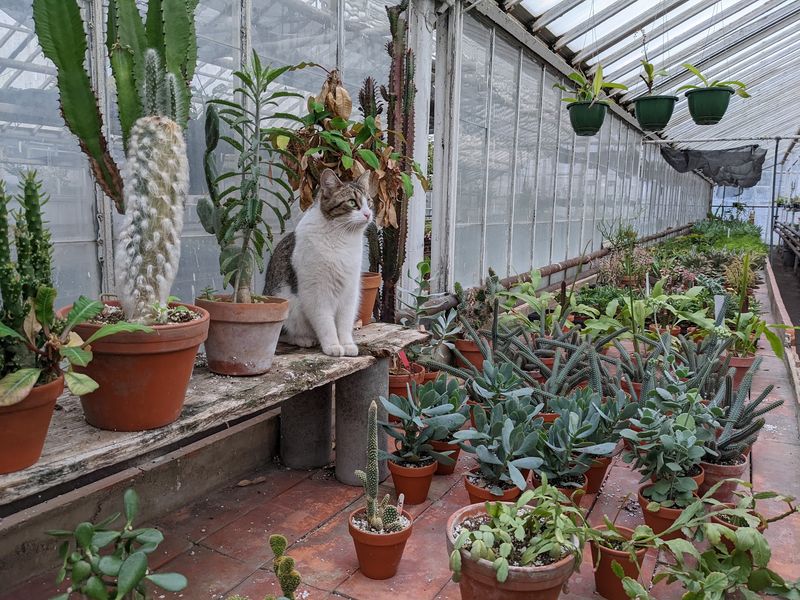
Finding a rare plant is exciting. Knowing what to do with it after you get home is even more useful.
Graye’s Greenhouse has built a strong reputation not only for unusual selection, but also for staff who help match plants to real homes, real light, and real skill levels.
That changes the shopping experience in a major way. At a big box store, you may get a tag with a few care icons and little else.
In a greenhouse where plant knowledge is part of the service, you can ask better questions about watering, light, potting, growth habits, and whether a plant is a smart fit for your space.
Good advice saves money. Bringing home a striking plant that needs bright sun is frustrating if your best window faces north and stays dim.
A quick conversation with someone who understands the stock can steer you toward a plant you can actually keep healthy, which matters far more than buying the trendiest thing on the bench.
Beginners benefit the most, but experienced collectors do too. Specialty plants often come with small quirks, and thoughtful guidance can help you notice warning signs, understand seasonal growth, or decide if repotting right away is a good idea.
Even choosing the right size plant can make care easier.
Another practical advantage is the sense that questions are welcome. That matters for shoppers who feel nervous admitting they have lost plants before or do not understand terms like indirect light.
A greenhouse becomes more approachable when advice sounds clear and usable instead of overly technical.
If you visit Graye’s, go in with a short list of details about your home. Think about your window direction, how often you travel, and whether pets can reach the plant.
That information can lead to better recommendations than simply asking for something easy. Smart plant buying starts with honest plant matching, and that is where this greenhouse shines.
How to Plan Your Visit Without Missing the Best Corners
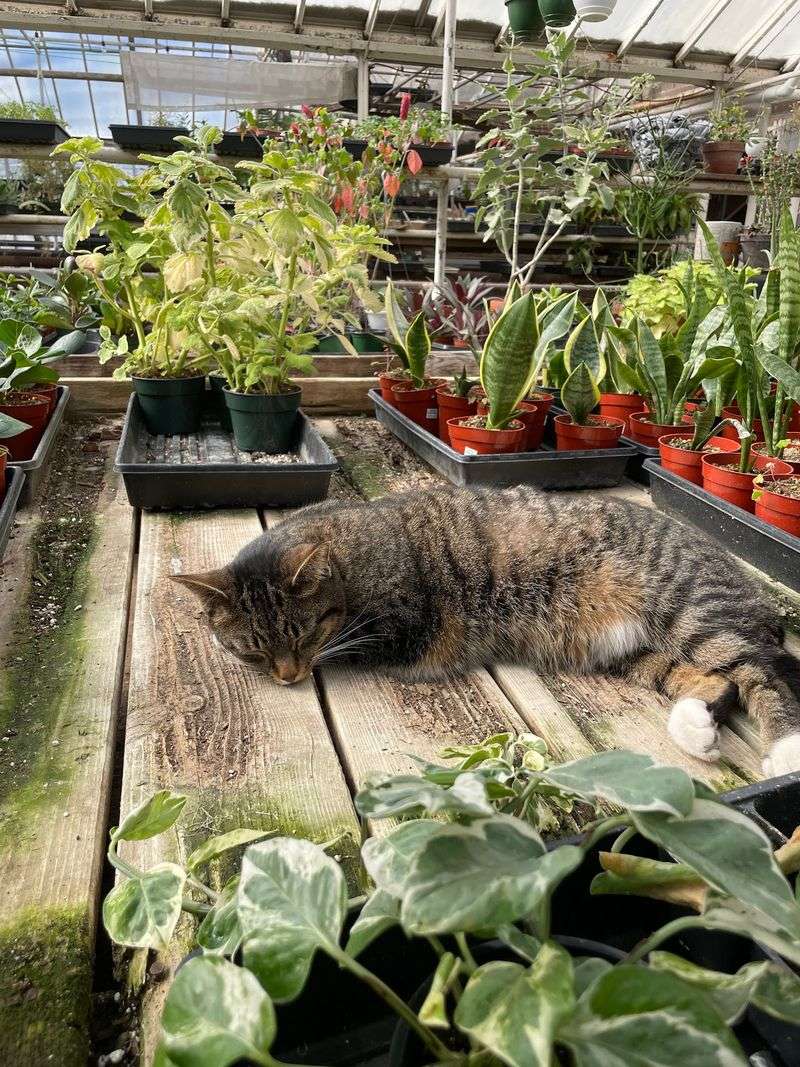
A little planning goes a long way here. Graye’s Greenhouse is not the kind of stop where you want to rush in with five minutes to spare and expect to see everything.
The greenhouse setup encourages browsing, and the fuller the plant selection, the more useful it is to give yourself time.
Current public hours also shape the visit. Graye’s is open Thursday through Saturday from 10 AM to 5 PM, and Sunday from 10 AM to 4 PM, with the greenhouse closed Monday through Wednesday.
That schedule makes it smart to plan ahead, especially if you are driving from another part of southeast Michigan.
Parking is another detail worth knowing before arrival. The property is a bit set back, and local notes point to turning onto Joy for parking access.
That is simple enough once you know it, but having the plan in mind removes one small stress point and lets you focus on the plants instead.
Inside, the best strategy is to move slowly and look high and low. Hanging plants, benches, corners, and tightly packed displays can hide the very item you came to find.
If you are shopping for a specific category, such as cacti, terrarium plants, or indoor foliage, it helps to do one full walk-through first before making a final choice.
Bring a phone photo of the room where the plant will live. That can help with size, color, and style decisions, especially if you are choosing between several uncommon plants at once.
A reusable box or stable bag is also helpful for getting purchases home safely, especially delicate succulents.
Weekend visits may offer the most energy, but a less hurried shopping window can be useful if you want longer conversations about care. Either way, the main tip is simple: treat the stop like an outing, not an errand.
Graye’s rewards attention, and the best finds are not always sitting front and center.
Why Graye’s Stands Apart From the Standard Garden Center Run
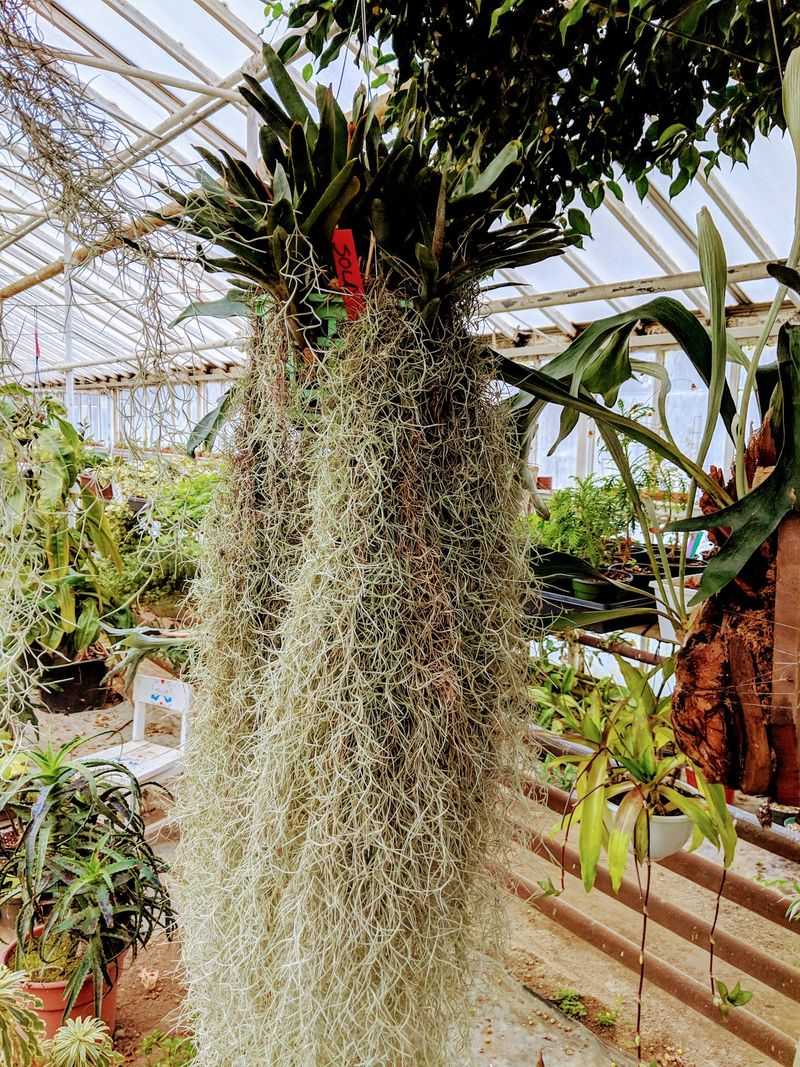
By the end of a visit, the biggest difference becomes clear. Graye’s Greenhouse is not competing with big box stores on convenience alone.
It stands out by offering a richer plant search, a more personal setting, and a stronger sense that each section of the greenhouse has been shaped by real interest in plants, not just retail efficiency.
That matters because unusual selection changes how you shop. Instead of replacing a dead fern with the same common plant from the nearest chain, you can rethink what belongs in your home or garden.
Maybe it is a cactus with bold structure, a terrarium plant for a small display, a begonia with dramatic leaves, or a flowering houseplant that adds color indoors.
The greenhouse experience adds another layer. People do not only come for a single product and leave.
The property has the kind of detail that invites wandering, and that broader experience can include fresh-cut flowers, seasonal interest, and even event energy connected to markets or art-focused gatherings on site. A greenhouse with that range gives you more reasons to return.
There is also a local advantage in choosing a place like this. Shopping at a longstanding greenhouse supports a business rooted in Plymouth rather than a national formula where every location looks almost the same.
For plant lovers, that often means more variety and more actual plant knowledge staying in the community.
No plant shop is defined by one shelf or one visit, and careful buyers should always inspect any plant before bringing it home. Still, the larger picture at Graye’s is easy to understand.
If you want rows of predictable basics, plenty of stores can do that.
If you want a greenhouse where rare plants, old-school character, and helpful guidance come together in one stop, Graye’s offers a far more interesting path. In a market full of sameness, that difference gives the place its real strength.